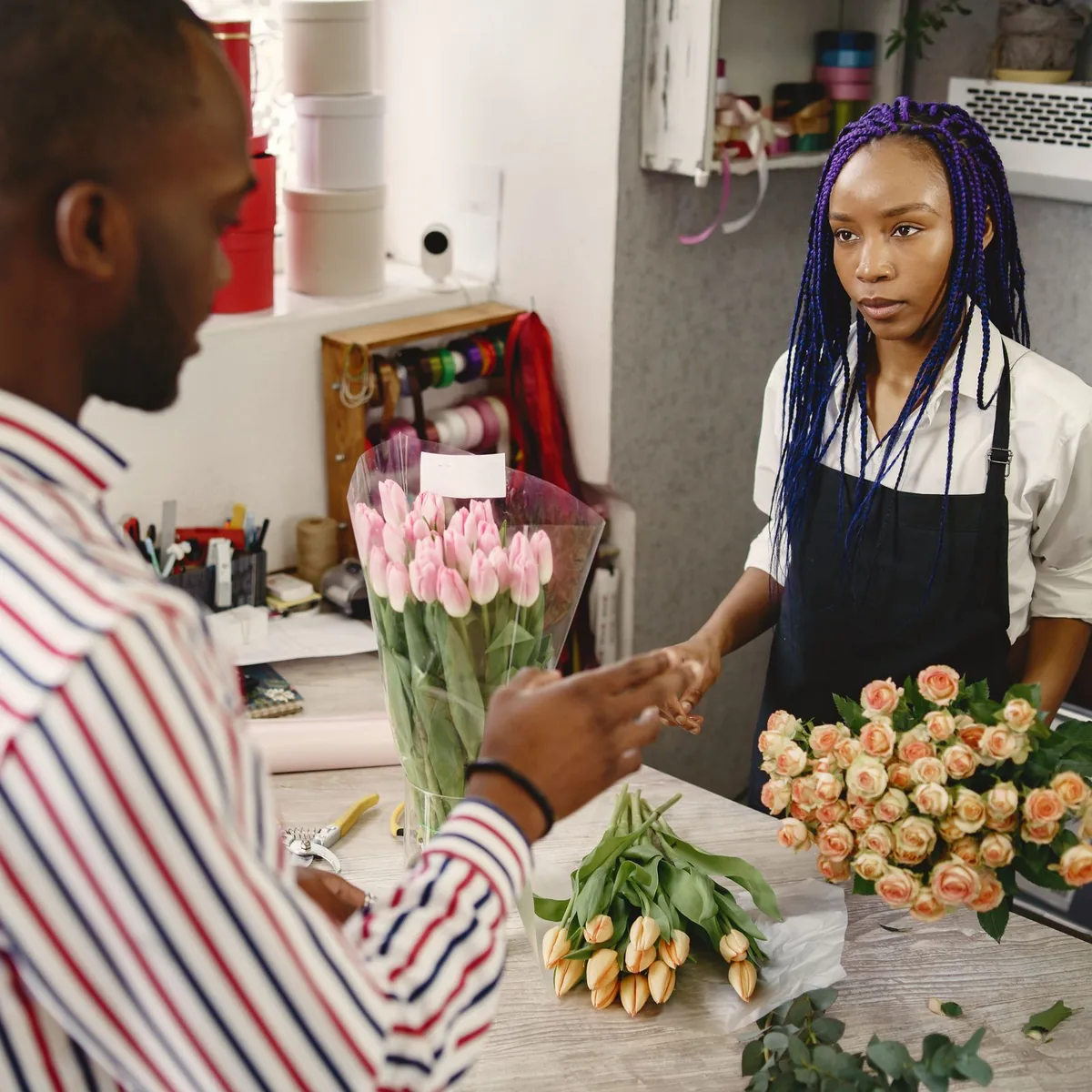
One morning, at my neighborhood florist shop in Amsterdam, a drunk man walked in. He needed a red rose. For someone. An hour later, a man stood at the counter who had just lost his child. An hour after that, someone came in who was getting married.
I told that story on LinkedIn around All Saints' Day, and it went further than anything else I posted that week. Nobody needed a number. They'd all stood at a counter like that, on one side or the other.
Half a Florist, Half a Psychiatrist
I started in flowers at 15, as a Saturday helper at the flower market on the Singel. After my studies, I ran my own shop for seven years. I was a florist, but I was also half a psychiatrist. Like a hairdresser, a neighborhood shop sees every stage of life walk through the door. Sometimes in one morning.

And I'm an emotional guy, so I took all of it home with me. I've stood in that shop crying.
That's what's missing from the way we talk about florists. We talk about margins, footfall, and online competition, and those are real. But the customer who comes in on the worst day of the year isn't there for a product. She's there because she needs someone to ask her who it's for. A website can't do that yet, and most people wouldn't want it to.
I was a florist, but I was also half a psychiatrist.
The Promise I Didn't Keep
One woman I'll never forget. An old lady. I was making a small grave arrangement for someone. I was never a great florist; I could tie a nice bunch, and that was about it. She said, "Arnold, when I die, I want you to make my funeral flowers."
Then I closed my shop. She was still alive. It felt like I was letting her down.
Under my post, a woman who had run her own shop wrote that a few months after she closed, a dear client of hers passed away, and she felt guilty for not being there to send the flowers out. She'd handed him over to a good shop. It didn't help much.
That's what a closing does. The stock gets sold, and the lease ends. What nobody writes down is who wanted lilies because her mother did, who can't have anything with a scent, and who was promised what. If you've ever wondered why we use flowers at funerals at all, that's part of the answer. Somebody who knew the person made them.
What the Numbers Say
The Dutch Chamber of Commerce counted 3,880 flower shops at the start of 2025, down from nearly 4,400 in 2019. That's about 12 percent gone in six years.
A wider count of flower and plant shops, analyzed by the Dutch news agency ANP, gives the same direction. About 6,400 at the start of 2026, the fourth year down in a row, at just over 70 shops a year. Patricia Bloedjes, chair of the Dutch florists' association VBW, named the reasons: staff shortages, an aging workforce, no successors, and online competition. The same things every shopkeeper on the street is dealing with.
Read that list again and look at which reason is really about money. Most shops I know of don't die from one bad year. They stop because the owner is done and nobody takes over. A florist's hours are long, the mornings are early, and the business rarely pays for a successor to buy in. So the shop doesn't go bankrupt. It just isn't there one Monday.
What Goes With the Shop
When a neighborhood shop closes, the people on that street don't stop having funerals, weddings, and bad days. They buy less, or they buy somewhere with no one to talk to. The grower never hears about it. The wholesaler sees one customer fewer on the list. Nobody downstream registers what went.

For growers, this should matter more than it does. Everything the trade says about the emotional value of flowers is delivered, in the end, by a person at a counter. Take sympathy flowers. The flower is the same in every shop. What the customer pays for is someone who asks the right question and gets the card right.
What the Sector Should Do Next
- Count successions, not only closures. We know how many shops disappear. Nobody publishes how many owners are over 60 with no one lined up. That's the number a trade association could actually work with.
- Connect the owner who stops with the young florist who wants to start. Most young florists don't have the money to buy a shop, and most retiring owners don't have a buyer. Wholesalers and suppliers know both sides.
- Write it down before you hand over the keys. If you're closing, give your regulars and their stories to a named colleague, in person. It won't take the guilt away, but the lady who wanted you for her funeral flowers will at least have someone.
- Tell this story in sector marketing. Campaigns sell the bouquet. The neighborhood florist sells being known. That's the harder thing to copy, and we hardly ever mention it.
- If you still have a florist on your street, use them. Go in and have the conversation. It's the one part of buying flowers that doesn't work without you there.
All Saints has passed. The flowers are on the graves again, and some of them were tied by someone who knew exactly who they were for. Every neighborhood florist who closes takes promises like that with them.
No flowers, no future.
Sources: NL Times, "Number of florists in the Netherlands declines sharply in six years," 16 February 2025, citing the Kamer van Koophandel. ANP analysis of KVK Handelsregister data, via nieuws.nl, 14 February 2026, with Patricia Bloedjes, chair of VBW.
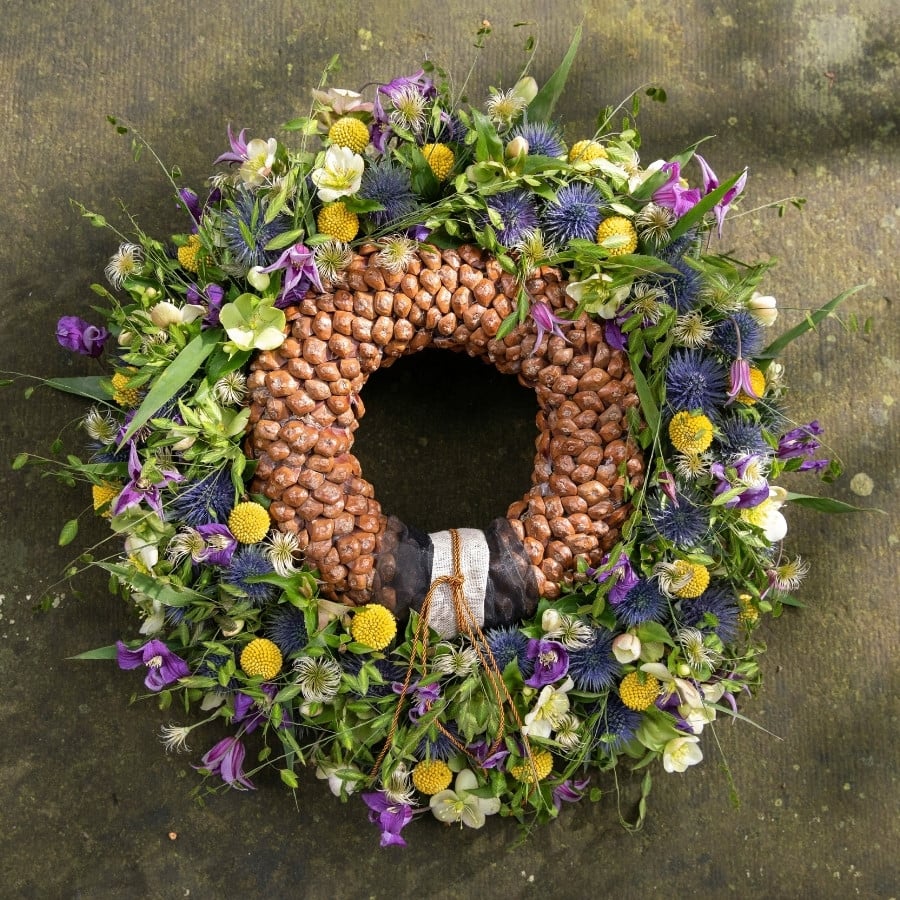
Header and featured image by arnoldwittkamp.nl.