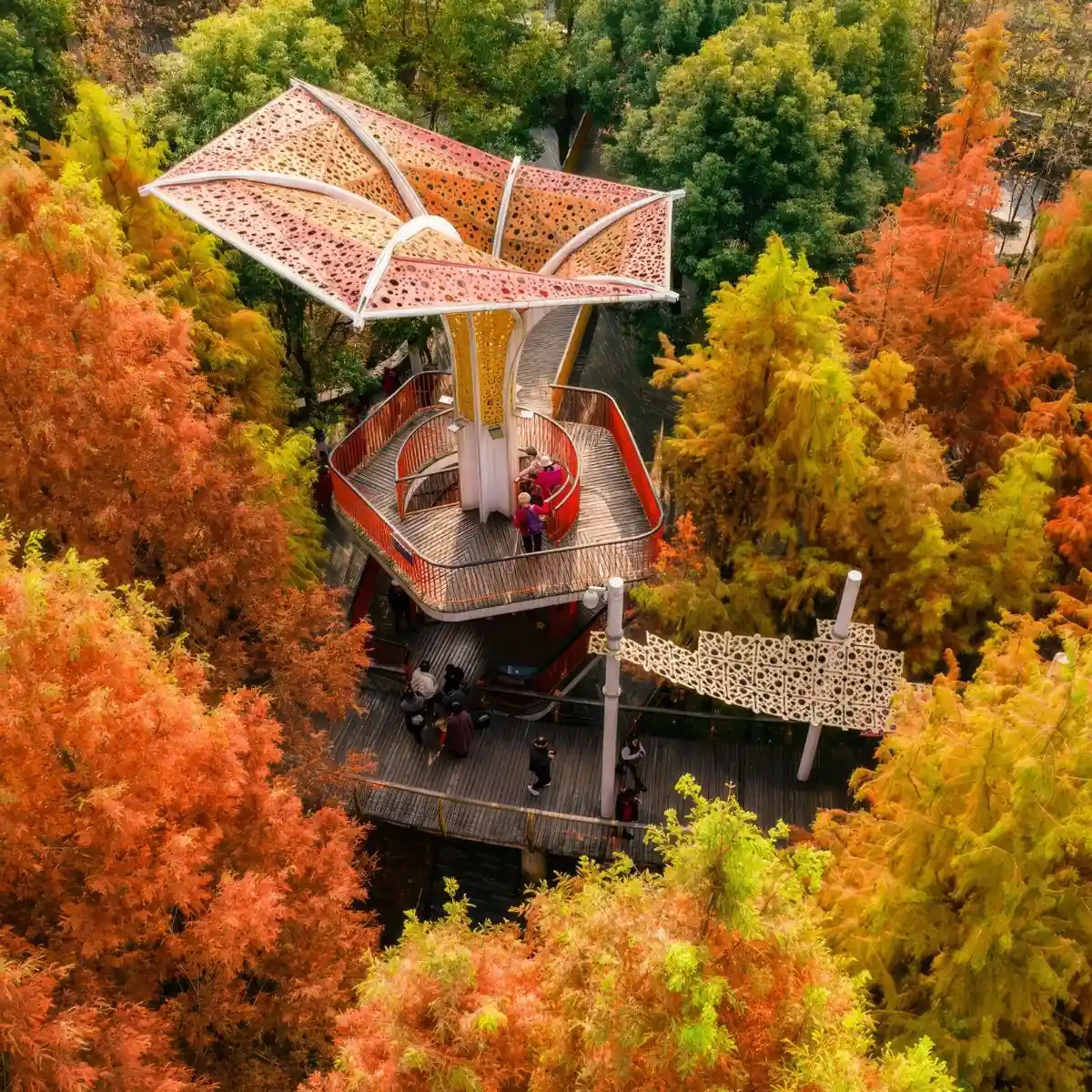
Fall brings warm, vibrant colors and breathtaking beauty. Leaves turn bright shades of red, orange, and burgundy and fall to the ground; the weather cools; farmers pick crops like apples, pumpkins, and corn; birds prepare to fly south; and squirrels gather food for winter. But for those who work with flowers, it demands far more than almost any other season because spring's pastel restraint is gone, replaced by a whole different palette.
The fall season designs demand warmth, depth, and texture all at the same time, deep reds echoing turning leaves, burnt orange standing in for a low afternoon sun, and burgundy adding weight to the arrangement. But the flowers available then also rise to meet the demand. Yet understanding why certain flowers keep coming up every so often in autumn work, how the palette changes as the season progresses, and how designers arrange them together, says even more about the season.
What Gives a Flower the Autumn Reputation
A flower becomes an autumn staple through its several qualities, and not just color alone. Warm, saturated hues matter first, since red, orange, burgundy, and deep purple echo the foliage that defines the season, but sturdiness is just as important as such, since cooler nights and shorter days require flowers that hold their shape and color for longer than a typical summer flower.
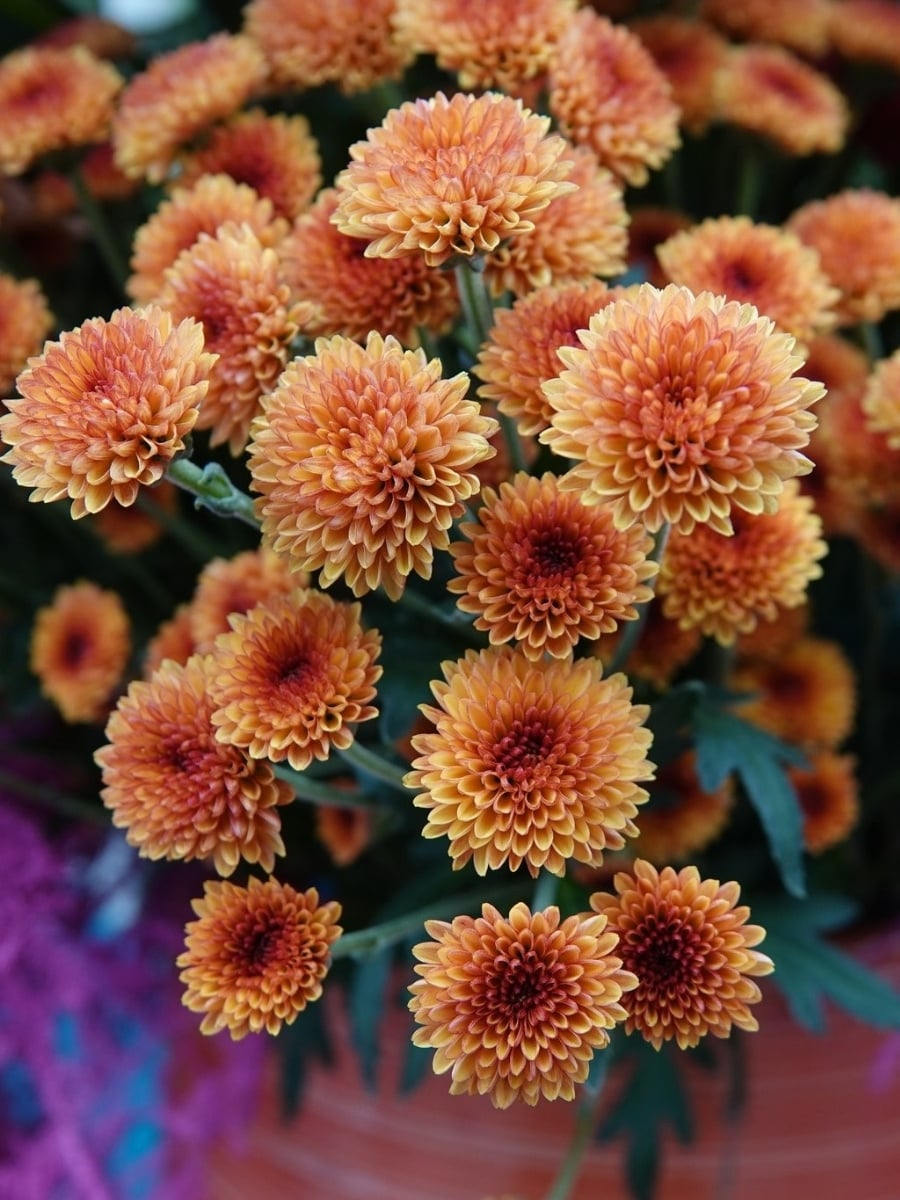
Symbolism plays a subtle role too. Chrysanthemums are associated with longevity, marigolds are linked to harvest gratitude, and Dahlias have undertones of abundance, giving arrangements an emotional element outside of their physical appearance. Still, practically most of these same flowers (including Chrysanthemums, Dahlias, Helianthus, and Celosia) happen to peak in production during fall, which keeps them abundant and affordable when demand rises.
Cosmos and Asters, also useful in design, extend this practical logic into the garden, since both continue flowering well after summer annuals have given up. Home growers, therefore, have small farms with a reliable late-season floral supply to draw from.

How the Palette Changes as Fall Progresses
Autumn is not one unchanging look from September through November, so floral designers who view it that way tend to miss some of the season's best material. Early fall still features traces of summer, so sunflowers, marigolds, and late-time zinnias retain their place alongside the first mums and Dahlias, keeping the palette a touch brighter and more golden than it will be later.
By mid-fall, the deeper end of the spectrum takes over, with burgundy Dahlias, wine-toned roses, and darker Celosia varieties pushing the look toward a moodier and more saturated look. Late fall changes it all again, this time toward texture and restraint, not just color intensity. Dried elements, ornamental grasses, and preserved foliage take on a larger share of the design during this time, while fresh flower availability naturally narrows heading into winter.
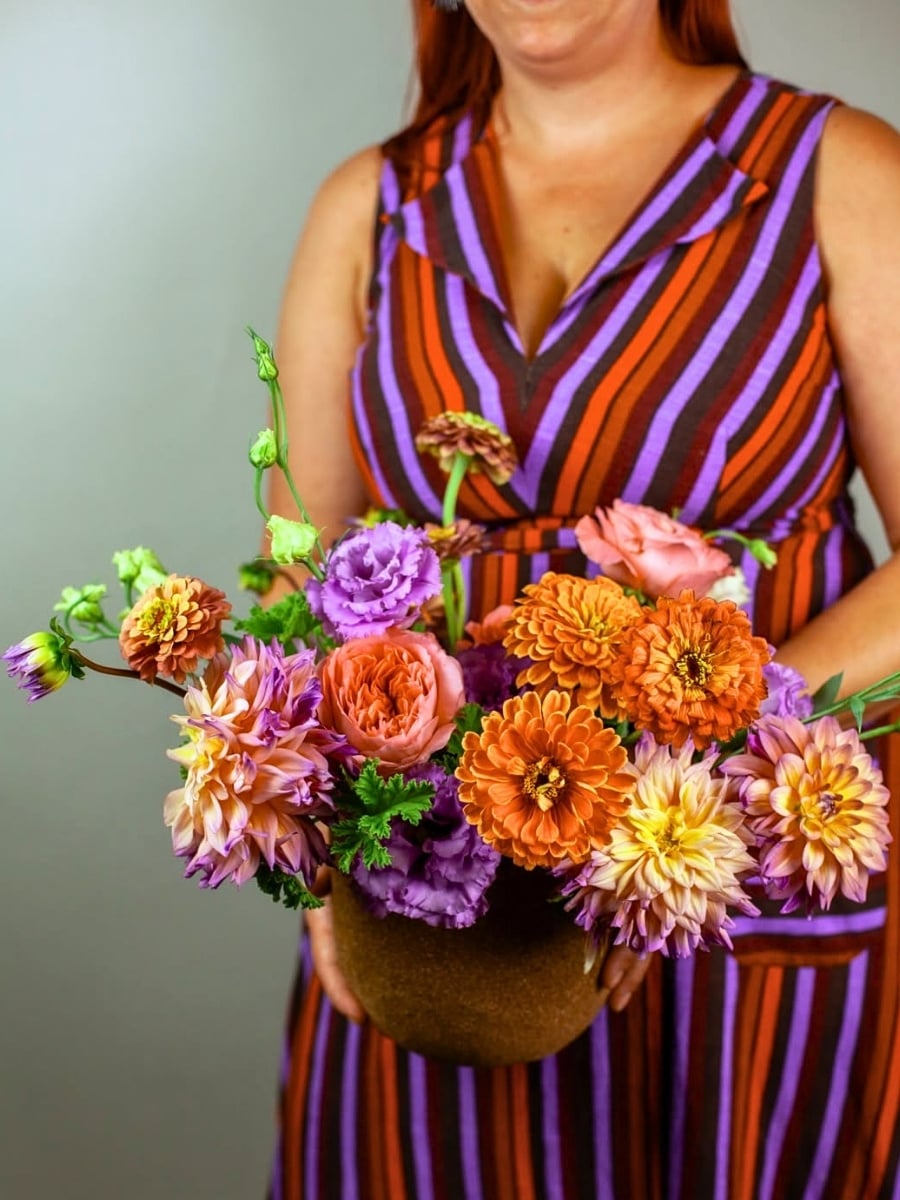
This is a noteworthy transition, so recognizing which stretch of the season a design is meant for helps designers explain why two different arrangements labeled fall or autumn can look strikingly different from one another; one looking golden and lush while the other looks dark and textural.
Creating a Focal Point With Structure and Color
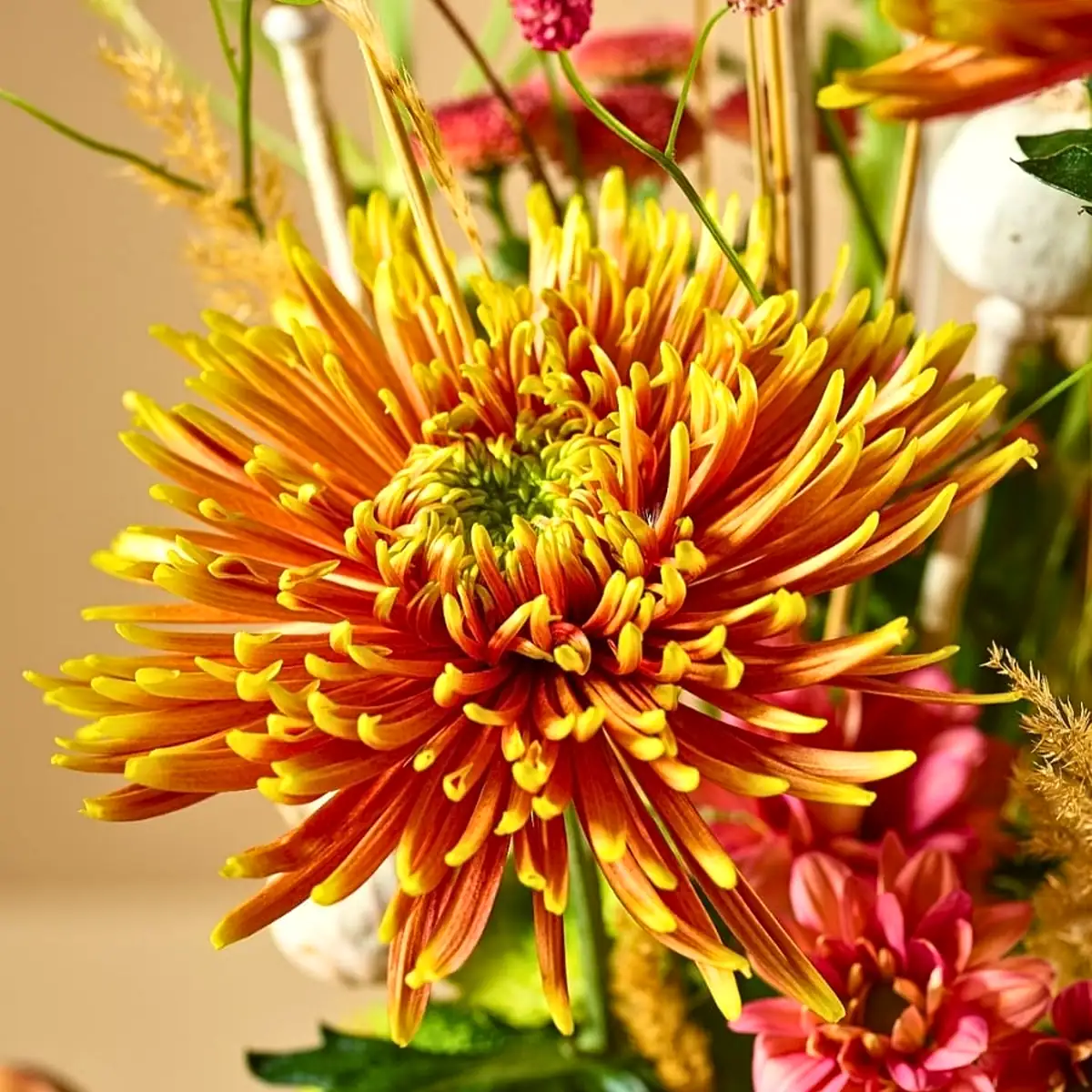
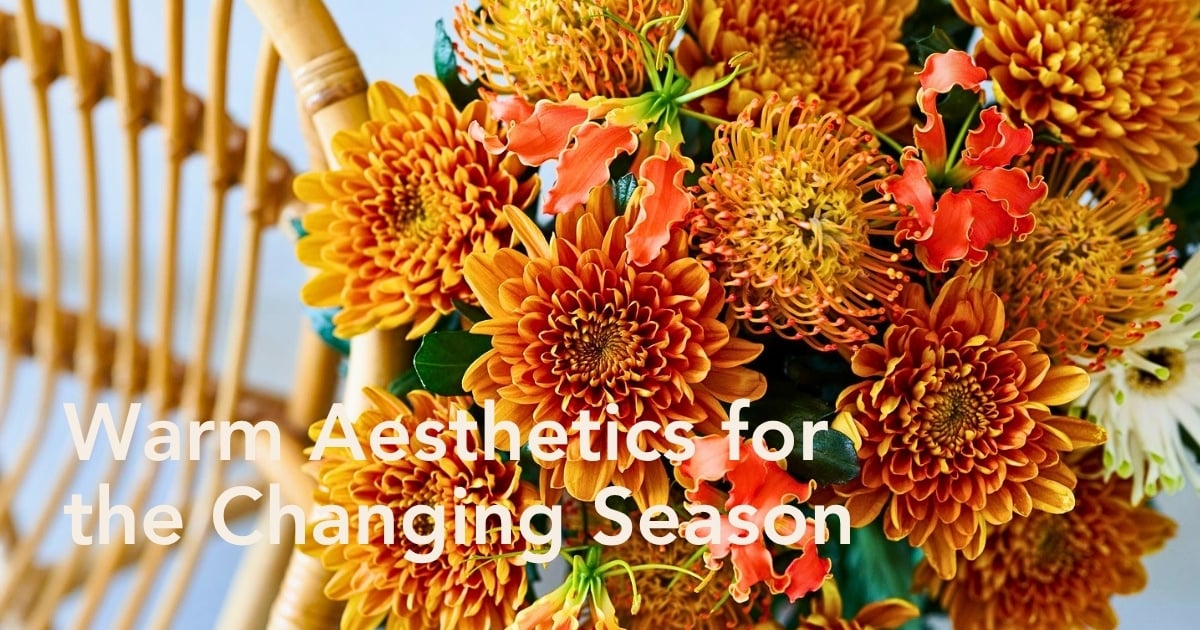
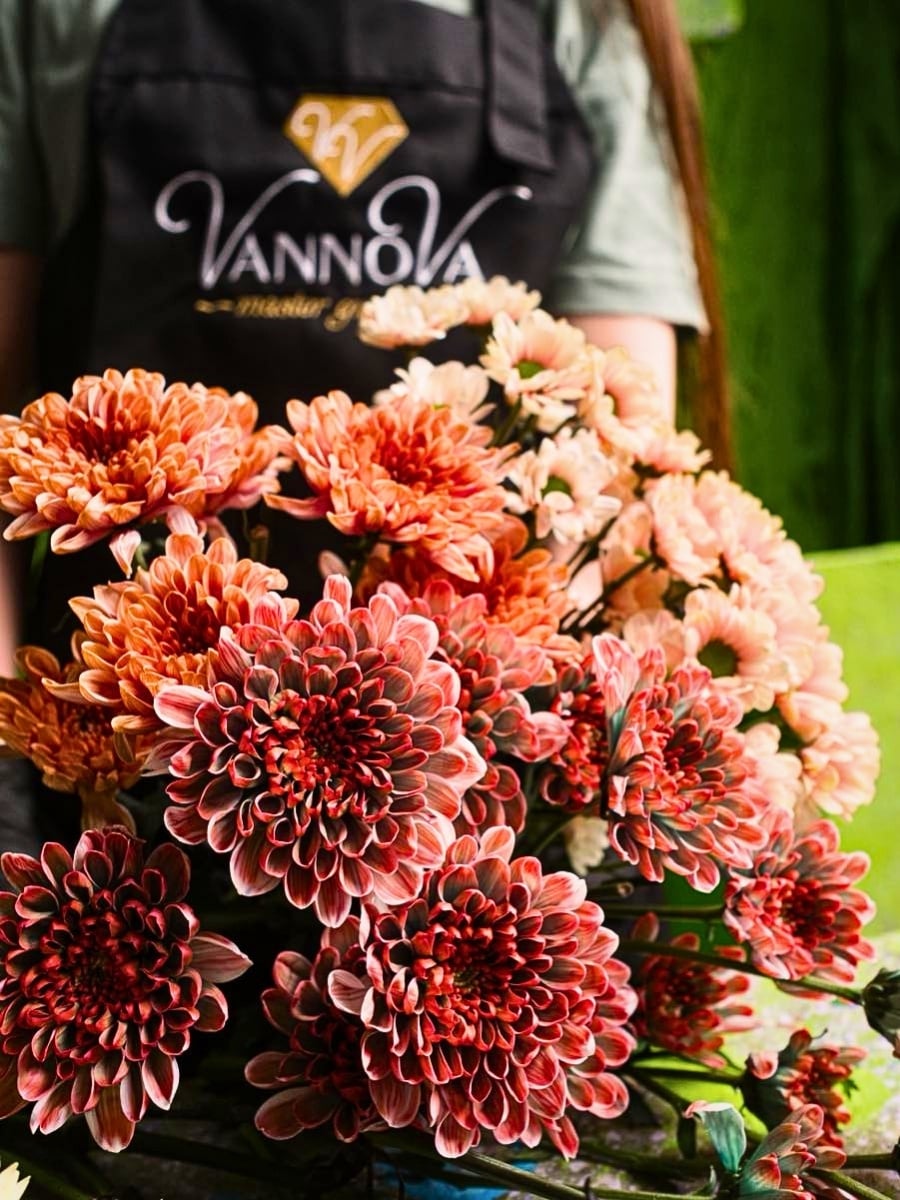
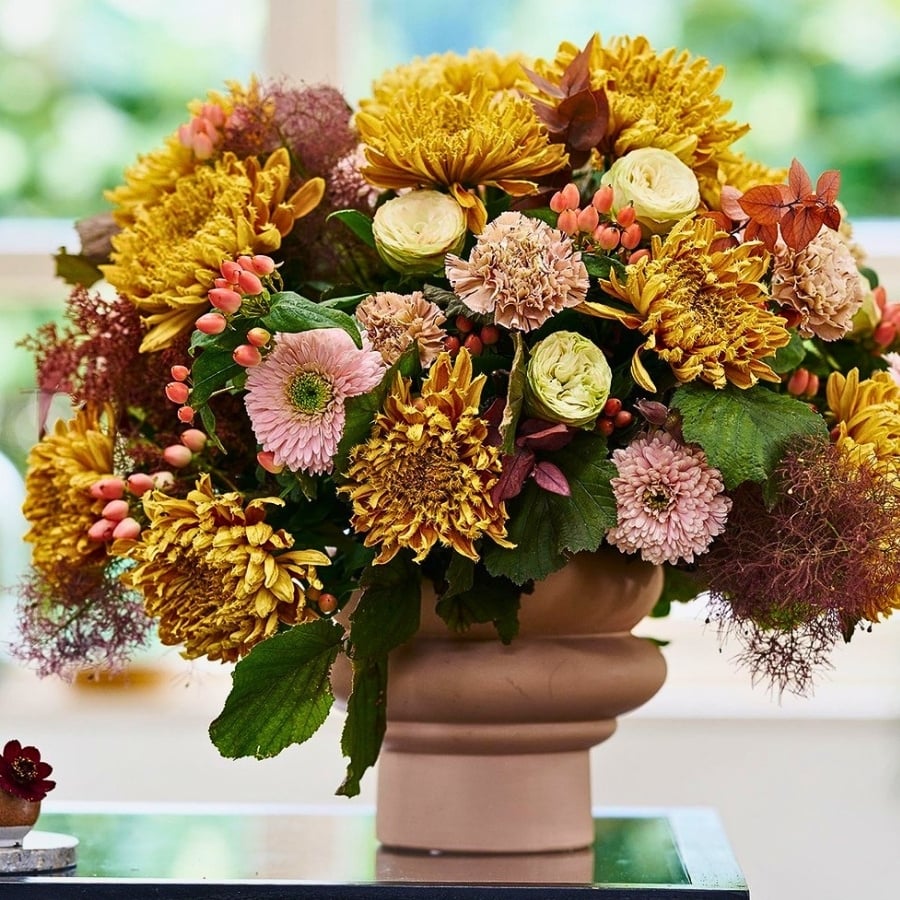
Most fall season arrangements start with one or two flowers strong enough to anchor all the others. Chrysanthemums remain the most common choice, their bold, tightly packed form making them a natural centerpiece, especially when paired against sunflowers (Helianthus), daisies, and Dahlias for contrast.
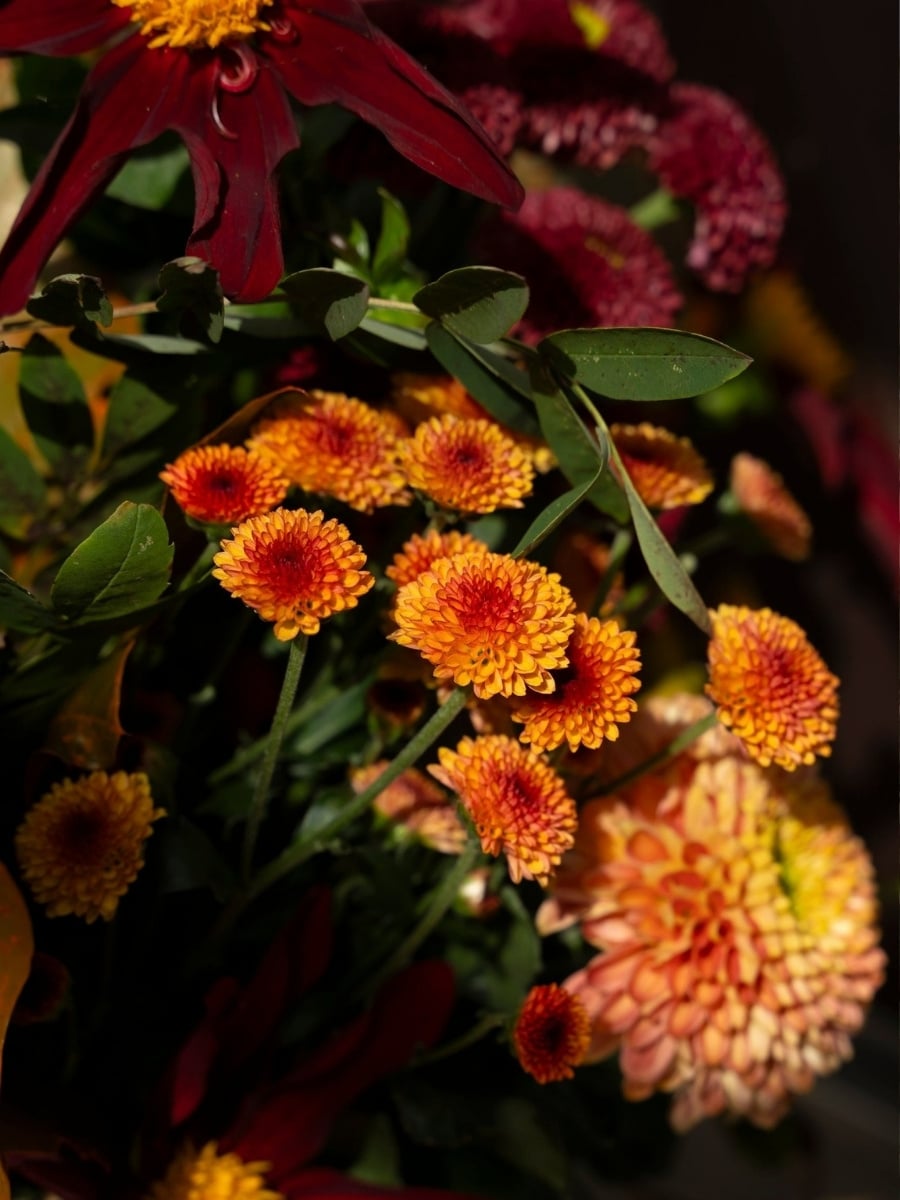
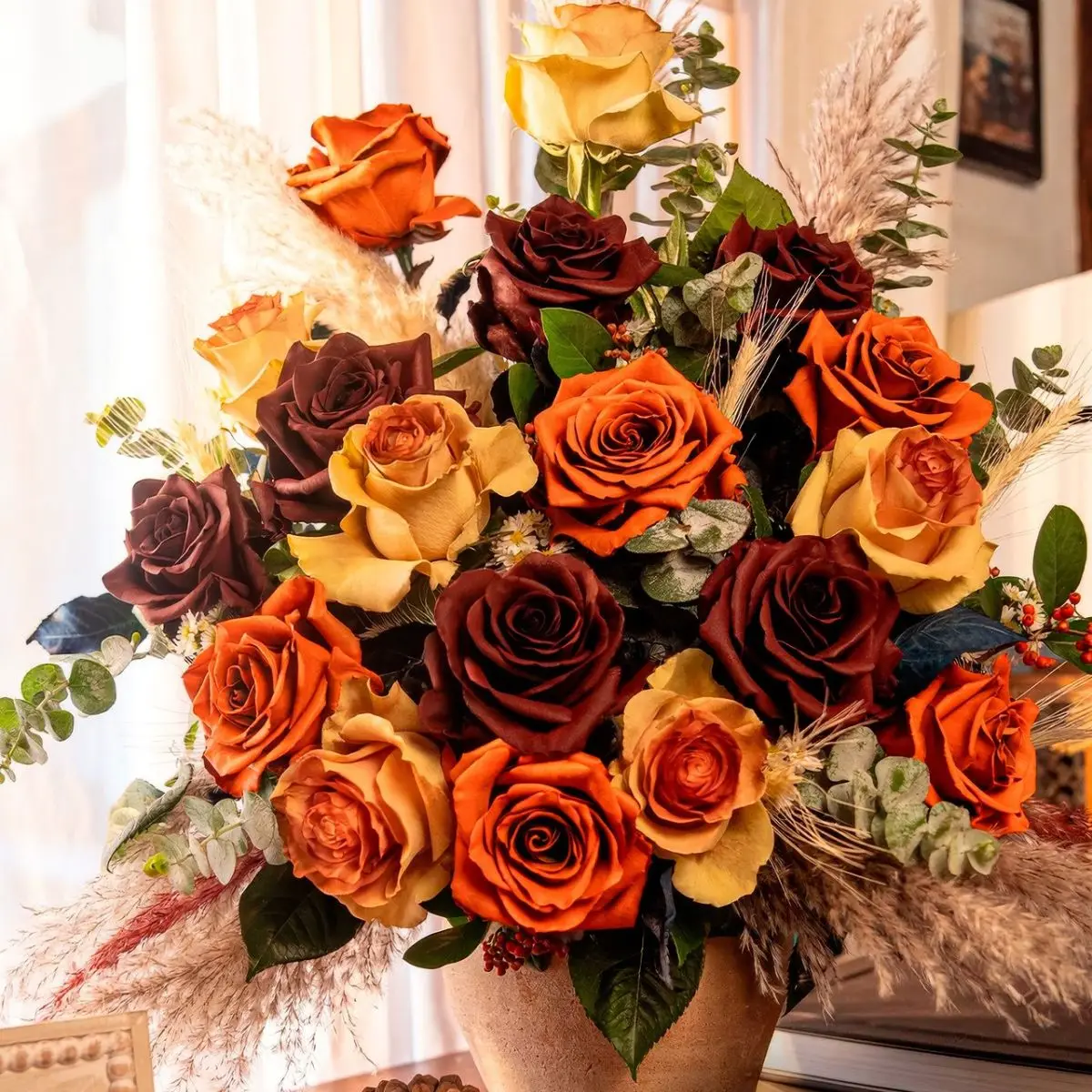
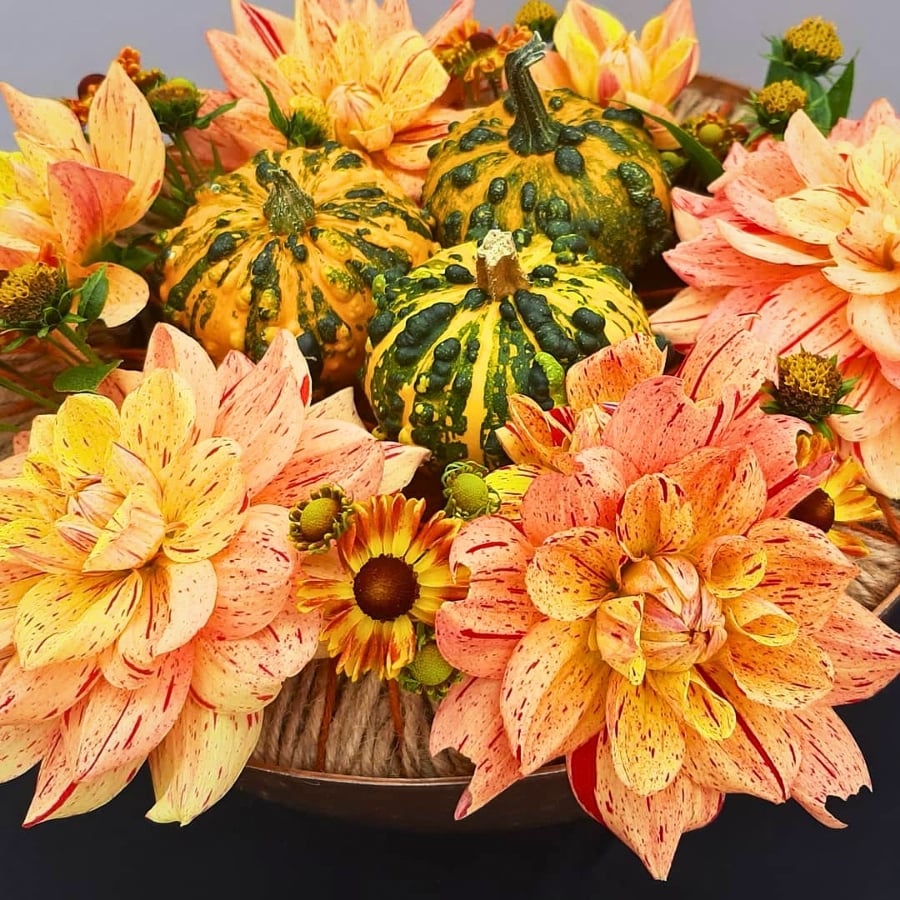
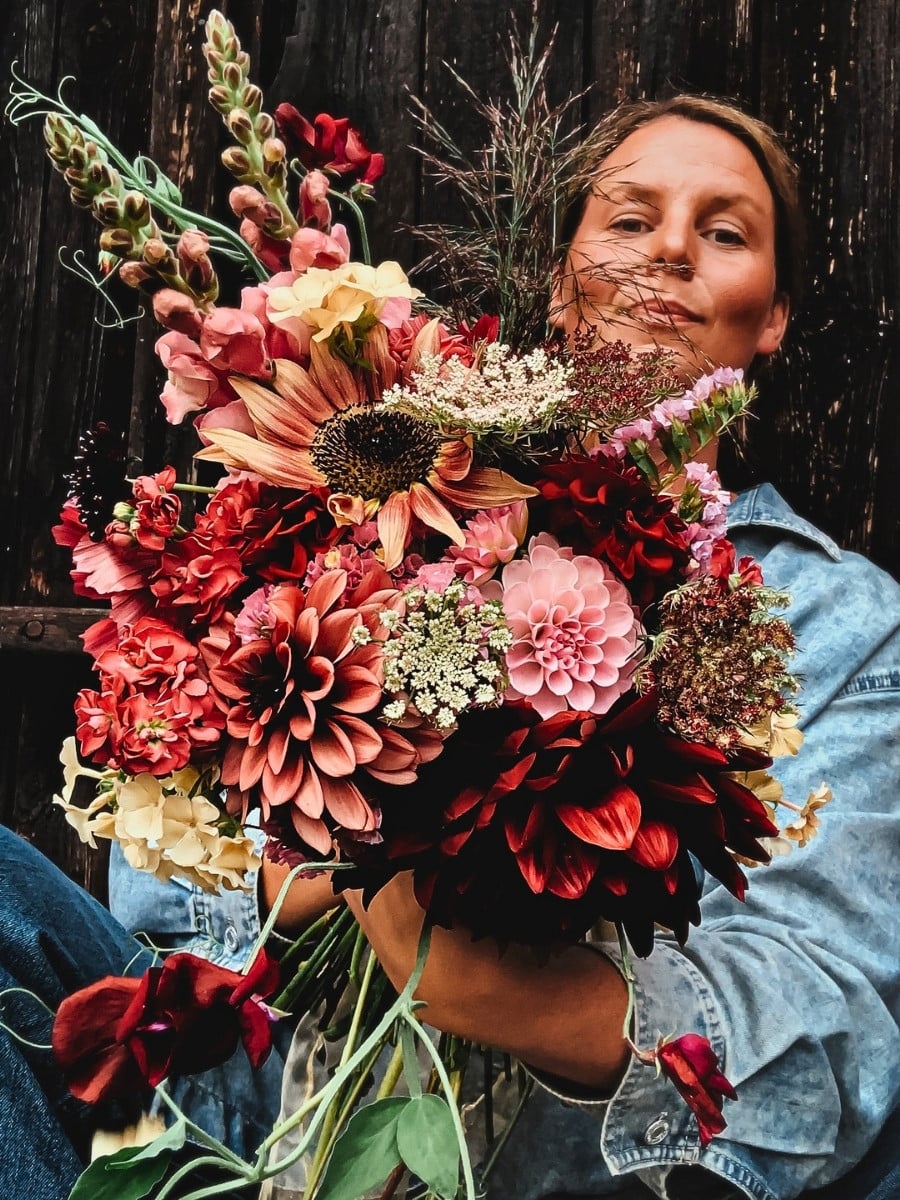
Dahlias work well too, stepping in when a design requires more drama, their layered petals ranging from tight pompons to loose, dinner plate flowers in deep red and burnt orange. Roses also have their place in there, with autumn-bred varieties in wine and burnt orange tones pairing naturally with Chrysanthemums, Dahlias, and seasonal foliage, taking on a different character than the same flower used in a spring or summer bouquet.
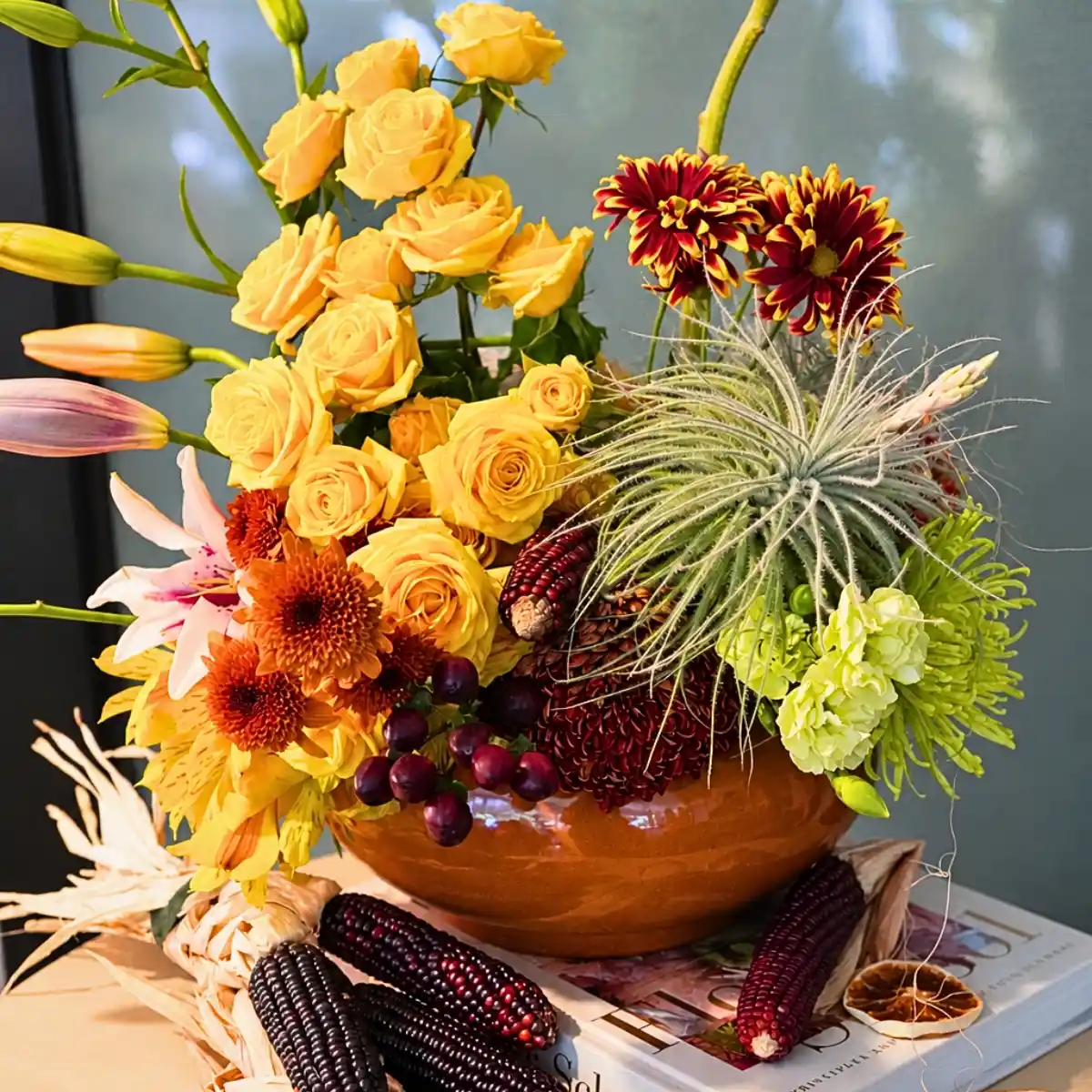
Alstroemeria also habitually joins these pairings as a smaller-scale companion, its longer vase life matching well with these autumn-toned roses, adding pattern while still not overwhelming or competing for attention with the other flowers.
Layering in Texture and Movement
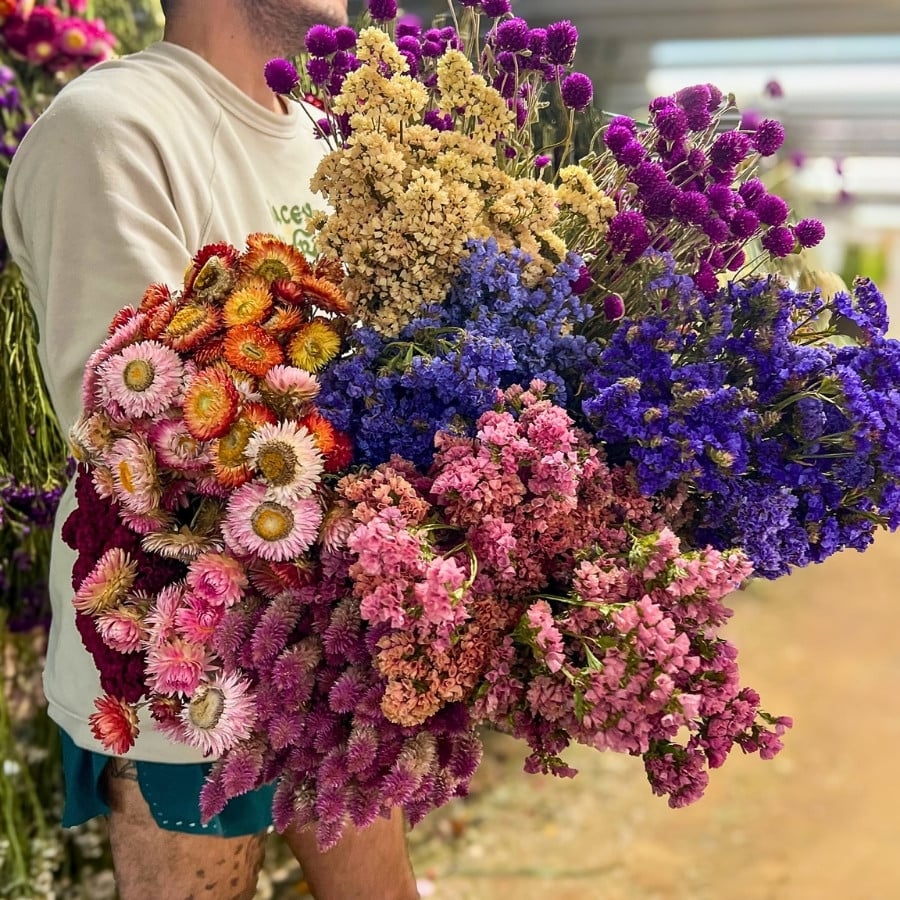
When the focal flower is chosen, texture is what keeps the fall design from looking bland and ordinary. Celosia gives it a velvety, almost sculptural presence in reds and burnt oranges; its cockscomb varieties in particular are seen as unmistakably autumnal wherever they appear. Globe amaranth, better known as Gomphrena, adds small, ball-shaped clusters in shades from deep magenta to soft neutral tones, and holds its color for months, whether used fresh or dried into more permanent designs.
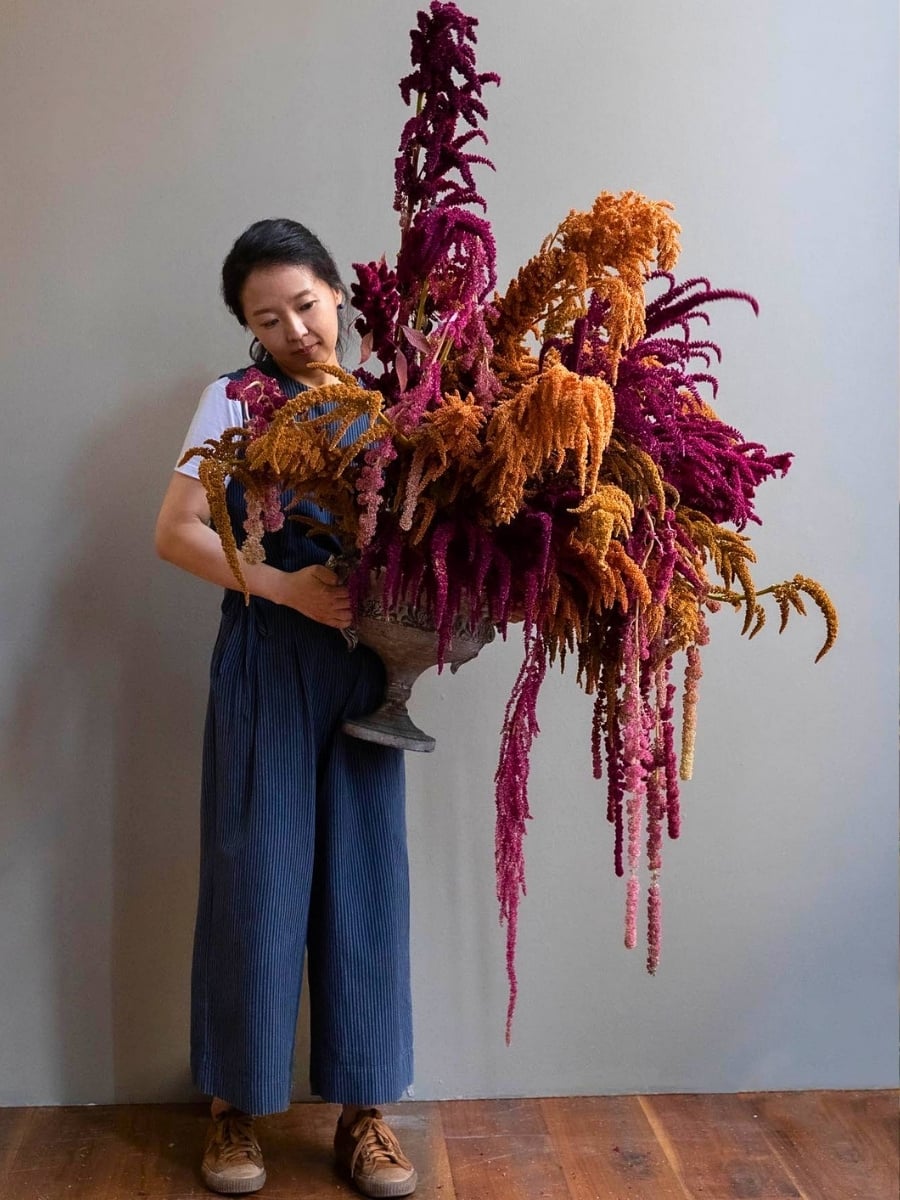
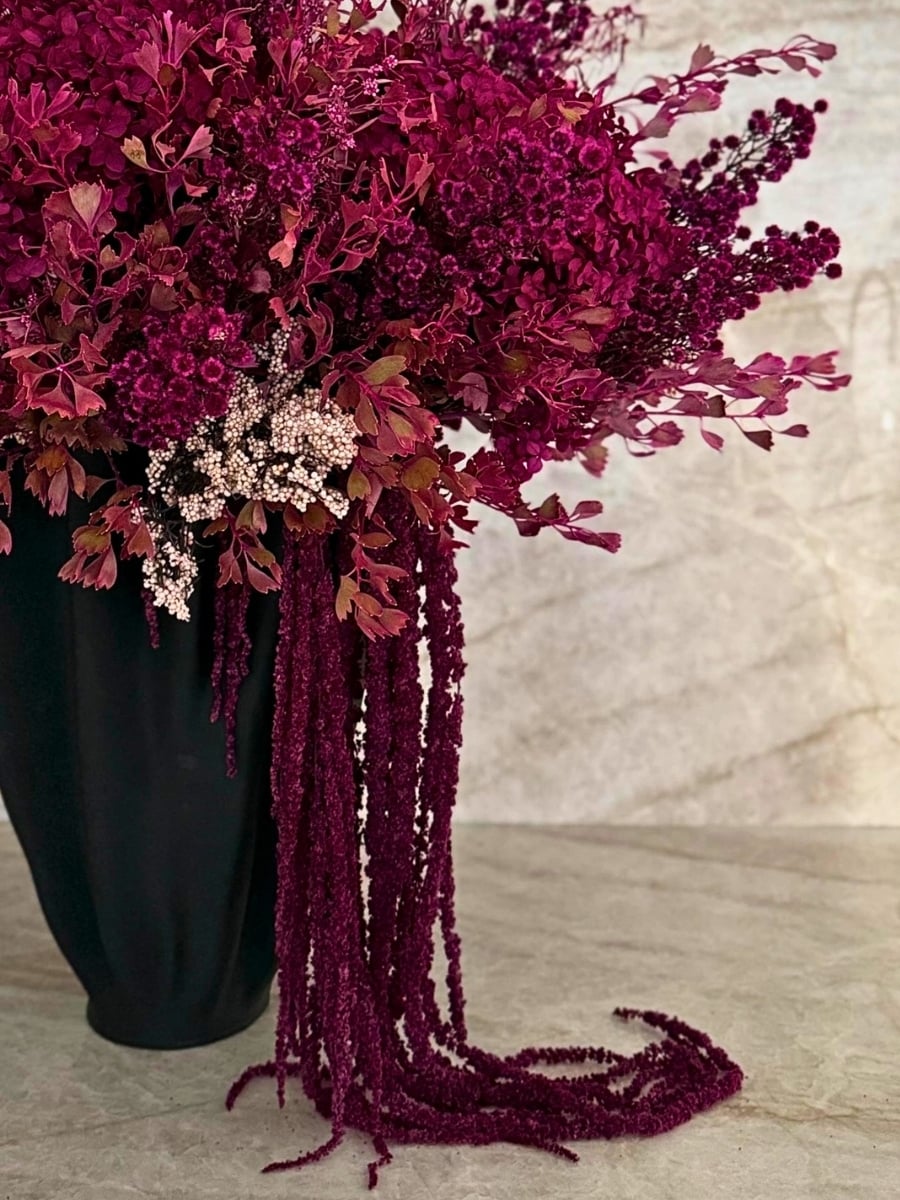
Amaranthus, on the other hand, brings the opposite type of movement, its long, cascading tassels working well in hanging arrangements or trailing over the edge of a centerpiece, while upright varieties give height and structure to designs. Ornamental grasses complete this layer nicely, softening the visual weight of denser flowers with a looser, more natural silhouette that prevents the design from looking and feeling too tightly packed.
Filling Out the Palette With Supporting Flowers
But not every flower in an arrangement needs to compete for attention. Others support the overall look of the design. Asters, for instance, bring smaller, daisy-shaped flowers in purples and pinks that soften a heavier palette, while Dianthus adds a ruffled texture that pairs comfortably with bolder neighbors.
Snapdragons, often thriving as the summer heat starts to fade, contribute a welcome vertical structure (especially for early fall designs) and are one of those flowers that often show up in seasonal collections designed around cozy, harvest-inspired themes, where understated and mellow color combinations and unexpected texture pairings define the look.
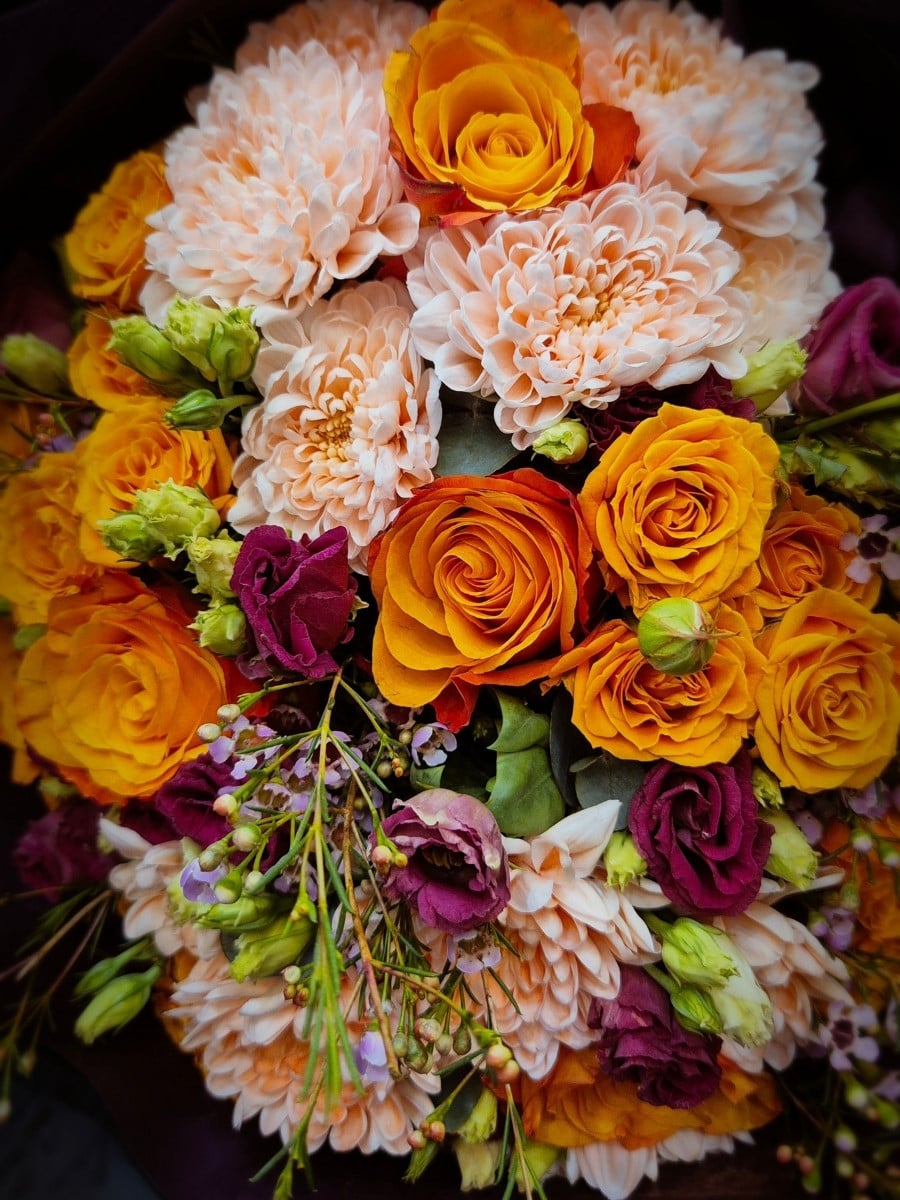
Marigolds and sunflowers, meanwhile, are the real bridge from late summer into fall, their golden tones balancing the deeper reds and burgundies that dominate most other autumn choices. Zinnias support the group nicely in early fall, offering an inexpensive way to add volume and additional color variation before the season's cooler-toned flowers take full precedence.
Some Lesser-Used Equally Ideal Flowers
There are the obvious flowers known for fall season design, but there are also several others that not many always reach for. Which are some of these? One can, for instance, pair the velvety, nearly black petals of Chocolate Cosmos with deep plum foliage or Eucalyptus for a modern, dramatic look. This creates a striking, dark color scheme. And to break up the heavy tones, use the delicate, cup-shaped Japanese anemones. Their soft pink and white petals on wiry stems bring light and graceful movement to the design.
But if you prefer classic, cozy autumn colors, focus on rich textures, with the daisy-like Helenium in shades of burnt orange and rust, combined with the dense, broccoli-like clusters of Sedum (Autumn Joy). As Sedum matures from dusty pink to a copper-rust hue, it acts as a sturdy base. Tuck in feathery plumes of yellow Goldenrod to add bright pops of gold and varied height.
Still, you could also introduce Butterfly Ranunculus for a little whimsy. In fall colors, their glossy, shimmering petals catch the autumn light beautifully. And when woven between structured greens like olive branches or leatherleaf fern, these airy flowers make the arrangement feel fresh, layered, and artistic.
Dried and Preserved Elements
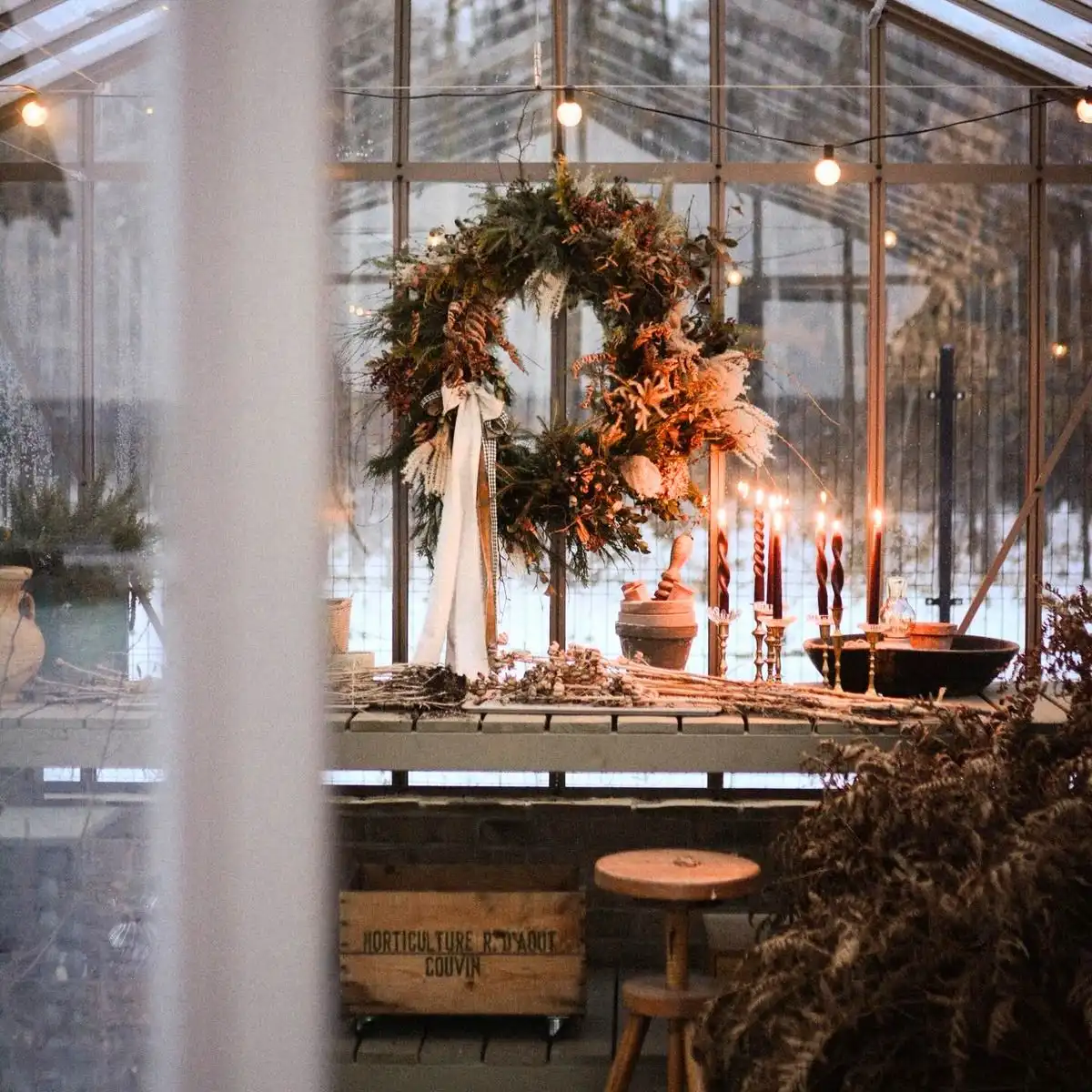
Fall is also when dried and preserved flowers come in handy, since the season's aesthetic already looks more apt for texture than freshness. Hydrangeas dry beautifully once their color has matured, and pairing dried Hydrangeas with statice or strawflower creates the ideal, long-lasting look well suited to wreaths and mantel displays.
Notably, these preserved elements let a design outlast the fresh flowers within it, which is especially useful for autumn weddings and fall-themed events that need decor to remain up and look good throughout the entirety of a multi-day celebration.
Putting the Flowers in Your Own Designs
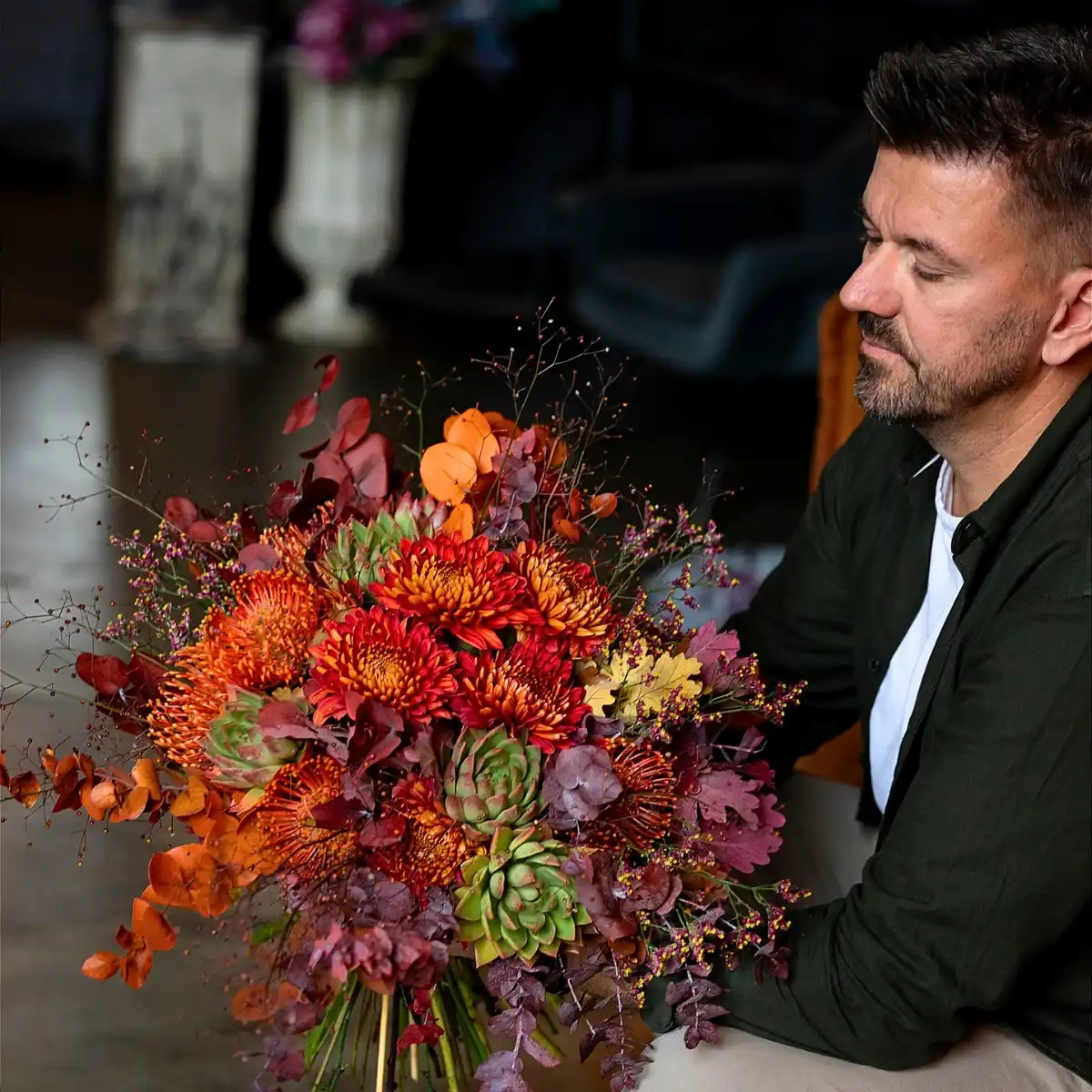
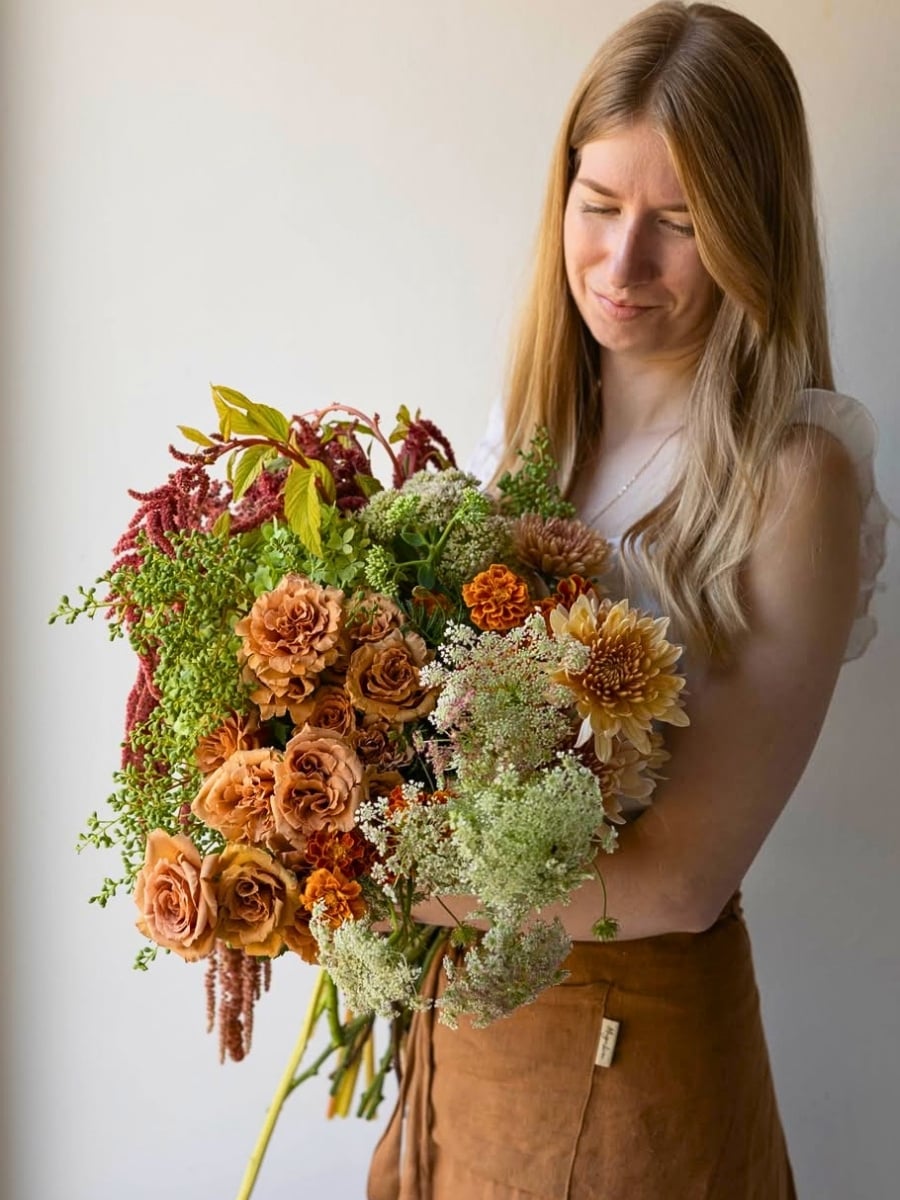
Transforming all these flowers into a finished arrangement comes down to a few useful practices. Start with no more than two or three anchor colors, usually pulled from red, orange, burgundy, or deep purple, and let all else support this palette. Choose one structural focal flower, be it Chrysanthemum, Dahlia, or a garden rose, before adding texture through others like Celosia, Amaranthus, or ornamental grasses. Building a design outward from a defined center helps keep the final look from seeming cluttered.
Also, consider where (and when) in the season the design will be seen. Brighter and more golden designs are for a very late-September to early October gathering, and darker or more textural for closer to Thanksgiving. Lastly, do not overlook dried elements even in a fresh arrangement. A few statice or dried Hydrangea inserted among fresh flowers enhances the textural contrast while prolonging how the design looks its best.
Caring for Autumn Flowers So They Last
The fall season’s cooler weather works in one’s favor when it comes to vase life, since lower ambient temperatures slow the rate at which cut flowers respire and lose water. This allows many fall flowers to outlast their summer equivalents by several days under similar conditions. Chrysanthemums and Dahlias, just like many other flowers, would well do with a fresh angled cut and a change of clean water every two to three days, while Celosia and Amaranthus tolerate a wider range of conditions and rarely need more than occasional water top-off.
Roses bred specifically for autumn tones tend to hold their color and firmness especially well in cooler rooms, making them a dependable choice for events held in unheated barns, tents, or outdoor venues where other delicate summer flowers might struggle. Dried elements, by contrast, need almost no maintenance aside from keeping them away from excess humidity, which is one more reason why they pair so naturally with the season's other practical advantages.
Featured image: @gretastradgard. Header image: @royalvanzanten.