There is a moment every fall when the afternoon light starts slipping away earlier than you expect. You notice it while driving home or through the kitchen window while doing the dishes, and the day feels shorter than the one before it. But often, a pot of copper-colored Chrysanthemums by the front door, or a vase of Dahlia on the kitchen table, pushes back against that feeling much differently than other small things do.
Researchers have studied how flowers affect mood and emotion, and the fall season gives particularly good reasons to have a keener look. With clocks falling back and evenings coming sooner, it all means that nights are certain to be a little longer. But autumn flowers can lift spirits and assuage the feeling created by the shorter days.
Science of Seasonal Light Change and Color Psychology
Human brains rely heavily on visual cues from the natural environment to regulate mood and energy. When autumn arrives, the sudden reduction in natural daylight causes changes in neurotransmitter production, often lowering serotonin levels and increasing melatonin.
This chemical imbalance can lead to tiredness and low spirits. Introducing warm-toned flora into interior spaces can effectively counter this natural decline. Color psychology shows that shades of gold, amber, burnt orange, and deep bronze stimulate psychological feelings of coziness, security, and optimism.
When people look at warm-colored floral petals during dark mornings, the visual stimulus triggers positive emotional responses in the brain. This unassuming sensory interaction mimics the psychological comfort of sunlight, helping to stabilize mood and reduce the mild anxiety often associated with changing seasons.
Why Shorter Days Weigh on People
Seasonal affective disorder (SAD) is a type of depression that comes and goes with the seasons, usually affecting people in fall and winter. MedlinePlus Magazine notes that it affects an estimated 10 million Americans and is diagnosed more often in women, with light therapy being a main treatment alongside medication and psychotherapy.
While flowers may not be the main cure for SAD, they provide small, steady lifts in mood in a season that tends to drain them. Think of flowers as one tender layer in a wider routine that includes daylight walks, regular sleep, and spending time with other people.
What Research Says About Flowers and Feelings
The most cited evidence comes from a Rutgers University study. Psychologist Jeannette Haviland-Jones led a ten-month study in which every participant showed true, excited smiles upon receiving flowers. Participants also reported feeling less depressed, anxious, and agitated afterward, along with greater life satisfaction and more contact with family and friends.
In a Korean hospital, researchers found that surgical patients with plants in their rooms rated their pain, anxiety, and fatigue lower, and 93% said they would choose the same room again, compared with 73% without plants, according to a study of hospital room plants.

More recently, University of Georgia researchers reported that people with flowers at home or the office had improved moods, and that it made no difference whether the flowers were a gift, as local coverage of the findings described. For most people, the researchers said, having flowers around simply feels good.
The Warm Colors of the Season
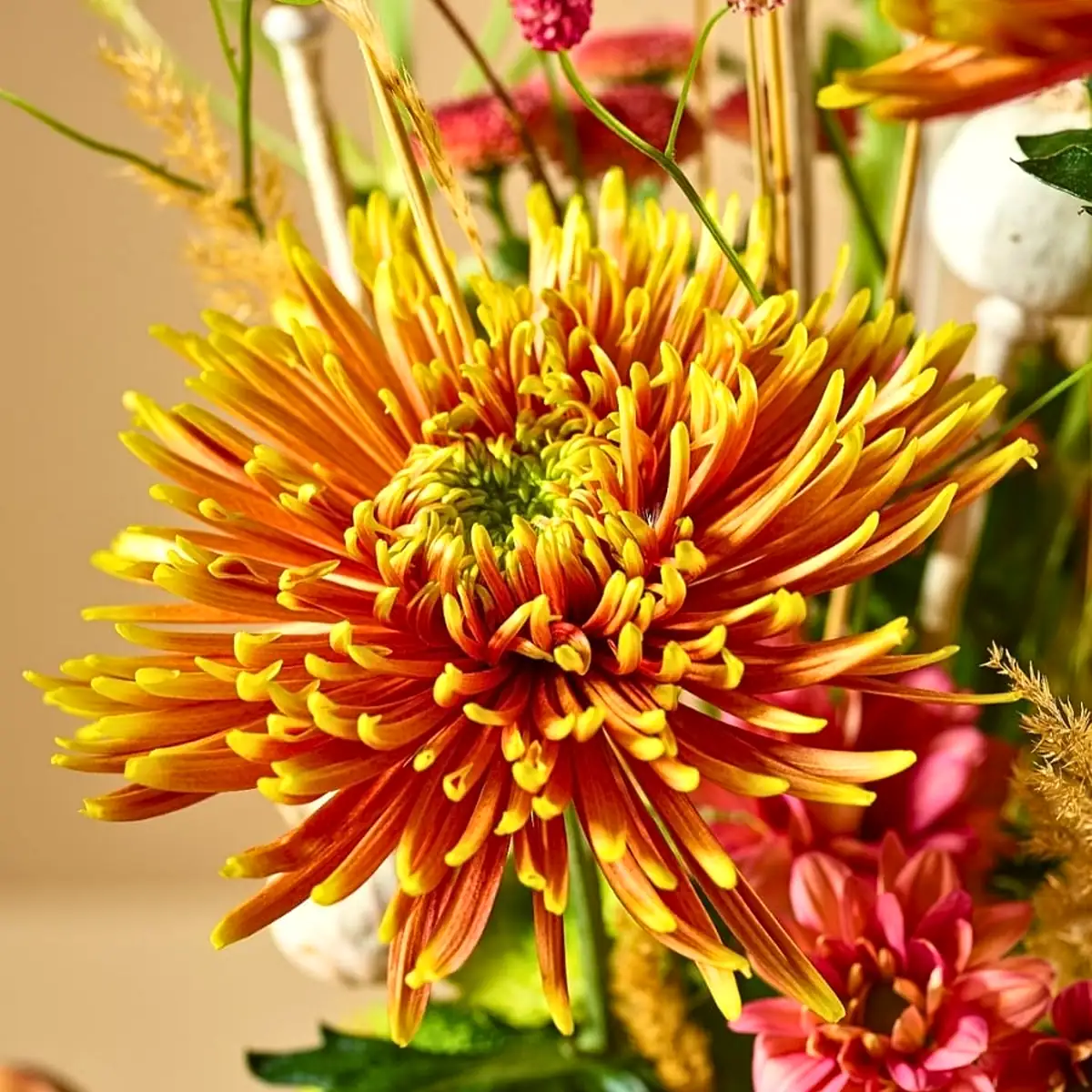
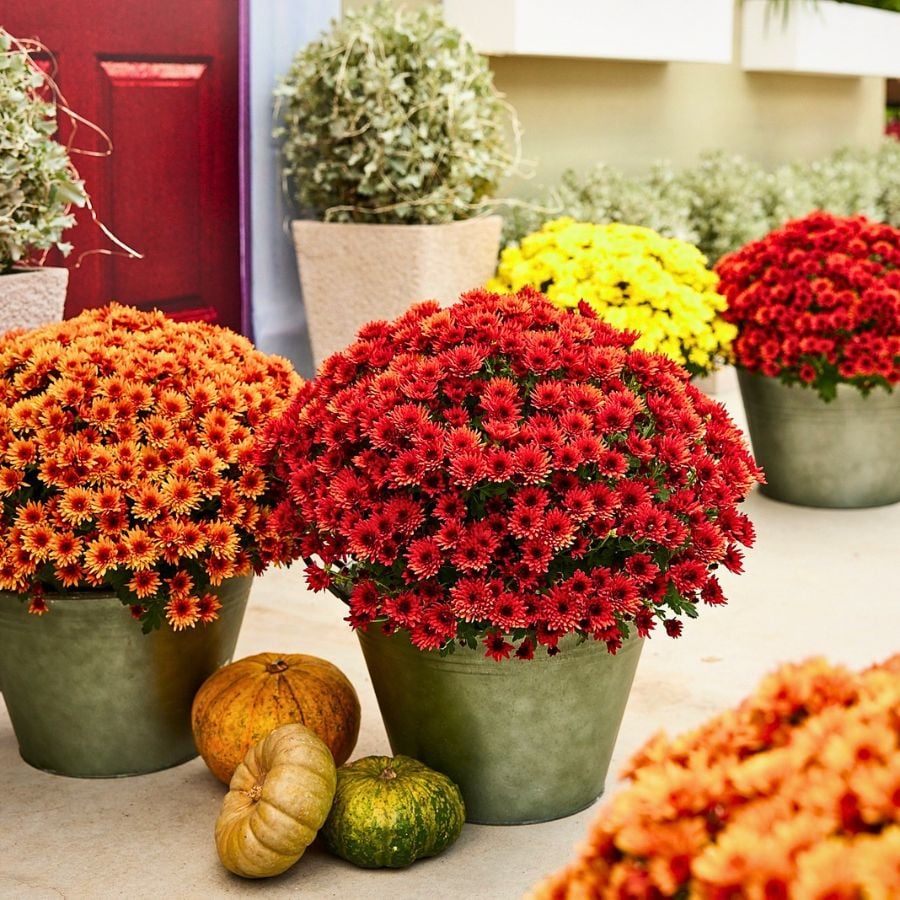
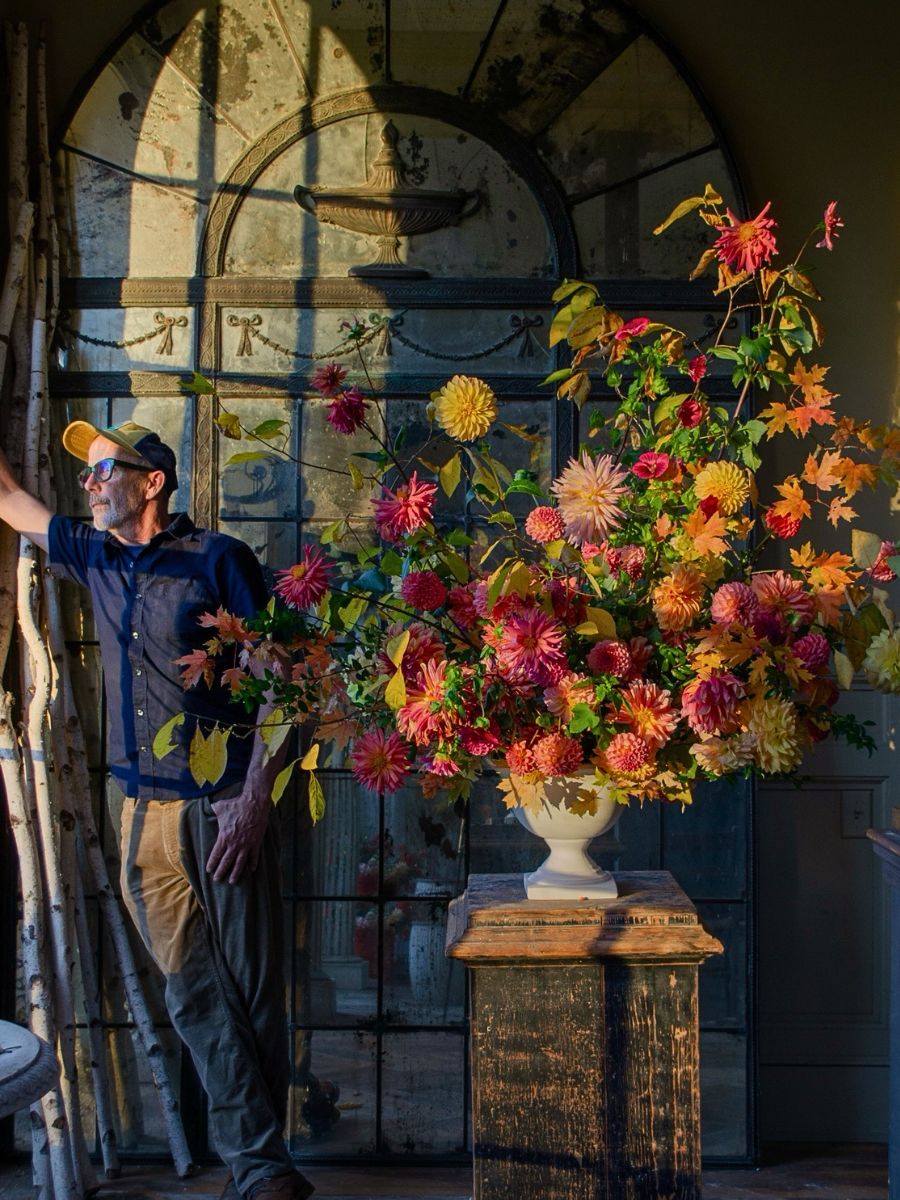
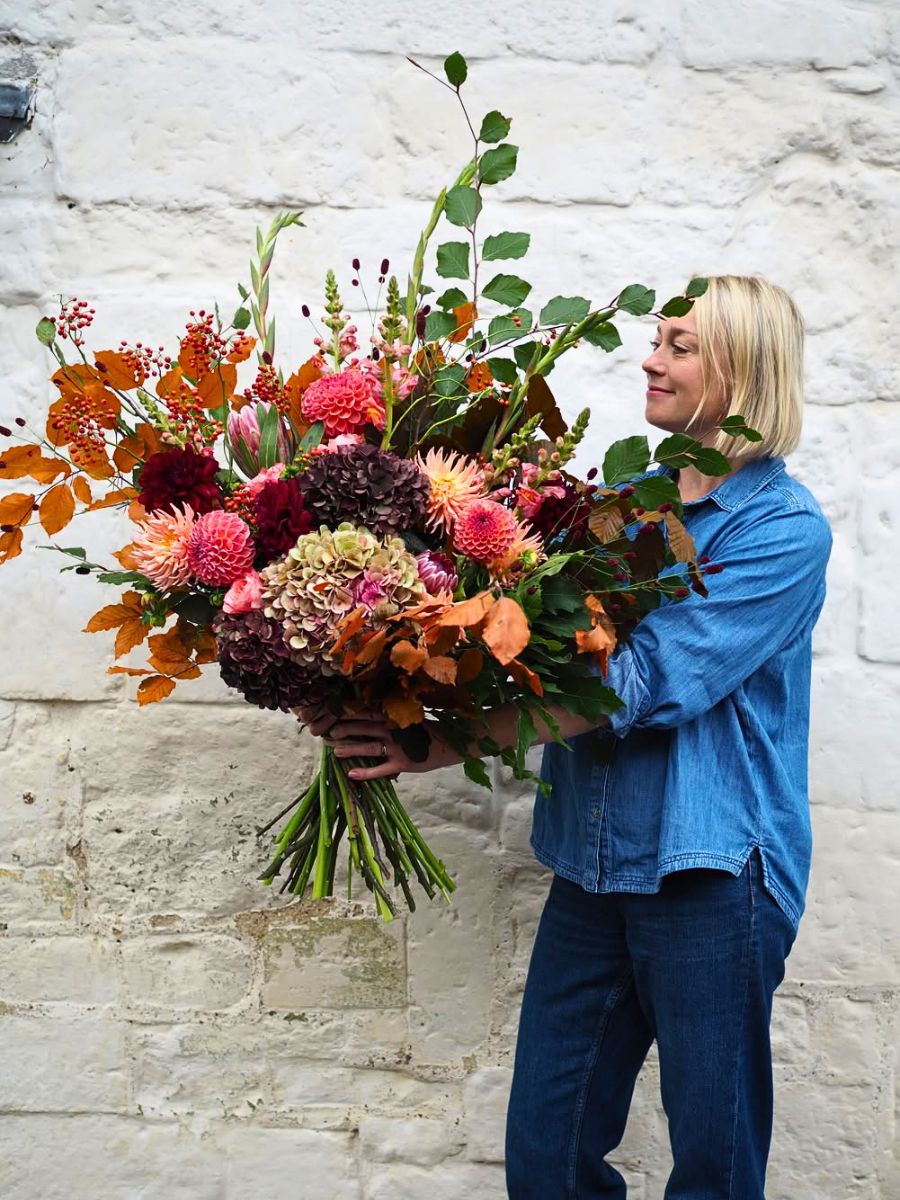
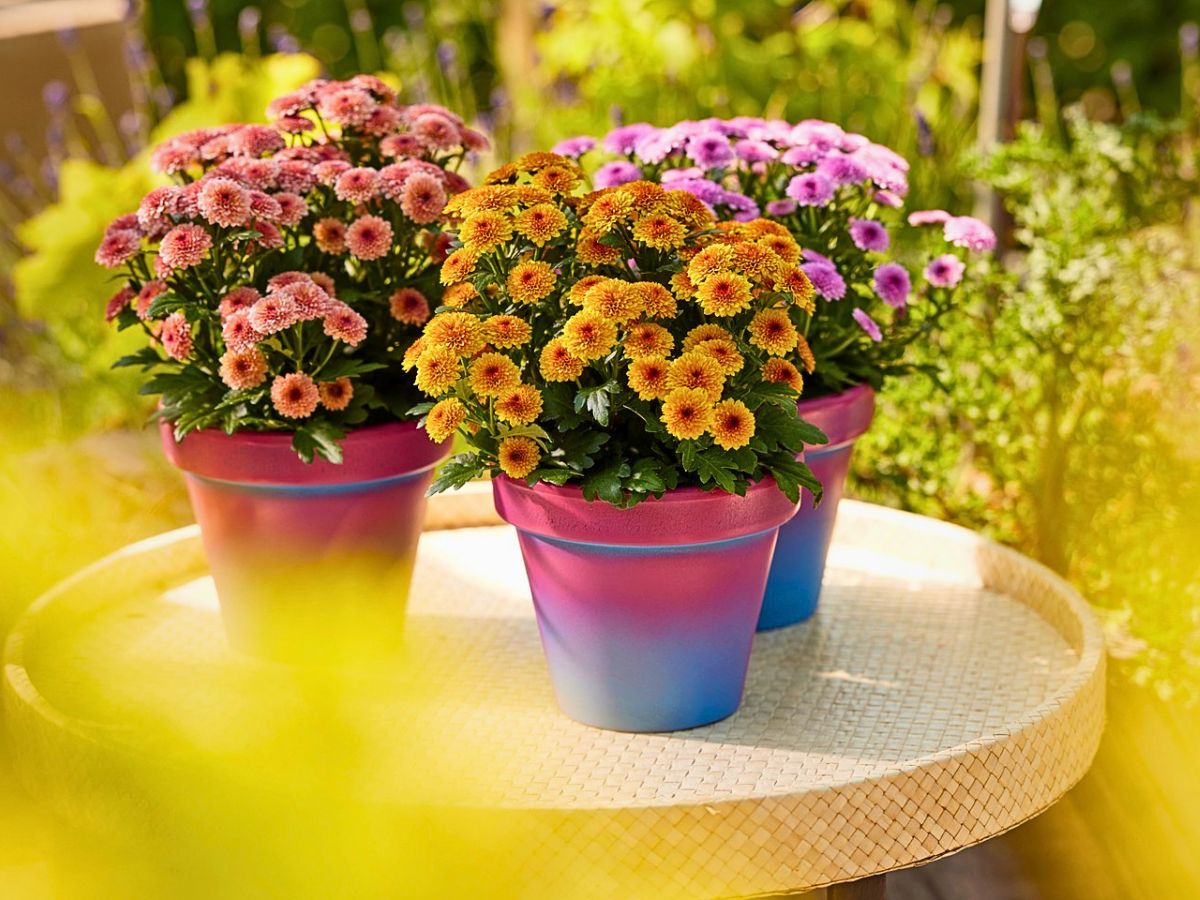
Autumn's palette is built for gray afternoons. Chrysanthemums come in yellow, orange, amber, burgundy, and deep red. Dahlias come in fiery orange, burgundy, and other warm colors. Celosia, on the other hand, comes in velvety red. You can check them and other flowers in this list of typical autumn flowers.
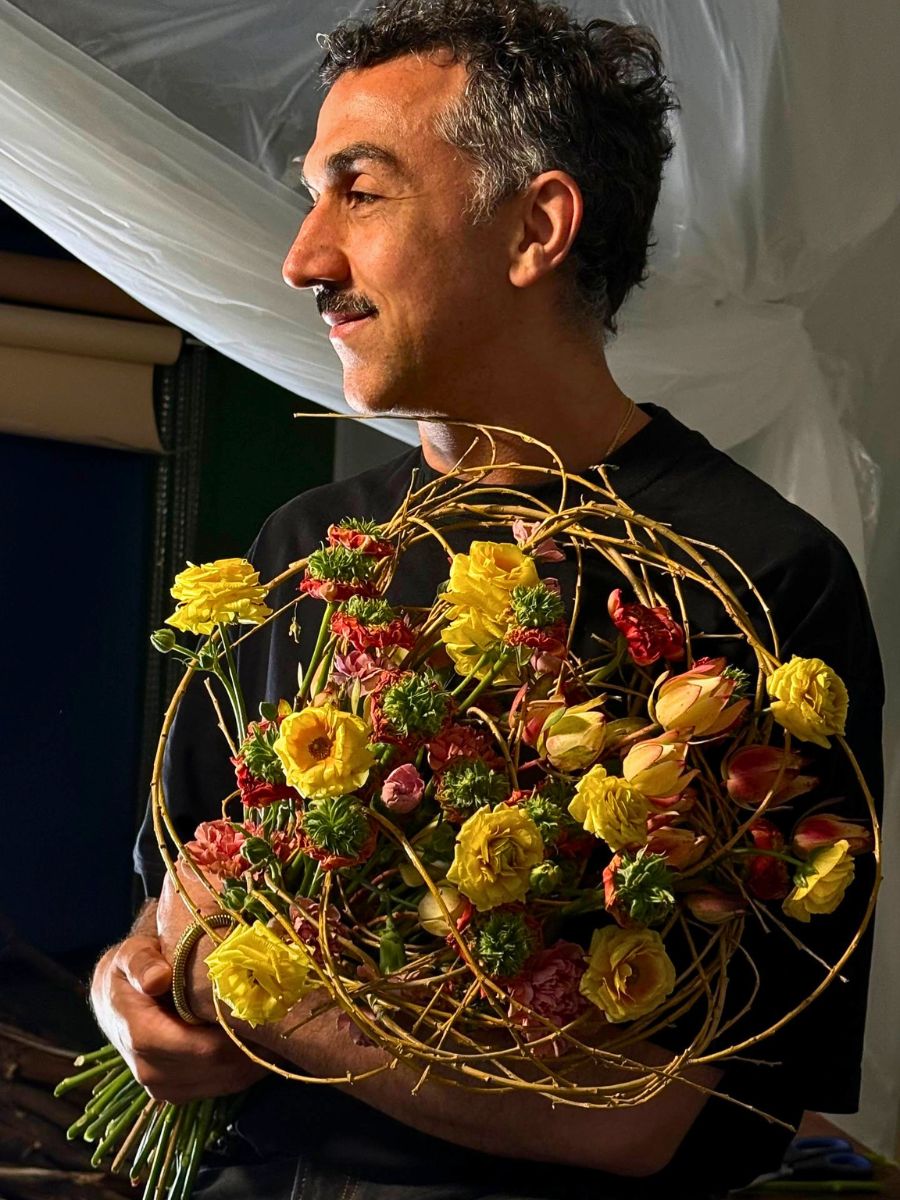
While color psychology is a softer science than clinical research, the associations between them are constant and interlinked. Orange is often linked to warmth and coziness, while yellow suggests optimism and ease. Sunflowers, warm-colored spray roses, and marigolds, being golden and sturdy, carry that sunny signal into the darkest part of the year.
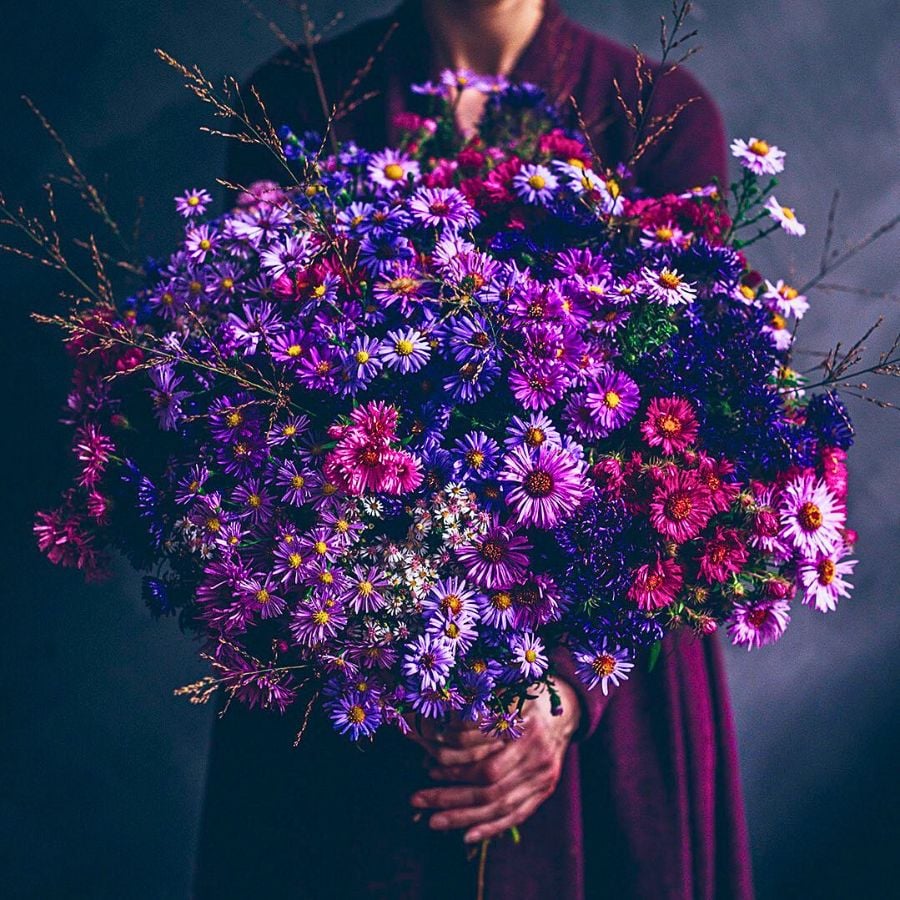
Contrast also adds some interest. Asters bring cool pinks and purples into a warm palette, and dark green foliage such as eucalyptus brings the restful, balanced feel of nature. Altogether, these combinations could suggest a late afternoon in an orchard, which is just the mood many people want in late October through November.
Bringing the Floral ‘Garden’ Indoors
Where you put the flowers matters nearly as much as which flowers you choose. The Rutgers study participants tended to display arrangements in visitor-facing spaces such as entryways, living rooms, and dining rooms, so the flowers were seen constantly and shared with others. A bowl of mums placed on the entry table, therefore, warmly greets you every time you come home as nightfall sets in.
Fall flowers are also reliable. Chrysanthemums are known for lasting long, and florists often use them in autumn designs built around the mums. In one florist's fall story, the warm colored flowers pair copper Chrysanthemums with soft brown Lisianthus and salmon accents to evoke a misty morning beside a still pond. A muted palette can, therefore, feel as comforting as a bright one. Zinnias, too, add playful energy to the setting, and cosmos, in shades from maroon to soft pink, bring in associations of harmony.
Creating a Mood-Boosting Floral Routine at Home
A flower works best when it is part of a habit. Maximizing the psychological benefits of autumn flowers, as a result, involves a thoughtful routine and placement throughout your daily environment.
Positioning cheerful flowers in high-traffic areas, such as the entryway or the kitchen workspace, ensures you receive an immediate visual lift every time you walk into the room. Selecting durable varieties that require minimal maintenance prevents the care process from becoming a chore, keeping the focus on enjoyment and relaxation.
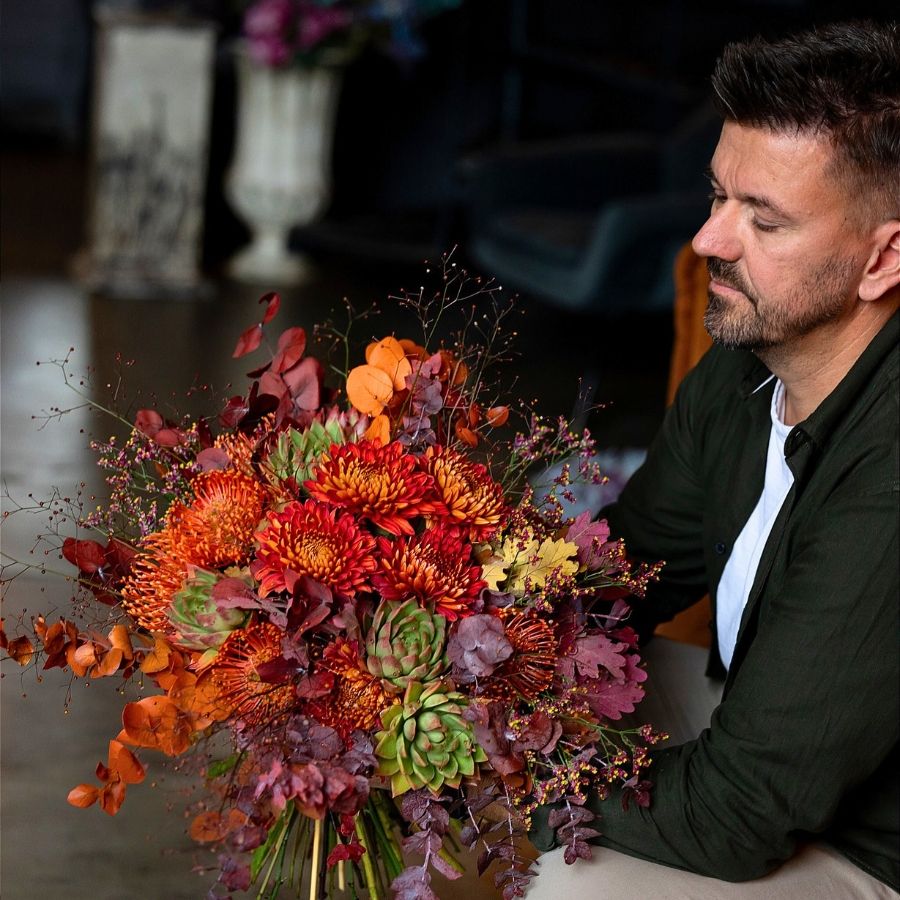
You could, therefore, choose one spot you pass in the morning and place the flowers there, and change the water every day or two so the arrangement stays fresh. Trim the flowers at an angle, and, perhaps, swap with a bunch of other flowers, like marigolds, which are linked to the season, for a new look when the old flowers fade. Marigolds’ strong scent is, after all, thought to ward off negativity, which suits a moody season.
Gifting the flowers increases their effect. The Rutgers findings link flowers to more contact with loved ones, and a bunch of Dahlias given to a neighbor or colleague does the same work for two people. Lavender, which this overview of flowers and well-being singles out for its calming scent, makes another good addition for evenings.
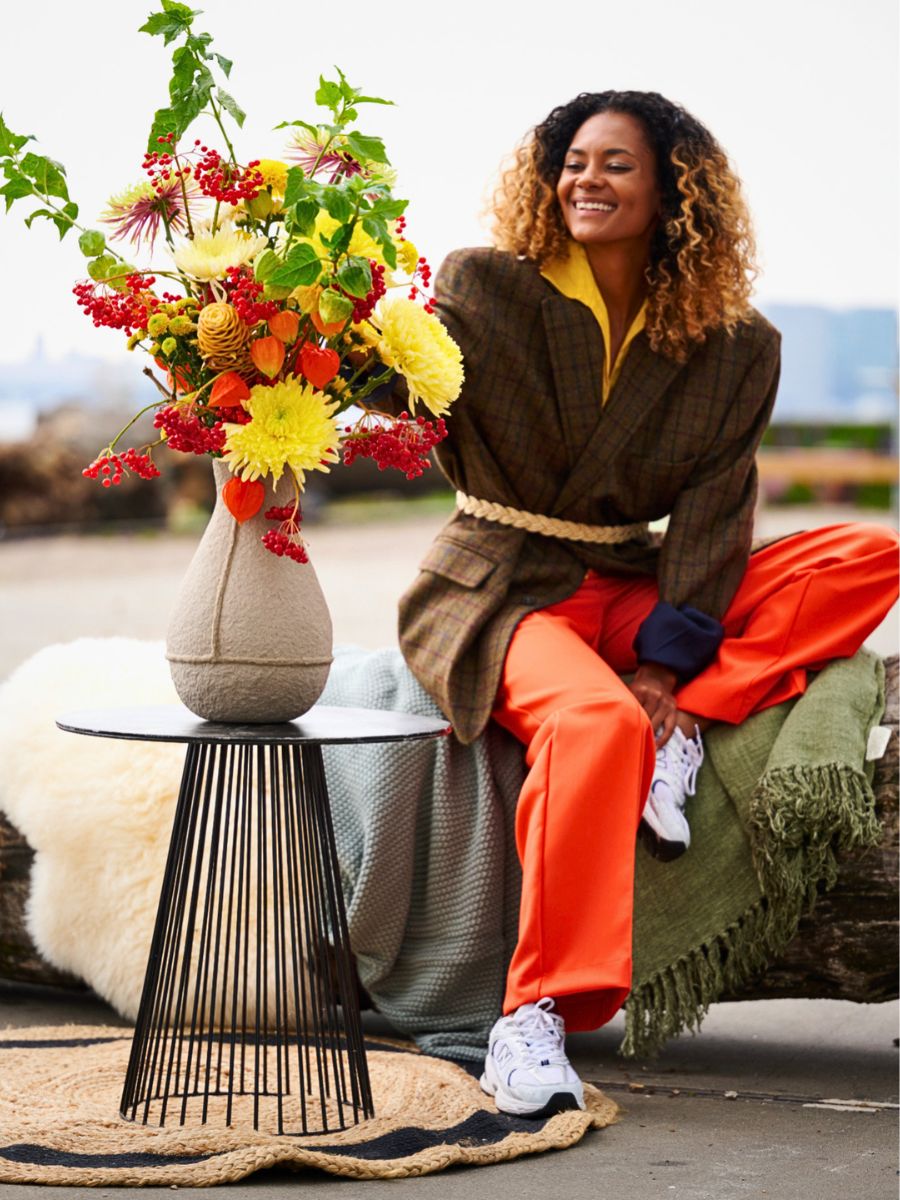
Also, pairing your floral displays with soft lighting and natural textures improves their mood-boosting impact. When warm indoor lamps illuminate gold and bronze flowers during early autumn evenings, the whole room feels cozy and secure. This deliberate integration of nature into your daily routine makes indoor spaces reliable refuges against the chill and darkness of the winter.
Growing Your Own Cozy Warmth
Tending living plants can also lift a mood in its own right. Grown in specifically created indoor spaces, for instance, sedum turns copper and bronze as temperatures drop, and ornamental kale adds purple and cream to containers, bringing in that warm, cozy feel and energy.
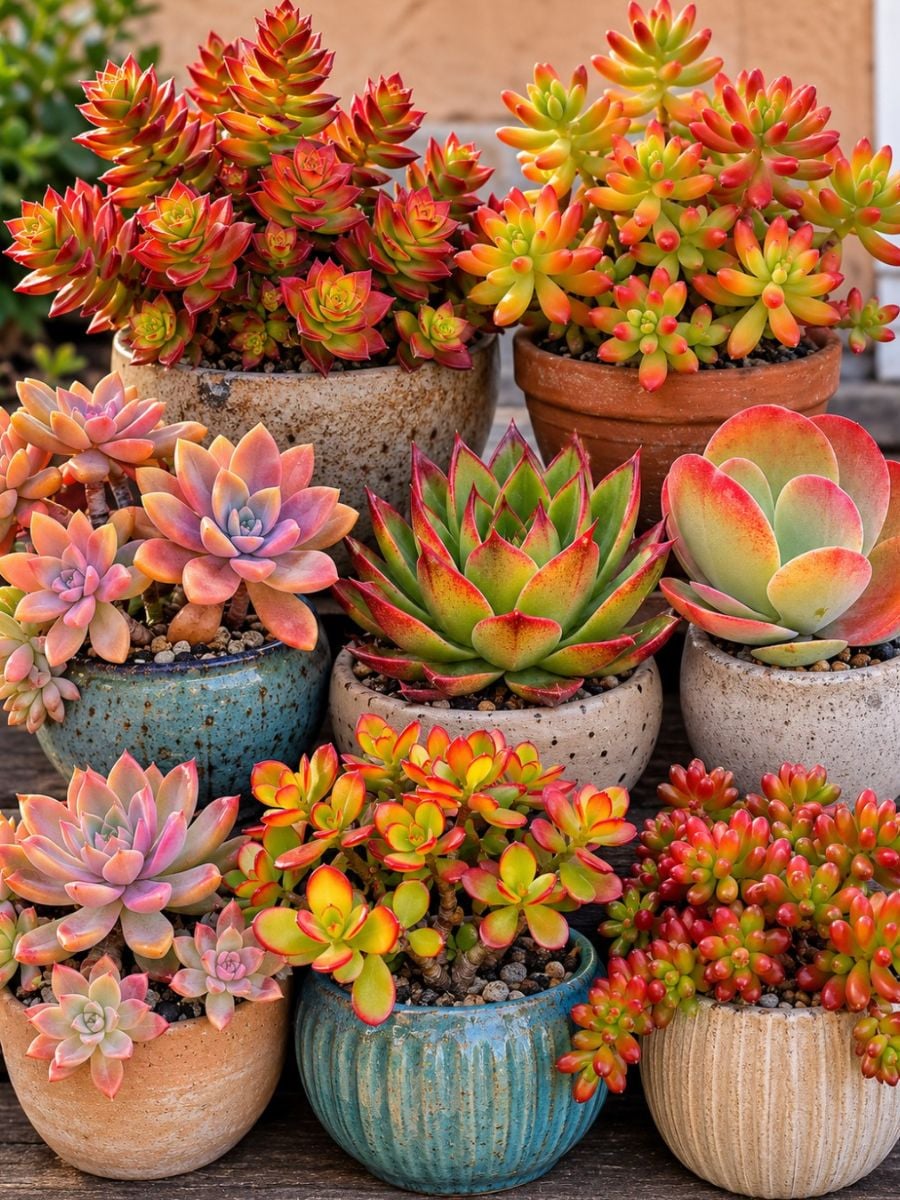
All these are listed among the ideal late-season garden choices when it comes to autumn plants and flowers. Also, planting tulip and daffodil bulbs now gives you something to look forward to next year, since a bed that waits under the soil promises floral color in March.
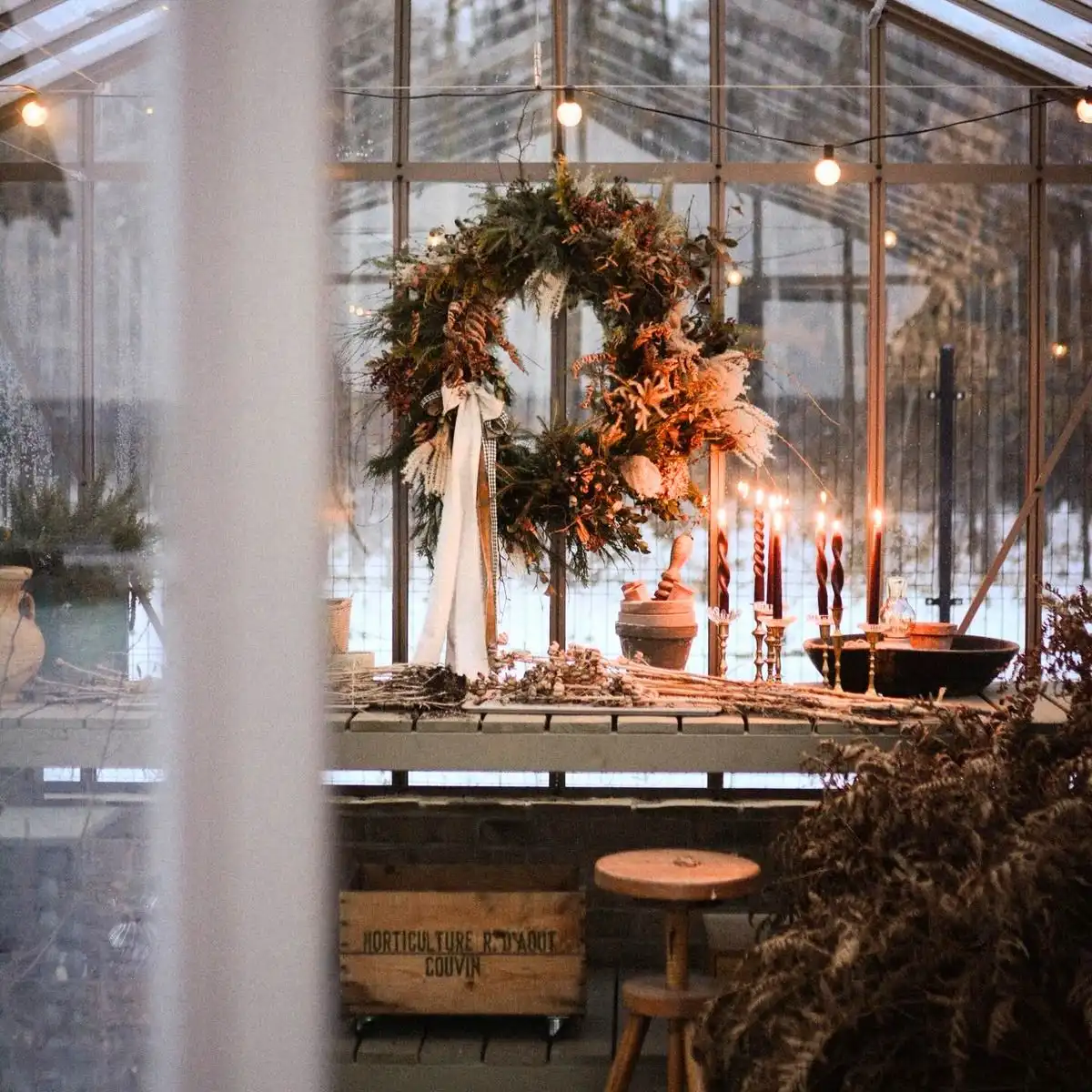
Featured image: @botanicart.kover.krisztian. Header image: @verbenaflowers.studio.