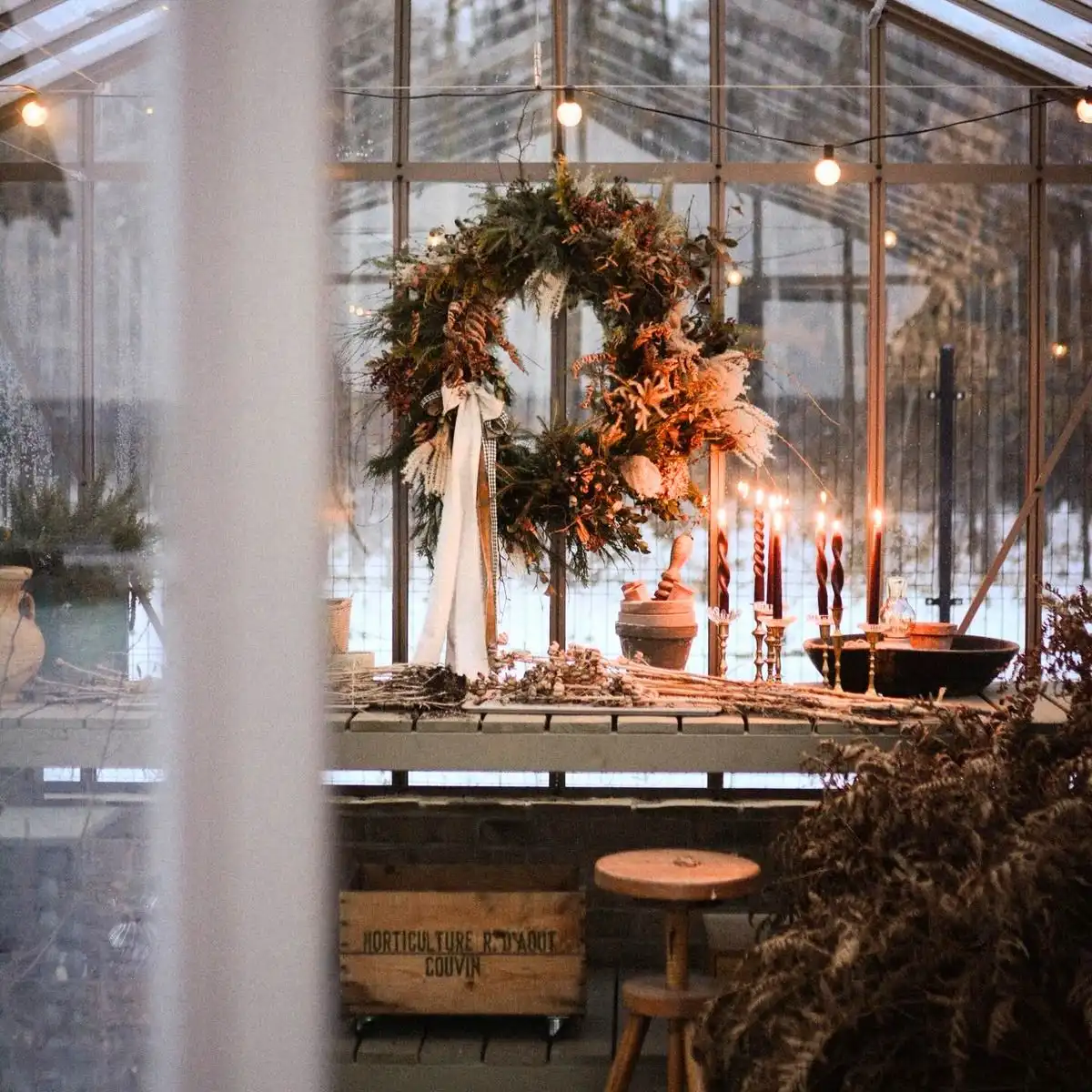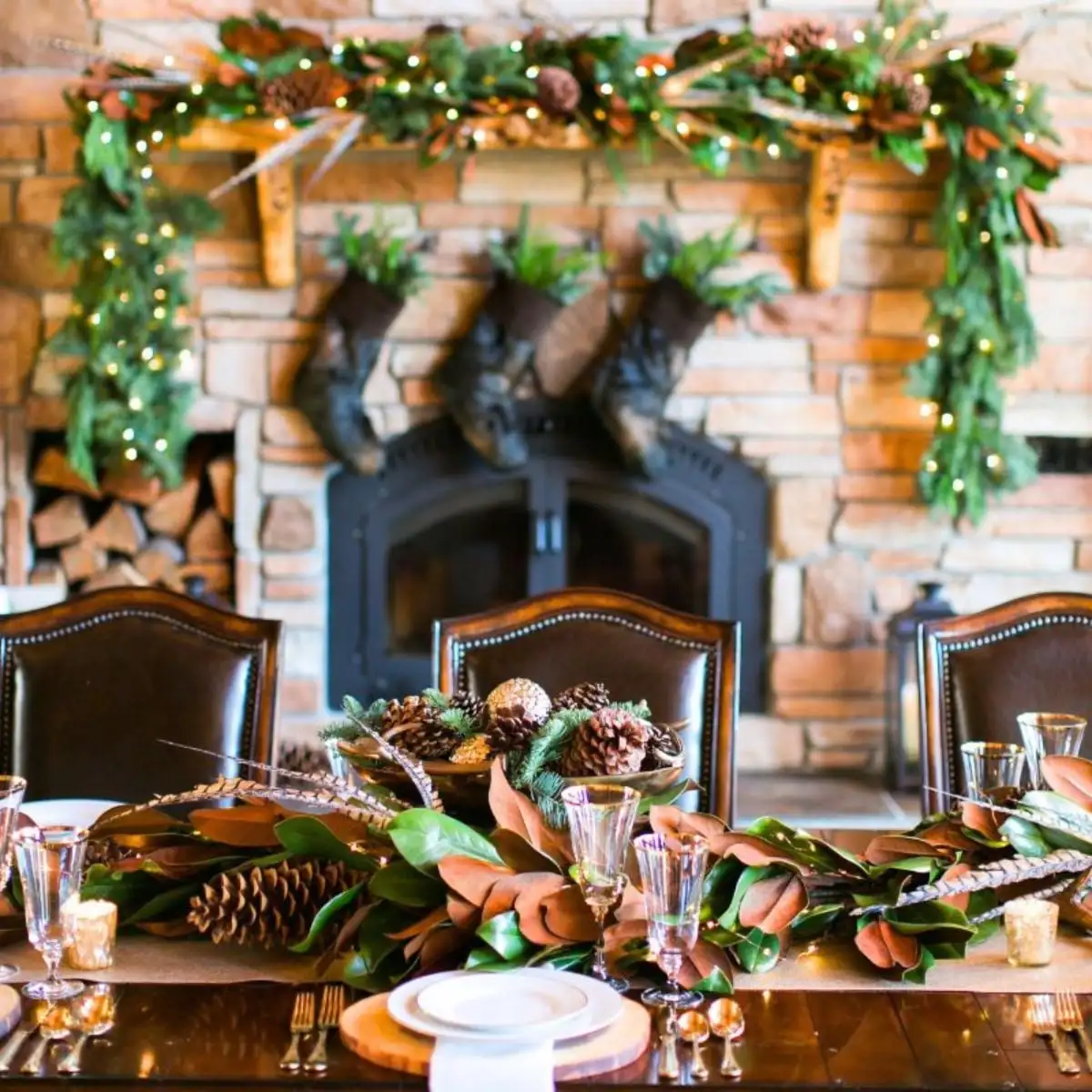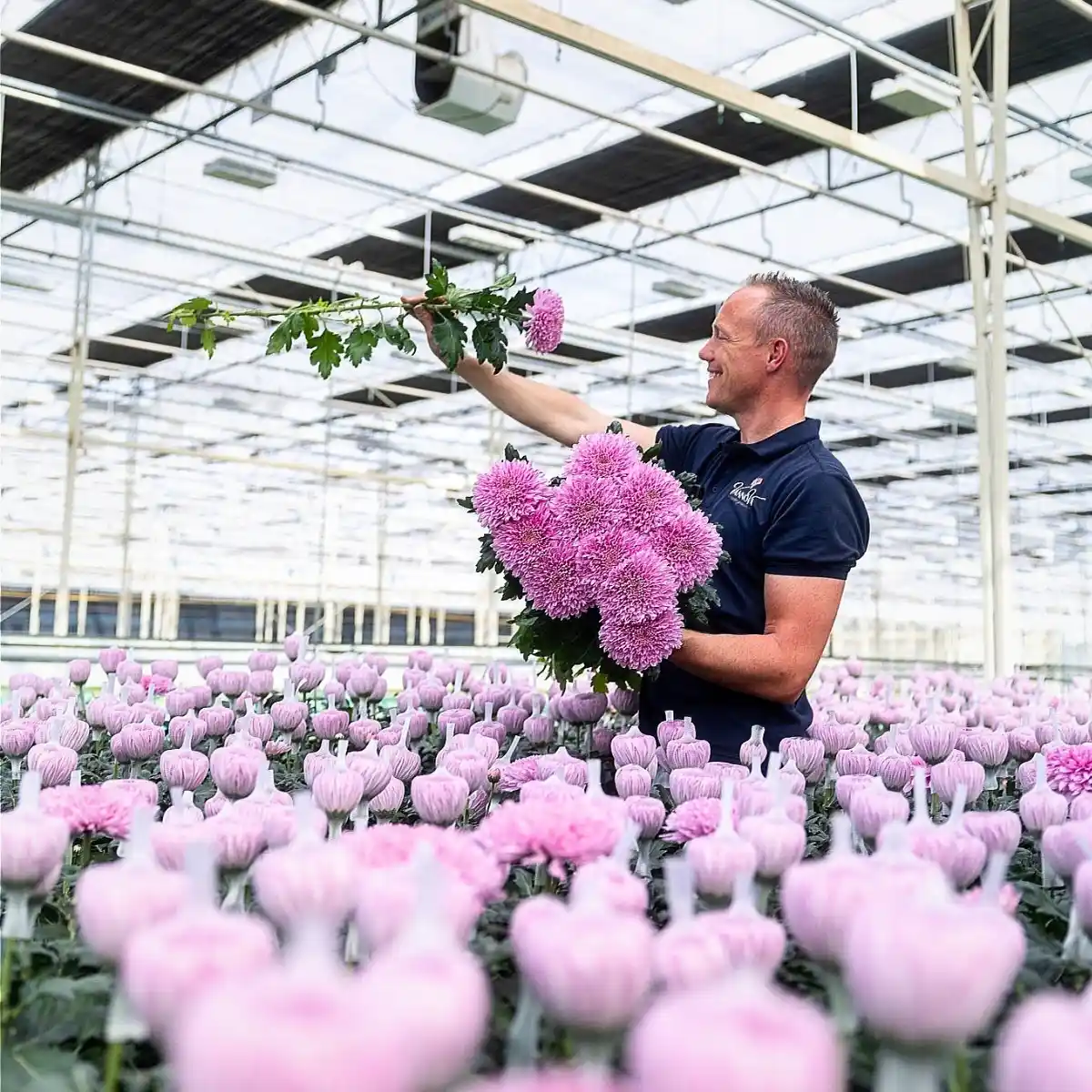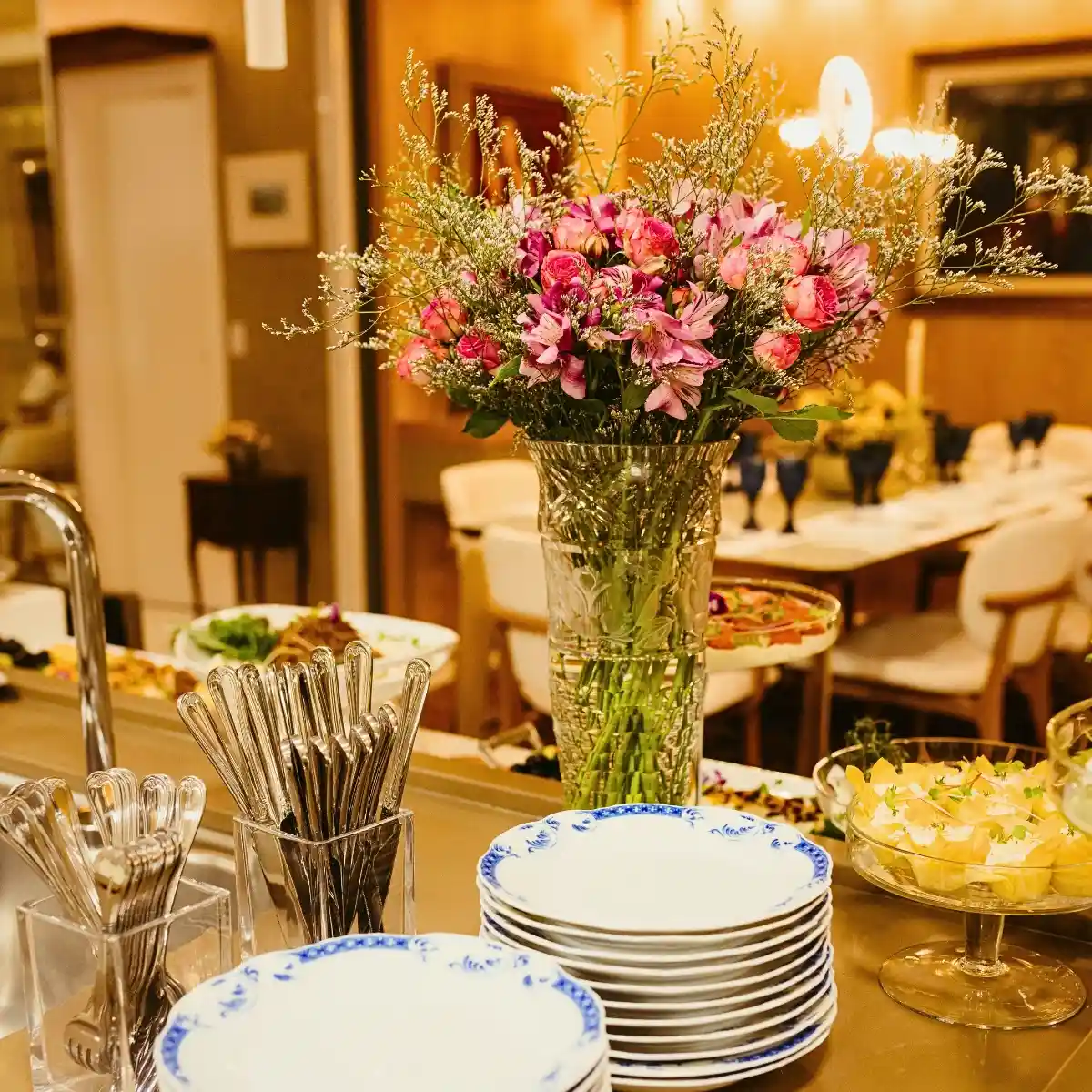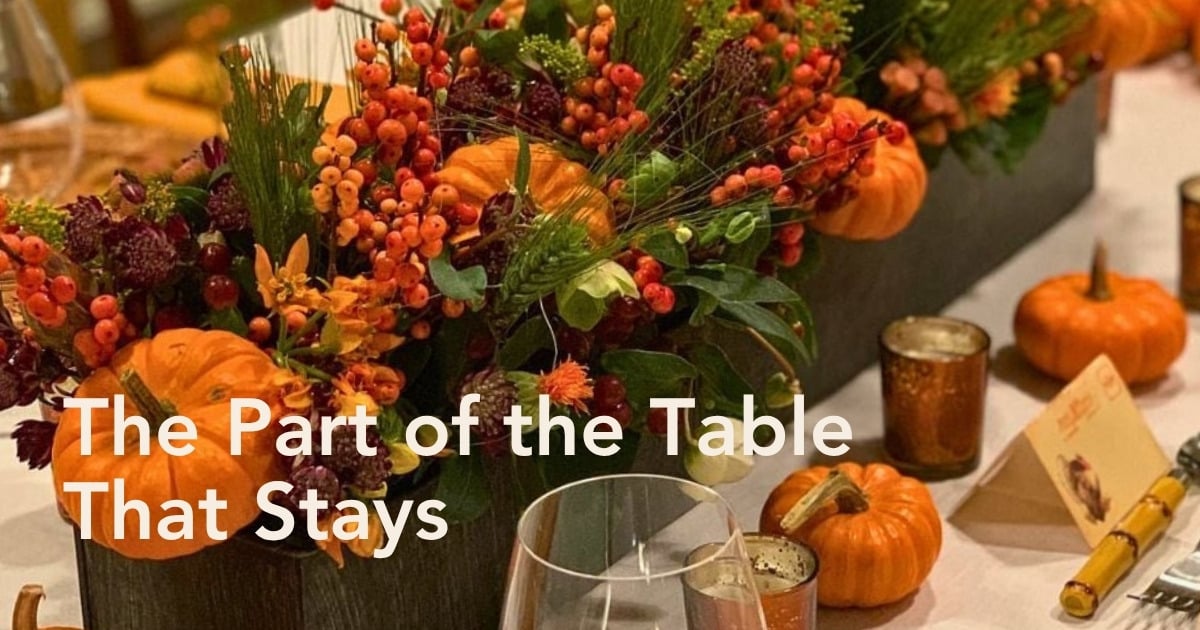
What makes a table look like Thanksgiving before a single dish leaves the kitchen? Well, the plates help a little. But on the fourth Thursday of November, the thing that says harvest before anyone sits down is usually the flowers: bronze Chrysanthemums, a handful of sunflowers, wheat leaning out of a low bowl. Thanksgiving flowers bring the season indoors, and a well-built Thanksgiving centerpiece sets the mood for the whole meal. Pick them well, and Thanksgiving flower arrangements last the long weekend; pick them badly, and they droop before the pie comes out.
This year, Thanksgiving falls on Thursday, November 26, and the date shapes what you can buy. By late November, outdoor fields in most of the country are finished, the last field Dahlias have gone with the first frost, and flower shops lean on Chrysanthemums, roses, and Alstroemeria from greenhouses and high-altitude farms that cut all year round. The palette that is left (rust, gold, burgundy, and cream) happens to suit the day almost perfectly.
Why Flowers Belong on the Thanksgiving Table
Thanksgiving began as a harvest meal. In the autumn of 1621, the English colonists at Plymouth, in what is now Massachusetts, shared a three-day feast with their Wampanoag neighbors after their first harvest. For more than two centuries afterward, days of thanksgiving came and went at the pleasure of individual colonies and states. Then, in 1863, in the middle of the Civil War, President Abraham Lincoln proclaimed a national day of thanksgiving on the last Thursday of November.
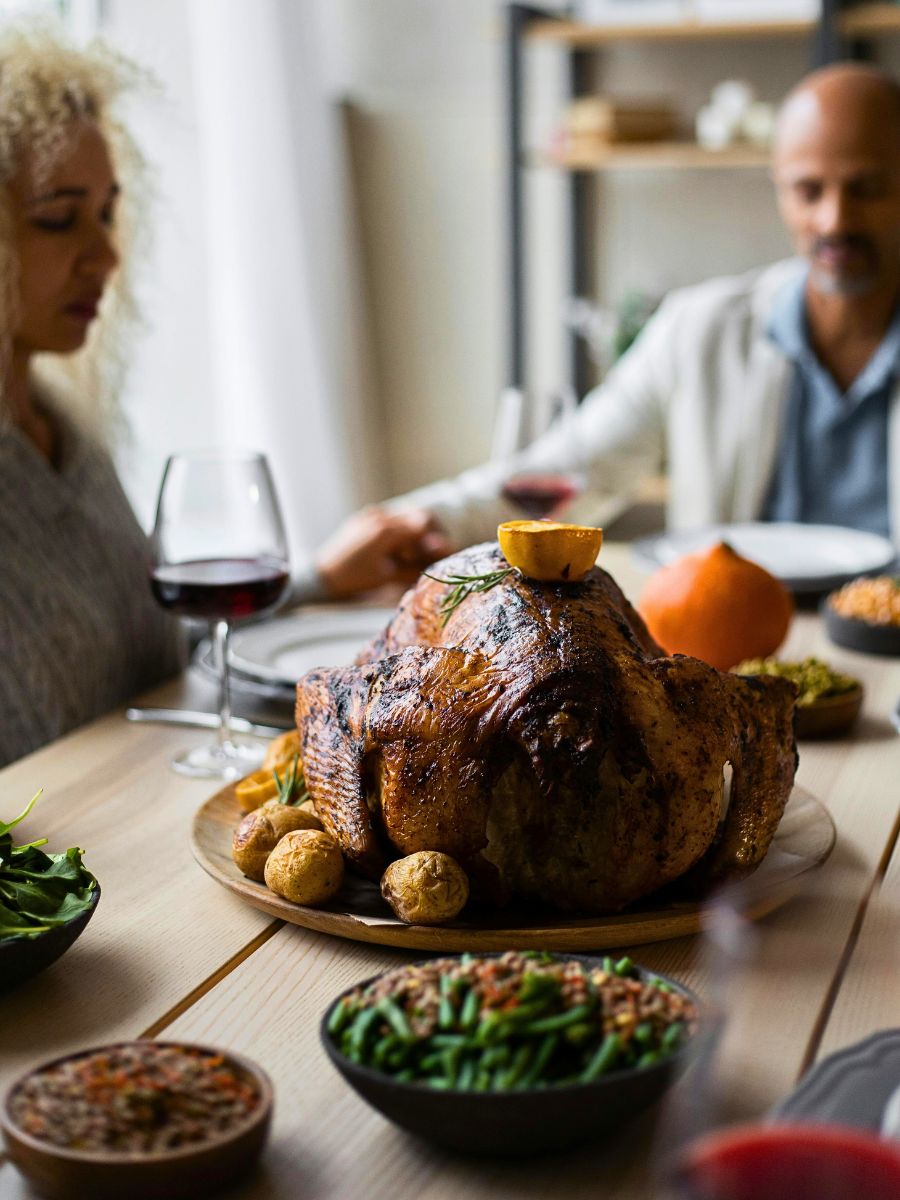
The date moved once more. In 1939, President Franklin D. Roosevelt shifted it a week earlier to stretch the Christmas shopping season, and for two years the country celebrated on two different Thursdays. Congress settled the matter in 1941: Thanksgiving is the fourth Thursday of November, which is why it can land anywhere from the 22nd to the 28th.
What never changed is the table itself. A harvest festival decorates with what the harvest gives: gourds, grain, the last flowers of the year. Just so that you know, gratitude even has a date of its own, World Gratitude Day, but Thanksgiving is the day it gets a table, and the flowers are how a grateful room says so.
The Best Thanksgiving Flowers
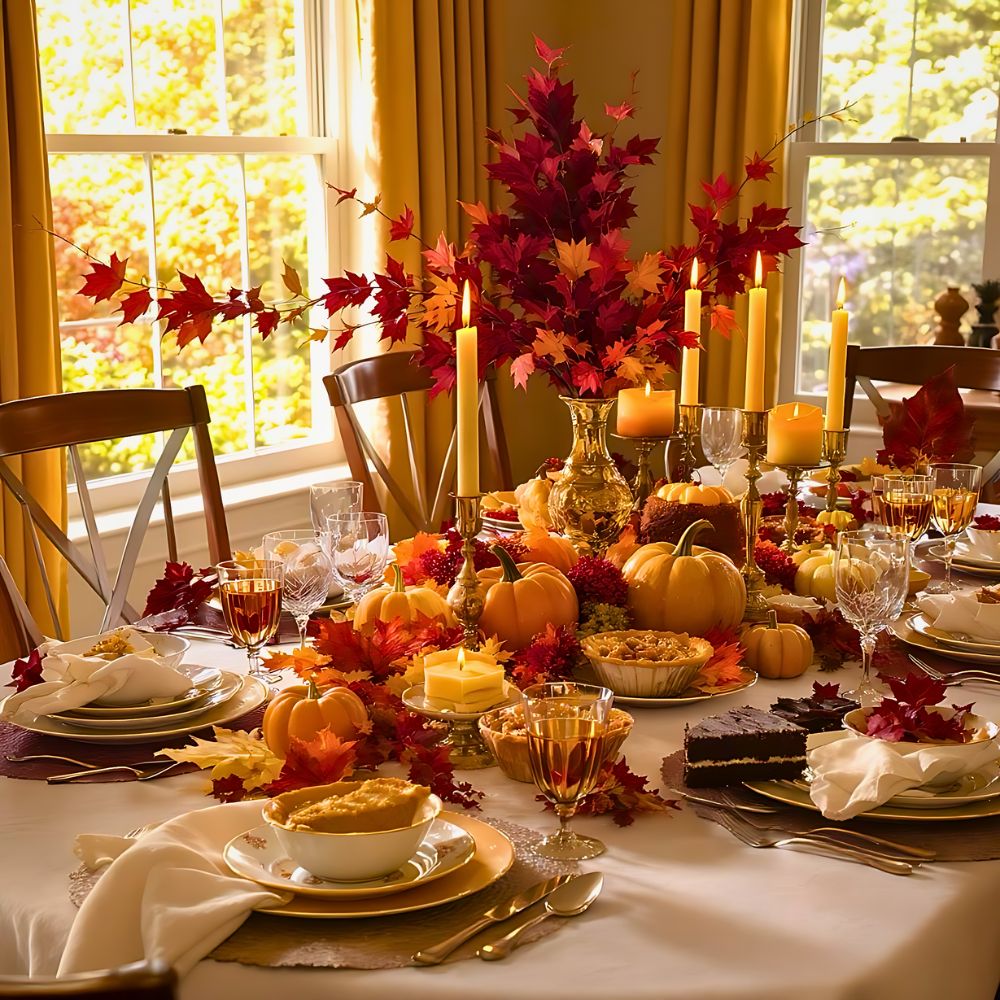
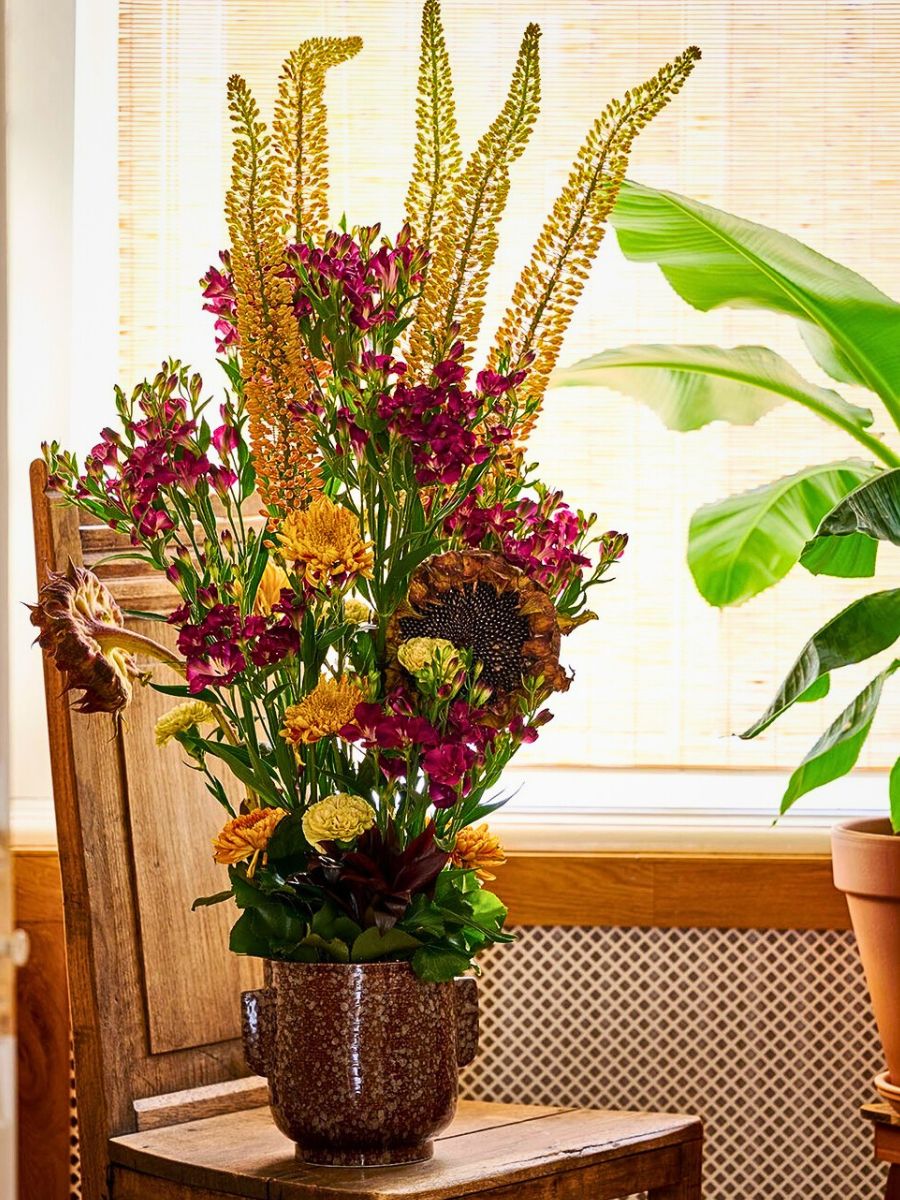
The flowers that work at Thanksgiving have warm colors and sturdy stems, and the best of them still look good when the leftovers are gone. Most come straight from the wider list of fall flowers; a few are here simply because they travel well and last.

Chrysanthemums
If one flower owns Thanksgiving, it is the Chrysanthemum. It is the November birth flower, and it flowers naturally in autumn because it is a short-day plant, set off by the lengthening nights; the full story is in why Chrysanthemums matter in autumn. In North America, the flower stands for warmth, hospitality, and harvest abundance, so its meaning and symbolism could hardly suit the day better.
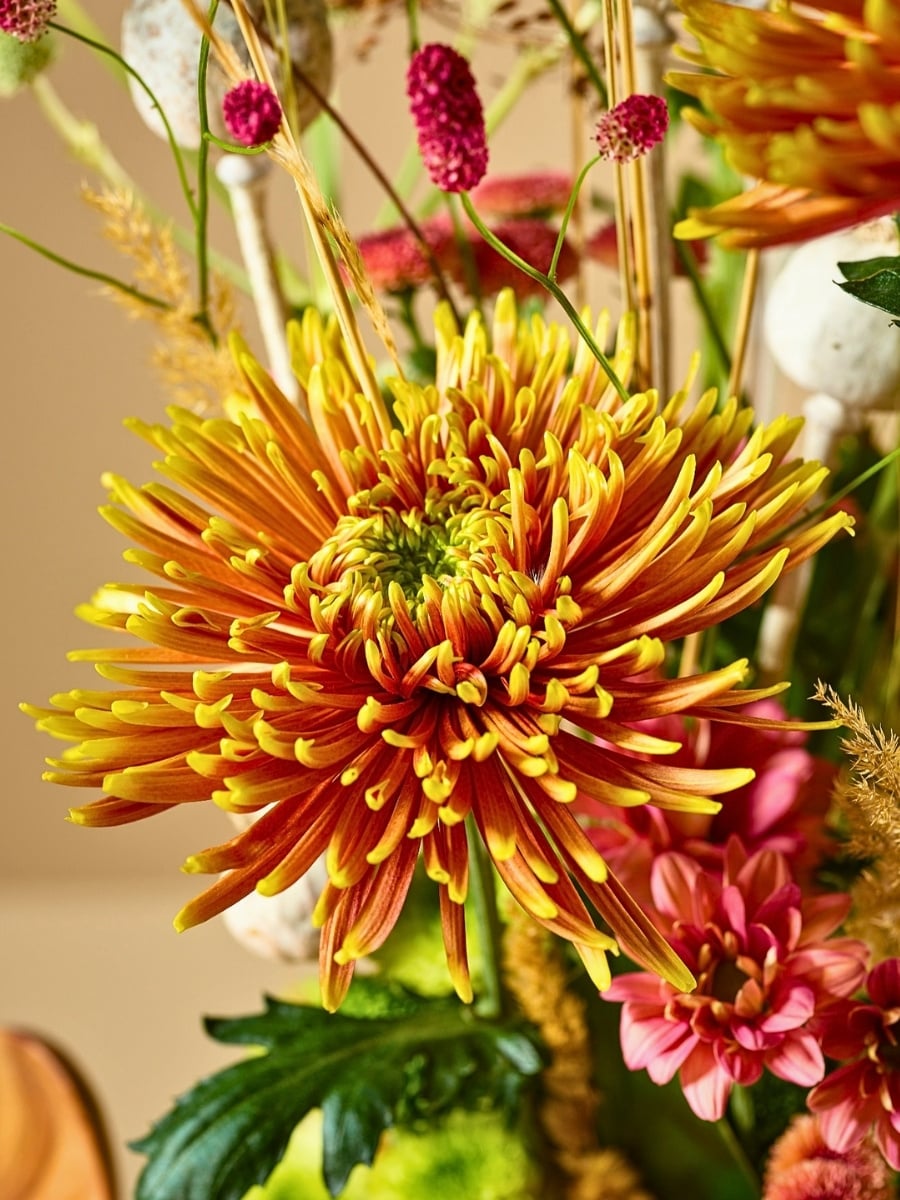
In practice, mums are indubitably the workhorse of the Thanksgiving table. Spray types fill space with many small blooms per stem, while disbuds and spider mums give one big face each, and the colors run from rust and bronze to burgundy, gold, and cream. With clean water and flower food, a cut Chrysanthemum can stay fresh for two weeks or more, so a centerpiece made on Monday still looks right on Sunday. One warning: strip every leaf below the waterline, because mum foliage fouls the water fast.
Sunflowers
Sunflowers (botanical: Helianthus) are native to North America, so they belong among Thanksgiving flowers almost by birthright. They read from across the room, and they pair naturally with gourds and wheat. Two tips for the vase: choose pollen-free varieties for the dining table, so nothing drops yellow dust on the tablecloth, and give them plenty of water, because the thick stems drink hard. What the flower stands for is in the guide to sunflower meaning and symbolism.

Dahlias
Dahlias bring the drama: big, layered blooms in burgundy, apricot, copper, and blush that look made for an autumn table. The catch is timing. Field Dahlias stop at the first frost, so by Thanksgiving week the supply is thinner and depends on where your florist buys; ask before you build a whole design around them. They are also short-lived in the vase, five to eight days with good care, so buy them for the big day itself, not the week before. A Dahlia tucked into a hollowed-out pumpkin is about as Thanksgiving as a flower gets. For what each color says, see the Dahlia flower meaning guide.

Roses in Orange, Toffee, and Burgundy
Roses have no real season. High-altitude farms in Colombia and Ecuador, often 2,500 meters above sea level or more, cut them every week of the year, which makes roses the surest way to land exactly the color you want. For Thanksgiving, that means orange, peach, toffee, and deep burgundy. The language of flowers helps too: orange roses stand for enthusiasm and passion, while peach roses represent gratitude and appreciation, which is about as on-theme as a rose can get.

Alstroemeria
Alstroemeria is the quiet professional of the Thanksgiving vase. Each stem carries several flowers, the color range covers the autumn shades from rust to plum, and it is one of the longest-lasting cut flowers a florist sells. It carries a fitting message as well: in the language of flowers, Alstroemeria stands for friendship, which is, after all, half of what the day is about.
Lilies and Calla Lilies
Lilies give height and, in the case of Oriental lilies, a strong scent, which can be a lot at the holiday table, so keep the fragrant ones on the sideboard. Asiatic lilies in burgundy, orange, or yellow are the unscented alternative, and they give an arrangement height without perfuming the gravy. Buy them in bud a few days ahead, and they will open in time; pull the orange anthers as the flowers open, because the pollen stains linen. For the burgundy end of the palette, Lily Black Mamba from the Dutch grower Lilies of Life is a deep purple-red with bright orange anthers (see the Black Mamba product page). There are more ideas in this piece on lilies for autumn holidays.
One serious note, and it matters in any house with a cat. True lilies (Lilium) and daylilies (Hemerocallis) are highly toxic to cats: every part of the plant counts, the pollen and the vase water included. Both the ASPCA and the U.S. Food and Drug Administration warn that a small amount can cause kidney failure. If there is a cat in the house, leave the lilies out of the Thanksgiving flowers entirely.

Photo: Thursd
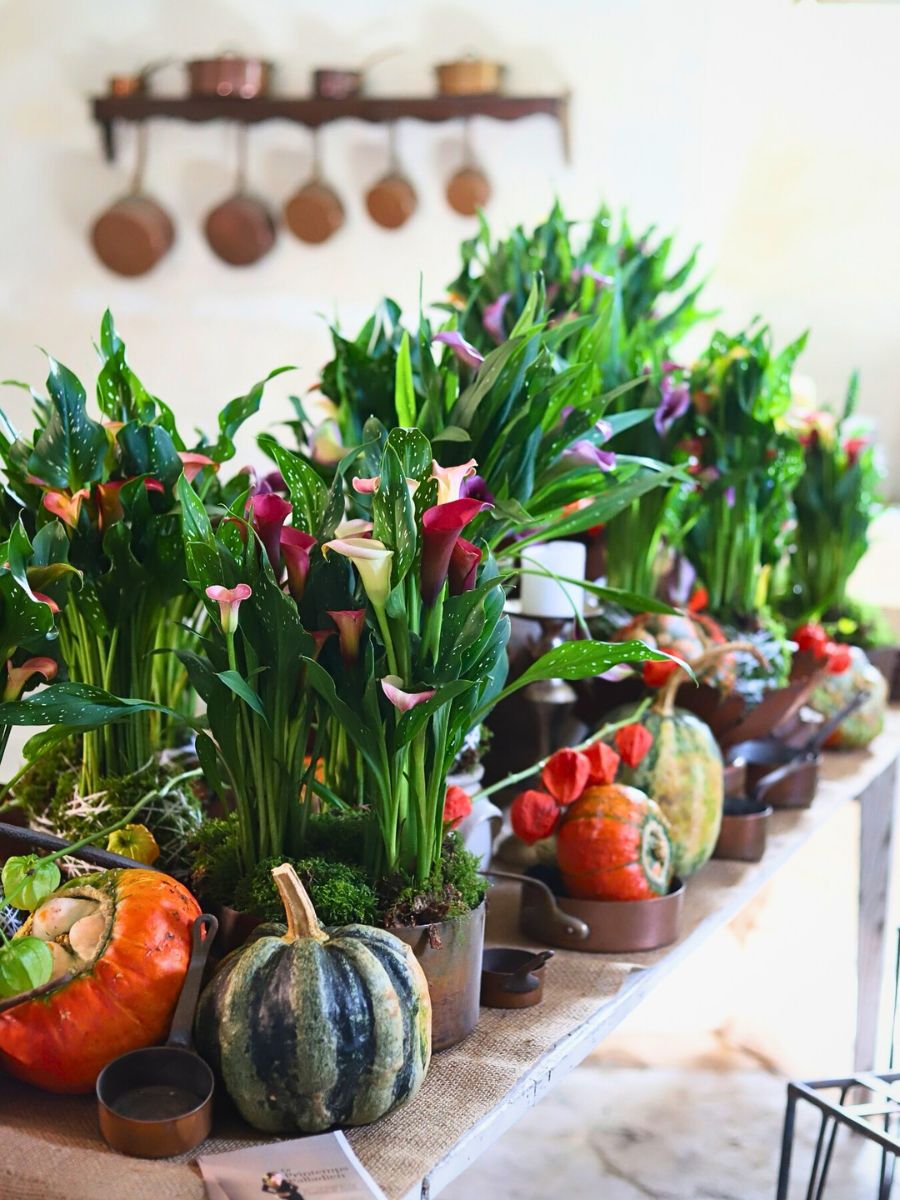
Calla lilies are not true lilies at all; they belong to the genus Zantedeschia, and in gold, orange, and burgundy they give a sleek, architectural line that softer flowers such as Hydrangeas can play against. They are still no snack for pets, mind you: the ASPCA lists callas as toxic to cats and dogs, but the risk is an irritated mouth, not the kidney failure that true lilies cause.
Thanksgiving Color Palettes That Hold Together
The common colors for Thanksgiving flowers are orange, gold, burgundy, and deep red, the warm tones a harvest table already carries in its wood, bread, and squash. Carnations deserve a word here; they are durable, inexpensive by the stem, and grown in nearly every autumn shade, so they fill out any of the palettes below. Three combinations built on those colors:
Harvest classic. Rust, bronze, gold, and burgundy: orange Chrysanthemums, sunflowers, toffee roses, and a few stems of wheat. This is the palette most people picture, and it suits a wooden table and candlelight.
Soft and pale. Cream mums, peach roses, white pumpkins, and silvery Eucalyptus. It reads calmer and more modern, and the peach roses carry the gratitude message quietly.
Moody plum. Burgundy Dahlias, deep red roses, bronze spider mums, plum callas, and dark foliage, with a dark lily such as Black Mamba for depth. It works best on a white tablecloth, where the dark blooms have something to stand against.
Whatever the palette, repeat each color at least twice in the arrangement, so the eye travels across it instead of stopping at one odd stem.
How to Build a Thanksgiving Centerpiece
A Thanksgiving centerpiece has one job beyond looking good: it must not get in the way of the meal. That rules out some very beautiful arrangements, but it also makes the design easier.
Keep It Low and Long
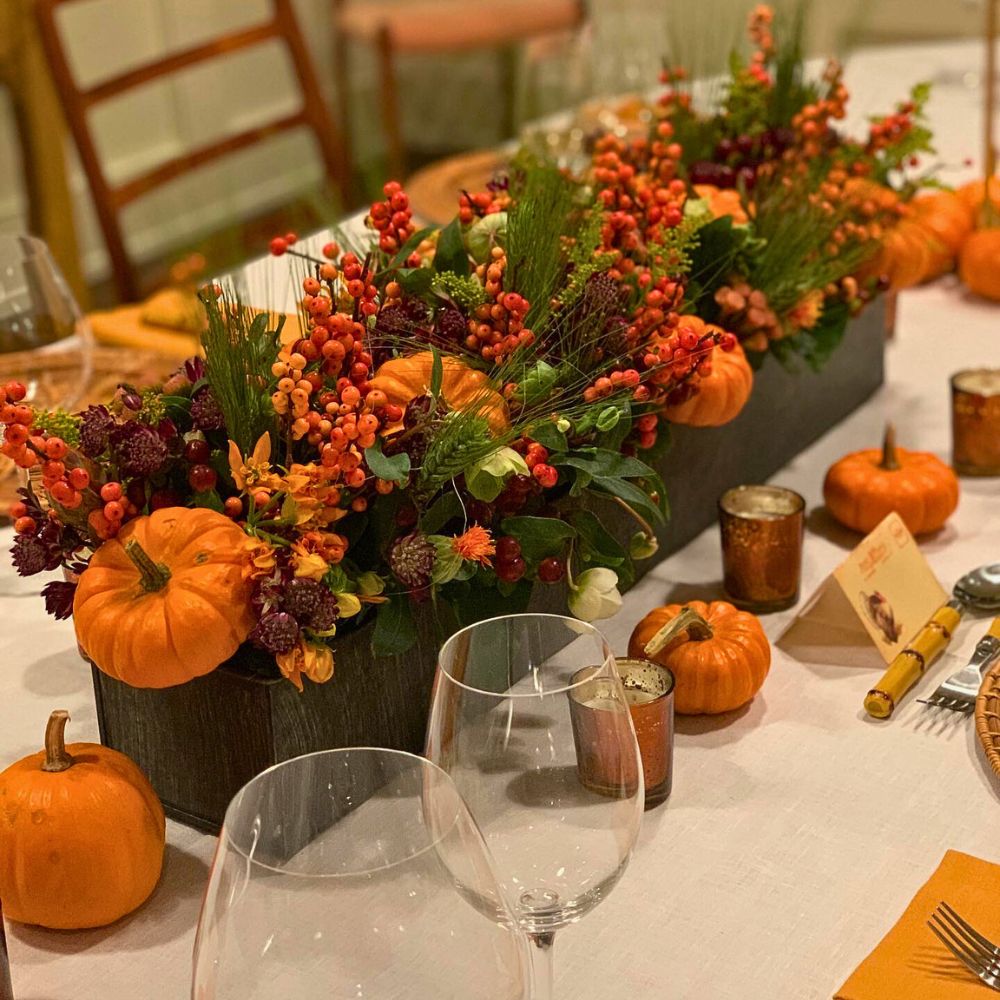
The usual rule of thumb is to keep the flowers below the eye level of a seated guest, roughly 30 cm (12 inches) or lower, so two people across the table can see each other. Sit down and check before the guests arrive.
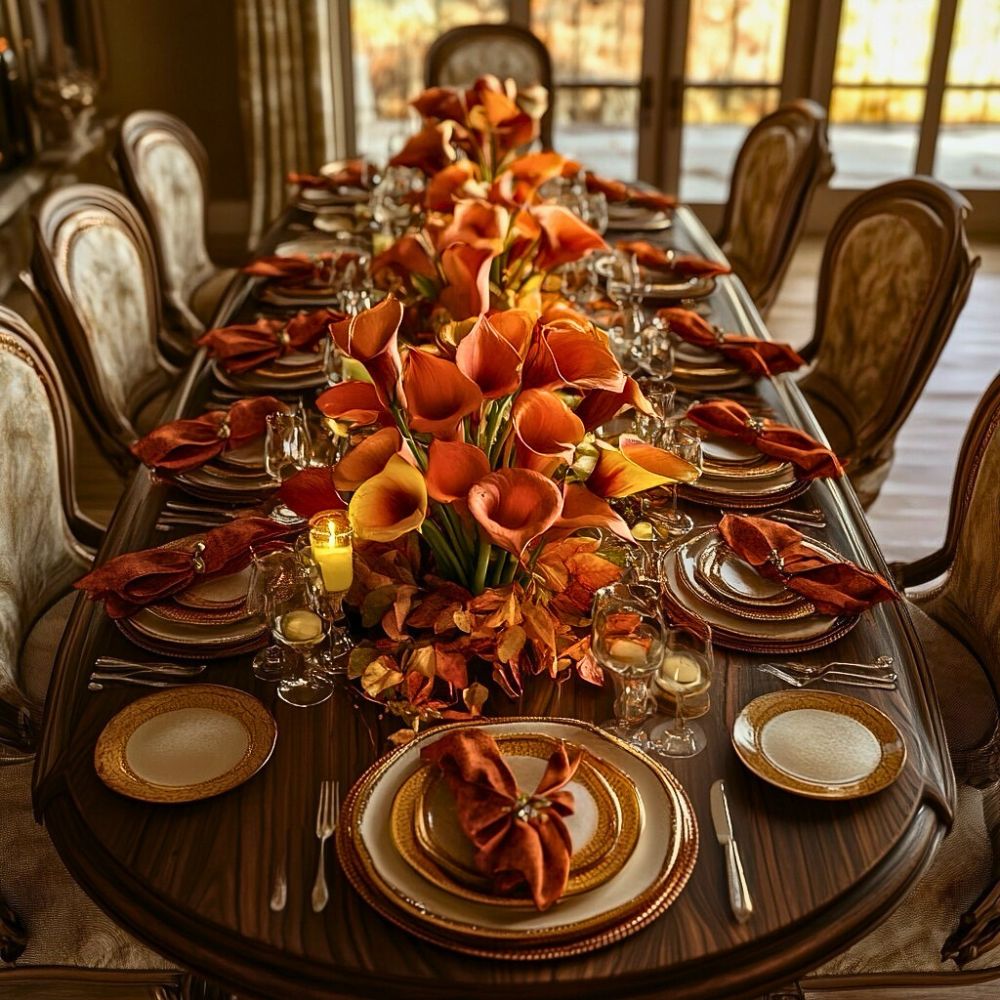
On a long table, a run of three or four low vessels works better than one big arrangement, and it leaves gaps for the serving dishes. If you love height, go much taller instead, on a slim stand people can see past, or keep the tall piece for the sideboard and the entryways.
Let the Harvest Do the Work
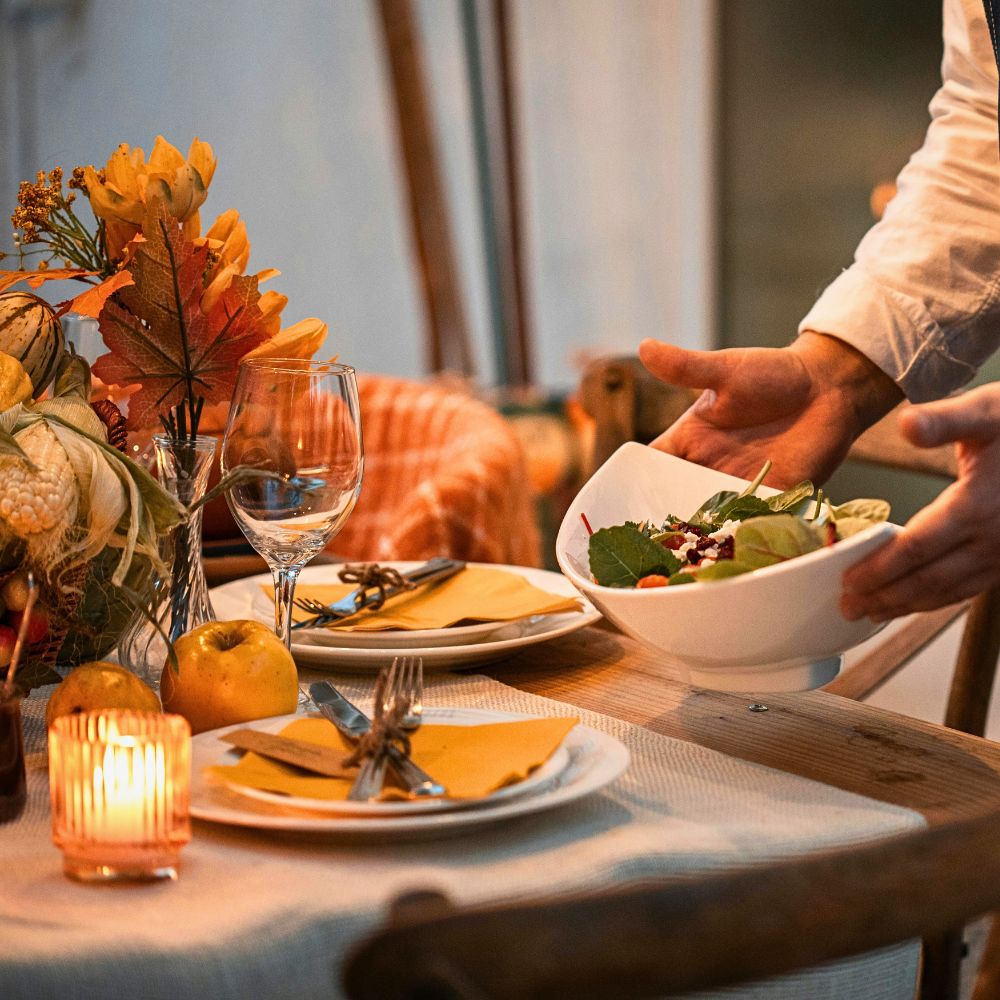
The easiest Thanksgiving decor borrows from the season itself. London florist Neill Strain, whose boutique is in Belgravia, builds his autumn displays exactly that way. "It is botanically the richest time of the year," he wrote for Thursd in a piece on celebrating Halloween and Thanksgiving, describing urns of Chrysanthemum plants lining a garden bed of grasses, Hypericum berries, Skimmia, and gourds. He is just as keen on the pumpkin itself; in his words, "using the pumpkin or gourd as a container for flowers conceives some absolutely exquisite designs."

Image courtesy of Neill Strain
To do it at home, hollow out a pumpkin, set a jar or a plastic liner of water inside, and arrange mums, roses, and a few Dahlias low around the rim. Then add texture with wheat, ornamental grasses, Hypericum berries, Physalis, or dried seed heads; these are what turn a bunch of flowers into a harvest. The old cornucopia, the horn of plenty, works the same way, spilling flowers, gourds, and grain along the table. For more ideas, see these flower-filled pumpkin designs from around the world.
Step by Step
The best Thanksgiving centerpiece flowers are the ones that hold their heads up for days: Chrysanthemums, roses, and Alstroemeria, with Dahlias as a late focal point. Whatever the size, Thanksgiving flower arrangements come together in the same order.
- Pick the vessel first. A low bowl, a lined wooden box, a pumpkin, or a row of small jars. Its size decides how many stems you need.
- Build a base of foliage. Eucalyptus, salal, or seasonal leaves give the flowers something to lean on, and a loose ball of chicken wire in the bowl holds stems without floral foam.
- Place the focal flowers. Chrysanthemum disbuds, Dahlias, or roses go in first, in odd numbers, each turned at a slightly different angle.
- Fill with sprays and texture. Spray mums, Alstroemeria, Hypericum, and wheat close the gaps and soften the outline.
- Finish with candles, carefully. Keep every flame well away from dried wheat, grasses, and leaves, which catch fire easily.
Keeping Thanksgiving Flowers Fresh
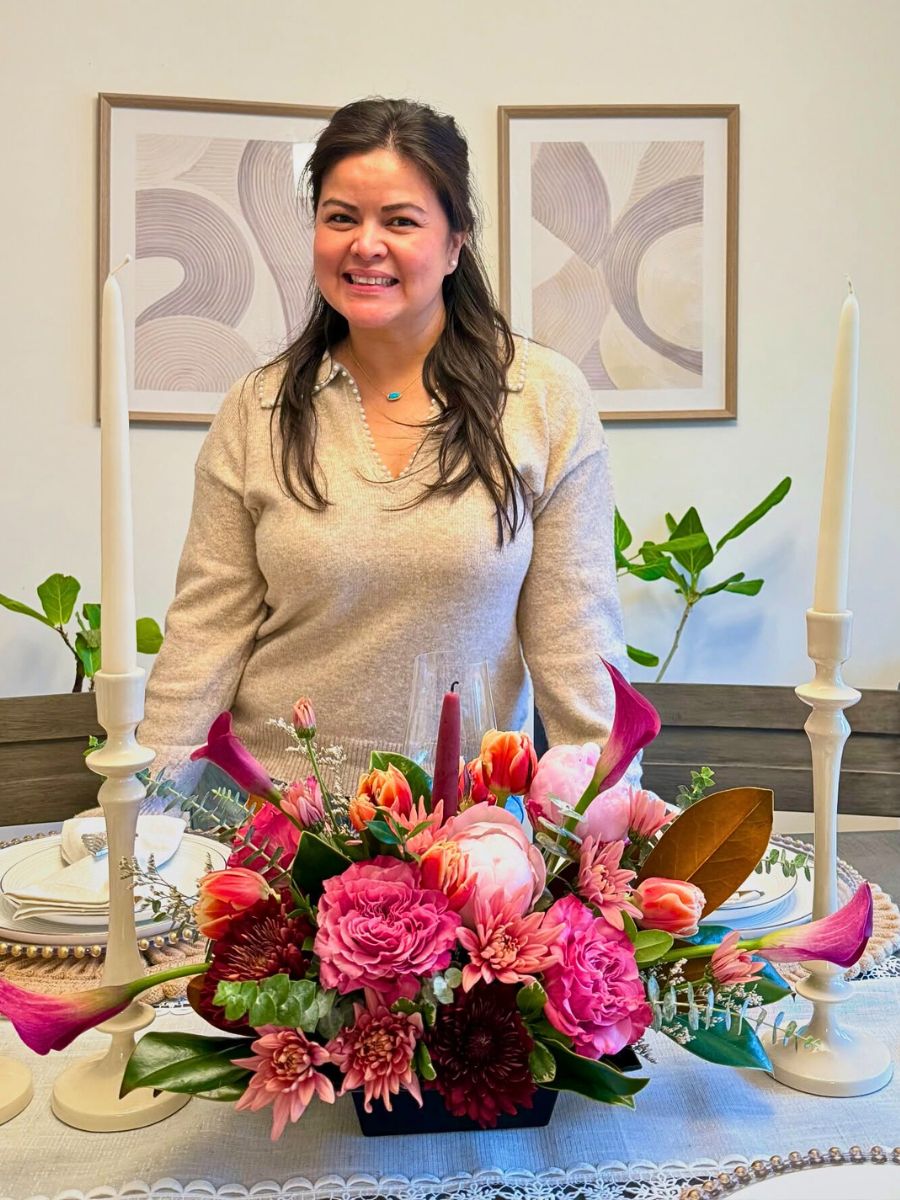
Thanksgiving flowers bought on the weekend should still look fresh at the dinner and, ideally, for days after it. The care is simple, and it works. Recut every stem at an angle before it goes into the vase, strip the leaves that would sit below the waterline, and use the flower food that came with the bouquet. Change the water every day or two; in a warm room, bacteria build up in the vase faster than you would think. Then keep the arrangement away from heat vents, direct sun, and the fruit bowl; ripening fruit gives off ethylene gas, which ages many cut flowers faster.
When to Buy and When to Order
For the dinner itself, plan backward from the flowers. Chrysanthemums, roses, and Alstroemeria can be bought the weekend before; they hold well, and the roses open a little more by Thursday. Lilies should arrive in bud four or five days ahead, so they open in time. Dahlias come last: buy them on Tuesday, or on Wednesday at the latest. If you are sending flowers to loved ones in another town, order early, about a week ahead, when the choice is widest; florists have a Thanksgiving of their own to get to, you'd agree!
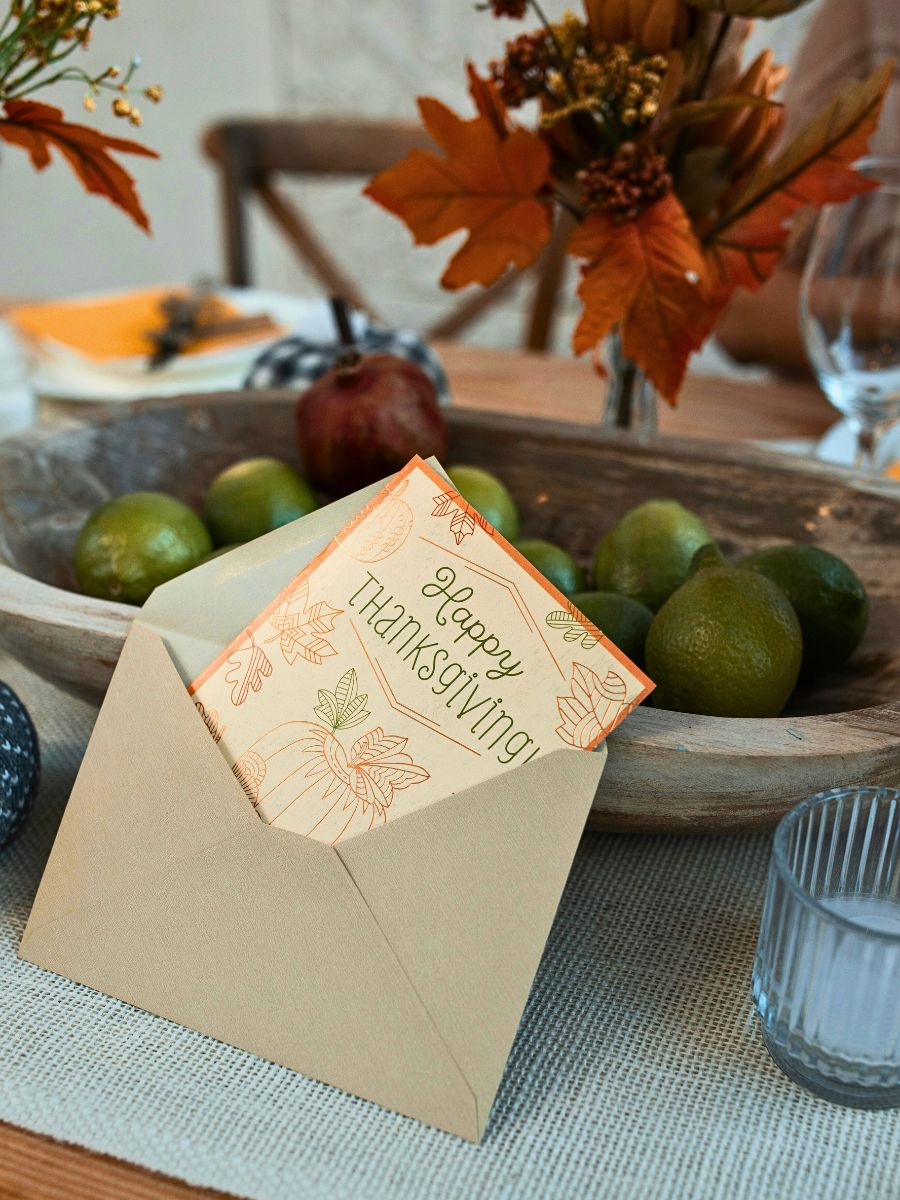
Thanksgiving Flowers as Gifts
Invited to someone else's table? Bring a hand-tied bouquet already standing in a vase or a low box, so the host does not have to hunt for a vase while the gravy thickens. A potted plant is the gift that outlasts the weekend: a pot mum for the porch, or a holiday cactus that flowers in late autumn. Many plants sold as a Christmas cactus are in fact Thanksgiving cacti, which makes a nice bit of trivia to hand over with it.
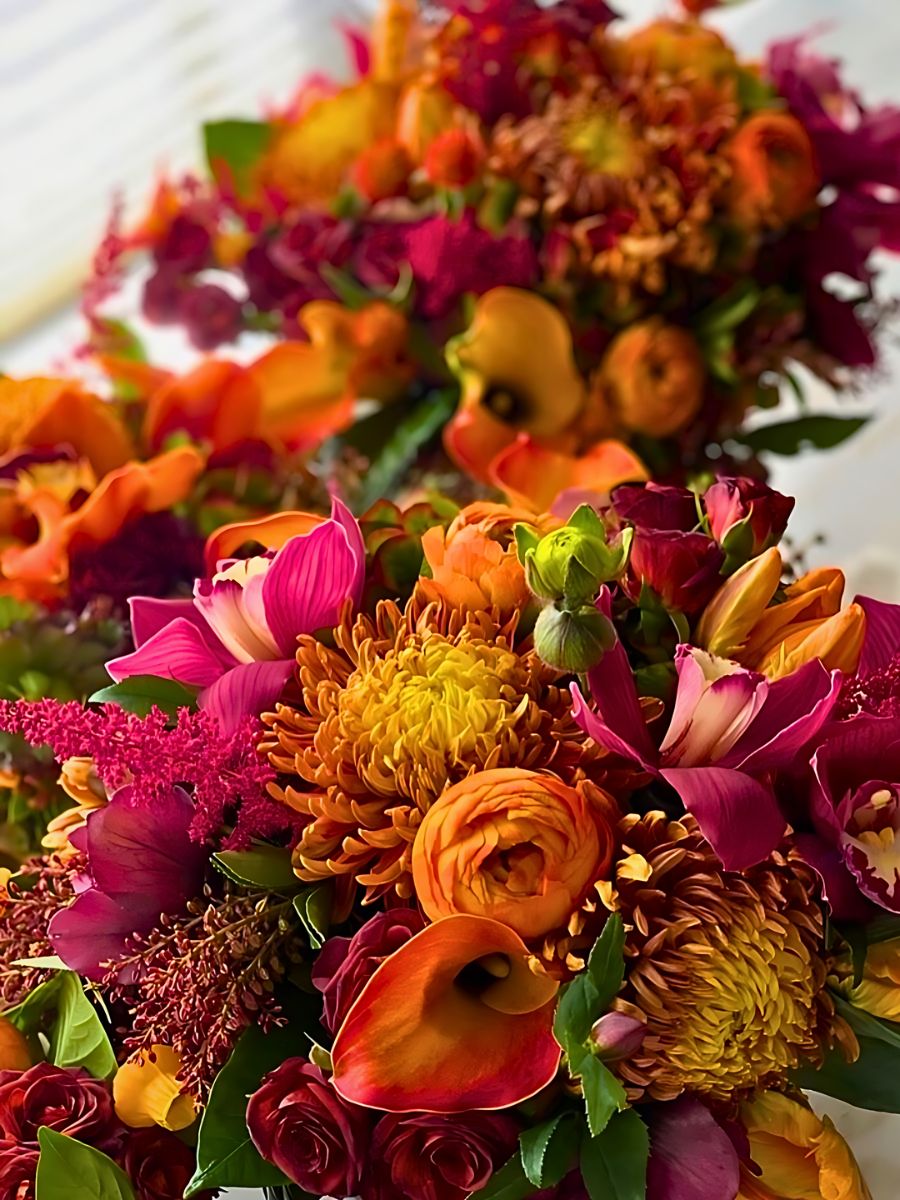
The turkey will be gone by Friday, the pie by Saturday. A well-kept vase of mums will still be standing on the sideboard the week after, and that, essentially, is the point: of everything on the Thanksgiving table, the flowers are the part that stays.
Sources: National Archives, Congress Establishes Thanksgiving; U.S. FDA, Lovely Lilies and Curious Cats: A Dangerous Combination; ASPCA, Getting to the Bottom of the Dangers of Easter Lilies and Toxic and Non-toxic Plants: Calla Lily; Purdue University Extension, publication HO-158-W on cut flower care.
Featured image by @justchrysanthemum. Header image by @thebridgehamptonflorist. Reel: @florawoodpdx.
About the author: Brian Okinda is an editor at Thursd and a trained journalist specializing in agriculture, science, and sustainable floriculture. He covers the flower industry from the inside, from farms and expos to the people behind the flowers. Connect with Brian on LinkedIn.