In nearly all major cultural festivals, flowers are rarely far from their centers. They hang from doorways during Diwali, cover parade floats, guide spirits home, and turn hillside landscapes into tourist destinations. The specific flower varies from one culture to the next, but the underlying idea remains that flowers give the occasion what a banner or a song cannot quite manage on its own.
This idea shows up for a handful of overlapping reasons, be they spiritual, civic, or just practical. Yet these different festivals help explain why flowers have held onto this role for ages, and have never been replaced by something more permanent or less demanding to maintain. So why (and how) are flowers used in different festivals?
Seasonality and Marking a Fleeting Moment
Flowers are, by nature, temporary, and many festivals anchor themselves into that quality. Japan's cherry blossom season, for instance, draws crowds precisely because the flowers last only a few weeks, making hanami, the practice of viewing them, an intentional celebration of a beauty everyone knows will soon disappear. Hanami is done complete with picnics held directly under the trees while the petals are still on the branch.
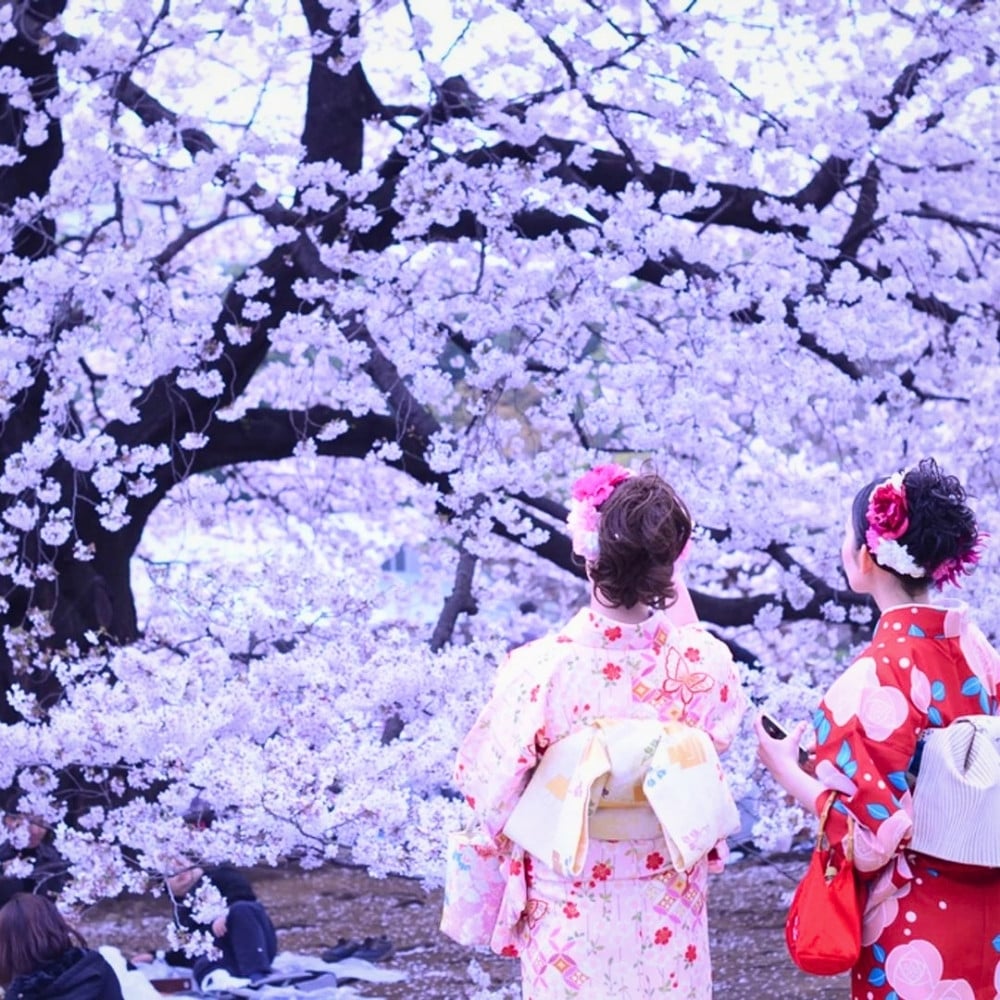
Friends and family gather beneath the overflowing branches of pale pink Sakura, reflecting on the fleeting nature of life and welcoming the return of spring warmth. Similarly, in Thailand, the annual Chiang Mai Flower Festival marks the end of the cool season with elaborate displays of yellow Chrysanthemums and native orchids. These celebrate the abundance of the tropical landscape.
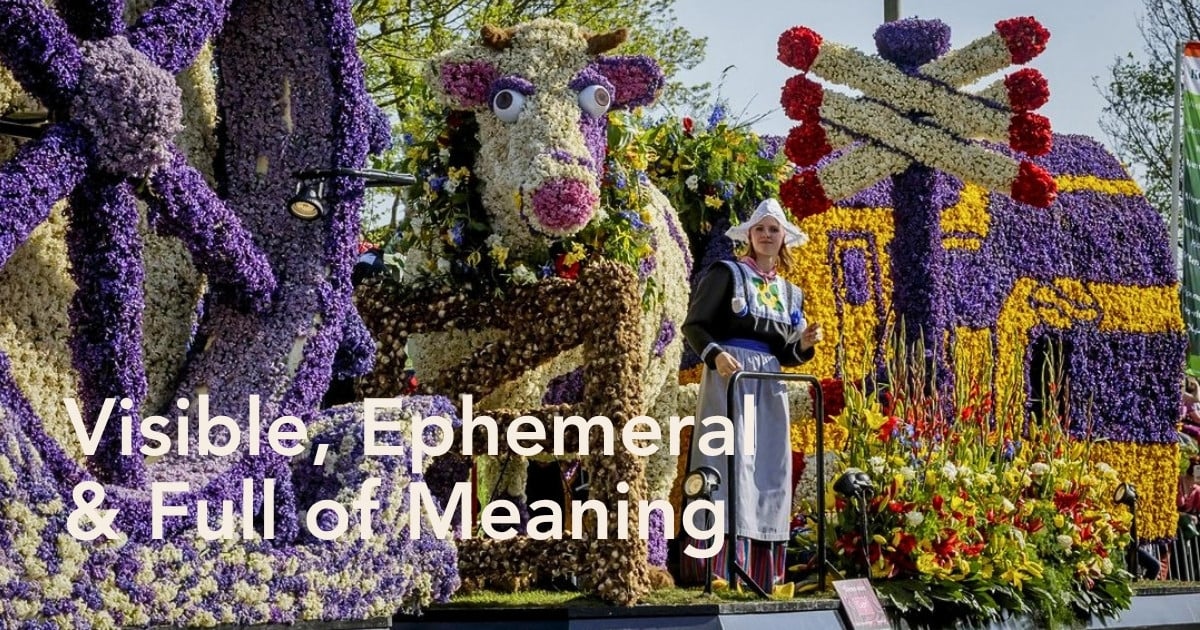
The Netherlands has the same seasonal energy and urgency for its spring bulb season. In April, particularly, the Dutch Flower Parades send floats built from tulips, daffodils, and hyacinths through towns like Noordwijk, giving visitors a window to witness a display that often takes volunteers months to create.
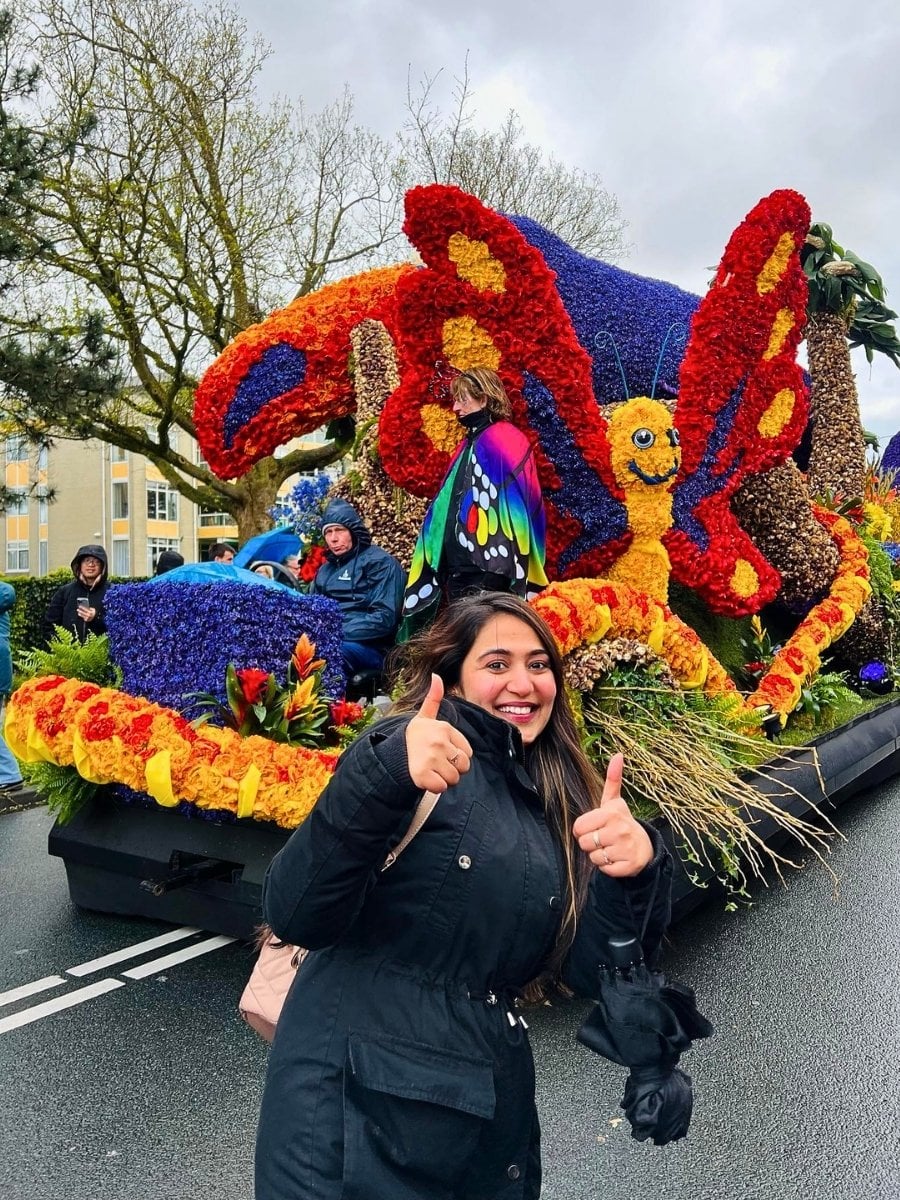
In these cases, the flowers' short lifespan, in other words, is often the point of the festivals. It gives the festivities a natural deadline. Celebrating these natural milestones with flowers remains a collective tradition that acknowledges nature’s regenerative power.
Guiding the Dead and Honoring the Divine
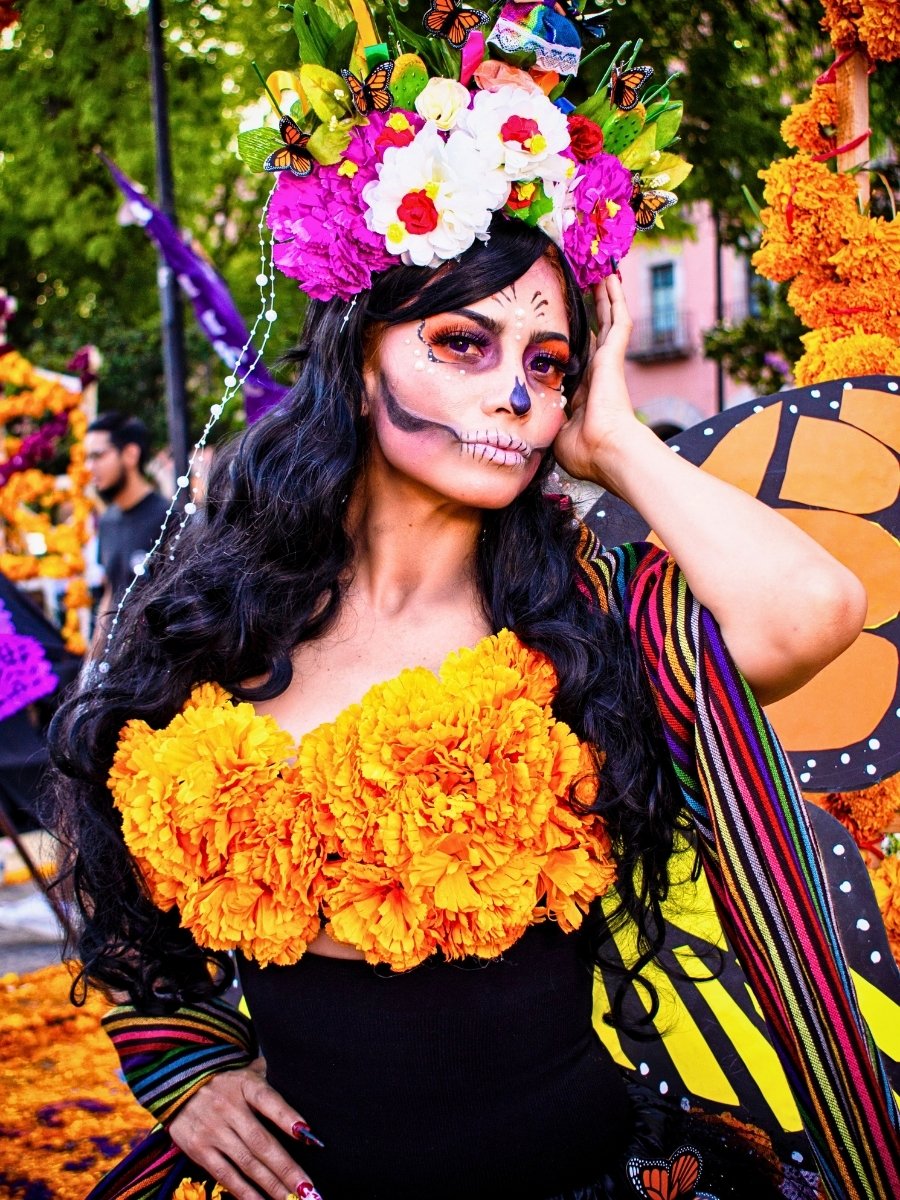
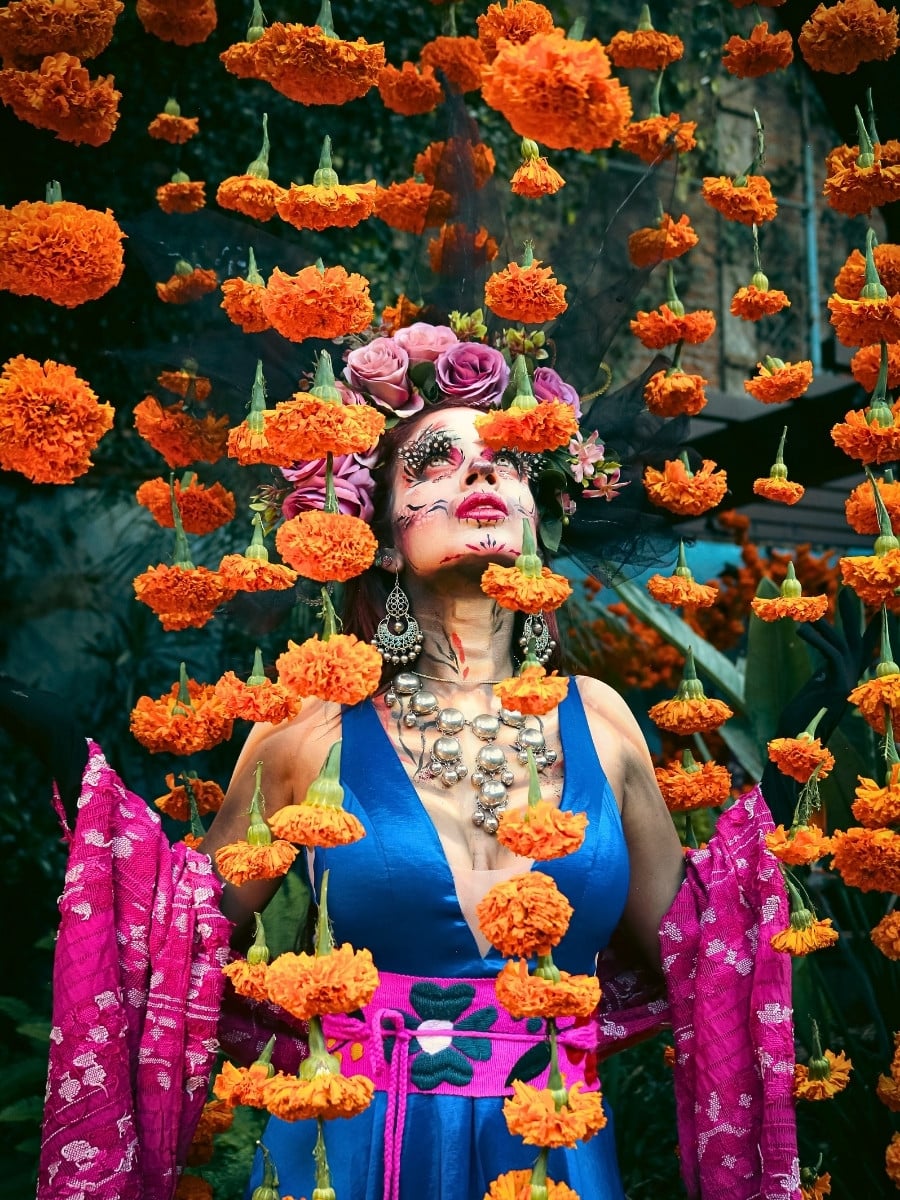
Some of the strongest festival traditions view flowers as more than decoration, using them as a bridge between the visible world and the world beyond. During Mexico's Día de Muertos, marigolds, known locally as cempasuchil, are scattered along procession routes and arranged on family altars, since their strong scent and bright orange color are believed to guide the spirits of the dead back to their loved ones for the festivity.
Halfway around the world in India, the festival of Onam features detailed circular floor patterns known as Pookkalam, created from fresh flowers like marigolds, jasmine, and celosia. These temporary floral carpets are created at house entrances to welcome the mythical King Mahabali and invite prosperity into the home.
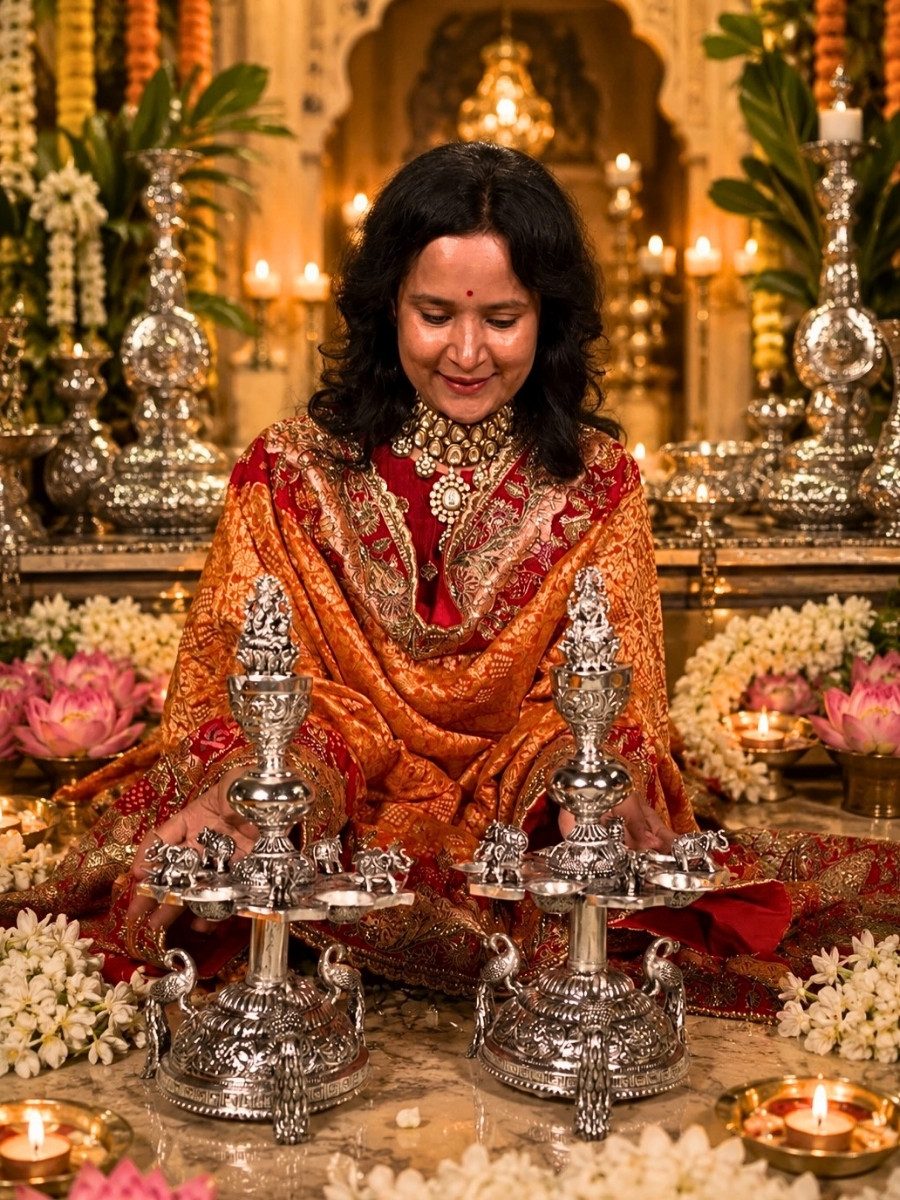
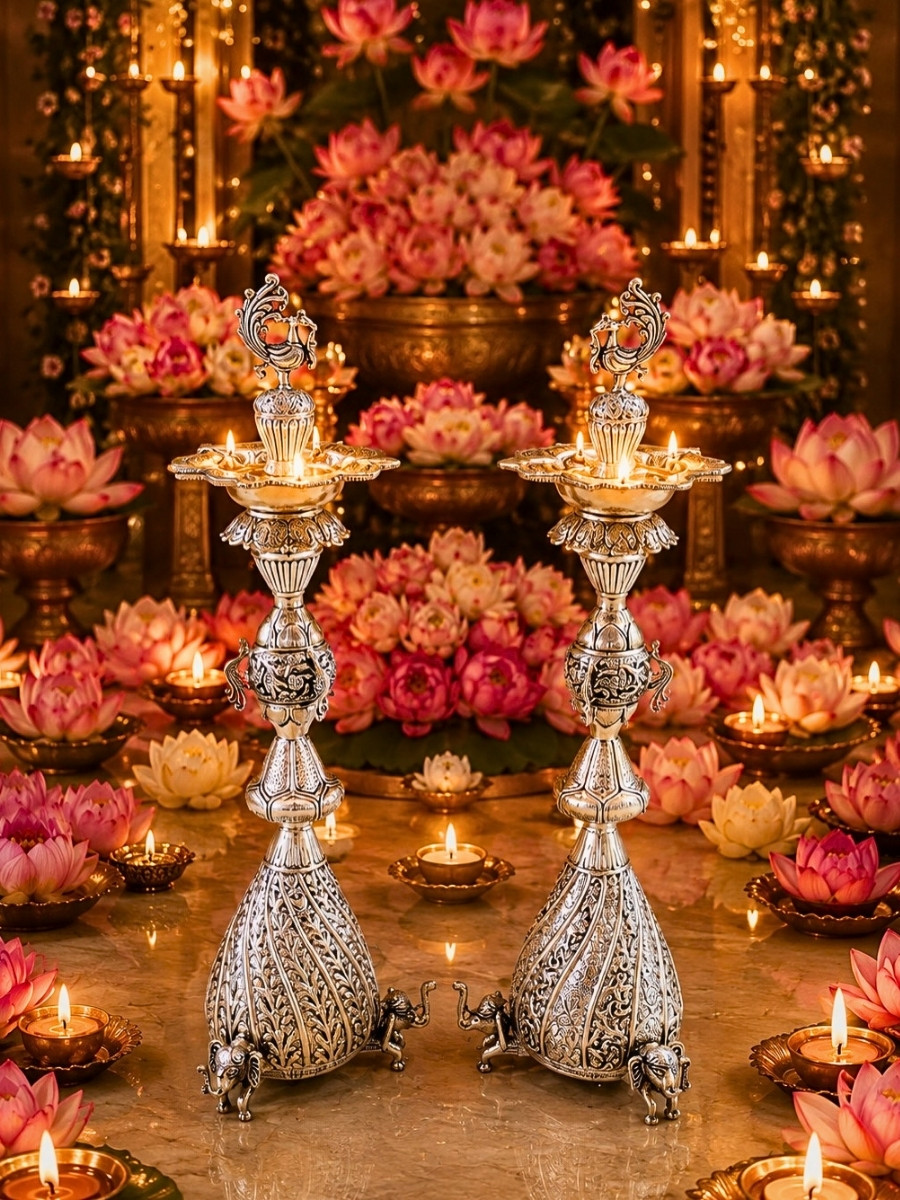
India's Diwali also relies on flowers, stringing marigolds across doorways and temple idols as offerings linked to the goddess Lakshmi, with the flower's color and fragrance considered symbols of purity and a way to keep negativity at bay. In these festivals, the marigold does spiritual work and does not just brighten the scene.
Flowers as Art, Civic Identity and Spectacle
Festivals also use flowers to represent a bit of community pride, often turning a local economy into public art for a few days every year. A prominent example of this occurs during the Madeira Flower Festival in Portugal, where local groups spend weeks creating massive floral carpets across city streets and building elaborate parade floats covered in thousands of fresh blossoms.
In Valencia, Spain, the annual Batalla de Flores, or Battle of Flowers, takes communal celebration a notch higher. After a parade of flower-covered carriages, participants and spectators engage in a friendly, joyful battle, tossing golden marigolds through the air until the streets are covered in a fragrant carpet.
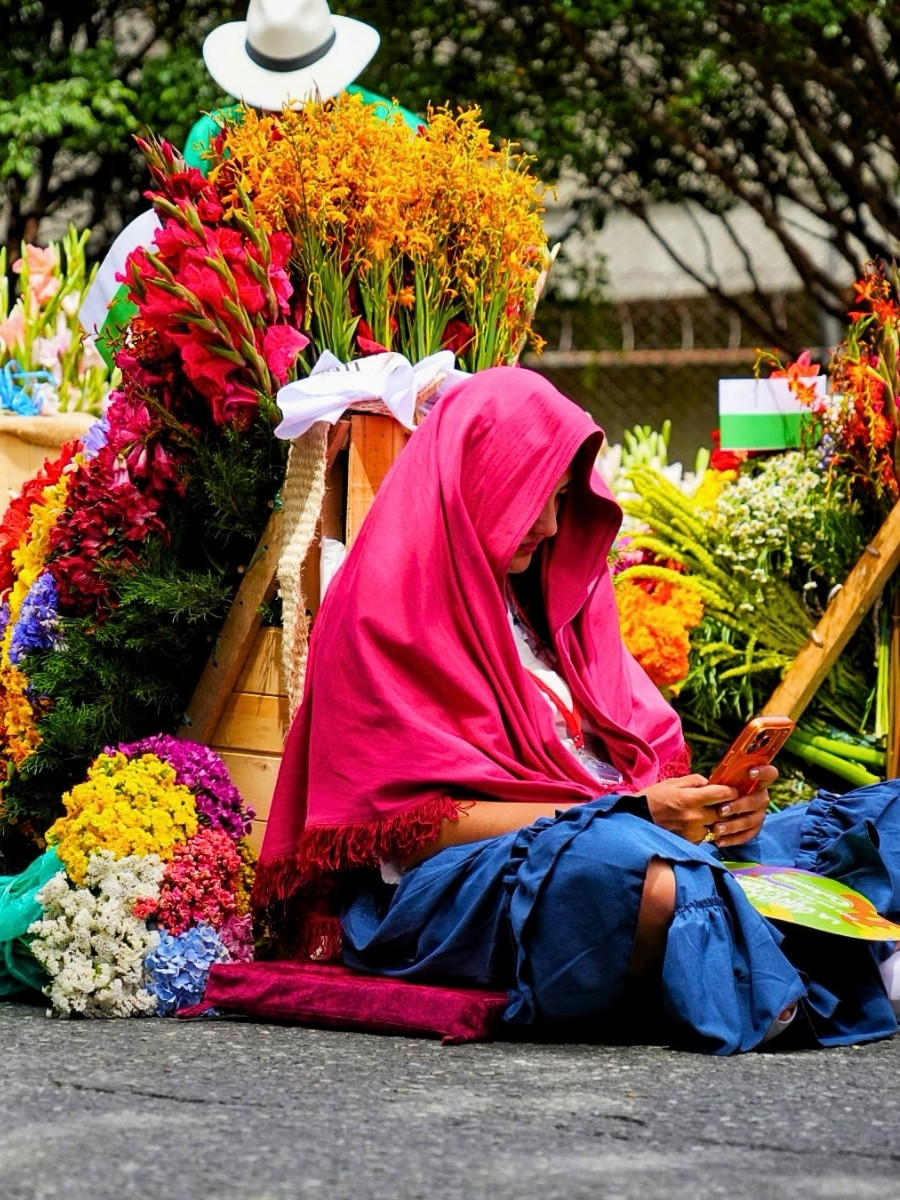
Colombia's Feria de las Flores, on the other hand, transforms Medellín in August, when local growers known as silleteros carry elaborate flower arrangements on their backs through the city streets, a tradition intended to honor the labor of the region's flower farmers and showcase the area's floral diversity.
Morocco also holds a comparable celebration in spring in the Valley of Roses, where the Kelâat M'Gouna Rose Festival marks the annual Damask rose harvest with music, dancing, and a rose queen crowned before visitors. In several cases, the festivals are held because the flower already supports the local economy, and the celebration is as much a way of celebrating these flowers as it is about acknowledging those who grow them.
Sensory Richness and Natural Fragrance
The sensory experience that flowers bring to festivals is another major reason for their regard in festivals. Human celebration relies heavily on engaging all five senses, and flowers provide a natural combination of rich visual color and calming fragrance that artificial decorations do not. The presence of natural perfume heightens the emotional element of a gathering, creating sensory memories associated with specific holidays.
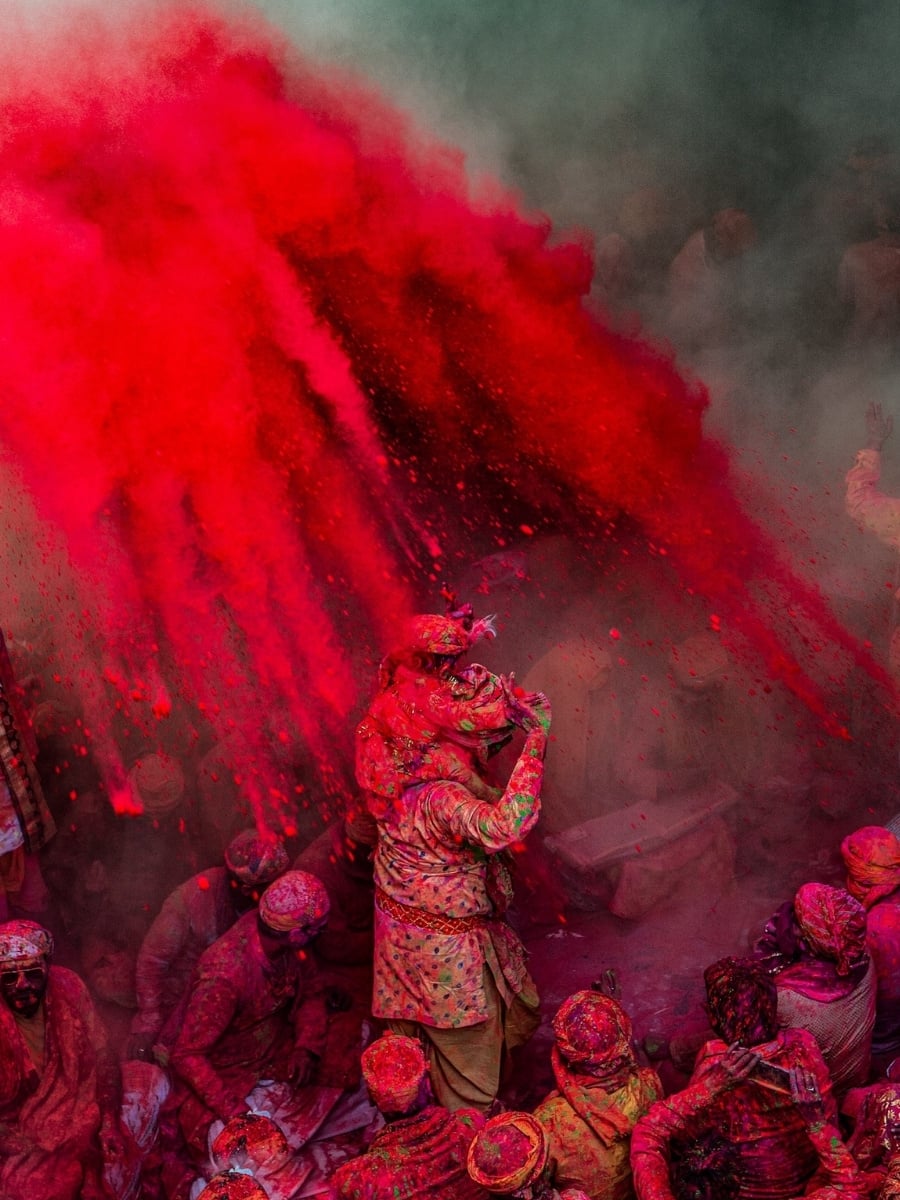
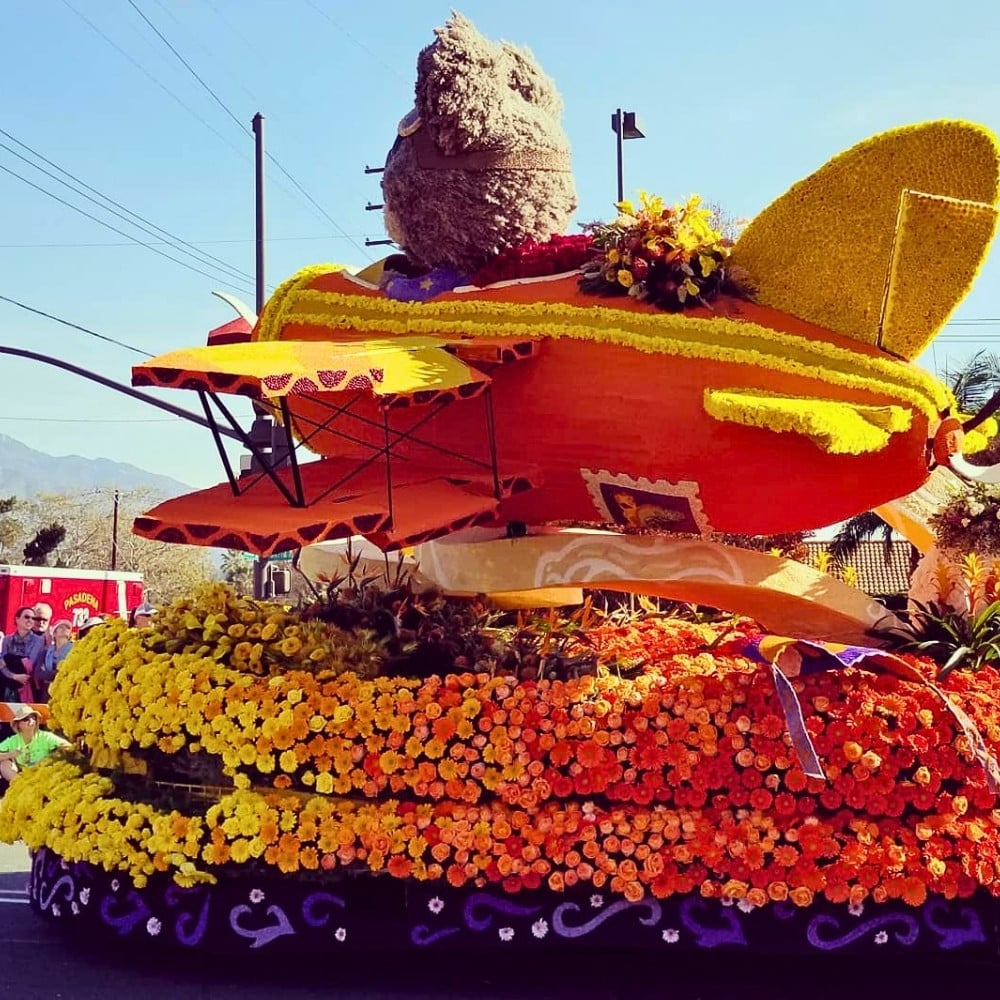
During the festival of Holi across South Asia, traditional celebrations often feature organic powders mixed with fresh flowers such as roses and hibiscus, creating a happy, scented atmosphere that welcomes the arrival of spring. Meanwhile, during the Rose Parade in Pasadena, California, the floats must be covered with living plants, fresh flowers, seeds, or bark. In turn, millions of spectators along the parade route or watching on television are enthralled by the creative use of natural textures.
Preserving Heritage
A less visible but equally important reason flowers continue to be used in festival culture is conservation. Many tulip festivals across the United States and Europe dedicate effort to preserving heirloom varieties that growers have maintained for generations. They share their stories with visitors specifically to highlight why protecting genetic diversity within a flower variety is much more important than just aesthetics.
Events such as Michigan's Tulip Time and Washington's Skagit Valley Tulip Festival do this well. While they act as major tourist draws, they also keep specific historic varieties in active cultivation so that they do not fade from commercial cultivation and availability.
Symbolic Selection and Modern Design
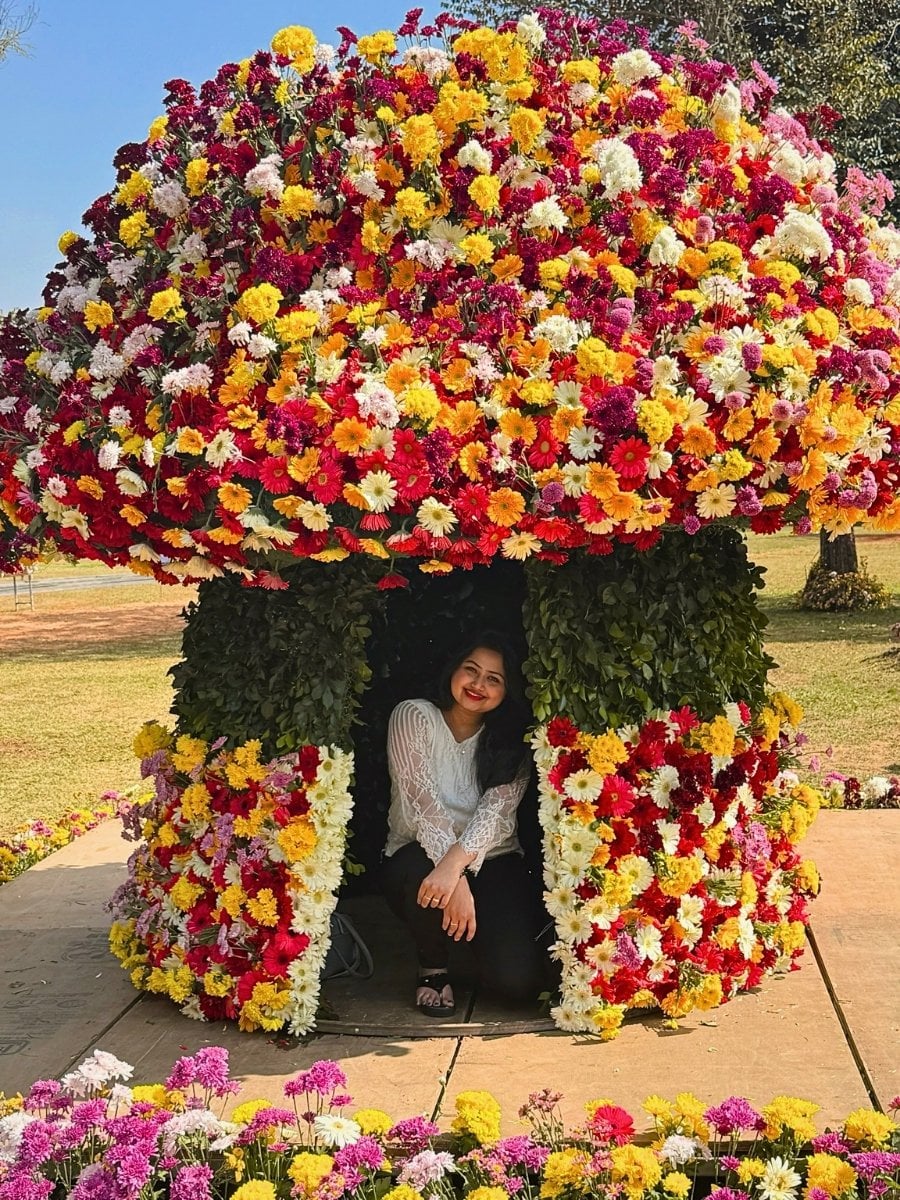
Choosing the right varieties for festival displays requires thoughtfulness regarding flower longevity, cultural symbolic meanings, and color harmony. Certain flowers carry specific historical messages that align with the spirit of the event. Yet contemporary floral designers need to balance traditional symbolism with modern artistic techniques when preparing such large-scale festival installations.
For instance, white lilies and Chrysanthemums are often chosen for festivals focused on remembrance and spiritual peace because of their associations with purity and eternity. Bright yellow and orange flowers, such as marigolds and sunflowers, are favored for energetic spring and summer festivals because they reflect the warmth of the sun and project joy. Selecting flowers with intention, therefore, ensures their visual presentation respects the underlying meaning of the holiday.
Why These Floral Traditions Carry On
Across all these cases, flowers do a lot. They are visually outstanding from a distance, which makes them ideal for parades and processions meant to be seen by large crowds. They also have inherited symbolic meaning that festivals can lean into without anyone having to explain it every other time.
And because they are alive and fleeting, they force a festival to be confined within a defined window of time, giving it a sense of urgency quite unlike what a permanent monument would do. The visibility, meaning, and impermanence are not easy to replace or replicate, which is likely why flowers remain at the very center of so many of the world's festivals.
Featured image by Jonathan Valdes. Header image by @welovetulips.