I work with flowers every day, and I still find something new to discover in them. Perhaps that is what keeps me in this profession: the possibility of turning something natural into something personal, something that makes people feel.
In October 2026, floral design in Romania reached an important milestone with the public recognition of the occupational standard for floral designers. The standard had been approved by the National Authority for Qualifications earlier that year. For those of us who have built our lives around flowers, this is an opportunity to make the work behind them better understood.
But there is much more behind a floral creation than most people see.
When a client comes to me with an idea, my work doesn't begin with choosing flowers. It begins with questions. What do we want to communicate? What should people feel when they see the finished piece? What is possible with the materials, space, time, and budget we have? And if the original idea isn't possible, how can I make it work without losing its essence?
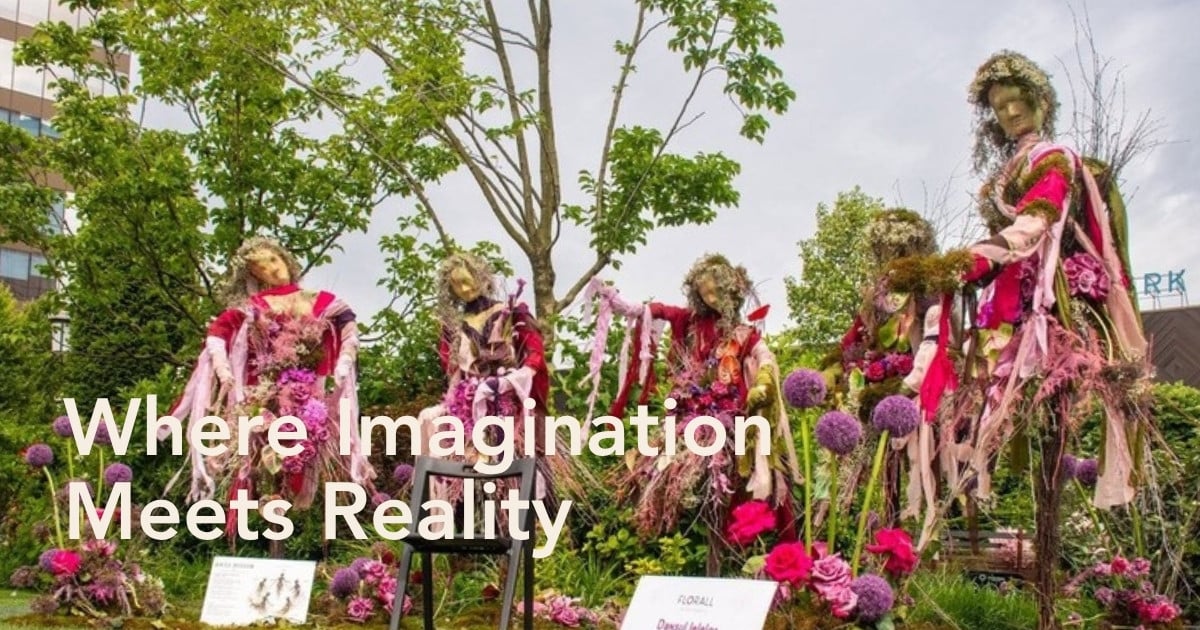
This is where floral design begins for me: where imagination meets reality.
The Difference Is in the Thinking
A florist can take an established concept and bring it to life through skill, experience, and craftsmanship. A floral designer has an additional responsibility: developing the concept itself.
Where does the idea begin? What should it communicate? Which colors, shapes, textures, and proportions will tell that story? Is the design technically possible, and if not, what needs to change to make it work without losing its original vision?
These are the questions I ask myself before I start working with flowers.
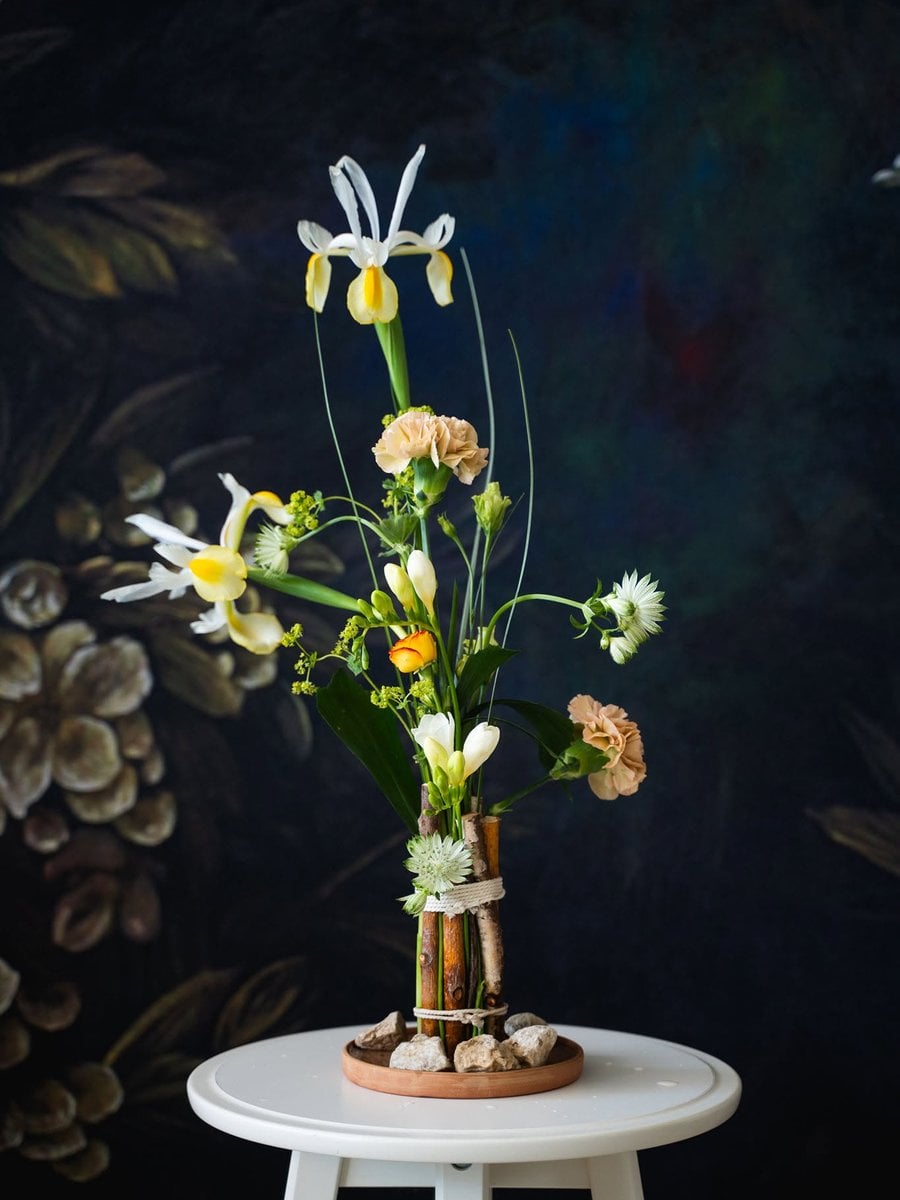
A floral designer must understand the principles of design, establish a clear visual direction, and make every element work as part of a coherent whole. The materials, the structure, the space, the budget, and the practical execution all matter. But so does the feeling the finished work leaves behind.
For me, that is what makes a design memorable. Not simply the beauty of the flowers, but the intention behind every choice.
The florist brings the creation to life. The floral designer also imagines the world that creation will belong to.
Both roles require skill and deserve respect. Understanding the difference helps us appreciate the full range of work that takes place within the floral industry.
From an Idea to Something Real
When I develop a floral installation, I don't begin by asking which flowers I would like to use. I begin with the concept.
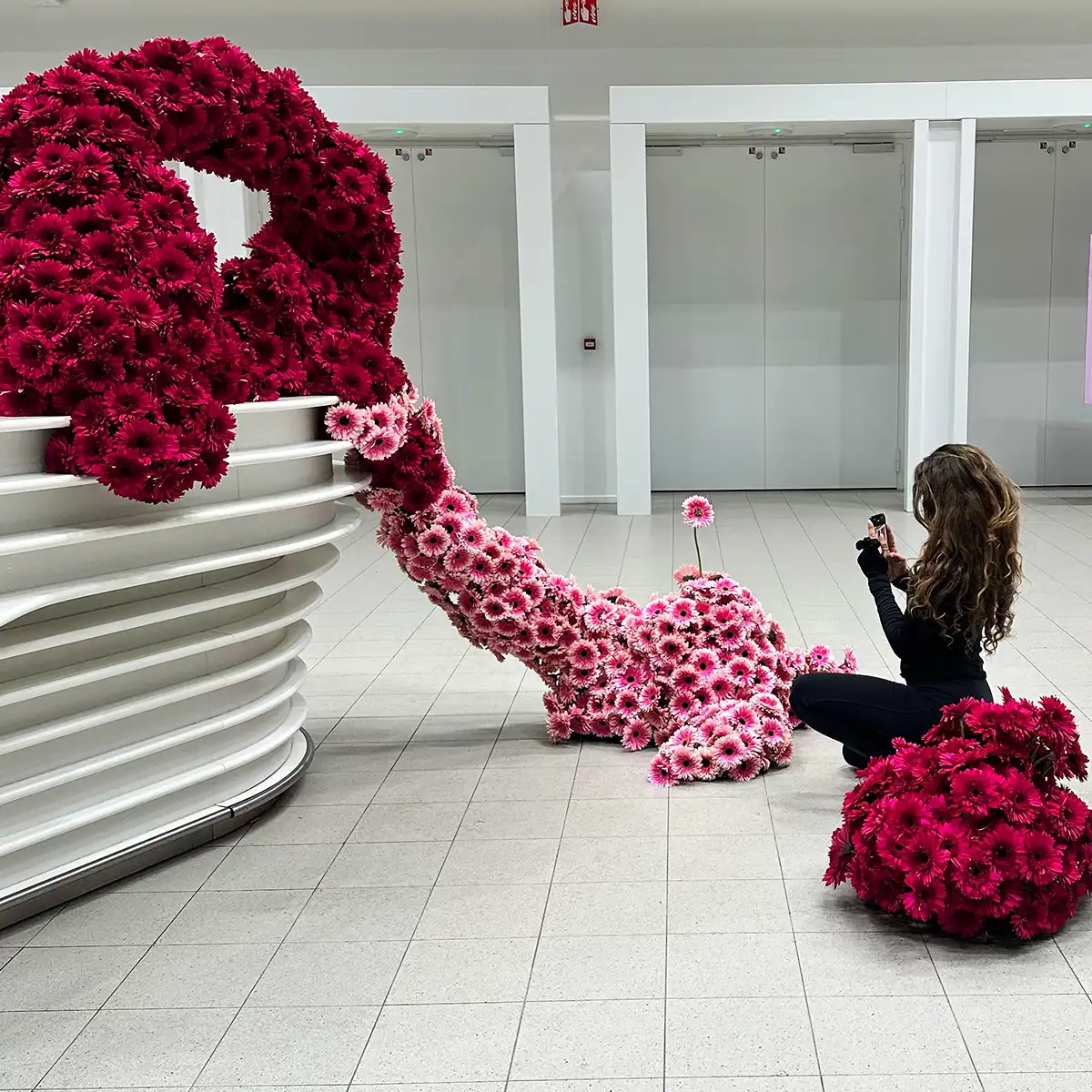
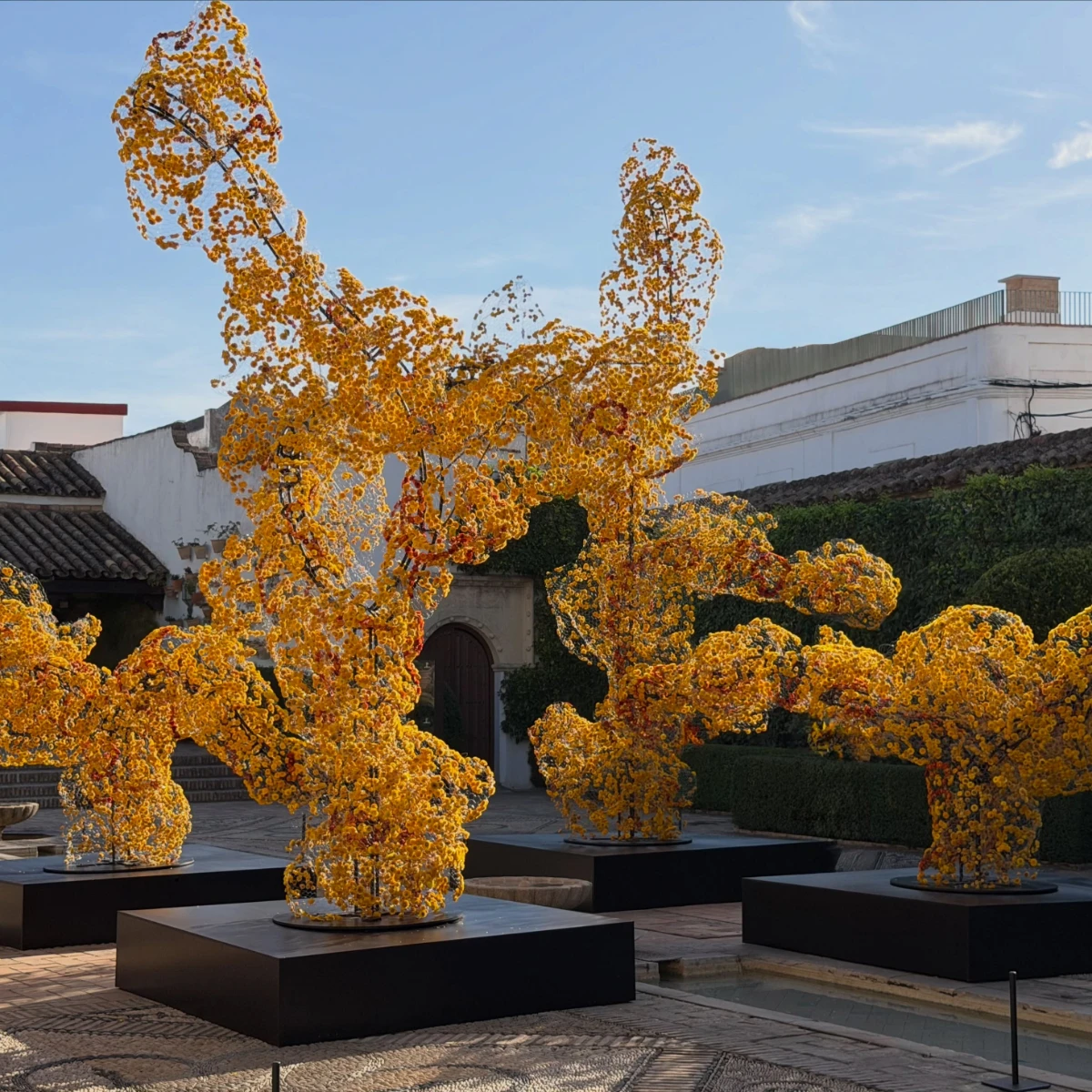
I think about the message, the space, the scale, and the way people will experience the work. I consider the structure, the mechanics, the available materials, and how the flowers will behave. Then I establish the visual language: the colors, shapes, and textures that will make the idea recognizable.
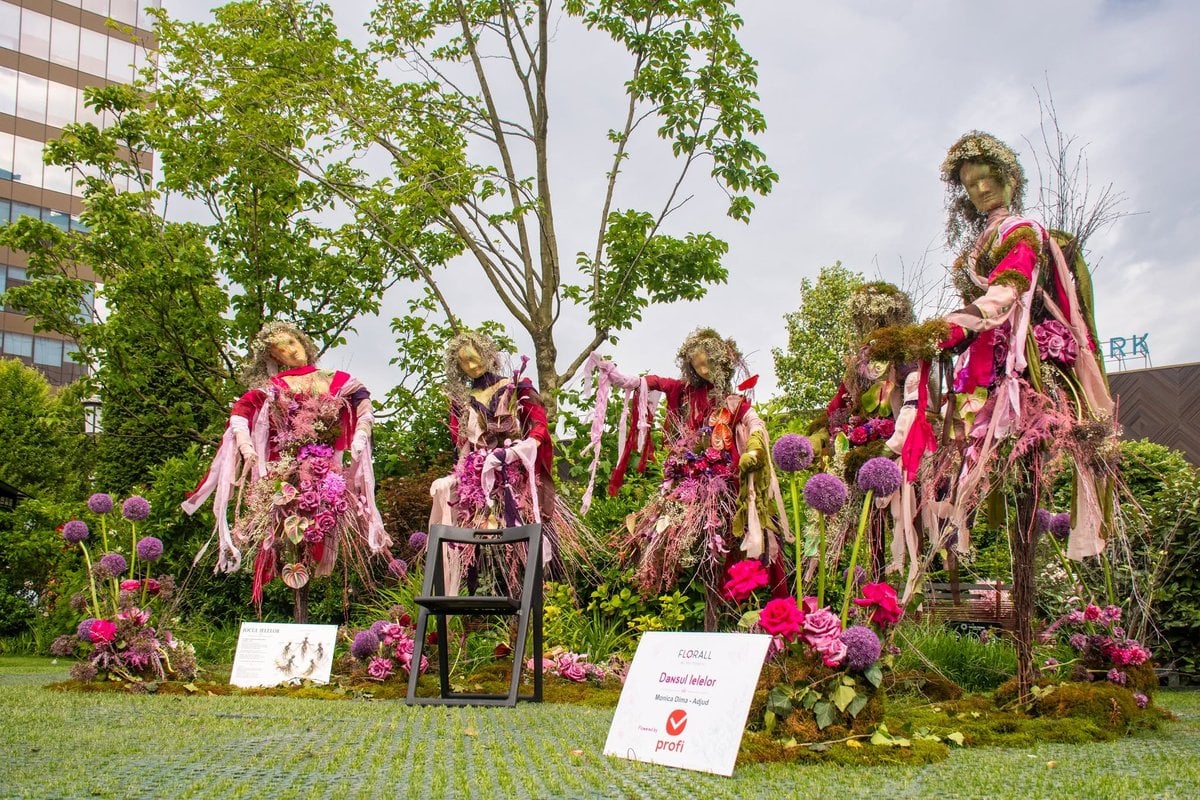
Sometimes the first solution doesn't work. A structure needs to change, certain materials prove unsuitable, or the proportions feel wrong once the design starts taking shape. That is part of the process, not a failure of creativity.
The challenge is to find another way without losing what made the original idea worth pursuing.
This is one of the things I love most about floral design. It asks me to think like an artist and solve problems like a technician. The flowers are my materials, but the design is the bigger picture that gives them purpose.

Why Official Recognition Matters for Floral Design in Romania
The occupation of floral designer already existed in Romania's official classification of occupations, where it carries the code 216607. What is new is the approval of an occupational standard that describes the competencies associated with the profession.
This gives floral design a clearer professional framework, recognizing the importance of concept development, planning, design principles, technical decisions, and the practical management of projects.
For professionals already working in the industry, the standard offers a shared reference point for the skills involved and may support more structured training opportunities. Its approval does not automatically mean that every existing florist must obtain a new qualification.
For clients, a better understanding of these skills matters, too. The value of a floral creation is not simply the sum of its materials. It also reflects the thinking, planning, experience, and work required to turn an idea into reality.
Recognition alone will not solve every challenge our industry faces. Better working conditions, fair pricing, and greater public understanding take time. But having a clearer professional foundation is a meaningful beginning.
For Those Who Will Come Next
If you are starting out in floral design, my advice is simple: follow your love of flowers, but be ready to work hard at everything that comes with it.
Learn about your materials. Study the principles of design, not just the trends. Find mentors who challenge you. Experiment, make mistakes, and learn how to turn ambitious ideas into workable projects.
And don't be afraid to develop a style of your own.
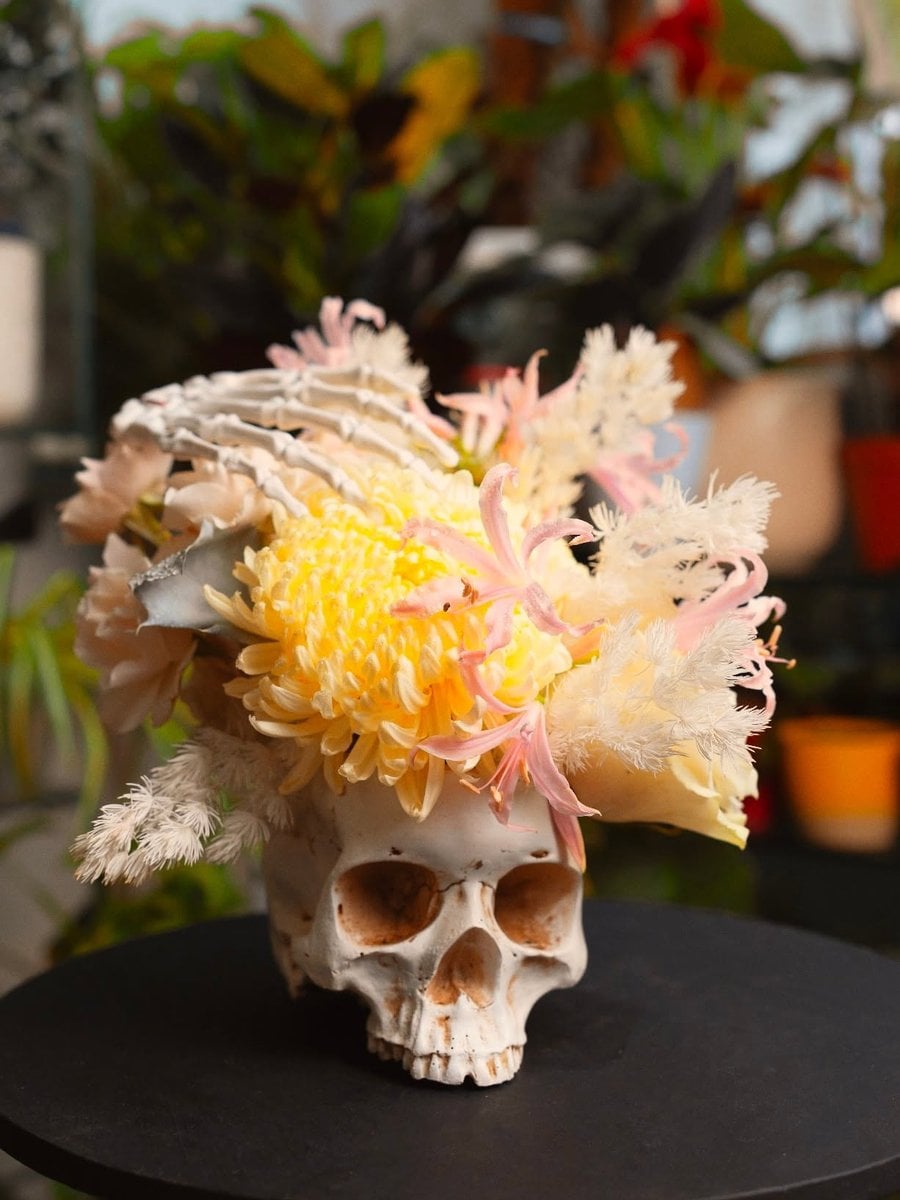
A professional standard can help create a clearer foundation for training, but no document can replace curiosity, practice, or the experience of solving a problem with your own hands. In this profession, you never really stop learning.
I also believe we have a responsibility to share what we know. The future of Romanian floral design depends not only on individual talent, but on our willingness to learn from one another and make room for the next generation.
A Beginning, Not a Finish Line
For me, flowers have never been just products on a shelf. They can hold a memory, express a feeling, or become a piece of art. But making that happen takes more than passion. It takes knowledge, intention, and the ability to turn a vision into reality.
That is why I welcome this moment of recognition. Not because an official standard can define everything we do, but because it helps make the work behind floral design more visible.
We still have much to build: stronger education, better opportunities, and a deeper understanding of our profession. The standard is a beginning, not a guarantee. What happens next depends on us.
I want the next generation to know that working with flowers can be more than a job or an artistic impulse. It can be a profession built on knowledge, imagination, and the courage to make ideas real.
Because flowers may be where we begin. But the thinking, the choices, and the vision behind them are what make the design our own.
Featured image: my Parallel Bouquet, photo by Damian Antal. Header image: The Dance of the Wicked Fairies, photo by Valentin Atitoaie.