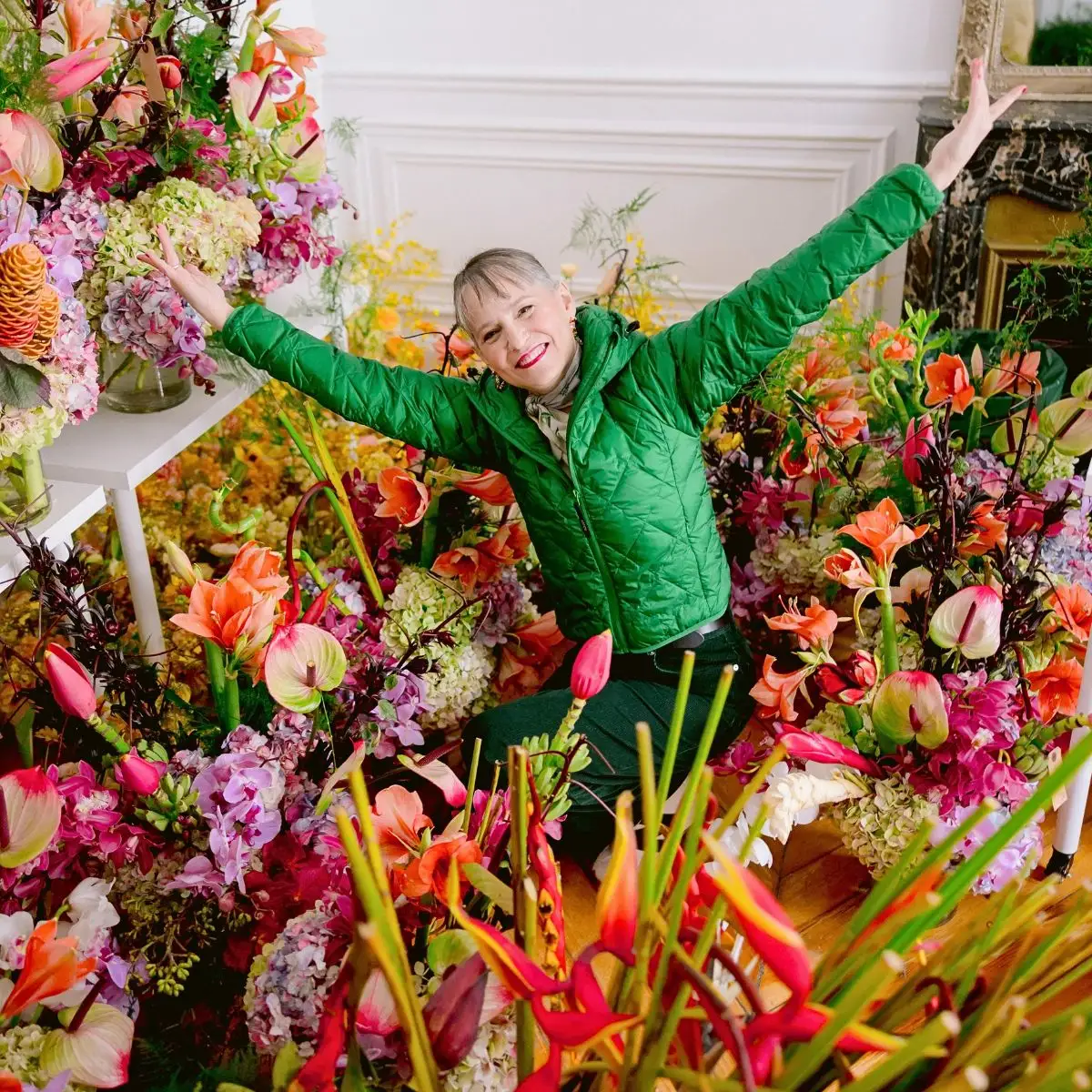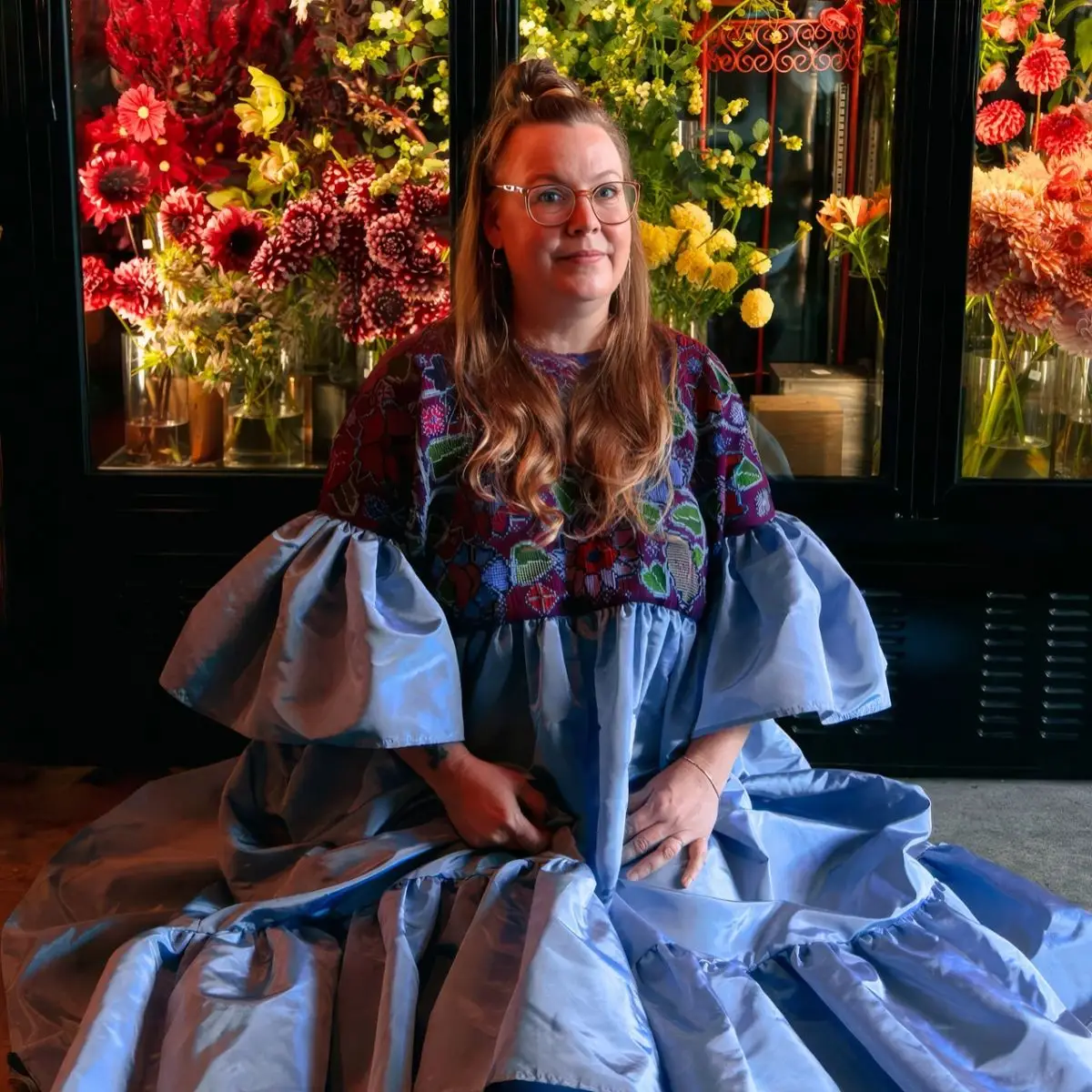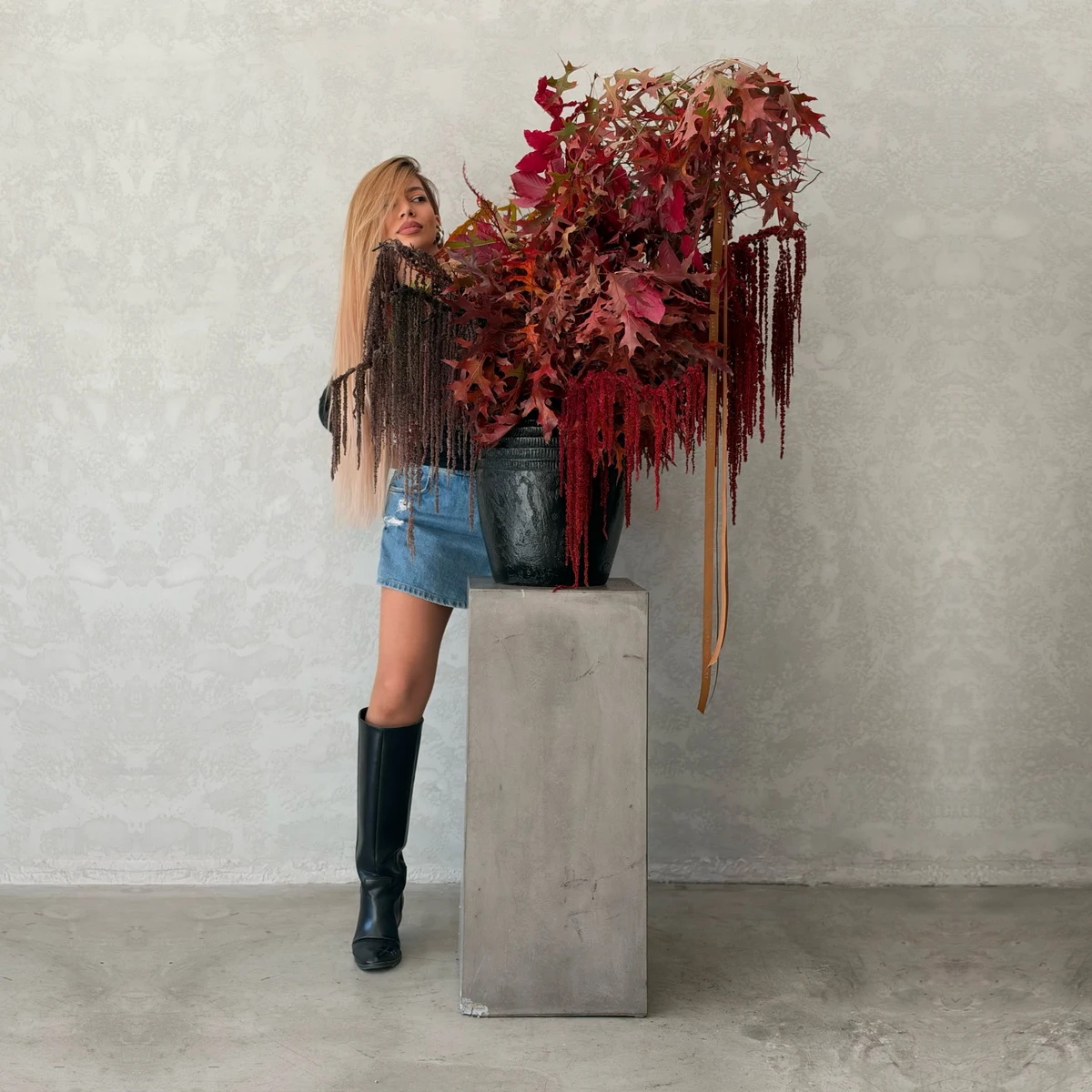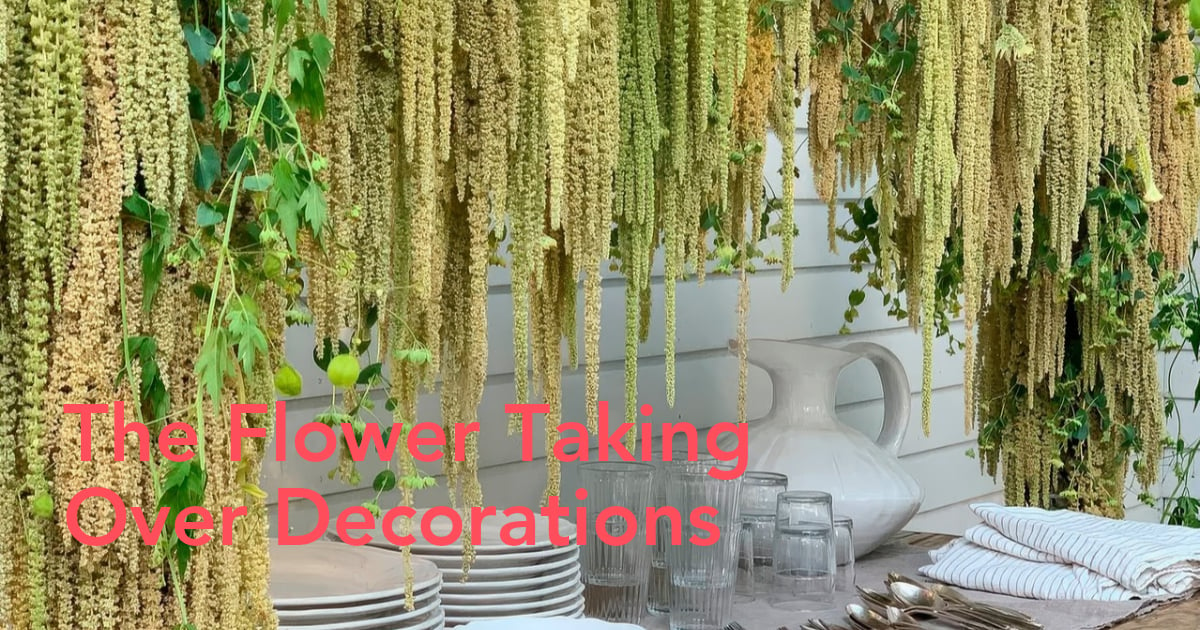
Amaranthus has become a familiar feature of contemporary floral design, particularly in wedding bouquets, large-scale installations, and event arrangements. Its long flower tassels, unusual hanging forms, and range of colors give florists a material that can transform a design's shape. Some varieties grow upright, while others have flower heads that hang down in long, trailing strands. Both forms have different uses in floral arrangements. Tune in to learn why it's one of the most popular flowering plants in floral designs everywhere!
Amaranthus Adds Length, Texture and Movement to Floral Arrangements
Amaranthus belongs to the Amaranthaceae family, a large group of plants that includes several species grown for their flowers, foliage, or edible seeds. In floristry, the genus is valued mainly for its flower structures. These consist of dense clusters of very small flowers, arranged in spikes or hanging tassels. Depending on the variety, they can be green, burgundy, crimson, bronze, or reddish-purple.
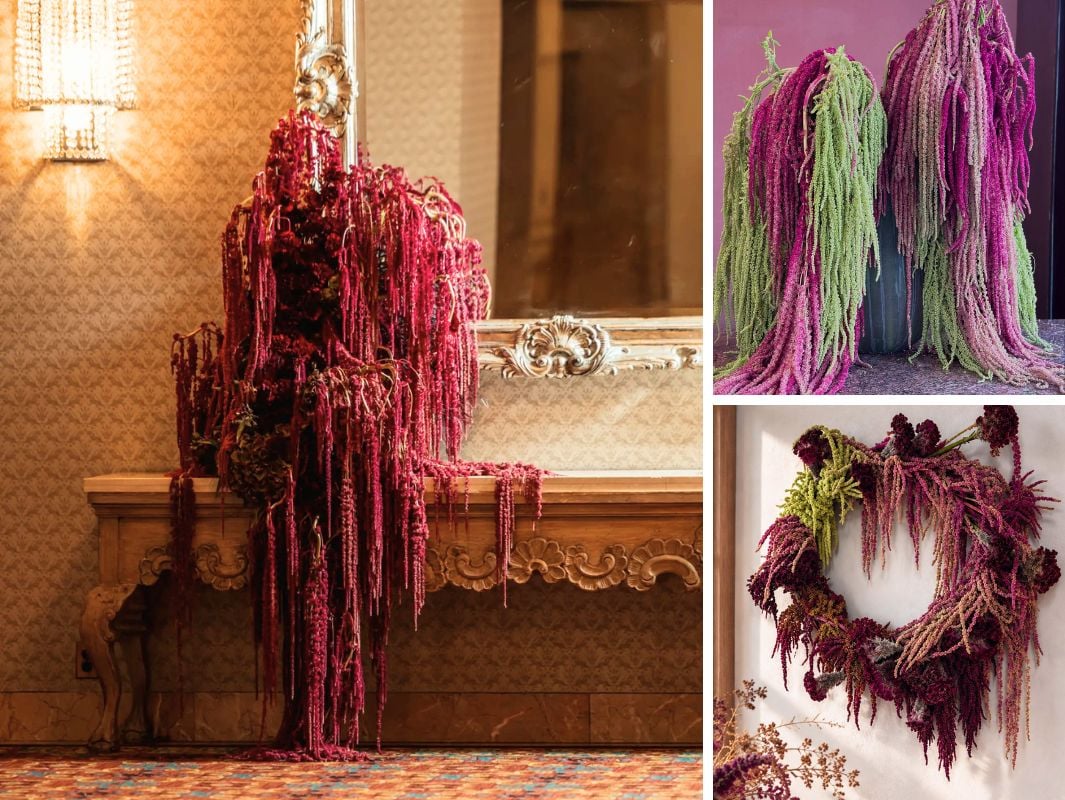
Photos: @ordinary.matter, @bespoke.floral.ae, and @bloomfields
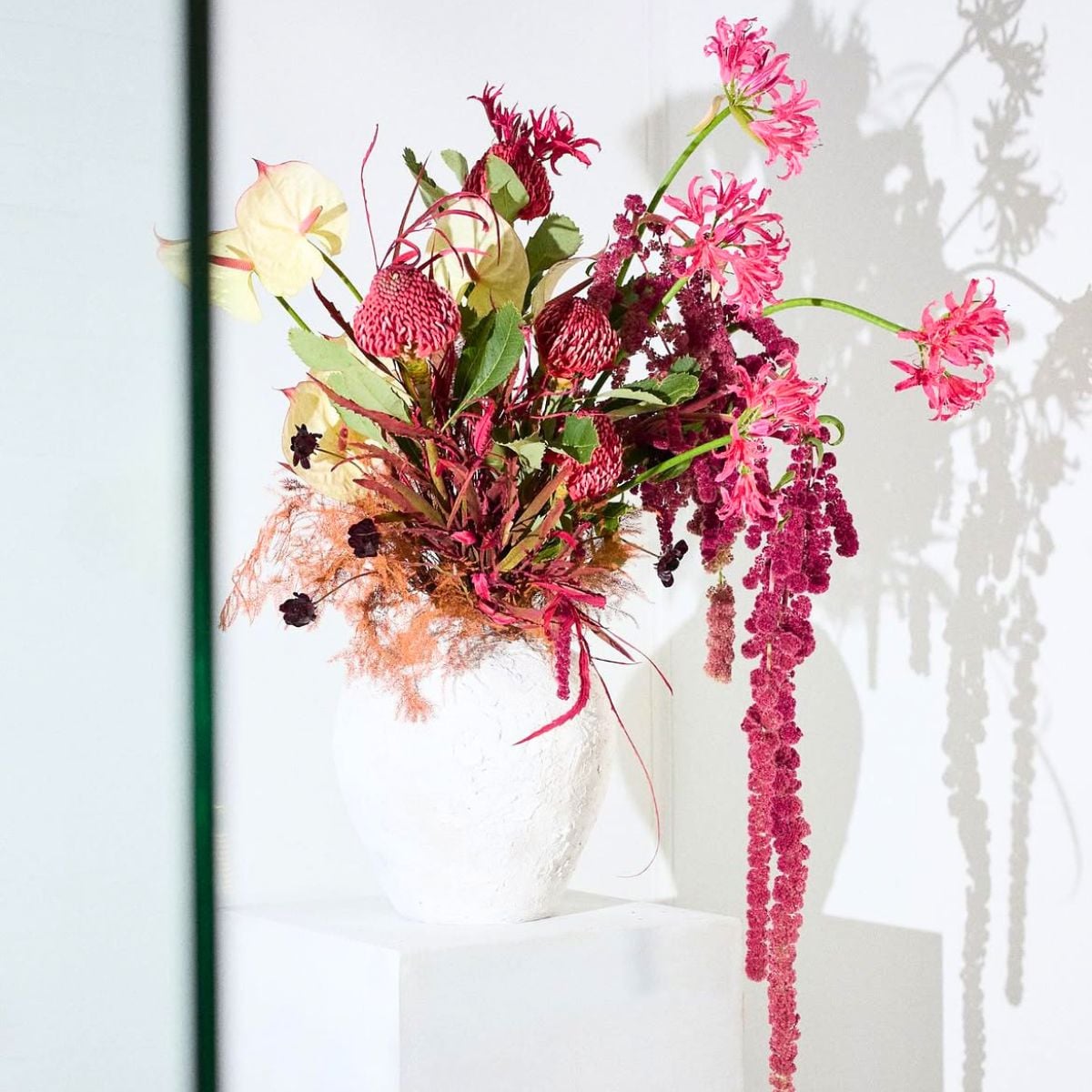
One of the best-known varieties is Amaranthus caudatus, commonly called love-lies-bleeding. Its long, pendant flower heads can hang well below the main stem, making it suitable for designs that need length and a flowing outline. Other varieties, including Amaranthus cruentus and Amaranthus hypochondriacus, produce more upright flower spikes. These are useful when a florist needs height and a stronger vertical line within an arrangement.
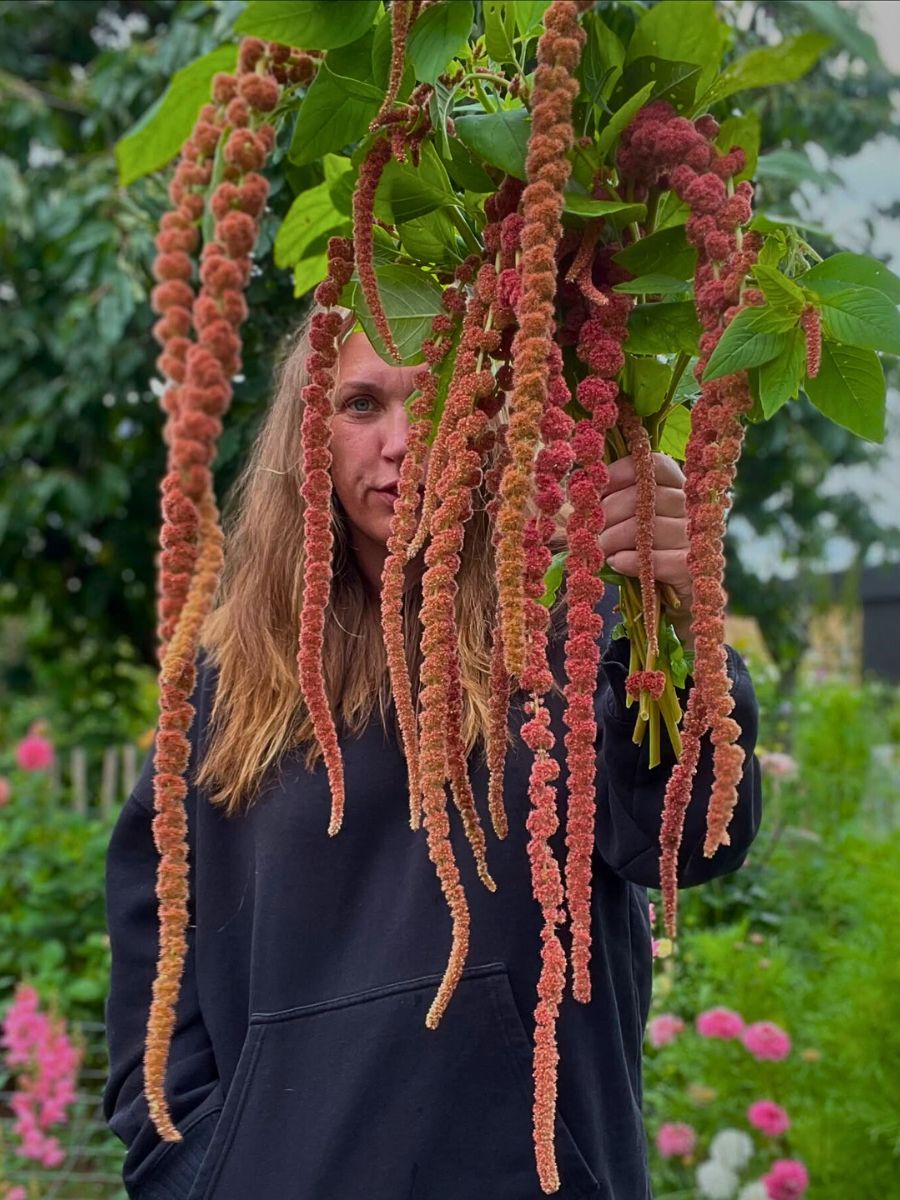
The distinction between these growth habits is important when selecting stems. Trailing Amaranthus can extend the outline of a bouquet or soften the edge of a container, while upright varieties can fill space between larger flowers. Florists can also use both forms in the same arrangement, creating differences in direction and height without introducing too many additional flower varieties.
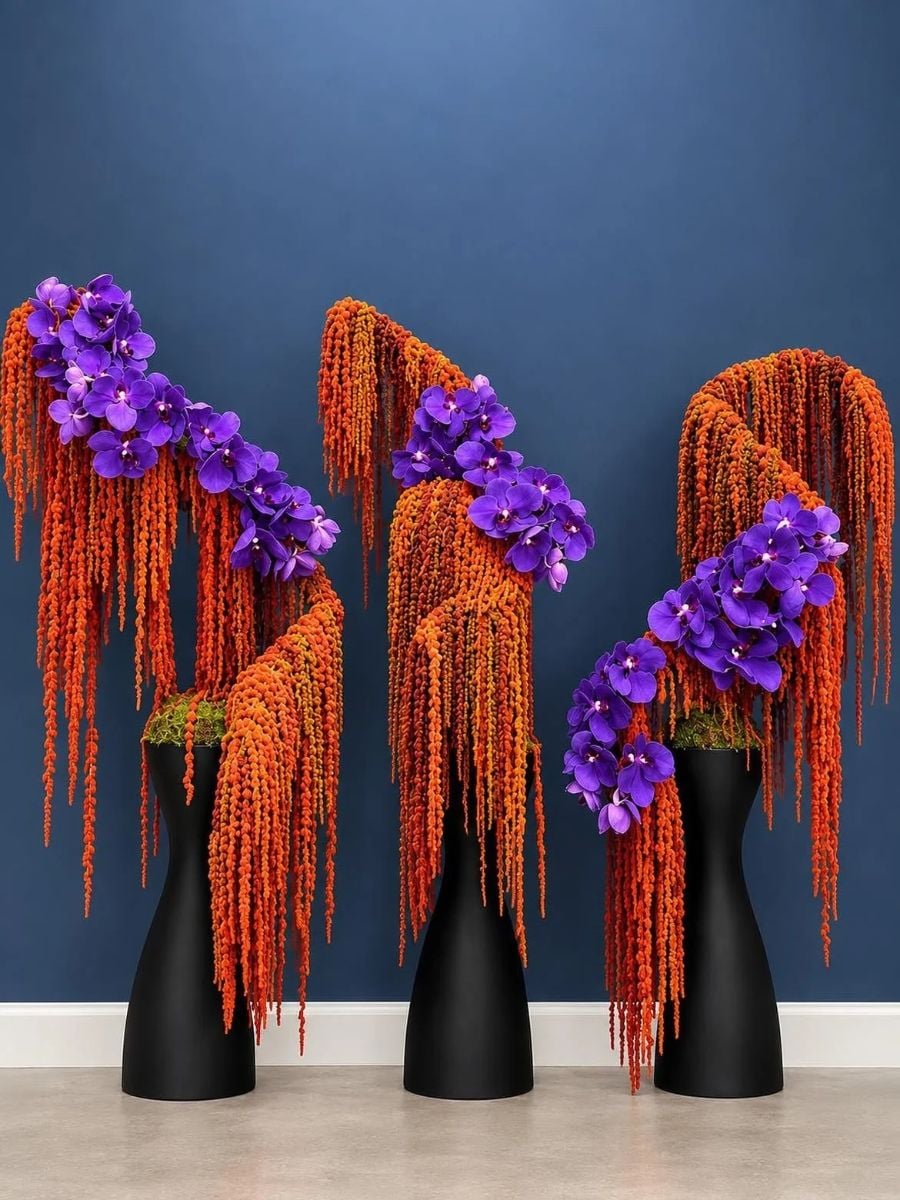
Photo: @floralinea_coconutgrove
Why Amaranthus Has Become a Popular Choice for Wedding Flowers
Wedding floristry has helped bring Amaranthus to a wider audience. In its 2026 Floral and Wedding Trend Report, floral platform Poppy identified it as one of the year's leading wedding stems. The platform reported a 285% year-over-year increase in requests across 6,183 consultations, with Amaranthus appearing in more than 10% of consultations for 2026 weddings. Requests for cascading bouquet styles also increased by 383%.
These figures reflect growing interest in arrangements with movement and less formal outlines. Amaranthus is particularly useful in this type of work because its stems can extend beyond the main shape of a bouquet. In a bridal bouquet, trailing varieties can fall below the flowers held at the center, creating a longer silhouette. The effect can be used with roses, Anthuriums, calla lilies, orchids, Dahlias, and other flowers, depending on the size and color scheme of the arrangement.
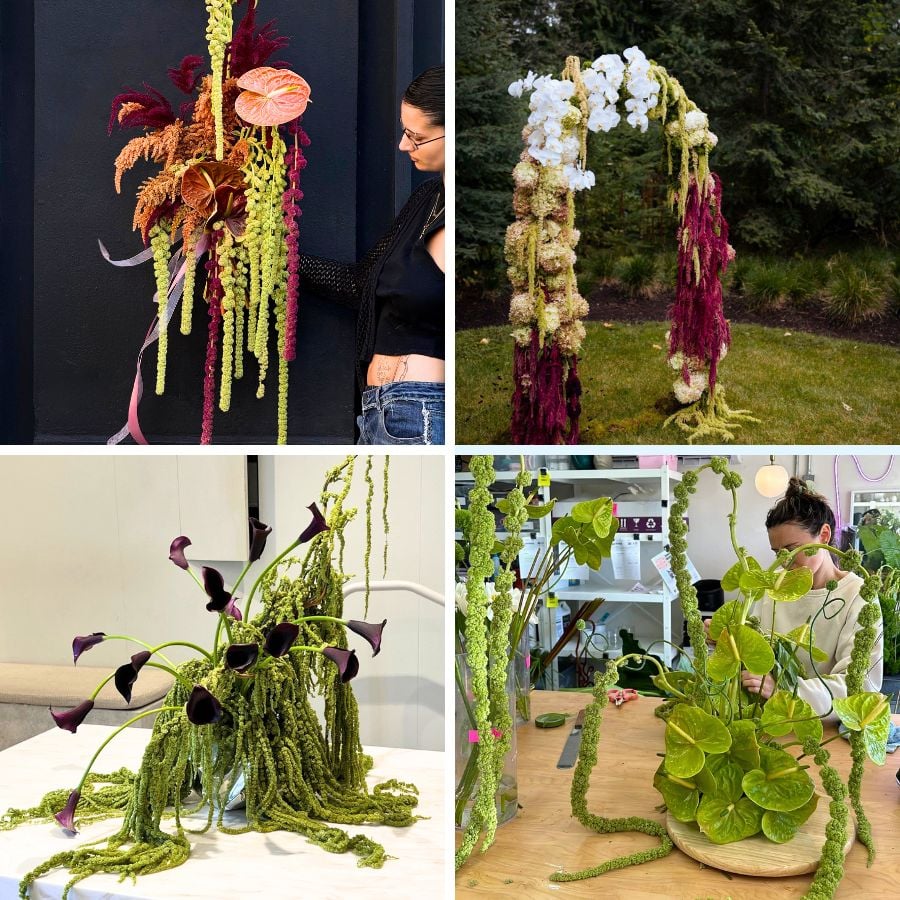
Photos: @studio.linne, @love.and.confetti, @biophiliablooms, and @lucidjuliet
Its use is not limited to bouquets. At wedding ceremonies, florists can place Amaranthus along the edges of floral arches, suspended arrangements, and larger installations. The hanging stems can extend down from an overhead structure or follow the outline of an arrangement placed on a pedestal. For reception tables, a few trailing stems can be incorporated into low arrangements or runners, allowing the flowers to extend across the table without requiring a tall centerpiece.
Amaranthus also gives florists more control over the proportions of a design. A bouquet made with large flowers such as Hydrangeas or peonies can benefit from the addition of thinner, hanging stems. These create space around the main flowers and prevent the arrangement from becoming too compact. In smaller designs, a few stems can provide enough movement without requiring a large quantity of flowers.
From Burgundy and Bronze to Green: Choosing Amaranthus by Color
Color is another reason florists continue to use this flower. Burgundy and dark red varieties are frequently selected for autumn and winter weddings, where they can be combined with chocolate, plum, dusty pink, and cream flowers. These darker shades also work in arrangements built around a single color family, with differences in tone and texture providing variation.
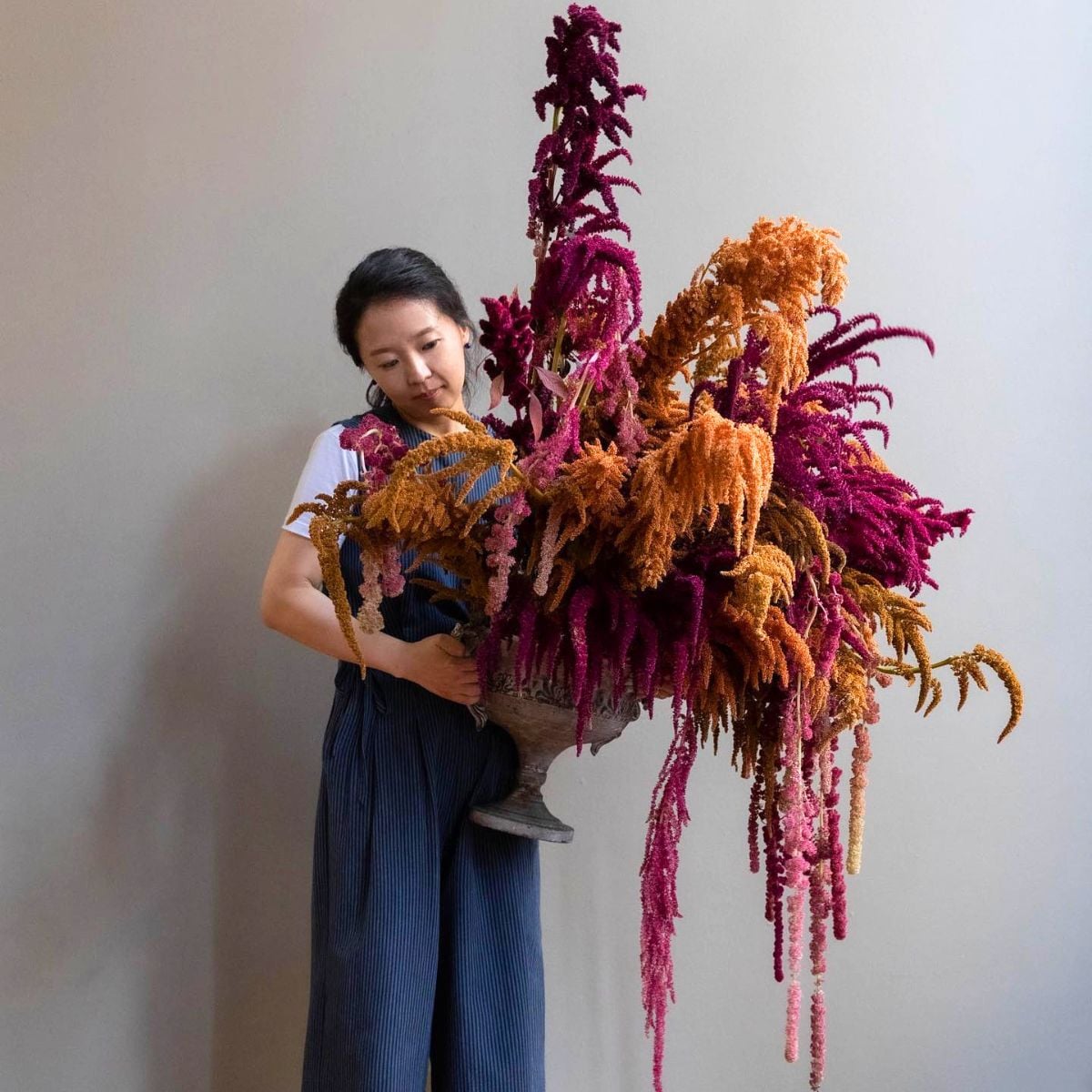
Photo: @yeon.h_inlondon
Green Amaranthus has a different role. Its flower heads can be used with white roses, ivory flowers, pale pinks, and soft lavender. It also fits into designs that include foliage, branches, and other garden materials. Since the flower structures are often less visually dense than large focal flowers, green varieties can extend an arrangement without introducing another strong color.
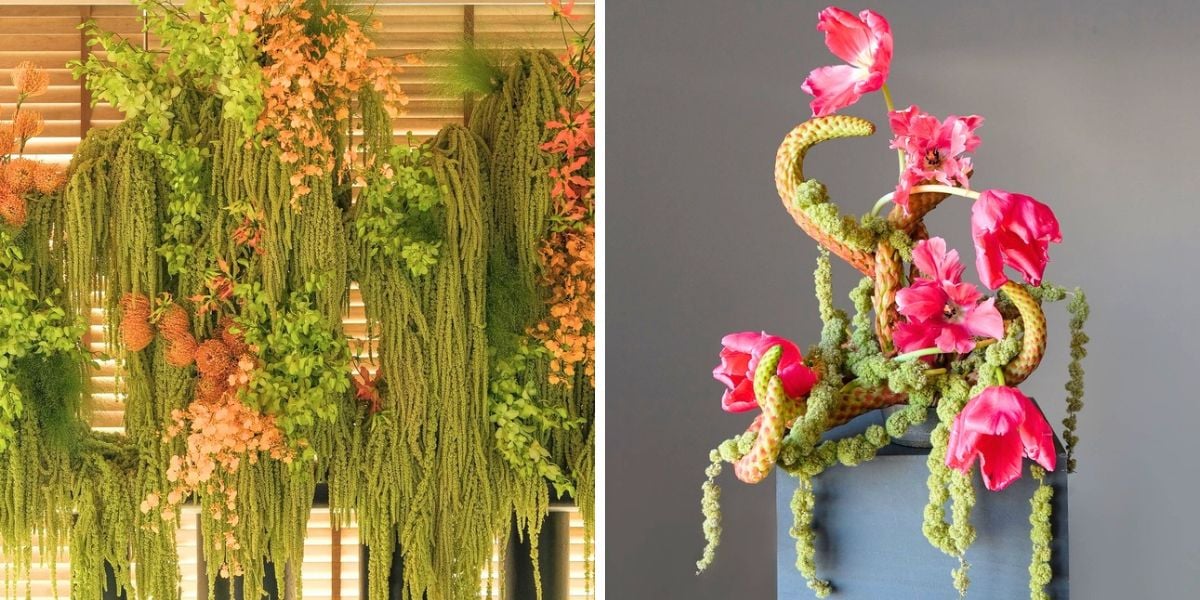
Photos: @aikufloral and @floralmagic_
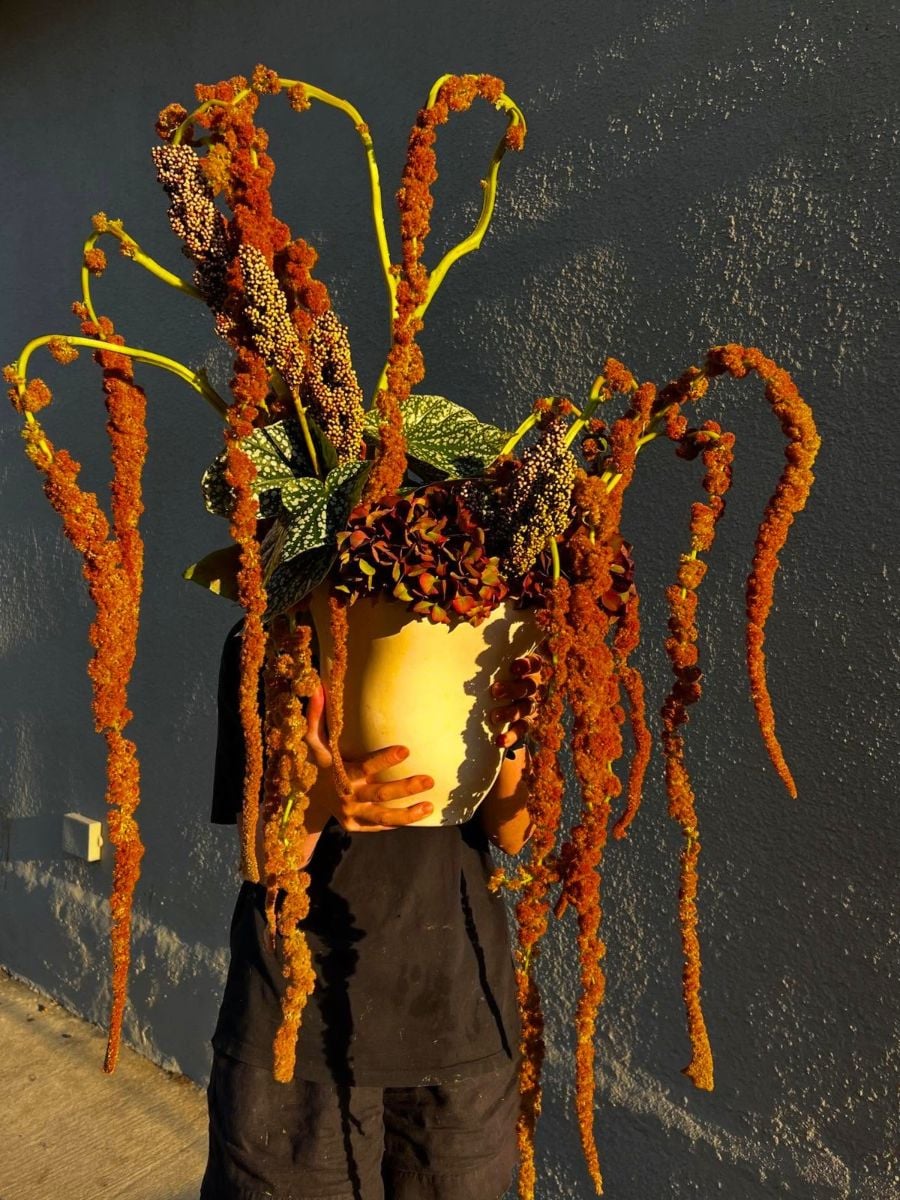
Bronze, rust, and copper-colored varieties are useful for warm palettes. They can be combined with terracotta, peach, caramel, and brown flowers, or used alongside dried grasses and seed heads. These colors are often associated with autumn designs, although they can also be used in editorial work and installations where the florist wants a warmer color scheme.
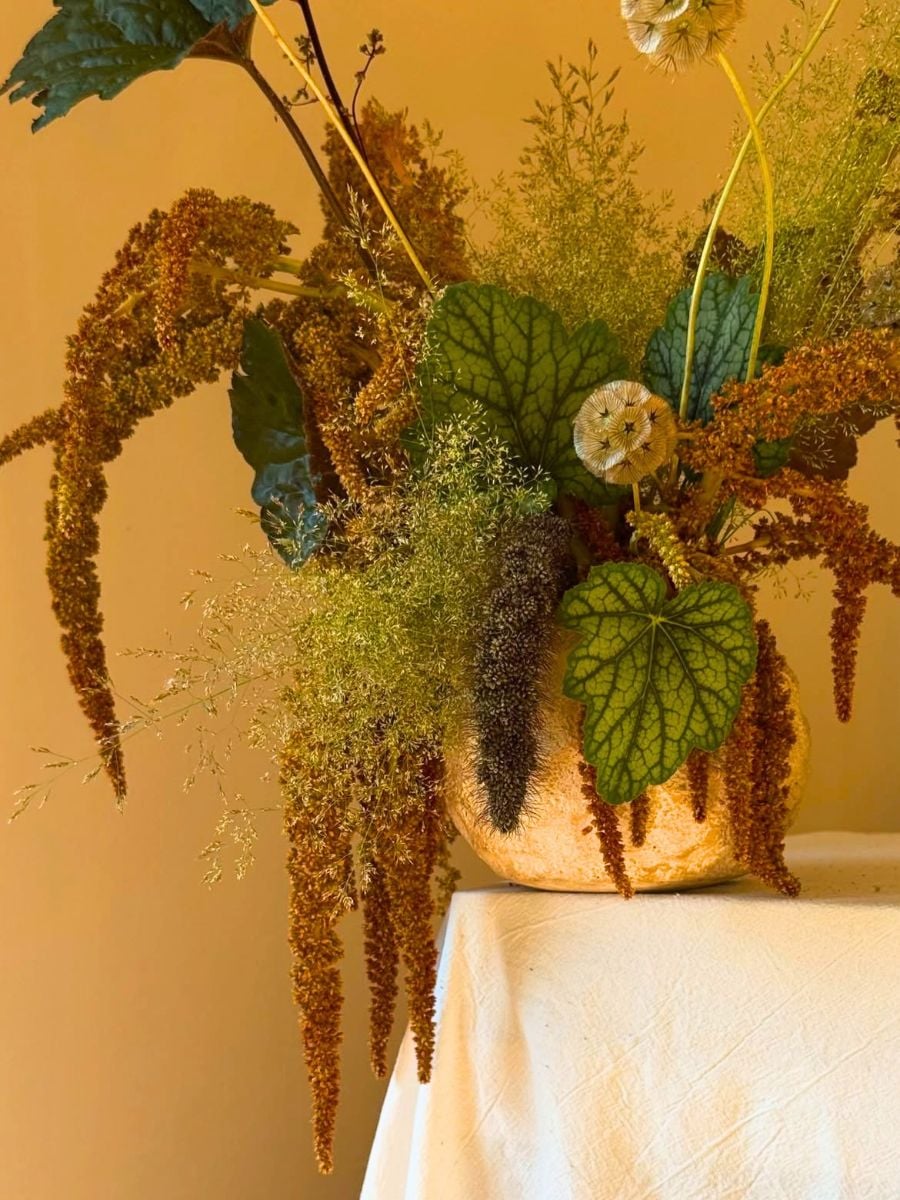
When selecting a variety, florists should consider its color alongside its growth habit. A burgundy trailing stem will have a different effect from an upright green plume, even when both are used in the same arrangement. Stem length is also important. Longer tassels are useful for installations and cascading bouquets, while shorter, more compact stems can be easier to position in hand-tied bouquets and table arrangements.
Fresh and Dried Amaranthus Give Florists Different Design Options
Amaranthus is available as a fresh cut flower and as a dried material. Fresh stems are used in bouquets, event arrangements, and installations where the natural fall of the flower heads is important. Dried Amaranthus retains much of its shape and can be used in arrangements that need to remain in place for longer periods.
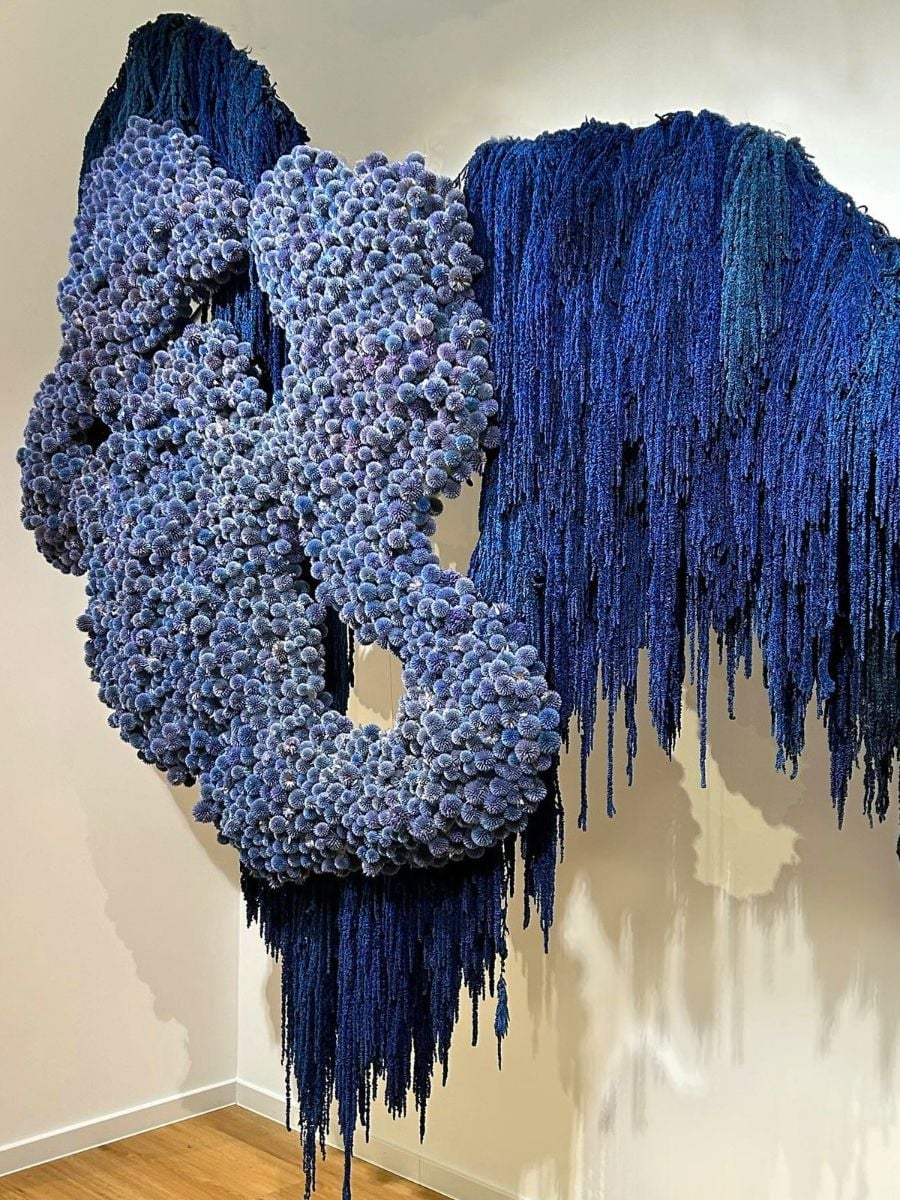
Drying also changes how the stems can be used. Fresh Amaranthus has a softer appearance and can move with air currents, while dried stems become more rigid and retain a fixed position. This makes dried varieties suitable for permanent displays, wreaths, decorative vessels, and installations that are not intended to be replaced after a few days. Their color may change during drying, so florists should take this into account when planning a particular palette.
For dried arrangements, Amaranthus can be combined with pampas grass, preserved foliage, dried roses, and other seed-bearing stems. Its hanging shape can extend beyond the edge of a vase or basket, while upright varieties can provide height. It is also used in wedding decorations that incorporate dried materials, particularly when couples want to keep some of the flowers after the event.
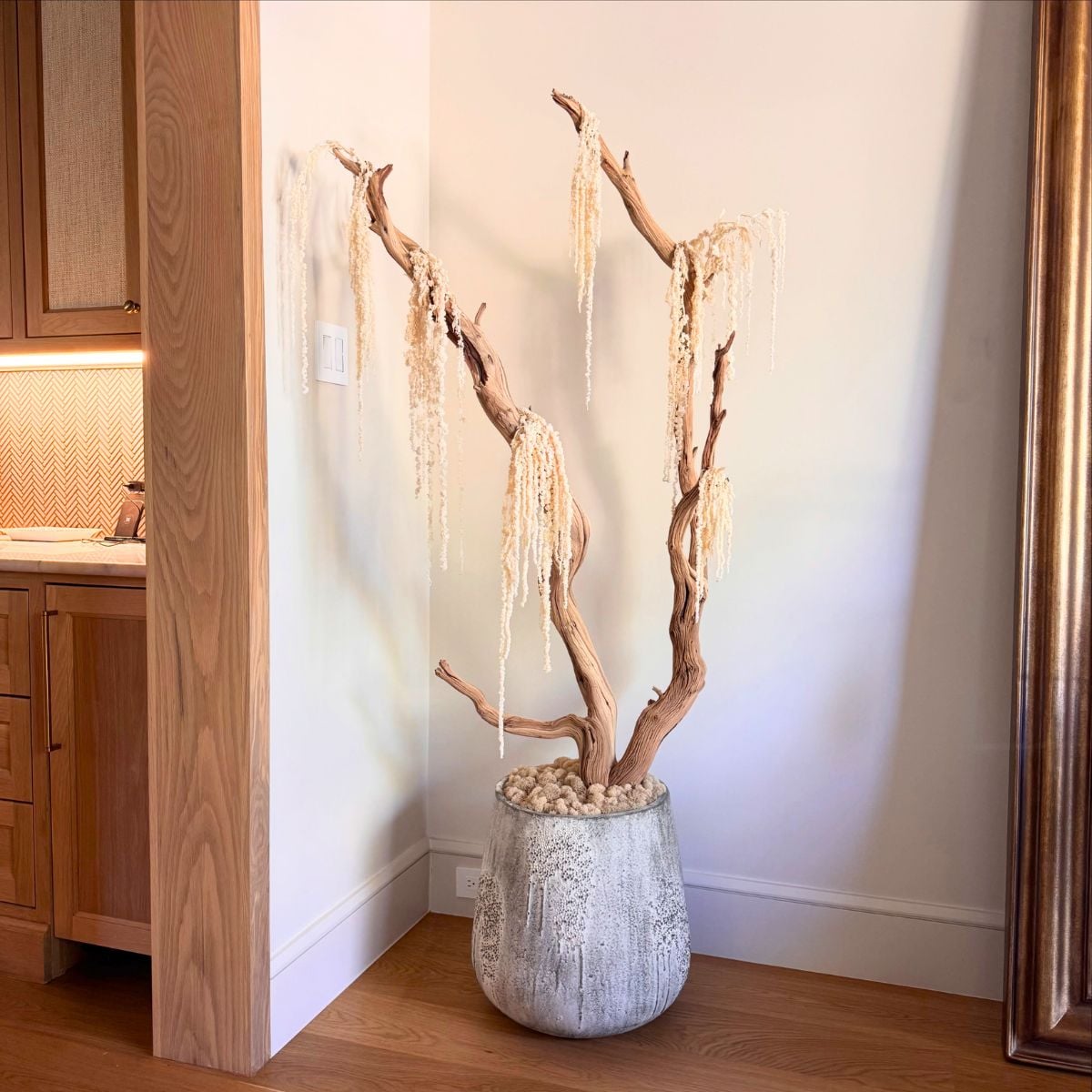
The dried flower market has helped extend the use of Amaranthus beyond its fresh growing season. Suppliers now offer different colors and finishes, including natural green, burgundy, and bleached varieties. This gives designers more options when working on projects that need specific colors or materials that will remain available throughout the year.
Growing Season, Stem Preparation and Handling Amaranthus
Amaranthus is generally a warm-season plant. In the UK, field-grown varieties are commonly harvested from midsummer until the first frosts, with the main supply often running from July to September. A mild autumn can extend the harvest into October. Availability varies according to the species, growing conditions, and location, while imported stems can be sourced outside the local growing season.
The Royal Horticultural Society describes amaranths as annuals or short-lived perennials, depending on the species. Most prefer full sun and well-drained soil, and many produce their flower spikes from midsummer into early autumn. Some varieties can grow beyond 1.5 meters (5 feet), which explains the length of the stems available to florists.
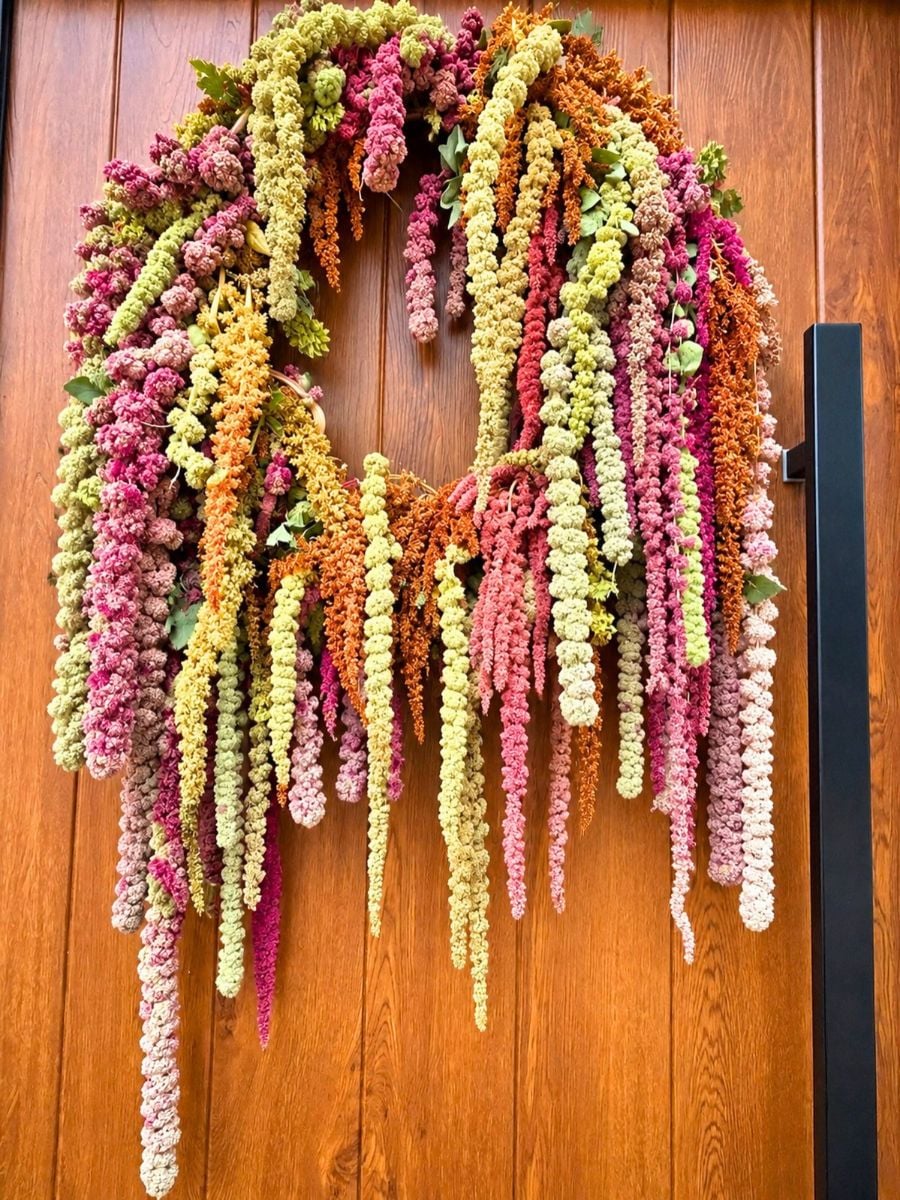
Photo: @ffionblodau_buarth
Fresh Amaranthus needs careful conditioning after delivery. The lower leaves should be removed before the stems are placed in water, particularly those that would sit below the waterline. Florists should recut the stems with clean, sharp tools and allow them to take up water before arranging them. Clean buckets, fresh water, and suitable flower food help maintain their condition.
The hanging flower heads also need careful handling. Their small flowers and developing seeds can loosen as the stems mature, so rough movement during transport or preparation can cause shedding. Florists should support the full length of the tassels when moving them and avoid pulling or lifting stems by their tips. Long trailing forms may also need support within an arrangement, as their weight can affect the balance of a design.
Floral designers recommend keeping fresh Amaranthus hydrated, removing foliage below the waterline, and storing stems in a cool environment before arranging. Its florist guidance gives an expected vase life of around five to seven days, depending on the condition of the stems and how they are handled.
For florists, understanding these details makes it easier to decide when and where to use the flower. Fresh trailing stems are suitable for bouquets and installations that need a natural hanging line, while upright varieties can add height to arrangements. Dried Amaranthus offers another option for projects that need materials with a longer display life. Across all these uses, its main contribution is the shape of its flower heads, which gives designers a way to extend an arrangement beyond the outline of its other flowers.
Featured image by @floralinea_coconutgrove.