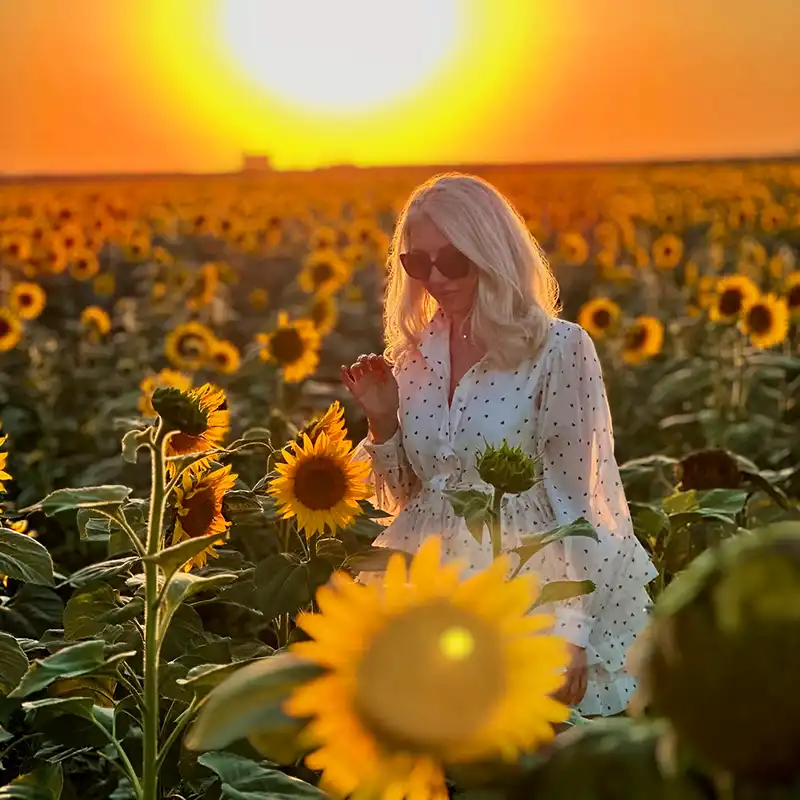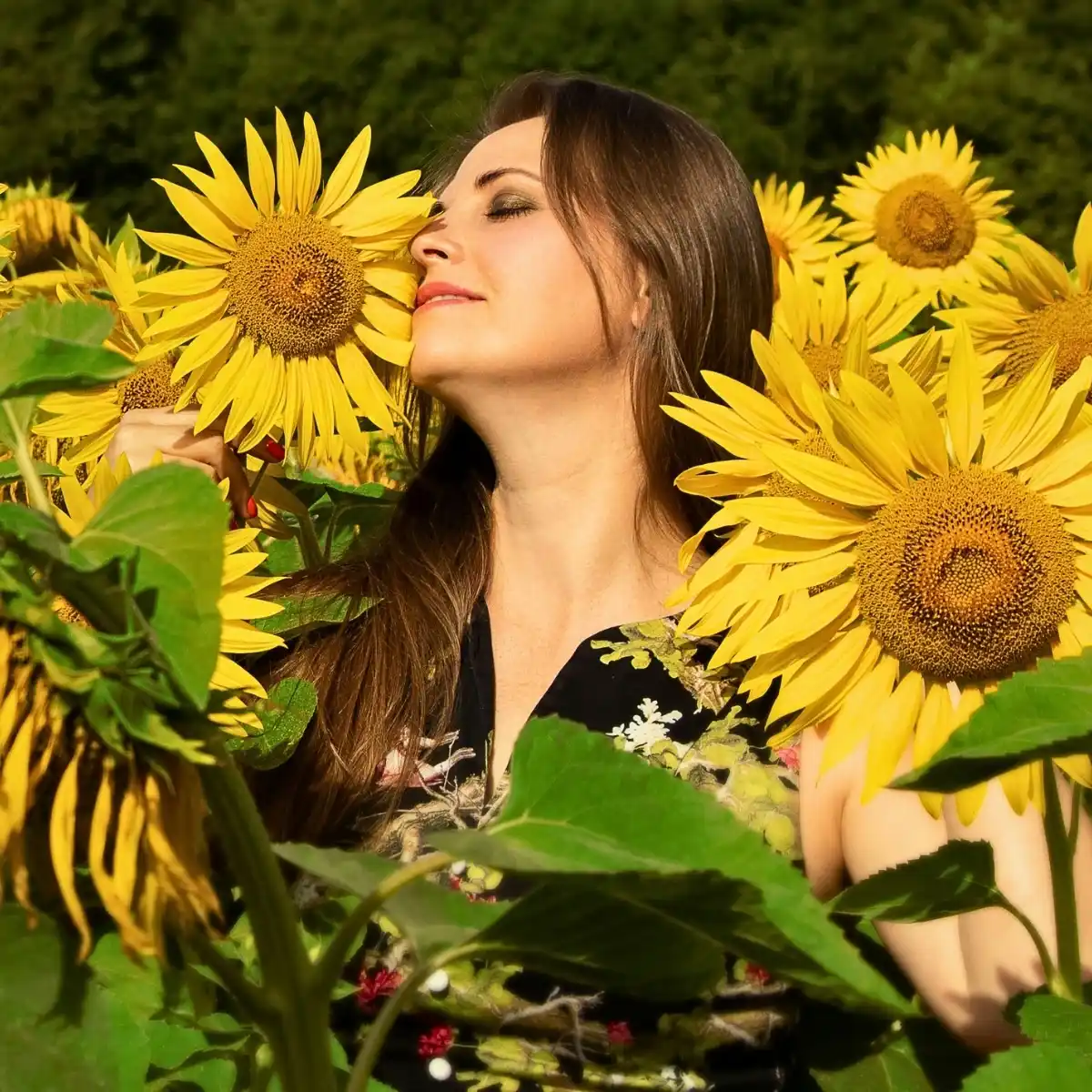
In the thick of July or August, on a summery midafternoon, you’ll almost always find sunflowers fully golden yellow under the high sun, their stalks seemingly leaning toward its light all at the same time. This spectacle has defined how people think of this flower for so long.
While these summer flowers’ bright appearance offers immediate pleasure, there is also a connection between sunflowers and happiness that goes way past surface aesthetics. But why (and how) do these magnificent flowers reliably bring a sense of delight to people?
A Flower Named for the Sun and the Greek Myth Behind the Naming
The sunflower's scientific name, Helianthus, joins the Greek words for sun (helios) and flower (anthos). Early botanists gave it the name after observing its radiant shape and its tendency to track the sun's arc across the (summer) sky. This solar naming set the tone for practically everything the flower later represents.

Rightly named after the sun, the sunflower was naturally destined to be linked with light, heat, and contentment that comes with long summer days, even before the formal system of flower symbolism existed to confirm it.
The Greeks had their own explanation for why this flower seems devoted to the sun. A myth tells of a water nymph named Clytie who fell in love with Helios, the sun god, but her feelings went unreciprocated. Grief-stricken, she remained fixed to one spot for nine days, watching Helios’ chariot cross the sky without pausing to eat or drink.
Moved by her devotion, the gods transformed her into a flower rooted to the earth, permanently facing the sun she adored. But this original tale is one about longing, and not joy; subsequent generations reframed it, and the image of the flower as always oriented toward warmth and light gradually came to symbolize hope instead of heartbreak.
Sunflowers in Native American Tradition
But even then, elsewhere before European settlers arrived, sunflowers already held an established place in life across the Americas. Indigenous peoples in what is now the central United States cultivated the flowering plant as a food crop as early as 3,000 BCE, relying on its seeds for flour, oil, and dye, and incorporating the flower into ceremonies tied to the late-summer harvest.
Among several Plains tribes, the sunflower's late-season bloom marked a season of copiousness, appearing at the close of the growing year as a sign that the harvest had been successful. The early link between the flower and a sense of provision gave it a more emotional quality that closely matches modern notions of happiness and security.
The Psychology of Color and Form
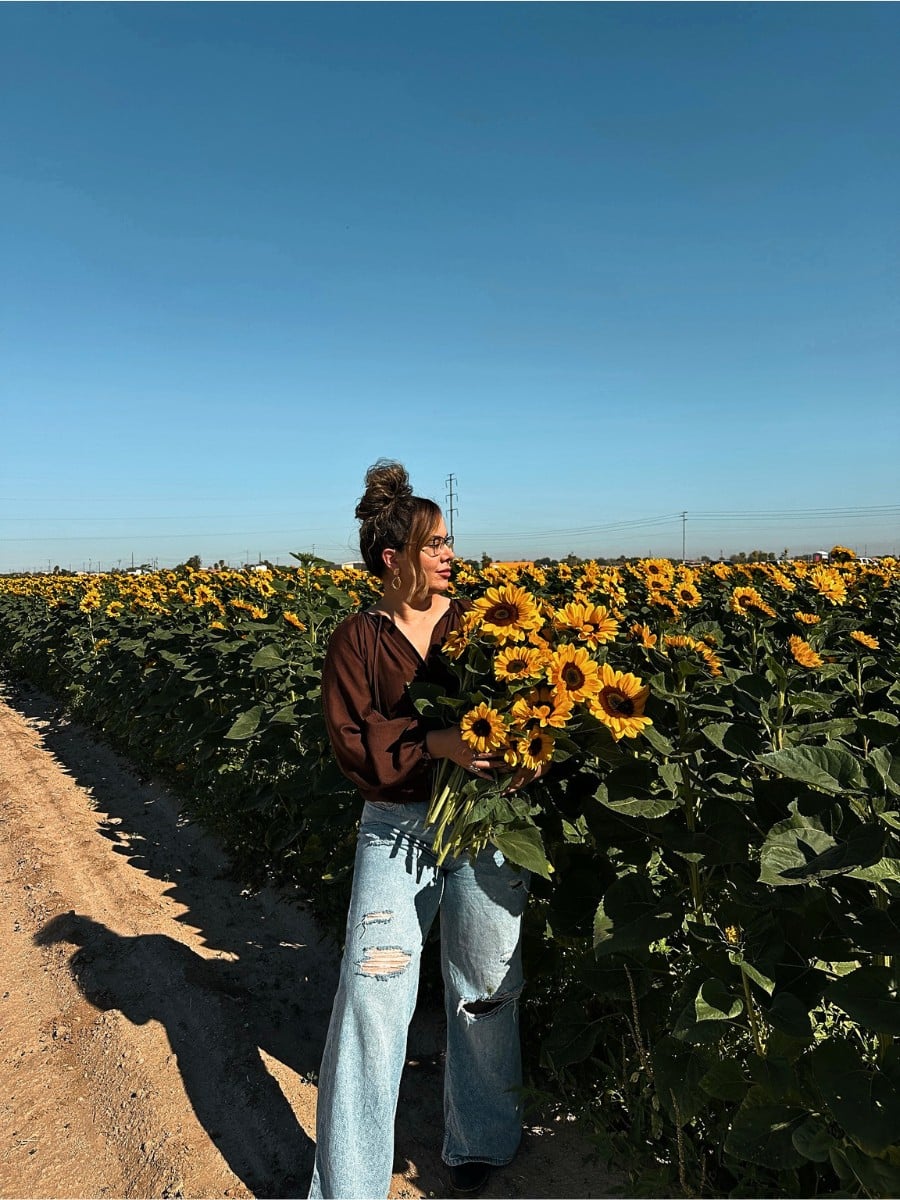
Human brains respond to visual stimuli in predictable ways. Yellow as a color has a unique position in color psychology, as it directly stimulates feelings of warmth, energy, and cheerfulness. This color reflects the highest amount of light among all others on the visible spectrum, triggering a sense of mental clarity and alertness. Sunflowers amply display this sunny hue, so they are an immediate source of positive energy.
Furthermore, their physical structure mirrors the sun itself. A large, circular golden face surrounded by radiating ray florets satisfies an inherent human preference for symmetrical, natural patterns. Psychologists note that round shapes often communicate safety, inclusion, and comfort.
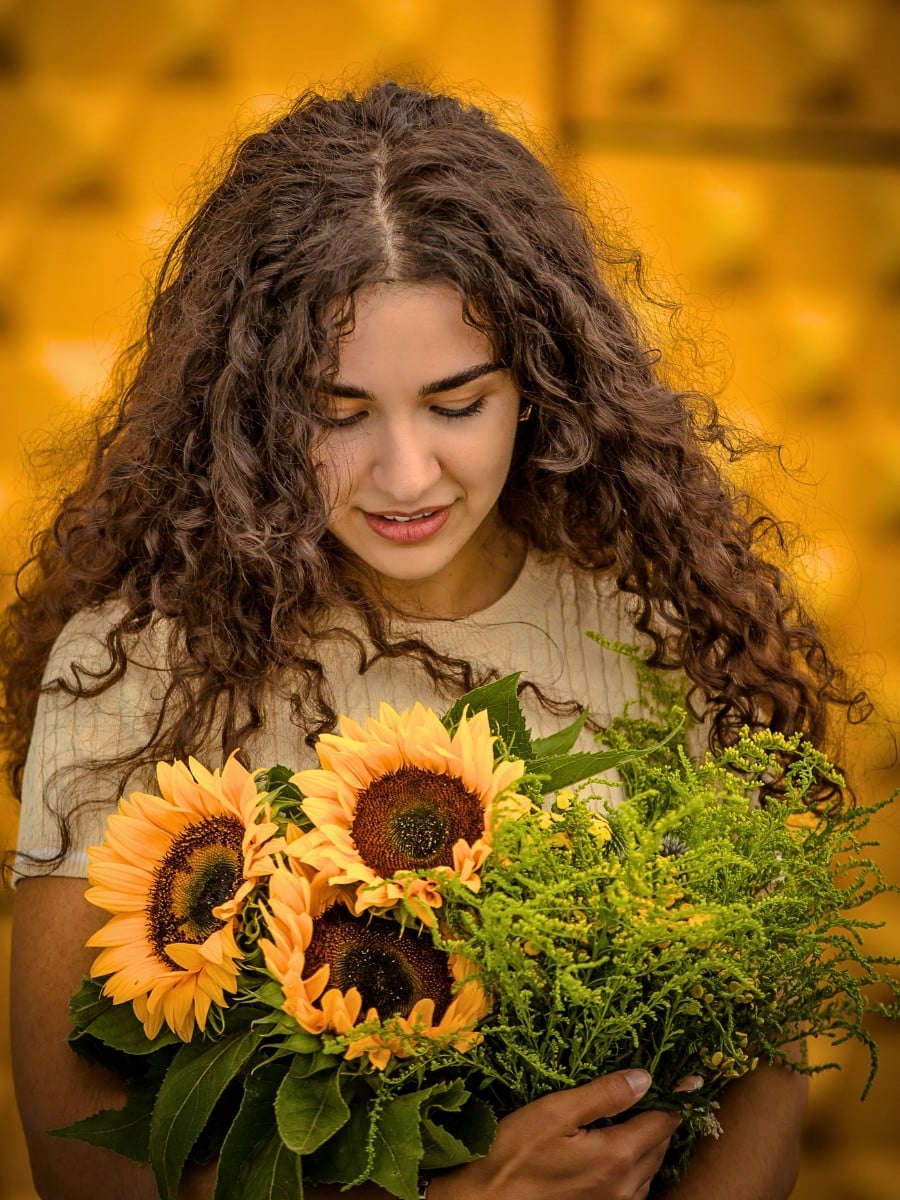
When a person observes a sunflower, their mind connects the flower to the sun's life-giving properties, a subconscious association that promotes a sense of safety and happiness, effectively reducing stress and inducing a calm, joyful emotional state.
The Science Behind Sunflowers’ Sunward Turn
Young sunflowers perform a daily routine called heliotropism, turning their buds eastward at dawn and following the sun's path westward through the day, then resetting overnight to face east again by the next morning. Researchers have traced this behavior to the plant's internal circadian rhythm, and studies suggest it helps young flowers grow more efficiently by maximizing their exposure to sunlight during peak summer.
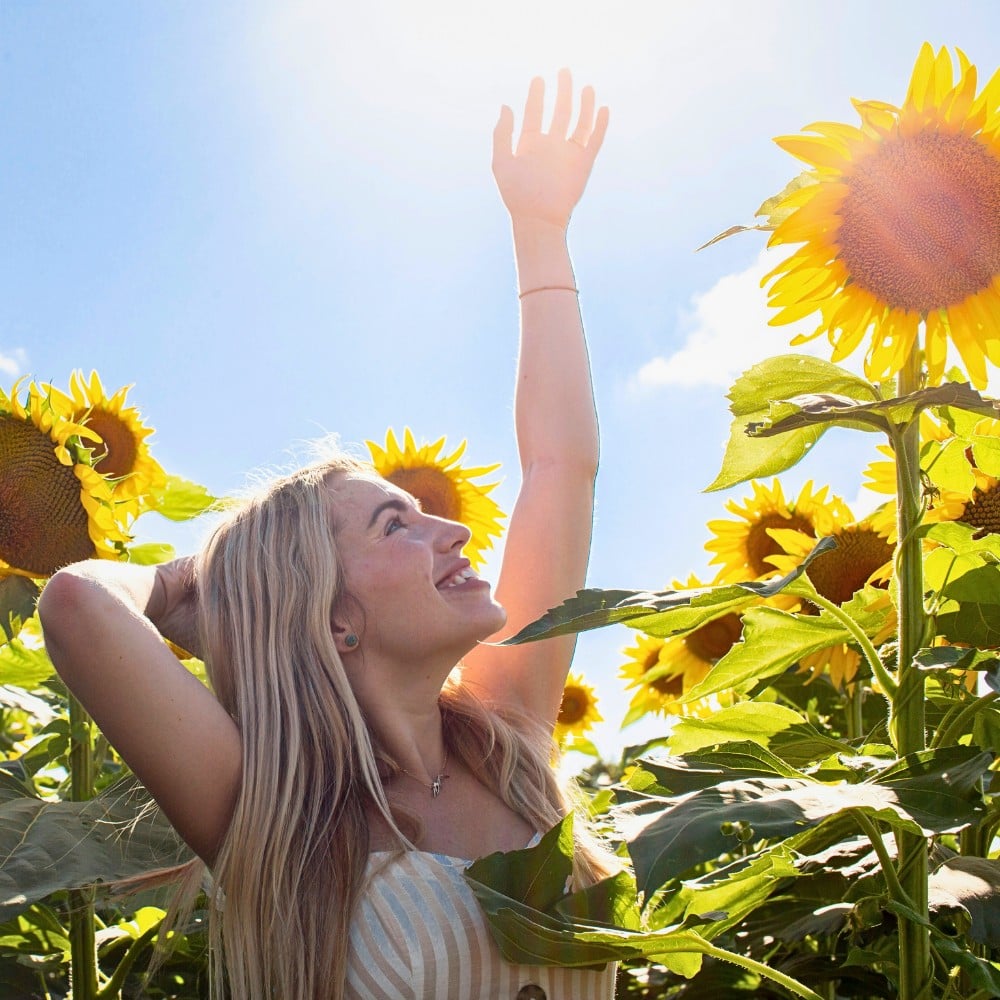
Once a flower matures and its head grows heavy with developing seeds, it typically settles into a fixed eastward orientation, which appears to warm the flower earlier in the morning and draw a greater number of pollinating insects. This daily performance gives the sunflower a systematic advantage distinct from many other plants.
A flower that visibly follows the light through the height of summer offered an easy, permanent metaphor for optimism, for reliably facing what is bright instead of what is dim. There was hardly any formal explanation of heliotropism required for people to sense this meaning, given the flower's own everyday routine communicated it!
Victorian Flower Language and a Change in Meaning
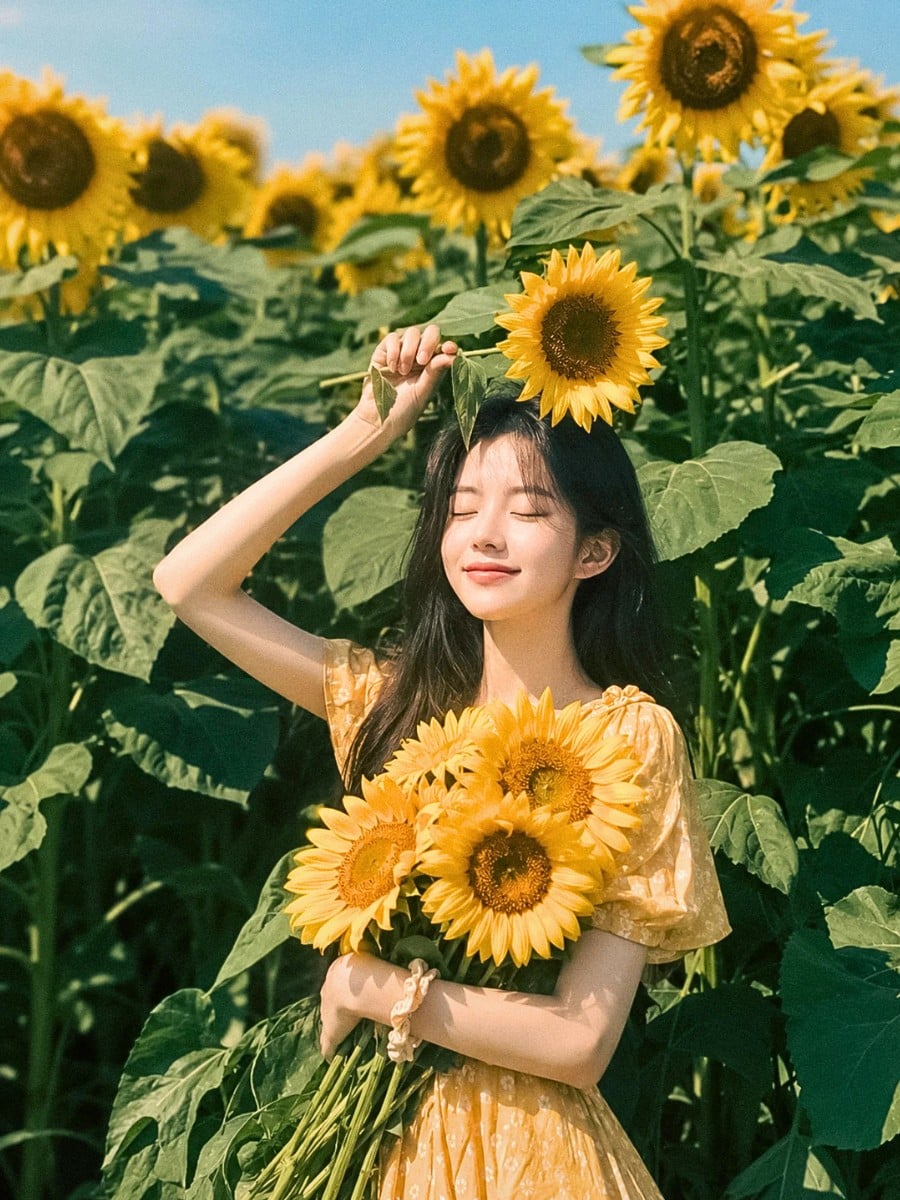
The Victorians developed an elaborate language of flowers, assigning specific meanings to nearly every flower exchanged in polite society, and the sunflower also got a place in their vocabulary as a symbol of loyalty and devotion, drawing right from the Clytie myth. Over time, as the flower's warm color and sturdy summer presence became more familiar in gardens and markets, its meaning extended beyond devotion to include cheerfulness and comfort.
By the late nineteenth century, the sunflower had also become closely associated with the Aesthetic Movement in art and interior design, appearing on wallpaper, pottery, and textiles as an insignia of natural beauty set against the gray backdrop of industrial life. This movement helped move the sunflower from folklore into the domestic sphere, tying it to the idea of a more pleasant, sun-filled way of living.

Vincent Van Gogh and the Modern Symbol of Joy
Perhaps no one did more to secure the sunflower's cheerful standing than Dutch Post-Impressionist painter Vincent van Gogh. His series of sunflower still-life paintings, completed in the late 1880s during a productive summer in Arles, used thick, deliberate layers of yellow paint to capture the flower's texture and warmth.
Van Gogh intended the paintings partly as a welcoming gesture for his friend Paul Gauguin, and once described yellow as a color capable of expressing gratitude on its own. The paintings, now among the most recognized artworks in the world, have firmly placed the sunflower in the public imagination as a symbol of warmth, friendship, and hope.
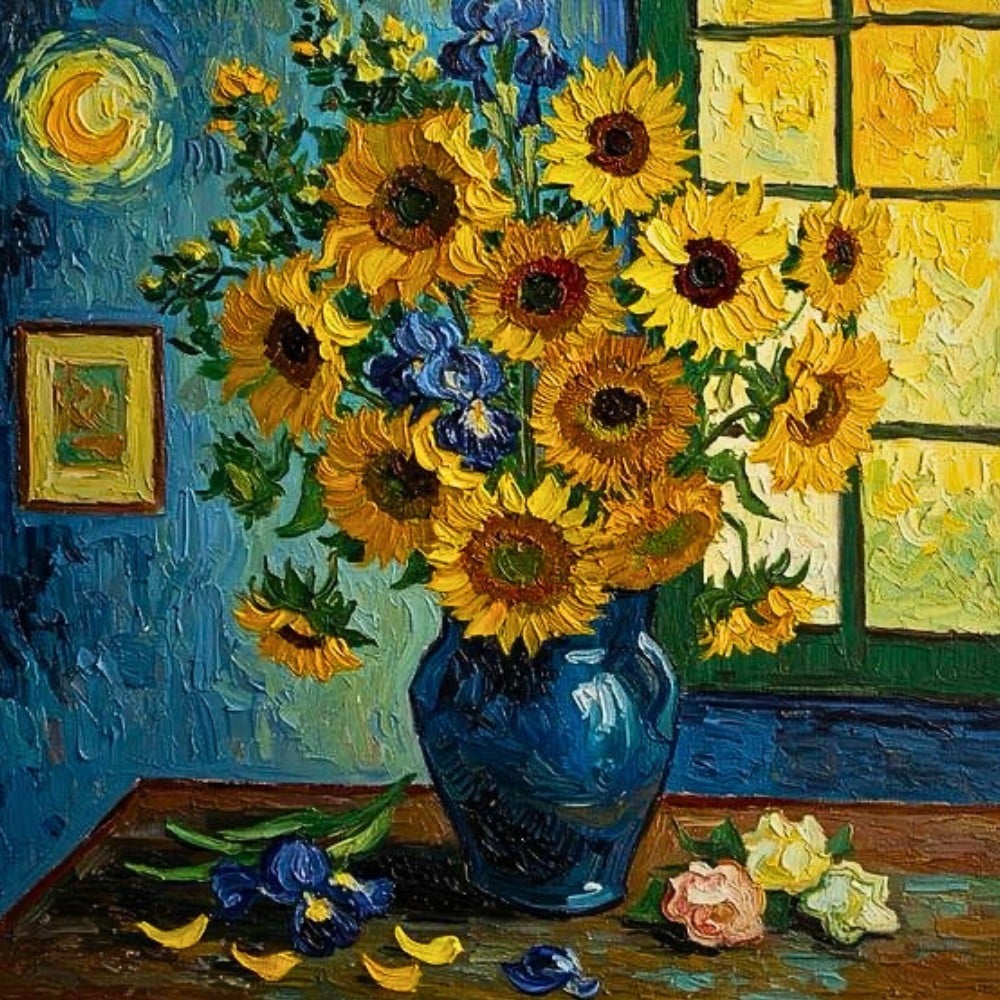
Even viewers with little interest in art history tend to recognize a sunflower painting immediately, and this widespread familiarity has steadily maintained the flower's cheerful reputation for well over a century.
In modern society, these flowers hold a special place in floral design and social gatherings. Their cheerful disposition makes them a popular choice for celebratory events, summer weddings, and community gardens. Unlike delicate exotic flowers, sunflowers possess a sturdy, rustic charm that is approachable and unpretentious.
Danziger's Sunova™ Sunflowers and Skyler™ Blue Veronica in a bouquet. Reel by @imaginemoreflowers
Their easy accessibility also makes them highly effective at bringing people together. When people share or display these flowers, they communicate a message of friendship and appreciation, creating mutual joyful moments that reinforce social bonds.
Sunflowers as a Fitting Symbol for the Warmer Months
Modern color theory also gives more context to the sunflower’s association with happiness. Yellow is widely associated with optimism, energy, and warmth, and a flower composed almost entirely of this color, arranged in a bold circular pattern, communicates the message at first glance.
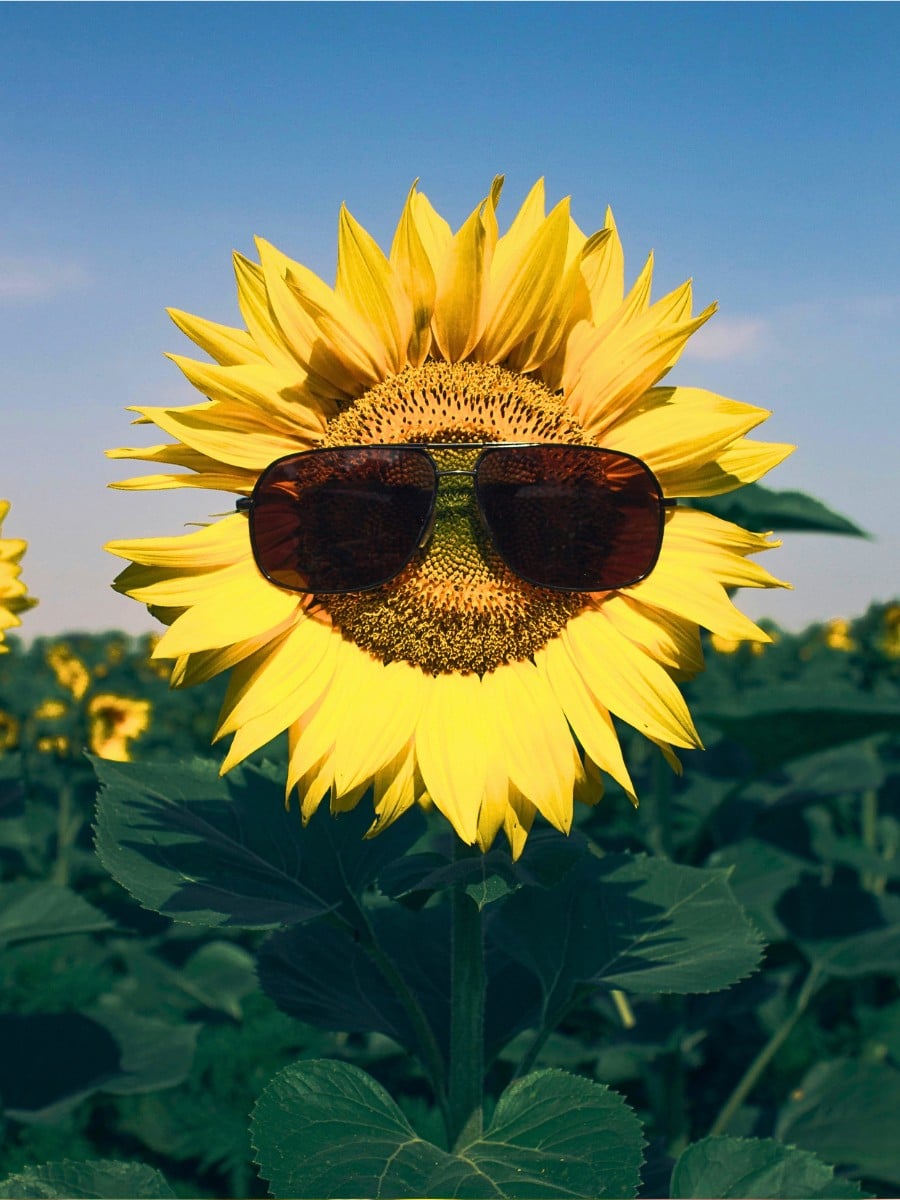
When you combine this with the sunflower's height and its habit of standing tall in late-summer gardens even as other flowers seem to begin to fade, its charm becomes even clearer, and hence few other flowers perfectly capture the summer feeling and its sense of abundance quite like sunflowers do.
Featured image by Ekaterina Swiss. Header image by Veronika Pershyna.