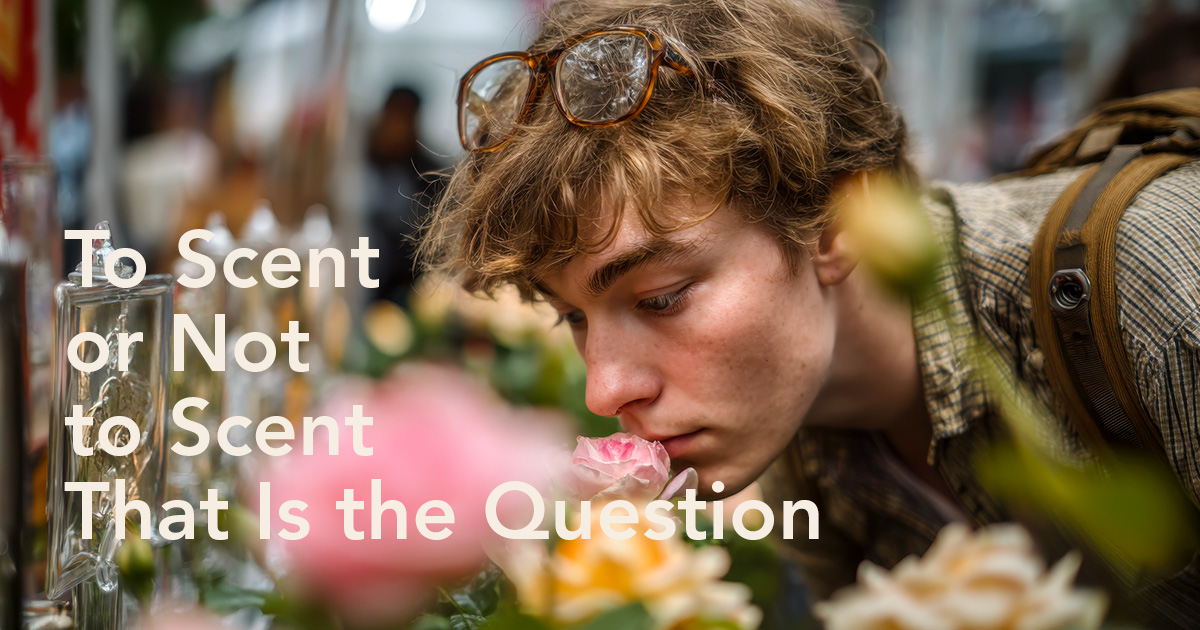
When people think about flowers, scent often seems like part of the package. Yet many flowers have little to no noticeable fragrance at all. That is not a flaw. It is usually the result of how a plant survives, reproduces, and has evolved over time. Why is that? This article provides a concise answer.
Flower Scent Is Not Always Necessary
The main role of floral scent is to attract animal pollinators from a distance. Flowers release volatile compounds that can guide bees, moths, flies, beetles, and other visitors toward pollen and nectar. But not every plant depends on that kind of help.
Some flowers are pollinated by wind or water. In those cases, producing fragrance would bring little benefit. It would simply cost the plant energy without improving its chances of reproduction. Other flowers still use animal pollinators, but they rely more on visual signals than on scent. Bright colors, bold patterns, and large floral displays can be enough to attract pollinators that respond mainly to sight.
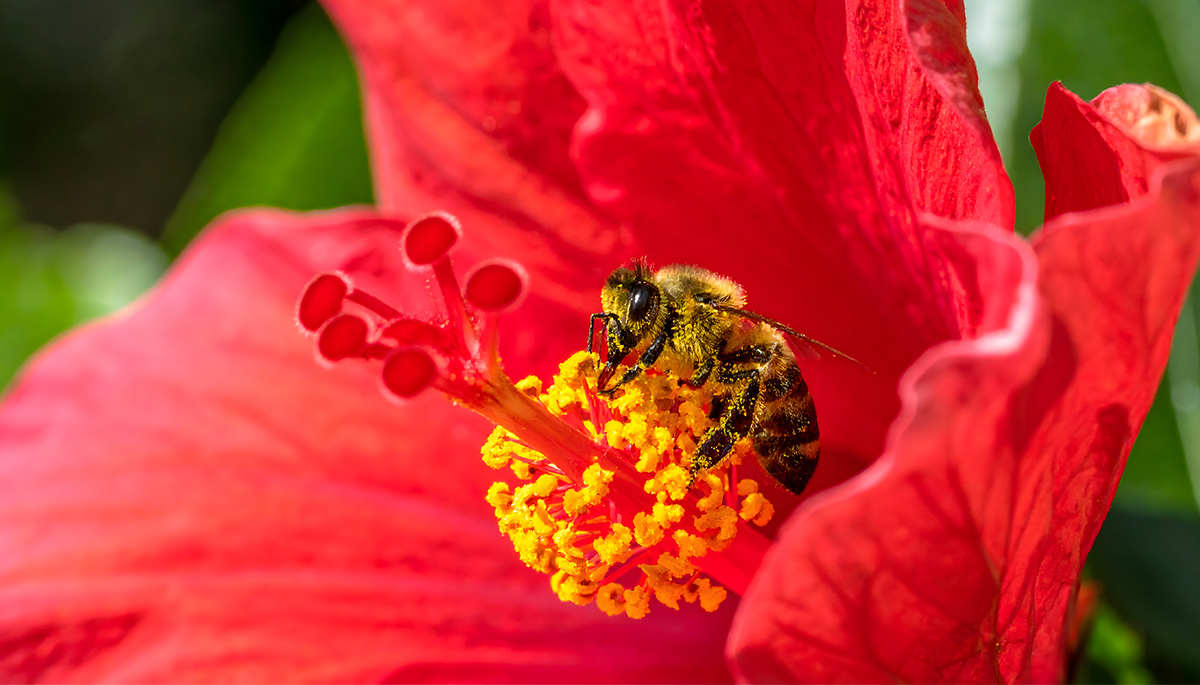
So, the bottom line is: scent costs energy. Floral scent is created through a mix of volatile organic compounds such as terpenes and benzenoids. Making these compounds takes resources. If fragrance does not improve pollination success, natural selection may favor plants that stop investing in it.
That saved energy can then be redirected to other priorities, such as seed production, growth, or stress tolerance. From an evolutionary point of view, this makes sense. A plant that can reproduce well without fragrance may do better by putting its resources elsewhere.
Human perception also matters. Some flowers emit compounds that fall outside the range of what our noses easily pick up. To us, they seem unscented, while their natural pollinators may detect those signals clearly. That means a flower can appear odorless in the garden or greenhouse while still sending out chemical cues in its own ecological language.
Self-Pollinating Flowers Often Lose Scent
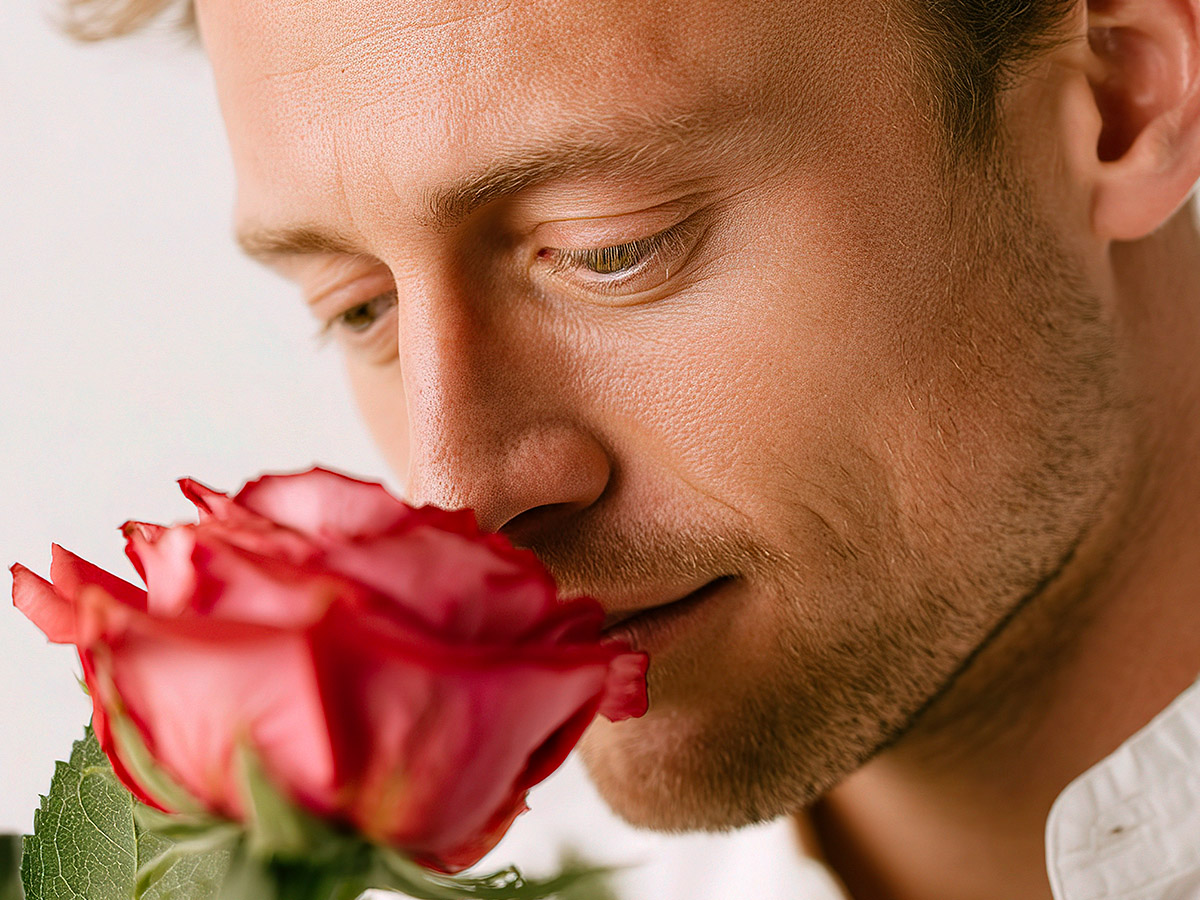
A common reason for reduced fragrance is self-pollination. If pollen can reach the stigma within the same flower, there is less need to attract outside pollinators. In autonomous selfing species, the function of scent becomes less important, so the pressure to maintain it becomes weaker.
Over generations, this can lead to what botanists often call a 'selfing syndrome'. Flowers may become smaller, less colorful, produce less nectar, and release less scent. Studies in species such as Arabis alpina show that populations shifting from obligate outcrossing to selfing often develop smaller and less scented flowers, which fits this pattern well.
However, self-pollinating does not always mean scentless. Some self-compatible flowers retain their fragrance because occasional outcrossing remains useful, or because scent compounds also help defend against herbivores and pathogens.
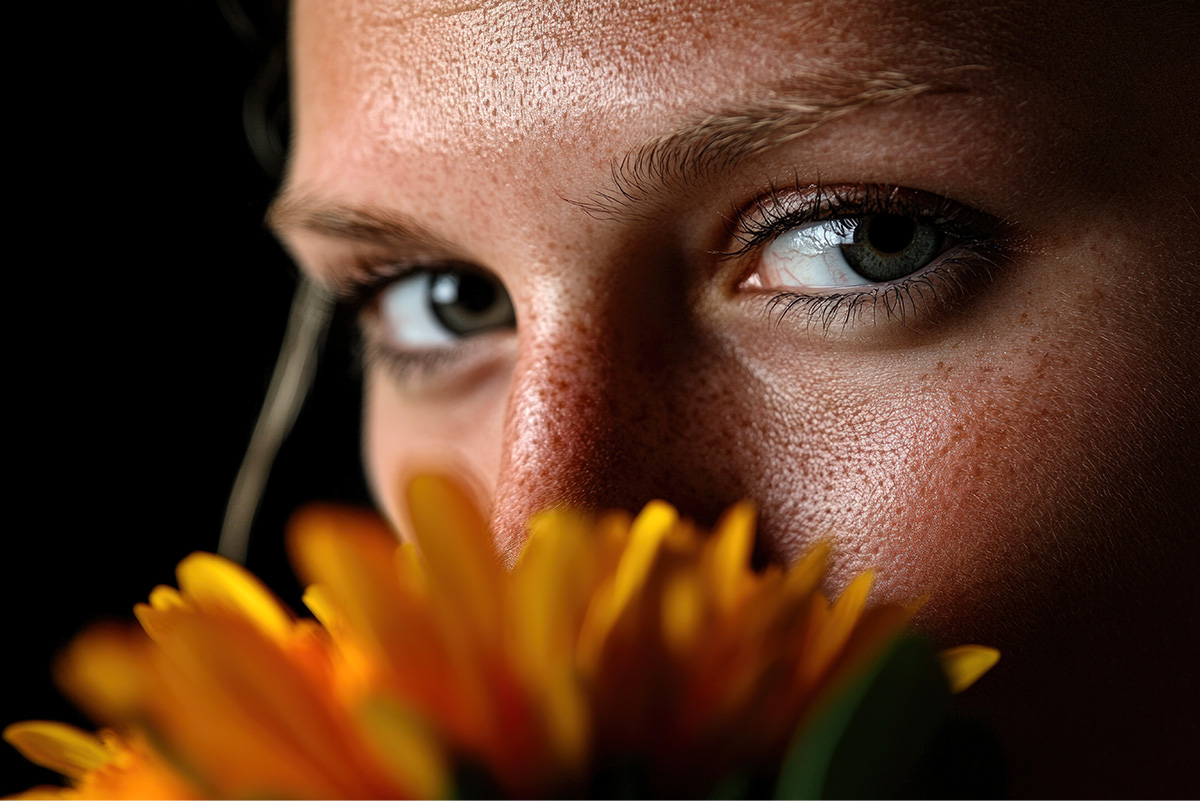
Several popular scentless cut flowers are at least partly self‑pollinating, even though they still attract insects. Common self‑pollinating popular cut flowers are:
- Zinnias (Zinnia spp.) – Composite heads with both male and female florets; they can self‑pollinate, but butterflies and bees often increase seed set.
- Sunflowers (Helianthus annuus, some varieties) – Many cultivars have florets capable of self‑pollination within the same head, even though bees normally visit them.
- Marigolds (Tagetes spp.) – Each head contains close male and female parts, so pollen can move within the same flower or plant; they are often described as self‑pollinating, though insects frequently help.
- Certain orchids (e.g., Holcoglossum amesianum) – Some ornamental orchids have very specialized autonomous self‑pollination, moving their own anthers to the stigma without pollinators.
In practice, many cut‑flower species are self‑compatible and capable of selfing, but will set more or better‑quality seed with cross‑pollination; breeders often exploit that flexibility when producing seed or new cultivars.

Genetics and Human Breeding Also Play a Role
When scent is no longer strongly favored, mutations that reduce fragrance production are less likely to be selected against. Over time, plants may lose or downregulate the genes and enzymes involved in scent biosynthesis. In other words, if a plant no longer needs to smell attractive, the machinery behind that trait may slowly fade.
This is one reason some self-pollinating or highly specialized flowers have very faint or no fragrance that humans can notice.
Another major reason some flowers lack scent is human intervention. In ornamental breeding, fragrance has often taken a back seat to traits such as large blooms, unusual colors, strong stems, and long vase life. Modern roses are one of the clearest examples. In many varieties, breeding for appearance and postharvest performance has reduced or removed the expression of key scent genes.
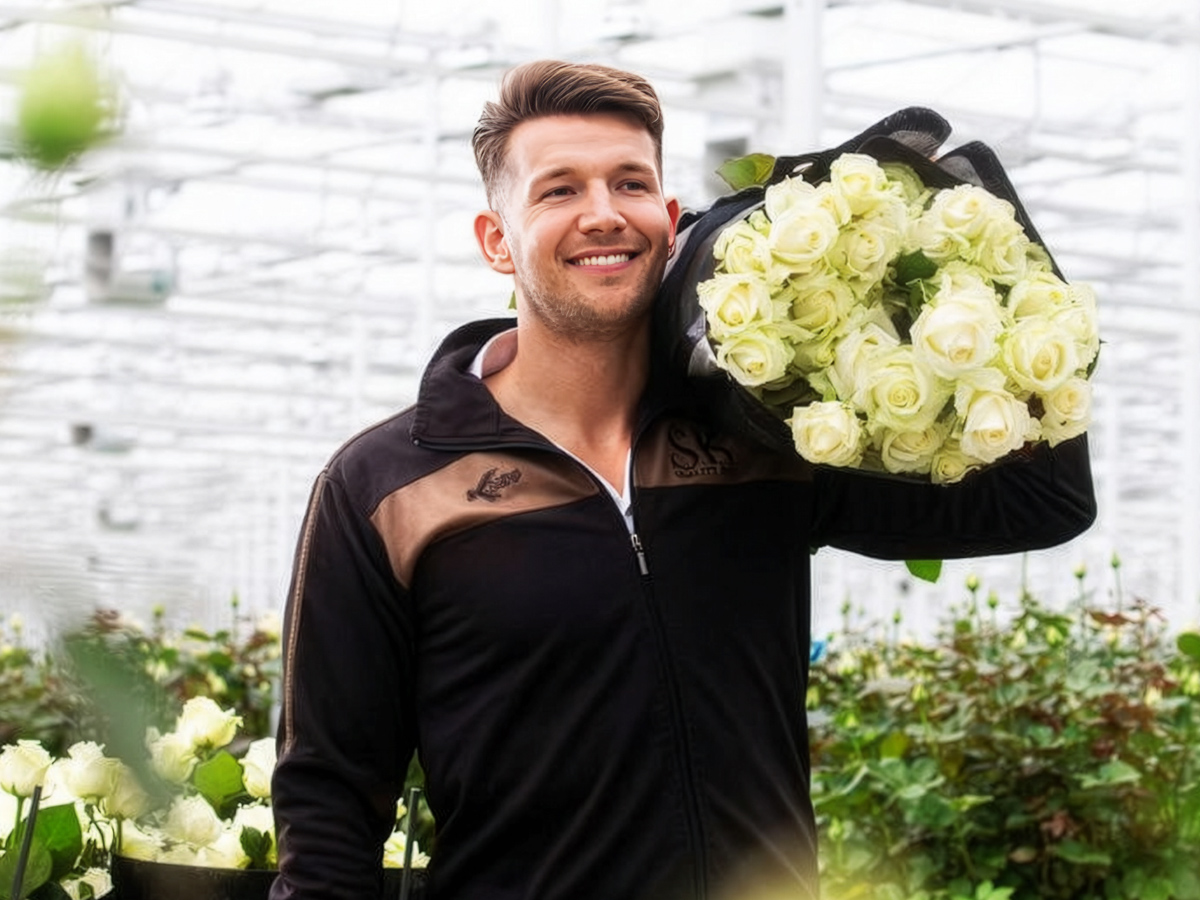
So when a flower seems almost scentless, it may not be nature alone at work. It may also reflect years of breeding choices. However, for a few years, there has been demand for scented garden-style cut roses, so breeders have been trying to restore the scent to the rose. There is a growing understanding that fragrance complements floral design. Breeders like David Austin Roses and growers like Colombian Alexandra Farms are at the forefront of this development.
A Practical Way to Look at It
So, why do some flowers have no scent? Usually, because they do not need it. Whether through wind pollination, self-pollination, energy saving, genetic change, or human breeding, fragrance is only kept when it still offers a clear advantage.
But if you love a nice fragrance in flowers, continue to read on: 'We All Love Floral Scents, but What Makes Flowers Smell?'
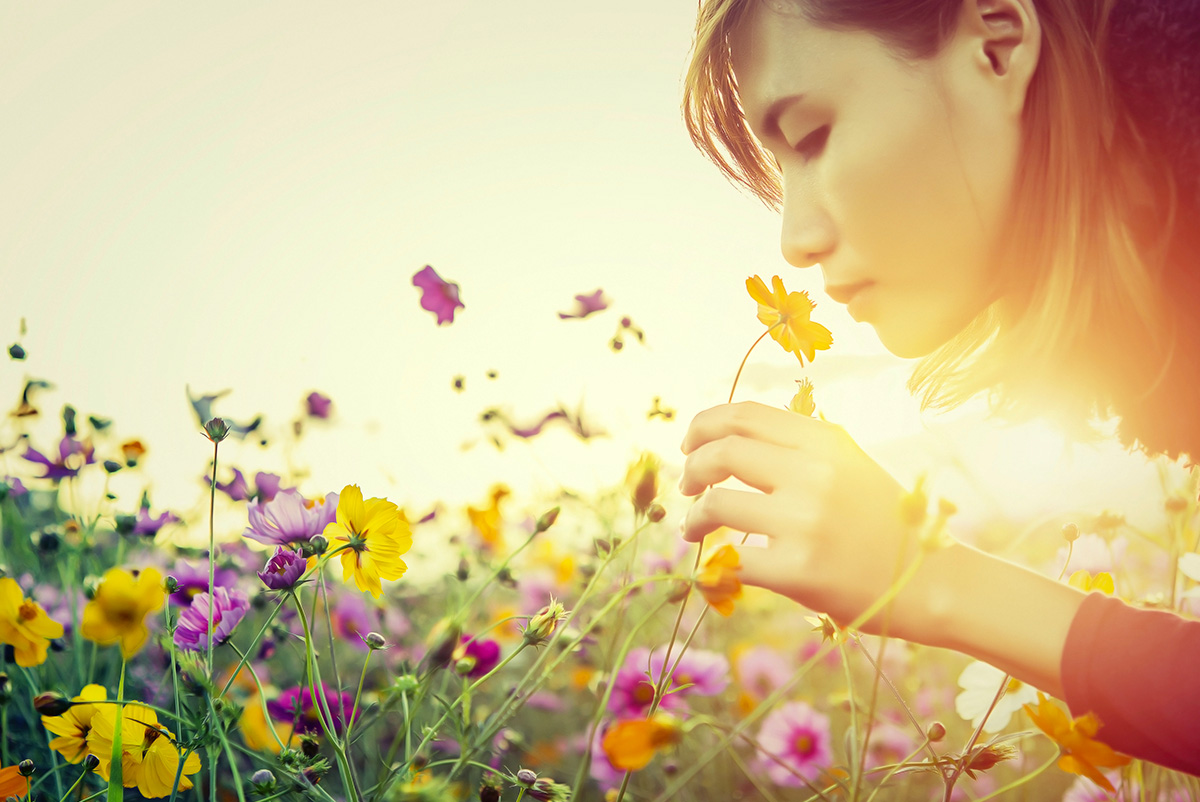
Header and feature image by Yevhen Smyk @Vecteezy.