Have you ever wondered why a single garden rose can fill a room with a sweet, heavy perfume? While we might find these fragrances pleasant or even relaxing, flowers do not produce them for our benefit. Instead, these scents are a sophisticated biological language. They act as invisible signals designed to attract specific visitors, ensuring the plant can reproduce and thrive. Their mechanism is a brilliant show of how nature’s efficiency ensures plants’ survival.
Flower Fragrance Is Not Really Intended for Humans
Floral fragrance, as noted, did not evolve for human appreciation but developed as a targeted communication system directed at pollinators, primarily bees, butterflies, moths, beetles, and certain bird species. In ecological terms, floral scent is an advertisement or a chemical signal broadcast into the surrounding environment to indicate the presence of nectar and pollen.
The contrast with wind-pollinated plants is that grasses, conifers, and other species that rely on air currents instead of animal vectors produce no meaningful scent because there is no biological incentive to do so. Flowering plants, however, co-evolved alongside animal pollinators over approximately 100 million years, developing increasingly refined chemical languages to attract the right visitors at the right times. The fragrance a flower emits is the product of that.
The Chemistry of Floral Scent
What the human nose perceives as a flower's fragrance is, in chemical terms, a mixture of volatile organic compounds. These are molecules with sufficiently low molecular weight and high vapor pressure to evaporate readily at ambient temperatures and disperse through the air. They fall into several principal families, which are terpenoids, benzenoids, and fatty acid derivatives. Each contributes distinct aromatic qualities to the overall scent profile.
A single flower may emit anywhere from a few dozen to several hundred distinct compounds simultaneously. Rose fragrance, for example, is composed of more than 300 identified molecules, with geraniol, citronellol, and rose oxide among the most prominent. Geraniol is the compound responsible for the characteristic soft, rosy sweetness associated with Rosa damascena, the Damask rose most prized in perfumery.
Jasmine's characteristic richness derives largely from benzyl acetate and indole, the latter of which, despite its association with decay at high concentrations, contributes a creamy, animalic depth to floral blends at low levels. Lavender's clean, herbaceous quality comes primarily from linalool and linalyl acetate, both of which have been identified in pharmacological research as compounds with anxiolytic properties.

Carnation's spiced warmth is governed largely by eugenol, a phenylpropanoid shared with clove. Tuberose and jasmine contain methyl jasmonate, a compound that also functions as a plant signaling hormone, connecting floral fragrance to wider systems of plant communication. The orange blossom, meanwhile, derives much of its character from indole and a high concentration of linalool, simultaneously producing a sweet, green, and faintly narcotic scent.
These compounds interact with each other, suppress, and amplify one another within the scent blend. The aromatic character of a flower is therefore not reducible to any single molecule but a combinatorial output shaped by genetics, growing conditions, temperature, and the flower's developmental stage.
Why Different Flowers Smell Different and Some Smell ‘Bad’ to Humans
The diversity of floral fragrance corresponds directly to pollinator ecology. Bee-pollinated flowers tend to produce sweet, moderately complex scents at intensities that peak during daylight hours when bees are most active. Moth-pollinated species, including tuberose and certain lilies, release their most concentrated fragrance after dark, and the character of that fragrance is typically heavier, sweeter, and more penetrating than daytime-pollinated counterparts.
Flowers pollinated by flies or beetles may produce compounds that are actively unpleasant to the human nose, closely mimicking the odor of decaying organic matter. This is a precise adaptation and not a flaw in the system. The corpse flower (Amorphophallus titanum), which generates scents reminiscent of rotting flesh, is among the most cited examples. From a botanical standpoint, the strategy is rational in that the flower attracts the pollinator it requires, regardless of the olfactory preferences of other observers.
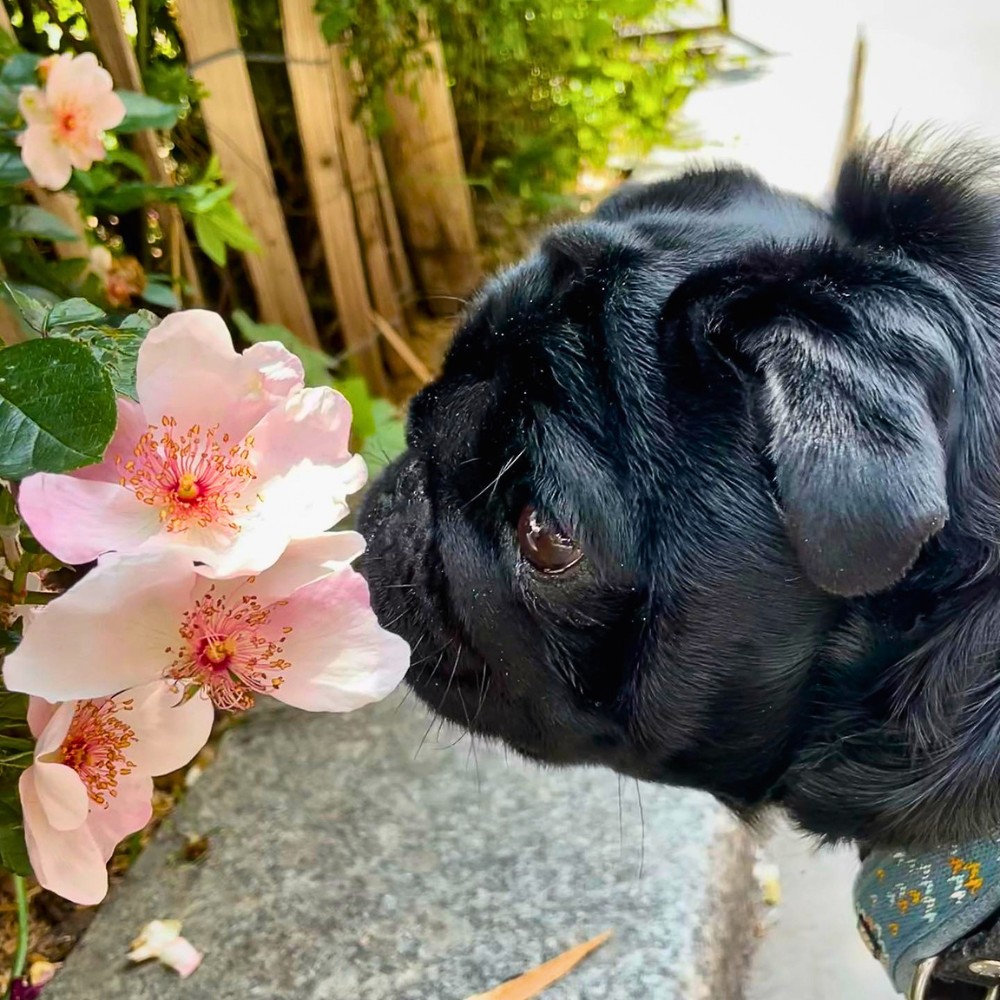
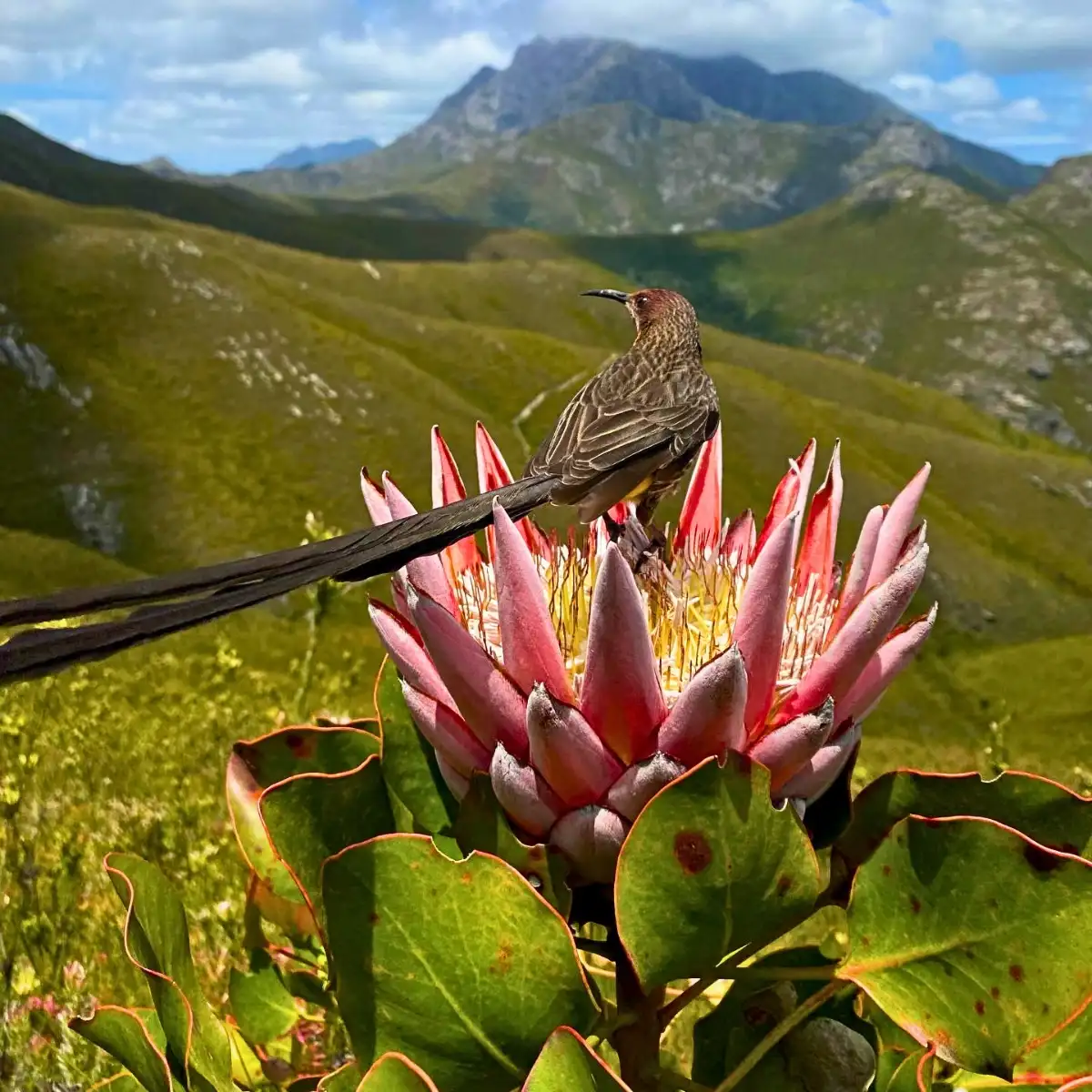
Bird-pollinated flowers showcase further contrast. They typically produce little to no detectable fragrance, since birds navigate primarily by vision and have comparatively poor olfactory sensitivity. In these cases, color and nectar volume do the work that scent performs elsewhere.
Scent as Defense and Environmental Response
Floral fragrance has more functions outside of pollinator attraction. Several volatile compounds present in flowers act as deterrents to herbivores or to insects that would consume reproductive tissue without providing any pollination benefit.
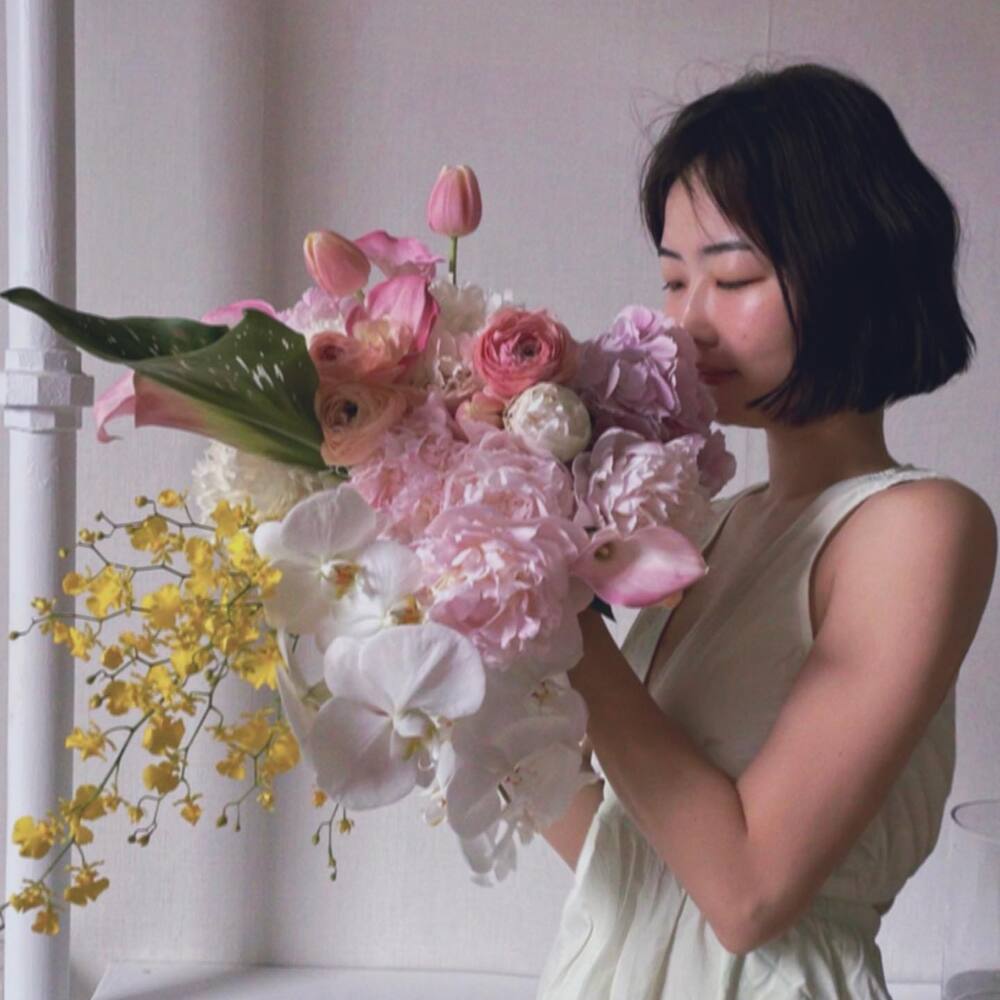
Certain terpenes and alkaloids are mildly toxic or repellent to such visitors, meaning the scent profile of a given flower can, at the same time, attract specific pollinators and discourage unwanted feeding. Floral scent output is also dynamic and not fixed. Temperature, humidity, time of day, and physical damage can all change the composition of a flower's volatile emissions.
Some species release increased quantities of specific compounds in response to herbivore activity, a form of indirect defense that may recruit predatory or parasitic insects capable of suppressing the threat. This situational responsiveness points to fragrance as part of an overall system of plant communication, not just a static chemical signature.

Why Humans Find Floral Scents Pleasant
The question of why humans find these compounds agreeable involves both neuroscience and evolutionary inference. Many of the volatile molecules produced by flowers interact favorably with human olfactory receptors. Linalool, present in lavender and numerous other species, shows calming effects in controlled studies, including reductions in anxiety markers in both human and animal subjects. Geraniol and benzyl acetate similarly register as pleasant across a wide range of cultural contexts, suggesting that the response is at least partially independent of learned association.
The neurological path through which smell is processed is relevant in that, unlike other senses, olfactory signals travel directly to the limbic system, the brain region associated with emotional processing and long-term memory, before reaching the cortex. This anatomical arrangement helps explain why a floral scent can retrieve a specific memory with unusual immediacy, and why fragrance carries emotional weight that is difficult to articulate but easy to recognize.
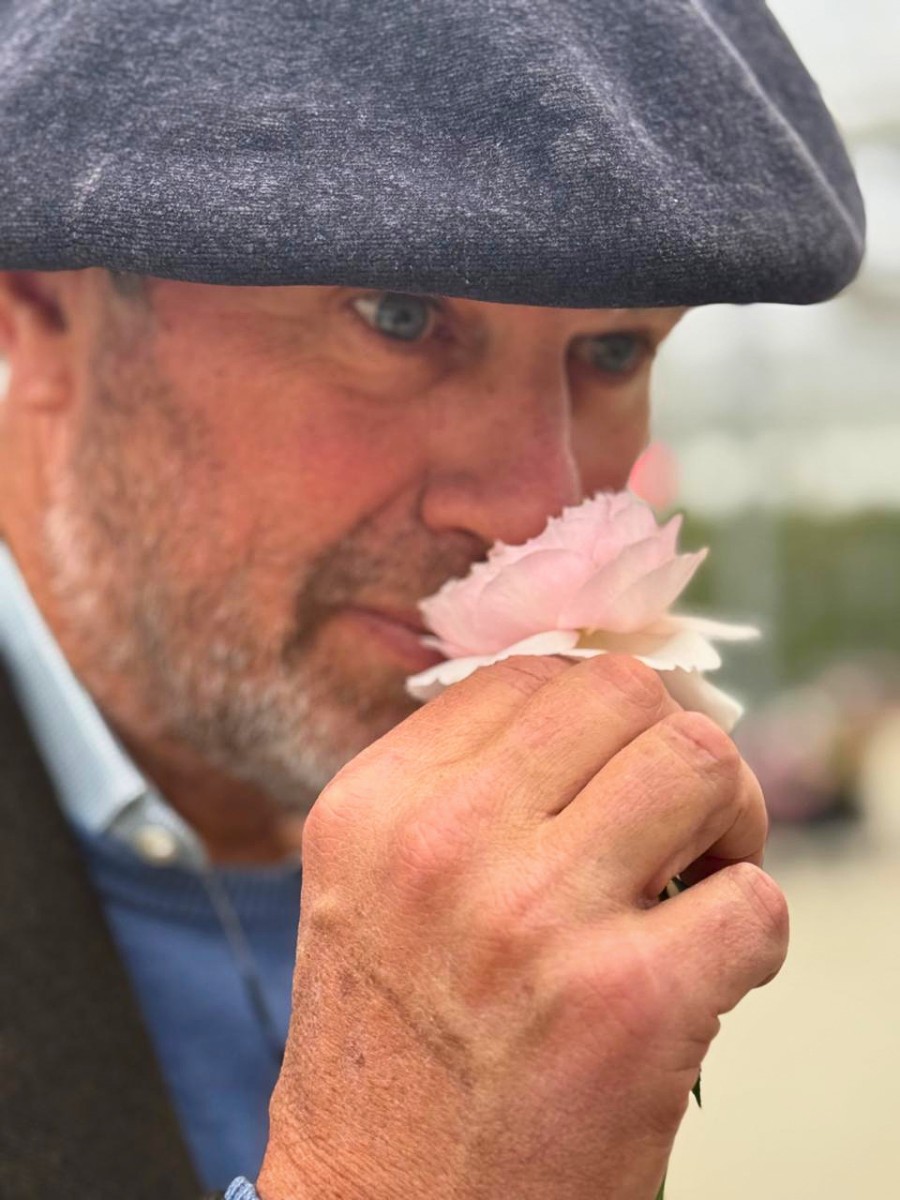
There is also a reasonable evolutionary aspect to the human preference for floral scents. Flowering plants produce fruit, and the capacity to identify and remember fragrant flowers would have been a practical advantage to early foragers. What likely began as utilitarian scent recognition may, over many generations, have developed closer to aesthetic appreciation.
Why Cut Flowers Sometimes Lack Fragrance
The relative absence of scent in many commercially available cut flowers is a recognized result of selective breeding practices. Over the course of the twentieth century, the cut flower industry prioritized traits including vase longevity, color consistency, and disease resistance.
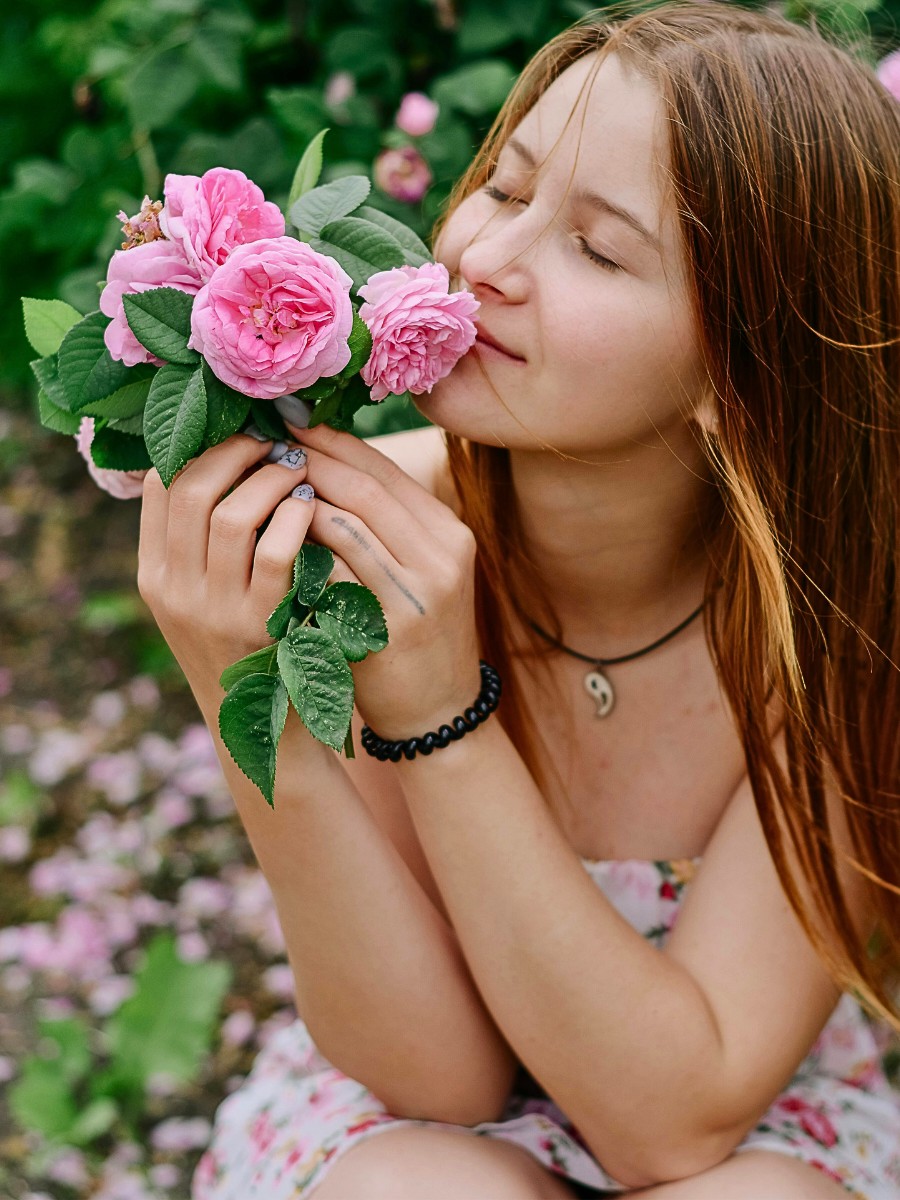
Fragrance, which requires metabolic resources to produce and was not a primary commercial criterion, was frequently lost in the process. Many modern hybrid roses, for example, bear little olfactory resemblance to the heritage varieties from which they descend.
Cold storage also has an impact. Volatile organic compounds are emitted most actively at warmer temperatures; refrigerated flowers suppress their fragrance output significantly, and those transported through cold-chain logistics may require time at room temperature before their scent registers at full intensity.

Buyers who find that cut flowers lack fragrance are often observing the combined effect of these factors more than any deficiency in the flower itself. That, notwithstanding, modern breeding programs are now producing fragrant and scented varieties, especially roses.
Featured image by Ibrahim Alli. Header image by Erica On The Go.