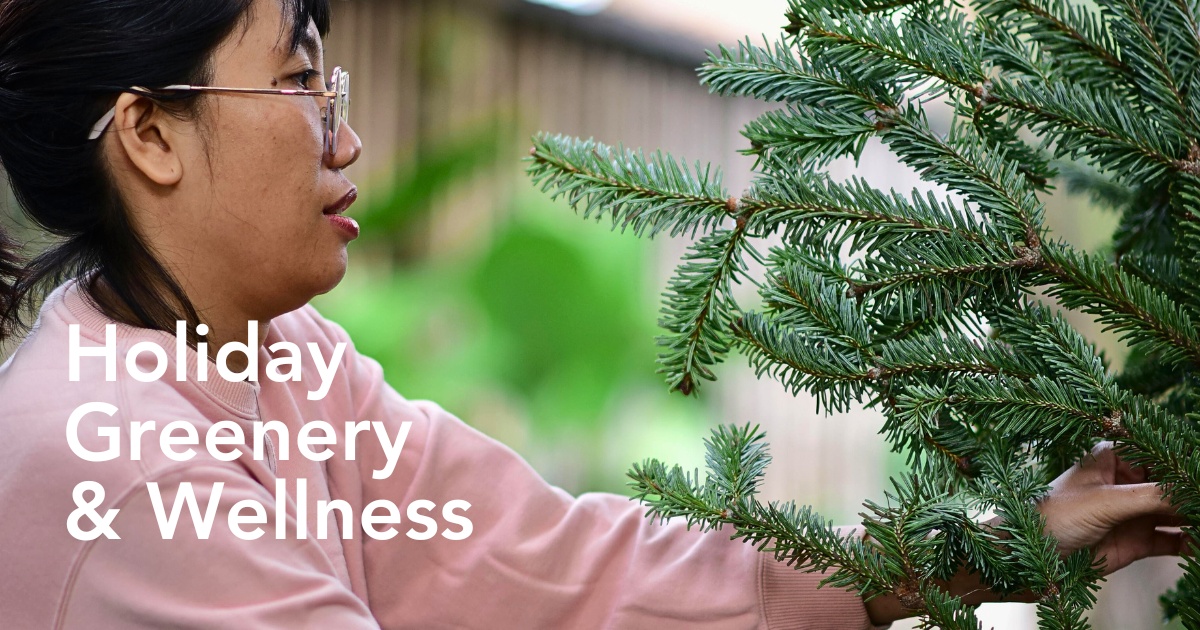
Something about the scent of fresh pine, conifers, and other fragrant holiday evergreens often changes the atmosphere of a room. Maybe it is the way it mingles with the cold air, or how it fills the home with that unmistakable holiday feel.
But have you ever wondered why certain scents can immediately shift your mood or bring back memories you thought you had forgotten? Such is the connection between holiday greenery and emotional well-being: deeper than one may think. It all explains why these natural fragrances matter.
How Scent Connects Directly to Emotions
The sense of smell works differently from other senses. When you smell something like a fresh Christmas fir or winter flowers, the scent molecules travel through your nose to the olfactory bulb. This small structure sits right next to the limbic system, the part of your brain that handles emotions, memory formation, and specific behavioral responses.

The directness of this connection is special in that, unlike sight or sound, which travels through several processing centers before reaching the emotional parts of your brain, smell takes a shortcut. This explains why a particular scent can elicit an immediate emotional response or trigger a flood of memories from years ago.
Your brain stores scent memories alongside the emotions you felt when you first encountered them, creating associations that can even last a lifetime. During the holidays, this connection is especially telling. The scents we experience during this season often carry years of emotional history, which is why they can evoke such a strong sense of familiarity.

The Natural Compounds That Affect Mood
Holiday-season greenery contains specific chemical compounds that interact with your body in various ways. More than just pleasant smells, they are natural substances that can influence stress levels, mood, and overall well-being.
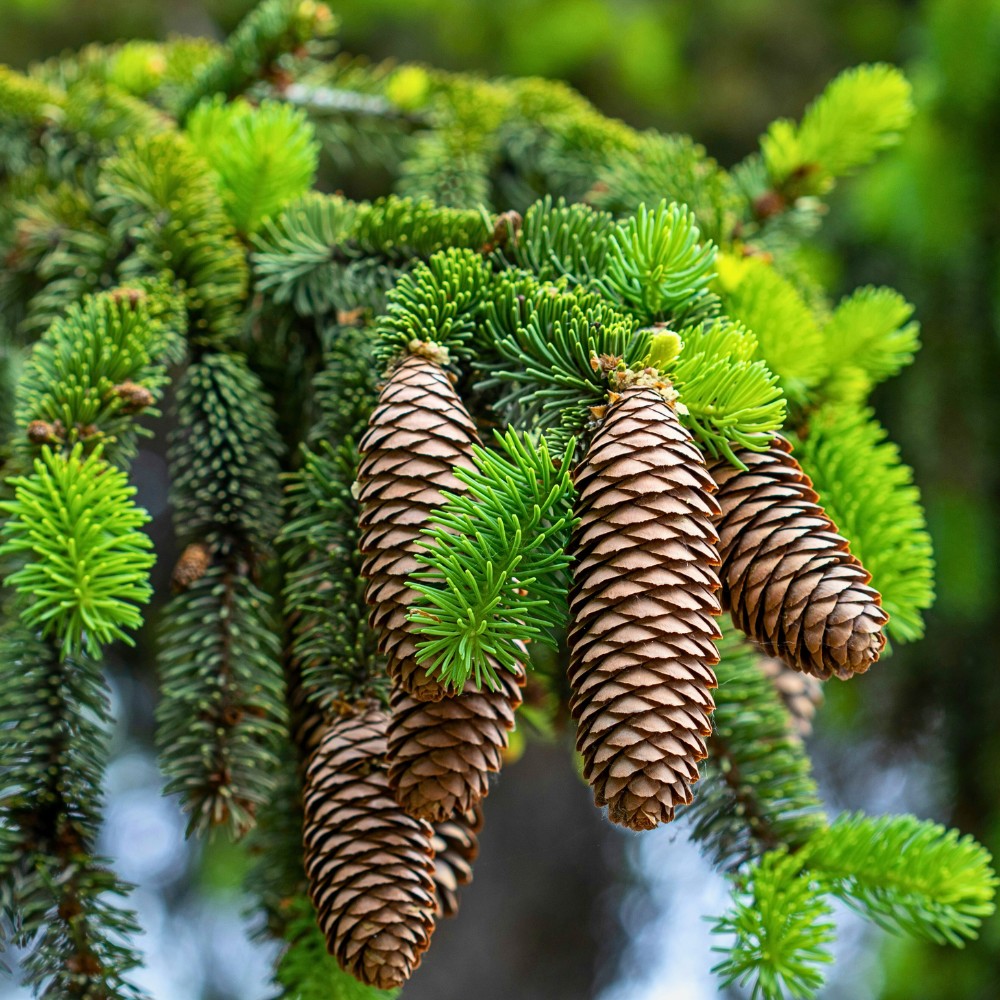
Pine and fir trees release compounds called pinenes and limonene into the air. Research has shown that these natural chemicals can help lower cortisol, the body's primary stress hormone. Studies on forest environments have found that people who spend time around pine trees experience reduced anxiety and improved immune function. When you bring evergreens into your home during the holidays, you introduce these beneficial compounds into your living space.

Eucalyptus contains eucalyptol, a compound with anti-inflammatory properties. Many people find that it helps them feel more alert and mentally clear. You now know why you'll often find it in winter wreaths and arrangements. It provides a fresh, clean scent that can help you stay focused during the busy holiday season.
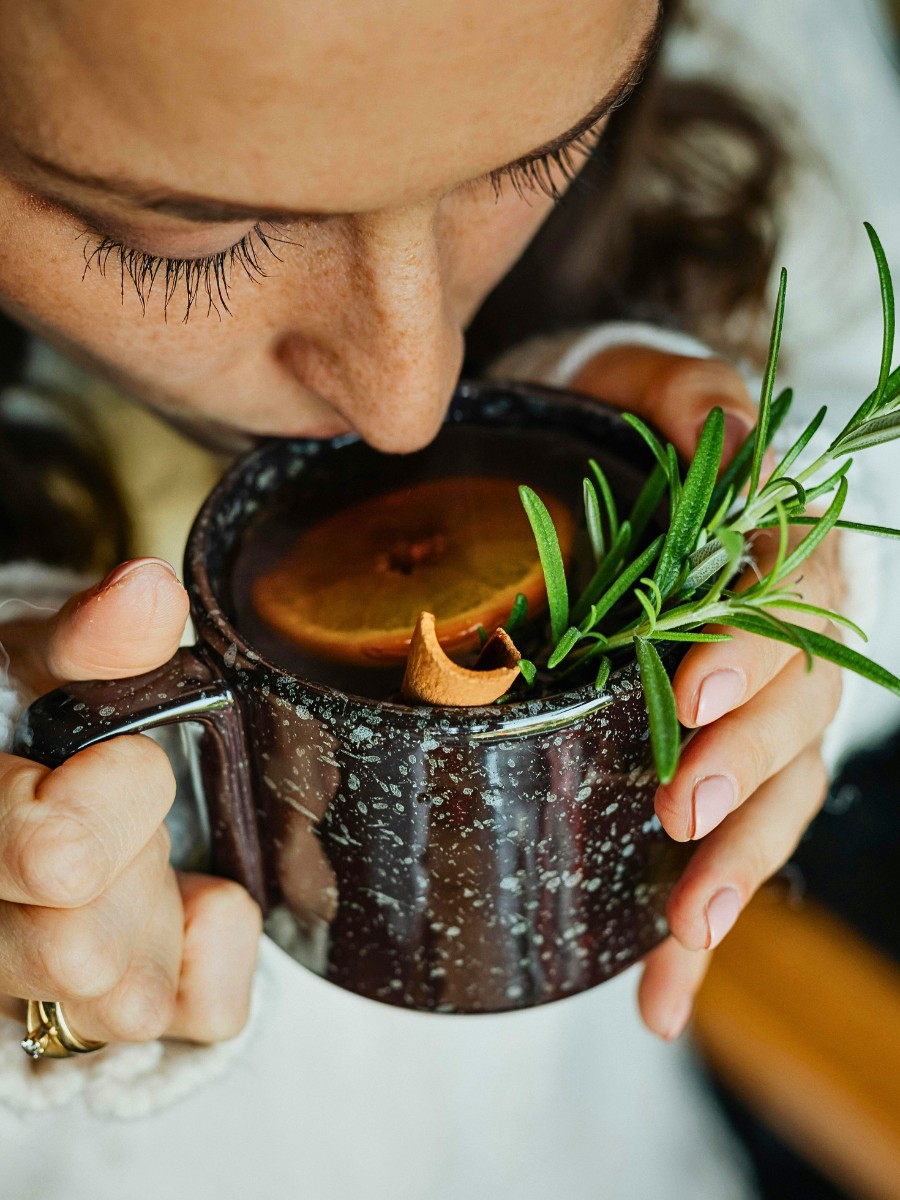
Rosemary, another common holiday plant, contains compounds that research suggests may support cognitive function and memory. Its sharp, herbal scent has been associated with improved concentration and mental clarity in several studies.
Why Holiday Scents Trigger Memories
Science has a name for the phenomenon in which smells trigger vivid memories. The Proust effect, named after Marcel Proust's novel, in which a madeleine cake dipped in tea brought back childhood memories, comes in many forms. The smell of old books triggers memories of a favorite library. A specific perfume reminds you of a past loved one. Or the scent of cut grass brings back elementary school days.
For holiday scents, they create what researchers call autobiographical memories. These are personal, detailed recollections that tend to be more emotionally charged than memories triggered by other senses. The reason has to do with how the brain processes and stores scent information alongside emotional experiences.
Many people encounter holiday scents during moments that already carry emotional significance. Family gatherings, traditions, special meals, and celebrations all happen while these distinctive smells fill the air. After years, the brain strengthens these connections.
The scent of pine or cinnamon then carries the weight of every holiday memory you have ever made in the presence of that smell. This is part of what makes the holiday season feel so special. These scents become anchors to positive feelings and experiences from one’s past, helping them feel connected to much more than the present moment.

What Winter Flowers Add to Your Space
While evergreens often take center stage, winter-blooming flowers have their own benefits in holiday environments. They offer different aromatic profiles that can complement the sharper scents of pine and fir.
Paperwhites produce a sweet, distinctive fragrance that contains compounds similar to those found in jasmine. Jasmine has been used in traditional practices to promote relaxation and reduce feelings of anxiety. In moderate amounts, paperwhites add warmth to your space during the cold months.

Hyacinths bloom beautifully indoors during winter and release a fragrance made up of more than sixty different aromatic compounds. Research suggests that hyacinth scent may help improve sleep quality and reduce stress. The fragrance is rich, but not overwhelming, making it a good choice for bedrooms or quiet spaces where you’d want to feel calm.
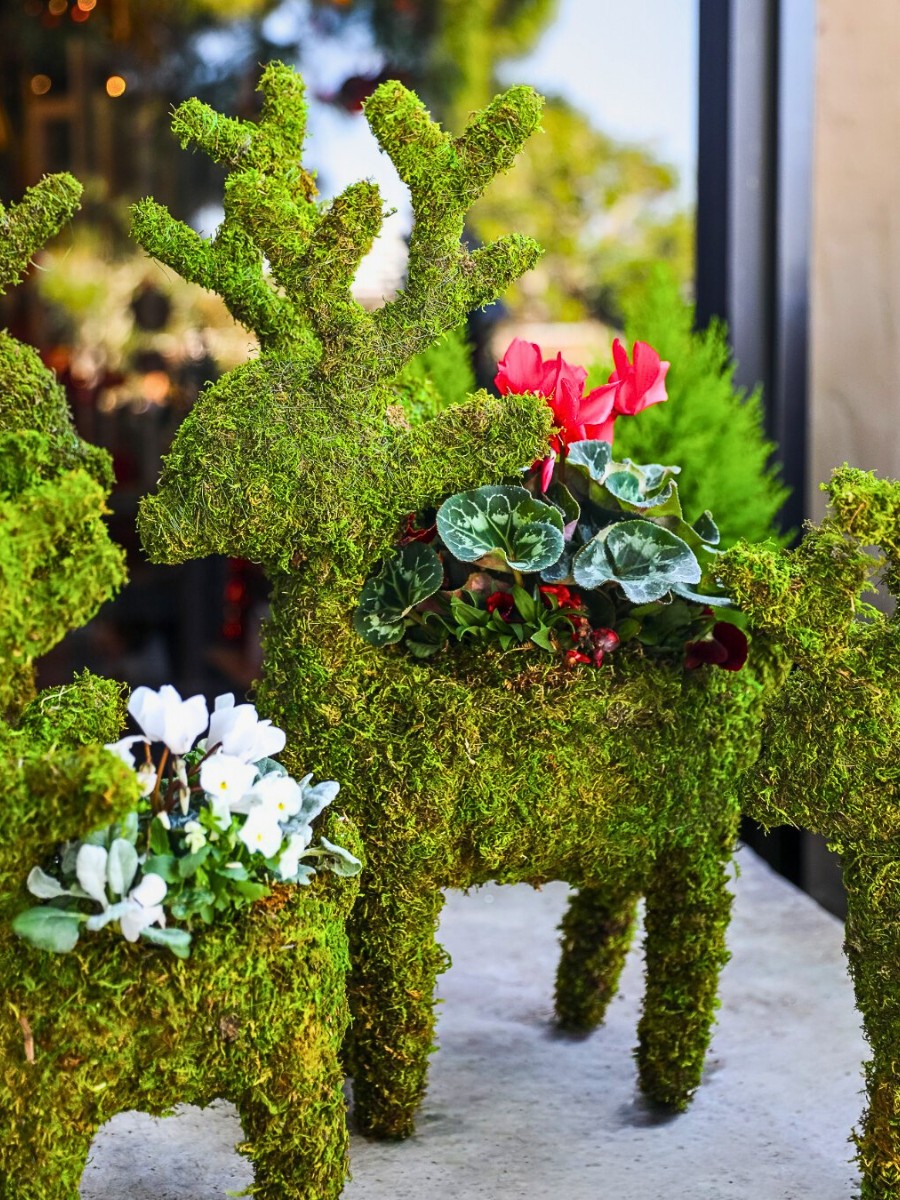
Cyclamen offers a gentler approach. Its subtle, sweet scent provides a soft background note that does not overpower other holiday fragrances. Many people find it soothing and pleasant, adding to the overall comfort of a space.
Using Holiday Scents to Support Well-Being
Knowing how these scents work means you can be more thoughtful about bringing them into your home. Different plants and flowers offer different benefits, so you can choose based on what you need during this busy season. If you are dealing with holiday stress, evergreens can help. You don't need an entire tree to experience the benefits. A simple wreath or a few branches can make a difference. Place them in areas where you spend the most time or where you need a cue to slow down and breathe.
When you need mental clarity, eucalyptus and rosemary work well. Try placing eucalyptus in your bathroom where the steam from your shower will release its aromatic compounds. A small pot of rosemary near your workspace can help you stay focused when tackling holiday planning or year-end tasks. If sleep feels elusive, consider adding hyacinths or other gently scented flowers to your bedroom. Keep them at a comfortable distance if the fragrance is strong. The goal is a subtle presence and not an overwhelming one.

Bringing It All Together in the Comfort of the Seasons’ Rituals
Aside from neuroscience, the ritual of bringing these scents into the home: choosing a Christmas tree, arranging flowers, or hanging evergreen garlands, connects to traditions that span generations and cultures, and the brain recognizes these patterns. The familiar scents signal safety, home, and the furtherance of comforting traditions.
In uncertain times, this kind of predictability and connection to the past provides psychological benefits of creating an environment that supports decorating while addressing emotional needs. So, yes, holiday greens do more than make the home smell nice. The compounds they release into the air considerably affect stress levels, mental clarity, and emotional state through the memories and the rituals they are part of.

These natural scents work in the background, supporting you through that time of the year while helping you connect with the joy and warmth, making the holidays special. Just pay attention to how different scents make you feel, and you will notice which ones help you relax and which ones energize you.
Feature image by @prostooleh. Header image by Sóc Năng Động.