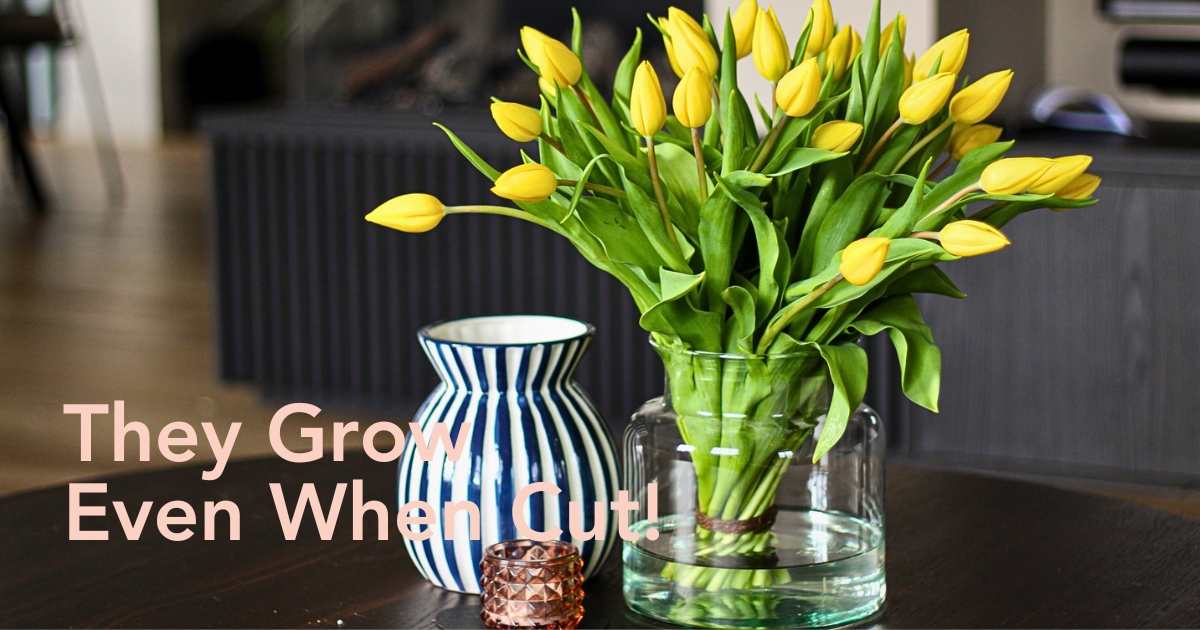
Even after they have been carefully cut and arranged, tulips never seem to stop growing. Give them a day or two in a vase, and suddenly they are noticeably taller, curvier, and leaning toward the light as if they have found a second life. It can all feel almost willful. And in a way, it is. This post-harvest performance is part science, part wonder, and every bit the reason why tulips remain such living symbols of spring’s persistent energy.
Why Tulips Never Really Stop Growing
Tulips are not like most cut flowers. Where roses or lilies tend to pause once trimmed, tulips continue to move and stretch long after being placed in water. If you have ever noticed them bending gracefully in various directions overnight, that is because they are still growing. On average, these flowers can lengthen, sometimes by one to two centimeters per day in a vase, which is quite amazing considering their stems have already been cut from their bulbs.
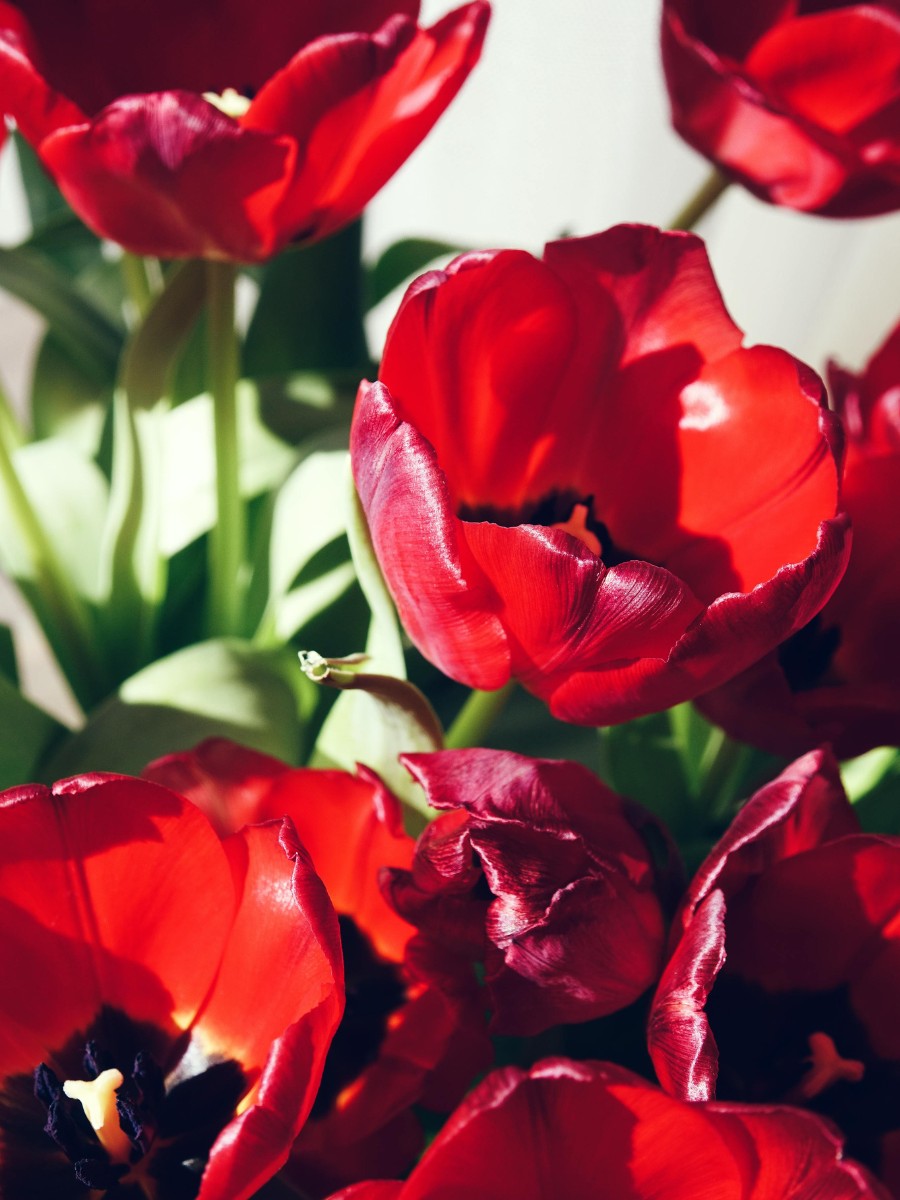
Tulips are what botanists call indeterminate growers in the early stages of their development. When you cut and place these flowers in water, their stems have not finished growing yet. The flower was, essentially, already in the middle of an active growth phase when it was harvested, and that process does not halt simply because it has been separated from its bulb.
The cells in the stem continue to elongate after cutting, driven by a process called cell elongation, where individual plant cells absorb water, swell, and push the stem longer. As long as water is available and the cells remain biologically active, the stem will continue to stretch.
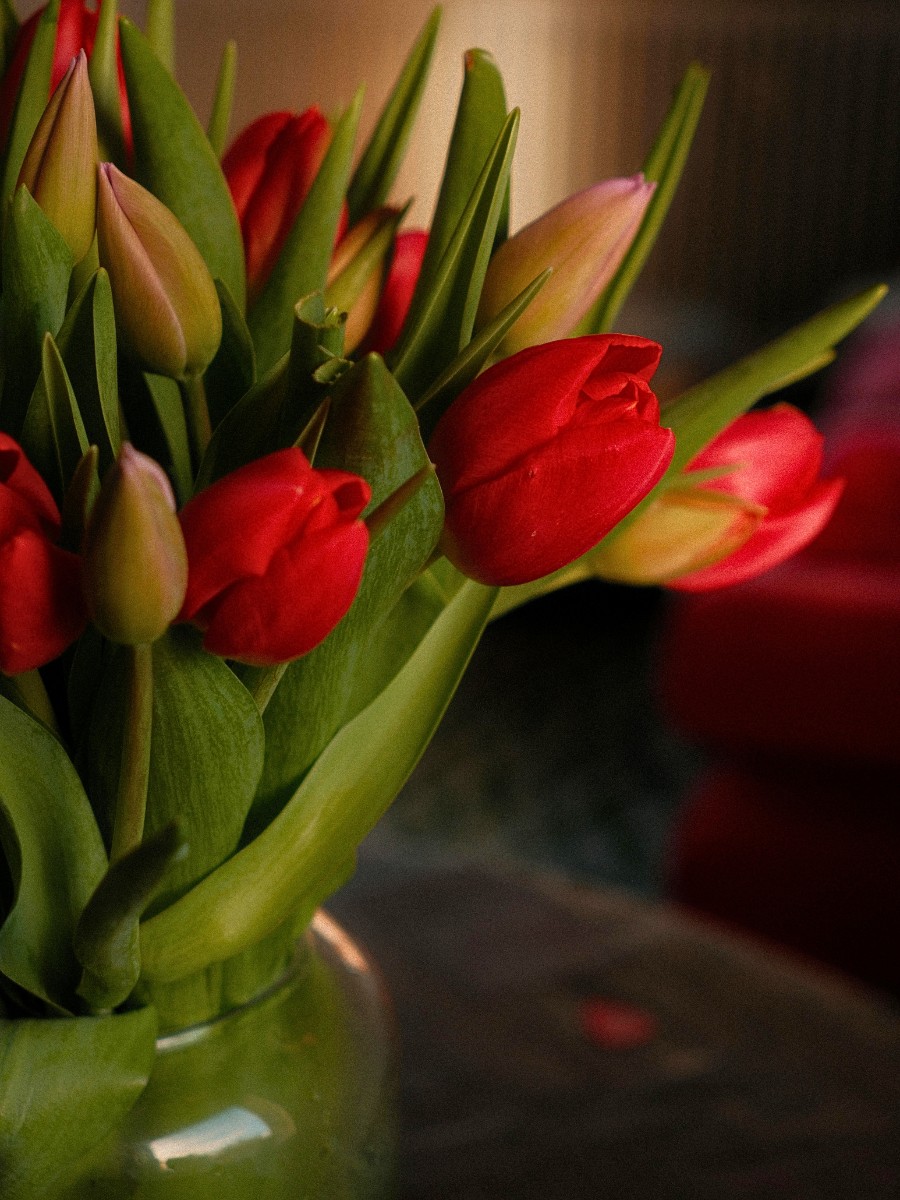
The Science Behind the Continued Growth and the Role of Auxin
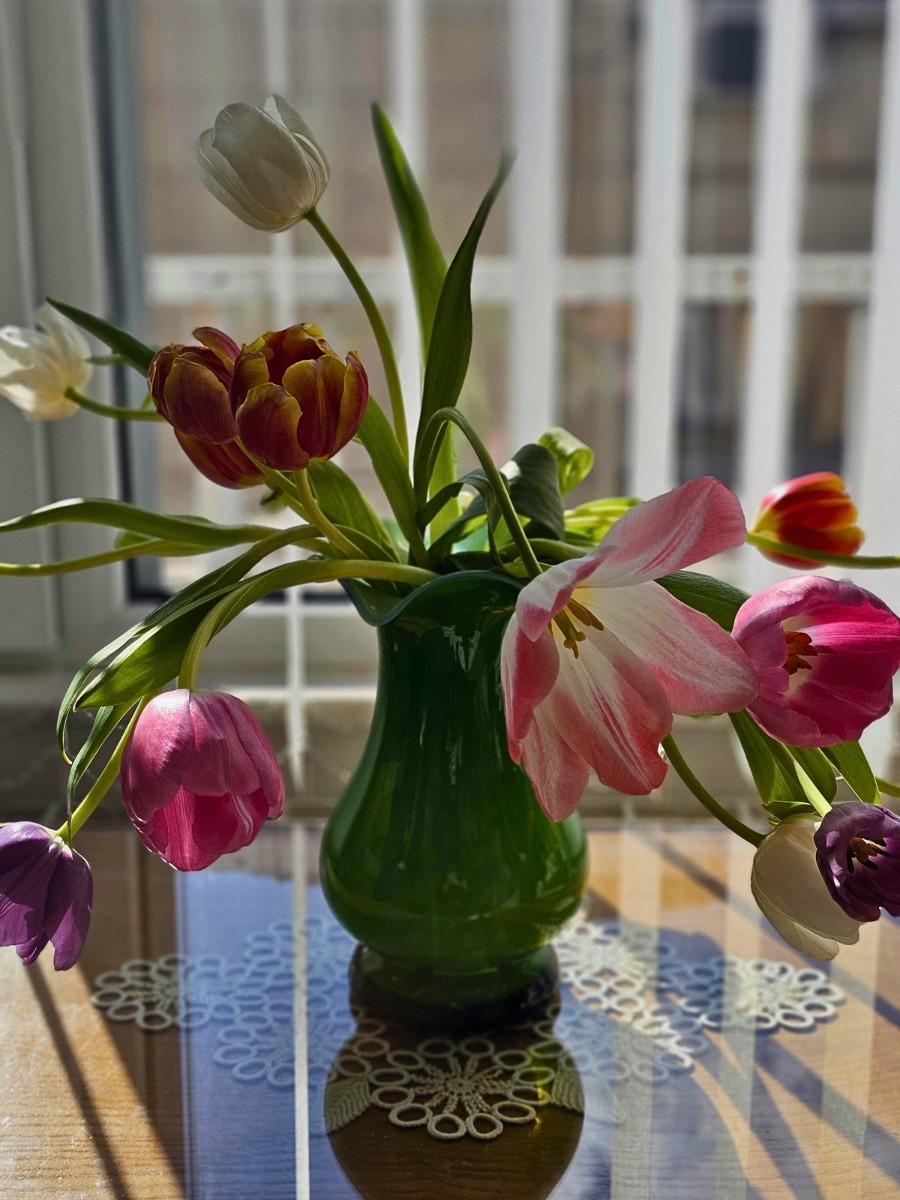
Much of the tulip's bending and directional growth comes down to a hormone called auxin. This growth-regulating compound is produced in the tip of the flower and moves downward through the stem. Under normal conditions, auxin distributes evenly, promoting upright, symmetrical growth. When light enters from one side, however, auxin migrates to the shaded side of the stem.
That side then grows faster than the lit side, causing the stem to curve toward the light source. This response is called phototropism, and it is why a vase of tulips left near a window will, within hours, lean noticeably in that direction. Auxin is also responsible for the way tulips curve and droop as they open. As the flower head grows heavier, gravity pulls it down while auxin concentrations shift, producing those elegant arching shapes that tulips are so well known for.
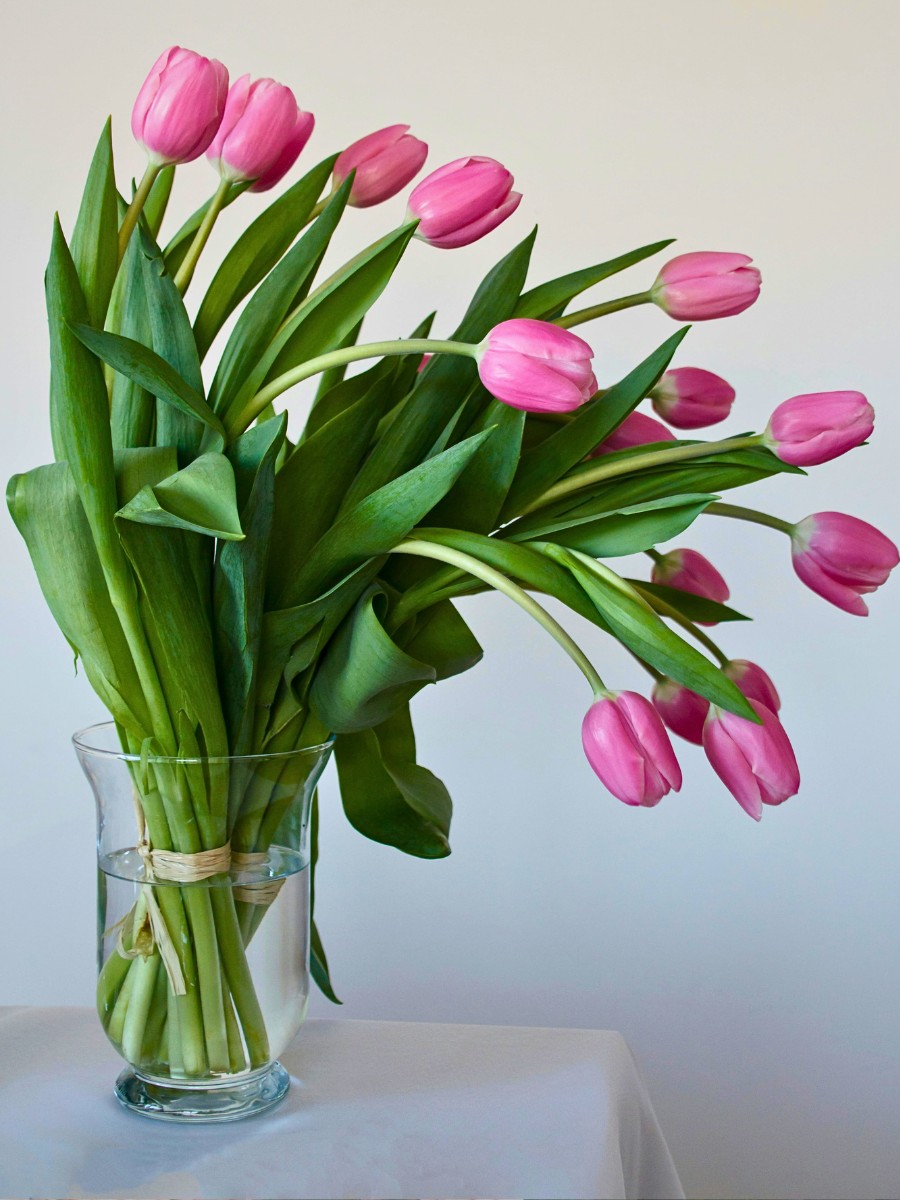
So, in essence, the stems of tulips remain biologically active even after harvest because their cells keep absorbing water. And the auxins direct their cell expansion such that when light hits one side of the stem, they gather on the opposite side, causing that side’s cells to elongate and bend the flower toward the light source. This fascinating hormonal process continues as long as the stems have access to water and remain hydrated.
Stored Energy in the Stem’s Internal Reserve
Another fascinating detail is that a cut tulip does not need its bulb to keep growing. Their stems act like a miniature energy tank, carrying enough stored energy, in the form of carbohydrates and sugars, to fuel continued cell division and elongation for several days after cutting. Basically, the plant stores these nutrients to power its post-cut activities. Once placed in a vase, this internal energy combines with absorbed water to fuel more cell elongation.
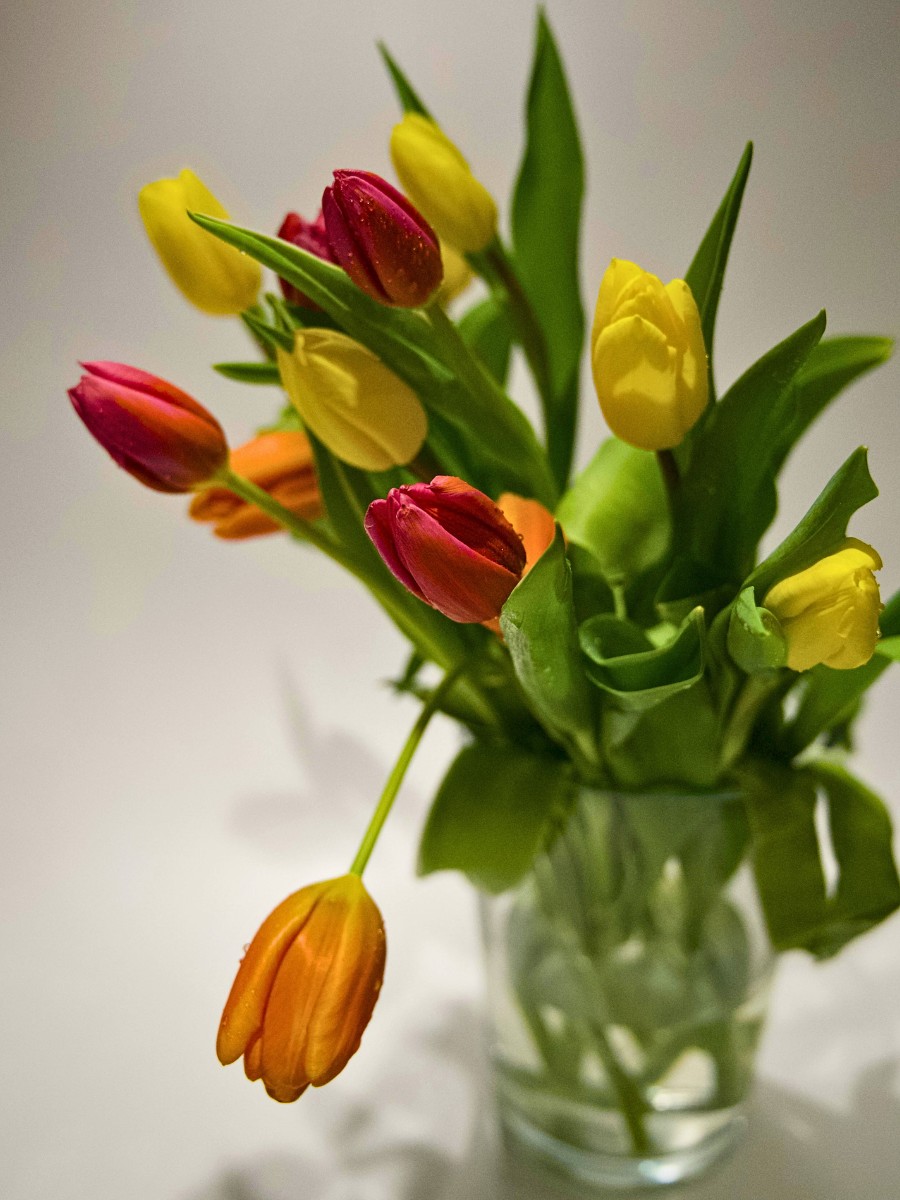
Think of it as the plant carrying its own lunchbox. The bulb was the pantry, but a portion of those nutrients was already loaded into the stem before harvest. As long as water is available to facilitate the movement of these nutrients and support cellular activity, the tulip will keep drawing on that reserve.
This is also why the quality and length of a tulip's vase life depend so heavily on the stage at which it was cut. Tulips harvested when the bud is still tightly closed but starting to show color tend to have the most stored energy available, giving them the longest and most active post-harvest life.
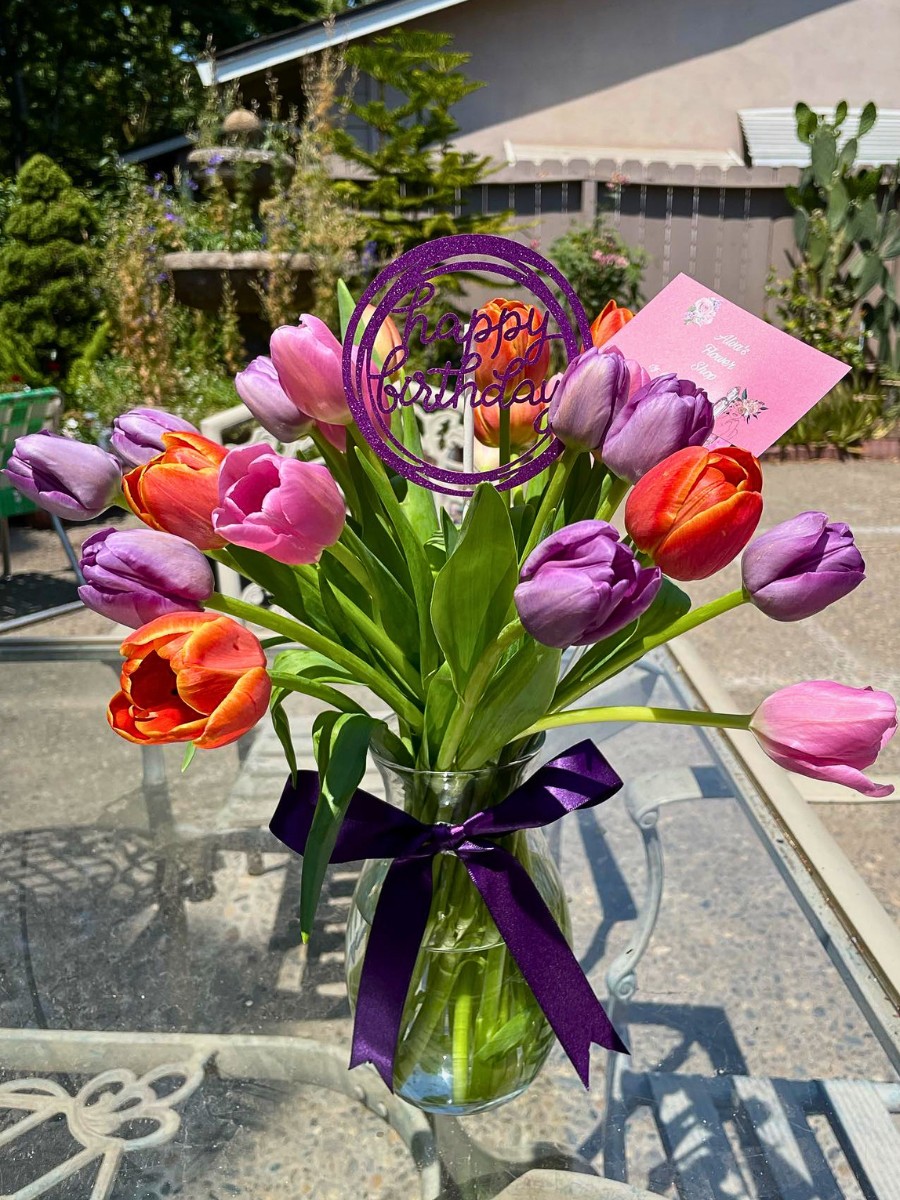
Effects of Temperature Changes
Tulips are cool-weather plants, and they respond strongly to temperature. Warmth accelerates growth and causes them to open faster; cool temperatures slow that process down considerably. A vase of tulips kept in a cold room lasts significantly longer and grows more slowly than the same flowers placed near a heat source. This sensitivity is due to the tulip's origins.
Native to the cold mountain regions of Central Asia, the tulip evolved to do most of its growing during cool, wet springs. Its biology is calibrated to thrive in those conditions, which is why florists and flower handlers keep them refrigerated until the time of sale. At home, keeping them away from direct sunlight, heating vents, and ripening fruit (which emits ethylene gas that speeds up aging in flowers) slows their growth rate and extends their vase life.

Why the Bending Is Not a Problem
Many people worry when their tulips begin to curve and droop, which is worth addressing, too. In most cases, bending is perfectly natural and is not a sign that the flower is dying or that something has gone wrong. It is simply auxin doing its work. That said, a few practical tips can keep stems more upright if you prefer that look.
Rotating the vase a quarter turn each day evens out the light exposure and counteracts phototropic bending. Adding a penny to the water is a folk remedy with some scientific basis, as the copper acts as a mild antimicrobial agent that slows bacterial growth in the water. Wrapping newly purchased tulips in newspaper for a few hours while they stand in water is an old Dutch trick, which encourages straighter stems by supporting the flower heads while the stems firm up.
What Ends the Growth?
Eventually, the tulip's stored energy runs out, the cellular machinery slows, and the flower opens fully. At this point, the petals begin to drop, the stem softens, and the growth process comes to a natural close. In warmer conditions, this can happen within five to seven days. In a cool, well-lit spot with fresh water changed every two days, a good tulip can stay vital for ten to fourteen days.
The end of a tulip's life marks the completion of a biological process that began when the bulb pushed its first shoot through the soil, continued through harvest, and only concluded when every last bit of stored energy had been used. Few flowers commit to life with quite the same determination.
Caring for Vase-Grown Tulips
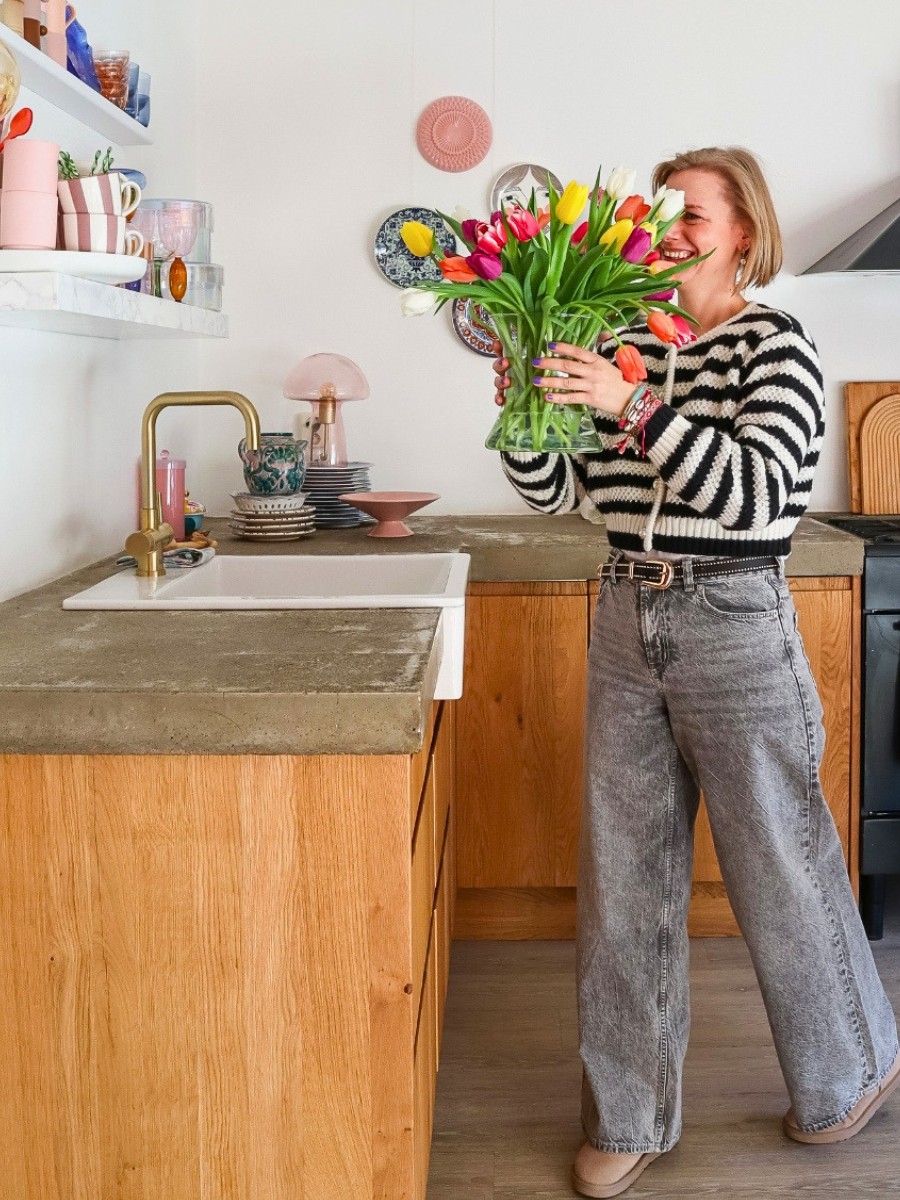
Keeping tulips graceful in a vase involves a few simple steps.
- Trim the stems: Cut about half an inch off the stems before placing them in water. Doing so removes any clogged ends, improving hydration.
- Use cool, fresh water: Tulips prefer cool temperatures, which slows wilting and helps preserve their stem strength.
- Change water daily: Clean water prevents bacterial growth, allowing stems to take up moisture more efficiently.
- Use a tall vase: Tulip stems are flexible and can curve easily. Supportive vases help control this movement while still allowing natural expression.
- Keep away from direct sunlight or heat: While phototropism draws tulips toward light, too much warmth can make them fade faster.
- Lastly, keep them away from ripening fruits, which emit ethylene gas that speeds up aging in flowers.
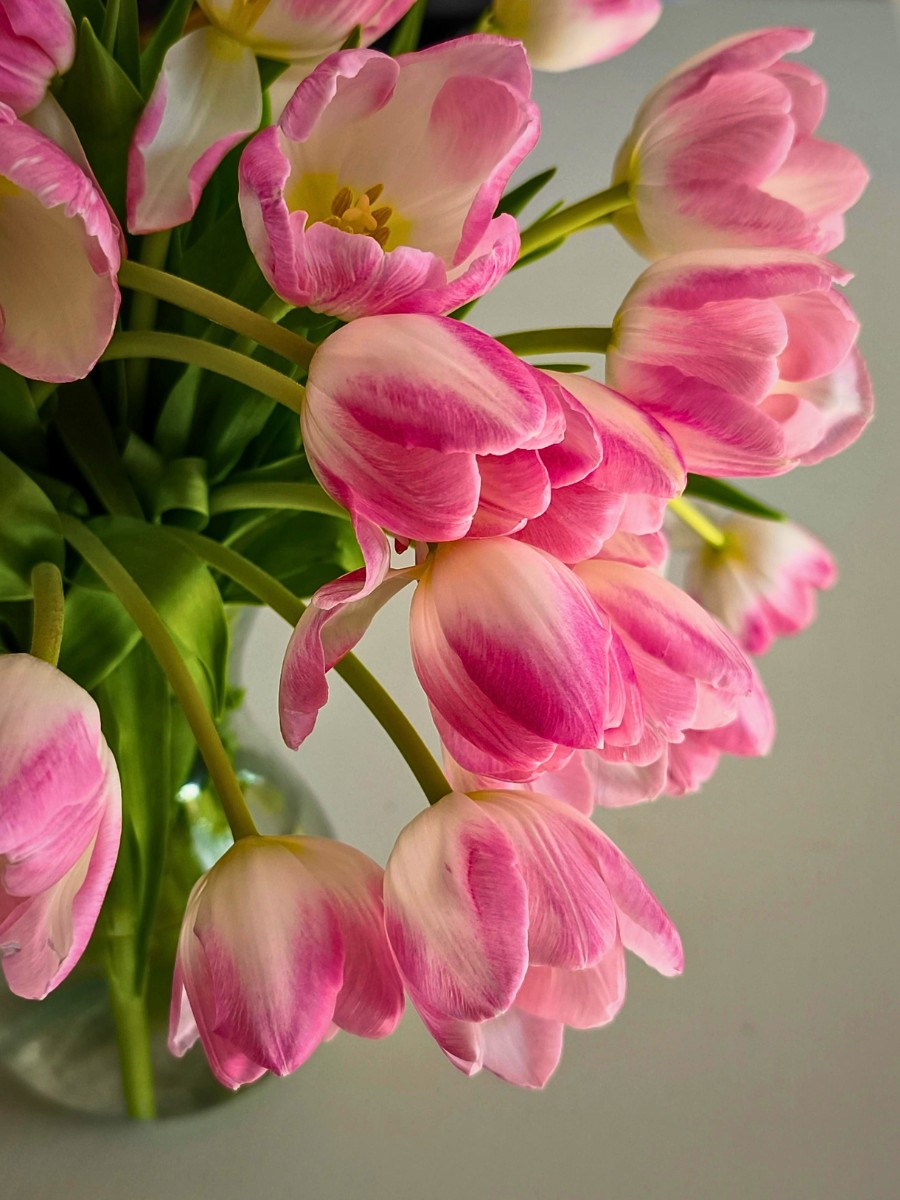
Following these steps helps the tulip’s post-harvest growth stay balanced, resulting in more elegant curves and longer-lasting beauty.
Featured image by Irene Ästhetik. Header image by @tulpenonline.