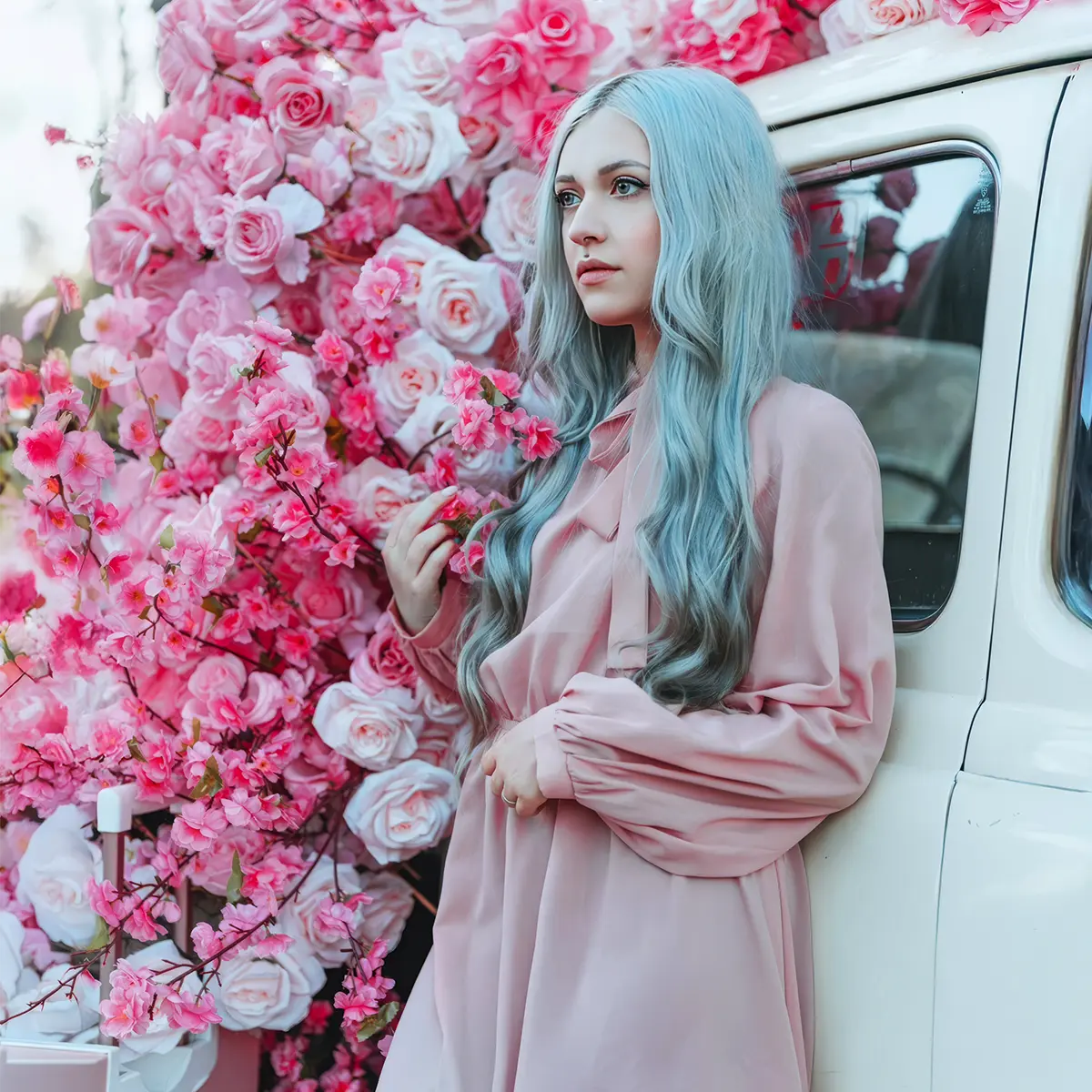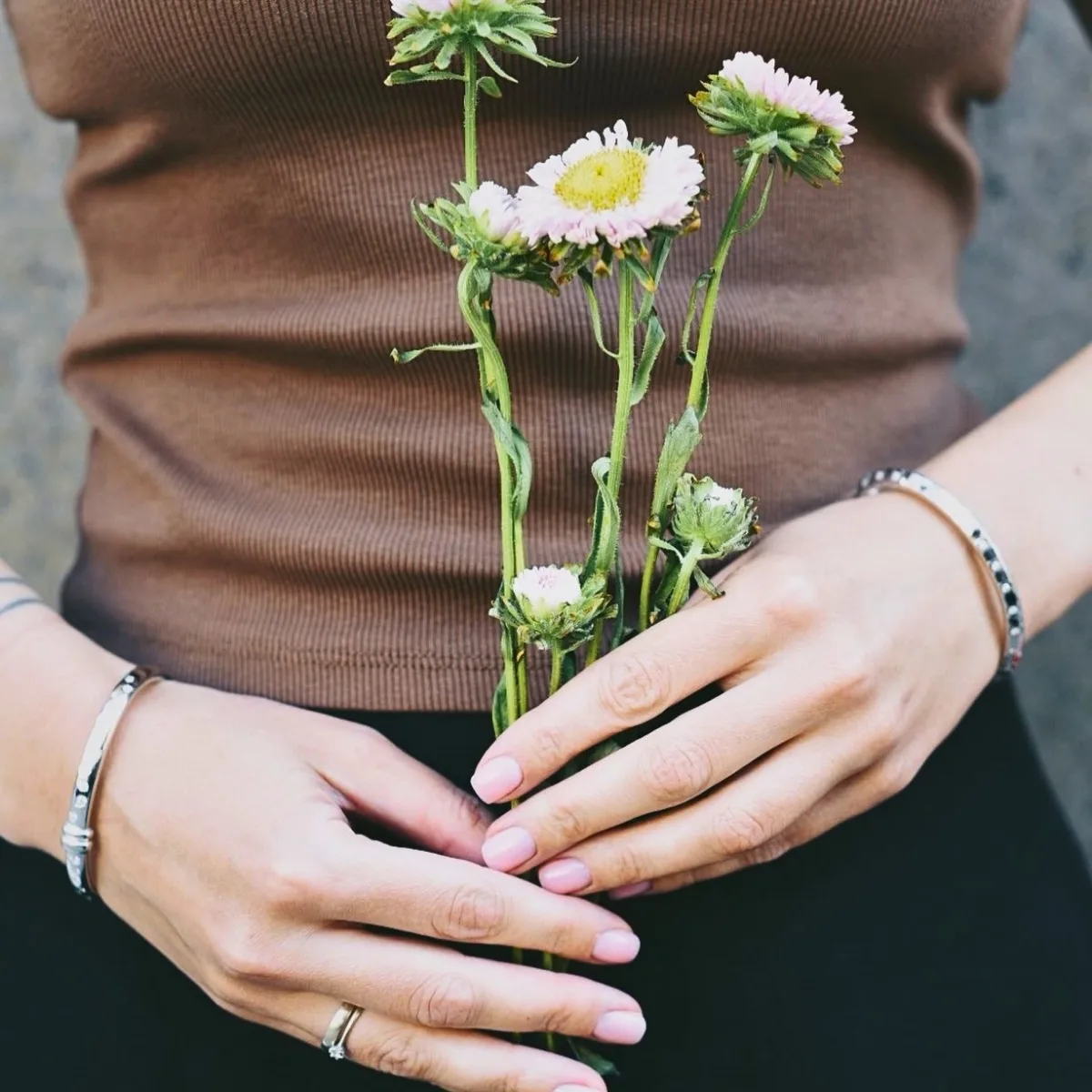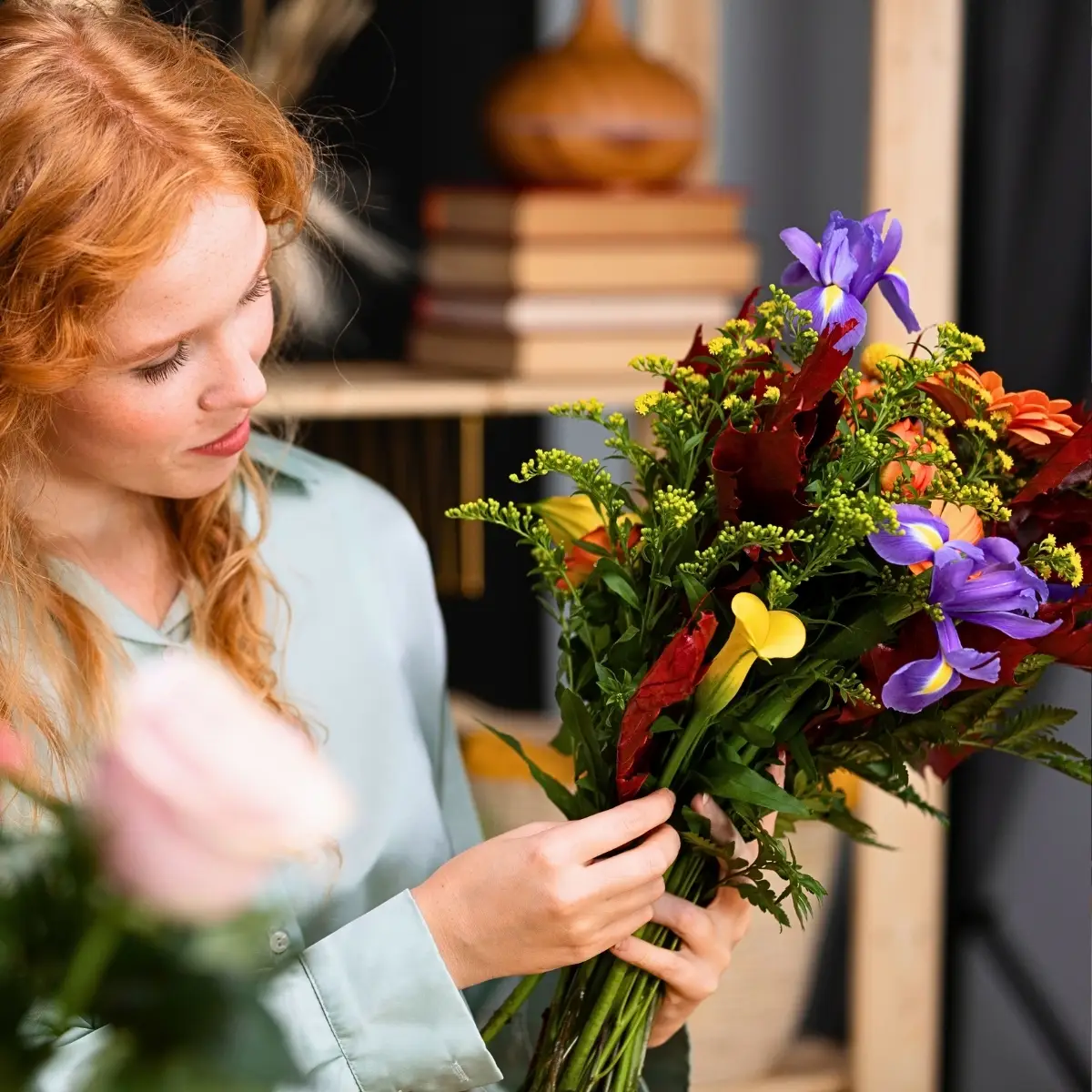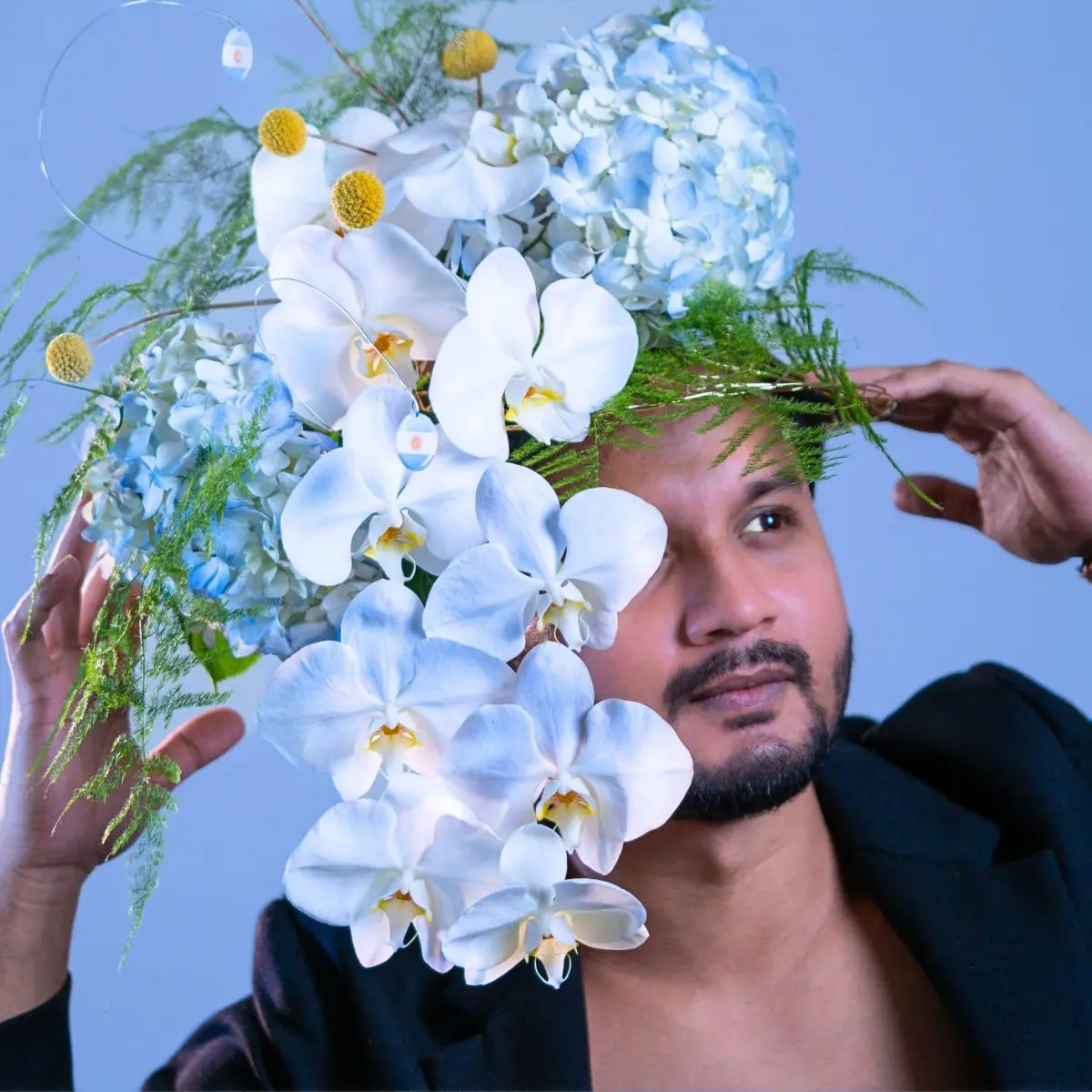
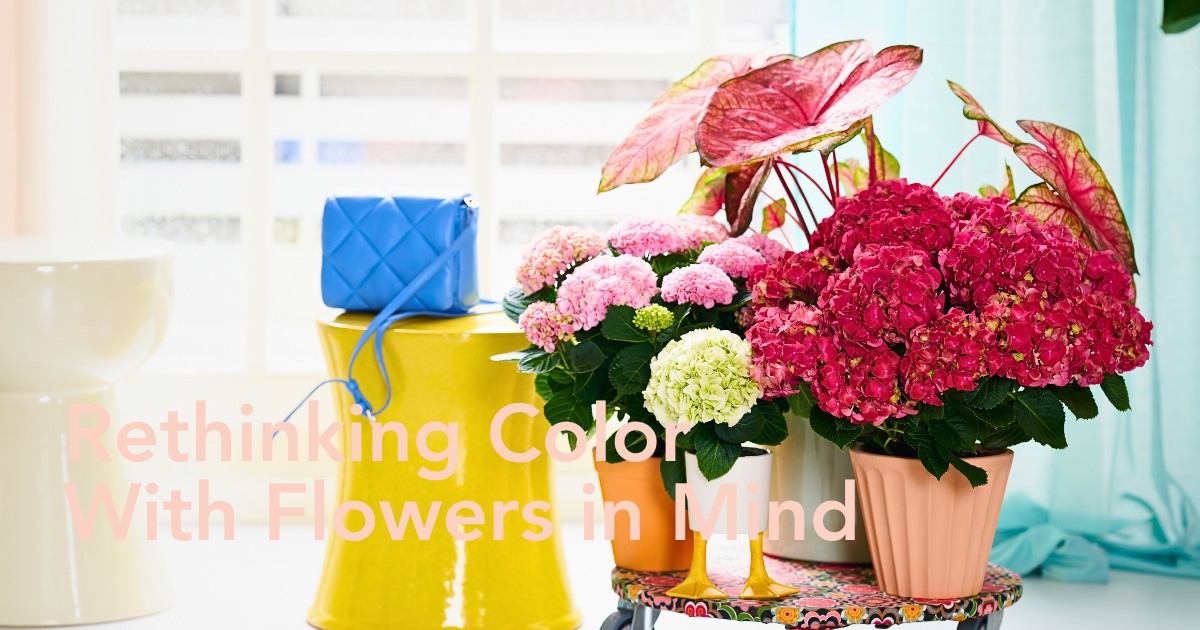
They say color is a universal language. It speaks all dialects. American modernist painter, Georgia O'Keeffe, once said: "I found I could say things with color and shapes that I couldn’t say any other way – things I had no words for." Hence, every March 21st, the world pauses to appreciate color, from the soft blush of a garden rose to the electric yellow of a sunflower.
The International Color Day calls for slowing down, looking around, and really seeing the world in all its glorious, generous hues. It is a day set aside to honor the language of color, the shades that stir emotion, and spark creativity. And perhaps nowhere is this celebration more naturally expressed than in nature with floral colors.
The Story Behind International Color Day
The idea of dedicating a day to color first came up in 2008, proposed by the Portuguese Color Association. A year later, the International Color Association (AIC) adopted it, giving the concept a global platform. The AIC wanted to draw global attention to the big role that color plays in every facet of human life: how we communicate, feel, design our spaces, experience nature, and connect with it.
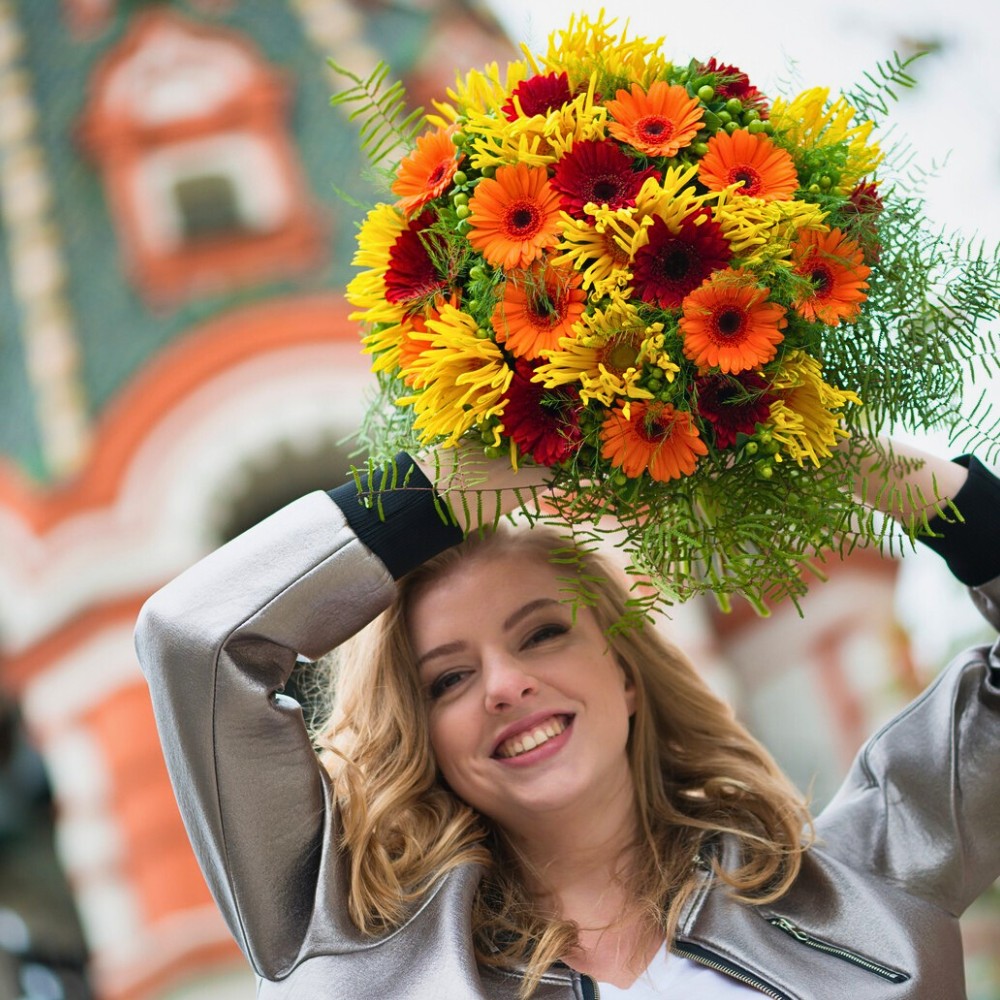
The date chosen, March 21st, was no accident, as it falls on the March equinox, the astronomical moment when day and night are roughly equal in length all over the world. The balance of light and dark felt like a fittingly poetic anchor for a day dedicated to color, since itself; it is fundamentally a product of light. Without light, there would be no color.
March 21st also coincides with the first day of spring in the Northern Hemisphere. Spring, after all, is when the natural world begins its most breathtaking color show of the year, and flowers are the headliners of that performance. Since 2012, countries from Japan to Mexico and from South Africa to the United States have observed the day.
Museums host exhibits, design schools put on workshops, and communities explore color in their own creative ways. But for many flower lovers, International Color Day feels especially personal as it presents a perfect occasion to celebrate nature’s floral palette.
Flowers and the Language of Color
If there is one corner of the natural world that embodies the spirit of International Color Day most fully, it is in flowers. Flowers have been humanity's most intimate color companions for thousands of years. Humans have grown them, studied them, painted them, pressed them, given them as gifts, and interlaced their colors into the very element of their being.
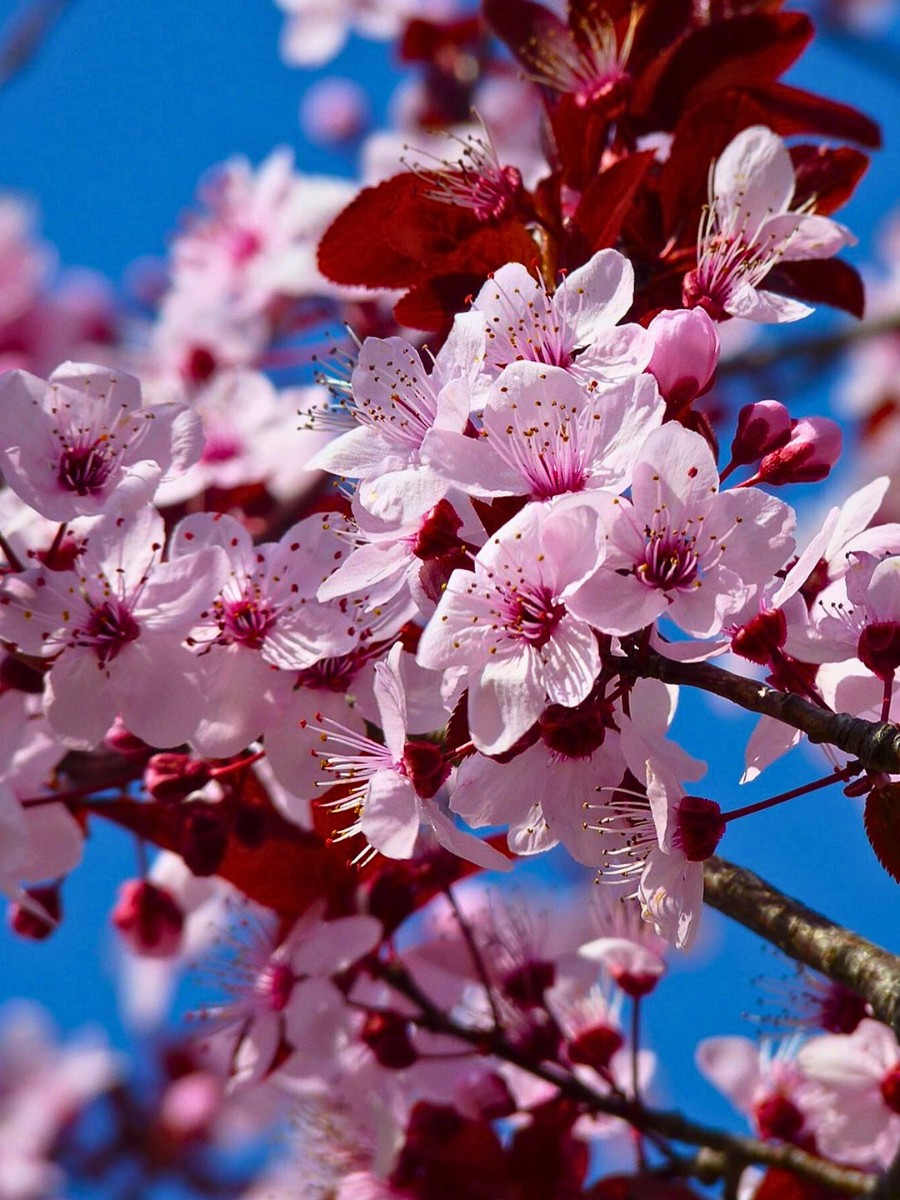
Think about what a garden offers in March alone. Daffodils in a yellow color, so clear and cheerful, tulips appear in shades ranging from the purest white to the deepest, most velvety near-black, cherry blossoms in clouds of the palest pink, deep red flowers of different varieties, or hyacinths that perfume the air in purple, blue, and white.
Floral designers pay especially close attention to color theory, perhaps more than almost any other design profession. Because they work with a palette which changes with the seasons, the color wheel is as essential a tool in floral work as scissors and wire are.
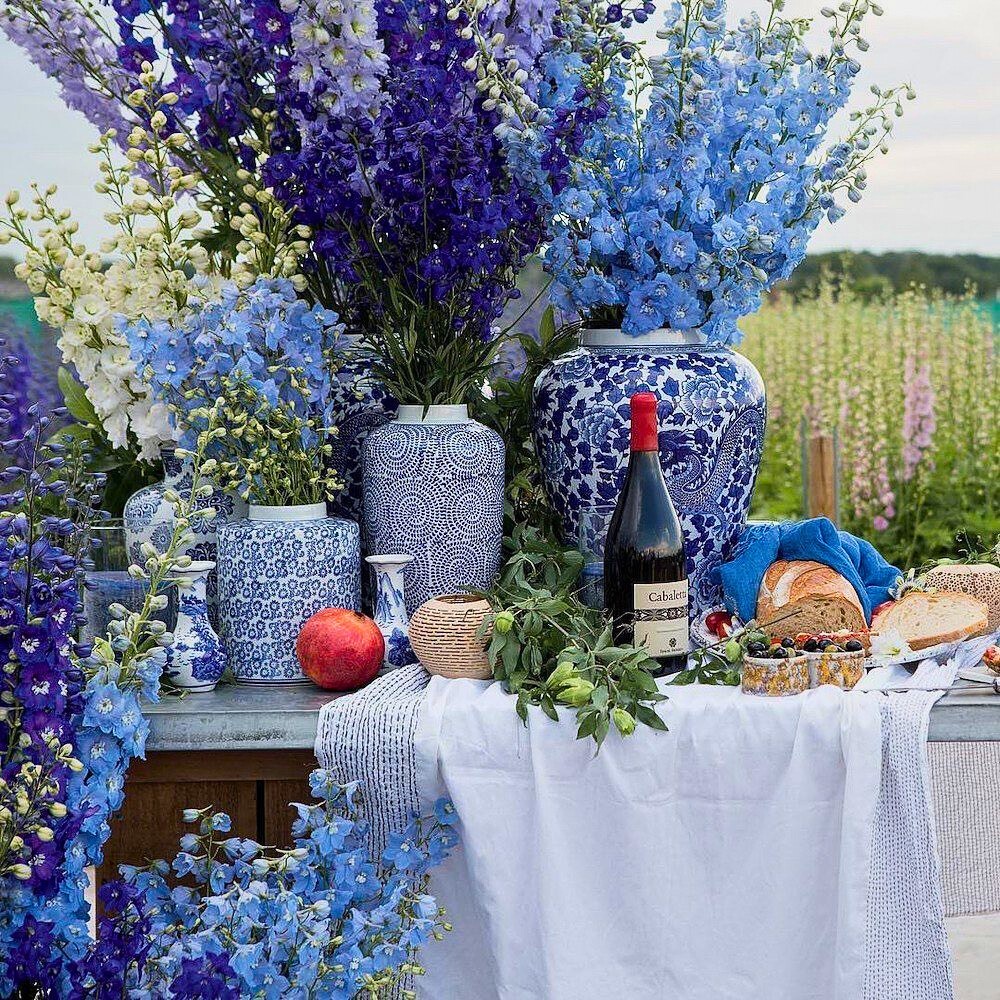
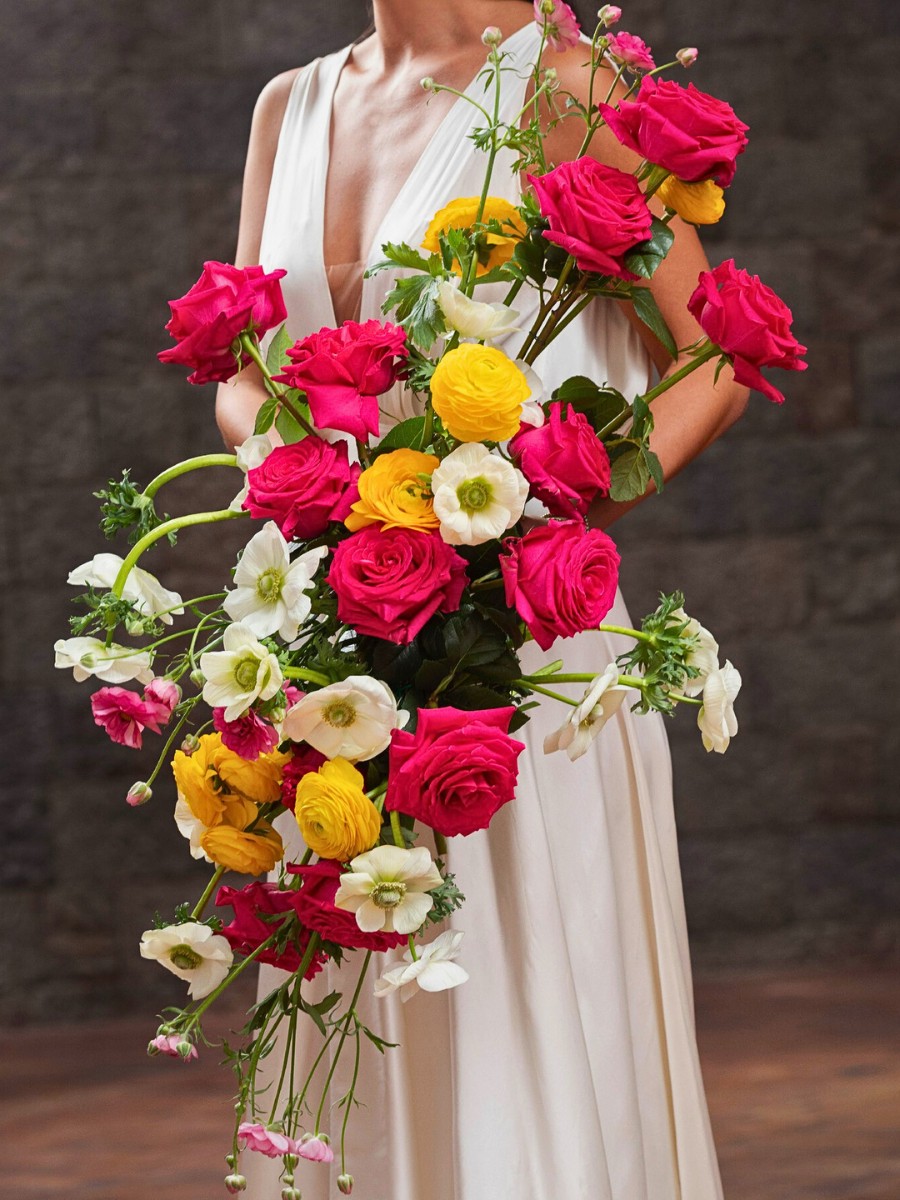
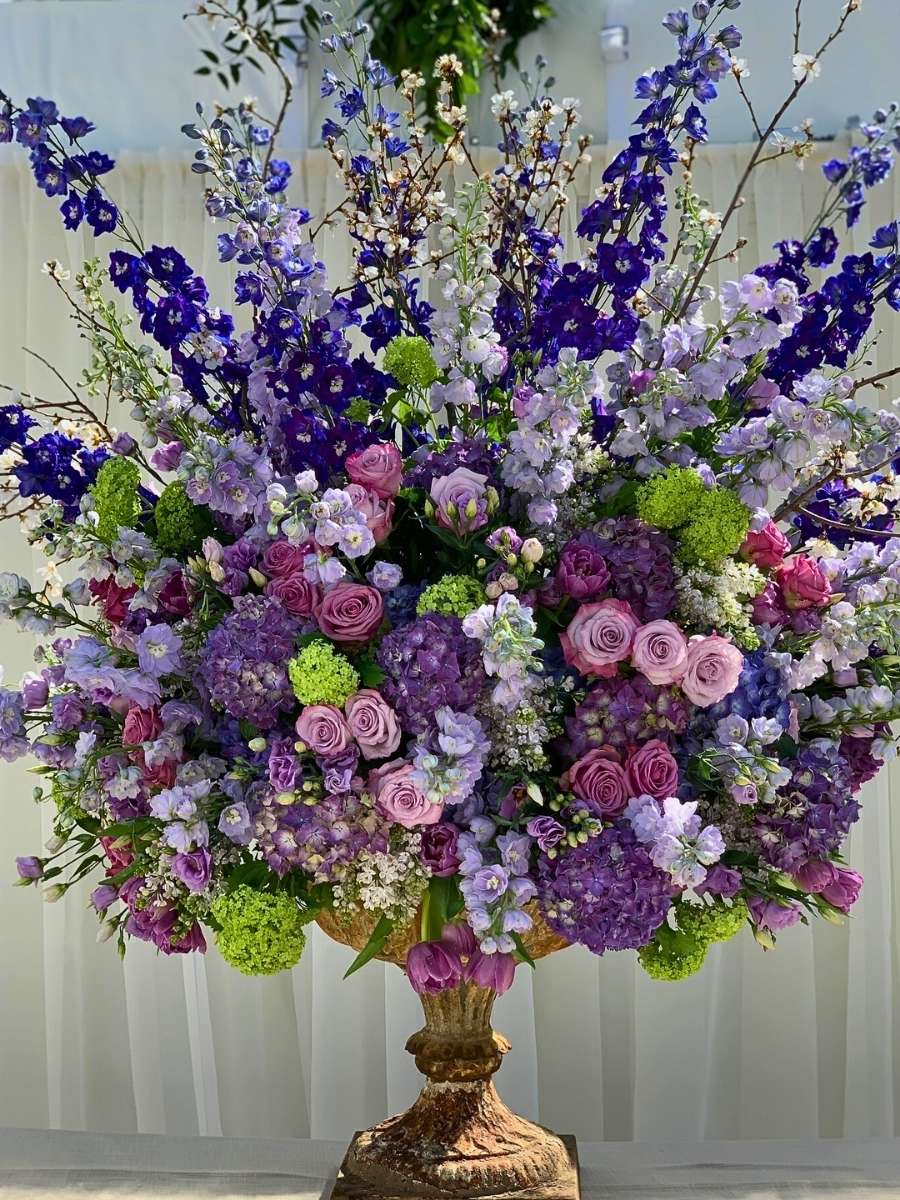
Complementary colors, those sitting opposite each other on the wheel, create excitement and energy when placed together. Analogous colors, those sitting next to each other, create harmony and flow. A skilled floral designer knows that a bouquet of warm apricot ranunculus, coral peonies, and dusty rose garden roses communicates a very different emotional narrative than a bunch of stark white anemones with deep black centers.
Flower color also carries ages of cultural meaning. In the Victorian era, people communicated through flower choices and arrangements in the practice of floriography. Red roses meant passionate love. Yellow roses suggested friendship, white lilies carried associations with purity and remembrance, and purple violets spoke of faithfulness. Many of these associations still guide the way florists help customers choose flowers for specific occasions. On International Color Day, all these inferences certainly make sense.
Why Color Deserves Its Own Day
You might wonder whether color really needs a dedicated celebration. The answer, the more you think about it, is yes. Color is one of the most powerful communication tools humans have ever had, predating written language. Ancient peoples used plant dyes and mineral pigments to decorate pottery, cave walls, and ceremonial objects.
The colors they chose carried meaning, including red for vitality and danger, blue for the sky and water, yellow for the sun, and green for growth and abundance. These associations carry meaning today. In modern life, color influences everything from which products we buy to how we feel in a room, or how we interpret a brand or a piece of art. Medical researchers have studied how color affects mood, stress levels, and even physical recovery.
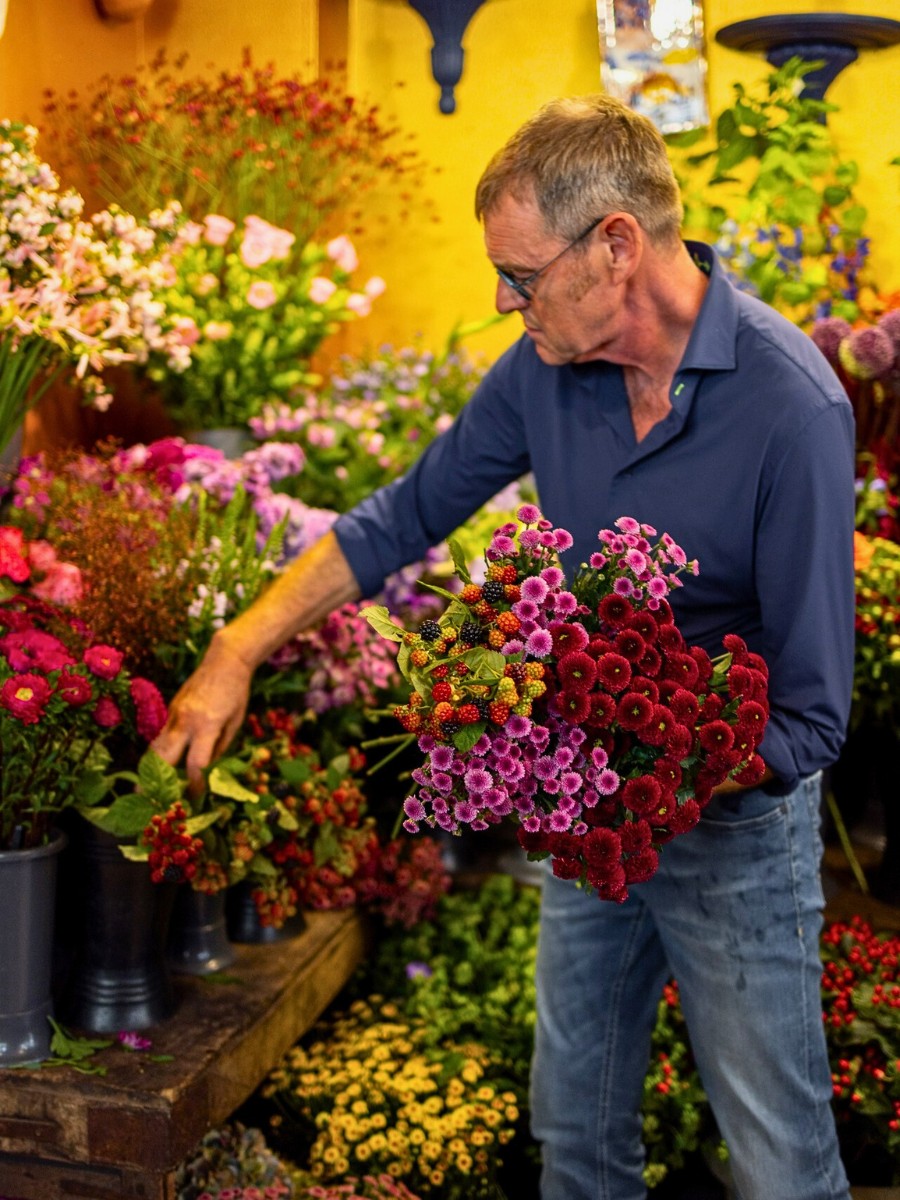
Interior designers know that a pale sage green wall has a different emotional effect than a deep burgundy one. Hence, color is more than just decoration. In the natural world, color means survival. Flowers, for instance, evolved their stunning shades to not just please the human eye (though they certainly do that beautifully), but to attract pollinators, warn predators, and signal ripeness.
The Power of Color in Everyday Life and Why We Celebrate International Color Day
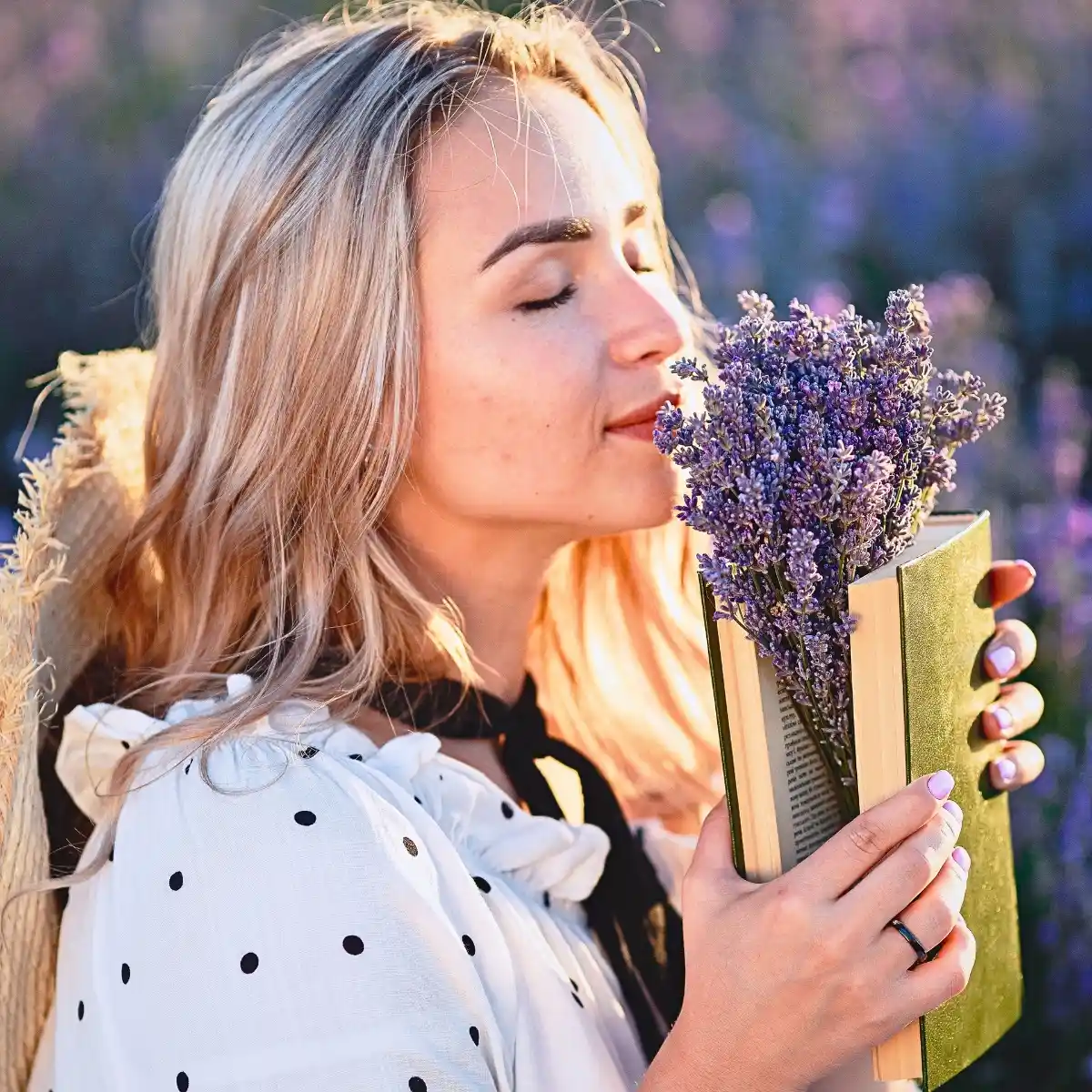
Color has a great influence on people, a lot more than they realize. It can inspire joy, calm, confidence, or nostalgia. The way we feel when we look at a deep red rose is not the same as the comfort that comes from soft lavender petals. Scientists who study color psychology have found that each shade triggers unique emotional responses; red energizes, blue relaxes, yellow invites optimism, and green renews.
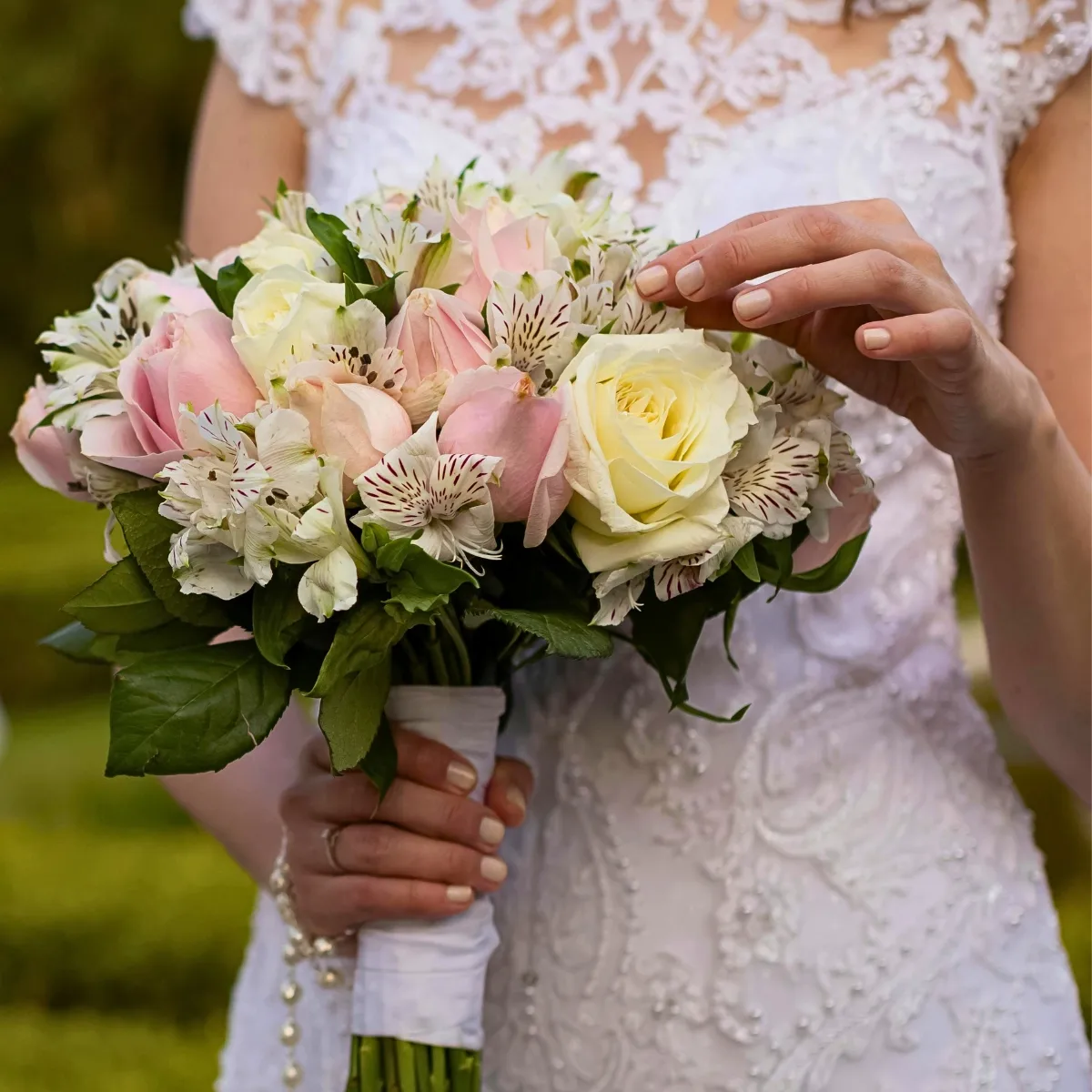
This emotional language is universal. When someone arranges flowers for a wedding, memorial, or simple dinner table, they speak through color; perhaps the cheer of golden ranunculus, the tenderness of pale pink peonies, or the purity of white calla lilies. International Color Day, therefore, addresses the idea that color is emotional, cultural, and human. It is not just visual.
How the International Color Day Is Observed With Nature and Flowers in Mind
International Color Day is observed in different ways depending on where you are in the world. Schools host color-themed art workshops. Universities and design schools organize exhibitions and lectures. Museums put together curated displays exploring color theory and its history. Artists share their colorful works on social media. Community gardens open their gates, inviting visitors to walk through, savor the palettes of colorful plants and flowers.
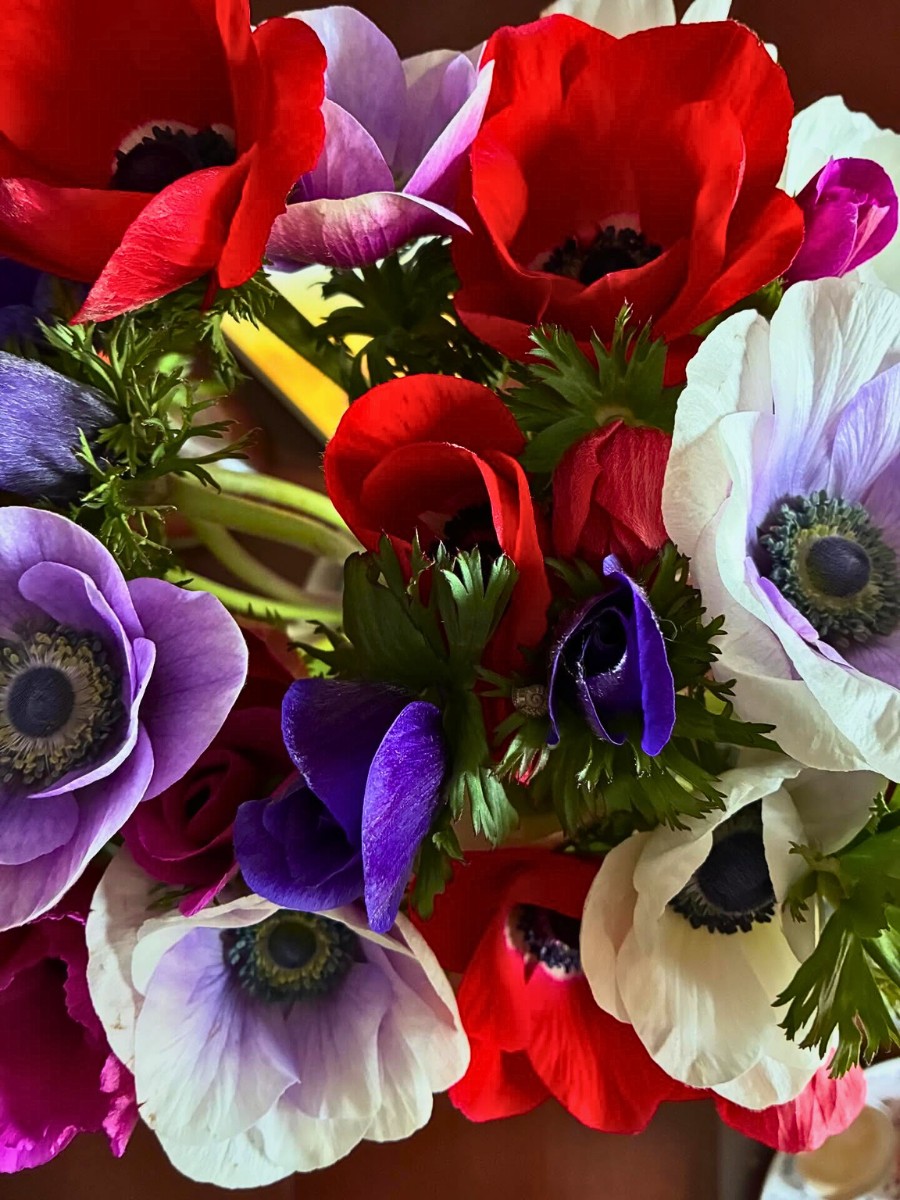
Florists, on the other hand, might showcase seasonal flowers in unusual color pairings, like the quiet earthiness of eucalyptus beside bold coral roses. Gardeners could share photos of color harmonies in their spring gardens, while artists sketch flowers, revealing how colors change under natural light. Some designers use the day to discuss sustainable color practices, like eco-friendly dyes and naturally pigmented materials inspired by plants.
Many cities organize outdoor events in public parks, and these often focus on spring planting displays. It is not unusual to see botanical gardens marking the occasion with special guided tours dedicated specifically to the color palettes of different flowers and what those colors signify in different cultures.
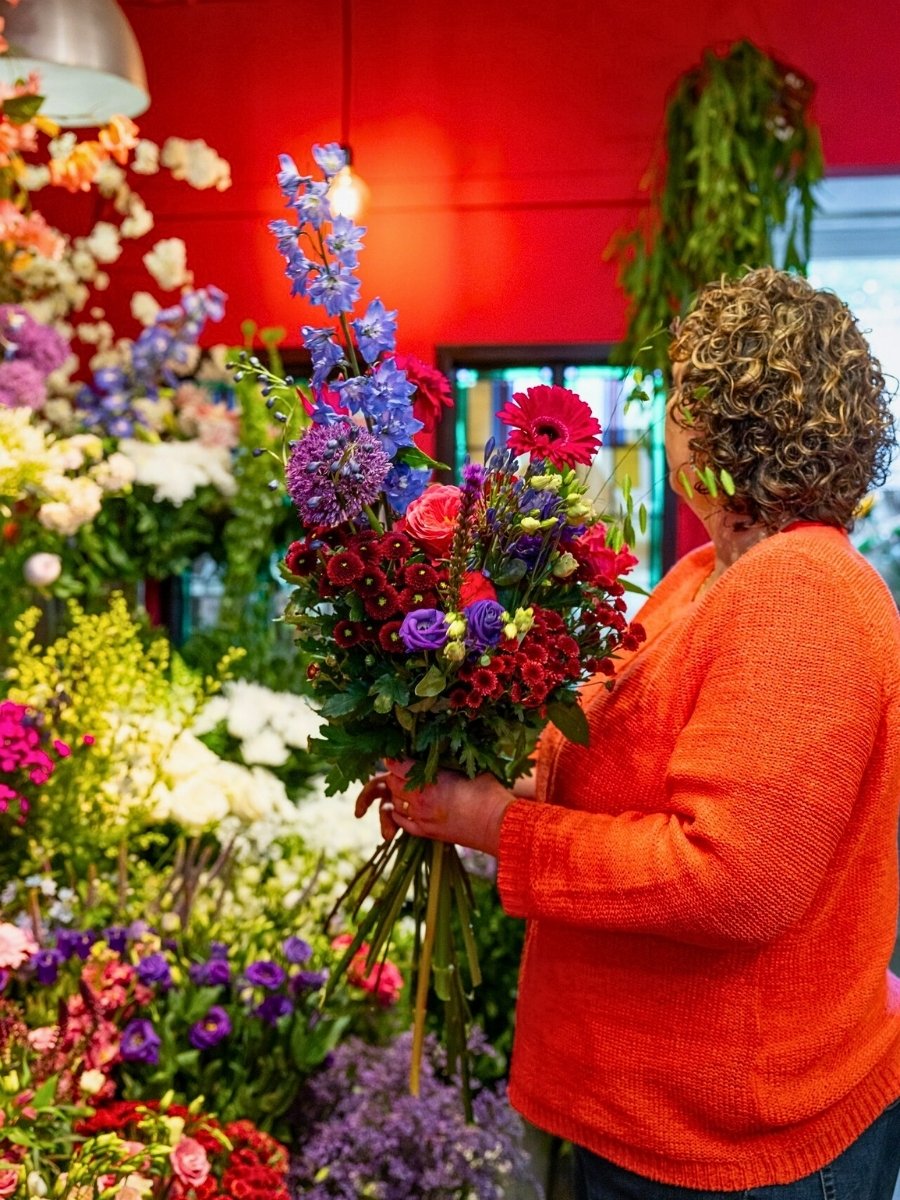
On a personal level, people celebrate the day by wearing their favorite color, photographing flowers and nature, arranging seasonal bouquets, or simply taking a mindful walk outside to observe the colors around them. It is one of those wonderful occasions that do not require any special equipment or expense, just a willingness to pay attention to the colors around you.
This Is A Day Worth Marking in Every Season
International Color Day is hardly just a celebration of art or design; it is a prod to slow down and see color again, in all its magnificence. For those who work with flowers daily, it is almost second nature to honor color.
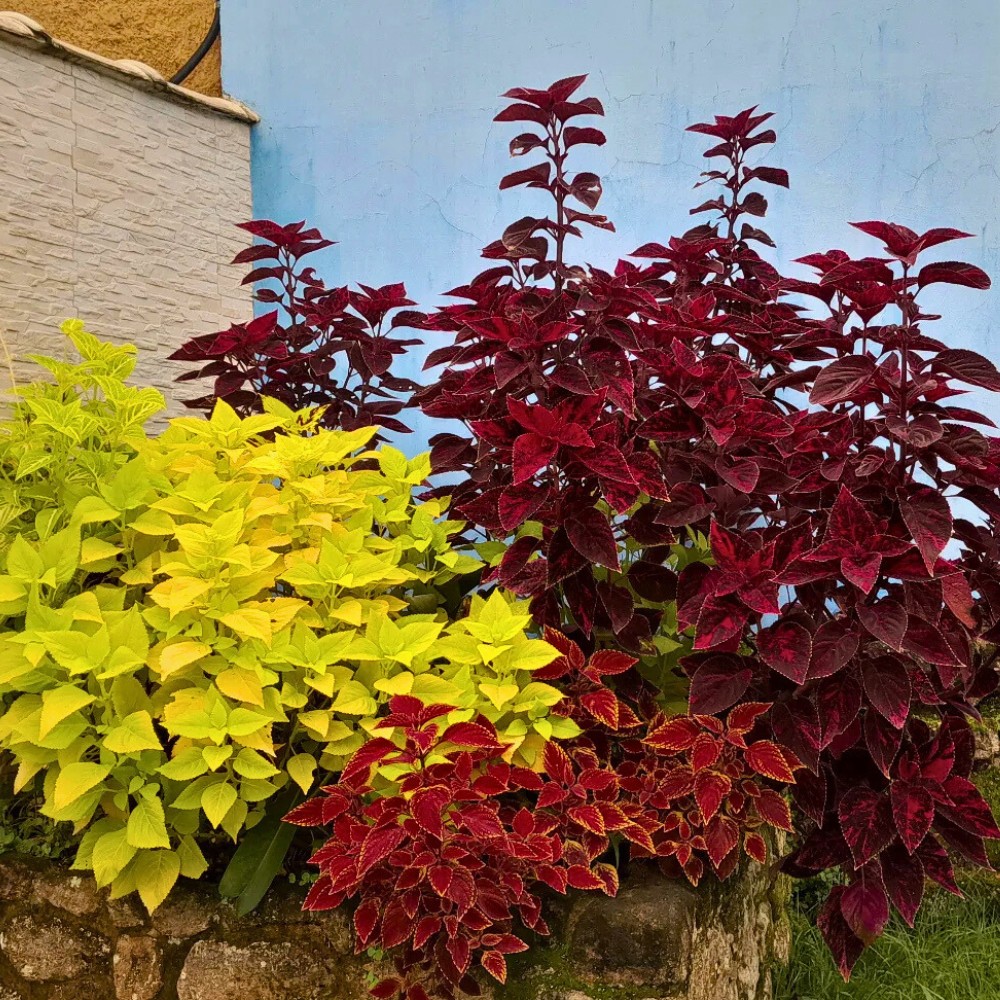
This day is special in that it just asks one to take note of color and its impacts; to notice how the morning light paints a white peony, how the deep green of fern leaves makes every other color next to it look sublime, and how your mood changes when you walk into a room full of colorful fresh flowers as opposed to one that is bare and sterile.
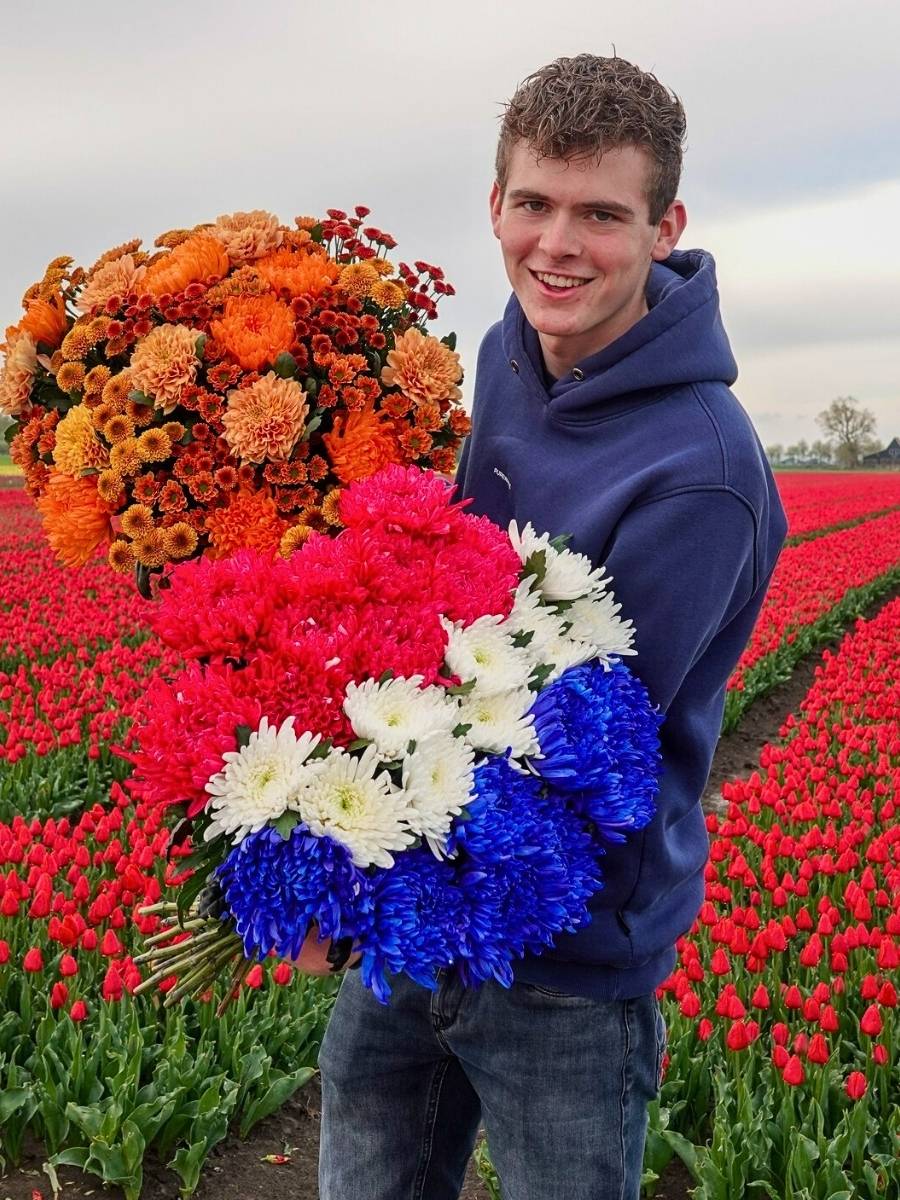
Feature image by @dekkerchrysanten. Header image by Hydrangea World.