Floriculture has always been a visual industry. From the symmetry of a perfectly grown rose to the seasonal storytelling behind a new variety, flowers speak through aesthetics first. As the industry has expanded online—through digital magazines, marketplaces, breeder directories, and international community hubs—the same principle applies: how something looks and feels matters just as much as what it says.
That creates a unique challenge for floriculture platforms. They need to grow sustainably, support editorial teams, and connect brands with the right audiences—without cluttering pages, disrupting visual flow, or undermining the calm, curated experience their readers expect.
This is where a decision that often feels purely technical becomes deeply strategic: choosing the right ad server.
You can find more floral inspiration here: From Petals to Pixels: The Rise of Digital Tools in Floral Design
Why Monetization Is a Sensitive Topic in Floriculture Media
Unlike many other industries, floriculture platforms tend to attract a highly focused audience. Growers, breeders, exporters, designers, and enthusiasts don’t come to scroll endlessly or chase clicks. They come to learn, to discover trends, and to stay connected to a global network built around beauty and craftsmanship.

Overly aggressive advertising breaks that trust quickly.
Yet monetization is not optional. Digital publishing, event coverage, research, photography, and editorial work all require stable revenue. The challenge is finding infrastructure that allows advertising to exist quietly in the background—supporting the platform rather than dominating it.
That’s exactly the role of a modern ad server.
An Ad Server Is Not Just an Ad Tool
At its core, an ad server decides which ads appear, where they appear, and under what conditions. But for a floriculture-focused platform, its real value lies in control.

A good ad server allows you to:
- Choose which brands are allowed to advertise
- Control formats so visuals don’t clash with editorial design
- Set frequency limits to avoid repetition
- Align ads with seasonal themes (trade shows, holidays, peak harvest periods)
- Separate B2B advertising from consumer-facing content
- Protect premium editorial layouts from intrusive placements
In other words, it lets you integrate advertising in a way that respects both content and audience.
What Floriculture Platforms Should Look for When Choosing an Ad Server
When platforms in the flower industry evaluate ad infrastructure, the usual checklist—CPMs, fill rates, and integrations—is only part of the picture. The more important questions are often quieter ones.

1. Does It Respect Design?
Floral platforms rely heavily on imagery. An ad server should support flexible placement rules, responsive formats, and clean rendering across devices. If ads break grids or overpower photography, it’s the wrong fit.
2. Can It Support International Audiences?
Floriculture is global by nature. A strong ad server handles multiple regions, currencies, and languages while allowing geo-specific campaigns for breeders, exporters, or events.
3. Does It Allow Editorial Control?
Not every advertiser belongs next to every story. The right system lets you decide where ads appear—and where they don’t.
4. Is It Scalable for Seasonal Traffic?
From Valentine’s Day to major trade fairs, floriculture traffic spikes are predictable. Your ad infrastructure should scale smoothly without requiring constant manual adjustments.
5. Does It Offer Transparency?
Clear reporting helps platforms understand what works without turning editorial decisions into performance-driven compromises.
These are the criteria that matter when you want to choose the best ad server for a visually driven, professional audience.
Why “Less Visible” Advertising Often Performs Better
One of the paradoxes of digital media is that the least intrusive ads often deliver the strongest long-term results—especially in niche industries.
When advertising aligns with context—flower auctions, logistics services, packaging innovations, sustainable growing solutions—it feels informative rather than disruptive. Readers are more likely to engage because the ad feels like part of the ecosystem, not an interruption.
An ad server makes this possible by enabling:
- Contextual placement instead of random rotation
- Category-level filtering
- Long-term sponsorships rather than one-off impressions
- Stable exposure instead of aggressive repetition
This approach benefits everyone: advertisers reach a genuinely interested audience, and platforms preserve their visual and editorial integrity.
Supporting Growth Without Losing Identity
As floriculture platforms grow, they often expand beyond articles into directories, events, video content, and community features. Each new format introduces new monetization needs—and new risks to user experience.

Choosing the right ad server early helps avoid painful redesigns later. It allows platforms to experiment carefully, test new formats, and scale revenue without compromising what made the platform successful in the first place.
Importantly, it keeps control in-house. Instead of relying entirely on external networks with limited transparency, floriculture media can define their own standards—both commercial and editorial.
Technology That Should Stay in the Background
The best compliment an ad server can receive is invisibility. When it works well, readers don’t think about ads at all. They focus on content, visuals, and stories. The platform feels calm, intentional, and professional.
In an industry built on beauty, patience, and long-term relationships, that matters.
Choosing the right ad infrastructure isn’t about maximizing short-term revenue. It’s about building a sustainable digital space that can support floriculture’s global community for years to come—quietly, respectfully, and effectively.
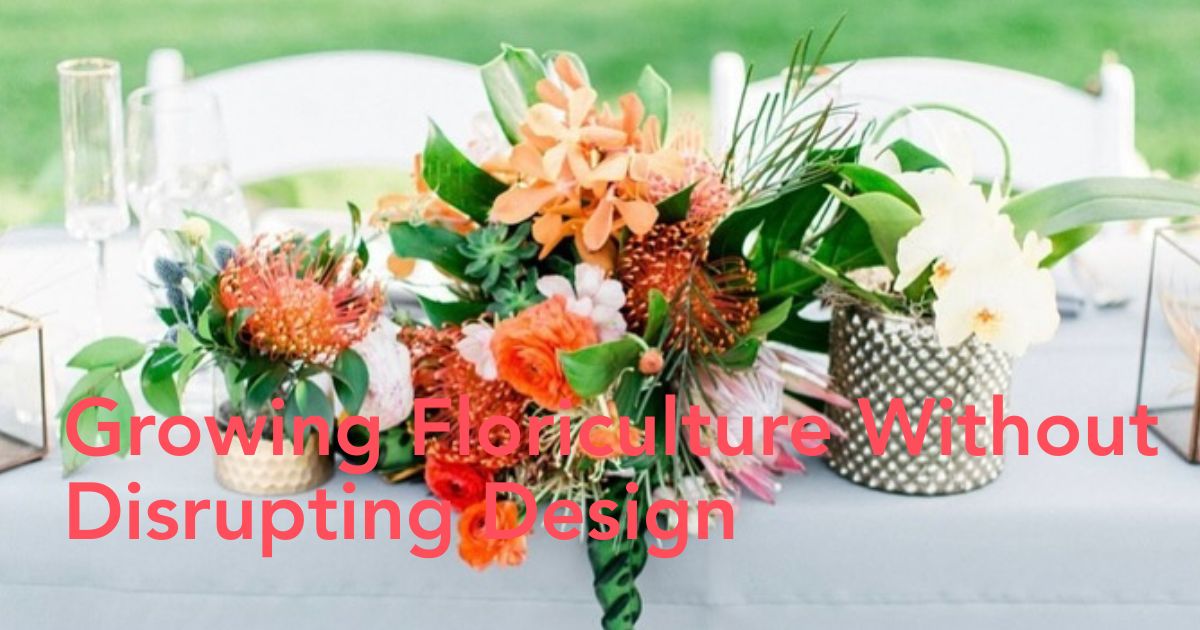
Header Image by @santabarbarawedding