Sustainability in floriculture often sounds like a single destination. Still, new research shows that it is more like a series of different paths that occasionally cross, overlap, and sometimes miss one another altogether. A North Carolina State University study reveals that although everyone in the floriculture industry may share the goal of being environmentally responsible, the approach to achieving this goal varies depending on one's position in the supply chain.
Led by Amanda Solliday, a Ph.D. student in Horticultural Science, and co-authors Allison Langston and Melinda Knuth of North Carolina State University, the study, supported by the American Floral Endowment's Sustainabloom, surveyed businesses across four major segments of the U.S. floriculture sector. What emerged was a nuanced depiction of an industry in which good intentions meet practical constraints, and one segment's priorities might barely register with another.
Understanding the Landscape
Floriculture encompasses the cultivation, harvest, and commercial distribution of flowering and ornamental plants. The supply chain comprises flower growers, wholesalers that aggregate and distribute flowers, suppliers that provide inputs and equipment, and retail outlets such as florists and garden centers that sell directly to consumers. This interlinked network generates $36.5 billion in annual sales, with 44% of American adults buying cut flowers or arrangements.

Despite this economic significance, sustainability practices across the industry remain largely undocumented. The researchers sought to understand which sustainable practices businesses have already implemented, which they plan to implement in the future, and the barriers they face. In some respects, this survey sought to answer the question: What does sustainability look like in floriculture businesses today?
What the Study Reveals About Floriculture Sustainability
The research addresses an important knowledge gap by documenting real-world practices without solely relying on generalized sustainability ideals. It confirms that, for many industries, sustainability has grown, moving from the fringes into a central business strategy, driven in part by climate change and mounting environmental pressures.

At the same time, it highlights that implementation is uneven across the supply chain and that each sector faces its own priorities, limitations, and concerns. Sustainability, the study implies, is far from a one-size-fits-all proposition. This mix of collective intents and divergent realities sets the stage for more targeted and nuanced action.
Different Sectors, Different Priorities
One of the most evident messages from the survey is that there is no single blueprint for sustainable practice across the floral supply chain. While the sectors are tightly connected commercially, their individual environmental focus areas largely diverge.
Across wholesale, retail, and supplier businesses, a strong majority already recycle containers and use LED lighting, indicating that resource efficiency is a common starting point. Roughly half of respondents in these sectors are also working to cut flower and plant packaging, showing a mutual awareness of the environmental burden of materials used briefly yet lingers for years.
Wholesalers place particular emphasis on cold-chain management, maintaining flowers at controlled, low temperatures to preserve quality and reduce waste during shipping and storage. Nearly half of wholesalers also express interest in fuel-efficient vehicles as a future step, emphasizing the climate impact of transport in this part of the chain. For them, keeping flowers fresh during transport is an economic and environmental imperative. A substantial number have already adopted energy reduction measures and LED lighting.
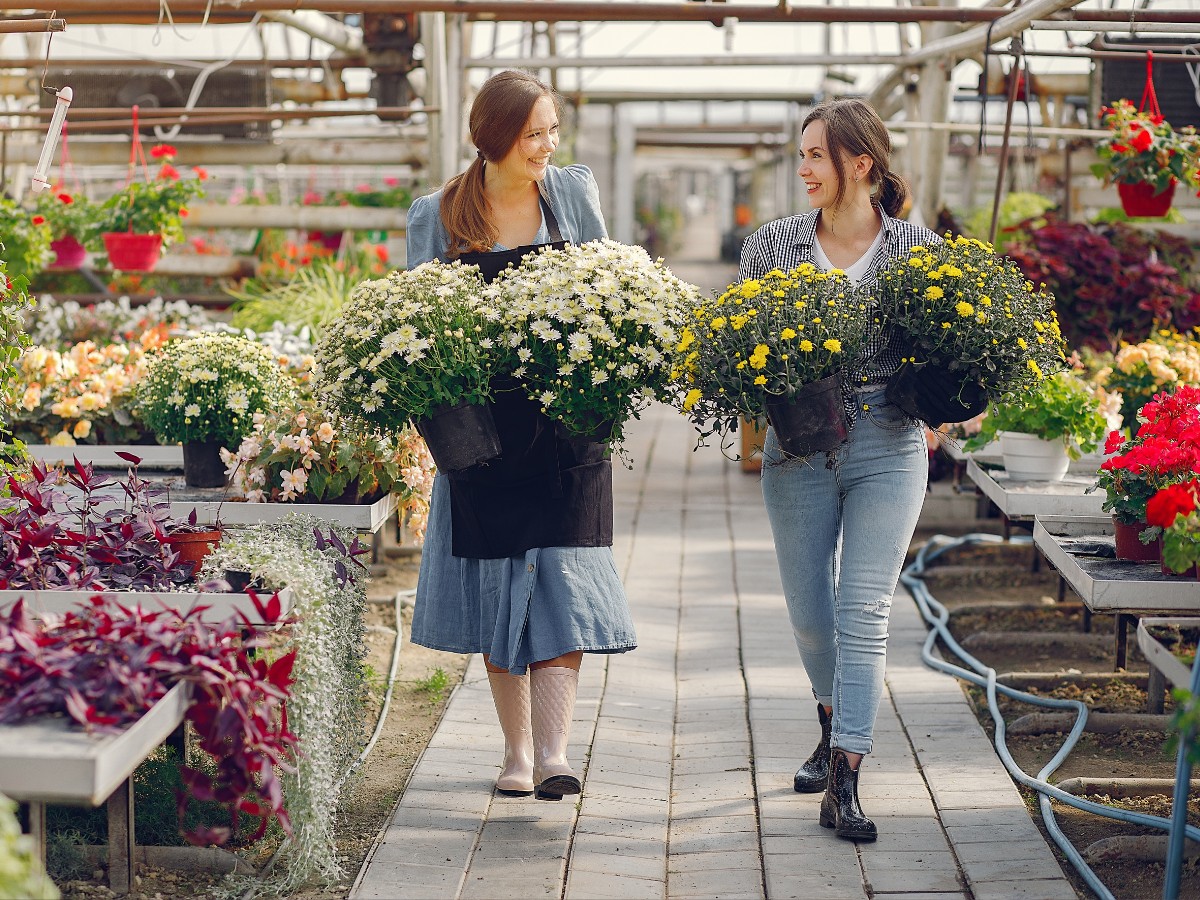
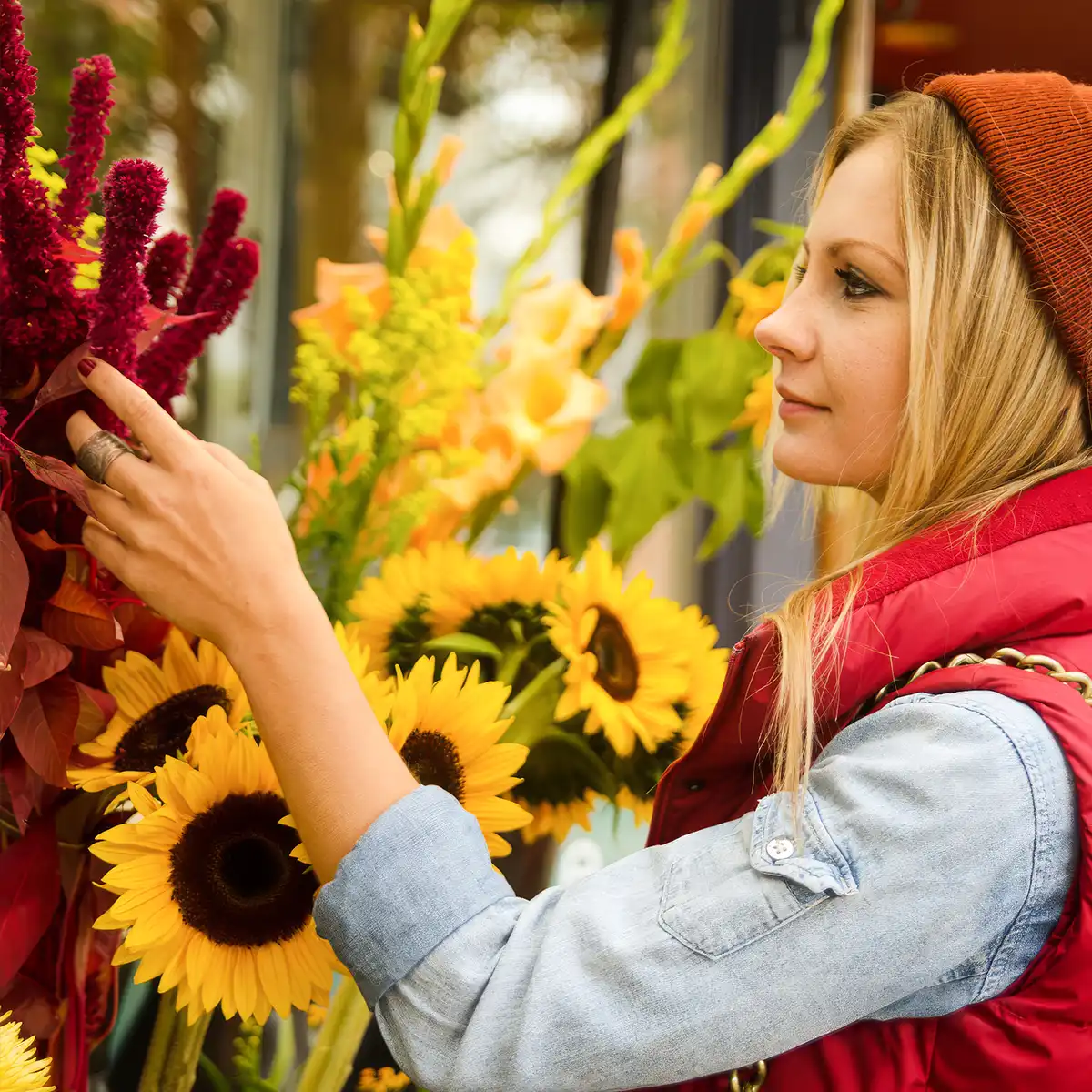
Retail florists, meanwhile, show above-average interest in water waste reduction, with nearly one in four listing it as a priority practice for the future. Their daily work with design, conditioning, and store operations makes water use visible and immediate, which likely explains why it stands out more strongly for them than for other segments.
But they also emphasize customer-facing practices. Two-thirds use LED lighting, 61% recycle containers, and 52% incorporate recycled materials. When thinking about future improvements, a third of florists want to reduce packaging, meaning growing consumer awareness about waste. Quite interestingly, smaller florists are more likely to communicate their sustainability efforts to customers than their larger counterparts.
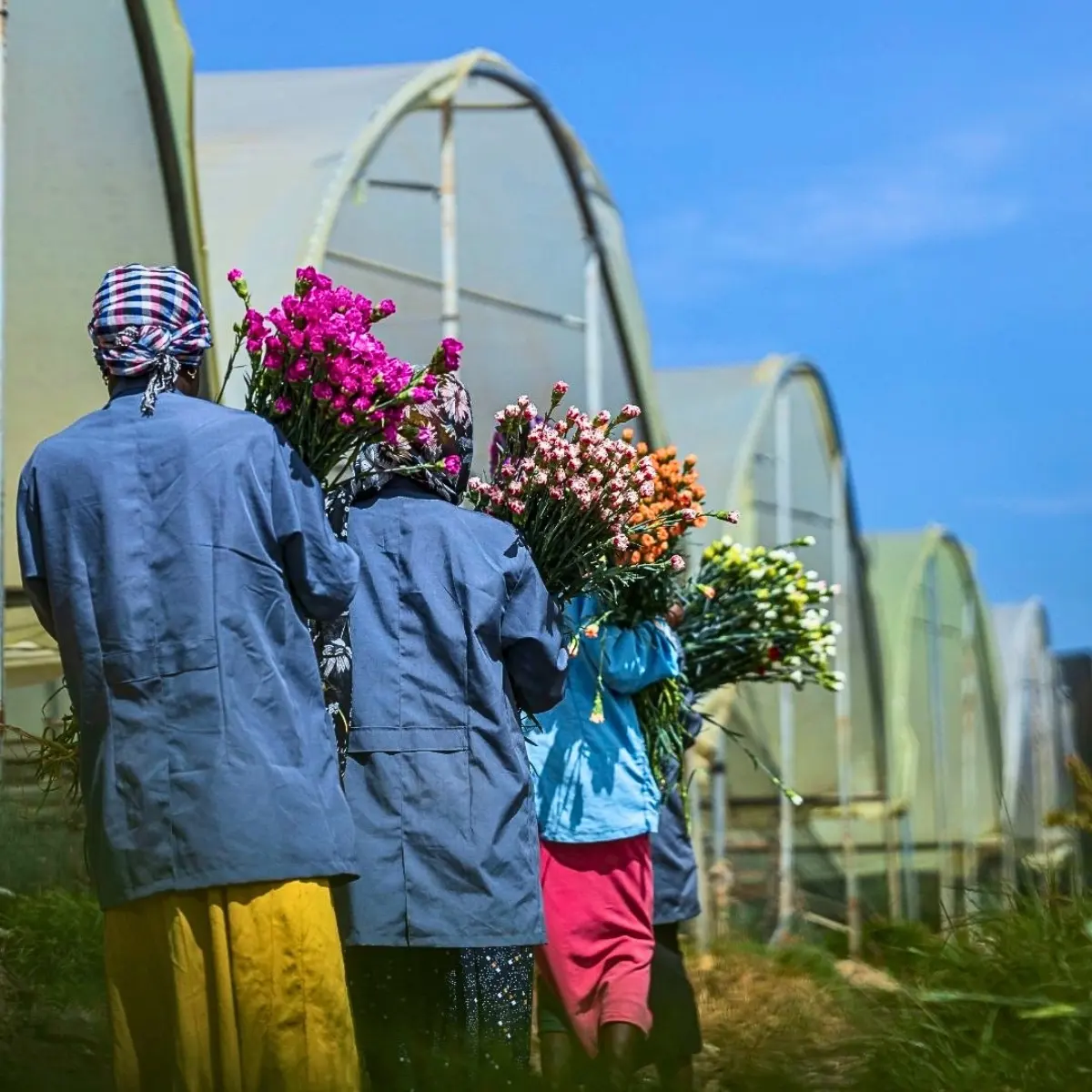
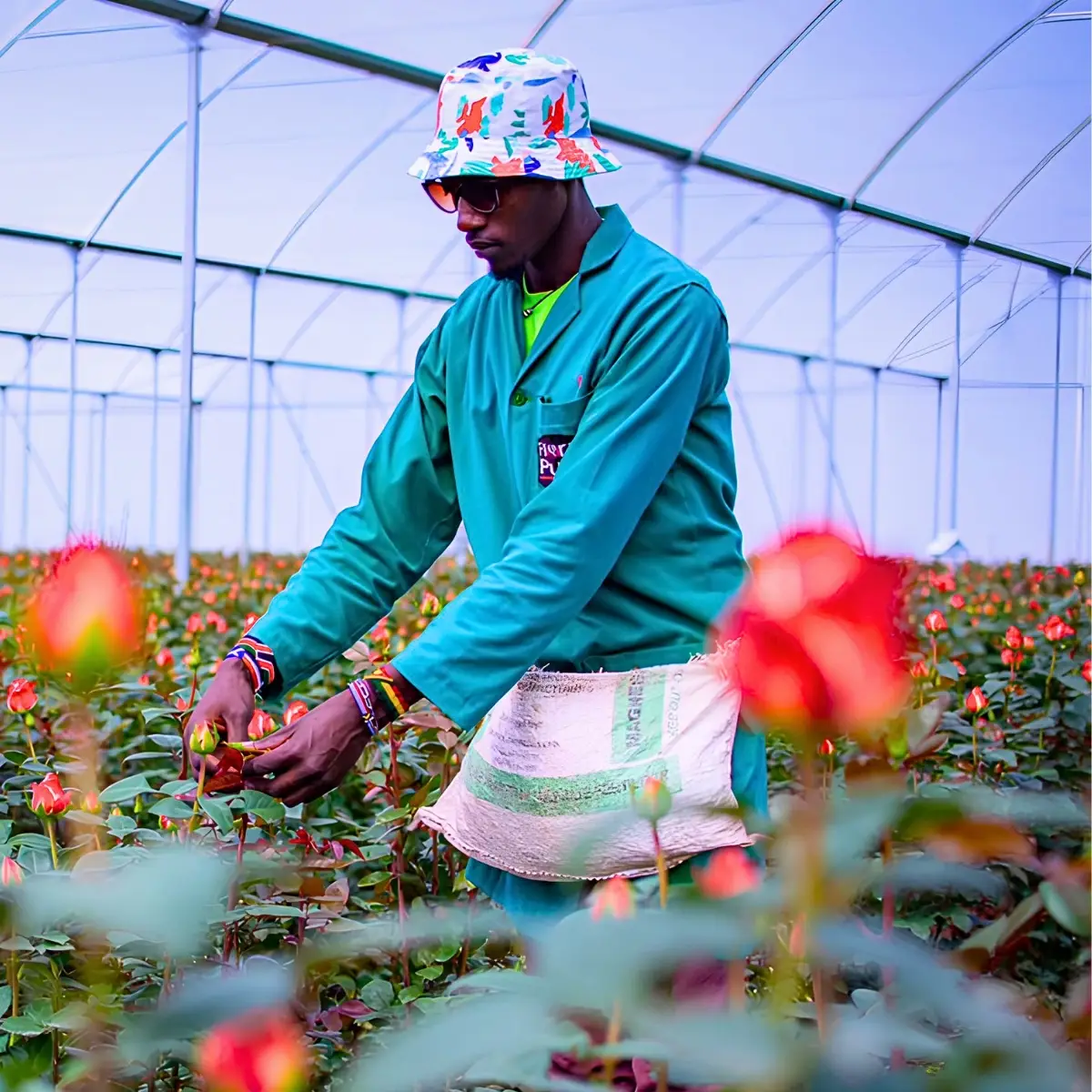
Growers stand out for their concern about substrates. About a quarter express interest in finding replacements for peat. Roughly 24% plan to adopt alternatives to this common growing medium that carries significant carbon implications.
This interest shows an important move toward more climate-aware production methods at the farm level. It also hints at the technical and economic challenges of changing core production materials. Growers also report recycling containers, 55% compost plant waste, and half have implemented fertilizer and runoff mitigation strategies.
Universal Challenges, Unique Concerns
The study highlights the hurdles that slow progress. Implementation cost is the largest barrier for every sector, an impression that even highly motivated businesses must manage tight margins and immediate financial pressures. Energy-efficient equipment, alternative materials, or new logistics systems often require upfront investment long before full benefits are felt.
Communication barriers between segments are another noteworthy challenge. While the supply chain is technically interconnected, information about sustainability priorities and constraints does not always flow smoothly between growers, wholesalers, retailers, and suppliers. This can result in duplicated efforts in some places and key gaps in others.
At the same time, each sector faces its own external pressures. Growers identify weather as the most important factor affecting their operations, stressing their exposure to climate variability and extreme conditions. Wholesalers point to market demand, suppliers name supply chain disruption, and retailers emphasize labor costs as their top business concern. These shape how quickly and confidently businesses adopt new practices, even when they value sustainability.
The Plastics Question
But one theme that seems to resonate across the entire supply chain is plastic reduction and recycling. Every sector identified this as a current or future priority, which makes sense given that packaging materials touch every step of the flower journey from field to vase.

That's something the supply chain can tackle more effectively together, instead of it falling on a single group. The shared concern suggests opportunities for industry-wide collaboration, perhaps through collective initiatives similar to efforts in other sectors to increase recycled content or develop compostable alternatives.
Despite all the challenges, motivations for pursuing sustainability remain strong. Individual beliefs and a sense of responsibility to community and society top the list across most sectors. For wholesalers, customer preferences also play a key role, while growers additionally emphasize resource conservation within their operations.
Is Sustainability Planning Still 'Young'?
On whether businesses have formal sustainability plans, the contrast between sectors is quite telling. Almost two-thirds of suppliers already have a plan in place, and another quarter is considering one, suggesting that upstream partners who provide inputs and services are embracing structured approaches faster. This segment also reports the highest rate of third-party sustainability certifications at 21%, compared to just 9.7% for retail florists and 5.3% for growers.
Growers, on the other hand, are much earlier in this journey. Less than one in five growers reported having an existing sustainability plan, though about 29% were considering creating one. This does not mean growers are inactive; rather, it suggests that many are still working at the level of individual practices instead of pooling them into a cohesive roadmap.

Across all sectors, businesses that have plans tend to have implemented them in the last five years, calling attention to how recent this planning culture really is. Generally, while sustainability has moved fast from a loose collection of ideas into more structured strategies, there is still plenty of room for that progression to spread.
There Are, However, Opportunities for Coordinated Progress
The study points to promising avenues for more coordinated progress. An example is packaging and plastics reduction, a subject that emerges as a shared interest across different sectors. Because packaging choices are often set upstream but affect costs and waste at all stages, joint efforts produce a great impact.
The research also suggests that targeted incentives and smarter consumer-facing strategies could help turn good intentions into action. Incentives might include grants, low-interest loans, or rebates for energy-efficient upgrades, alternative substrates, or water-saving technologies, while consumer-facing strategies could involve clearer communication about sustainable practices.
Extension agents and grower organizations appear as important bridges in this picture. Sharing tailored information, offering planning templates, and advising on where to start, they can reduce the uncertainty around sustainability efforts.
The study, nonetheless, affirms that sustainability in floriculture is a shared responsibility, but not a uniform task. It is about respecting the distinct roles and pressures of each sector while building stronger collaboration, learning, and support channels.
Feature image by prostooleh. Header image by @alaskaperfectpeony