Dutch social venture Shift has revealed the five shortlisted designs in a competition to design 'a new wonder of the world' to promote action against climate change. Heatherwick Studio, MVRDV, Mecanoo, Office for Political Innovation, and Ecosistema Urbano are all competing to design the €240 million landmark in Rotterdam, Netherlands. The brief calls for 'a 100 per cent sustainable landmark' that inspires people to take action against the climate and biodiversity crisis. It'll be the new planty wonder of the world!
Heatherwick, MVRDV, and Mecanoo Among Shortlisted Designs for 'New World Wonder'
Planned for the emerging waterfront district of Waterkant, the 30,000-square-meter building will incorporate a 10,000-square-meter immersive experience, a hotel, a conference center, and a food court. The most radical proposal comes from MVRDV, which is based in the city, together with a team that includes Joris Laarman, a designer pioneering the use of 3D printing for urban greening.
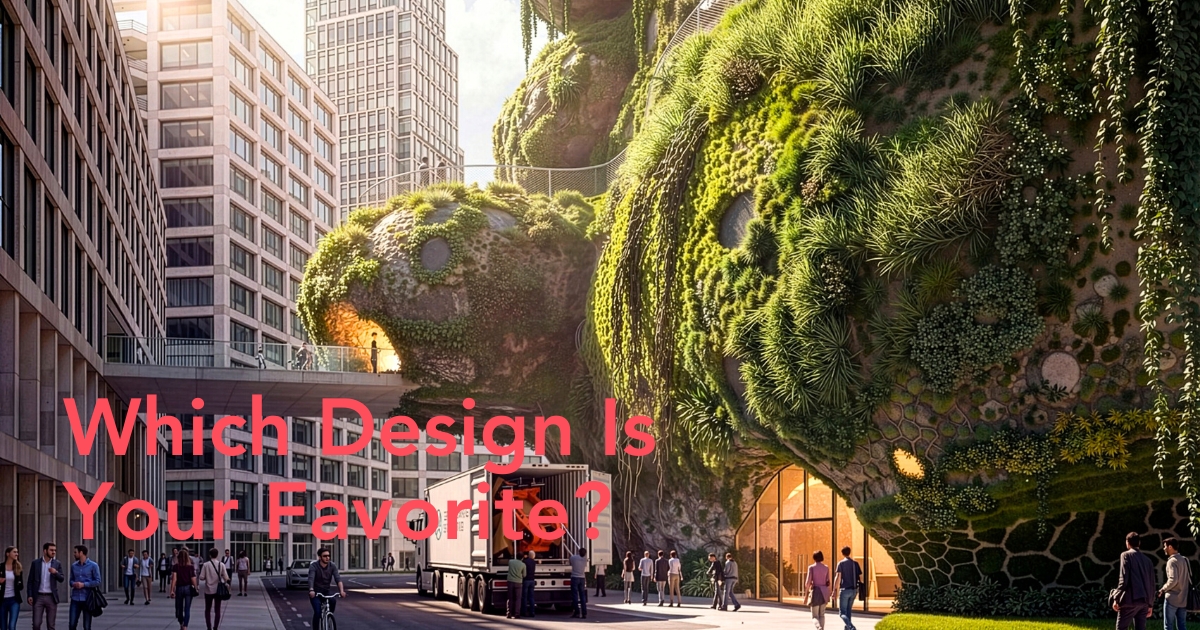
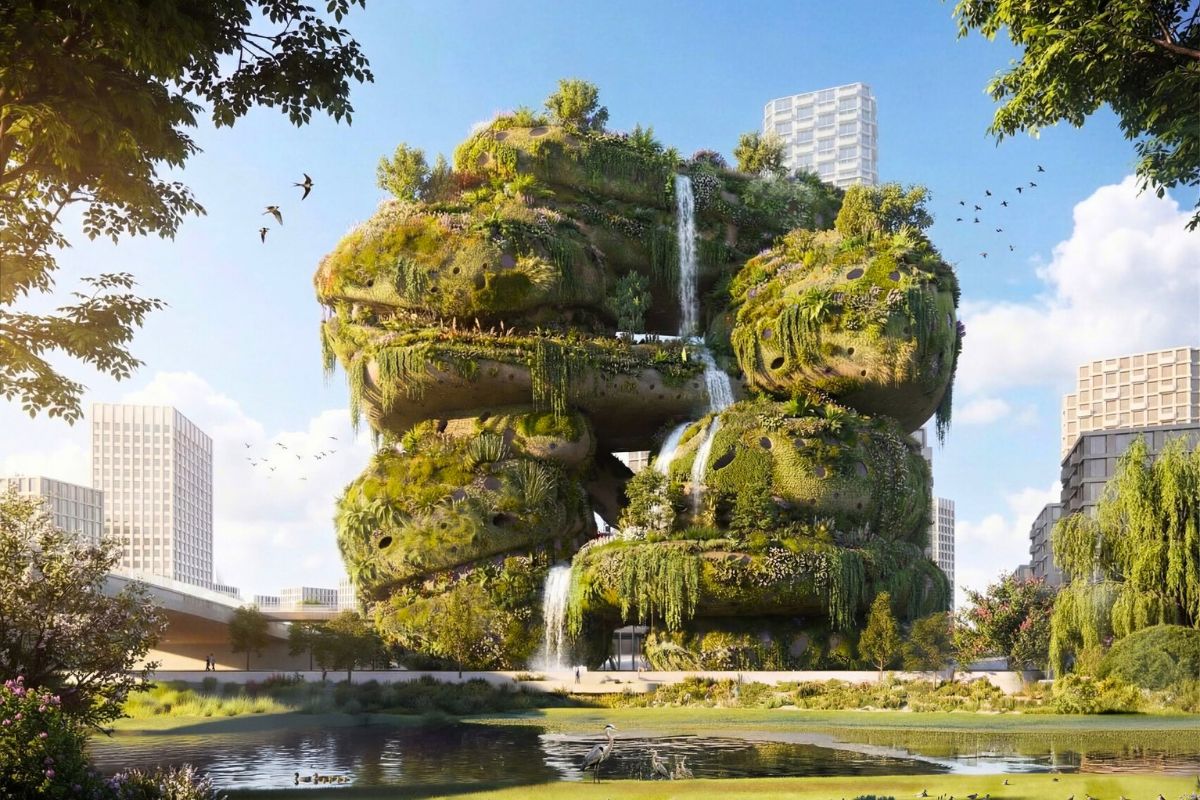
Visualizations depict a massive pile of plant-covered rocks, with an entrance that resembles the mouth of a giant turtle. Rotterdam ROCKS! is a stacked landscape of living rocks that turns architecture into a regenerative, urban ecosystem and a new landmark for the city: rocks that breathe, whose back catalogue includes the radical Markthal Rotterdam and the troubled Marble Arch Mound. Strengthening Rotterdam's experimental character, it demonstrates that buildings of tomorrow can merge nature and public life.
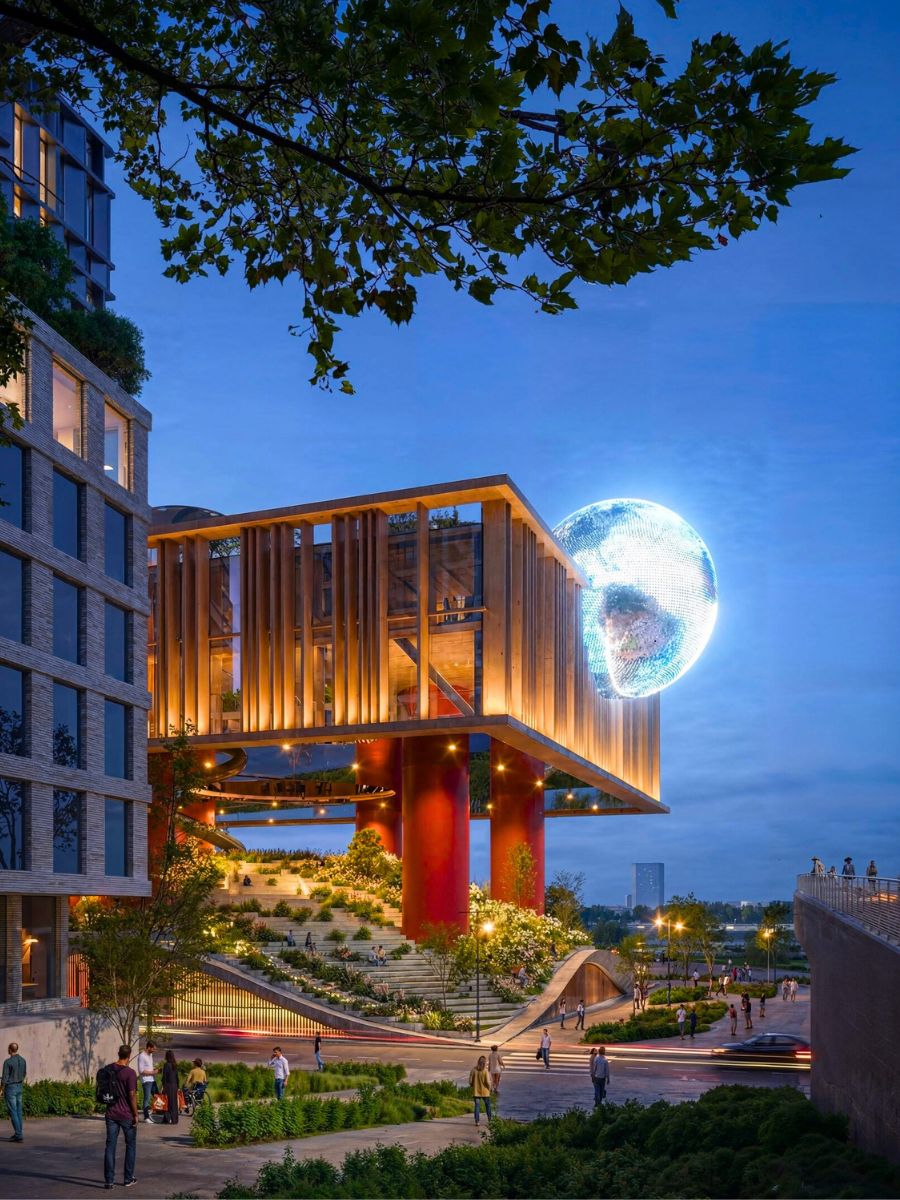
The other Dutch firm on the shortlist, Delft-based Mecanoo, has meanwhile proposed a building with a strong civic presence. The images show a structure with a tiered public plaza rising through its middle. The architects say it will include spaces for imagination, exploration, action, play, and joy, combined with bold upcycling, carbon storage, energy neutrality, and ecological integration.
Something Like a Reef‑Inspired Ecosystem
Thomas Heatherwick's London-based studio is proposing a six-tiered building, described as a reef‑inspired ecosystem. Influenced by natural flows of movement, these layers create spaces that bring people together, foster climate awareness, and demonstrate how a building can encourage lighter, more sustainable ways of living together.
Amorphous Proposal
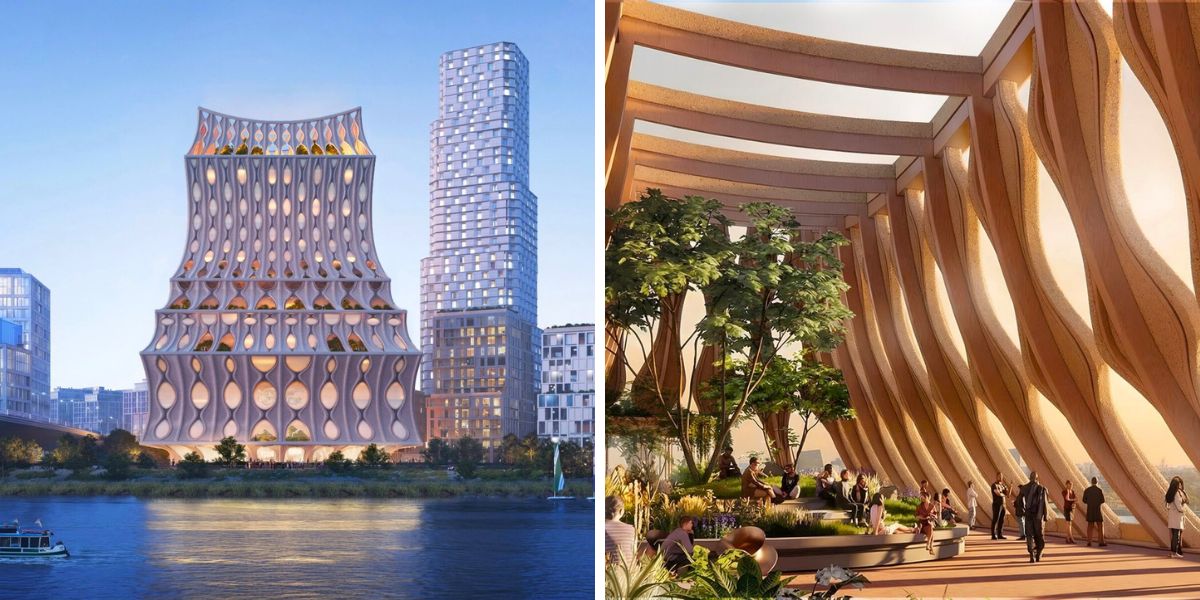
The amorphous proposal from Spain-based Office for Political Innovation, led by Andrés Jaque, was developed in collaboration with Dutch studios Kaan Architecten and LOLA Landscape Architects. Climate Section proposes a new kind of landmark for the Climate Age; not a monument, but a working section through the world as it is becoming, a place where climate is sensed, understood, and actively reshaped, together.
A Project for a Plant-Covered Space
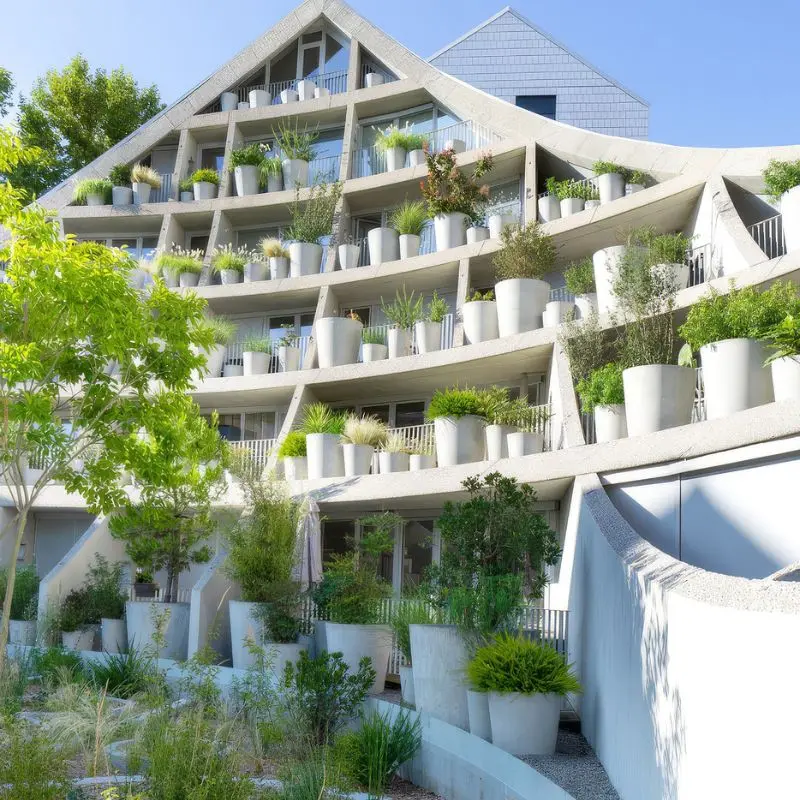
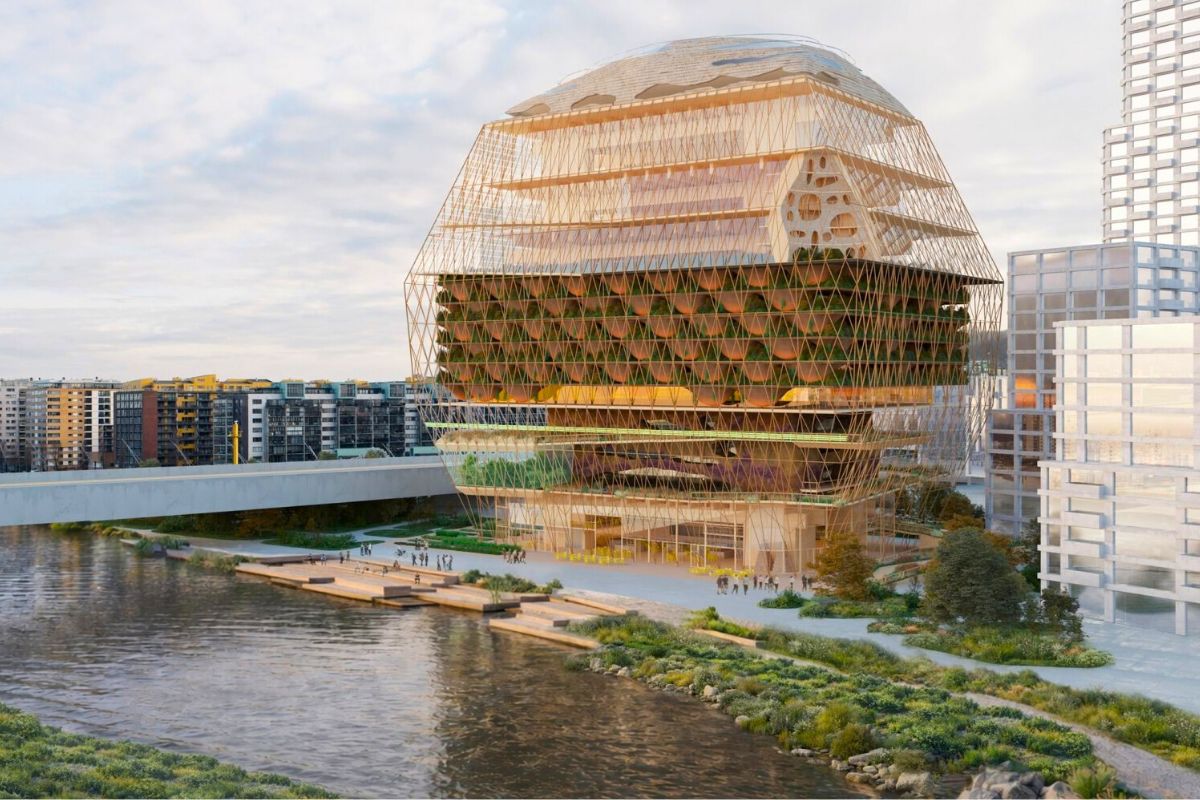
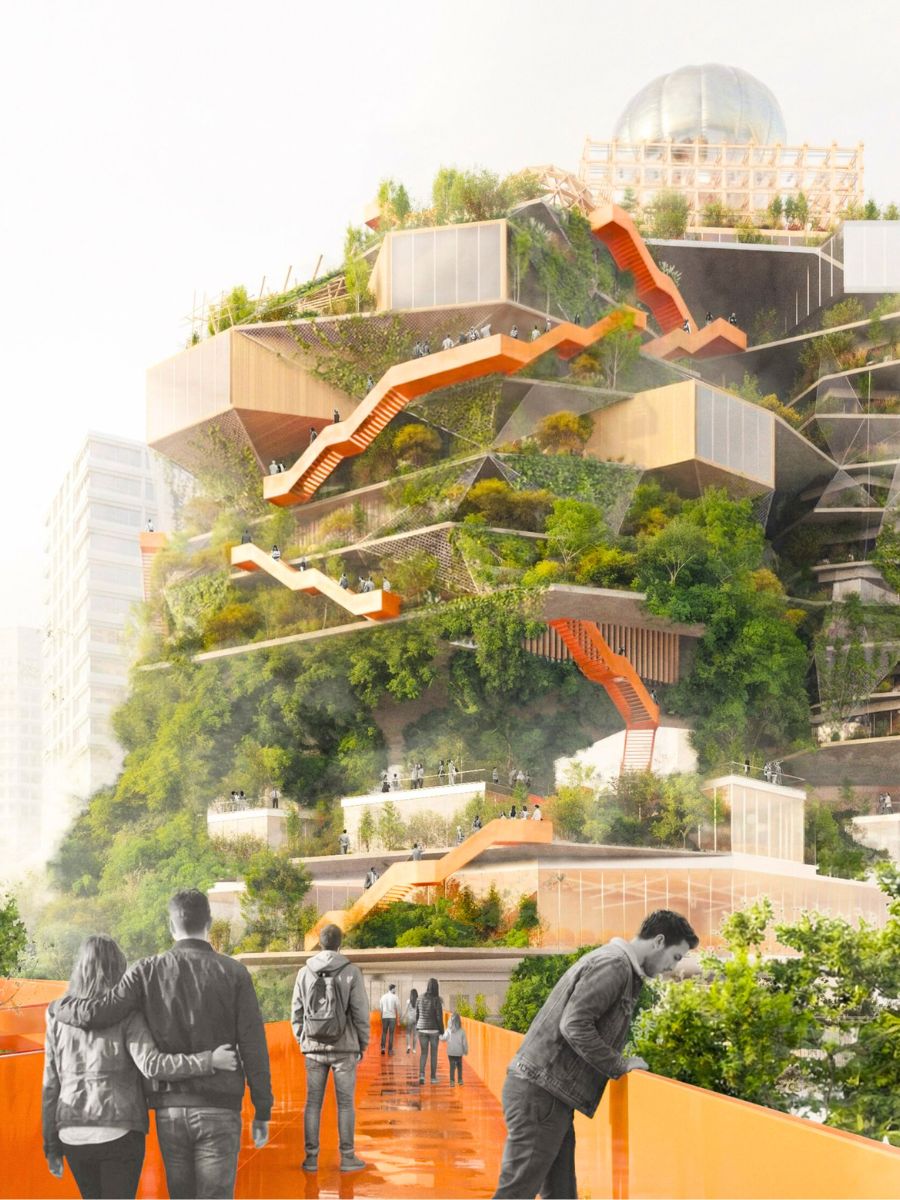
Completing the shortlist is another Spanish studio, Ecosistema Urbano, whose plant-covered proposal looks like a stack of different structures connected by external staircases. Conceived as a regenerative living system, the building operates as a dynamic social organism that integrates public space, ecological performance, and civic life, actively fostering biodiversity and strengthening connections between local communities and wider ecological networks.
The winner will be chosen by a jury including Zaha Hadid Foundation director Aric Chen, UNStudio founder Ben van Berkel, and actor and activist Carice van Houten, and will be announced before the end of spring.