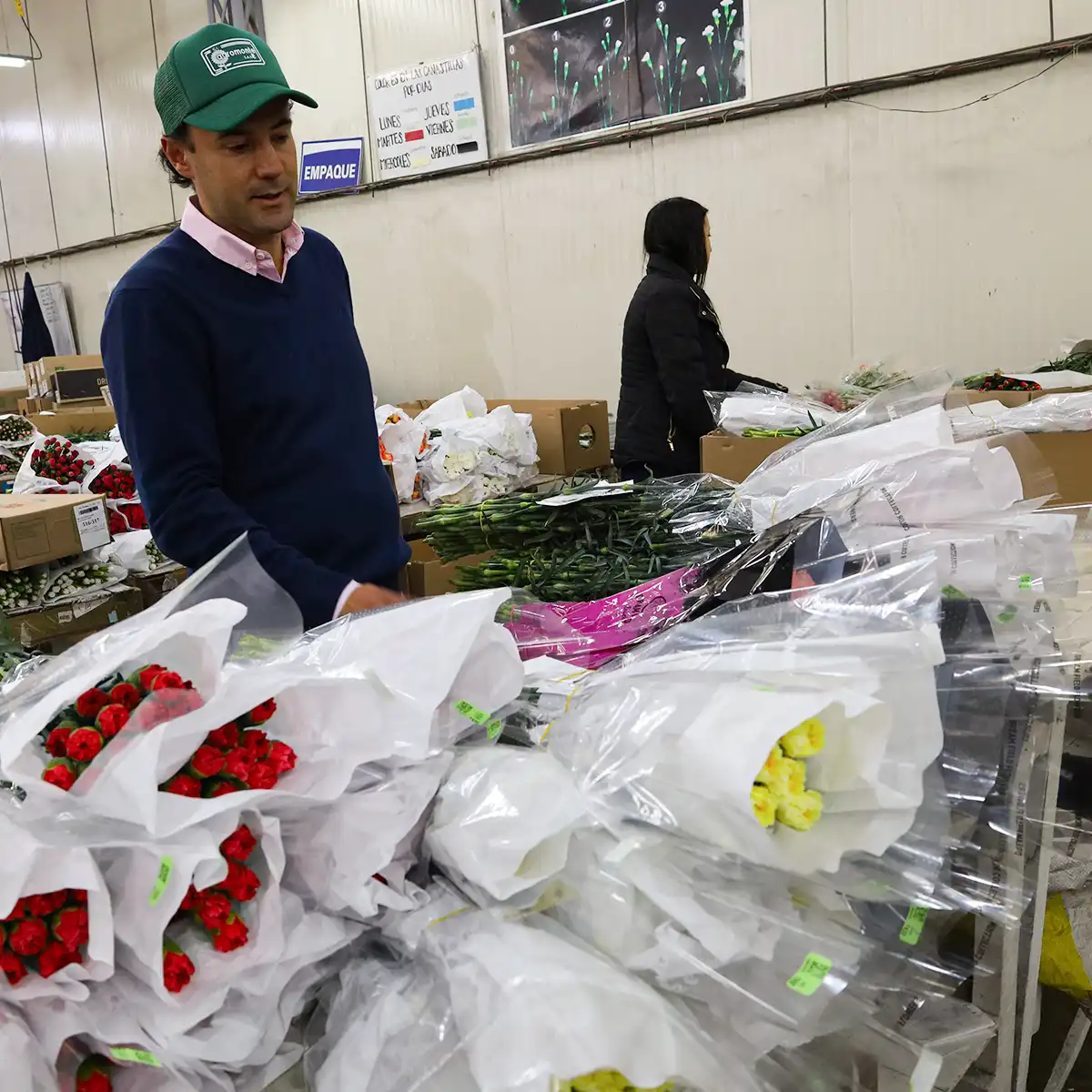
Twenty years ago, I stepped from fashion retail into floriculture, and one thing struck me immediately. This industry can grow, grade, pack, and ship a living product across the world faster and better than almost any sector on earth. And then it hands that product over to the consumer with barely a story attached.
We became big on ratio. Logistics, breeding, efficiency, scale: world-class, all of it. But ratio only gets you to the shelf. It does not get you into someone's heart, and it certainly does not get you a better price. That takes emotion. And emotion, in business terms, means brands.
A Name Is Not a Brand
Let me be precise, because this is where the sector most often fools itself. Putting a name and a logo on a pot is not branding. A name only becomes a brand when it is loaded with a story, a look, reliability, and constant renewal. That is a strategy of years, not a sleeve you design in a week.
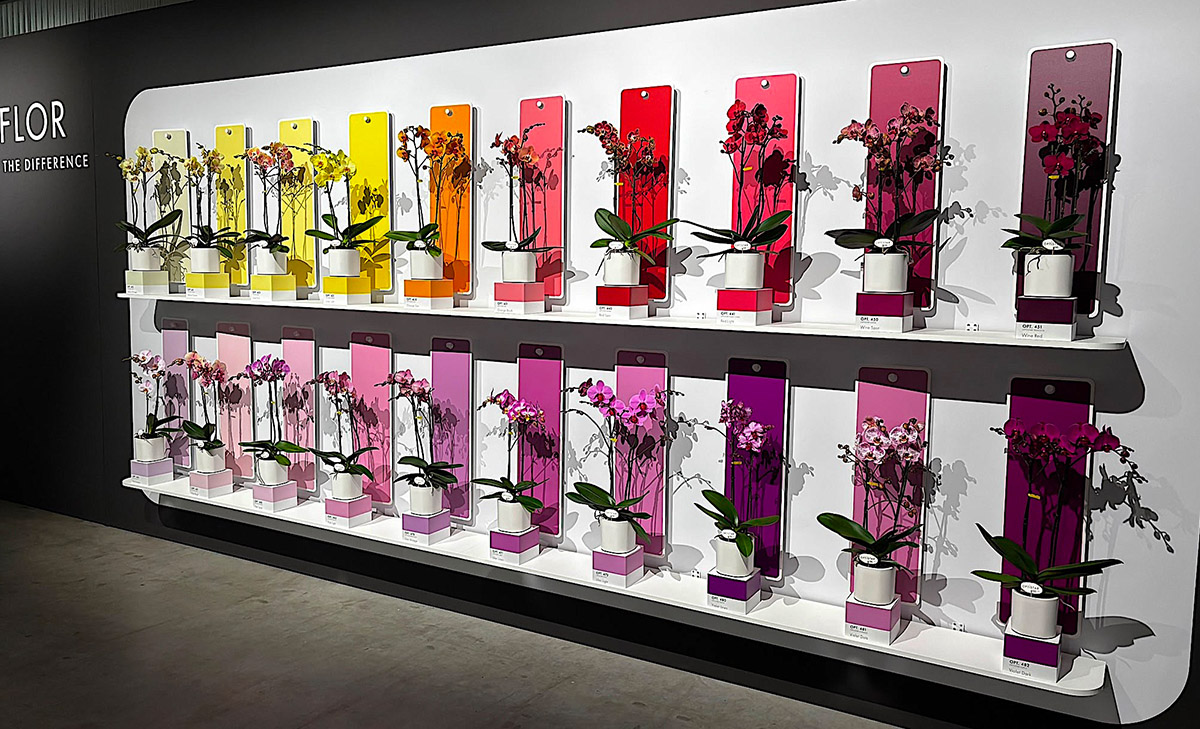
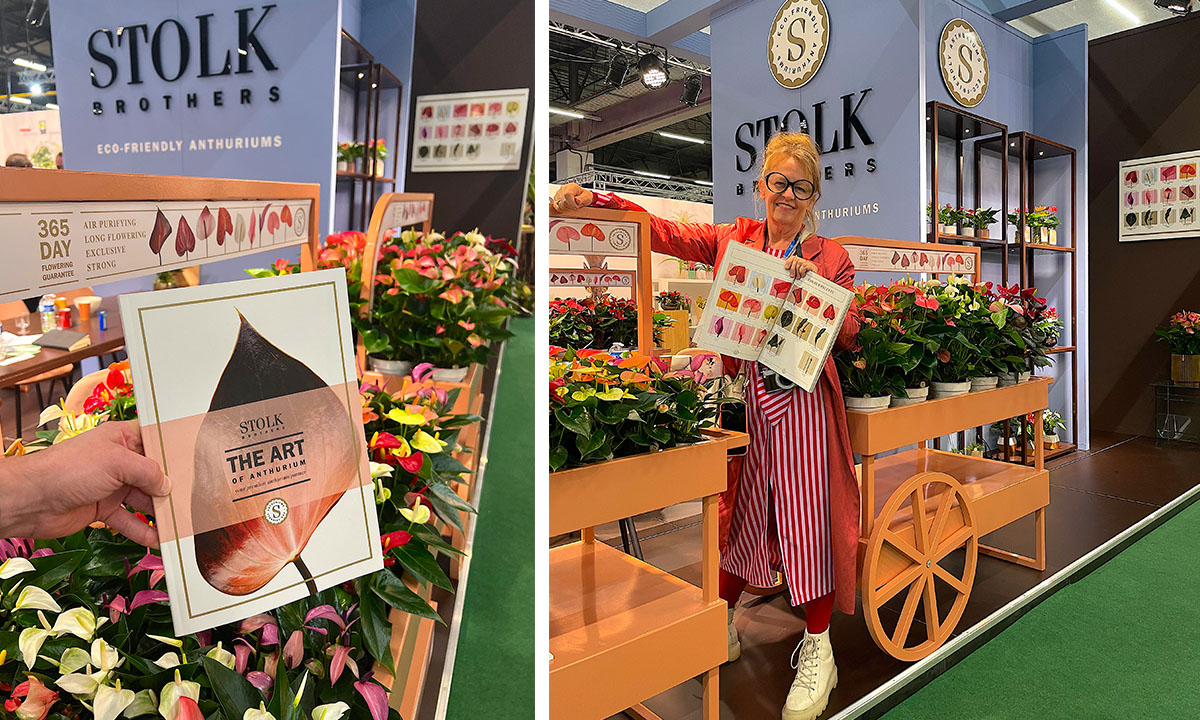
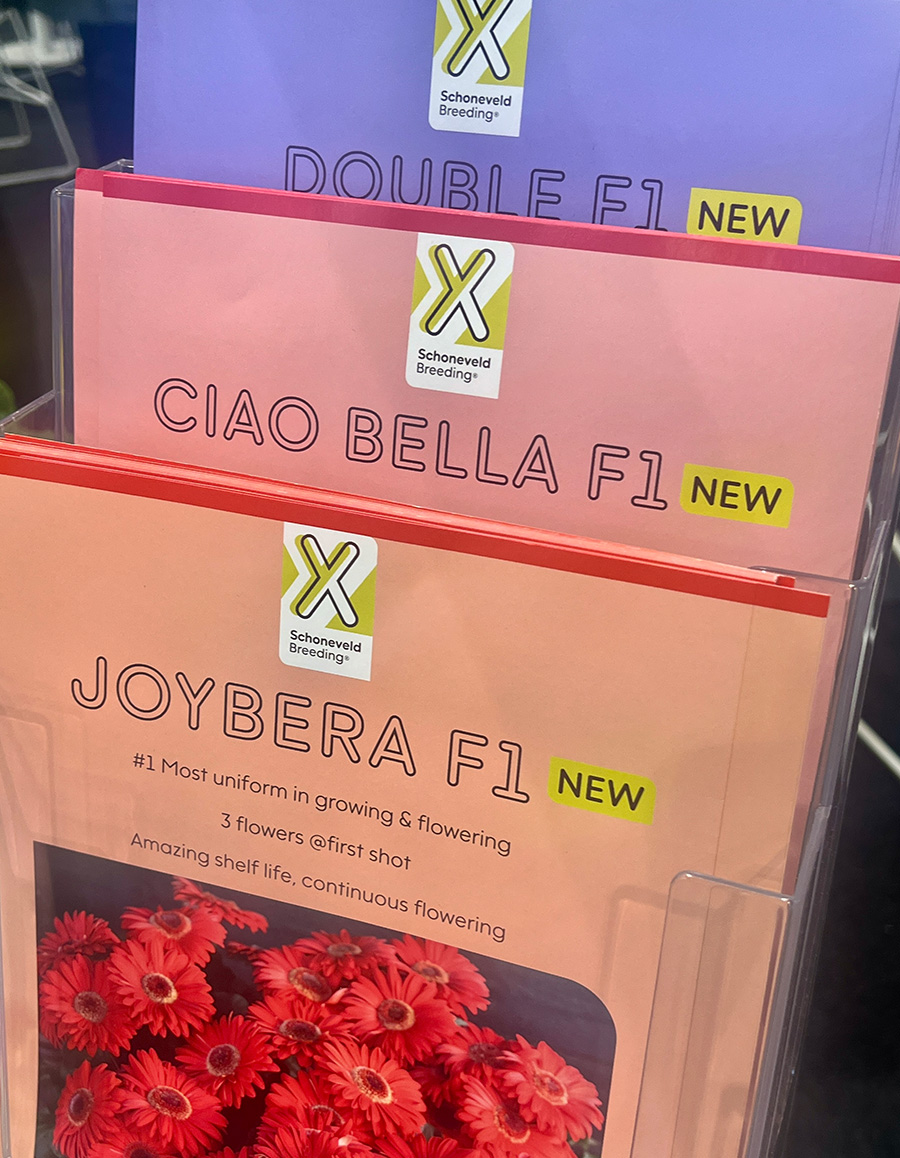
I have many measurable and documented examples of breeders such as Schoneveld Breeding, growers like Opti-flor, Stolk Brothers, and SV.CO, grower groups such as Addenda, the deco brands Kaemingk and Koenpack, and many others. They prove what I preach.
My favorite example is a Kalanchoë. About 18 years ago, they asked if I could make one sleeve for all. For them, as few sleeves as possible was easy to work with. Haha, I was thinking the other way around: how do we sell a complete story with nicer sleeves and a better margin? At that time, there was still a globe on their sleeve, and their truck had a slogan on it saying "moving flowers." But it wasn't even a moving company!
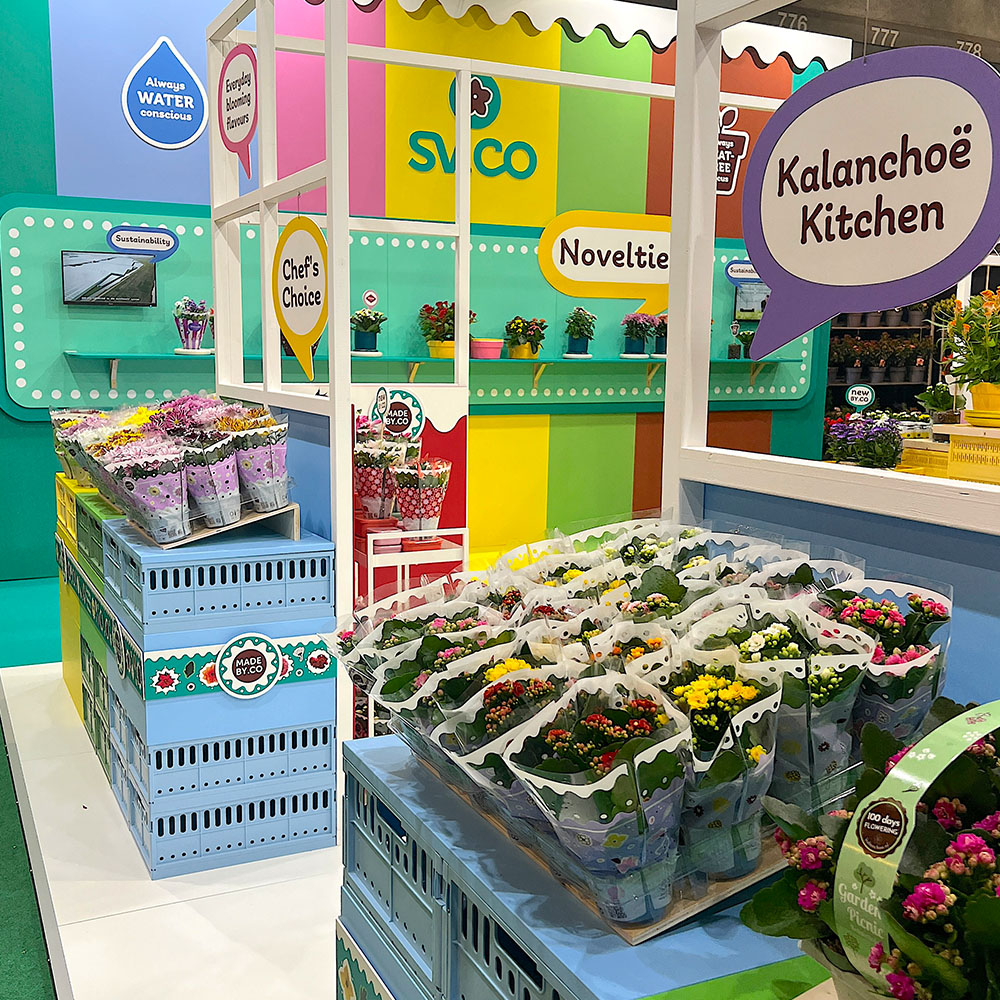
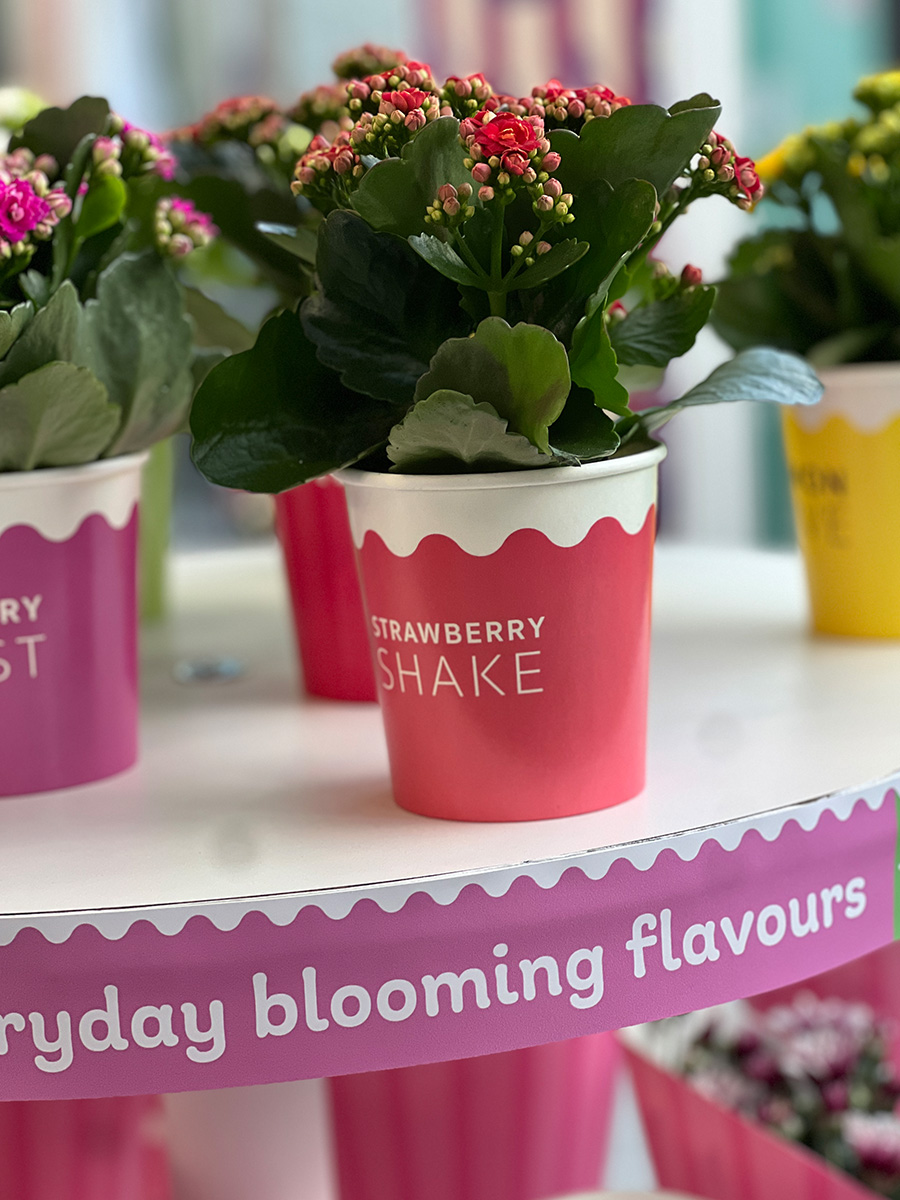
They did, however, simply make special plants: Kalanchoes, potted chrysanthemums, and, for the holidays, Poinsettias, among others. In conversations, we jointly discovered that they are comparable to the best bakers. Fresh every day, every flavor and color, and something extra for the holidays. That comparison to bread and pastries gave the company a great 'story'. By now, they are 'caterers' of many more 'tasty' plants year-round. One sleeve per species became a color cluster with many packages that made every plant even more beautiful.
In this way, plants (even the 'ordinary' ones) become valuable with beautiful packaging. For consumers, the contemporary and seductive packaging gave a huge boost. And just one sleeve? No way! That became many, many more! The brand story is established, and the design evolves. I am still an advisor there on marketing, trends, and design.
Your Taste Is Not the Market
The second thing the sector must unlearn: buying and breeding by its own taste. When I start with a grower, the first session is about switching off that taste. The consumer is not a single person with a single preference. In our work, we map roughly eight taste groups, from safe and traditional to outspoken and free-thinking, each with its own triggers.
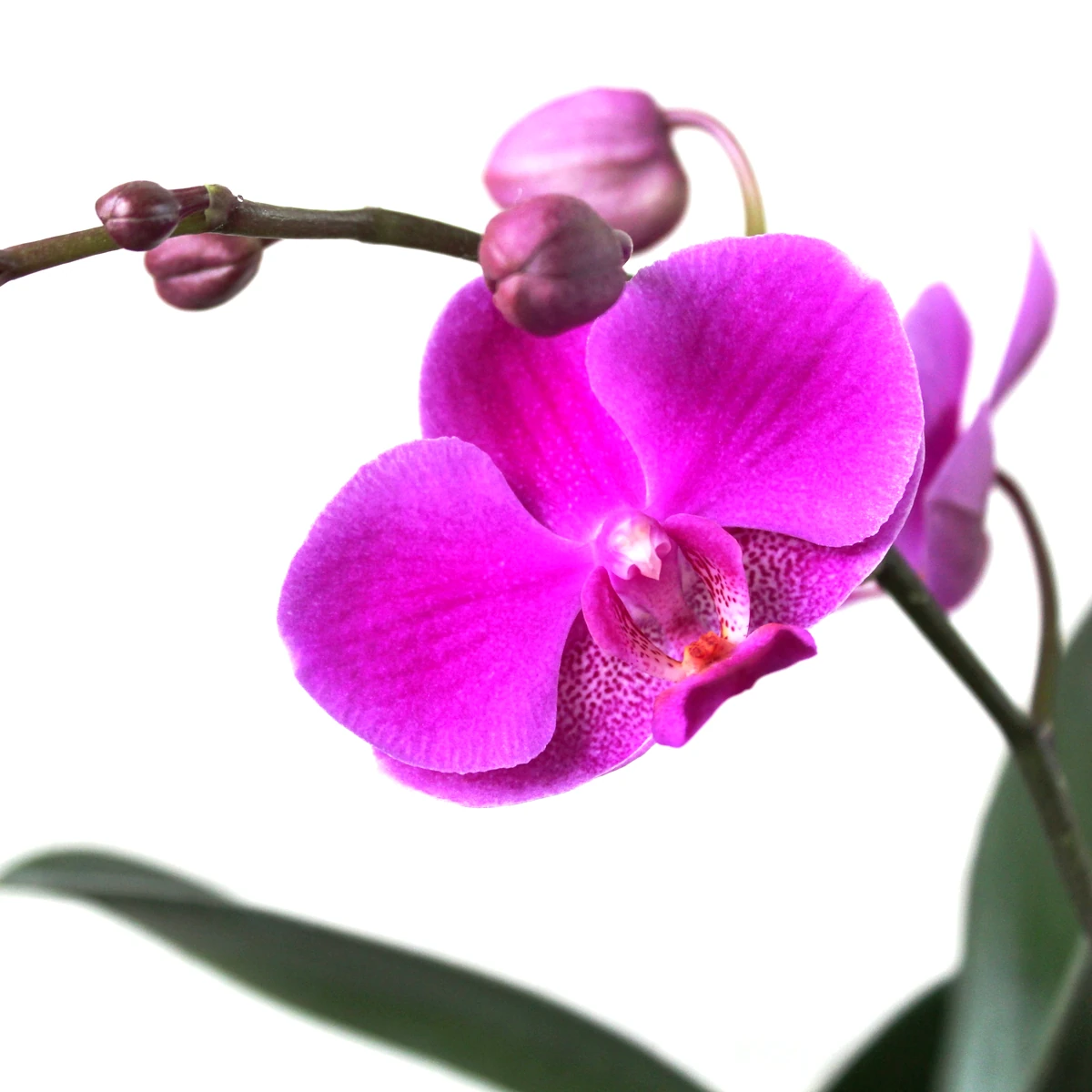
One orchid grower I have worked with for 18 years took this seriously and deliberately developed varieties outside its own comfort zone: smaller, cuter, fragrant, next to the sleek modern lines it was known for. Result: it now reaches consumer groups that its previous image actively pushed away. The assortment covers tastes, not habits.
Meanwhile, much of the chain still buys from yesterday. If it sold yesterday, it will sell tomorrow, and so the shelf shows the same two plants in the same little tray, year after year, while the consumer walks past looking for something new. We wonder why value stagnates. The shelf is the answer.
The Image Problem Is Partly Our Own Doing
And then there is the elephant in the room: the sector's public image. First, we were seen as a luxury; now, the conversation is about the environment and chemicals. Painful, yes. But part of this is self-inflicted, because our reflex is silence. When the poison bouquet stories hit Dutch television and newspapers, the industry's response was to sit still and wait for the shave to be over. That worked in 1995. It does not work now.
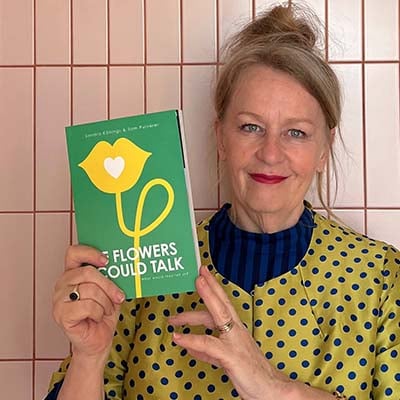
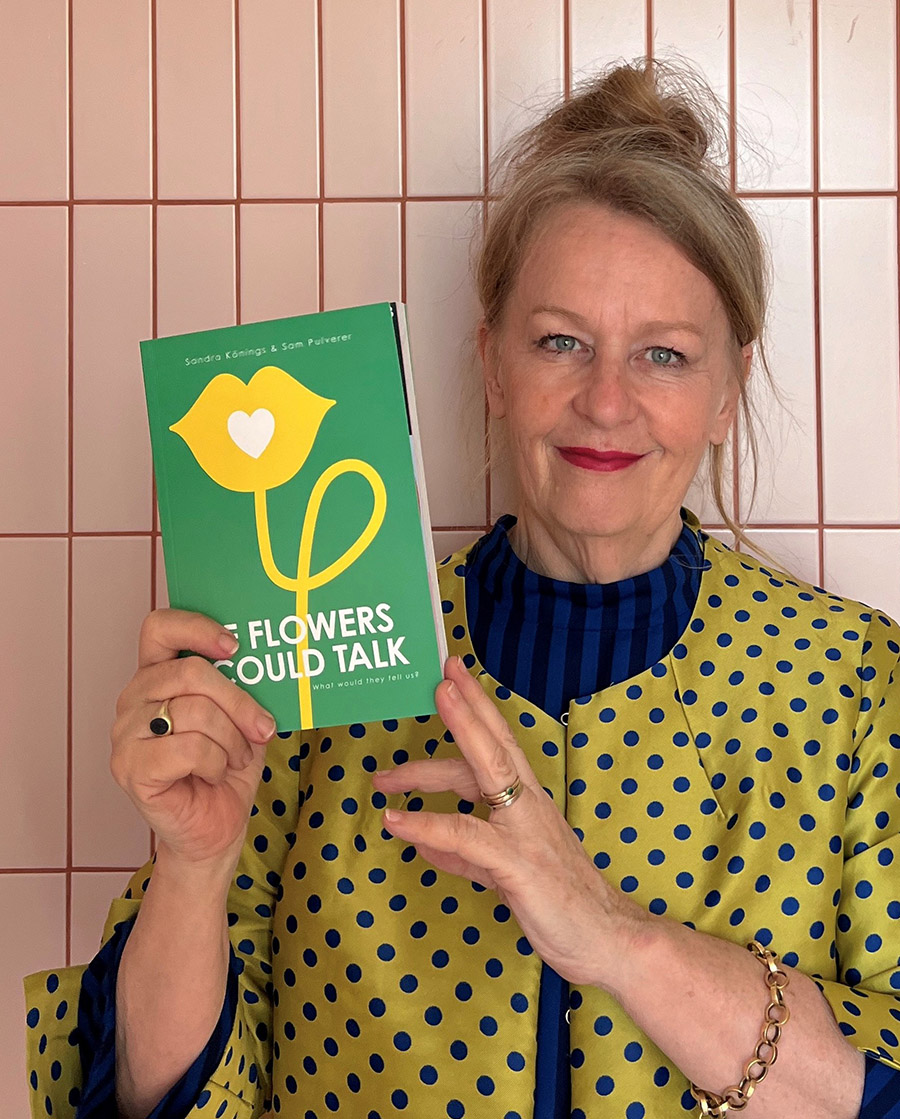
I would rather see us respond honestly, openly, and with pride, and even with humor. For my book project 'If Flowers Could Talk ', I photograph neglected plants in shops and give them a voice. One dried-out specimen got the caption: "My owner lies dead inside." People laugh, and then they look differently at every plant they pass. That is communication doing its job: disarming, human, and on the front foot.
Because here is what we forget when we go quiet. We have the best story in retail. We sell living products that measurably make people happier, calmer, and more connected. No sneaker brand can claim that. We have to celebrate the benefits!
Where the Value Is Waiting
The sector does not have a production problem. It has a meaning problem. The growers who invest in brand, in their story, connect with consumer preferences instead of their own taste, who know their consumer groups better than their own taste, who present their product with care all the way to the shop floor, and who defend their sector out loud are already proving it: value follows meaning.
We built the ratio machine. It is magnificent. Now comes the interesting part.