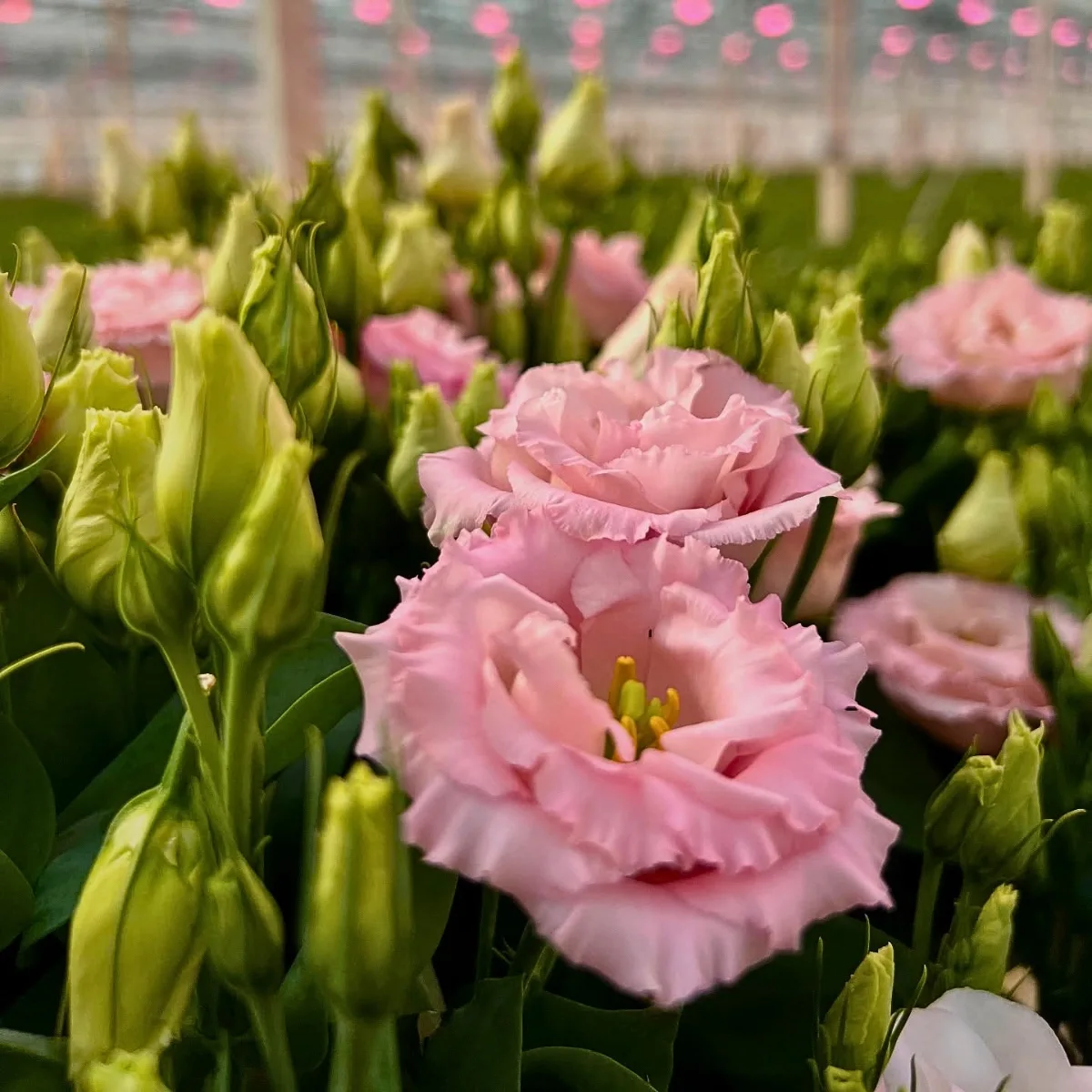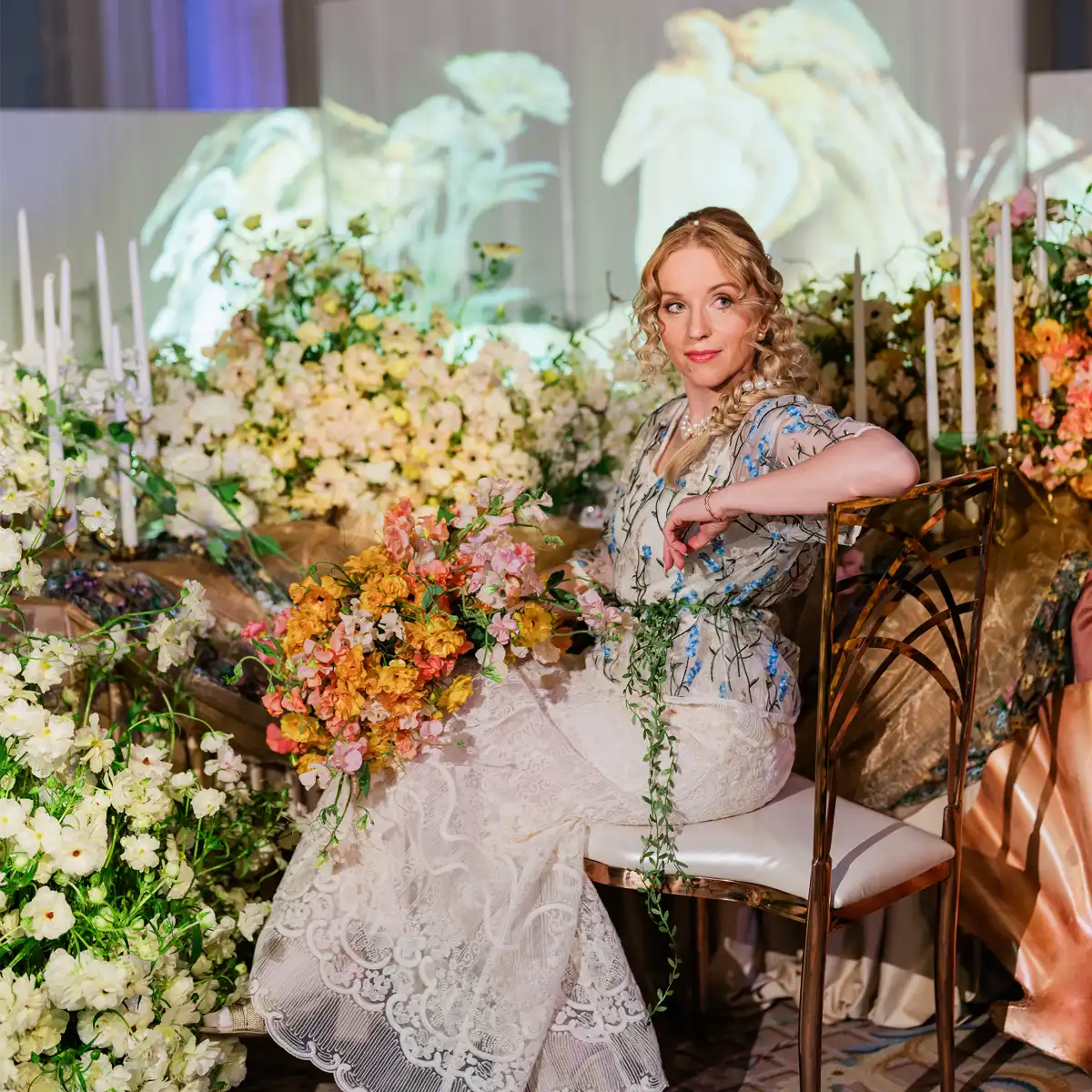
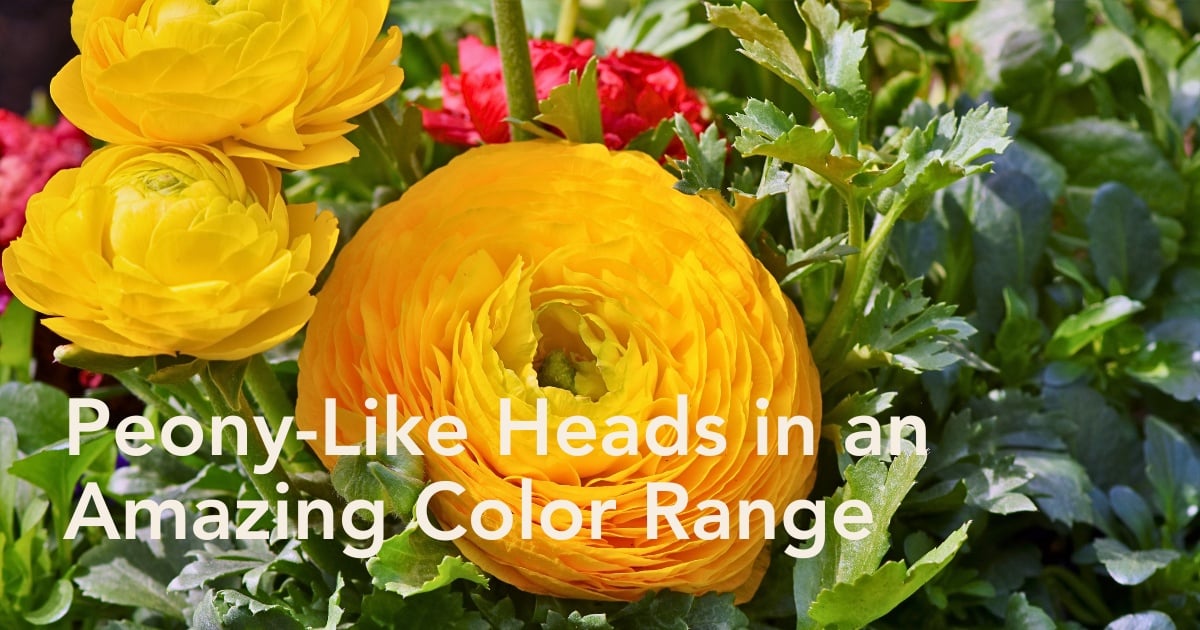
Ranunculus (Ranunculus asiaticus) has grown from a relatively niche spring specialty to one of the most sought-after year-round flowers in the cut flower trade. Once a humble, cold-loving Mediterranean wildflower with single, open-centered petals, this flower has undergone quite a revolution and is today a premier cut flower, loved for its dense swirl of tissue-paper-thin petals, massive peony-like heads, sturdy stems, and amazing color range.
Its growing versatility has also given it a firm place in florists' buckets and shelves. But what drives the ever-evolving varieties is a process that involves years of breeding refinement, highly specialized propagation methods and corm management, and a global supply chain tailored to its specific environmental needs. Here's how its breeding works.
Rich Breeding Roots
Commonly called Persian buttercup, Ranunculus is native to the Mediterranean basin and southwestern Asia, where it grows naturally during the cool, wet winter months before retreating into dormancy in summer. Extensive breeding work in England in the 19th century resulted in more than 500 corm-propagated varieties suited to field cut flower production. The early varieties grew tall and were valued for their stem length, but they lacked the flower density, color saturation, and uniformity required in modern commercial markets.
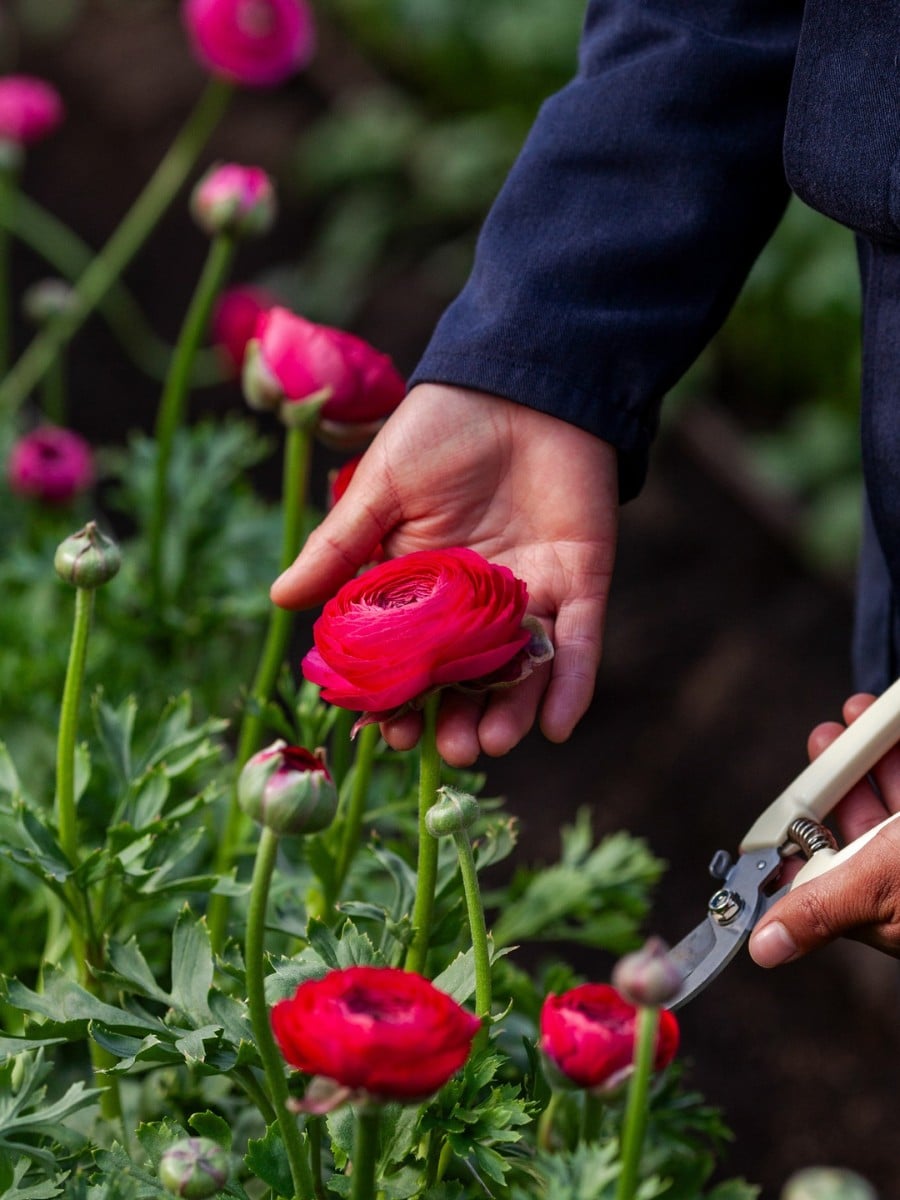
The next major leap came in the second half of the 20th century, when Italian breeders in the Liguria region began developing a new generation of varieties with larger, denser flowers, stronger stems, and a wider color palette. They transformed the market, creating the elegant, densely-petaled Elegance, Cloni, and Butterfly series, which now dominate the global cut flower trade.
Biancheri Creazioni, a family business based in Camporosso, Liguria region, has become a world leader, supplying corm material to growers across the globe. Founded by Antonio Biancheri, the breeder has built a reputation through successful variety series including Pon Pon, Elegance, Festival, and the tissue-cultured Cloni range. Scientific research, practical creativity, and in vitro technology all feed into their new varieties.
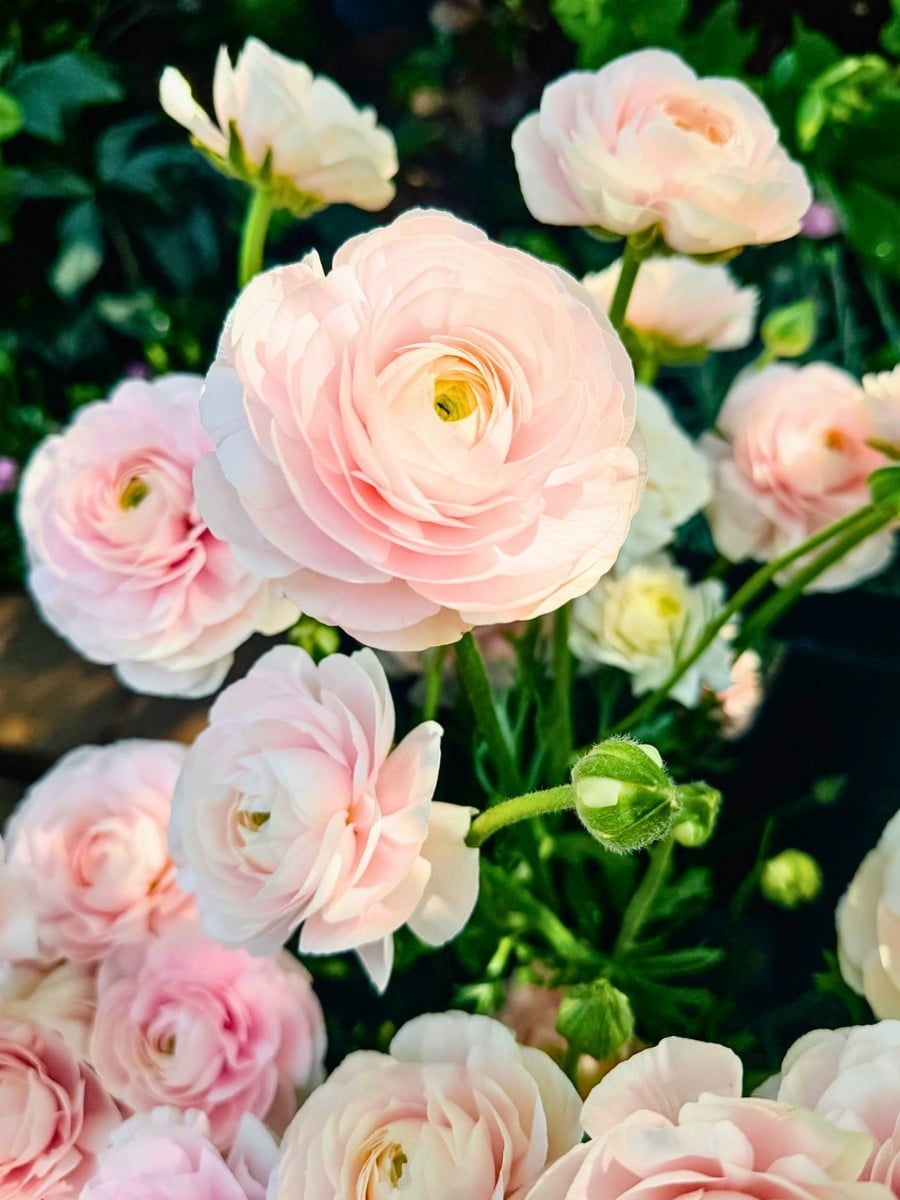
The 1960s and 1970s also saw serious efforts to develop seed-propagated Ranunculus, and selections for dwarf growth habits produced lines suited to bedding and potted plant production. French breeder Jean Meynet was among the key figures in developing systematic hybridization protocols for R. asiaticus, understanding the pollination biology that emphasizes controlled crossing.
From the other side of the world, AYA Engei, a family-run nursery in Miyazaki, southern Japan, developed hundreds of distinct cultivars over 30 years, earning several awards for its Rax series, sold globally as Ranunculus Butterfly. The family's connection to the flower’s breeding dates to the 1930s, when the founder, Soichi Kusano, developed an interest in the flower. His son Shuichi Kusano later developed the Butterfly series, which has become one of the most sought-after lines.
Later, seed-propagated work advanced in Japan, where Sakata introduced the F1 hybrid Bloomingdale series in 1983 for the potted plant segment. Today, its vegetative and seed propagation routes serve distinct market segments, with the vegetative-propagated Italian lines driving the premium cut flower trade.
What Ranunculus Breeders Seek
Ranunculus breeding works from a specific commercial brief. For cut flower markets, it means large, fully double flower heads with tightly layered petals, strong stems capable of supporting their heads without drooping, high corm productivity, an extended vase life, and consistent color expression because color range is a significant commercial driver.
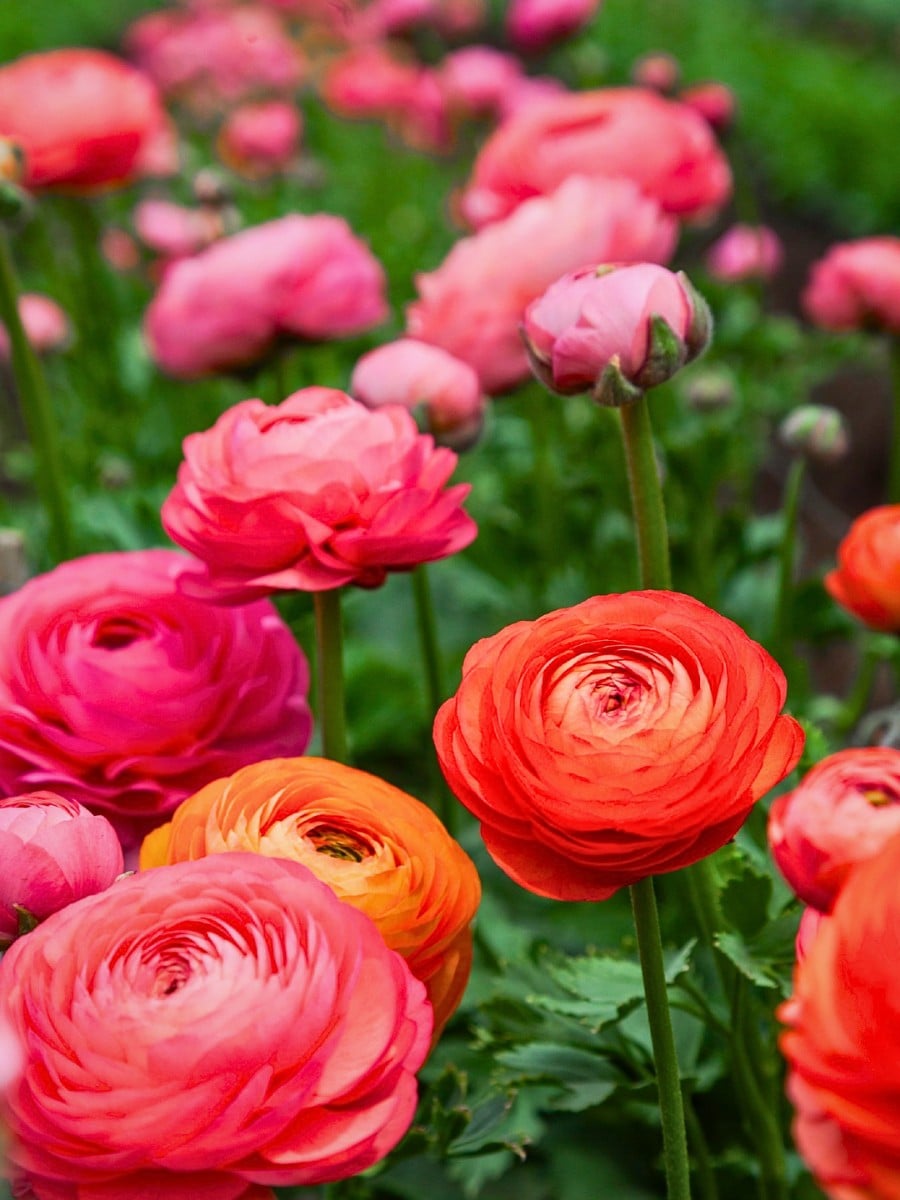
Hybrid strains like Aviv, Victoria, Telecote, and Tomer produce large flowers in pastels and bi-colors that keep pace with the changing florist and consumer preferences. Breeders also target adaptability to growing conditions. Ranunculus is a cool-season crop that grows and flowers best at low temperatures and is intolerant of heat.
Varieties that perform well across a wider temperature band, or can be successfully grown at altitude in countries like Ecuador and Colombia, have significant commercial value because they extend the geography of production and, with it, the availability window for buyers. Also, disease resistance, particularly against soil-borne fungal pathogens like root rot, and tolerance to the tight spacing used in commercial greenhouse production are additional targets.
Why Ranunculus Breeding Demands Masterful Science
The genetics of R. asiaticus make it unusually interesting and unusually demanding to work with as a breeding subject. It exhibits a high level of heterozygosity and self-incompatibility, meaning that crossing selected individuals produces highly segregant offspring where each seedling is genetically distinct. This is a key constraint of Ranunculus breeding.
Since there is no shortcut to identifying which of those seedlings carries the combination of traits a breeder is targeting, visual assessment of seedlings has traditionally been the primary method. And it cannot be rushed. Some cultivars, like Alfa, also show strong self-incompatibility, while certain others even show a capacity for apomixis, the production of seeds without fertilization, though this remains a subject of ongoing research.
Other unique biological hurdles that prevent simple, quick breeding are:
- Self-incompatibility: Wild Ranunculus is naturally insect-pollinated and possesses a high level of self-incompatibility (meaning a plant cannot easily pollinate itself to create stable, uniform lines from seed).
- The ‘claw’ dormancy: Commercial production relies on planting ‘claws’, which are claw-like underground tubers or corms that store energy. Managing, bulking, and breaking the dormancy of these corms requires precise temperature manipulation.
- Vascular challenges: Ranunculus stems are hollow. Breeders must constantly select for thick vascular walls so the stems don’t buckle under the weight of massive, water-heavy double blooms.
Cross-Pollination and Genetics Selection
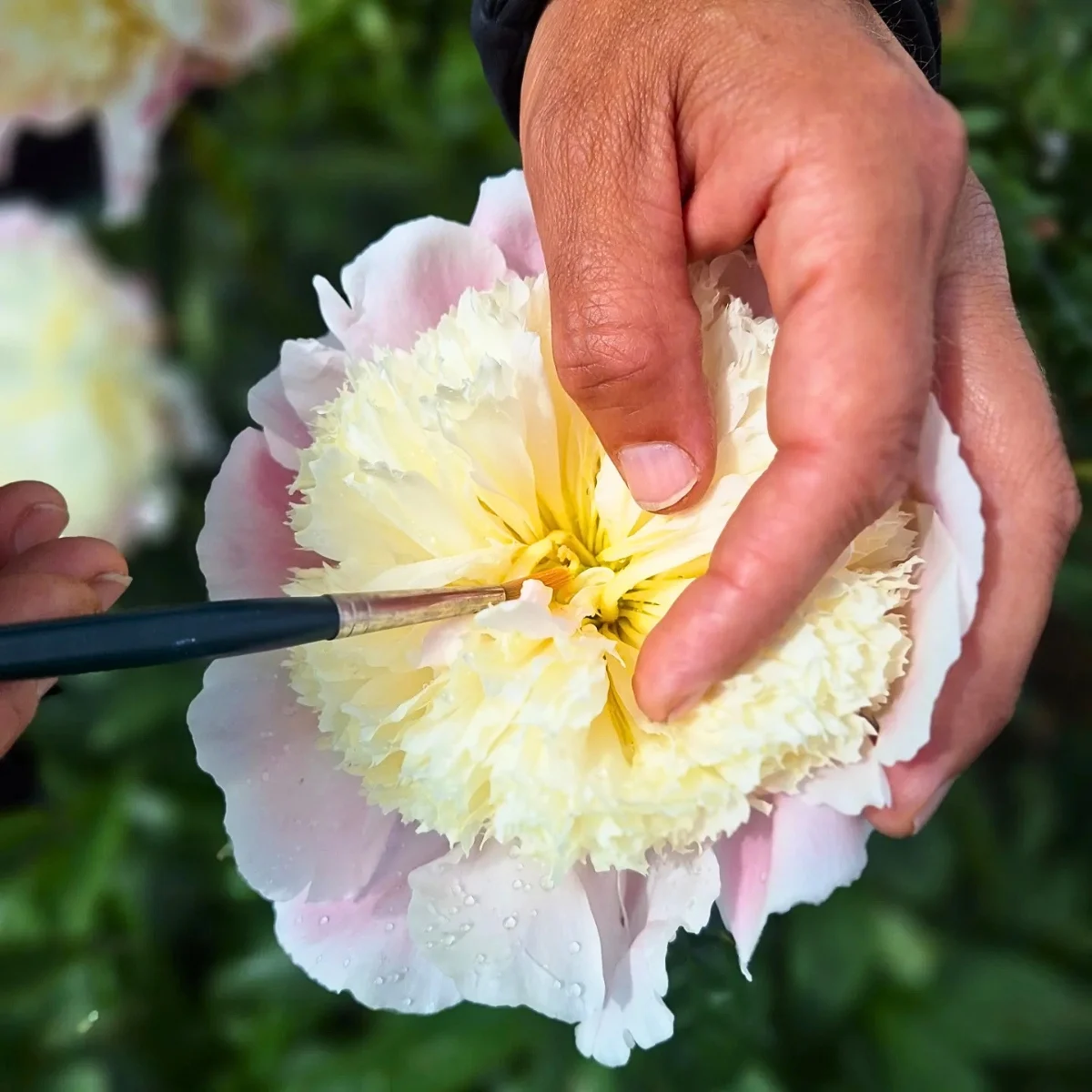
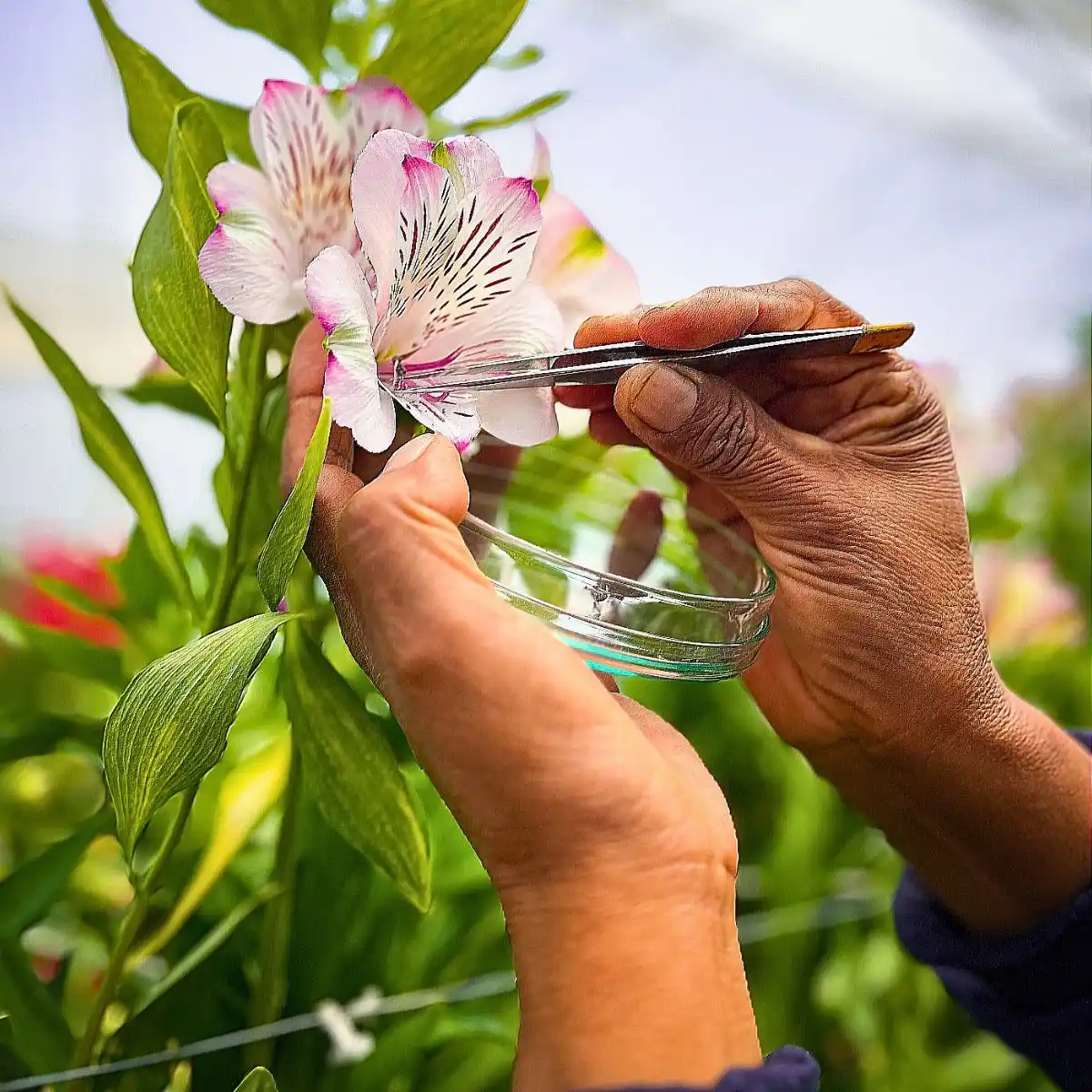
The first step in creating a new Ranunculus variety is selecting parent plants whose traits the breeder wants to combine. In R. asiaticus, crossing is done by hand under controlled conditions, and due to its high level of heterozygosity and self-incompatibility, crossing two selected plants produces highly segregant progenies, so the offspring show a wide spread of traits different from either parent.
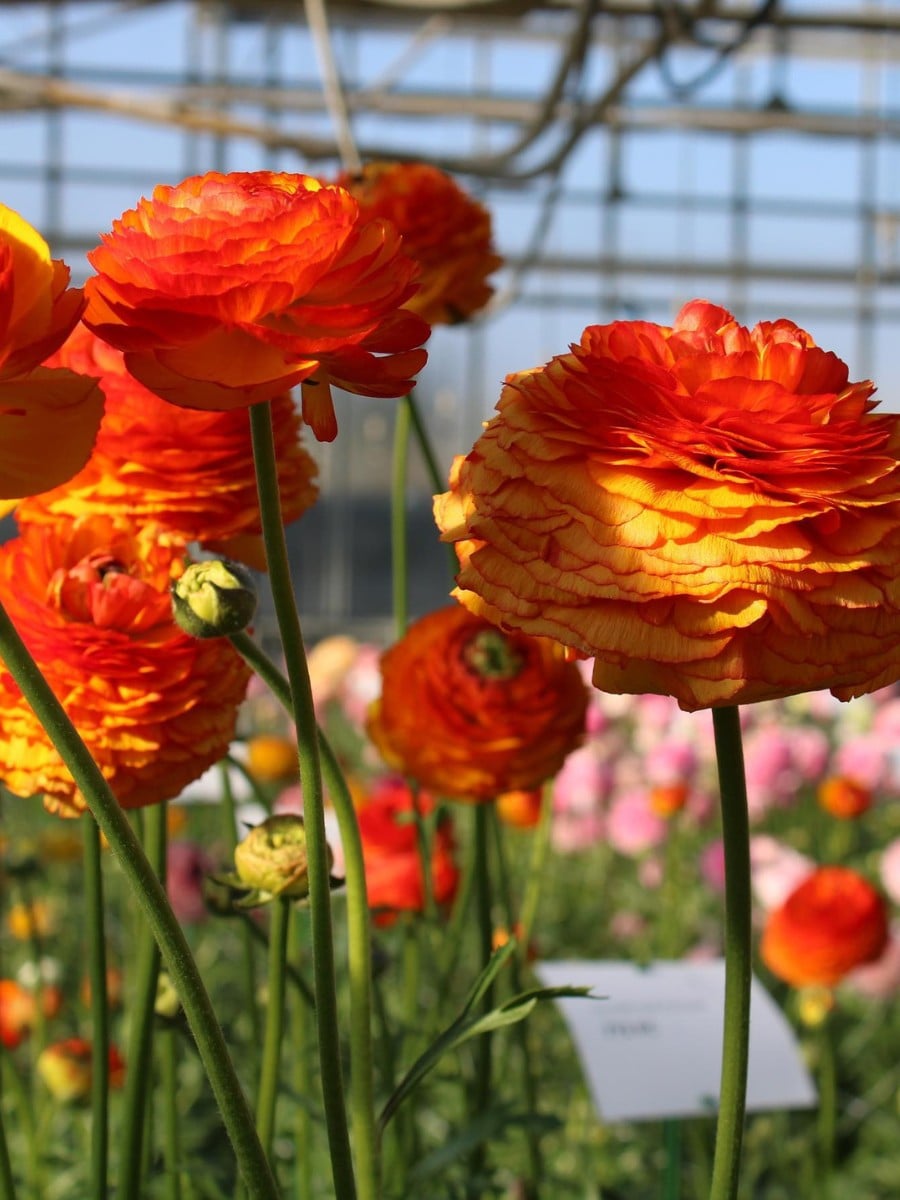
This genetic diversity is both a challenge and an opportunity. It produces a large population from which to select, but it requires the breeder to grow out and evaluate many thousands of seedlings to find the individuals worth keeping, given that the selection process focuses on the full package at the same time.
Because a seedling that produces an extraordinary flower on a weak stem is not commercially useful. Or one with excellent flower form but poor corm productivity will not generate returns for growers, breeders look for the combination that delivers on every criterion. This is why even large crossing programs yield only a small number of plants advancing through to further evaluation.
A key challenge in scheduling these crosses is that flowering in different lines does not always align. For practical breeding purposes, pollen can be stored at refrigeration temperatures to enable hybridization between cultivars with non-synchronized flowering, allowing breeders to work across lines that would otherwise have no opportunity to cross.
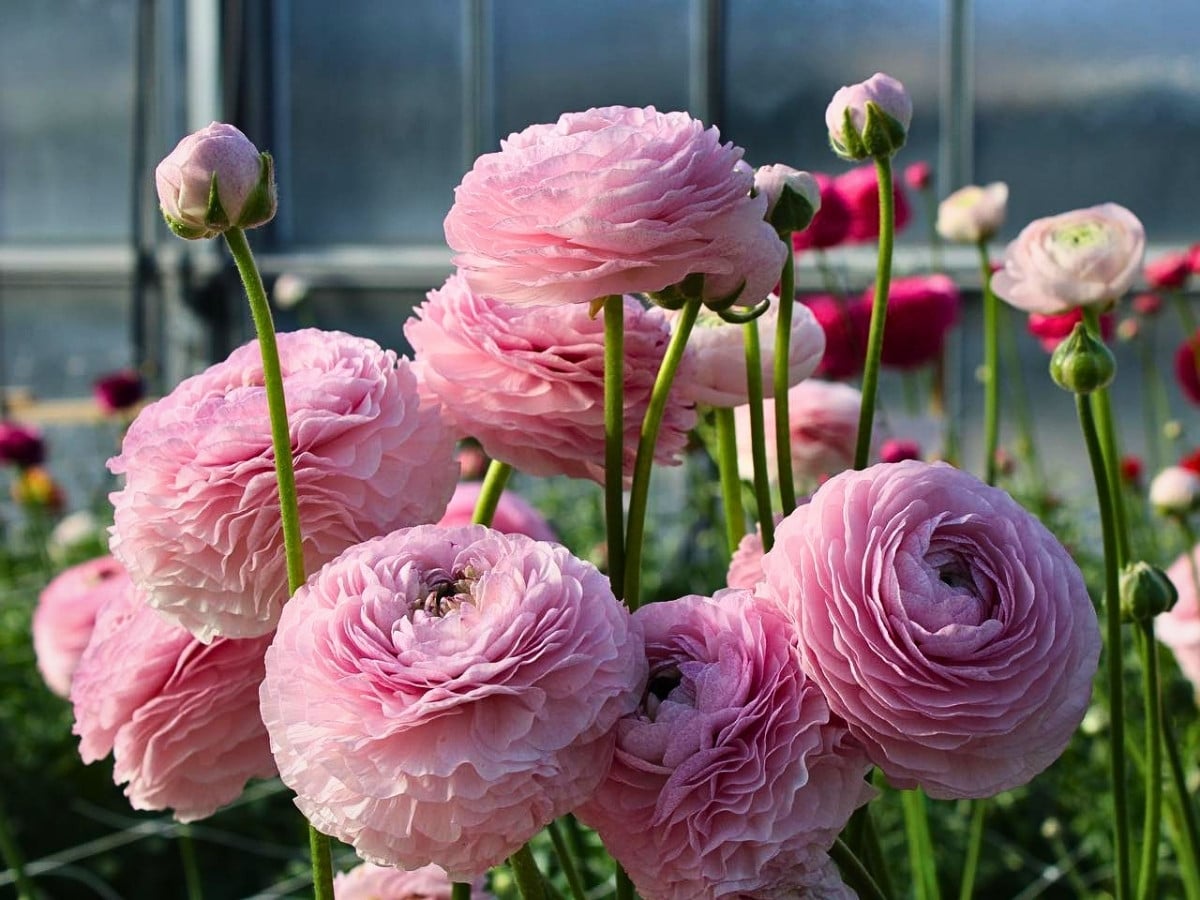
Likewise, the seeds that result from a controlled cross must also be grown on to assess the resulting segregant population. New varieties are currently developed by selecting plants carrying desirable traits in segregating progenies obtained by controlled mating. One cross can produce large numbers of seedlings, each a genetically unique individual, and most are discarded. The rare seedling that satisfies all criteria becomes the beginning of a new variety.
Biancheri Creazioni’s Alberto Biancheri has described the process as a combination of scientific research, creativity, and practical experience. The breeder is largely known to work with Clone Ranunculus. But their Elegance® line originates from a highly refined, seed-propagated variety that offers gorgeous, pastel-colored ranges with robust foliage. However, it is their Cloni™ series, most notably Cloni Success® and Cloni Pon Pon®, that truly changed the floral trade.
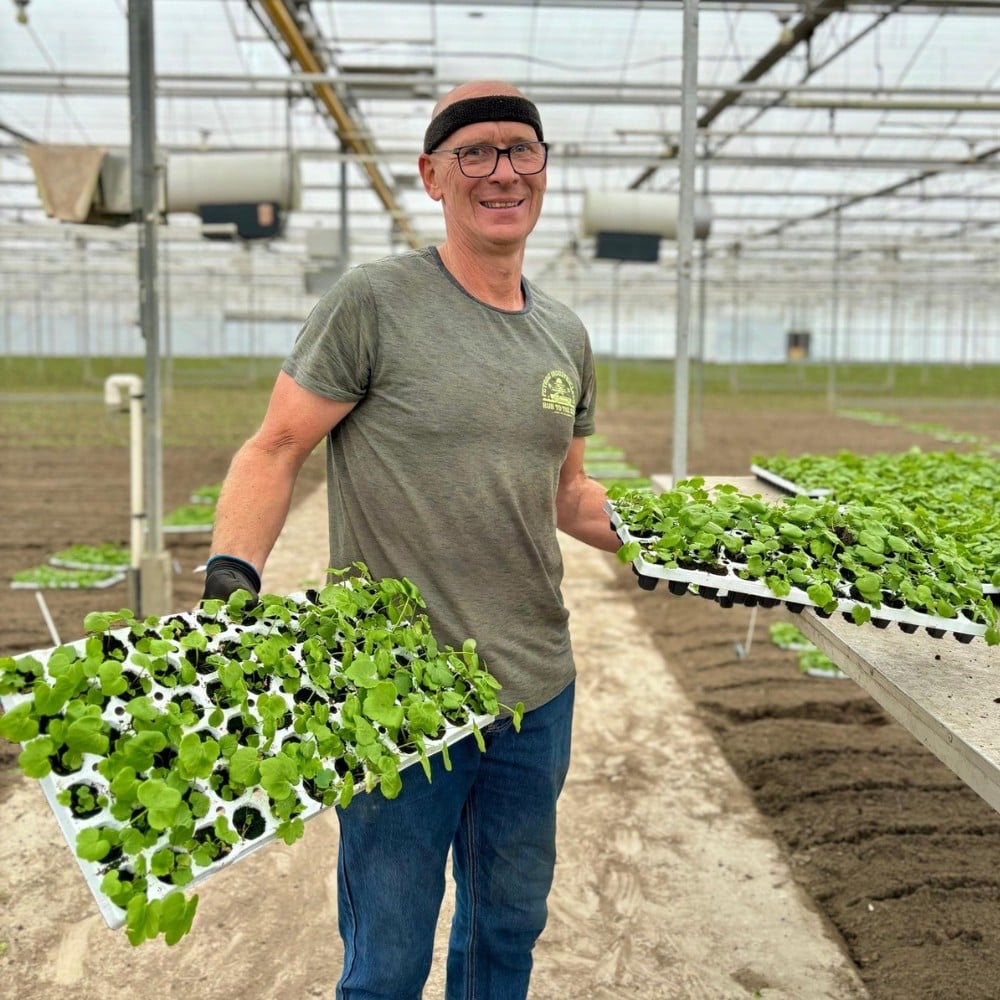
Notably, the breeder relies on traditional hybridization and modern in vitro technologies to develop new varieties. And their patent record shows just how specific and time-consuming this selection process is. A cross made in one year yields seedlings first identified as promising two years later, with tissue culture propagation and stability confirmation adding more time before a variety is commercially available.
In Vitro Propagation, ‘Cloni’, and Other Approaches
A key feature of the premium Italian Ranunculus market is the use of tissue culture, or in vitro propagation, to multiply elite varieties. The in vitro process, also called cloning of the bulbs, results in healthier plants that are free of viruses and diseases, and it is literally where the name Cloni comes from.
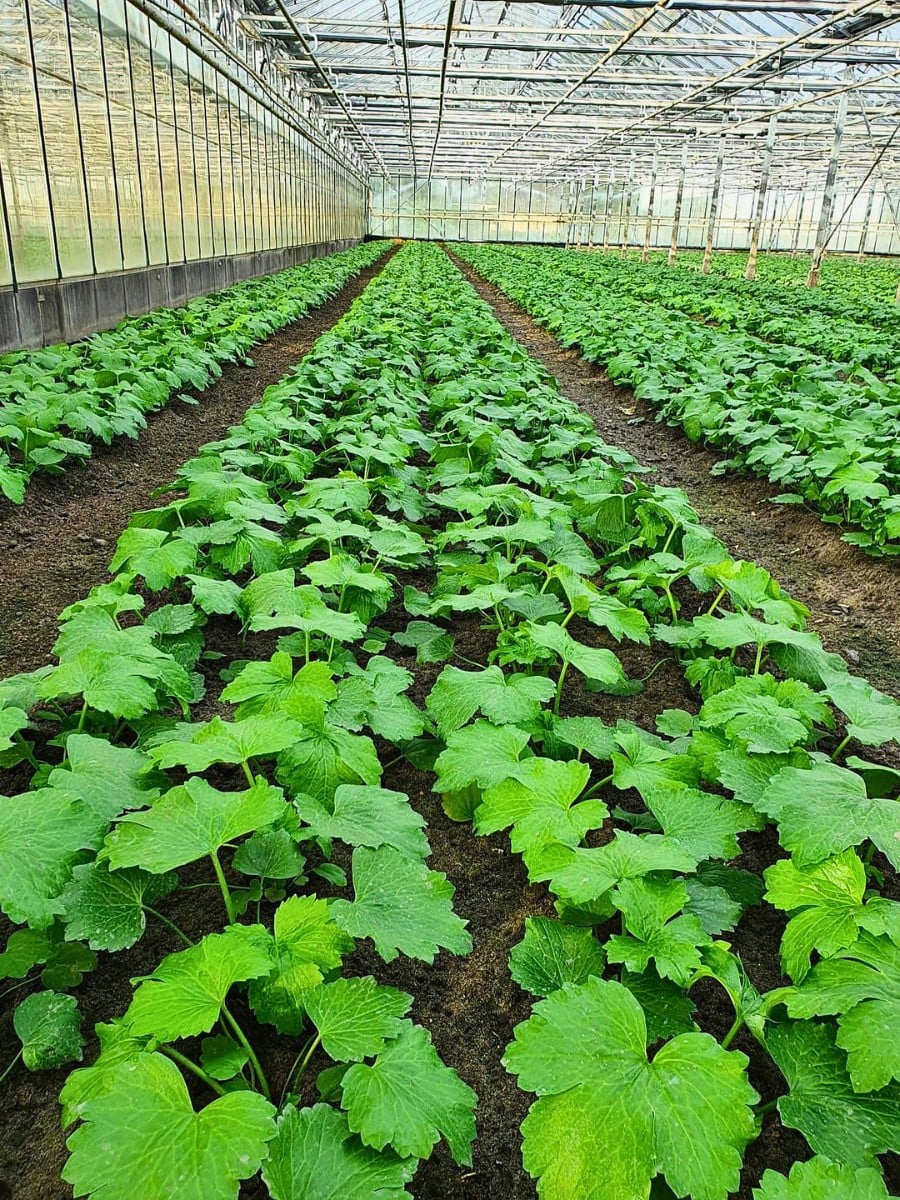
The Cloni series from Biancheri Creazioni is propagated through laboratory cloning, not through seed production or conventional corm division, which is what makes it distinct from the seed-propagated varieties and enables the breeder to commercially deliver genetic consistency.
The process works by taking small tissue samples from a selected elite plant and culturing them in a sterile nutrient medium under laboratory conditions. The resulting plantlets are genetically identical to the original selection, so every corm in a commercial shipment produces the same flower, with similar stem and performance.
The Elegance series, on the other hand, originates from seed-propagated varieties, refined through years of hybridization into a selection of homogeneous, uniform, tall plants with large, full flowers. Even so, the Elegance and Cloni series are together complementary approaches to quality in the Italian Ranunculus breeding program. Each is suited to different production systems and market segments.
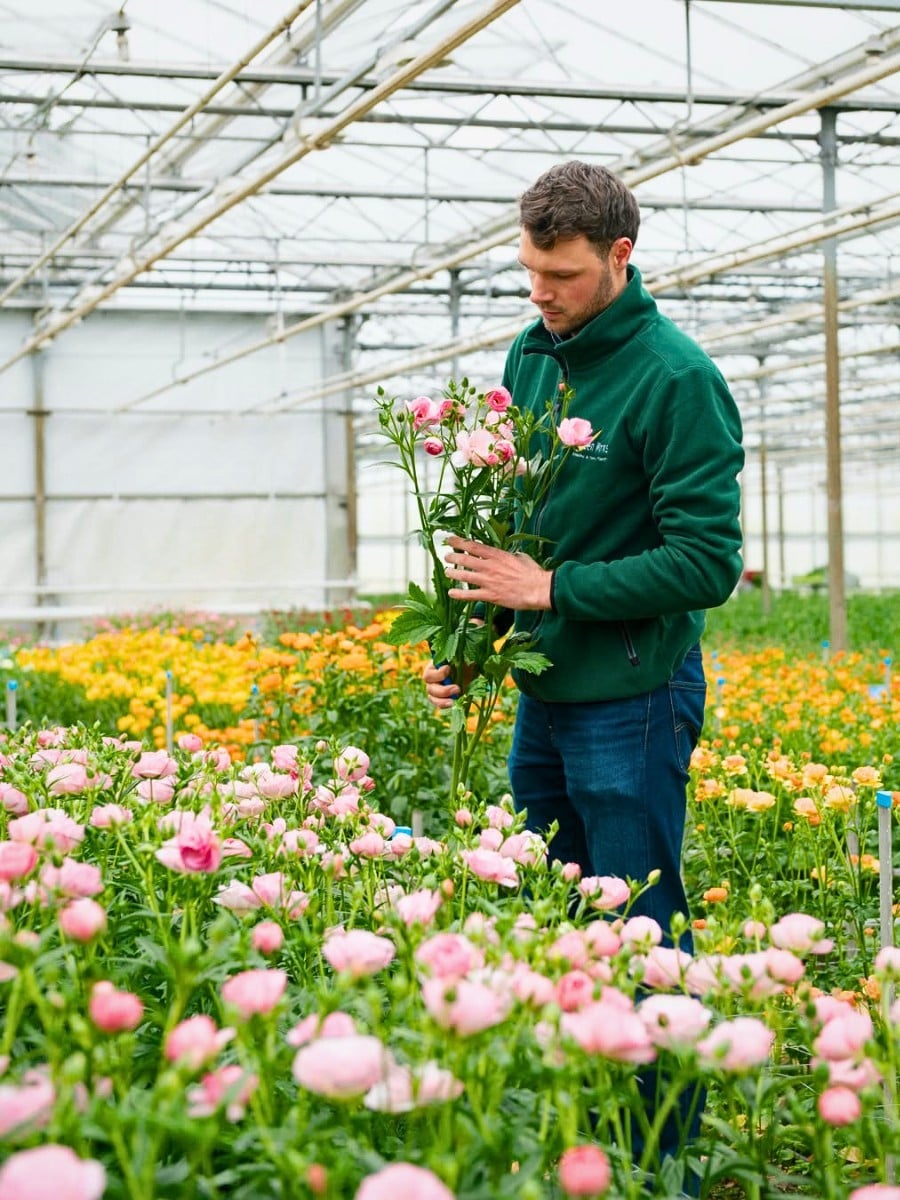
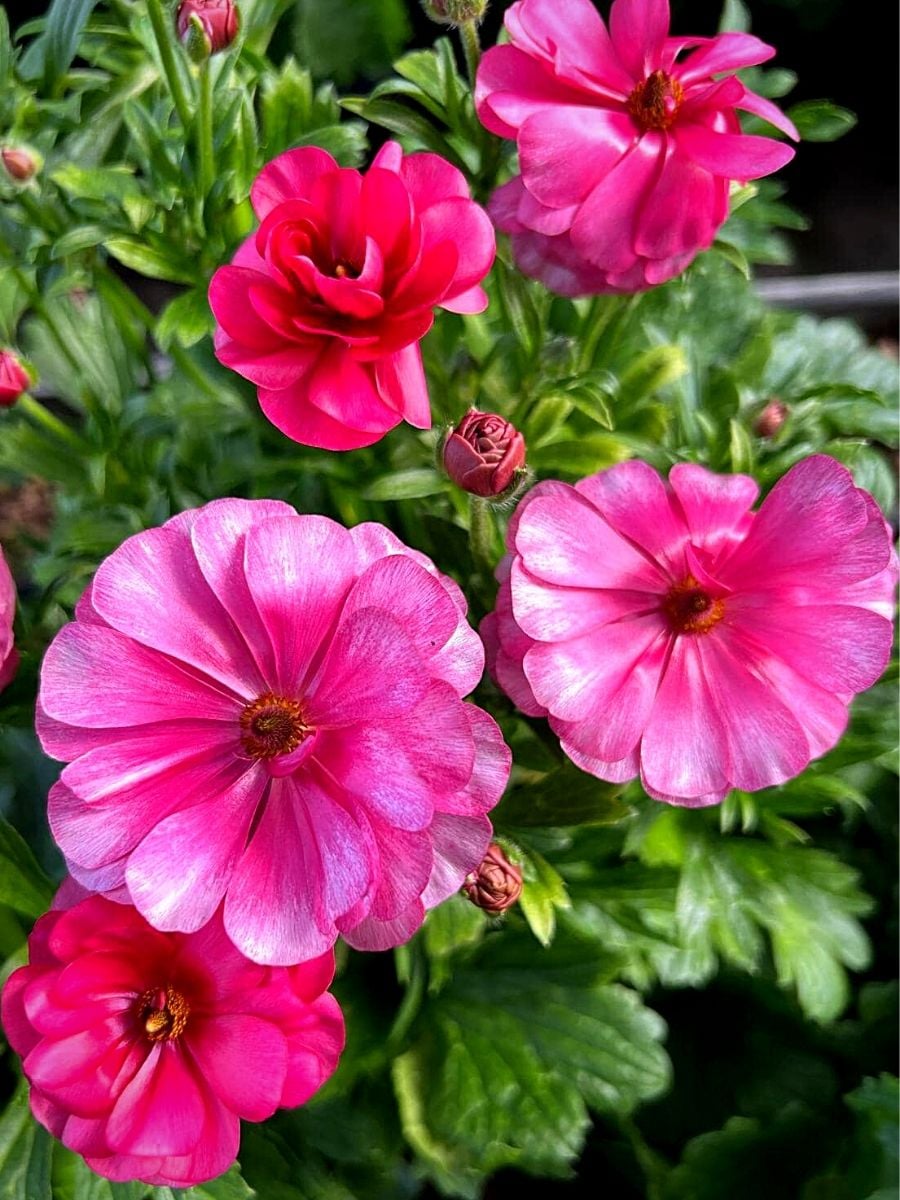
But in contrast to the dense, heavy-headed Italian look, Japanese breeder Aya Engei took a brilliant, alternative approach. Instead of multiplying the layers of petals to mimic peonies, they looked back at the single-flowered wild botanical genes of the buttercup family, and the result was the legendary Ranunculus Butterfly™ series. Grown and brought to global prominence by West-Holland-based grower Monarch Flowers, the Butterfly™ series features multi-branched, strong stems that feature several flowers each.
This breeding line is a game-changer mainly because of the physical microstructure of the petals, featuring a tiny, delicate layer of wax that gives them a luminous, metallic, or glittery sheen under ambient light. The waxy barrier locks in moisture, giving the cut flowers a vase life of up to 3 weeks. Monarch Flowers has perfected the year-round cultivation of these varieties, defying the traditional ‘spring-only’ seasonal limits of Ranunculus.
Corm Production and Vernalization
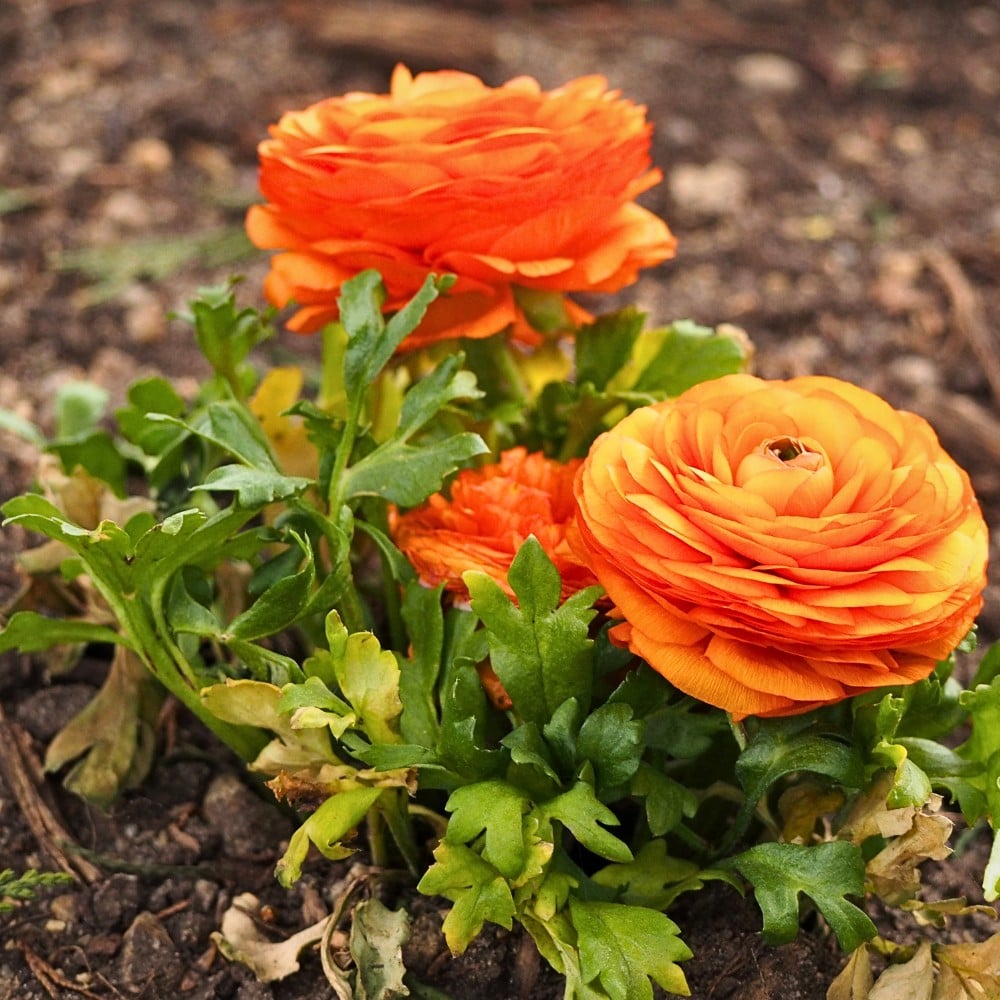
Once a variety is developed and its genetics are established in tissue culture, the next stage is scaling up corm production for commercial distribution. Corms, the tuberous underground storage organs of the Ranunculus plant, are the unit of propagation that breeders sell to growers. They look somewhat like a small, clawed hand, and each can produce five to ten flower stems per season under good growing conditions.
After harvest, corms are dehydrated to less than 15% moisture content, which allows them to be stored and shipped without deterioration. Before being planted, they must be rehydrated. For optimal flowering performance, most commercial varieties go through vernalization, a cold treatment that mimics the natural conditions the plant experiences in its natural habitat.

Vernalization at temperatures of 7°C or 10°C advances flowering compared to warmer vernalization, and increases flower yield compared to non-vernalization. The duration of cold treatment also varies by hybrid. Some require only two weeks, others up to four weeks, and the sensitivity to cold differs enough between genotypes that breeders now provide variety-specific recommendations alongside their corm shipments.
Simply stated, flowering is influenced by the thermal history of tuberous roots and the photoperiod during plant growth, making Ranunculus production a more technically demanding plant than it might appear from the outside. Growers who manage vernalization accurately and maintain cool growing temperatures throughout the production cycle achieve better and improved quality.
Seed vs. Tissue Culture Propagation
An important commercial distinction in Ranunculus is between seed-propagated and clonally propagated varieties, because the breeder's choice has significant downstream effects on price, performance consistency, and intellectual property protection.
Seed-propagated varieties like the Elegance range mean years of hybridization work that produce homogeneous, uniform, tall plants with large, full flowers. The breeding achievement here is producing a seed strain that is consistent enough in its offspring to behave as a reliable commercial product, despite the inherent genetic variation in a seed population. The French Amandine series works on this same principle. It is bred to handle high spring and summer temperatures well, making it particularly suitable for growers in climates with a compressed cool-season window.
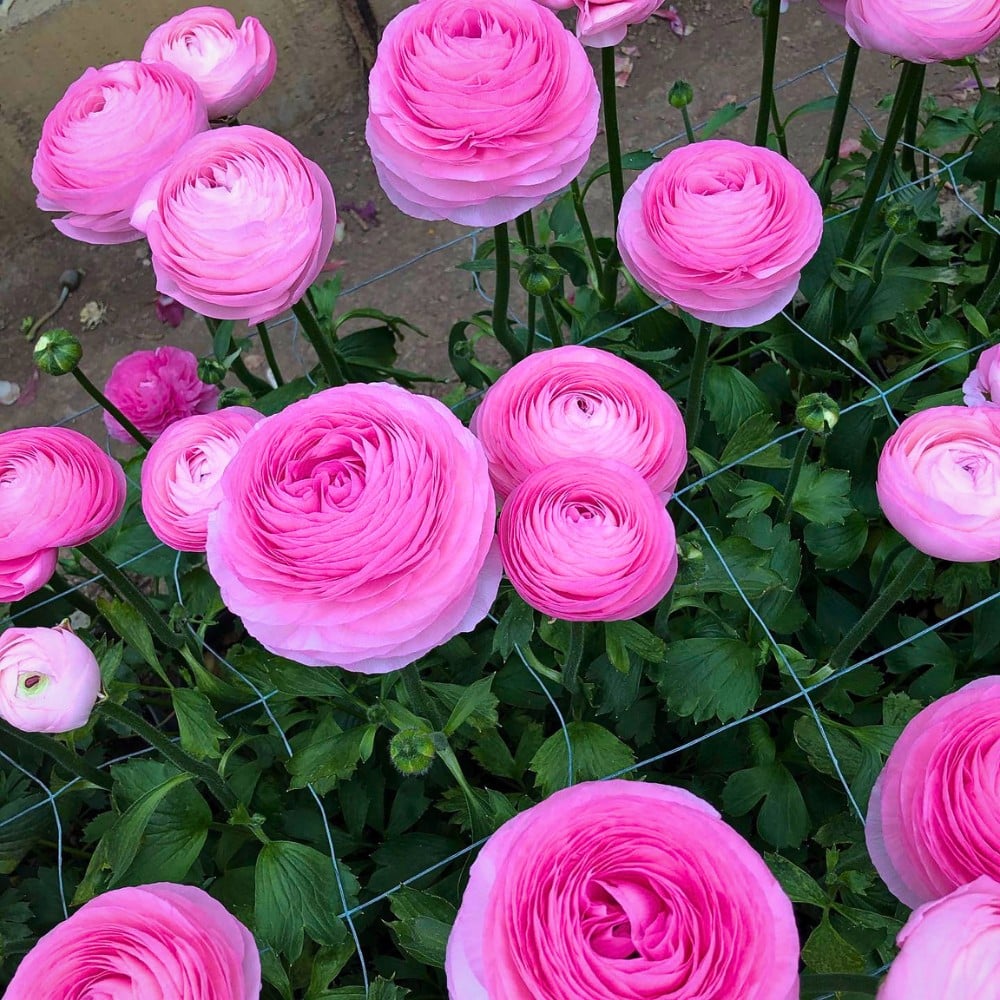
The clonally propagated series is the next level of precision. Biancheri Creazioni’s Cloni Success is produced by hand-selecting the best individual plants from the Elegance seed line and reproducing them through tissue culture. The resulting corms are genetically identical to the selected parent plant, so every corm in a batch produces the same flower.
This is why the Cloni varieties are more expensive, consistent, and more legally protected. Saving and replanting Cloni corms without paying royalties is a breach of the breeder's rights. AYA Engei’s Butterfly series is also propagated through tissue culture and protected by plant breeders' rights, meaning corms cannot be saved from one season to the next.
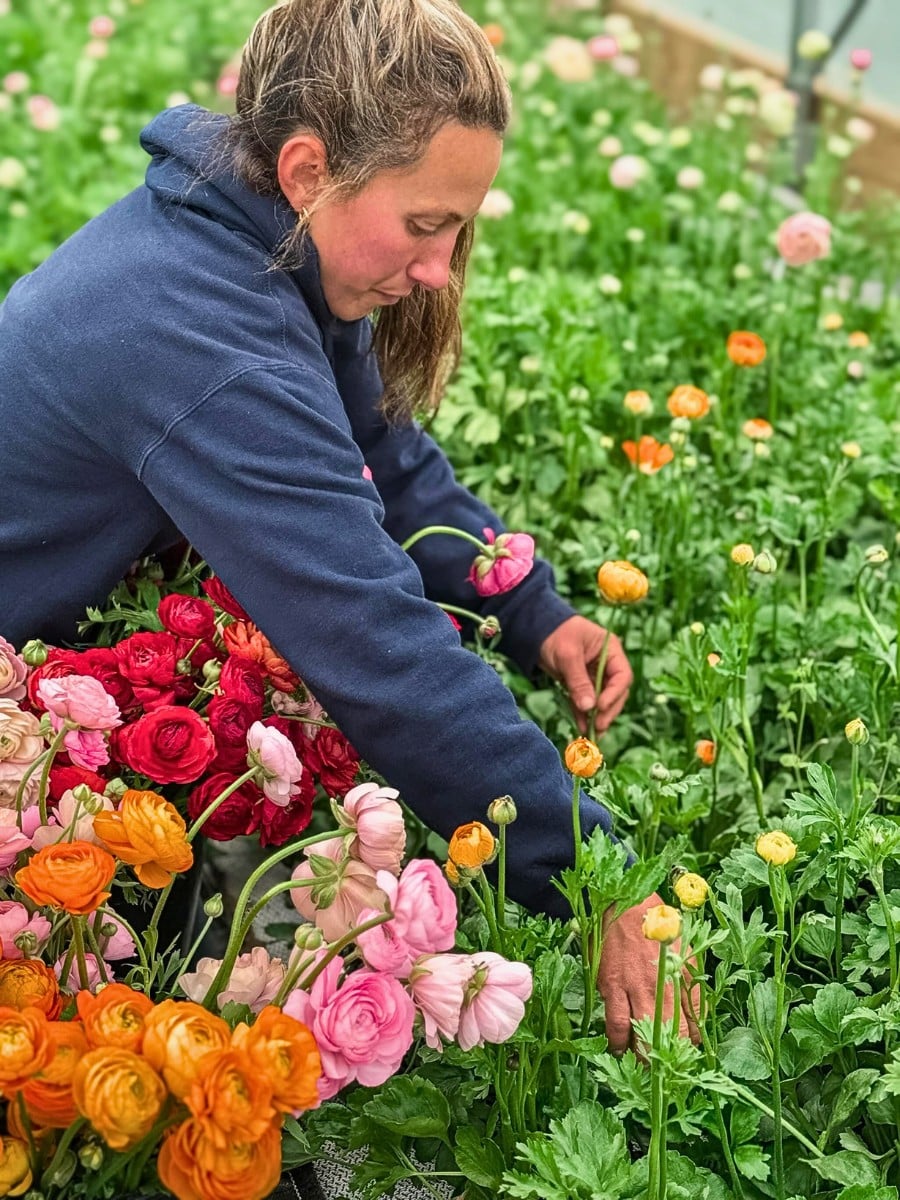
Where Ranunculus Is Bred and Grown Commercially
Italy's Riviera dei Fiori, the stretch of Ligurian coastline running from San Remo toward the French border, is the historic and still-active center of Ranunculus breeding and production. Biancheri Creazioni's research facility in Camporosso and the Azienda Agricola Brea nursery nearby operate within this narrow coastal strip.
Here, the mild Mediterranean climate is well-suited to the plant's cool-season biology, meaning the San Remo area has a very large production of cut Ranunculus, and Italian-grown Ranunculi continue to set quality benchmarks. Outside Italy, the geography of Ranunculus production has grown significantly.
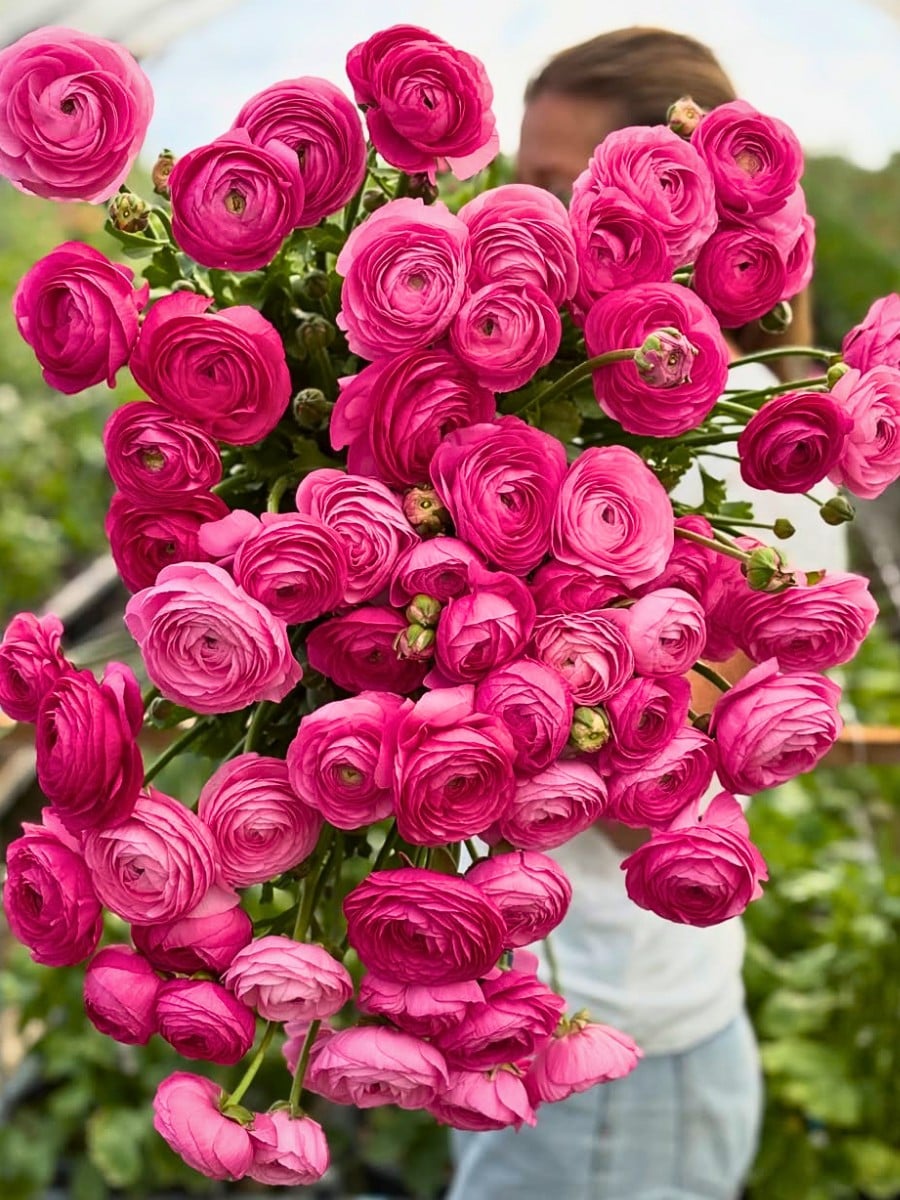
Tessa grows it at Ecuadorian high altitudes, where the cooler temperatures and intense natural light produce flowers with intense color saturation and reliable quality. Geoflora in Colombia grows and exports Ranunculus from the Sabana de Bogotá alongside other specialty cuts, distributing to competitive markets in the US, Japan, the Netherlands, Canada, the UK, and Germany.
More recently, Ecuador’s Floraprima also launched the Natura Moderna Collection. Natura Moderna Ranunculus features a softer, more open single-petal form designed for contemporary floral styling. In the Netherlands, Monarch Flowers produces highly distinctive varieties of the Ranunculus Butterfly series. Decorum grower André Knoppert & Zn have also specialized in Ranunculus for years, mainly growing the Aazur series alongside Pon Pon and Success varieties. The Aazur Cream, Aazur Pink, Aazur Orange, and Aazur White varieties are all reliable commercial fixtures in the European market.
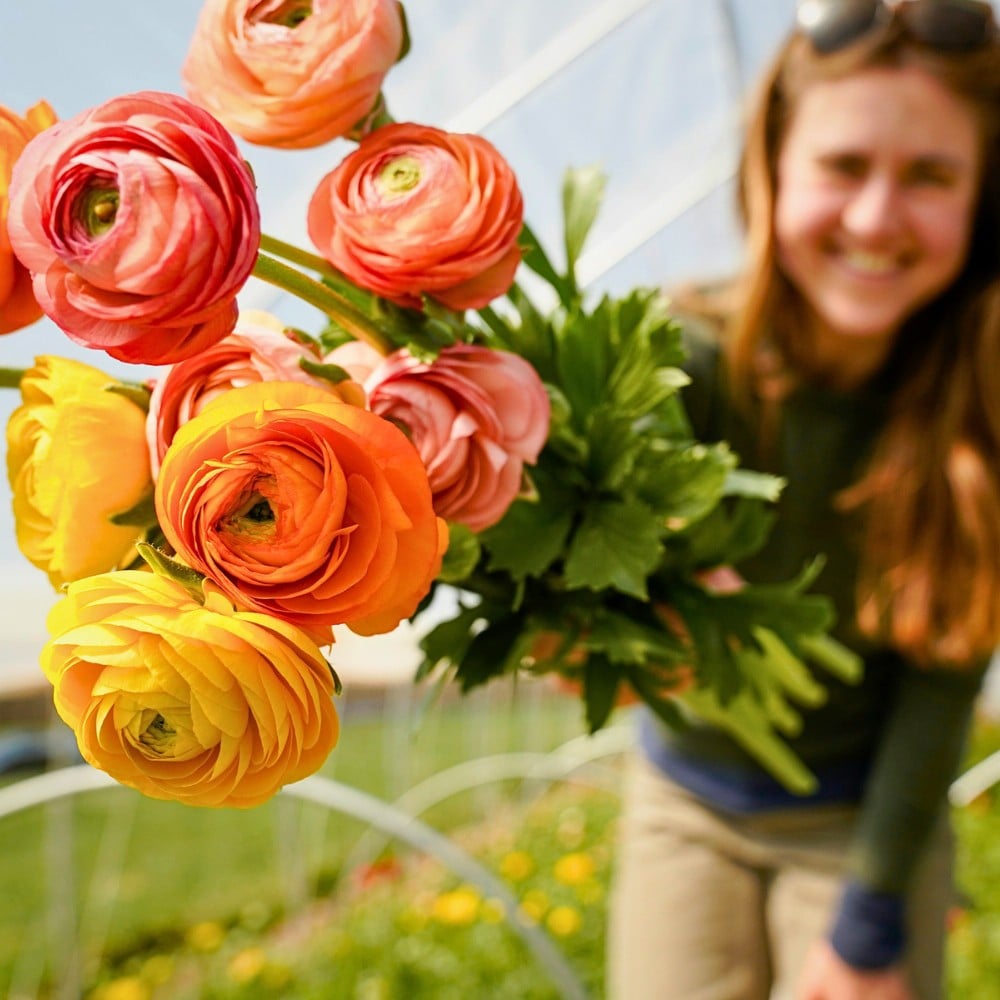
Elsewhere, Schoneveld Breeding, a specialist in cold-loving pot plants, has also developed Ranunculus genetics for the potted plant segment. Their F1 Ranunculus Sprinkles series combines the genetic discipline of controlled hybridization with the commercial requirements of pot plant growers. All these make Ranunculus an all-round flower.
Featured image by @monarchflowers. Header image by Ralphs_Fotos.