I have been "the flower man" for 44 years now. For the past 14 years, Poland has been my home and my workplace. And I can tell you one thing: selling flowers here has taught me to look at the flower business very differently.
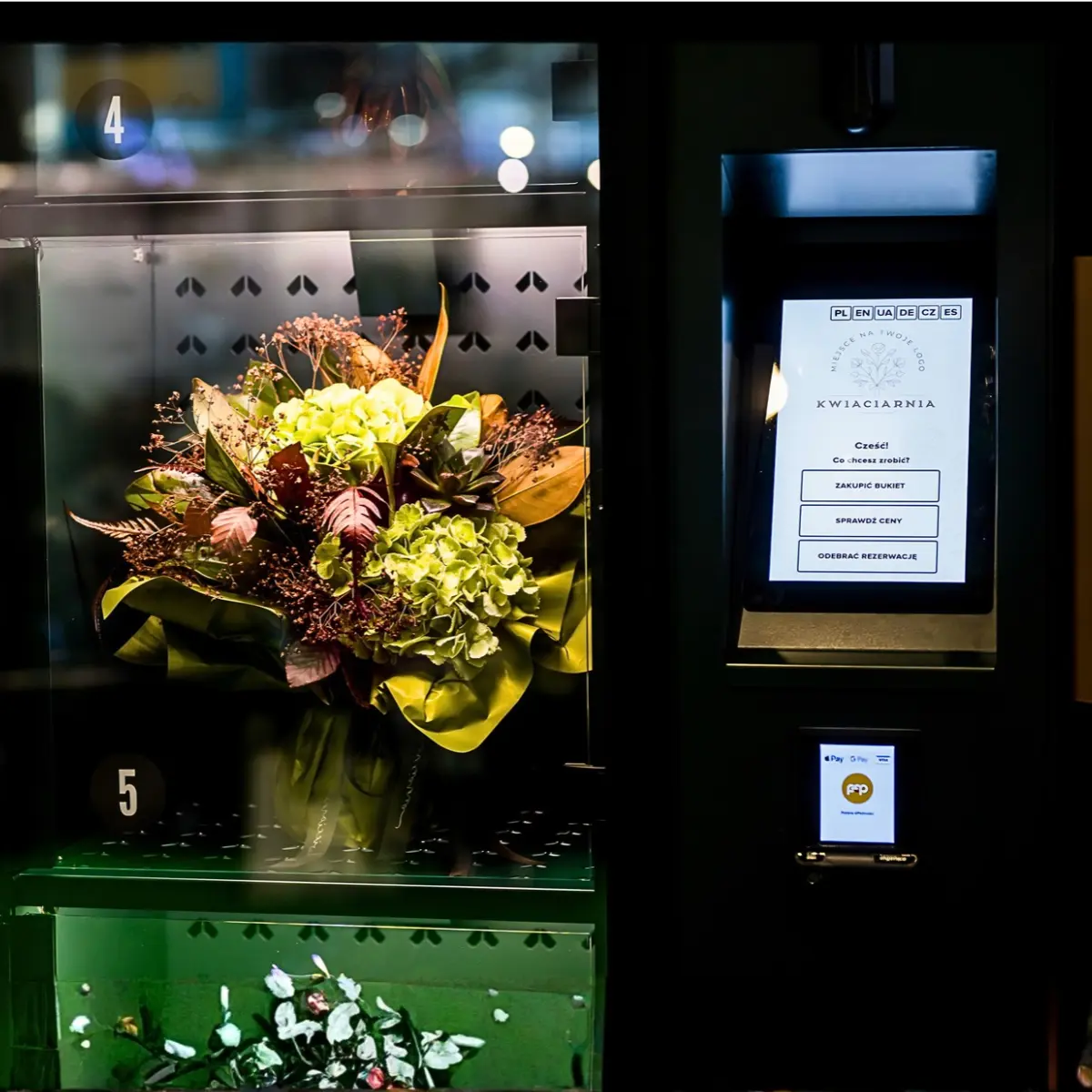
When I started in Poland, there were definitely moments when I scratched my head and thought: "What have I gotten myself into?" Things did not work the way I was used to in the Netherlands. But especially in the last five years, I have seen the Polish flower trade mature. Flower shops look better, kiosks present their products more professionally, and bouquets have become fuller and more interesting.
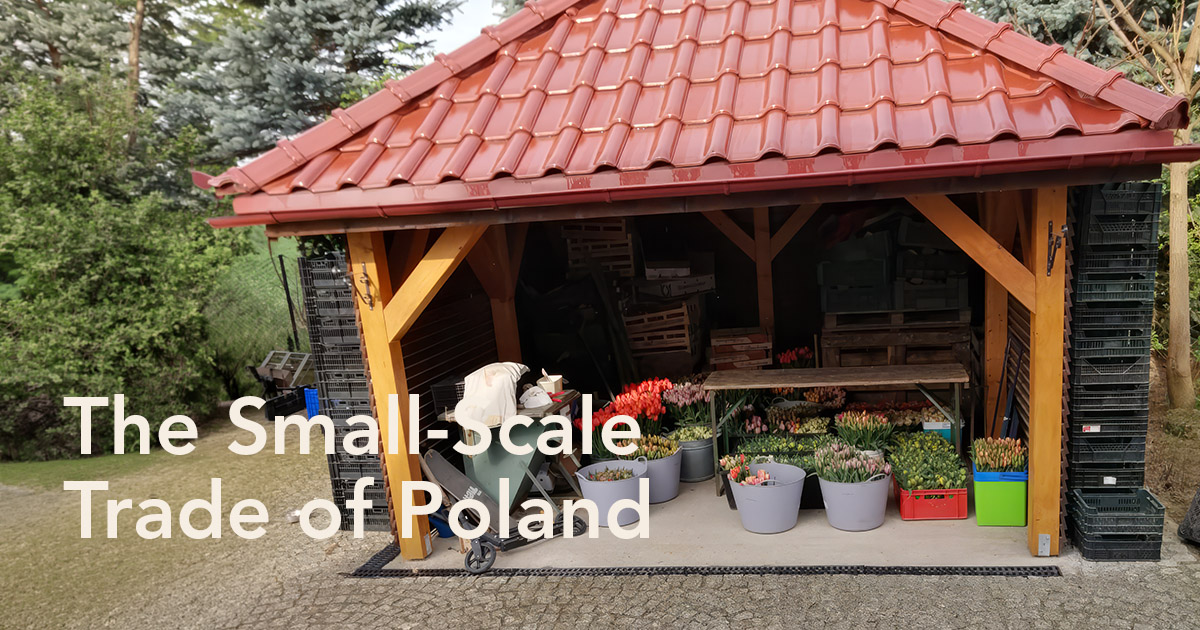
At the same time, Poland has kept something I really like: small-scale trade.
A Different Kind of Flower Business
I spent years growing for the domestic trade around the flower auctions in Vleuten and Ede in the Netherlands. So small-scale production was never unfamiliar to me. But in Poland, you can take small-scale business to another level.
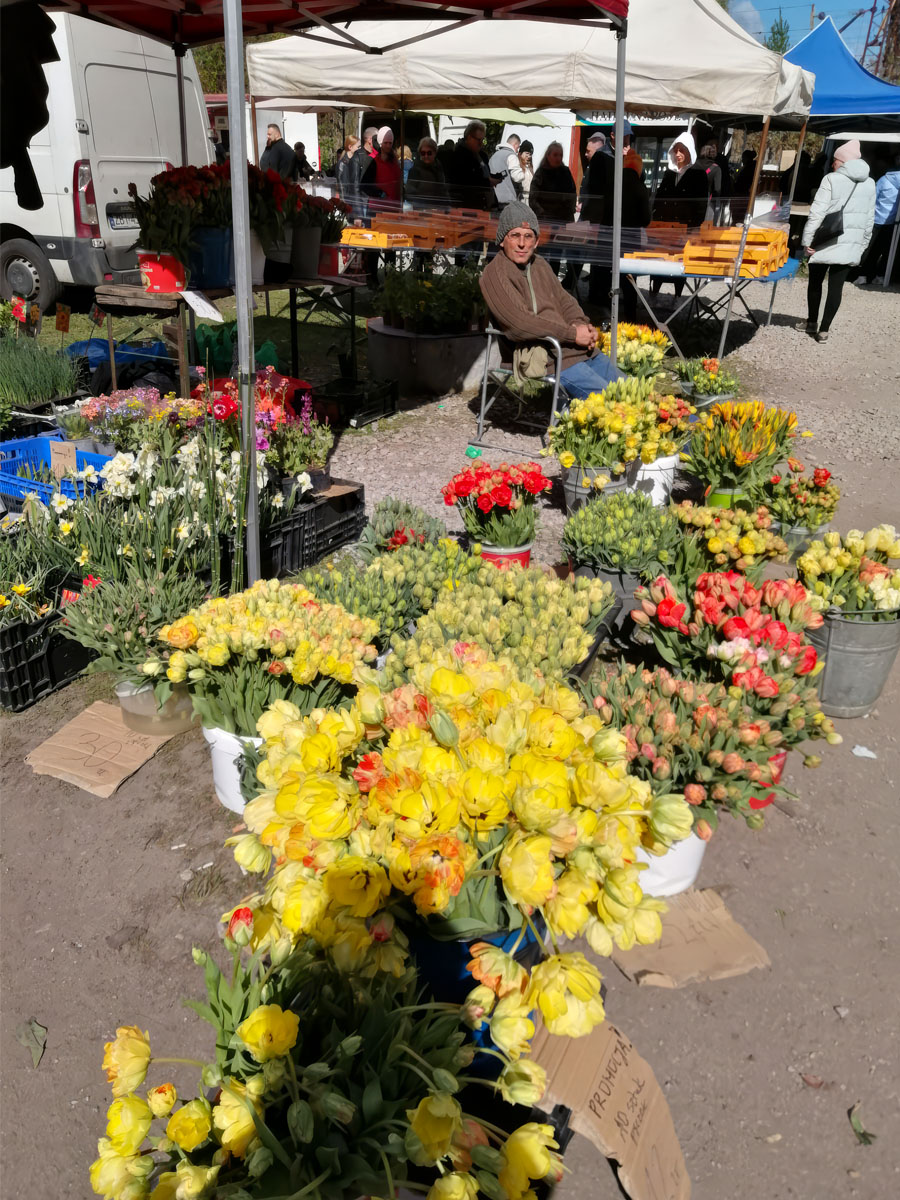
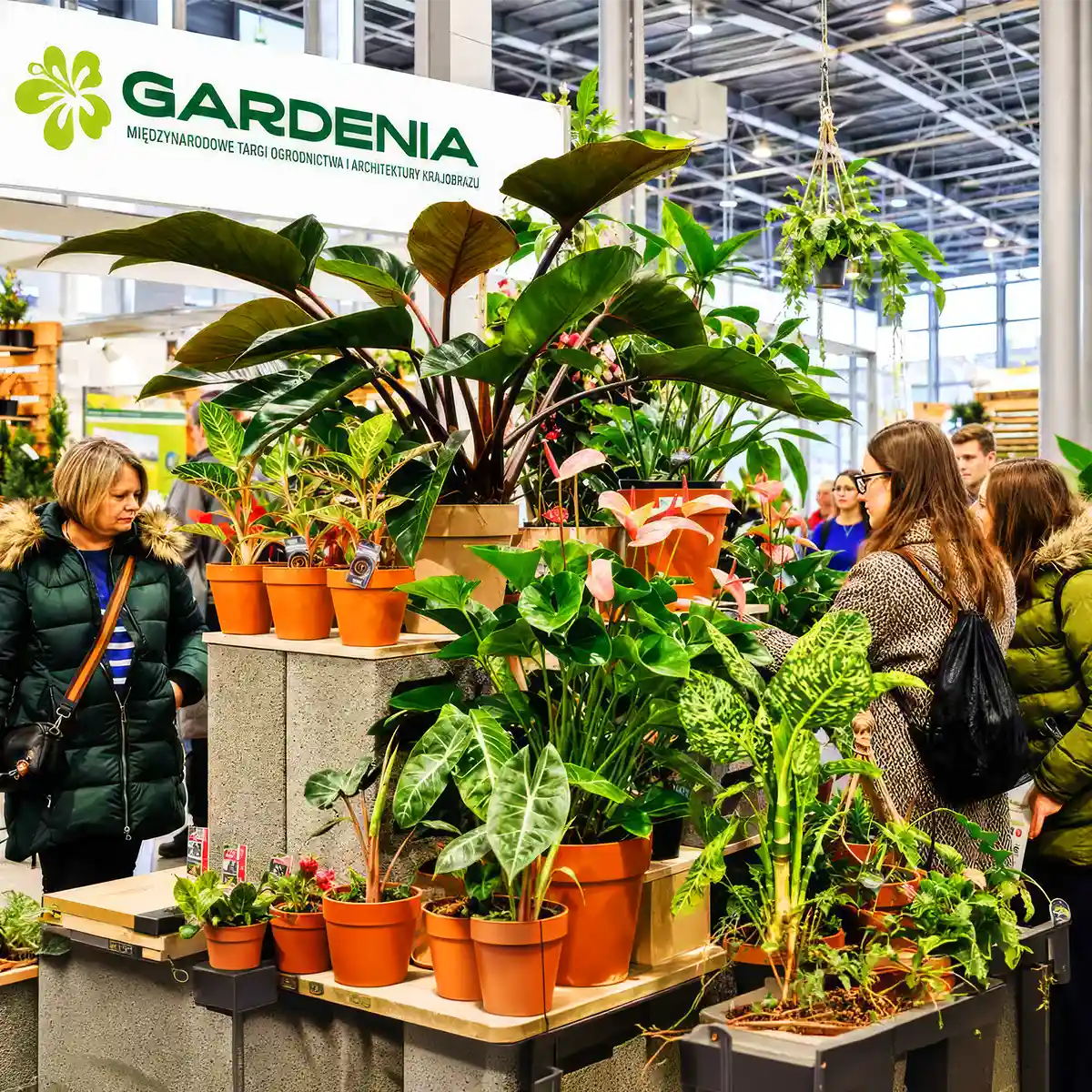
Cut flowers are often sold by the bunch instead of by the bucket. Green and flowering houseplants are sold individually instead of by the tray or trolley. Garden plants are more often sold by the tray or crate, but generally speaking, the quantities are much smaller than Dutch exporters are used to. For an exporter who is set up to move large volumes, Eastern Europe can therefore be a difficult market.
My own business works in a completely different way.
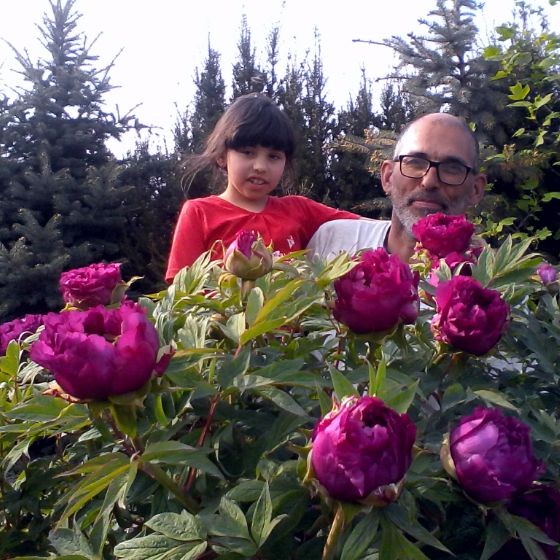
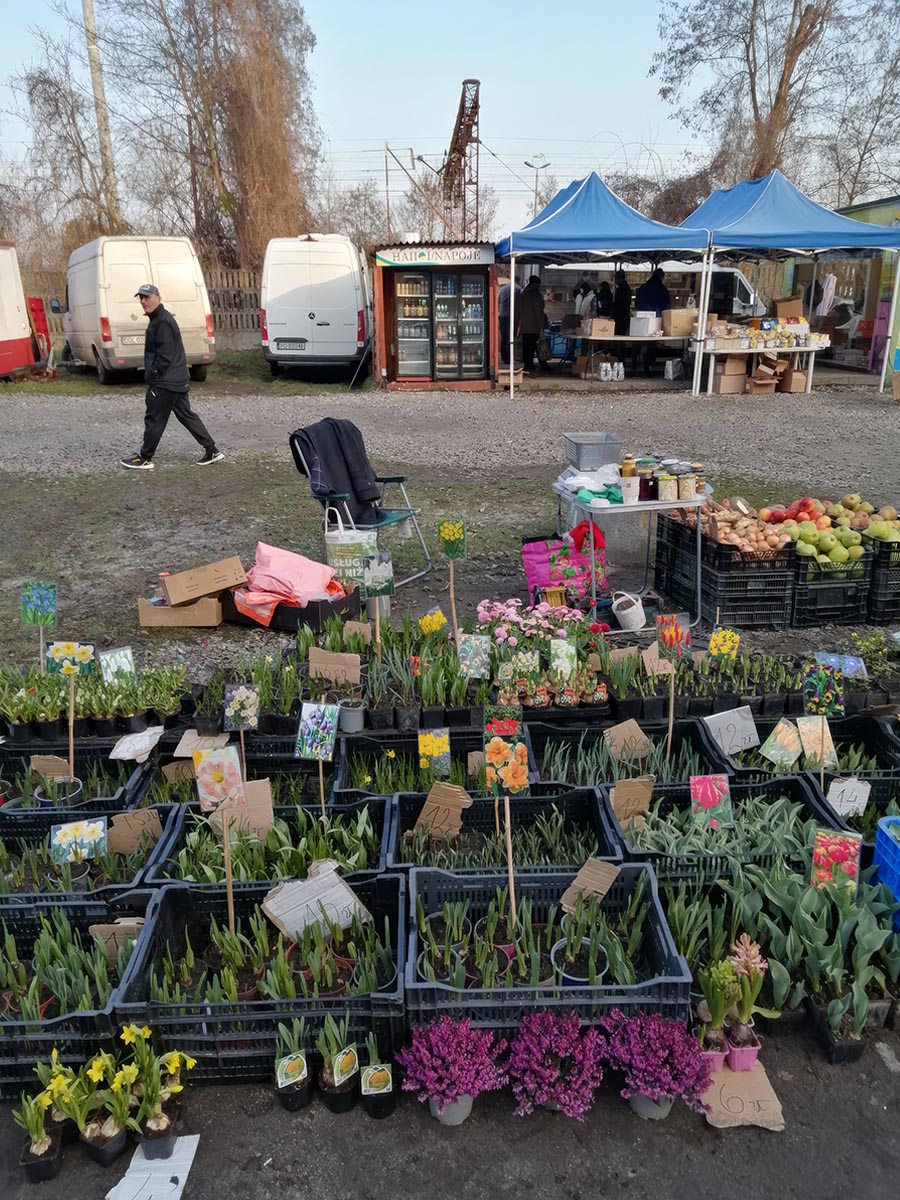
I grow cherries, blueberries, tulips, peonies, Gladiolus, lilies, Narcissus, and garden bulbs in pots. I grow the products myself and sell them at various weekly markets. That means I am not just the grower. I am also the salesman, transporter, merchandiser, and the person who talks directly to the customer.
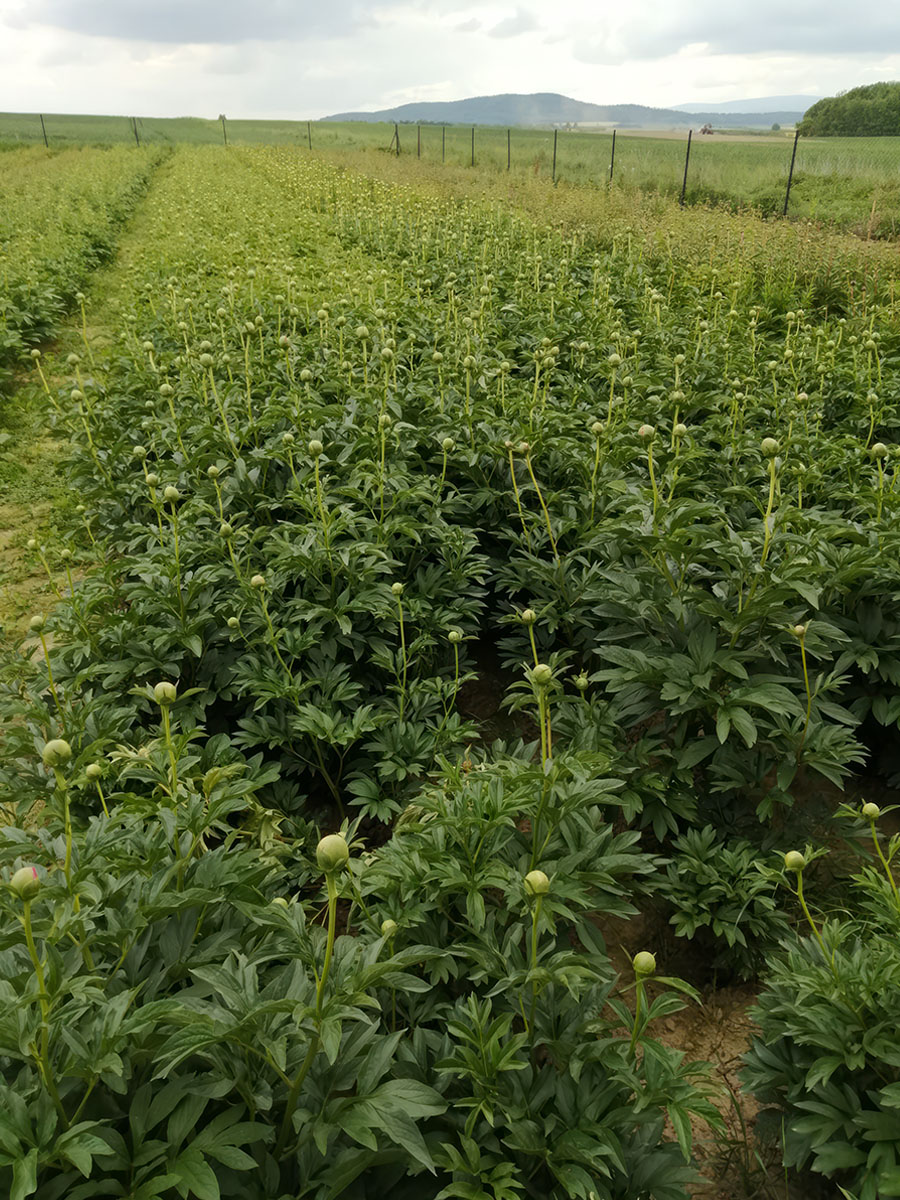
Sometimes that means traveling through Poland with the products almost straight from the field to the market stall. Hence the title of this blog: I go with a cargo bike and clogs through Poland. Maybe not always literally, but the mentality certainly fits.
The weekly market is also different from a flower shop or kiosk. Someone walking into a flower shop usually already knows that they want flowers. At a market, you have to catch somebody's attention. A lot of sales are impulse purchases, and mono bunches work very well here.
That direct contact teaches you quickly what people like and what they are willing to pay for.
Special Products Still Have Value
Competing purely on price is difficult. The margins at supermarkets and DIY stores have been squeezed so much that there is hardly anything left to earn on many ornamental products. Trying to compete with standard products and large-scale suppliers therefore makes little sense for someone like me.
I prefer to look for something special.
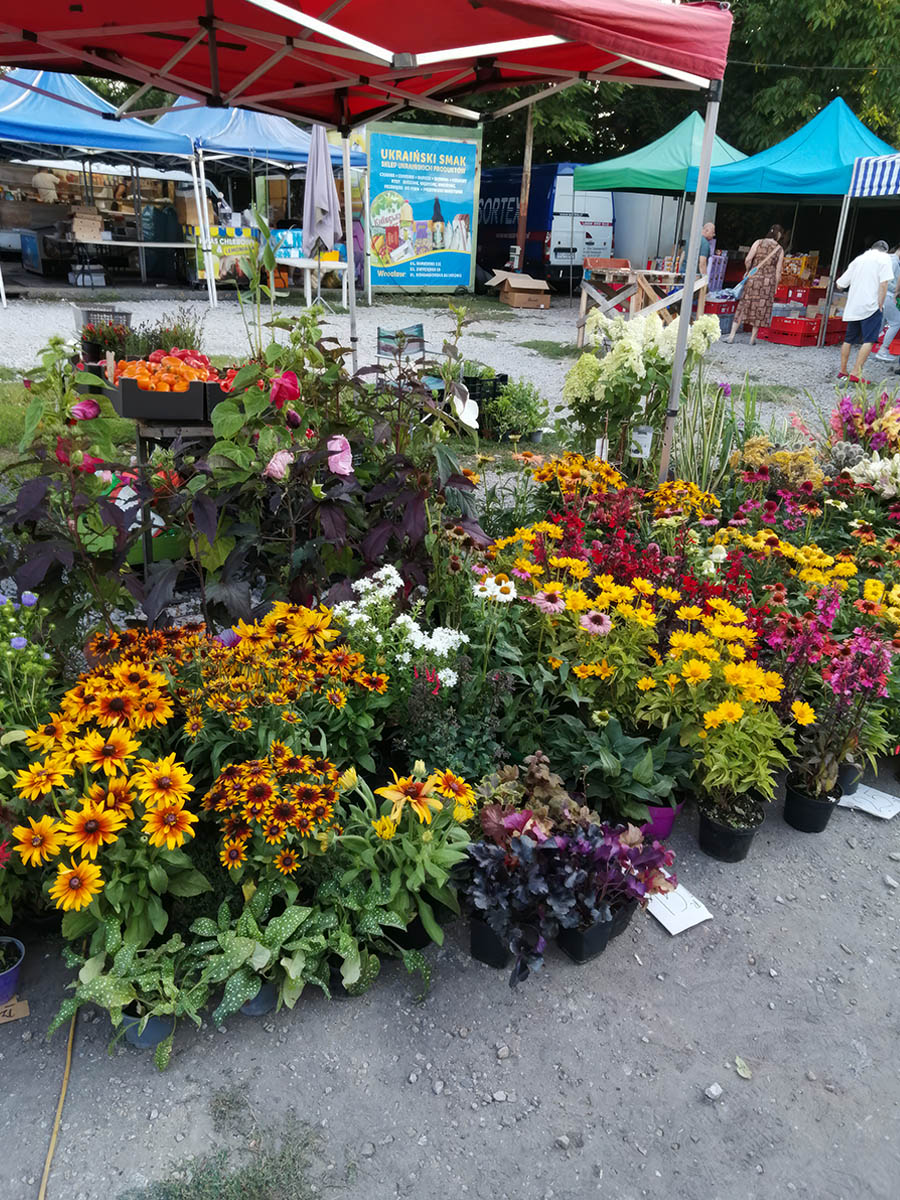
And despite all the pressure on prices, I have customers here who are absolutely willing to pay for that. They want something they do not see everywhere else. That can be a particular flower, a different garden plant, or simply a product that has been grown locally and sold by the person who produced it.
The nice thing about my business is that the assortment changes throughout the year. Soon the bulbs start moving again. Some will be grown in pots and others will eventually end up in spring bouquets. Sometimes the selling process already starts when there is hardly anything to see: just a photograph of some green growth without a bud. A little later, there are pots with cuttings from my own garden.
Then the flowering garden plants arrive, followed by soft fruit such as blueberries, raspberries, and cherries. And, of course, the peonies.
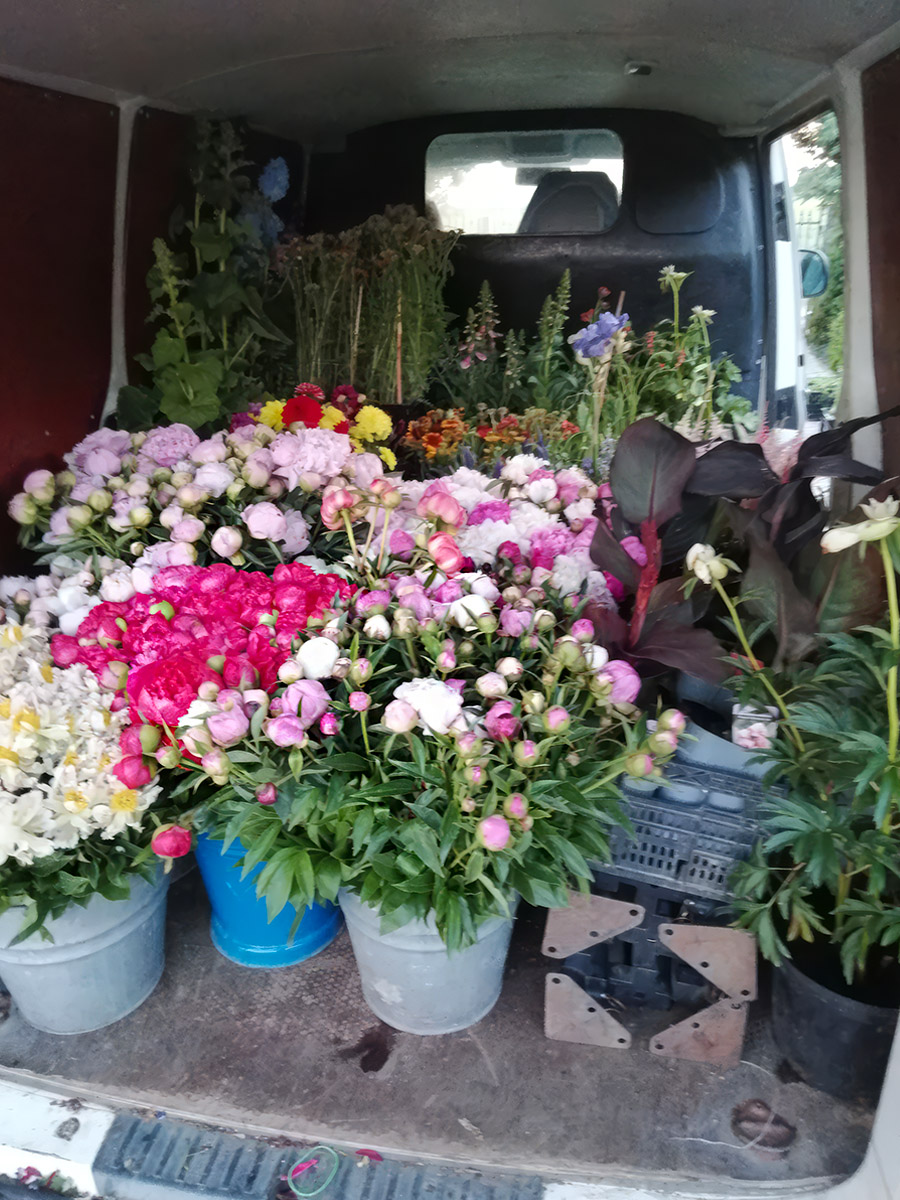
Later in the season, there are other crops again. At one moment I can be busy harvesting Roselilies, while at the same time the blueberries and sunflowers are waiting.
Don't Put All Your Eggs in One Basket
If you come from the Dutch horticultural sector, you first have to forget some of the thinking about scale, efficiency, and producing one product in enormous quantities. Here, you often have to process and sell the product yourself. Variety is important.
For me, that has become part of the fun. I grow different things, sell in different places, and spread the risk throughout the season. The old saying still works perfectly: don't put all your eggs in one basket.
After 44 years in flowers, I am still learning from the trade. Poland has certainly taught me that bigger is not automatically better. Sometimes a few bunches of the right flowers, sold directly to the right customer at a weekly market, can be a very good business indeed.