The floral industry has always been built around products. Stem length, vase life, color consistency, transport quality, and production volume have traditionally shaped how businesses position themselves in the market. These factors still matter, but they are no longer enough on their own. The market has changed, and so has the way people make purchasing decisions.
Today’s buyers are surrounded by endless options. Whether they are wholesalers, florists, retailers, or consumers, they are constantly exposed to products competing for attention. In that environment, people rarely connect deeply with products alone. They connect with stories, identity, and meaning. This shift is quietly changing the future of floral sales across the industry.
Products Alone No Longer Create Loyalty
For many years, floral businesses competed primarily on availability, pricing, and quality. While these remain important, they are becoming increasingly easier to replicate. One farm can grow varieties similar to those of another. A competitor can improve logistics. Quality standards continue rising across the industry. As a result, product differentiation alone is becoming more difficult.

What cannot easily be copied is the story. A strong narrative creates emotional attachment around a brand, farm, florist, or breeder. People remember the businesses that make them feel connected to something larger than a transaction. Buyers increasingly want to understand who grows the flowers, what values the company represents, and what makes the people behind the product different. Storytelling transforms flowers from commodities into experiences with meaning.
Modern Buyers Want More Than Specifications
The new generation of buyers behaves differently from previous generations. Decision-making is increasingly influenced by emotional alignment, transparency, and authenticity. People want to buy from brands they trust and relate to. This is visible across industries such as fashion, hospitality, wellness, and food. Floriculture is moving in the same direction.
A florist may choose a supplier not only because of quality, but because they admire the farm’s sustainability efforts or the personality behind the brand. Consumers may support a florist because they resonate with their creative style or values. Even large retail buyers increasingly pay attention to branding because they understand consumers are seeking emotional connection, not just products on shelves. Storytelling helps bridge the gap between product and human experience.
Social Media Changed the Rules
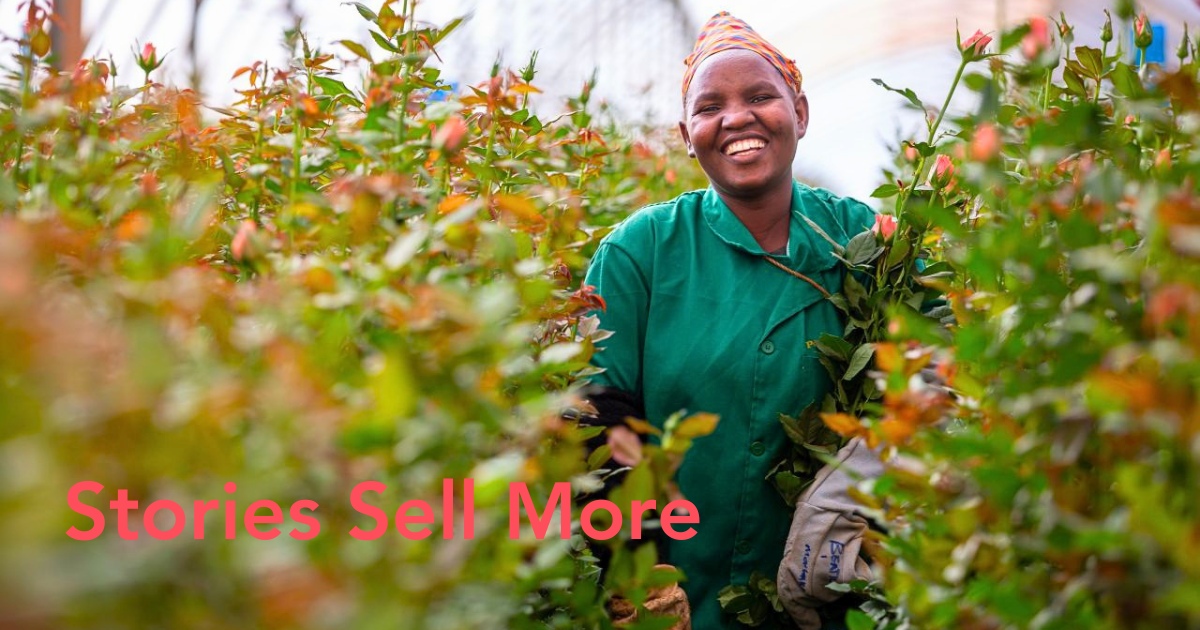
The rise of digital platforms has accelerated the importance of storytelling in floral sales. Social media no longer rewards businesses simply for showing products. Audiences engage more with content that feels human, personal, and real. A photo of roses alone may receive attention, but the story behind the harvest, the people growing them, or the journey to market creates a deeper connection.
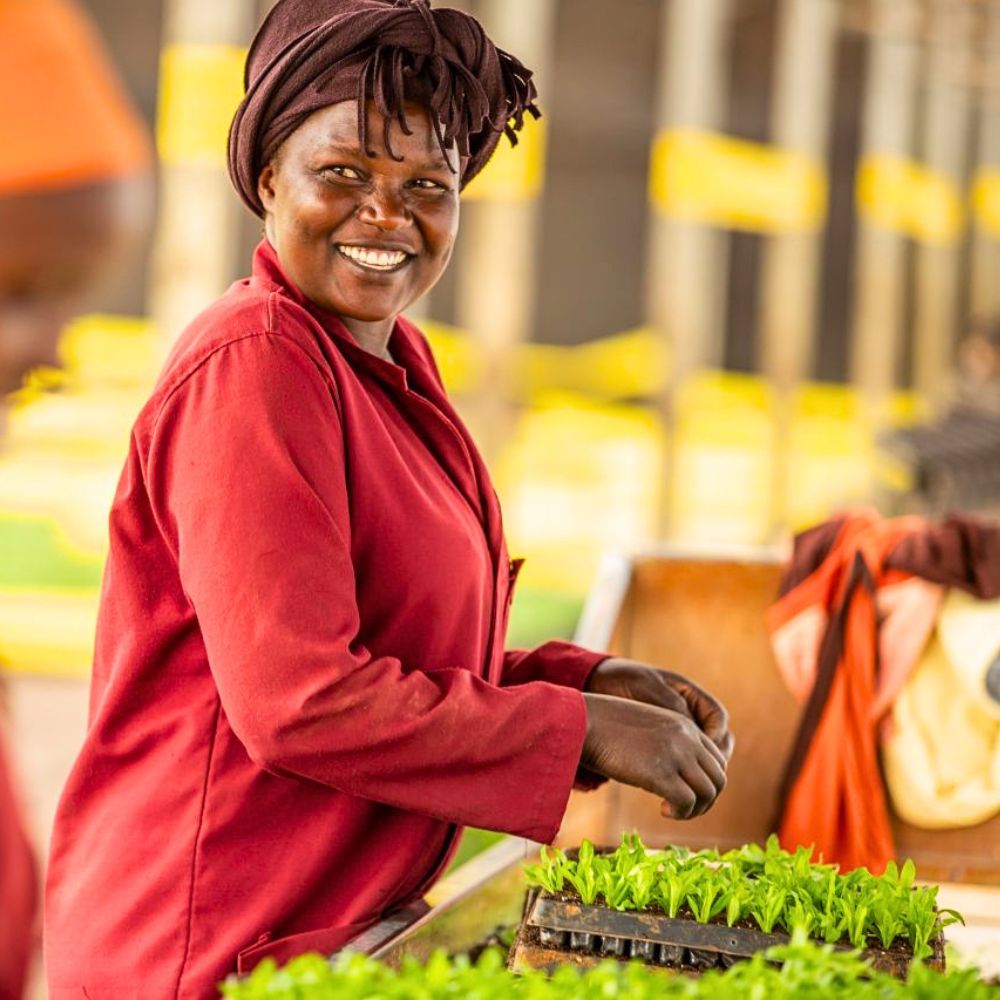
This shift creates both challenge and opportunity for the floral industry. Many businesses are excellent at production but struggle to communicate their identity publicly. Others understand that visibility today depends on more than polished marketing images. Buyers increasingly want behind-the-scenes access, honest conversations, and narratives that feel authentic rather than overly corporate.
Storytelling Builds Long-Term Brand Value
One of the biggest misconceptions about storytelling is that it is only about marketing. In reality, storytelling shapes long-term brand perception. It influences how people remember a business and whether they trust it over time. Strong brands are rarely built through products alone. They are built through consistent narratives that people emotionally connect with.
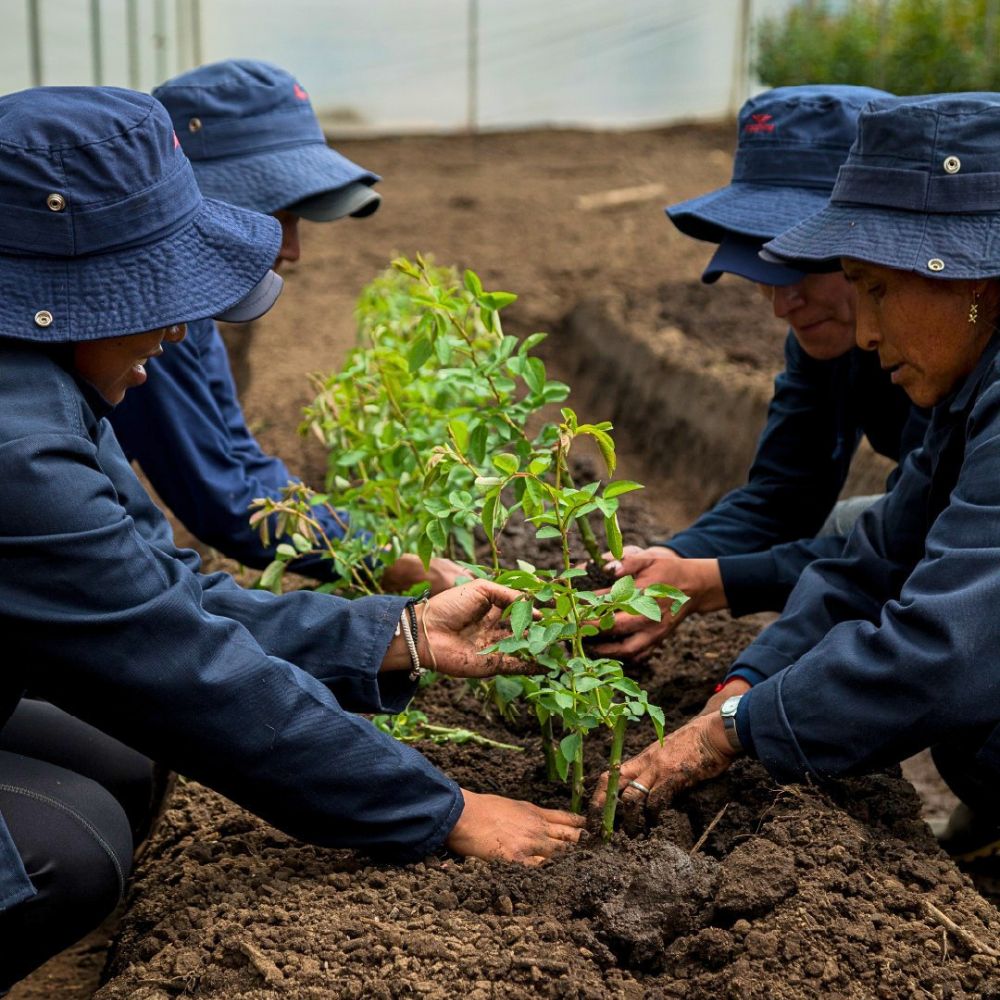
For floral businesses, storytelling can take many forms. It can be the history of a family farm, the innovation behind a breeder’s work, the creativity of a florist, or the mission driving a company forward. These stories help businesses create identity in crowded markets. In difficult economic periods, brands with a stronger emotional connection often maintain loyalty more effectively than those competing only on price.
The Human Side of Floriculture Matters
One of the floral industry’s greatest strengths is that it is already deeply human. Flowers are connected to celebrations, grief, relationships, memory, and care. Yet many businesses still communicate in highly technical or transactional ways. There is often a missed opportunity to show the emotional and personal side of the industry itself.
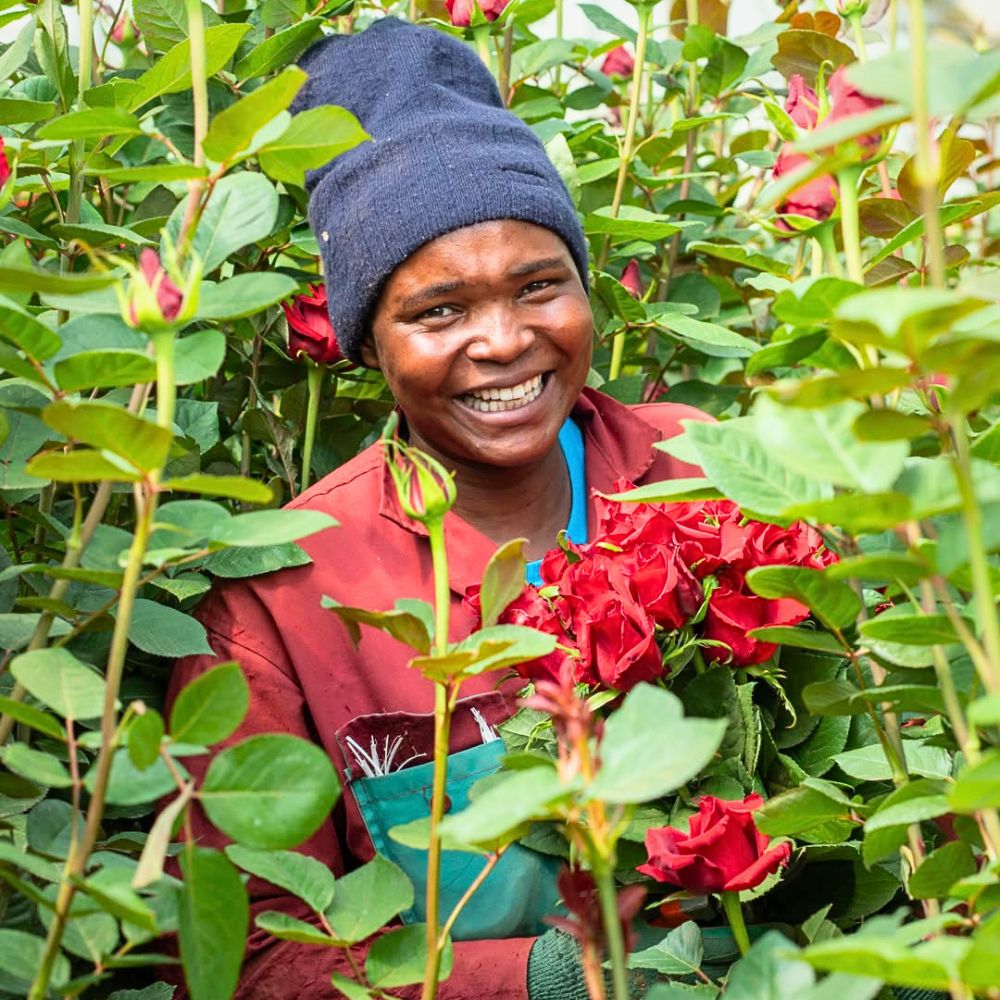
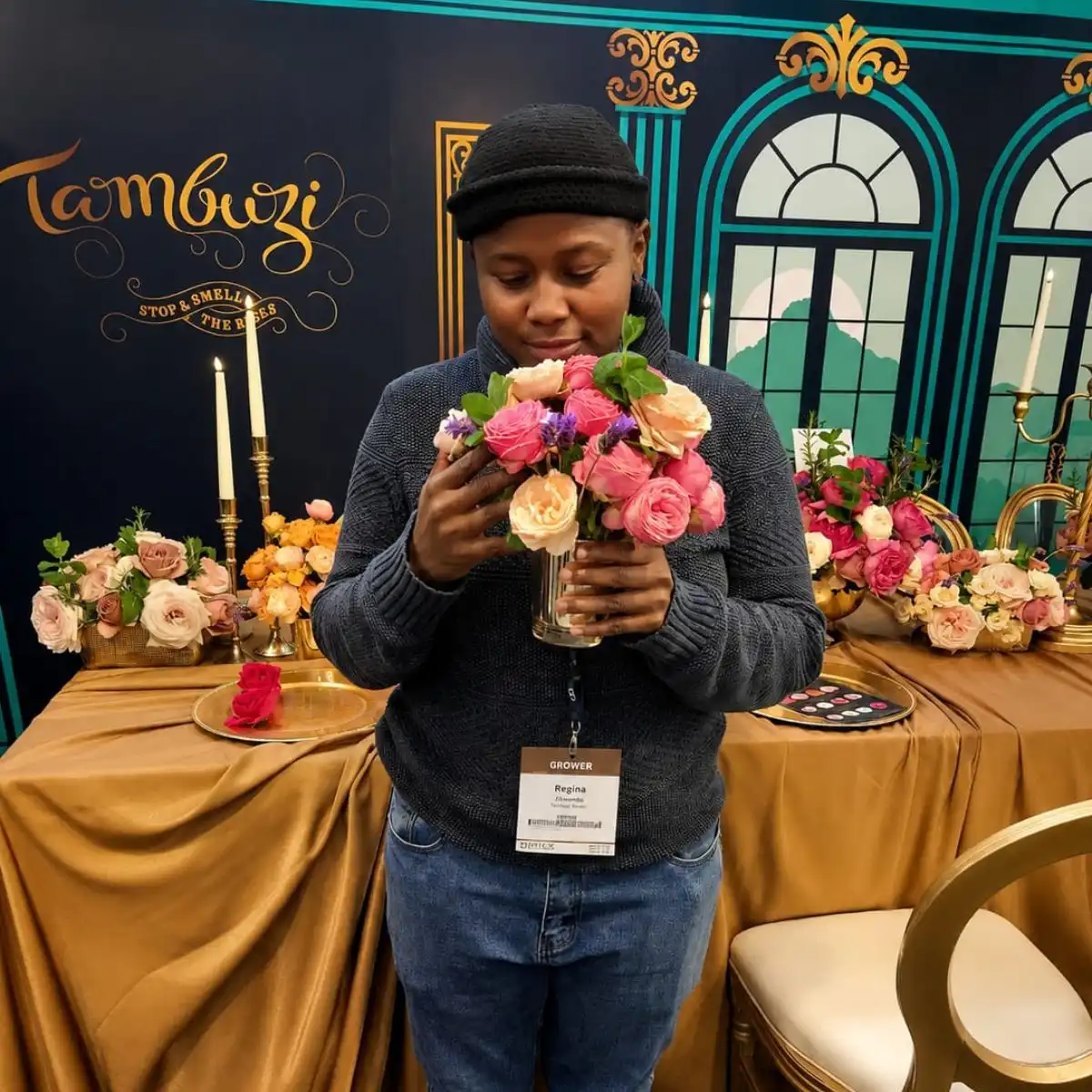
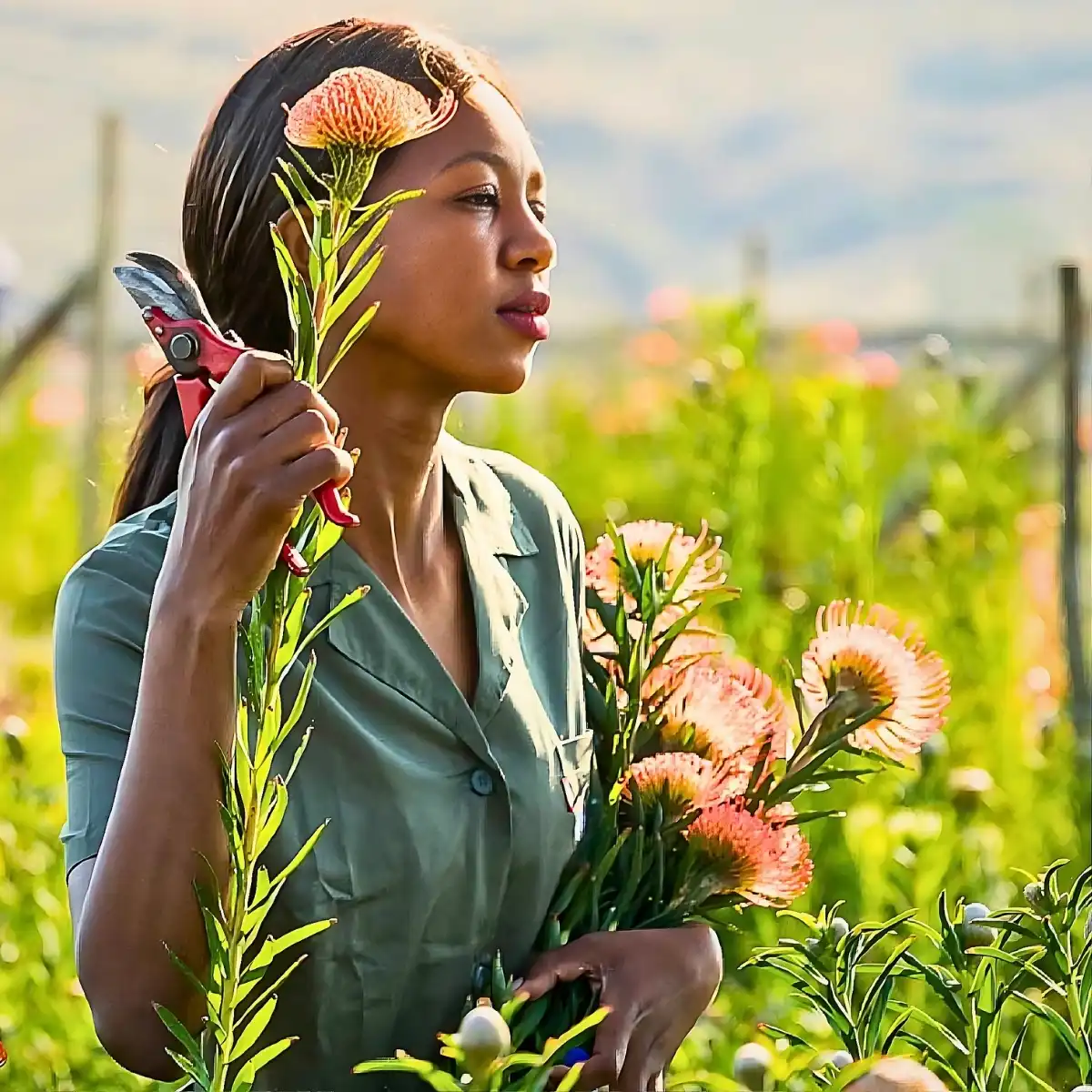
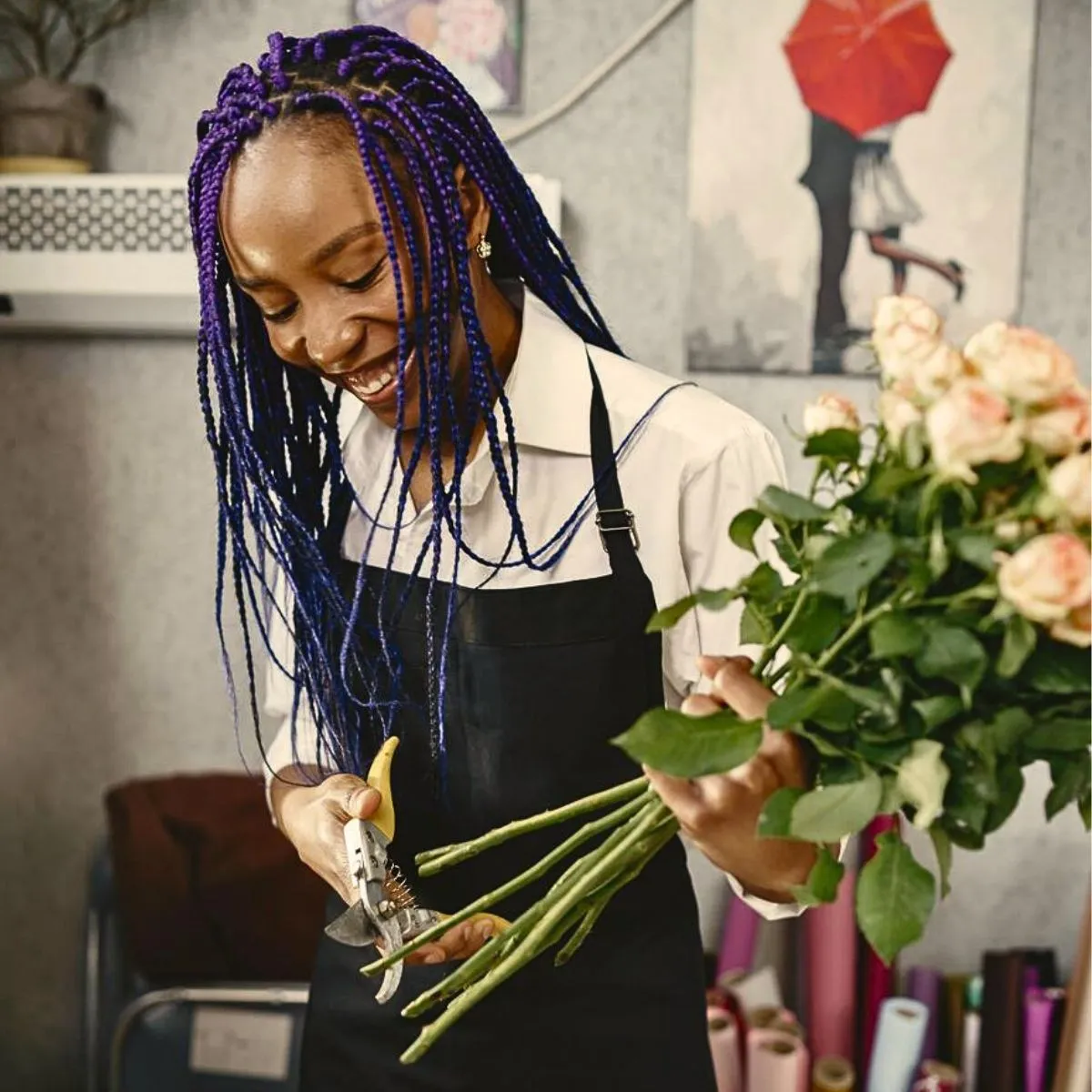
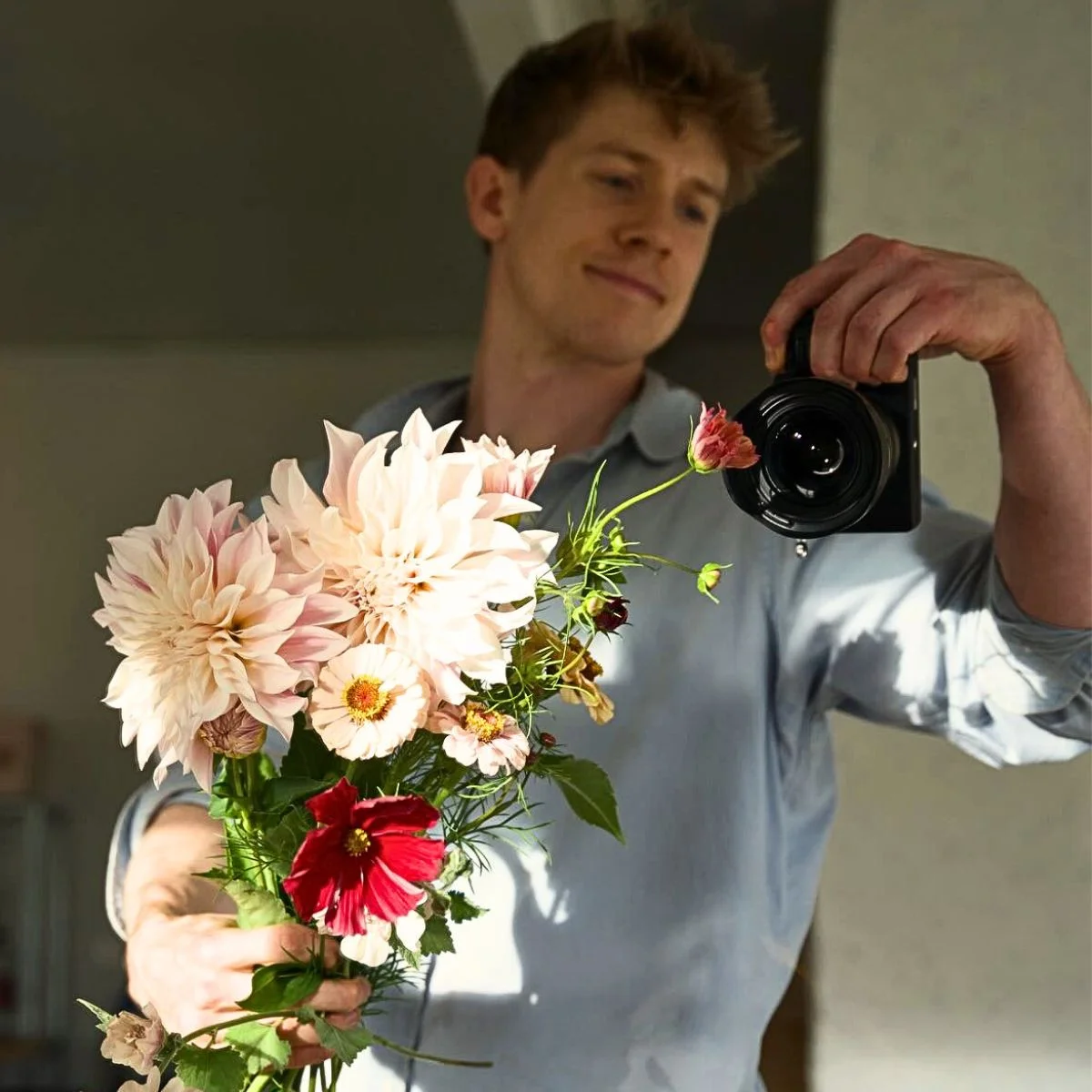
The people behind floriculture carry powerful stories, growers navigating unpredictable climates. Breeders have been developing new varieties for many years. Florists help people mark life’s most important moments. These human elements create depth around the product and help audiences feel connected to the industry beyond commerce.
The future of floral sales will not depend only on who grows the best product. It will increasingly depend on who communicates meaning most effectively. In a crowded and fast-moving market, storytelling helps businesses create identity, trust, and emotional relevance.
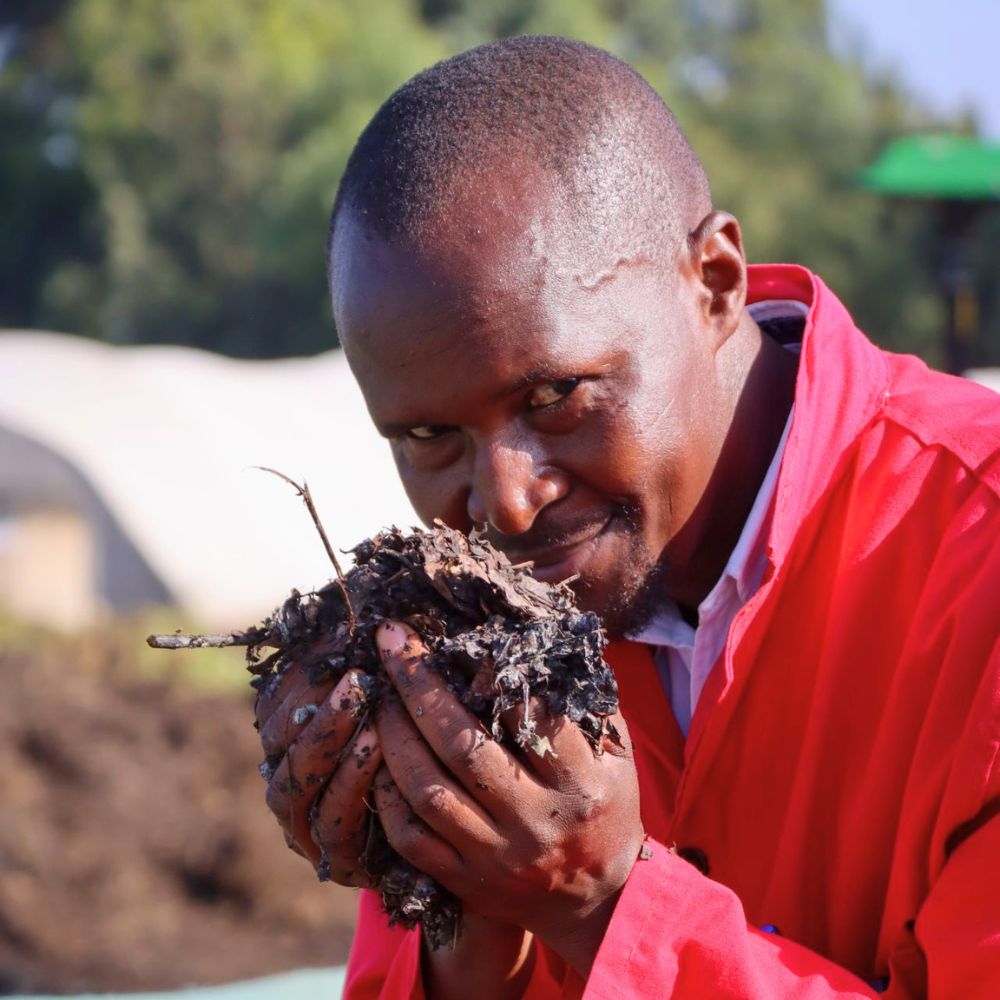
Flowers already carry emotional value naturally. The businesses that succeed in the coming years may be the ones that learn how to tell stories around that value in a way that feels authentic, human, and memorable.
Header image by @The Flower Hub.