Poles love flowers; they've always been part of our culture, which is why there are proportionally many more florists and florist's studios in Poland than in Western Europe. However, the market is highly fragmented, with small and medium-sized florists predominating. Therefore, the distribution model used in Western Europe is not suitable for the Polish market.
However, Polish customers desire novelty and high-quality plants, and we florists seek access to them. As a former flower seller for a large Dutch plant exporter to Polish florists and a professional florist myself, I will try to explain in this blog the flower supply chain in Poland from the perspective of a flower shop owner.
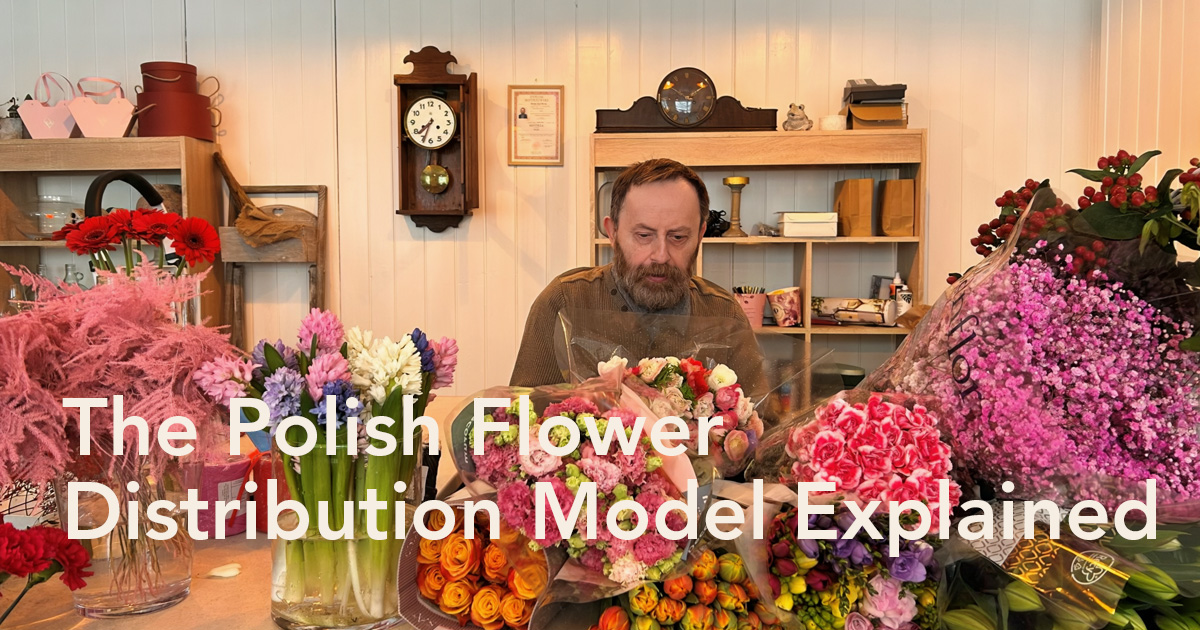
A Flower Shop Owner Since 1992
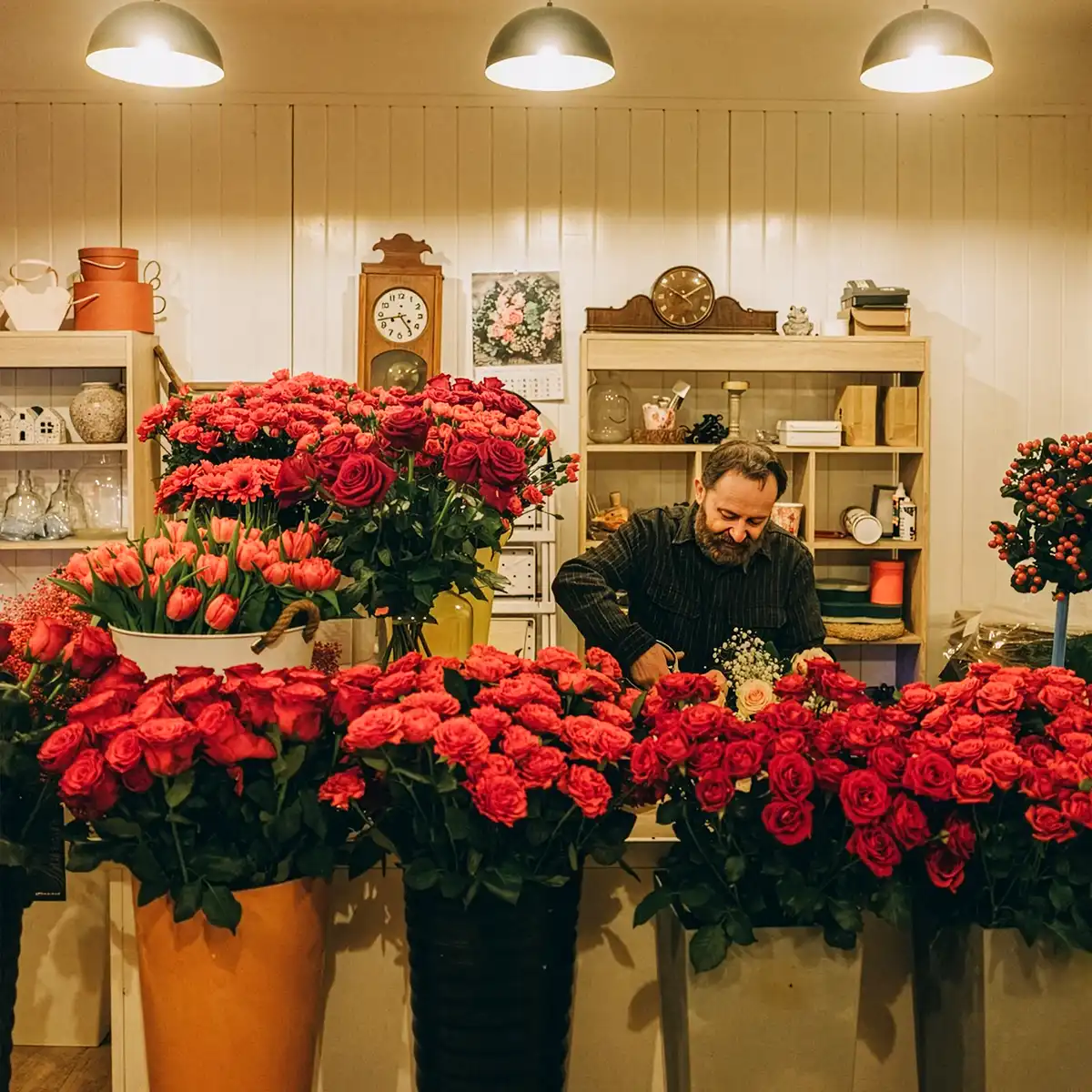
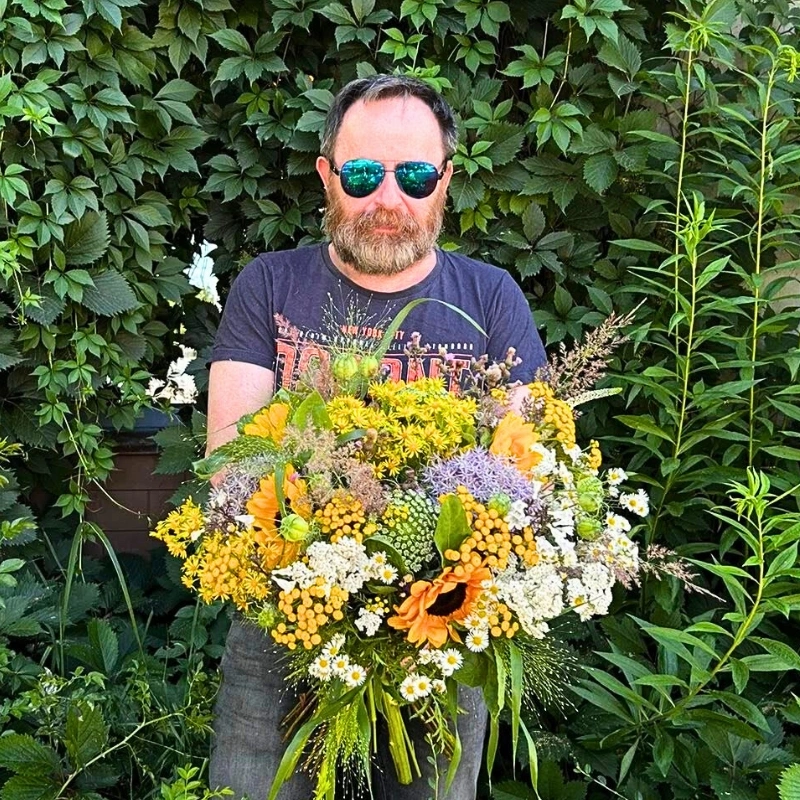
My wife and I run a flower shop that has been operating since 1992 (it was founded in 1978). Our flower shop Pod Zegarem is located in the medium-sized city of Kielce, one of 16 regional capitals in Poland. I also have many years of experience in wholesale flower sales.
For me, the most important thing is the high quality of flowers and services, as well as meeting customer needs. Now, like our customers and growers, I focus on sustainability, which means I try to buy as much as possible locally from local suppliers and shorten the supply chain by eliminating intermediaries.
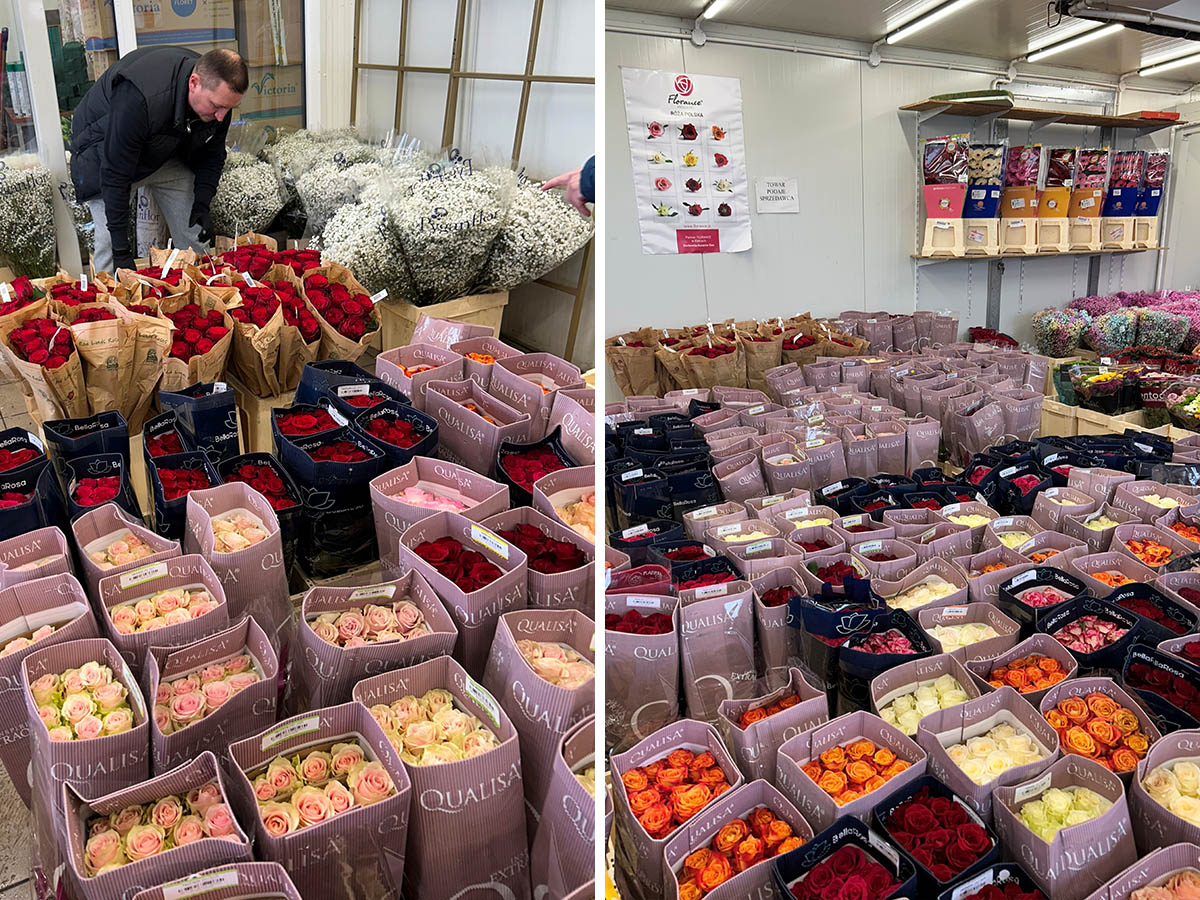
So, to the point – where and how we buy.
Unlike in Western Europe, we buy more locally. For large, recognized brands in the Netherlands, Poland is a logistical nightmare. A large country, a fragmented market, high delivery costs, very few truly large customers, and high-quality local production. Despite many years of attempts, we have failed to dominate the Polish market.
Local Wholesale Markets and Auctions
Local wholesale markets and auctions remain the most important places to buy flowers. They are hubs that connect flower producers, wholesalers, and florists. It allows us to pick up our ordered goods, but above all, view the flowers we're buying, chat, explore new products, and exchange experiences. These are completely different places from what they were a dozen or so years ago; they have the right infrastructure, convenient access, and comfortable facilities. They're often a special location for conferences, seminars, and shows.
These trading places have their advantages. We can see exactly the quality of the flowers we're buying and immediately conduct quality checks. And there is a very large selection of flowers, plants, and accessories – many suppliers, growers, and importers in one place.
The opening hours are tailored to the customers' needs. This is a good place to pick up flowers ordered, for example, through online shops, and also have the option to buy more. You can buy whenever you want and as much as you want, as they're open six days a week.
For buyers, the advantages are, obviously, the large product range, flexibility, expertise at your disposal, the ability to get customized orders, and delivery to the specified address. Their great advantage is their quick response to customer needs.
Their biggest disadvantage is retail sales at wholesale prices. Distance is also a major problem for florists from smaller towns. Large Importers and Distribution Centers are a combination of flower online shops connected to Dutch flower markets, offering on-site purchases and delivery to flower shops. In Poland, one company has recently stood out, expanding from a local presence in one voivodeship to encompass multiple regions.
For large flower producers, the wholesale markets are ideal distribution partners, reducing delivery costs. They are also excellent places to promote flowers.
The disadvantages are the higher prices and the issue that delivery times are not always convenient for florists located far from distribution centers.
Local Flower Wholesalers
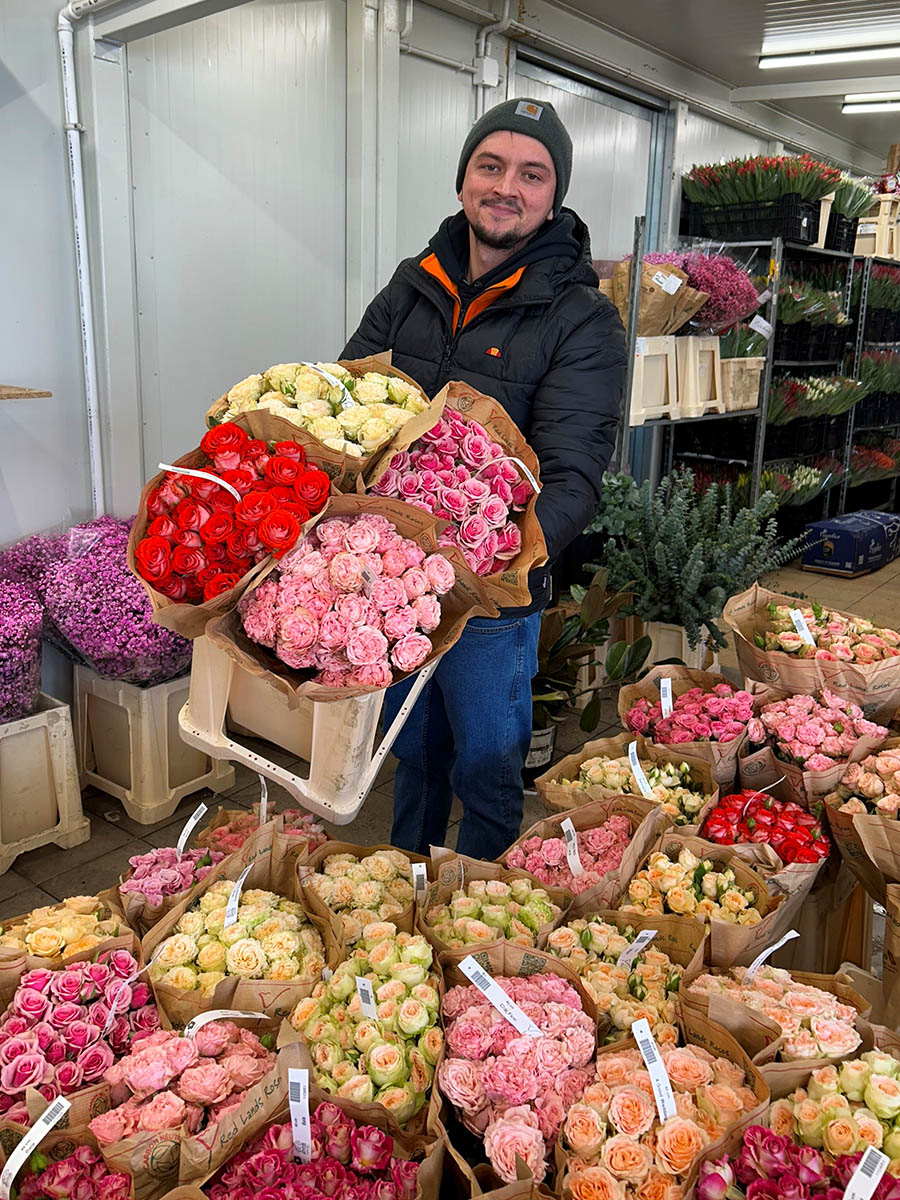
Next to the Markets, there are local flower wholesalers. This is a very diverse distribution channel. Some wholesalers buy only from local gardeners and large wholesale importers. Others purchase independently from foreign exporters, Polish importers, and local producers, purchasing in large quantities and regularly offering attractive prices. They often offer the option of ordering independently on sales platforms.
Their advantages are their proximity, flexibility, and adaptability to our business hours, and the fact that they offer the possibility to deliver to flower shops.
Some disadvantages may be the limited assortment and the fact that they also sell flowers to retail customers.
Mobile Flower Wholesalers
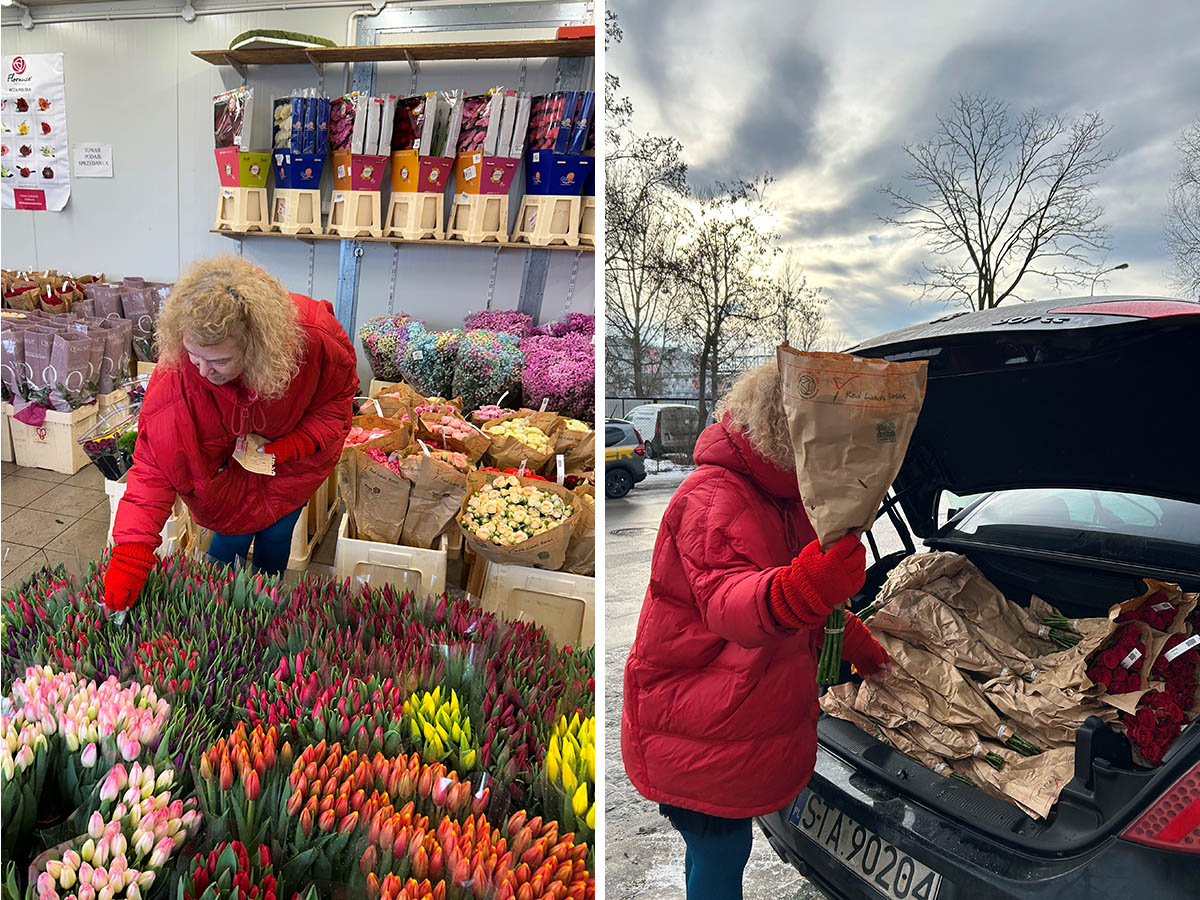
Then there are the mobile flower wholesalers. They are an excellent alternative for busy florists or florists located far from larger centers.
The advantages of these companies are their flexibility, which you have to weigh against a very limited assortment and higher purchasing costs.
Foreign Flower Exporters
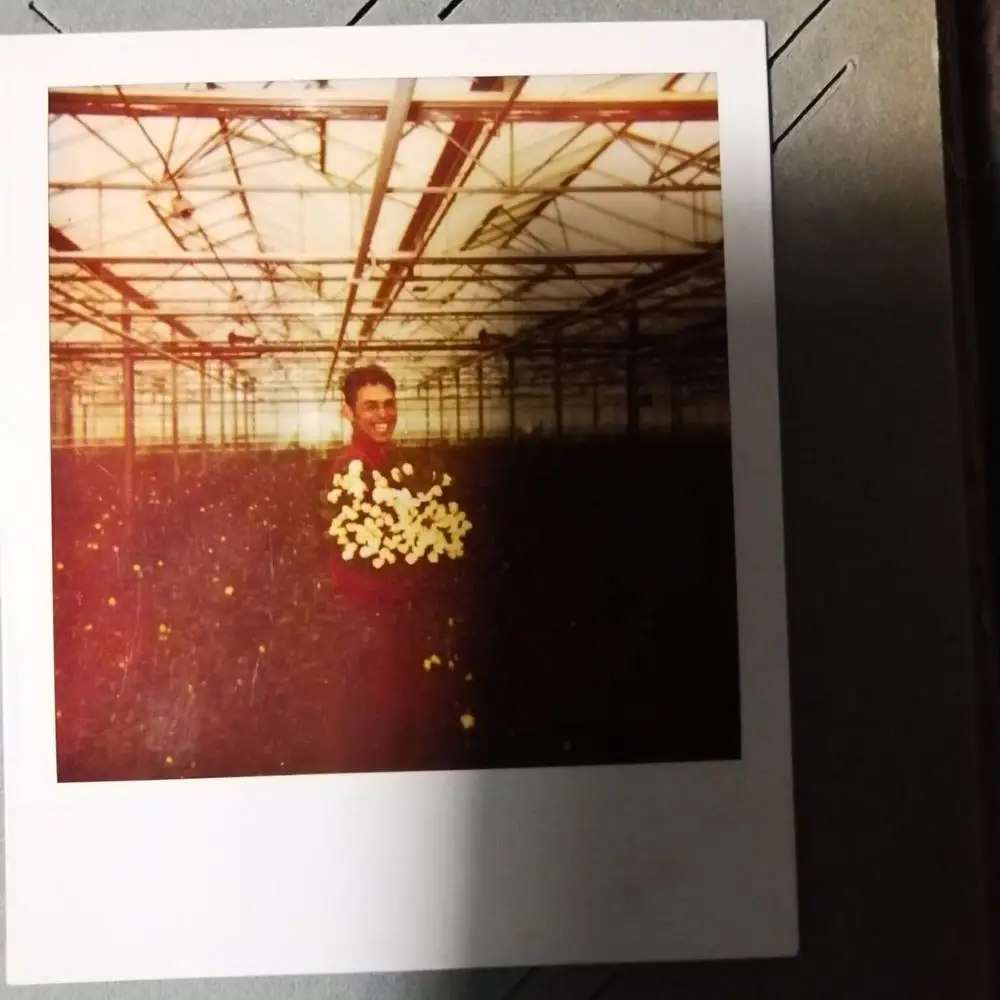
These are the large flower exporters to Poland with door-to-door delivery. They purchase on specialized platforms. This is the company I worked for for 7 years.
Advantages of this channel are the real-time access to virtually the entire product range available on the market, the convenient way to shop in your free time – practically from your armchair –, delivery to the specified location in a timely manner, consultant assistance with purchases, excellent logistics, and the possibility to file a complaint.
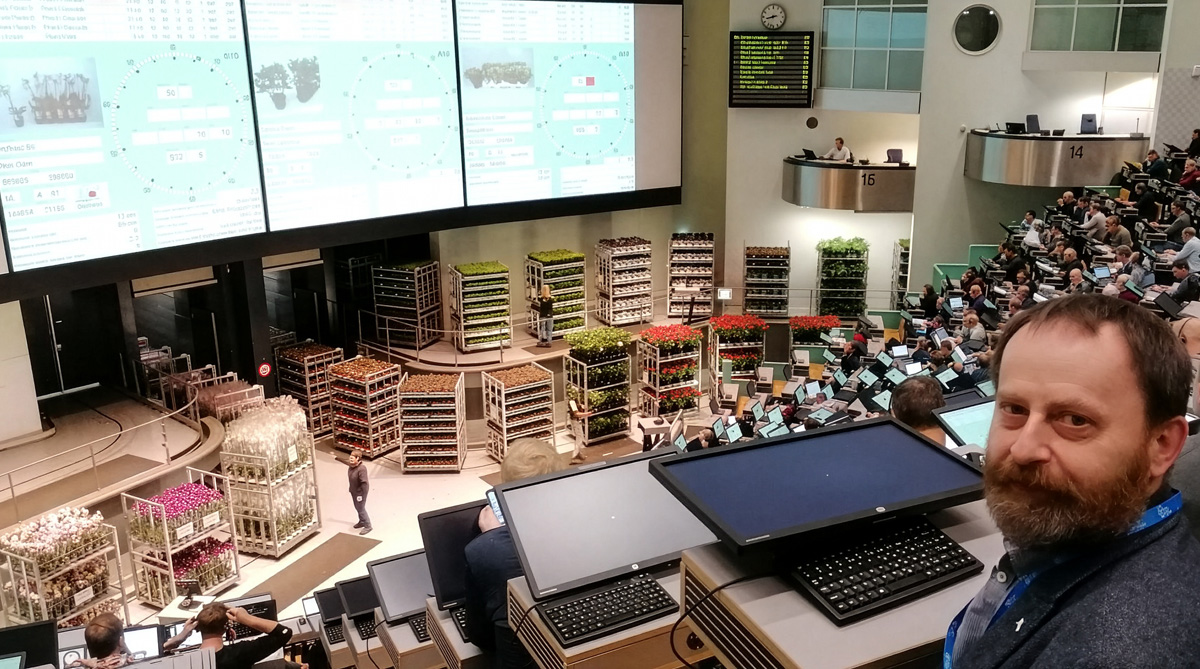
Some disadvantages are that most flowers and plants must be purchased in bulk, which is a barrier for small and medium-sized florists; the relatively high logistics minimums; the delivery costs; the limited flexibility; and the fact that, often, their salespeople – working outside Poland – are unaware of the changing market.
Basically, this is an excellent place to shop for large florists and flower chains, as well as those who service large weddings and events.
Local Growers
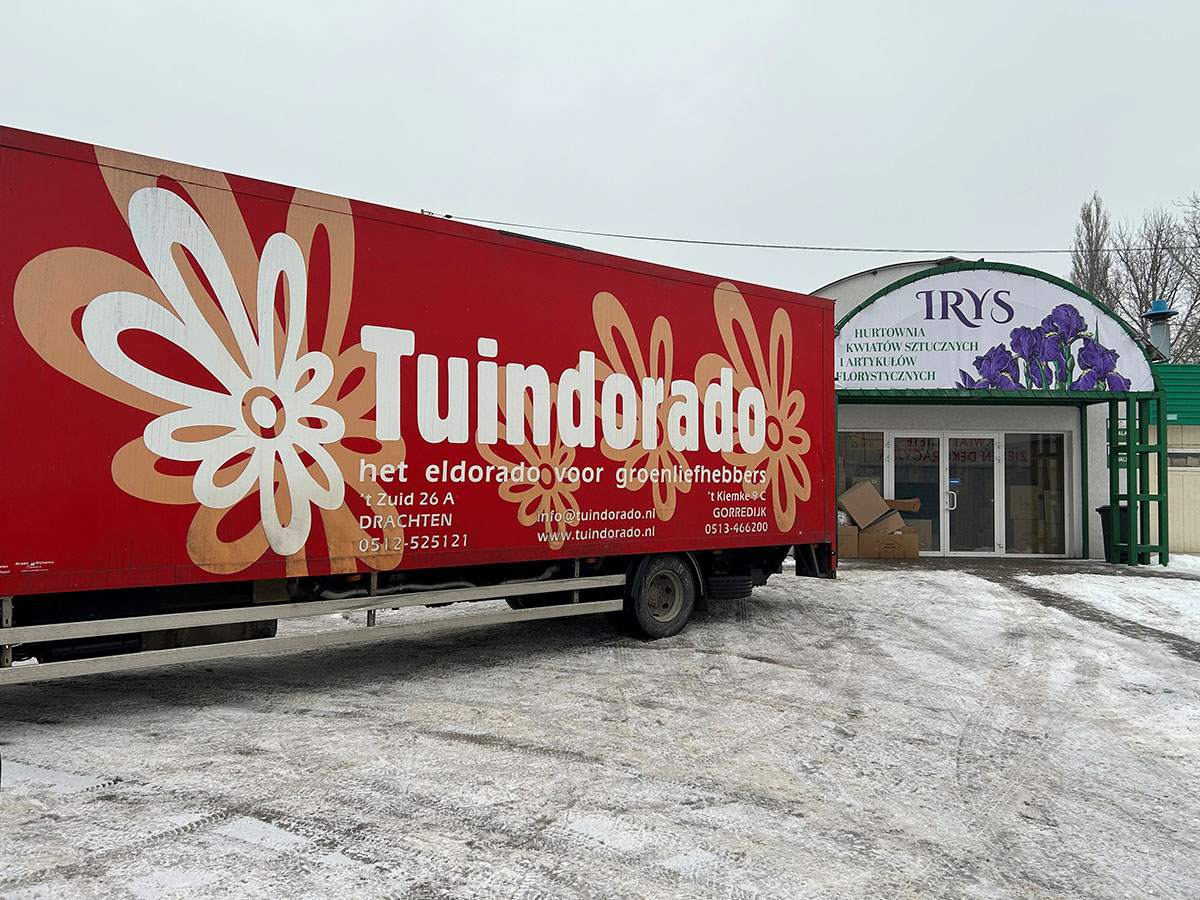
Shopping from a local grower is the most convenient way for many of us florists to source flowers. You have access to freshly picked flowers, building a network of relationships, and supporting the local community.
So, How Do I Buy for My Shop?
I chose two ways to purchase flowers for my flower shop:
- Purchasing from local gardeners at the market
- Collaboration with a local, yet large, flexible wholesaler
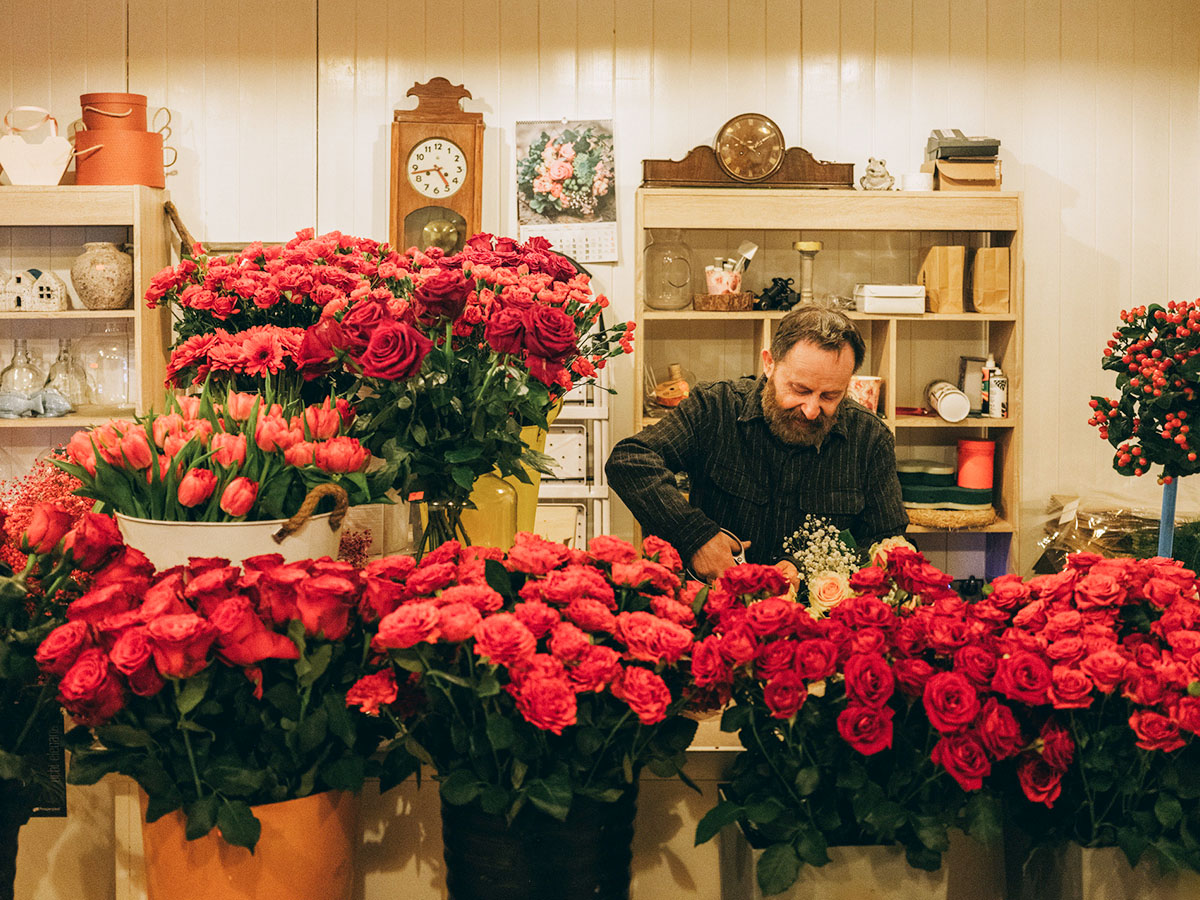
I have access to a wide range of flowers and plants every day, and the ability to order them individually. I don't have to accumulate large inventories; I only buy what I need and what I need, and at the same time, I can quickly order what I need.
This allows me to be flexible with my customers and simultaneously limit losses.
My Advice
Finally, my advice to foreign companies wanting to increase sales in the Polish market is this:
- Find local wholesalers/importers
- Eliminate the middlemen – deliver flowers directly to Poland
- Supply flowers of the highest quality and at a reasonable price
- Conduct targeted promotional campaigns for florists in Polish, collaborate with Polish flower PR agencies, and floristic portals
- Hire a local brand ambassador (a good Polish florist)
- Be present at flower fairs in Poland, such as Gardenia in Poznan, and at large flower events organized by florists.