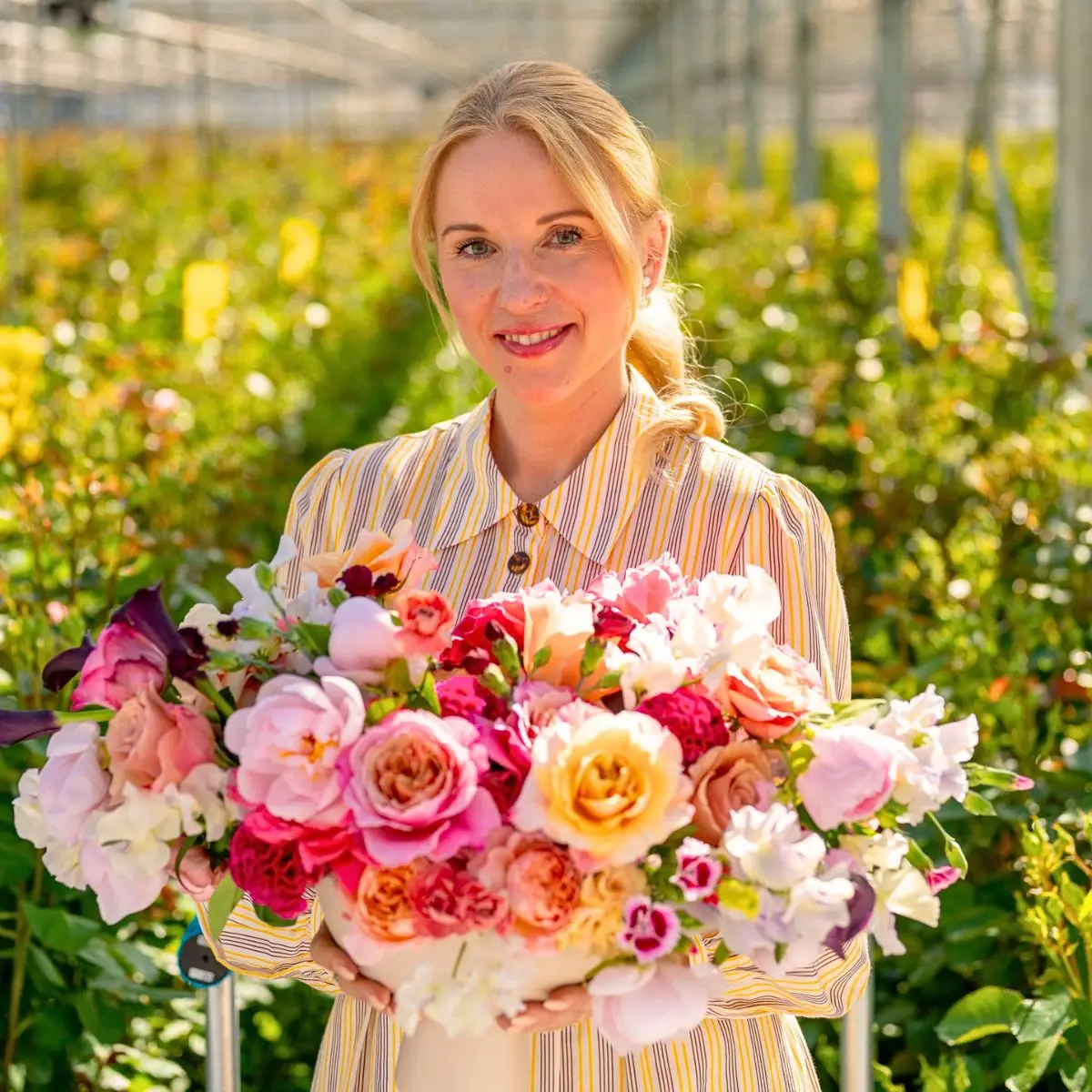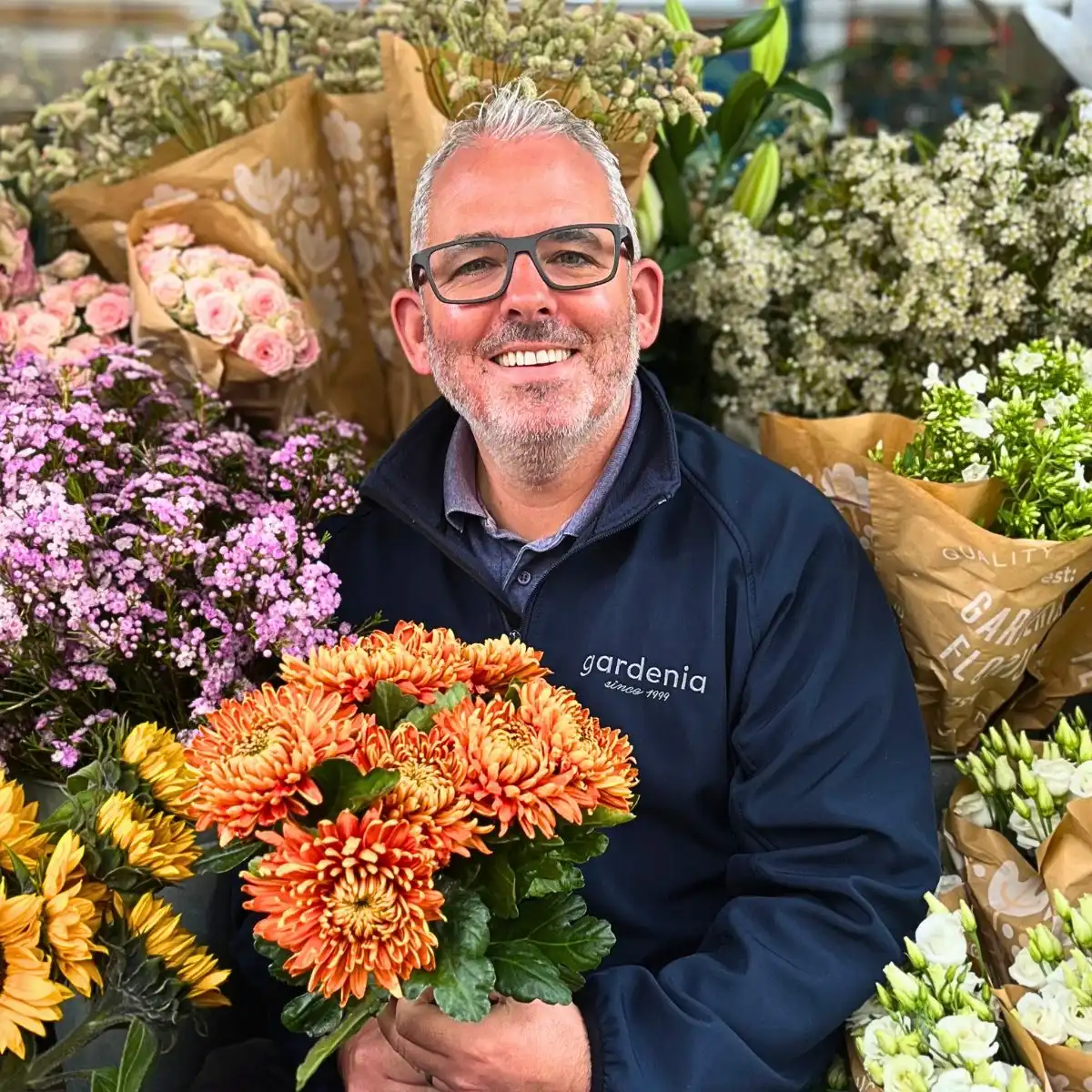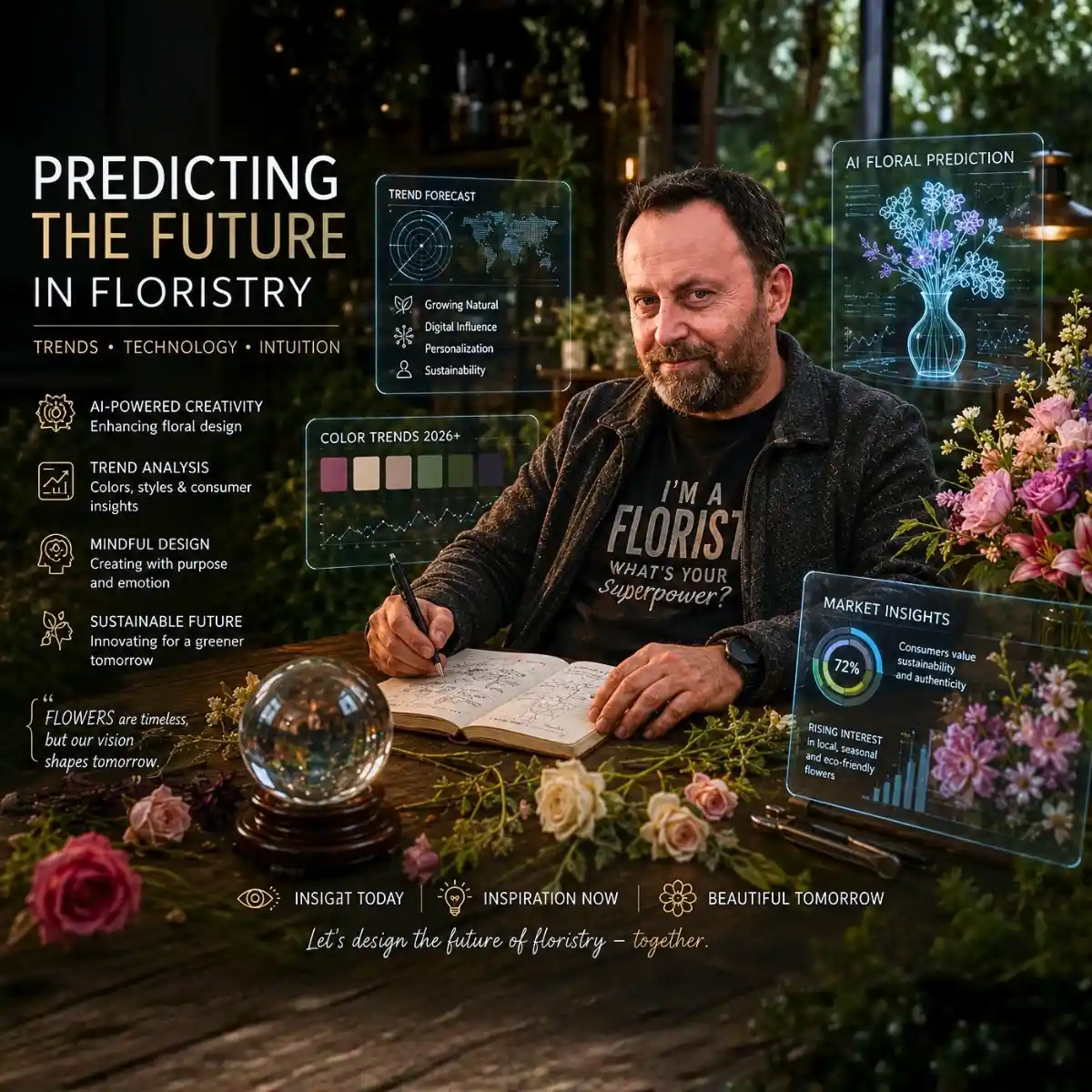
Not every florist builds a career by chasing what is new. Michał Bursig built his by showing up every day, listening closely, and letting experience do the talking. For more than four decades, his life has moved at the pace of a flower shop. Conversations across the counter, decisions made quietly, and a steady commitment to doing the work properly.
This story is shaped by continuity rather than noise. By family, partnership, and a deep respect for craft. Keep reading his answers to the 10 questions this week to understand what it takes to remain relevant without losing yourself, and why longevity in floristry is often rooted in restraint, knowledge, and human connection.
Question 1
For those who don’t know you, who are you and what do you do?
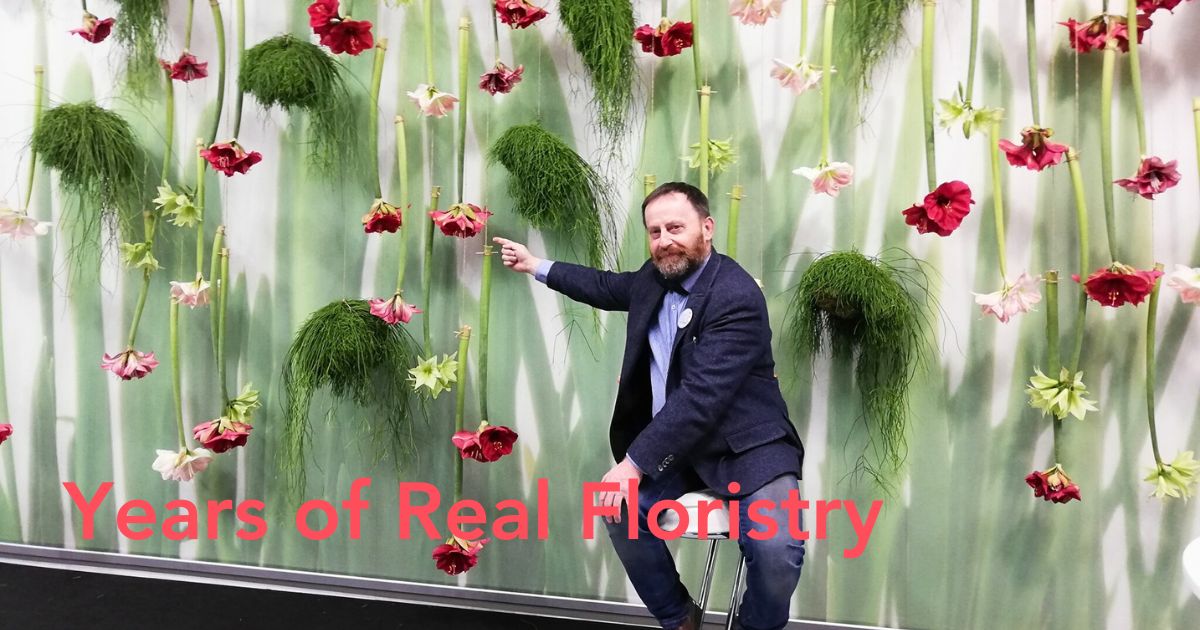
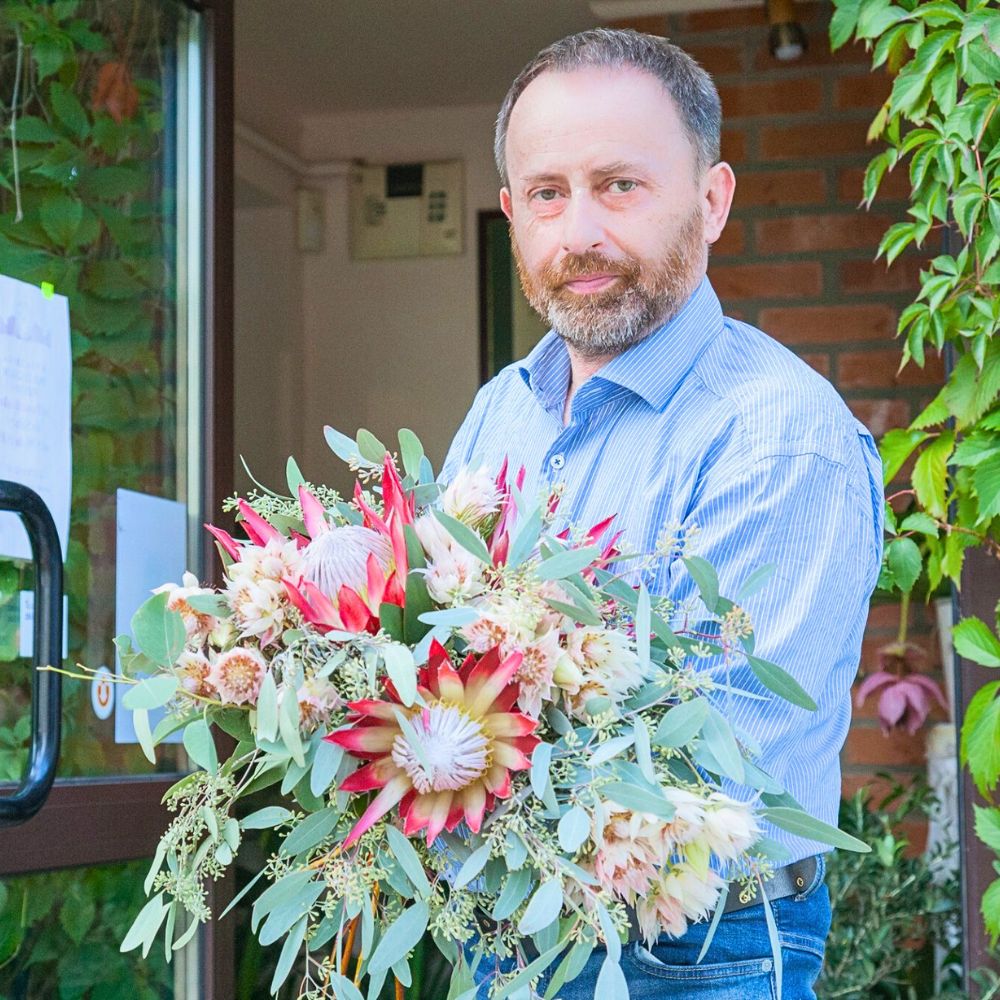
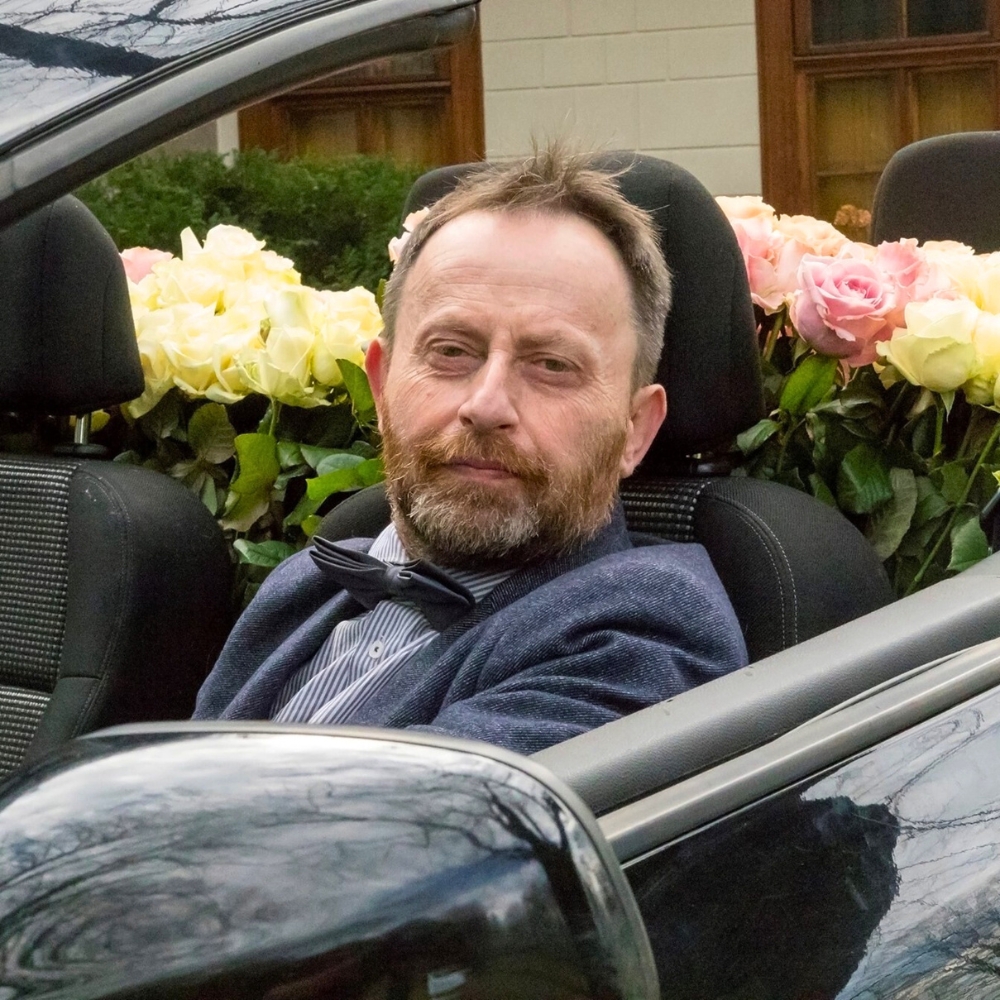
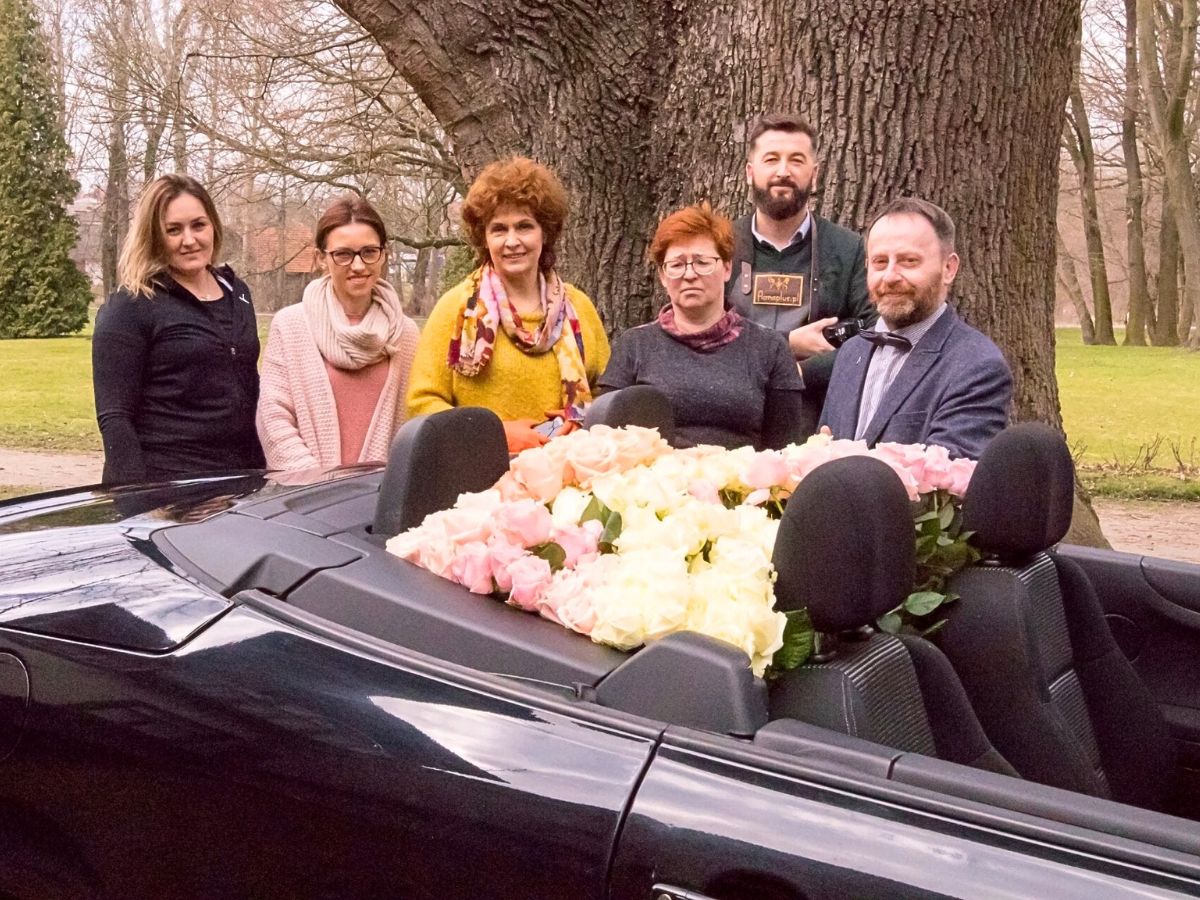
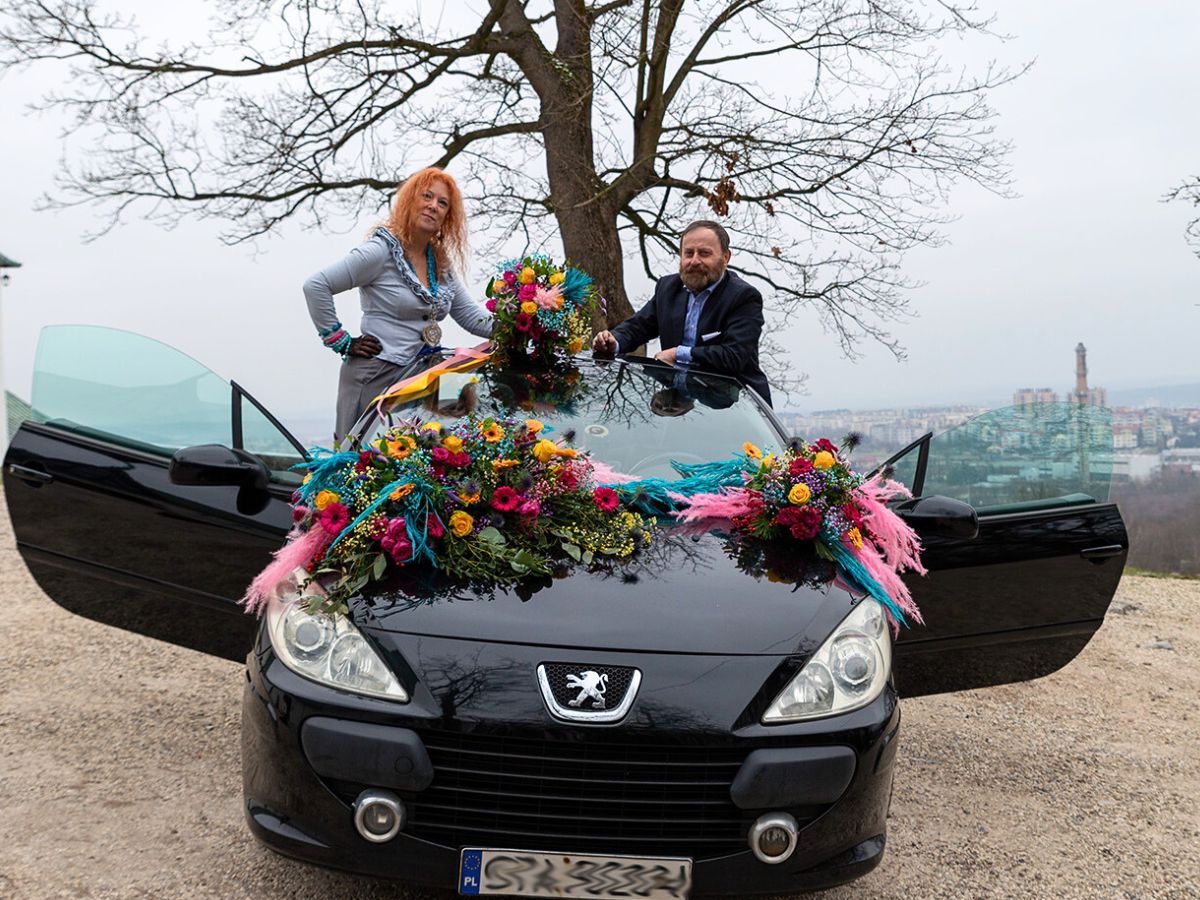
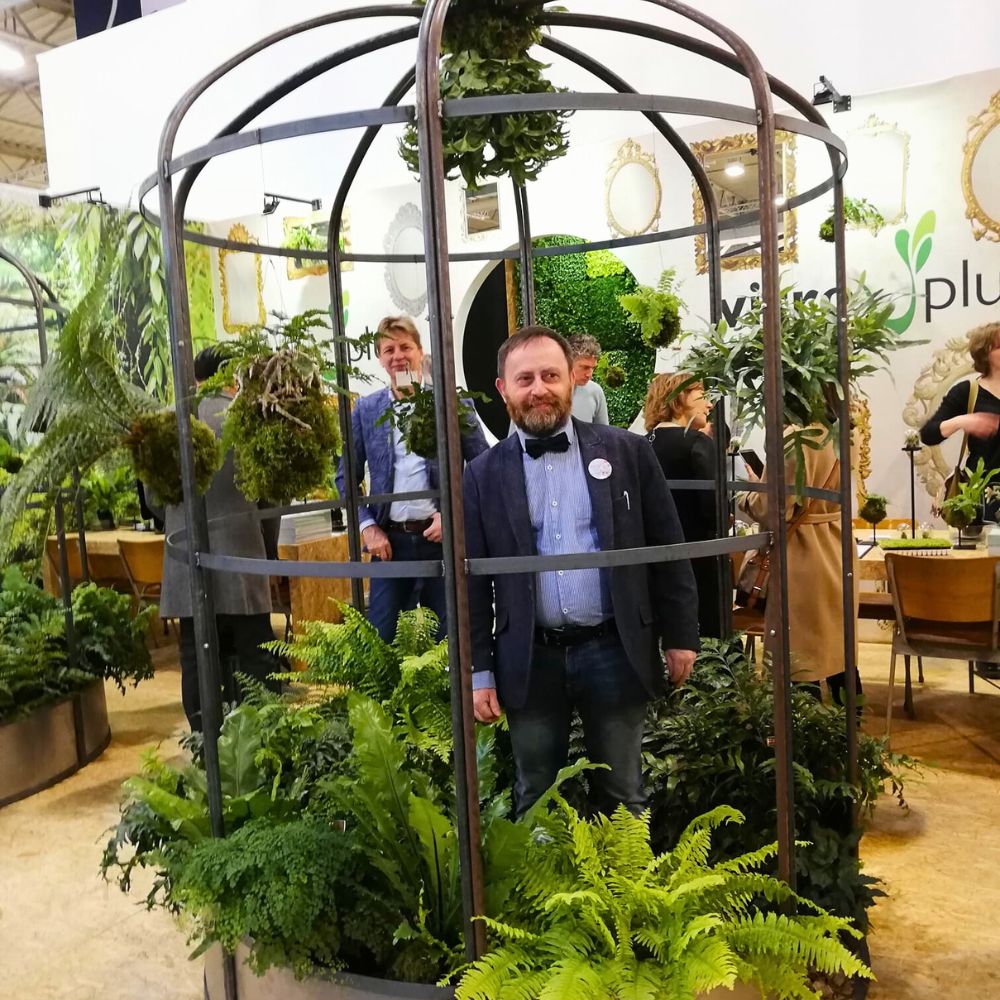
"My name is Michał Bursig, and I live in Poland. Together with my wife, Małgorzata Mastyna Bursig, we run the "Pod Zegarem" Flower Shop and a training company (a florist) in Kielce. We are the second generation to run the flower shop, which has been operating since May 1, 1978.
After graduating from the University of Life Sciences in Lublin in 1990, we decided to pursue our passion for artistic flower arranging (floristry). I took my first steps under the guidance of my wife, a horticultural engineer and florist with extensive experience. In the early 1990s, floristry schools didn't yet exist in Poland; I learned the profession at workshops and floristic shows. In 2018, I passed the state Master Florist exam. I am also the co-founder and manager of the floristry portal floraplus.pl, which has been operating since 2020.
For many years, I have been assisting my clients daily, preparing various floral arrangements at their request – we often discuss flowers and life. My work encompasses not only cut flowers, but also potted and bedding plants."
Question 2
What is so special about your job?
"I really enjoy my job, I love flowers, and I value contact with people. My work is unique, just like flowers and the role they play in our culture. Flowers allow us to convey feelings, provide support, and express joy, sadness, gratitude, etc.
Potted flowers in our interiors enhance aesthetic appeal and influence our health and mood. Customers expect advice from me on choosing flowers, their placement, and care. They love bedding and balcony flowers for their colors and blooming seasons, and they expect advice from me on creating arrangements and caring for them."
Question 3
Are there any specific challenges or obstacles you’ve faced in your job, and how did you overcome them?
"Considering our country's turbulent economic history, every year, every day, is a challenge for me. Our greatest achievement is that our flower shop has been in business for 48 years – that's how many years we've been able to meet the expectations of our customers, and the new generations that are emerging.
Every day brings me great joy and satisfaction in my work. I overcame these challenges thanks to my knowledge, experience, creativity, and hard work."
Question 4
What are the threats in the industry, and if so, do you have any solutions for them?
"New sales channels have emerged, with bouquets and flowers available in supermarkets, discount stores, and even gas stations. In Poland, retail flower sales at wholesale prices at flower markets and wholesalers are a significant problem.
For years, the ban on selling flowers at wholesale prices to retail customers at flower markets and wholesalers, as well as the people working in the grey economy, has been an urgent issue. Retail chains, which often sell flowers at dumping prices or with minimal margins, are also a problem. These are the most important issues to solve, but this requires negotiations with the government and legislative changes. However, our advantage as florists is knowledge, experience, and a very personalized approach to each customer. Individual style and creativity are important; customers demand a personalized approach. Flexibility and that spark that sets us apart are crucial. Customers love to talk and feel special."
Question 5
How has technology like e-commerce platforms or digital marketing affected your industry? Which strategies have you employed to stay competitive?
"New technologies make it easier to acquire customers and sell flowers. Social media allows for engaging presentations and PR. Thanks to digital technologies, placing orders and making payments has become much easier. The internet and new technologies have made it possible to eliminate intermediaries and find suitable services anywhere in the world.
The emergence of artificial intelligence has significantly influenced our profession, not directly, but indirectly. Its skilful use in social media helps us conduct better PR and advertising. However, when purchasing flowers, customers still prefer an in-person visit to a flower shop."
Question 6
Who (in or outside the floral industry) is an inspiring example to you? And Why?
"It's definitely Klaus Wagener – I love his botanical and minimalist floristry, his fascination with ikebana, his simple and expressive forms, and his use of only natural materials in his work. I find a lot of inspiration in his books.
I really like the works of Iza Tkaczyk and Tom de Houwer, Max Hurtaud, Hanneke Frankema, and Frédéric Dupré"
Question 7
How do you handle stress or difficult moments in your life?
"The most important thing is to have someone in your life you can always count on—you can tell them anything and know they'll always help you.
My wife and I are a team, which allows us to overcome any difficulties and problems. Our collaboration is incredibly turbulent and full of emotions, which generates new ideas. I also receive support and assistance from my siblings. My parents taught me how to cope with life, never give up, and always seek support from those closest to me.
In stressful and difficult moments, I always try to find solutions, not to panic, to act calmly. It's easier when you have people you can count on. I am mentally strong, but I have learned to distance myself from people or companies that cause problems. My experience allows me not to take risky challenges."
Question 8
What has been the best (floral or non-floral) news for you lately, or of the last year?
"Every year, the most important trade fairs for me are the IPM in Essen, Royal Flora Holland in Aalsmeer, and IFTF in Vijfhuizen. There, I can draw inspiration from the shows, admire new floral products, and learn about new trends.
My clients love new floral designs, new combinations of species and colors. The emergence of AI, which helps me quickly find answers to many questions, has had a significant positive impact on my company."
Question 9
Which is your favorite flower and why?
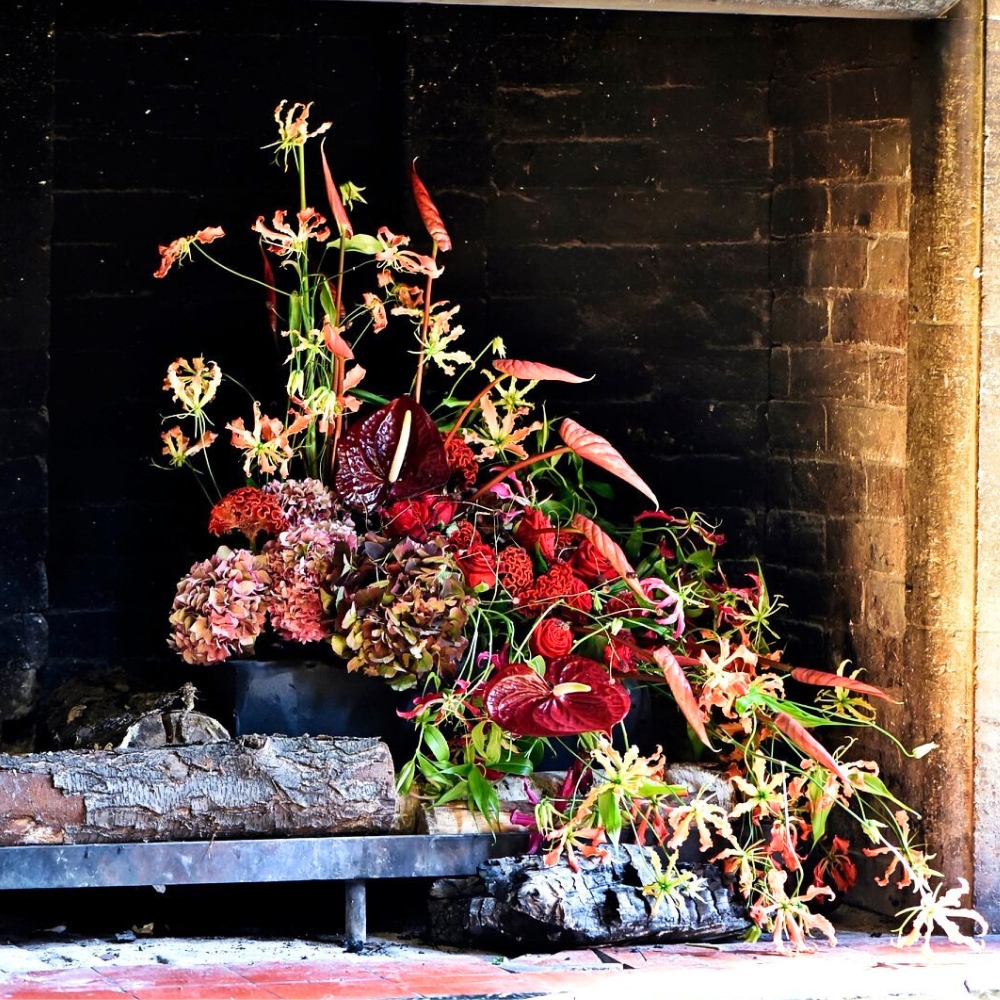
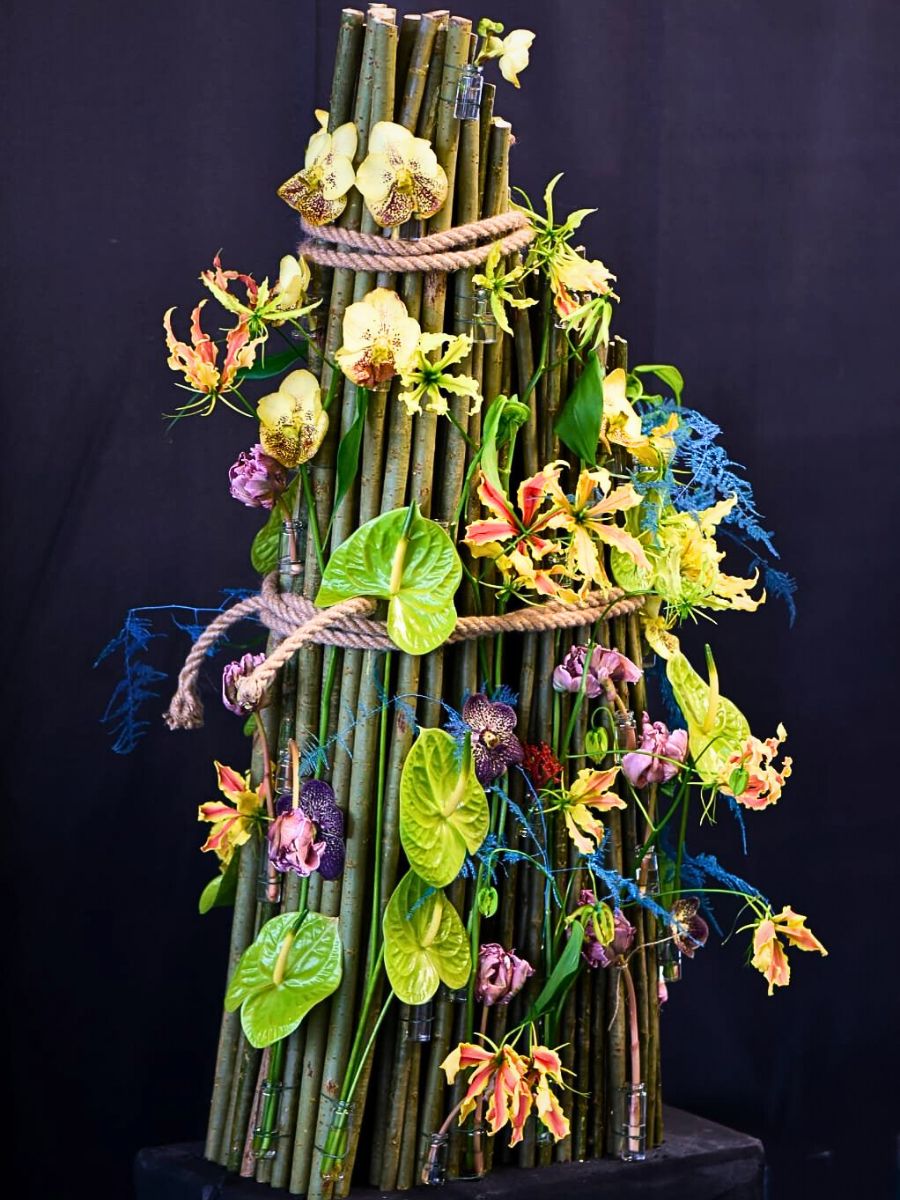
"I love Gloriosa most in winter and autumn from Marginpar, and in summer from Polish breeders.
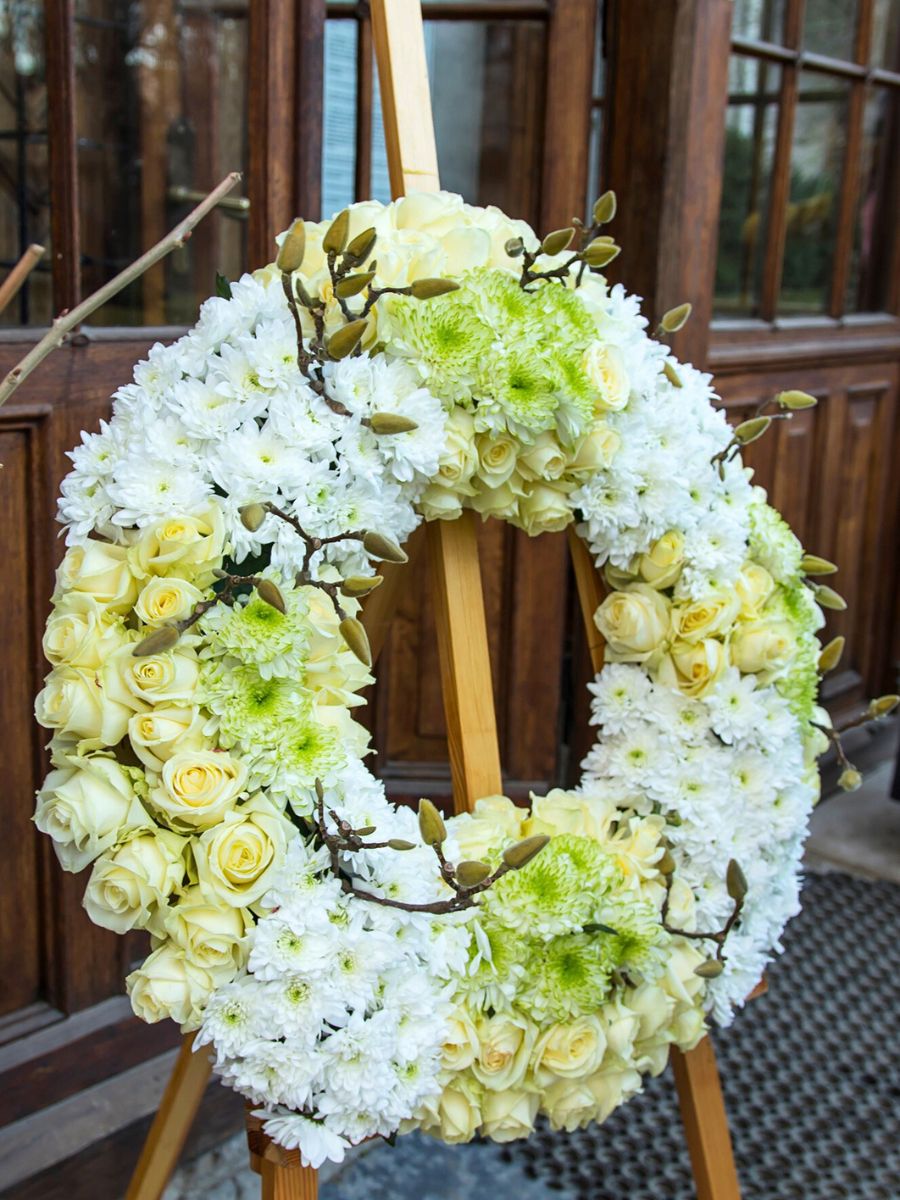
Why? For its wildness and ferocity, its shape, and because the lines of this beautiful vine allow me to build tension in my work. I love it in bouquets, funeral wreaths, and large forms. Its orange, red, and yellow varieties often give my work energy and expressive power. It's hard to ignore Gloriosa, and it's not a common plant found in flower shops. It's definitely a flower for those with a strong personality."
Question 10
What are you doing this weekend??
"When you run a flower shop, there's no such thing as a weekend. Saturday is one of the busiest days, but Sunday is my favorite. Sunday is my time. I love reading books and listening to music. When the weather is nice, I like to go for a walk. I'm lucky in my city, there are two geological reserves and one nature reserve. I'm a 10-minute walk from a park or botanical garden. There are literally many wild plant communities around me where I can gather plant material. Sunday is a time for meetings with family and friends. But this Sunday, because of the weather, it's a good book, hot tea, and delicious wine."
Michał’s journey reflects a way of working that values depth over visibility. His perspective is formed by years of responsibility, shared effort with his wife, and a clear understanding of where floristry still holds its strength. In a market that changes quickly, his story reminds us that trust, consistency, and personal relationships are not outdated ideas. They are the foundation.
If you know voices within the floral or horticultural world whose experience and thinking deserve space, I invite you to recommend them to edwin@thursd.com. These stories matter most when they come from people who have stayed, learned, and contributed over time.
Pictures by Rafał Kawałko and Mariusz Kurnik.