Our flower industry has had a lot of discussion about how value is divided across the supply chain. Growers want better prices for their flowers, and understandably so.
But I believe there is only one sustainable way to achieve that in the long run: quality and branding. Consumers will pay more for premium products when they understand what makes them different. Flowers are no exception. If the quality is visible and consistent, and the product has a recognizable identity, a higher price becomes easier to justify.
That is what this blog is about.
The Promise to Consumers
This is not a promotional story about Porta Nova. It is my personal view as a Polish florist who has spent more than thirty years behind the counter.
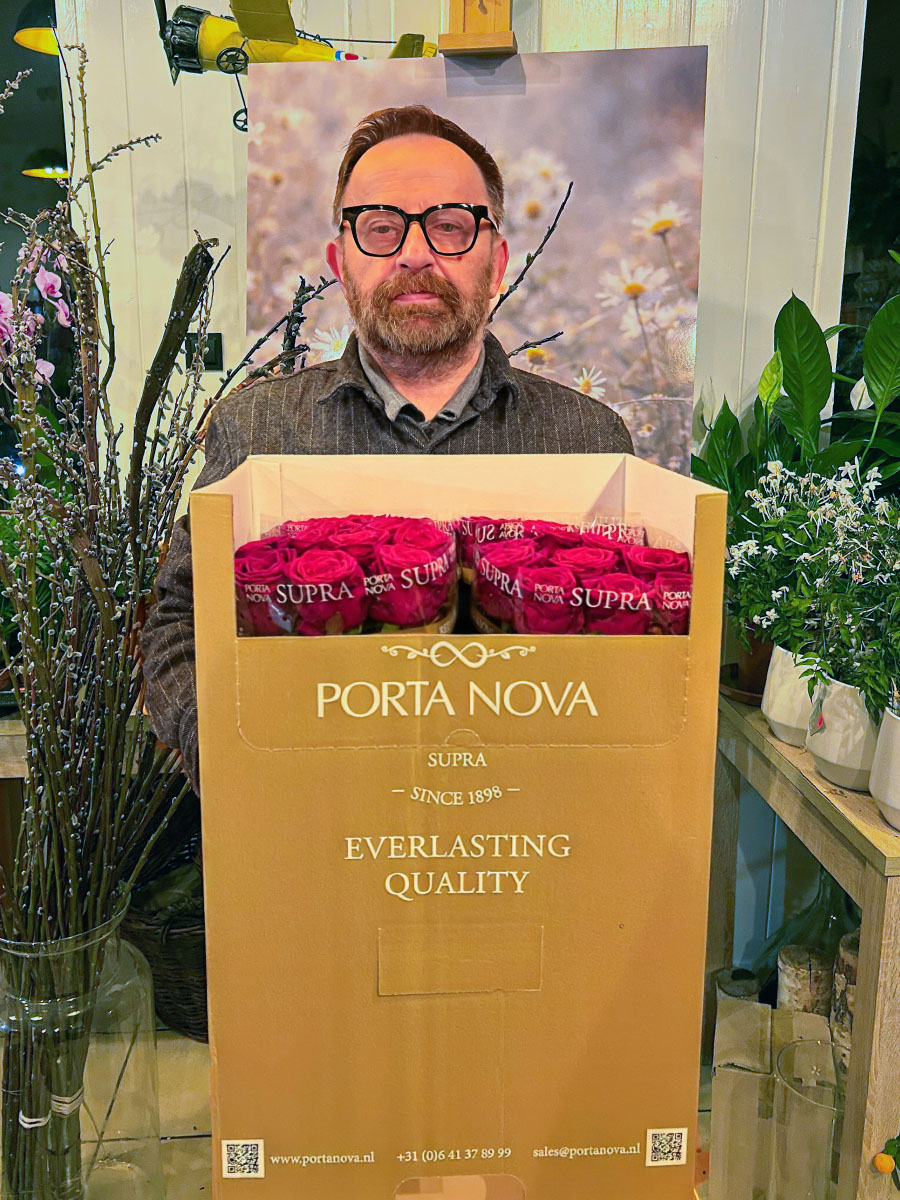
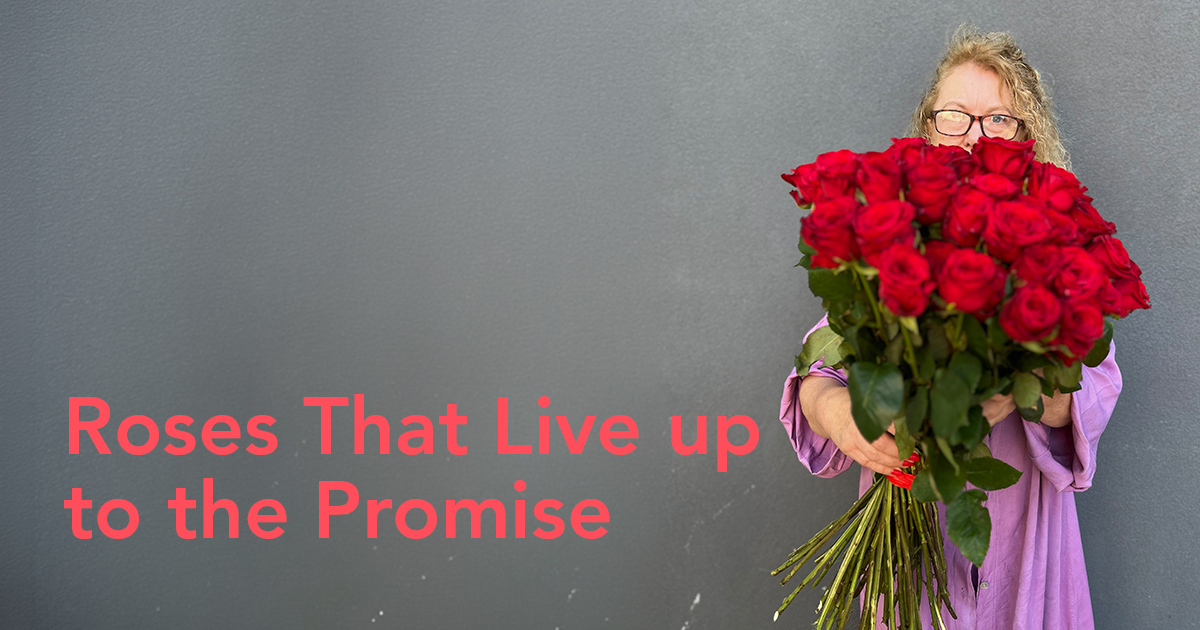
I have also spent many years positioning my own flower shop in the premium segment. I know consumers will pay more for a beautiful bouquet, but only when the flowers inside that bouquet live up to the promise.
For me, Porta Nova Red Naomi is a good example of how quality and branding can reinforce each other.
Quality Comes Before Branding
Branding alone is never enough. A grower can create a strong name and tell a good story, but if the flower disappoints, that story quickly loses its value.
What I find interesting about Porta Nova is the combination of a recognizable brand with strict quality selection. Within its Red Naomi production, there are different grades. Supra represents the highest selection, while other roses are classified into categories such as Unica, Magna, Hollanda, and Wild West according to bud size, stem quality, and overall appearance.
With Supra, I expect a large, tight bud; an even red color with a natural sheen; a thick, straight stem; healthy dark-green foliage; and good hydration. As a florist, I never judge a rose only by the flower head. I check the entire product. Are the stems fresh or starting to blacken? Is the water clean? Are the leaves firm? How thick are the stems? Even a box's weight tells you something. Properly hydrated roses are simply heavier.
Another characteristic of fresh Red Naomi that customers notice immediately is its fragrance.
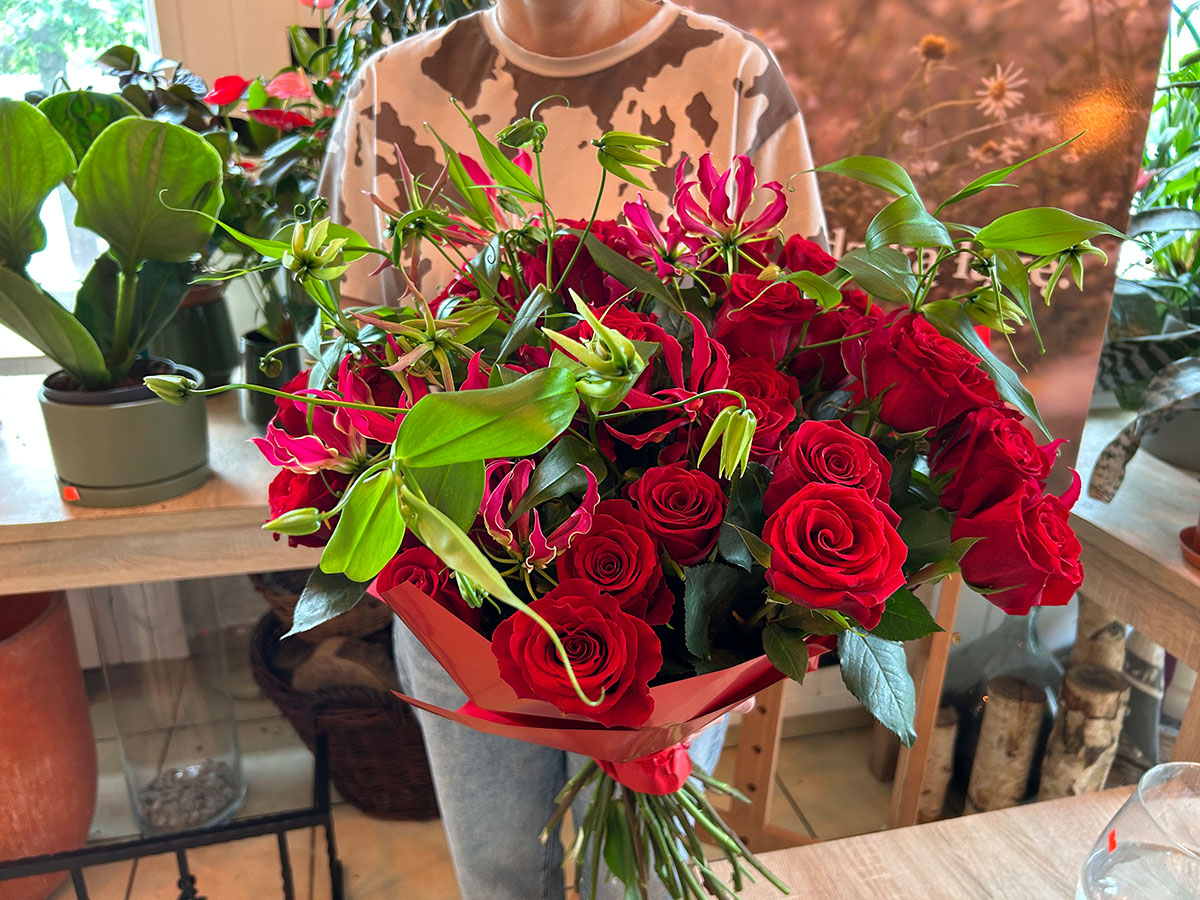
Three Routes to My Flower Shop
I recently had the opportunity to compare Porta Nova Red Naomi Supra roses reaching my shop through three different supply routes. That made the test particularly useful because flower quality depends not only on the grower, but also on everything that happens afterward.
From the Warsaw Flower Market
The first batch came from a leading supplier at the Warsaw Flower Market. I transported the roses to my shop in water, cleaned and recut the stems, removed excess foliage, and they were ready for sale almost immediately.
The buds were tight and glossy, the stems thick and straight, and the roses were well hydrated. They also had the fragrance I associate with genuinely fresh Red Naomi.
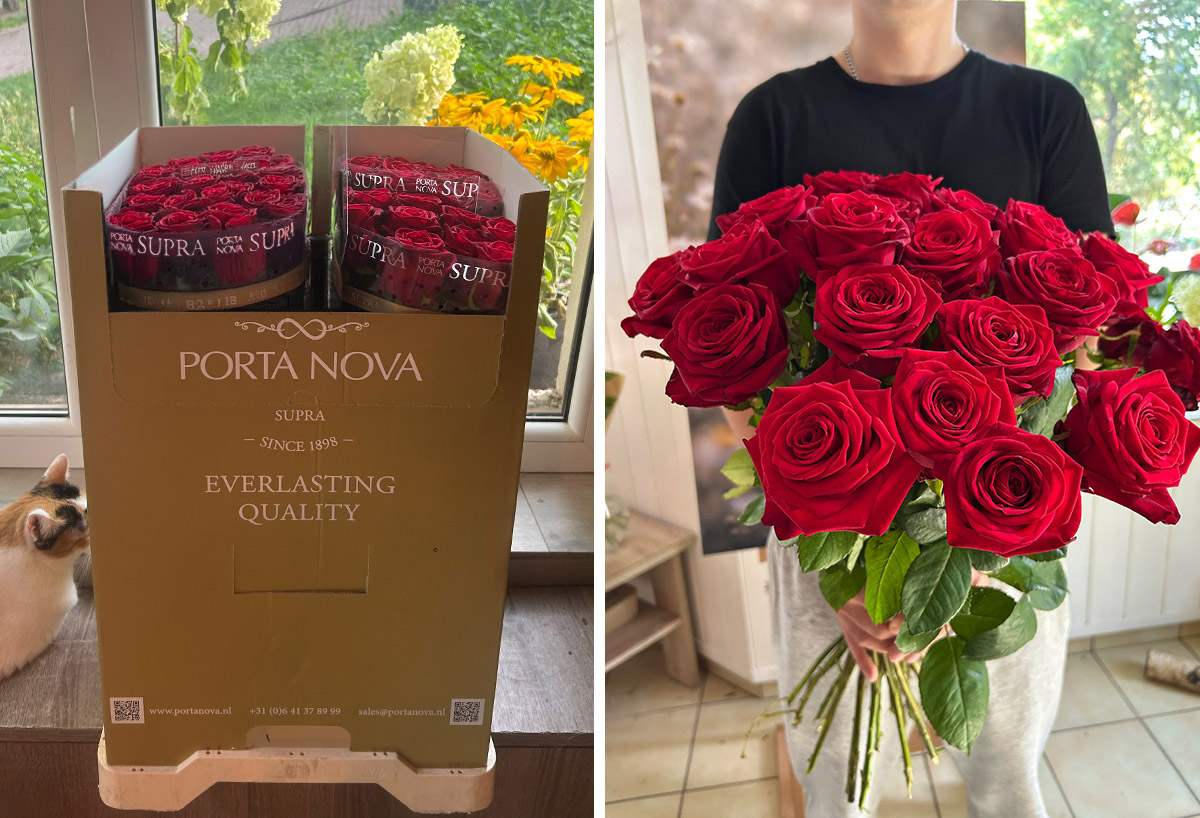
I kept several stems as a test, and they remained attractive for around eleven days.
Directly From the Grower
The second batch was more interesting. The grower sent these roses dry-packed directly to my flower shop. They traveled by air to Poland and then, in very hot weather, by delivery van for about two hours.
I was curious about what condition they would be in when I opened the boxes. The packaging proved to be very effective. The buds were individually protected, and the bunches were enclosed in plastic to reduce moisture loss. The leaves had lost some firmness, but the buds were still tight and, in my estimation, the roses had lost no more than around 20% of their hydration.
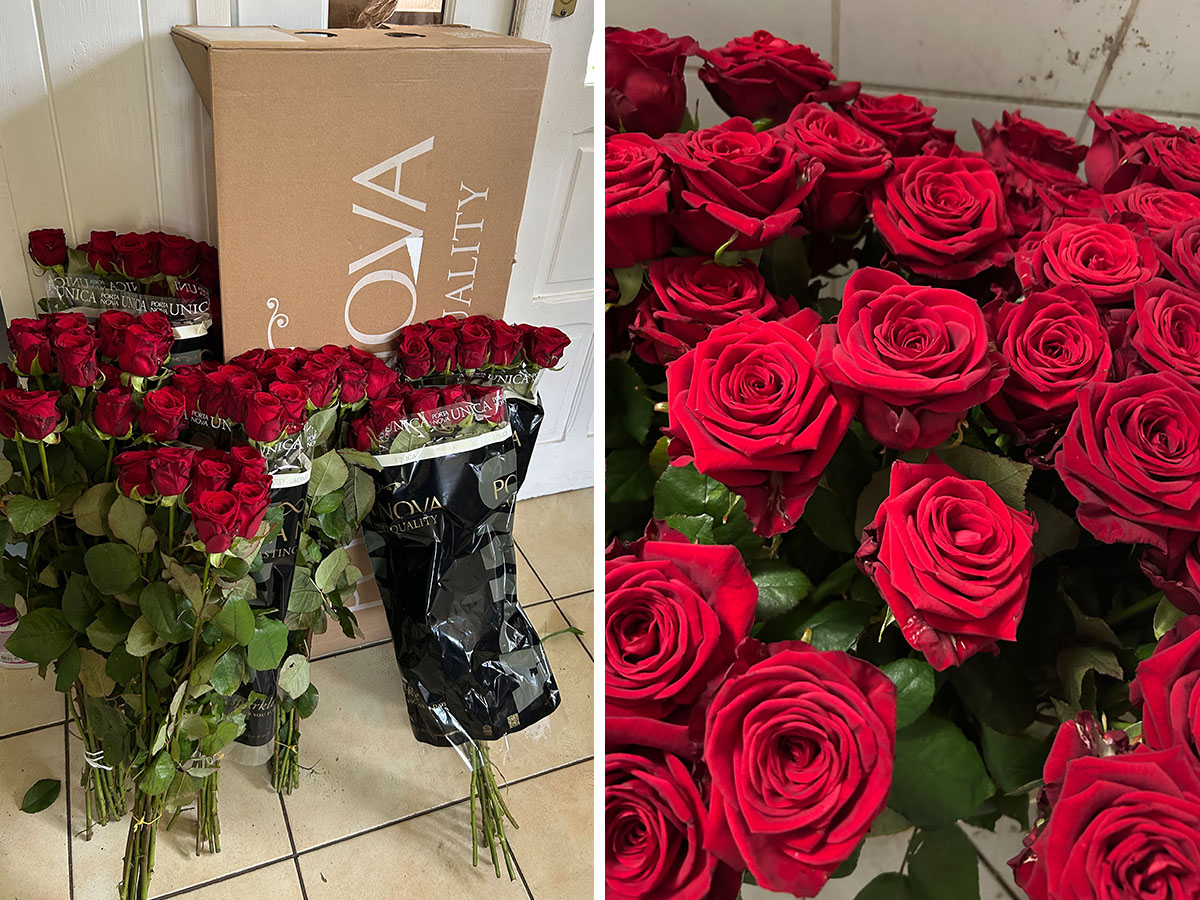
After recutting the stems and placing them in conditioning solution in a cooler environment, they recovered within a few hours. The leaves became firm again, and the petals regained their shine. They remained suitable for sale in my shop for around ten days without cold storage. In a vase, with flower food and regular water changes, they looked good for approximately thirteen days.
This experience made me think about the potential of shorter supply chains. If direct delivery of this kind became more widely available, I would certainly consider using it. A florist can receive fresher flowers, while the grower may retain more value.
From a Local Wholesaler
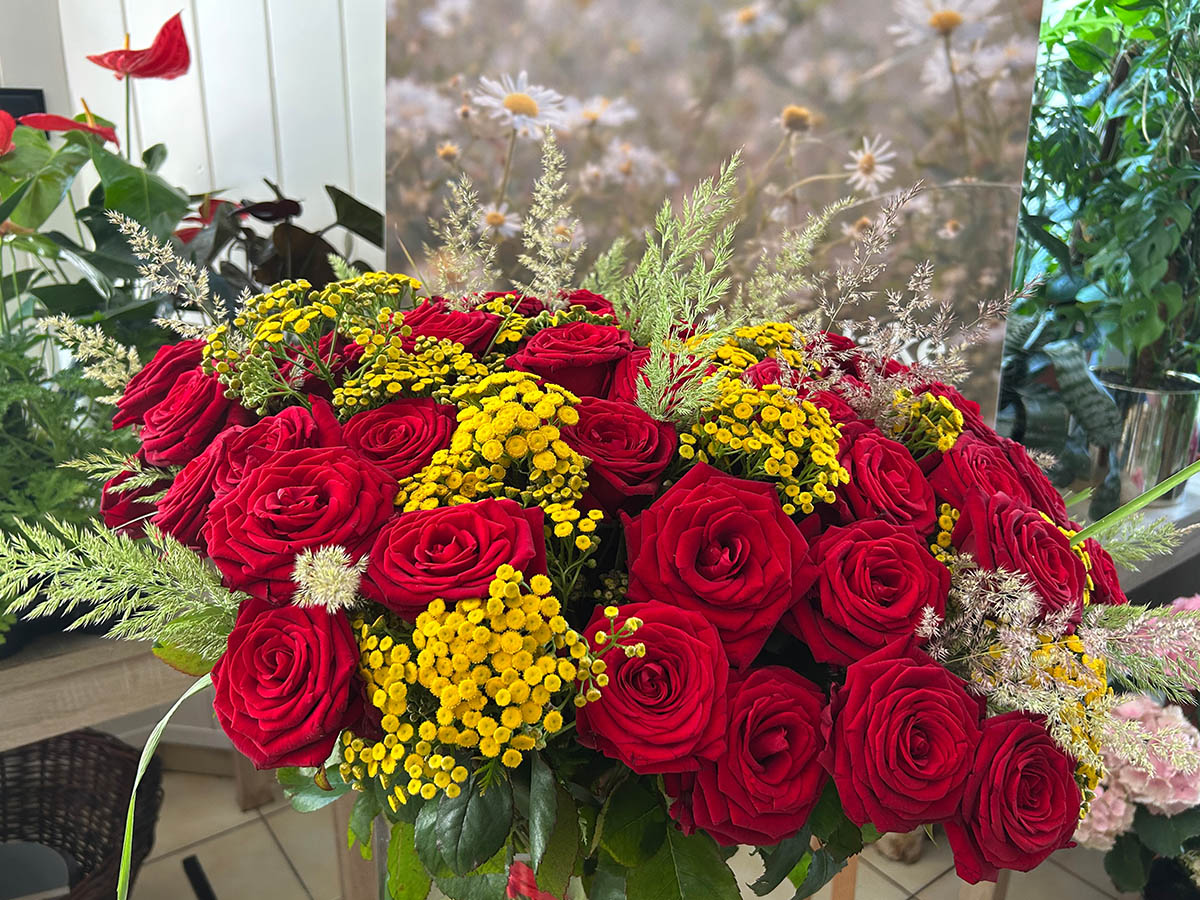
The third batch came from a local wholesaler. I bought the roses without ordering in advance, so the price was slightly higher. That is the trade-off for convenience and immediate availability.
The roses were still in excellent condition: well hydrated, with tight buds, strong stems, and healthy foliage. They were ready to sell immediately and lasted around eight days in my vase test.
The difference is that when buying locally, I do not always know how many stages the roses have passed through before reaching the wholesaler. That makes freshness somewhat harder to assess.
One Rose, One Clear Story
What interests me about Porta Nova goes beyond vase life. The company's strength is focus. One main variety, one clear segment, and one strong quality proposition. They do not simply sell "red roses." They have built recognition around Porta Nova Red Naomi and, at the top of that range, Porta Nova Red Naomi Supra. That distinction matters because it gives the product an identity.
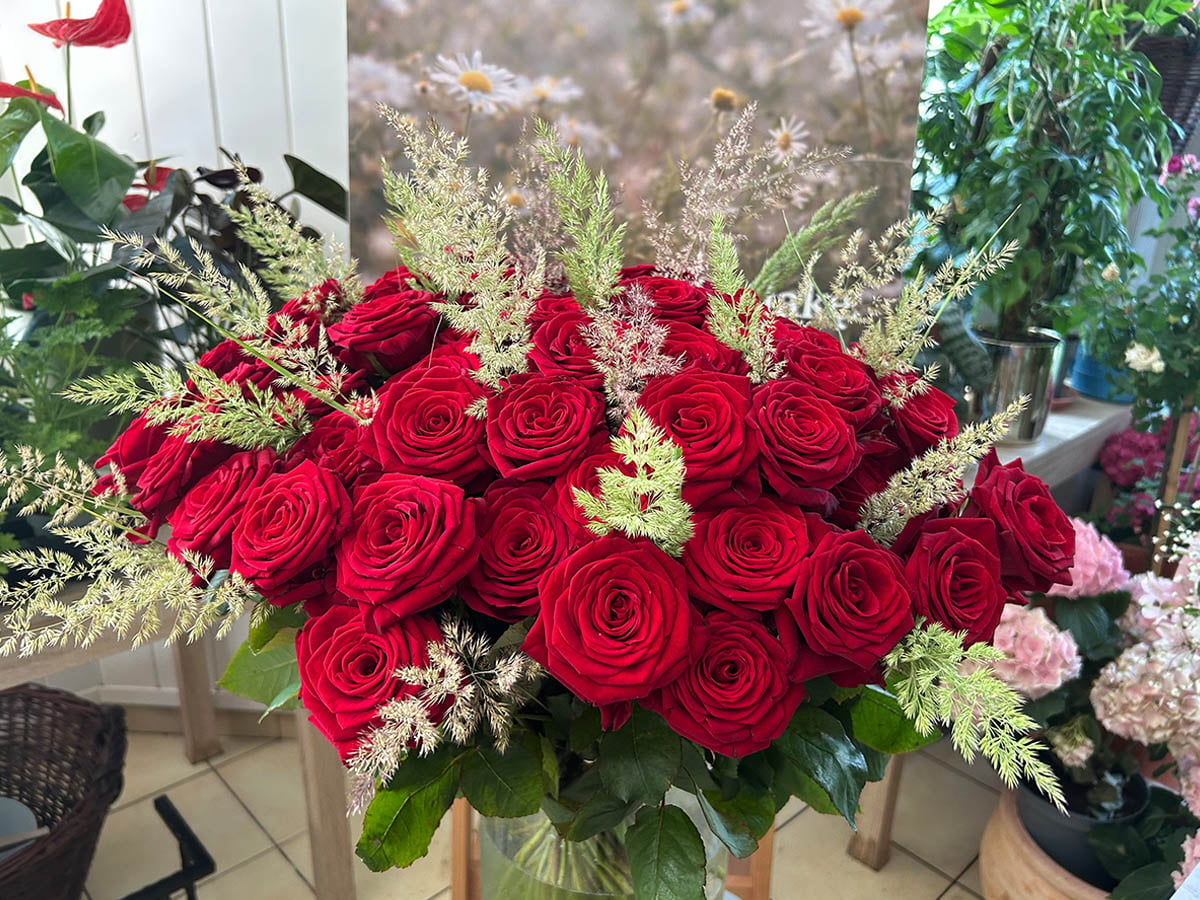
Porta Nova has also understood that marketing should not stop at the wholesaler. The company works with florists and floral designers and shows what its roses can become in bouquets, installations, photo shoots, and other creative work. That is important because the final customer is not buying a technical specification such as a "60 cm Red Naomi." They are buying the finished bouquet, the occasion, the feeling, and the quality they can see.
Why This Works for Me as a Florist
I have followed Porta Nova's development for many years. Besides being a florist, I also write about the flower industry and have a background in postgraduate marketing studies. That probably makes me look at flower brands from several angles at once.
What convinces me most is consistency. A premium brand creates expectations, and it has to meet them every time. When I buy premium flowers, I need to feel confident in what will arrive.
Good-quality flowers are easier to work with. They require less correction at the design table, they behave more predictably, and they help me deliver the quality my customers expect. That is why I think the Porta Nova story is relevant beyond one grower or one rose variety.
If growers want to create more value for their products, they first need a product that deserves that value. After that, branding can help florists and consumers recognize the difference. Quality comes first. But when consistent quality meets a clear brand, a rose stops being just another red rose.
It becomes a product people recognize, trust, and eventually ask for by name.