The rose industry globally relies on specialized breeders who develop varieties for both garden cultivation and the cut flower trade. These breeders operate across different continents, each bringing regional expertise, distinct breeding philosophies, and generations of accumulated knowledge to their work.
For growers, exporters, florists, and retailers, understanding rose breeding and which breeders consistently deliver quality roses, and what ‘quality’ means in different contexts, is essential for making informed sourcing and cultivation decisions.
Part I: Defining Quality in Rose Breeding
Quality in commercial rose breeding is not a single attribute but a composite of measurable performance characteristics that determine how well a rose variety serves its intended purpose over time. Professional evaluation frameworks assess roses across several dimensions, from their behavior in the vase to their resilience during international transport. The following sections outline the primary quality criteria used throughout the floriculture industry.
1. Vase Life and Longevity
Vase life is one of the most commercially significant quality metrics for cut roses. Industry benchmarks typically require a minimum vase life exceeding seven days for commercial viability, with properly handled premium varieties achieving ten to fourteen days under optimal conditions. Standardized vase life testing evaluates different parameters, including flower quality retention, bloom diameter maintenance, water uptake efficiency, and electrolyte leakage rates.
Several factors influence vase life performance. Pre-harvest conditions, including temperature regulation, humidity management, light exposure, and water availability, establish the foundation for post-harvest longevity.
Genetic factors determine a variety's inherent capacity for water retention and resistance to senescence. Post-harvest handling, including harvesting at the optimal bud stage (typically the ‘color break’ stage where sepals begin opening while petals remain tight), conditioning protocols, and cold chain maintenance, significantly impacts the actual vase life consumers experience.
Breeders targeting extended vase life select for traits such as efficient water uptake mechanisms, petal durability against wilting and browning, reduced ethylene sensitivity, and adequate carbohydrate reserves to support bloom opening without premature decline. Varieties that show consistent vase life across different growing conditions and handling scenarios represent the standard for this quality dimension.
2. Uniformity and Consistency
Uniformity requirements address the commercial need for predictable, consistent products that meet buyer specifications across large volumes. For growers selling to wholesale markets, auction houses, or retail contracts, consistency in stem thickness, head formation, bloom stage, and color expression simplifies grading, packing, and quality assurance processes.
Professional grading systems categorize roses by standardized criteria; premium grades typically require stem thickness exceeding eight millimeters, while standard grades accommodate six- to eight-millimeter stems.
Bud size classifications (Super Premium 6+ cm, Premium 5.5+ cm, Intermediate 4.5+ cm) provide additional sorting parameters. Uniformity goes beyond individual flowers to include consistent growing rates, predictable flowering times, and reliable propagation characteristics that enable commercial-scale production.
Breeders achieve uniformity through systematic selection across several generations and extensive trialing under varied environmental conditions. Varieties that maintain consistent quality expression across different growing regions, seasonal variations, and cultivation systems show superior uniformity profiles.
3. Stem Strength and Handling Performance
Structural integrity determines how well roses withstand the physical demands of harvesting, processing, packaging, and transport. Strong stems support flowers through the supply chain without bending, breaking, or losing their upright posture. This quality dimension becomes increasingly important as supply chains extend across continents, and roses may spend days in transit before reaching final destinations.
Stem strength metrics include minimum diameter thresholds for premium grades (typically greater than eight millimeters), resistance to mechanical damage during handling, and maintenance of structural integrity under temperature fluctuations.

Away from raw strength, handling performance encompasses traits like moderate thorn density (affecting processing efficiency), appropriate stem flexibility (enabling secure packing without breakage), and consistent internode spacing (facilitating uniform bunching).
Varieties bred for transport resilience perform well under logistics pressure, maintaining quality through cold storage, dry or wet shipping, and the rehydration process at destination. This attribute directly impacts rejection rates and ultimately determines commercial viability for export-oriented production.
4. Visual Quality and Market Appeal
Visual characteristics drive market demand and consumer purchasing decisions. Professional evaluation considers aesthetic parameters, including bloom form, color saturation and stability, fragrance (where relevant), head size, petal architecture, and foliage quality.

Color quality extends beyond initial appearance to include stability under various lighting conditions, resistance to fading or blackening as blooms age, and consistency across growing environments. Novel colors, bi-tones, and distinctive color gradients that change attractively as blooms mature can differentiate premium varieties in competitive markets.
Bloom form preferences vary by market segment. Hybrid tea varieties with high-centered, symmetrical blooms remain standard for traditional markets, while garden-style roses with full-petaled, romantic forms command premium positioning in specialty channels.
Spray roses with well-proportioned flower clusters serve different design applications. Controlled bloom development, where opening behavior is predictable and aesthetically pleasing throughout the display period, is another increasingly valued trait.
Foliage contributes to overall visual quality, with large, clean, well-formed leaves positioned appropriately on the stem, enhancing presentation. Disease-free foliage with attractive coloration and texture supports the premium perception that justifies higher price points.
5. Post-Harvest Reliability
Post-harvest reliability encompasses a variety's ability to maintain quality throughout the supply chain under real-world conditions. This quality dimension integrates factors like response to pre-cooling protocols, performance during storage at various temperatures, resilience during transport (including both dry and wet shipping methods), and recovery capacity upon rehydration at destination.
Industry testing evaluates post-harvest reliability through controlled simulations of supply chain conditions, measuring quality retention across temperature ranges, transit durations, and handling scenarios. Varieties that show minimal quality degradation under suboptimal conditions, like delayed cooling, temperature fluctuations during transport, and extended storage, provide risk mitigation for commercial operations.
Disease resistance contributes to post-harvest reliability by reducing susceptibility to fungal issues like botrytis that can emerge during cold storage or transit. Varieties with inherent resistance to common pathogens maintain visual quality without requiring chemical intervention during post-harvest handling.
The cold chain, which maintains optimal temperatures continuously from harvest through delivery, remains the most crucial factor for preserving post-harvest quality. Varieties that tolerate cold chain interruptions without catastrophic quality loss provide operational flexibility, though no variety can fully compensate for poor handling practices.
Part II: Rose Breeders by Region
Rose breeding expertise has developed in distinct regional centers, each shaped by local climatic conditions, market proximity, historical traditions, and accumulated genetic resources. The following profiles examine well-known breeders across major rose breeding regions, focusing on how quality considerations appear in their documented breeding philosophies and industry reputations.
Netherlands
The Netherlands is a global hub for floriculture innovation, with several rose breeding operations contributing varieties to international markets. Dutch breeders typically combine traditional breeding expertise with advanced data-driven techniques, operating global testing networks to ensure variety performance across diverse production environments.
De Ruiter Innovations
De Ruiter Innovations, a family-led company with over a century of breeding experience, maintains operations across East Africa, South America, China, and Europe. The breeder has held the designation ‘Purveyor to the Royal Household’ (or hofleverancier) since 2015, indicating recognized breeding excellence. De Ruiter's documented breeding philosophy emphasizes performance-oriented variety development with measurable output criteria.
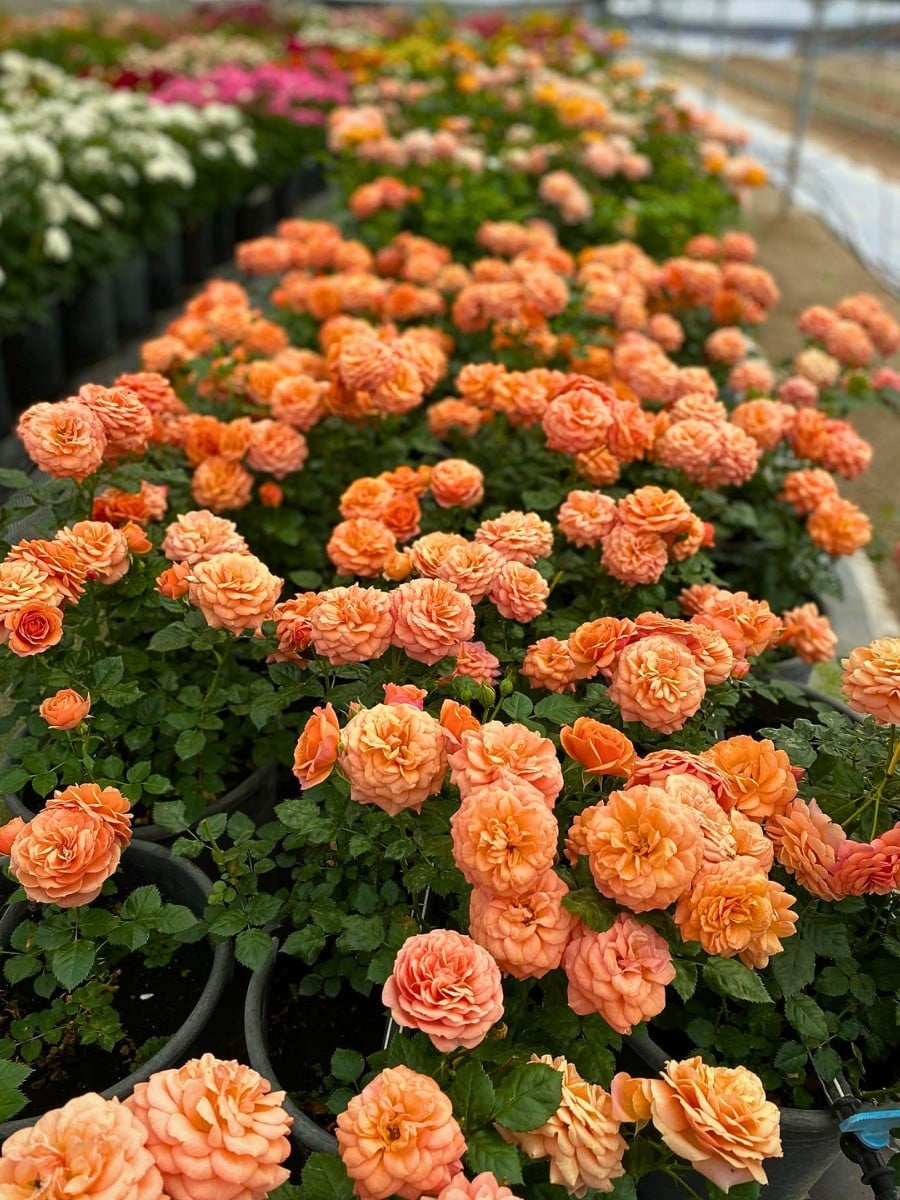
Their approach balances aesthetic qualities with commercial pragmatism, targeting reliability across the entire supply chain from grower to florist. Quality traits for which De Ruiter is known include extended vase life (with some varieties documented at sixteen days), color stability throughout the bloom cycle, stem strength supporting transport resilience, and disease resistance, reducing input requirements.
Their breeding integrates DNA fingerprinting and phenotyping technologies to identify promising genetics earlier in the development process. Notable varieties, including Rose Ever Red and Rose Revolution, highlight their focus on combining visual appeal with consistent commercial performance.
Jan Spek Rozen
Jan Spek Rozen traces its breeding heritage to 1890 and combines traditional expertise with modern selection methods. Erik Spek, who leads current operations, has documented priorities including color quality, head size, and productivity, measured as a high volume of quality stems per square meter.
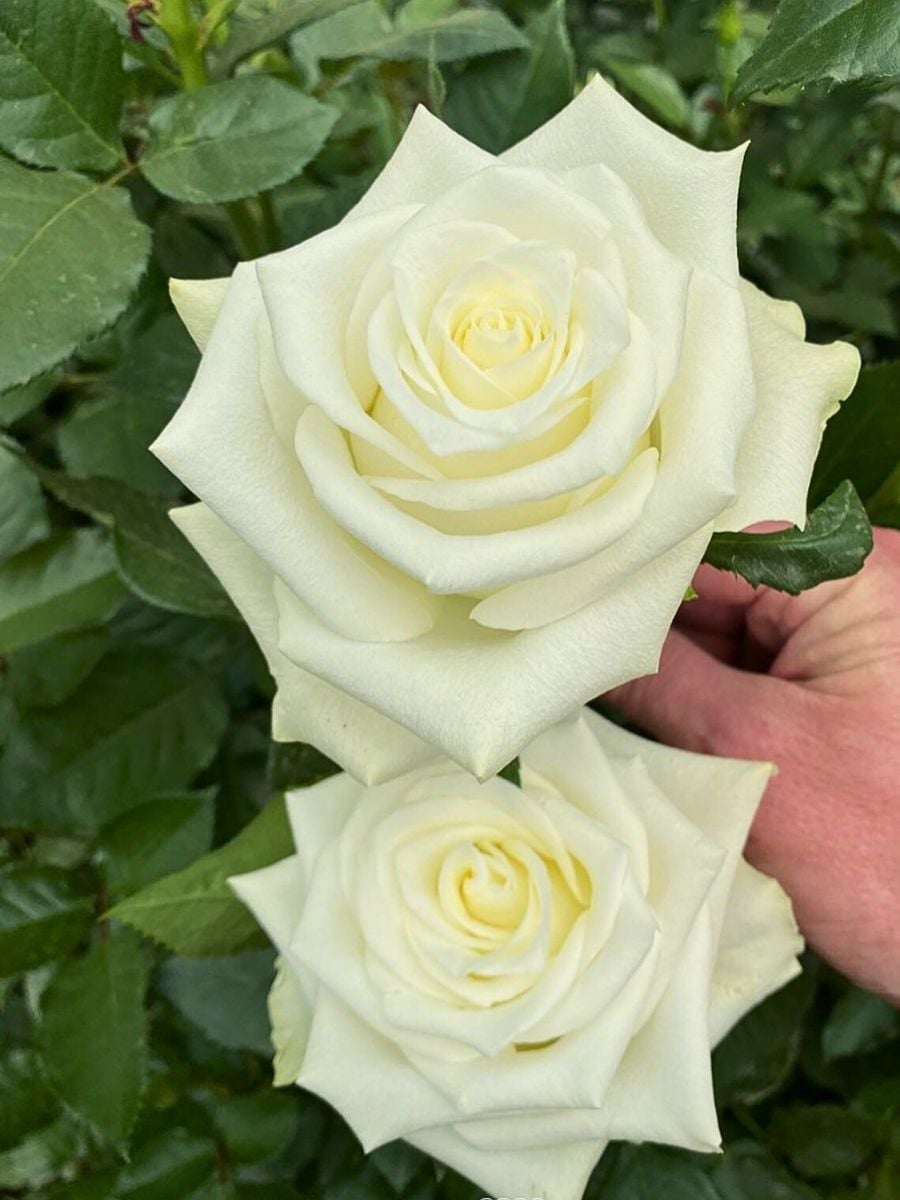
The company's breeding philosophy focuses on developing recognizable varietal lines with strong flower form, distinct color positioning, plant vigor, bloom quality, and reliable production characteristics. Jan Spek Rozen maintains an international focus through trialing partnerships and distribution agreements across multiple continents.
United Selections
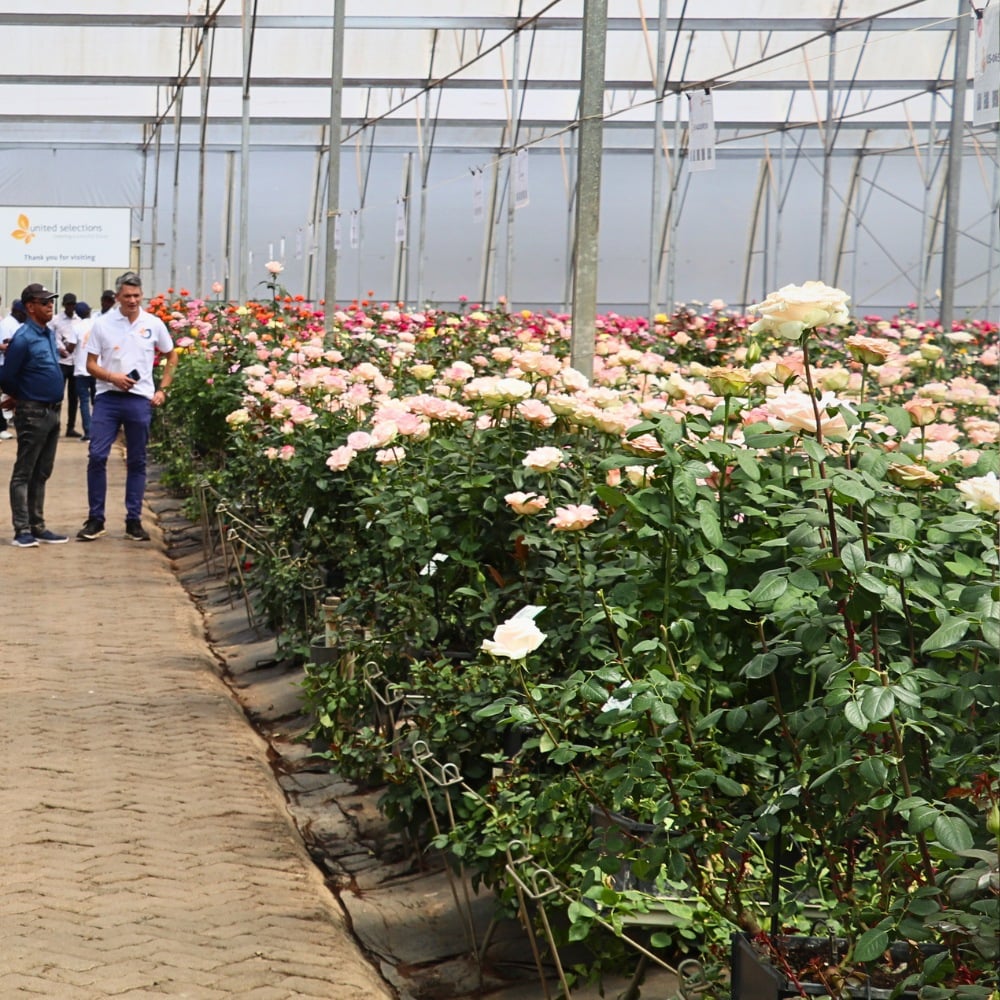
United Selections operates a research backbone centered in Kenya with global testing locations including the Netherlands, Ethiopia, Ecuador, and Colombia. Their documented breeding approach emphasizes systematic, multi-location evaluation to ensure consistent performance across diverse climates and altitudes.
Quality innovation at United Selections centers on the breadth of color development in both standard and spray roses, paired with practical supply chain performance. Their breeding specifically addresses varieties that maintain quality through long transit times, a consideration increasingly relevant with the growth of sea freight in flower logistics.
Interplant Roses
Founded in 1962, Interplant Roses has advanced across four generations into a global powerhouse in commercial rose breeding, best known as the pioneer that introduced the commercial spray rose category to the global market. Operating out of its headquarters in Harmelen, Netherlands, alongside strategic testing facilities in key hubs like Naivasha, Kenya, the family-owned company manages over 150,000 targeted plant crossings annually. This rigorous hybridization process yields millions of seeds that are carefully evaluated for commercial resilience, productivity, thorn quality, and unique aesthetic profiles.
While Interplant maintains a balanced portfolio spanning single-flowered cut varieties and garden roses, its leadership in spray roses remains its defining industry contribution. Through initiatives like the ‘World of Spray Roses’, the breeder works in close collaboration with an international network of growers and floral designers to ensure new selections meet modern commercial demands, such as extended vase life, robust stem integrity, and high design flexibility.
Pairing advanced greenhouse data technology with a rigorous global testing network that spans different climates ensures that Interplant Roses continually sets benchmarks for quality and innovation in the B2B floriculture sector. Plus, the breeder’s capability to forecast aesthetic trends and evolutions years in advance ensures that they remain a key pillar for growers, wholesalers, and floral artists looking for elite genetics.
Preparing for cross-pollination at Interplant Roses
Schreurs
Schreurs, headquartered in the Netherlands with breeding and propagation operations in Kenya, Ecuador, and Colombia, develops both roses and gerberas. Their documented breeding philosophy centers on rigorous selection processes where only exceptional candidates, one from thousands tested, advance to commercial introduction.
Quality traits emphasized in Schreurs' breeding include exceptional beauty, resilience, longevity, vibrant yet balanced colors, and reliable vase life. Their selection criteria encompass disease resistance, growth performance, and customer profitability considerations. Schreurs conducts testing across several climate zones, including the Netherlands, Latin America, and East Africa, to ensure variety performance across production environments.
Their variety Rose Red Naomi, introduced in 2005, became one of the industry's widely recognized successes. Recent breeding efforts have explored semi-cold growing techniques to develop varieties suited for different production environments.
Dümmen Orange
Dümmen Orange operates as one of the largest global breeders and propagators of ornamental plants, with roses among its specialties. Their documented breeding philosophy integrates traditional methods with modern biotechnology, including molecular breeding techniques.
Quality traits emphasized include disease resistance (through their Intrinsa technology, identifying natural resistance traits), transport resilience, shelf life, and consistent performance. Their approach aims to develop varieties that reduce chemical requirements for growers while maintaining reliable supply chain performance for retailers. Dümmen Orange's acquisition of Olij Breeding expanded its rose genetics portfolio.
Germany
German rose breeding has developed a distinct reputation for disease resistance and robust plant performance, shaped by rigorous outdoor testing methodologies and an emphasis on varieties that perform without intensive chemical intervention.
Kordes
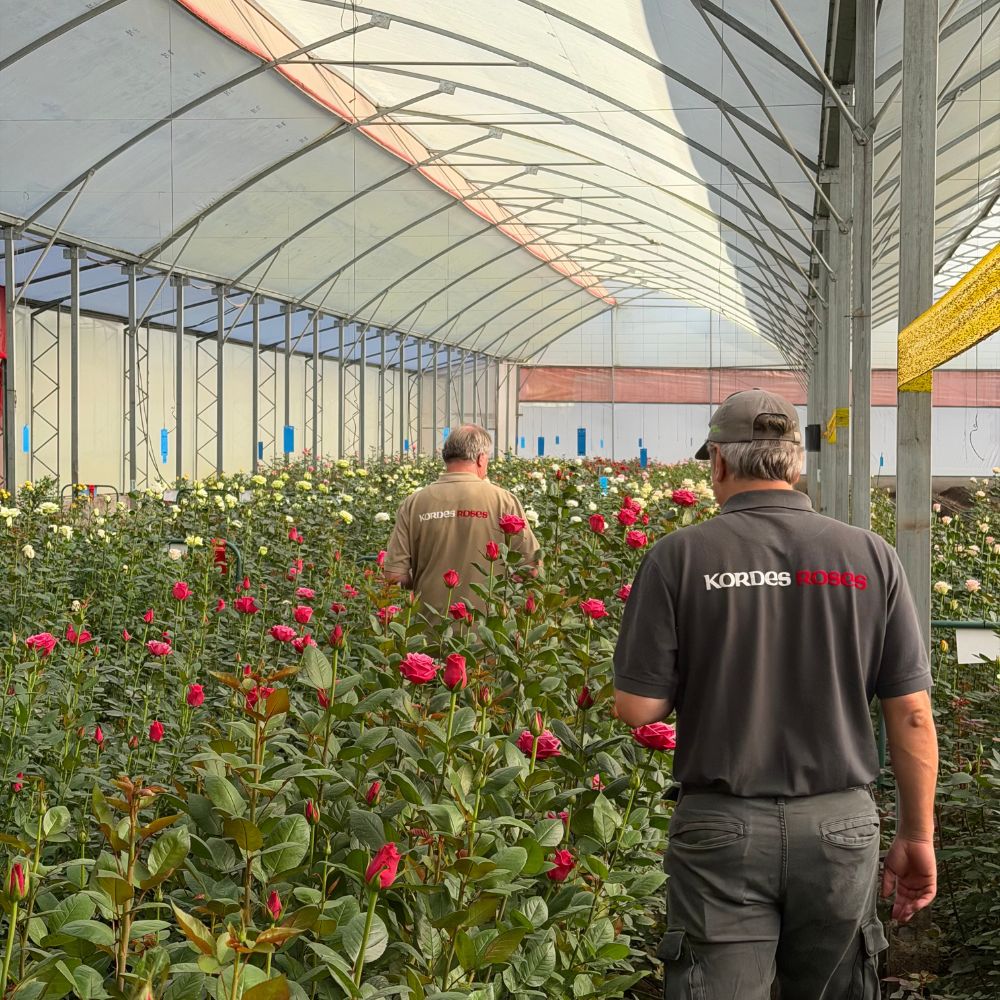
Kordes, a family-owned breeding company founded in the late 19th century, conducts structured field trials across multiple climates. Their breeding program famously operates extensive outdoor testing without routine chemical protection, using natural selection pressure to identify resilient varieties before commercial release.
Quality traits for which Kordes is known include disease resistance (particularly tolerance to common fungal diseases under open-field conditions), low maintenance requirements, cold hardiness, and continuous blooming performance. Their philosophy integrates long-term genetic planning with resilient plant performance, aiming for varieties that thrive without excessive intervention.
Since the 1990s, Kordes has eliminated fungicide use in their trial fields, ensuring only varieties with inherent disease resistance advance through selection. While historically recognized for garden roses, Kordes has developed cut flower varieties through their Kenyan subsidiary Kreative Roses, which operates in equatorial highland conditions.
Rosen Tantau
Rosen Tantau, established in 1906, has over a century of rose cultivation and breeding experience with particular specialization in cut roses. Their breeding philosophy emphasizes quality directly from the breeder, maintained through a broad and diverse assortment. Quality traits emphasized in Tantau's breeding include disease resistance (to fungal diseases, black spot, mildew, and rust), vibrant colors, fragrance, productivity, and longevity.
Their varieties are designed for applications spanning professional cut flower production, garden cultivation, and landscape use. Historically significant varieties include Rose Garnette (recognized as one of the first globally successful cut rose varieties for its productivity and longevity) and more recent introductions for the professional cut flower market.
Christian Evers, the current generation leader, continues introducing varieties combining visual appeal with commercial performance attributes.
France
French rose breeding maintains distinct traditions shaped by the Lyon region's historical status as a major rose cultivation center. French breeders typically emphasize classical elegance, fragrance development, and disease resistance achieved through extensive multi-year trialing.
Meilland International
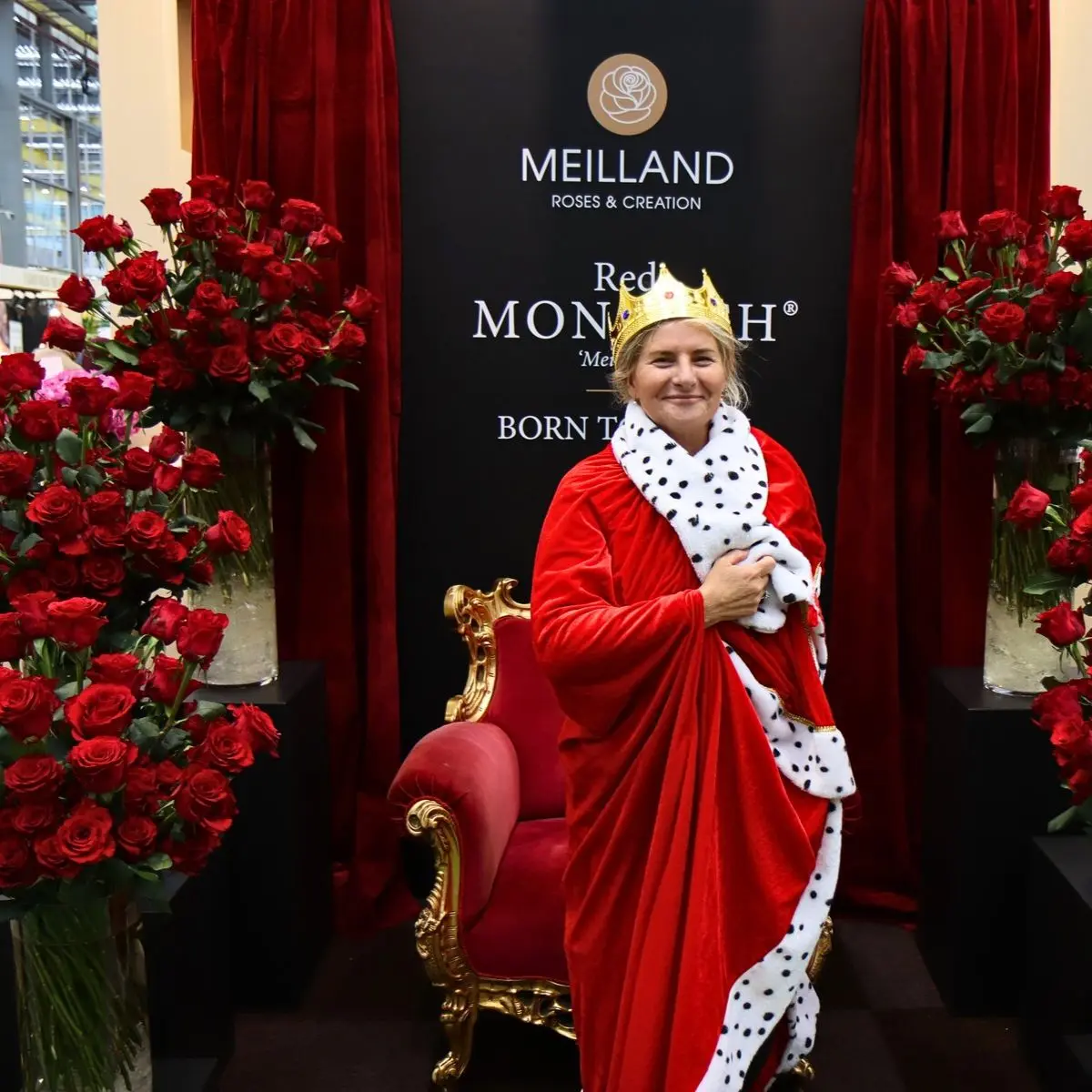
Meilland, arguably France's most recognized rose breeding name, traces its origins to Joseph Rambaux in 1850. The family remains one of the most influential rose-breeding dynasties globally, with their creation of the Peace rose in 1945 establishing international standards and symbolic significance.

Meilland's documented breeding philosophy, encapsulated as ‘Creation is our DNA,’ focuses on colors, scents, shapes, and disease resistance. Their breeding process involves manual pollination of 20,000-30,000 flowers annually based on 2,000-2,500 crosses, with 150,000-200,000 seedlings planted and evaluated under extremely rigorous criteria.
Selected varieties undergo testing at approximately fifteen trial stations under various climatic conditions. Only about twelve new varieties reach market introduction each year. Quality traits for which Meilland is known include classical high-centered hybrid tea forms, complex layered fragrances, disease resistance demonstrated through multi-year trials, and adaptability across diverse climates.
Their breeding spans both garden roses (eight- to ten -year development cycle) and cut flower varieties (four- to six-year development cycle). The company protects innovations through intellectual property systems in over forty countries.
Delbard
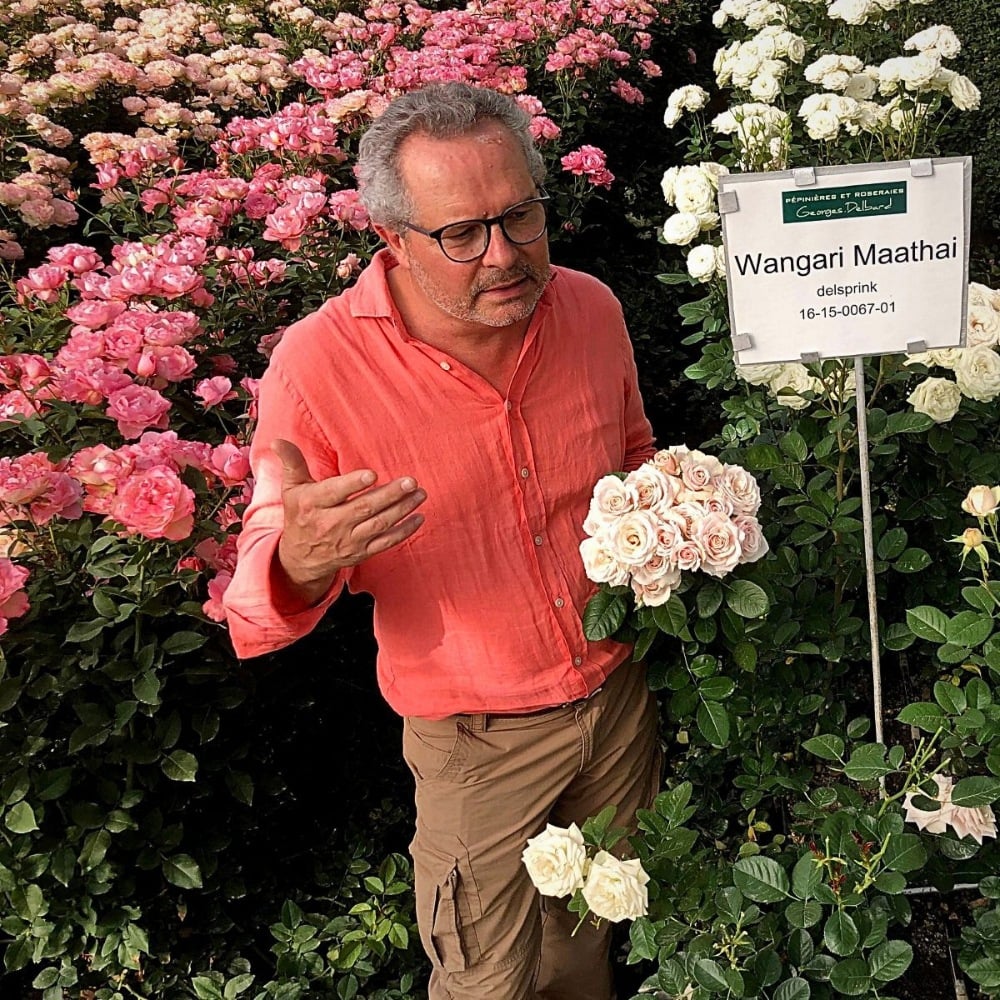
Georges Delbard represents a French breeding house known for an innovative and artistic approach to rose development. Their documented mission centers on creating roses that are more fragrant, more colorful, and increasingly resistant to disease.
Quality traits emphasized in Delbard's breeding include unique and artistic aesthetics, unusual colors and patterns, significant fragrance, and robust disease resistance. Their varieties undergo multi-location trials across France's diverse climatic zones. Roses from Delbard are frequently featured in high-end floral applications where distinctive visual characteristics command premium positioning.
NIRP International
NIRP International, established in France in the 1960s, specializes in research, breeding, selection, and marketing of both cut and garden rose varieties. Their breeding program ranks among the largest for ornamental plants worldwide, performing 40,000 crosses annually, yielding 300,000 seeds for selection.
Quality traits for which NIRP is known in cut roses include clear, vibrant colors, high yields (targeting over 200 stems), large head sizes (ideally 5.5 cm for premium segments), straight thornless stems, and vase life suitable for long-distance transport, including sea freight.
For garden roses, their documented focus includes fragrance (particularly their 'Le Profumatissime della Riviera dei Fiori' concept), disease resistance, and reblooming characteristics.
NIRP varieties have earned over 100 prizes at international rose competitions. Their testing spans locations including Ecuador, Colombia, Brazil, Kenya, Ethiopia, and various European and Asian markets.

Spain
Spanish rose breeding has developed with particular attention to varieties suited for Mediterranean climates and efficient production systems. Spanish growers benefit from abundant sunshine and favorable growing conditions for year-round production.
Continental Breeding
Continental Breeding, based in Spain, develops cut roses for international markets, including Latin America, with additional work on garden-style and spray roses. Their documented breeding philosophy emphasizes productivity, stem uniformity, and clarity of color aligned with global market demands.
Quality traits for which Continental Breeding is known include strong visual appeal, reliable plant vigor, good post-harvest stability, disease resistance, and high petal counts in premium garden-style varieties.
Their breeding employs regional testing and long-term genetic strategies to ensure varieties adapt to local conditions while meeting international distribution requirements. Notable variety lines include MAYRA's garden roses and the BELLALINDA series of spray roses.
Italy
Italian rose breeding maintains traditions particularly concentrated in the Liguria region around Sanremo, historically known as the "City of Flowers." Italian breeders often combine Mediterranean aesthetic sensibilities with practical commercial performance.
NIRP Rose Company (Italian Operations)
While NIRP International maintains French headquarters, its Italian operations contribute varieties known for distinct characteristics suited to Mediterranean and warm-climate markets. Quality traits emphasized in varieties from this program include long vase life, heat tolerance (with some varieties documented as thriving in temperatures up to 40°C), and vibrant colors that maintain intensity even in extreme temperatures.
Varieties like Grande Classe show extended vase life performance, while Aubade exemplifies breeding specifically for heat-tolerant applications. Their multi-colored roses in orange, peach, and mango hues address demand for warm-toned varieties with reliable performance.
Sanremo Rose Industry
The Sanremo region in Liguria maintains historical significance as Italy's flower capital, benefiting from a mild Mediterranean climate and abundant sunshine. While comprising many small family-run nurseries rather than single dominant breeders, the region has contributed to rose genetic development through its experimental floriculture station, founded in 1925.
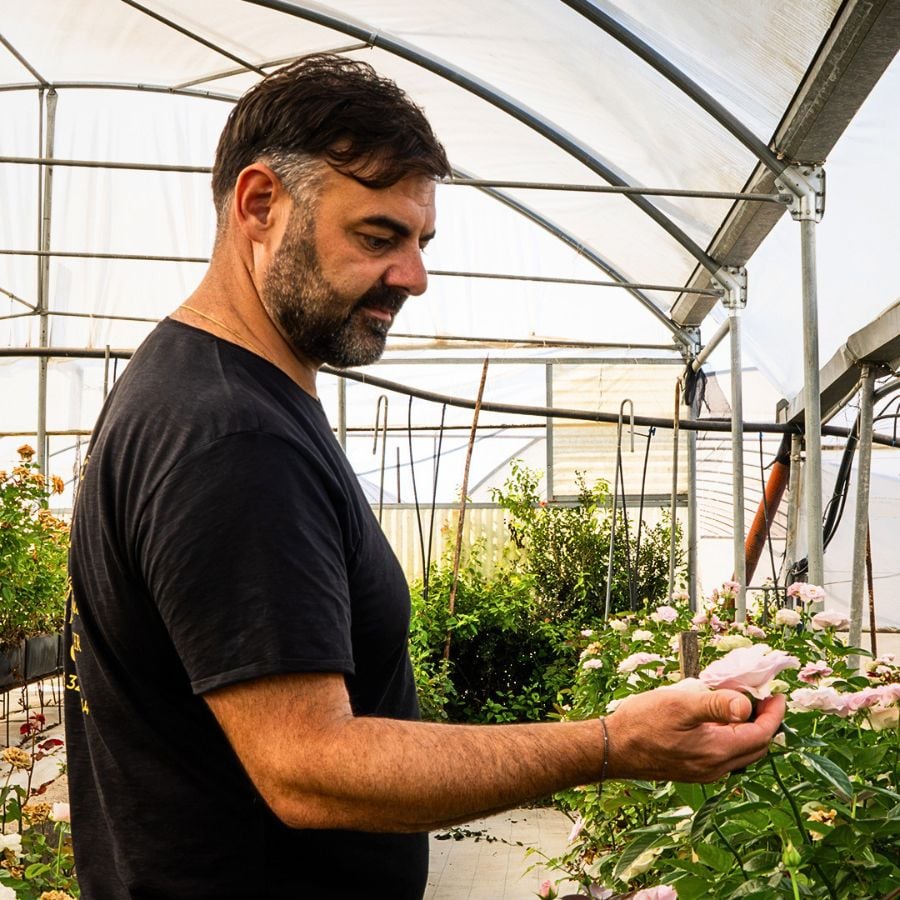
Quality characteristics associated with Sanremo roses include elegant, long stems, refined petal formation, notable fragrance, and excellent color intensity attributed to Mediterranean growing conditions. The 'Sanremo Fiori' quality label protects and guarantees regional flower quality throughout production chains.
Denmark
Roses Forever ApS
Founded in 1996 by master breeder Rosa Eskelund and her husband Harley, the Danish breeding enterprise Roses Forever ApS, alongside its specialized cut-rose brand Viking Roses, established in partnership with Dutch marketing expert John Pouw, is renowned for blending thorough Scandinavian expertise with innovative global market strategies. Operating from Denmark, the family-owned company evaluates its initial hybrid lines directly at its own nursery facilities, ensuring uncompromising baseline standards for natural health, winter hardiness, and genetic stability.
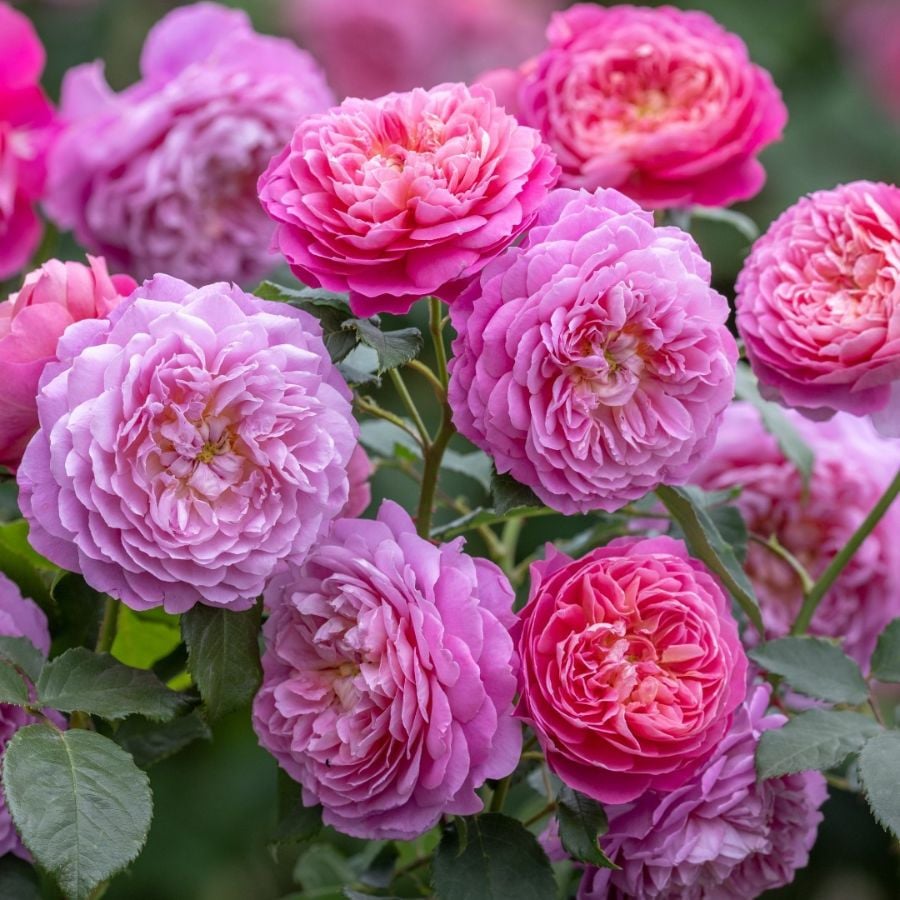
The enterprise's portfolio includes numerous high-performance categories tailored to distinct commercial sectors. Roses Forever is internationally celebrated for long-lasting pot varieties like the large-flowered 'Infinity' series, and the robust Plant’n’Relax® garden rose collection, which is bred specifically for superior outdoor disease resistance. Meanwhile, the Viking Roses line targets the cut flower market, offering nostalgic, Bourbon-style double forms, unique color gradients, and intense, slow-opening flower heads that appeal strongly to contemporary floral artists and high-end designers.
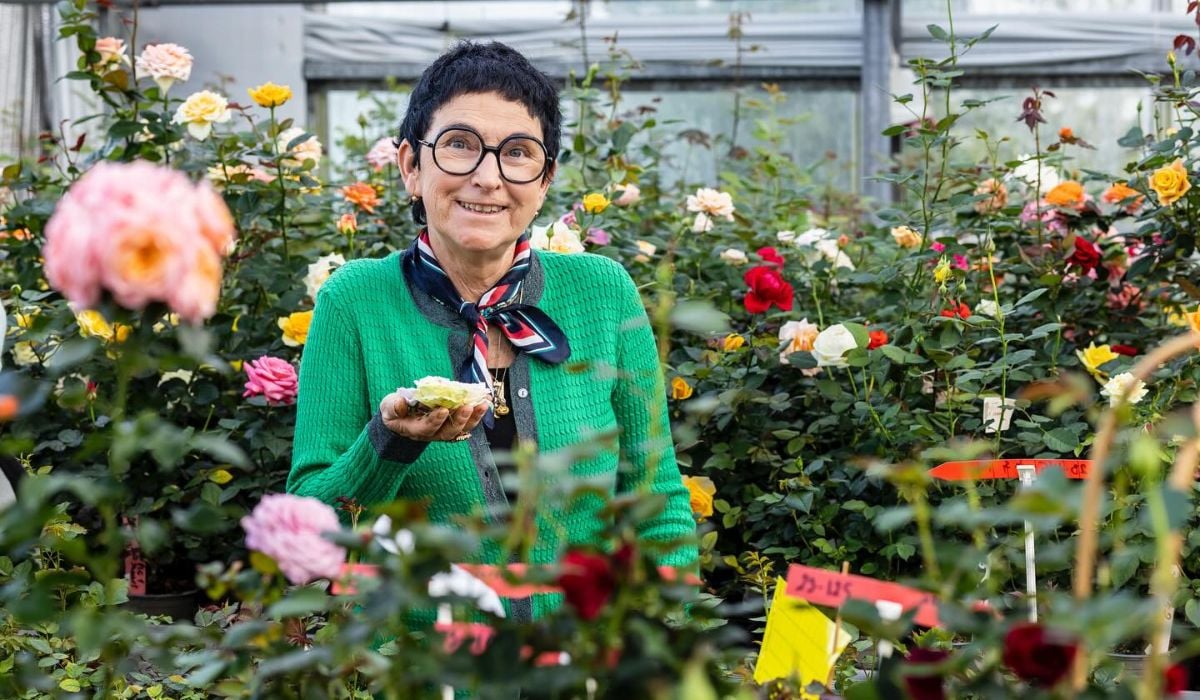
To guarantee reliability across diverse supply chains, both brands undergo rigorous multi-region testing protocols. Initial hardiness trials in Denmark and the Netherlands are followed by performance assessments in key production hubs across Kenya, Ethiopia, Colombia, and Ecuador. This extensive cross-climate vetting ensures that every commercial introduction delivers robust flower stem integrity, high productivity, and extended vase life.
United States
American rose breeding has developed through different channels, including dedicated breeding companies, academic research programs, and distribution partnerships with international breeders. American programs often emphasize disease resistance and performance across the country's diverse climate zones.
Weeks Roses
Weeks Roses, established in 1938 in California, operates pot and garden rose breeding and production from a 1,200-acre facility in Wasco, California. Their breeding program blends art and science, with all research and farming conducted in the United States to ensure variety performance meets American garden conditions.
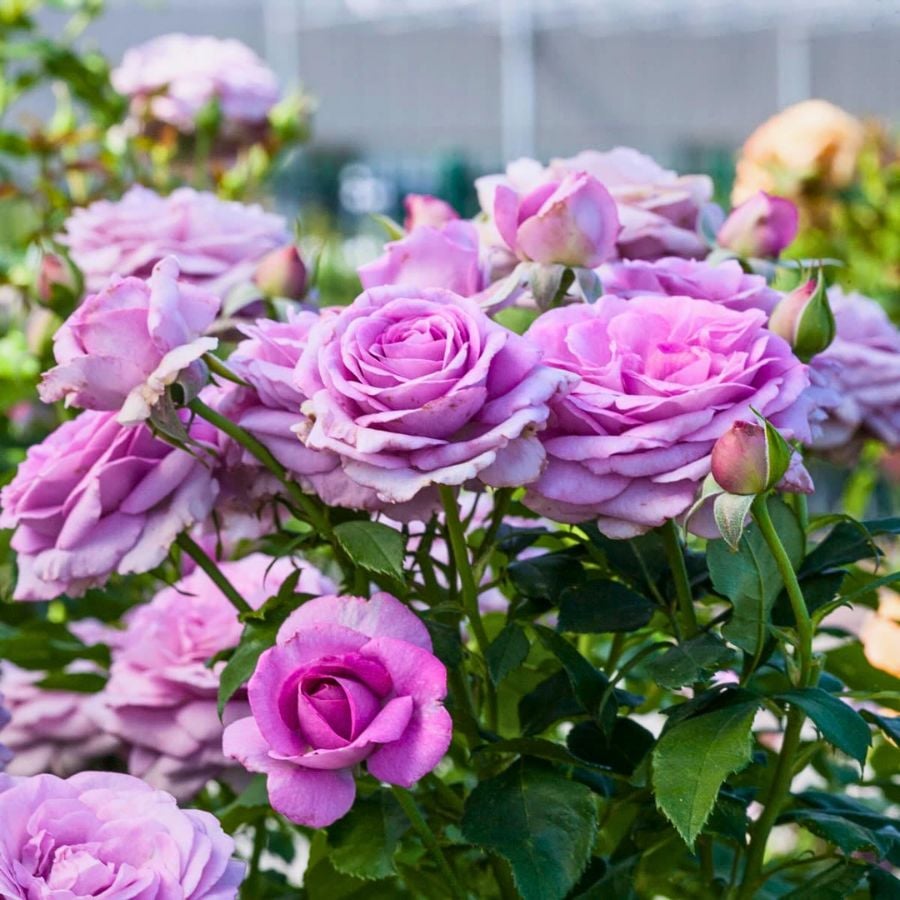
Quality traits for which Weeks Roses is known include strong disease resistance (frequently recognized by American Rose Trials for Sustainability), exceptional repeat blooming, elegant flower shapes, lush foliage, and adaptability to diverse American climates.
Their use of Fortuniana rootstock improved performance in challenging Southern landscapes. Weeks’ varieties have earned numerous awards, including Portland Rose Society recognition and American Garden Rose Selections honors. Current breeding processes under Christian Bédard continue the program established by hybridizer Tom Carruth, one of the greats in modern rose breeding.
Star Roses and Plants
Star Roses and Plants (formerly Conard-Pyle), with over 125 years of industry experience, has played a pioneering role in American rose distribution and breeding. Their documented breeding objectives include developing roses that are unique, visually appealing, tolerant of pests and disease, and environmentally adaptable.
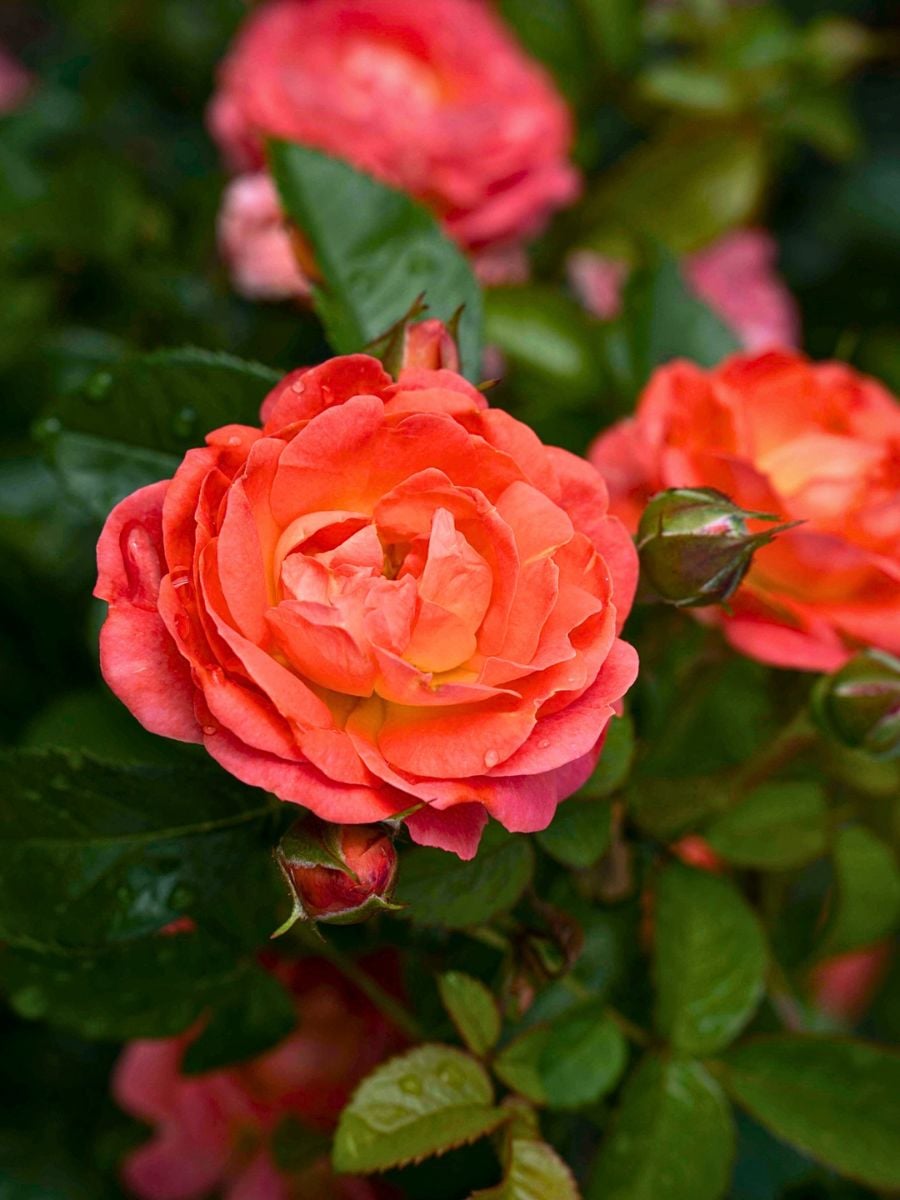
Quality traits emphasized in Star Roses' introductions include disease resistance (exemplified by their introduction of the Knock Out family with black spot resistance and near-immunity to common fungal diseases), continuous blooming performance, winter hardiness, and low maintenance requirements.
Star Roses established brand quality standards specifying plant health, size, and packaging requirements for their premium rose families. Their partnerships with international breeders, including Meilland and Kordes, bring diverse genetics to American markets with validation for local performance.
David Austin Roses (North American Operations)
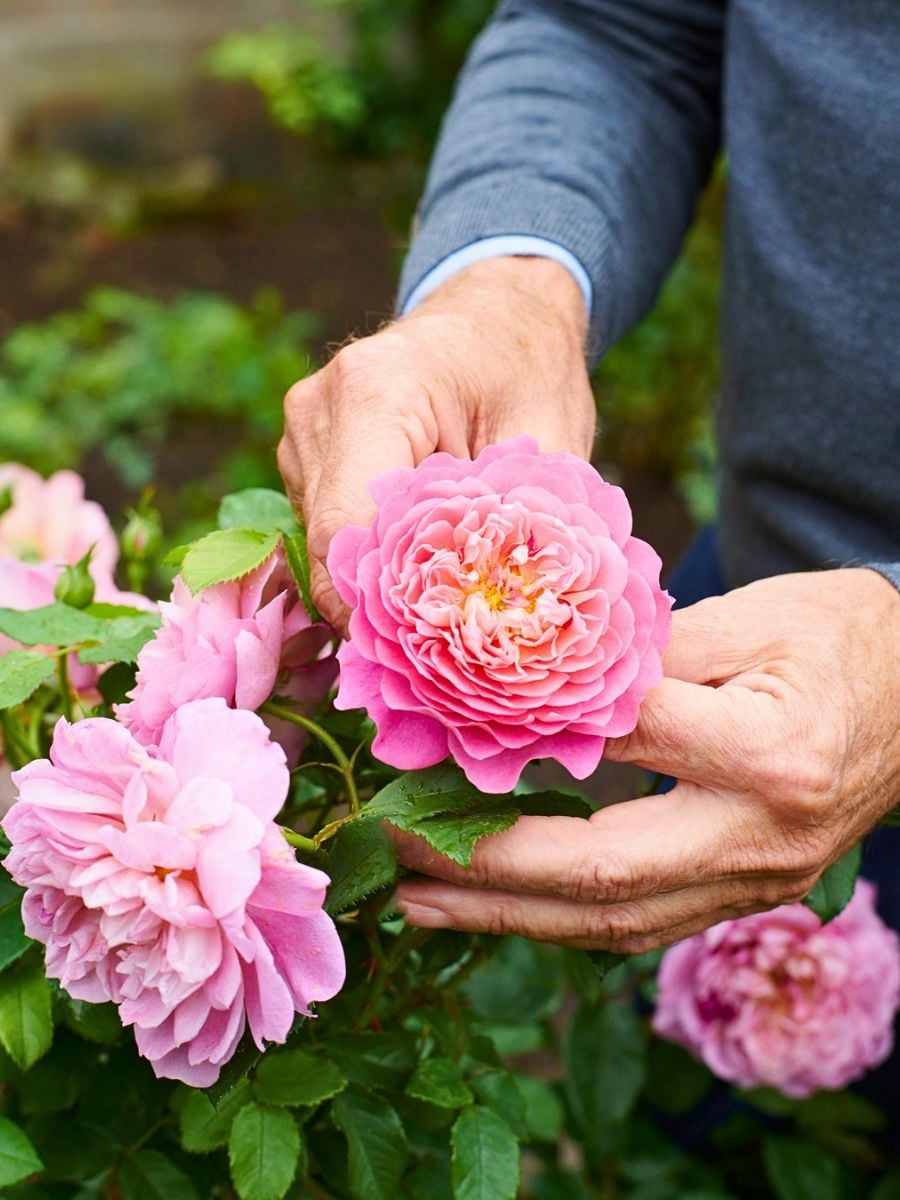
David Austin Roses, originating from England, maintains significant influence in North American markets through its Tyler, Texas operations. Their English Rose breeding is a distinct approach combining old rose charm with modern performance.
Quality traits for which David Austin is known include romantic full-petaled bloom forms, exceptional fragrance (categorized into distinct scent families including Old Rose, Tea, Myrrh, Fruity, and Musk), disease resistance achieved through minimal spray protocols in trial fields, and reliable repeat flowering.
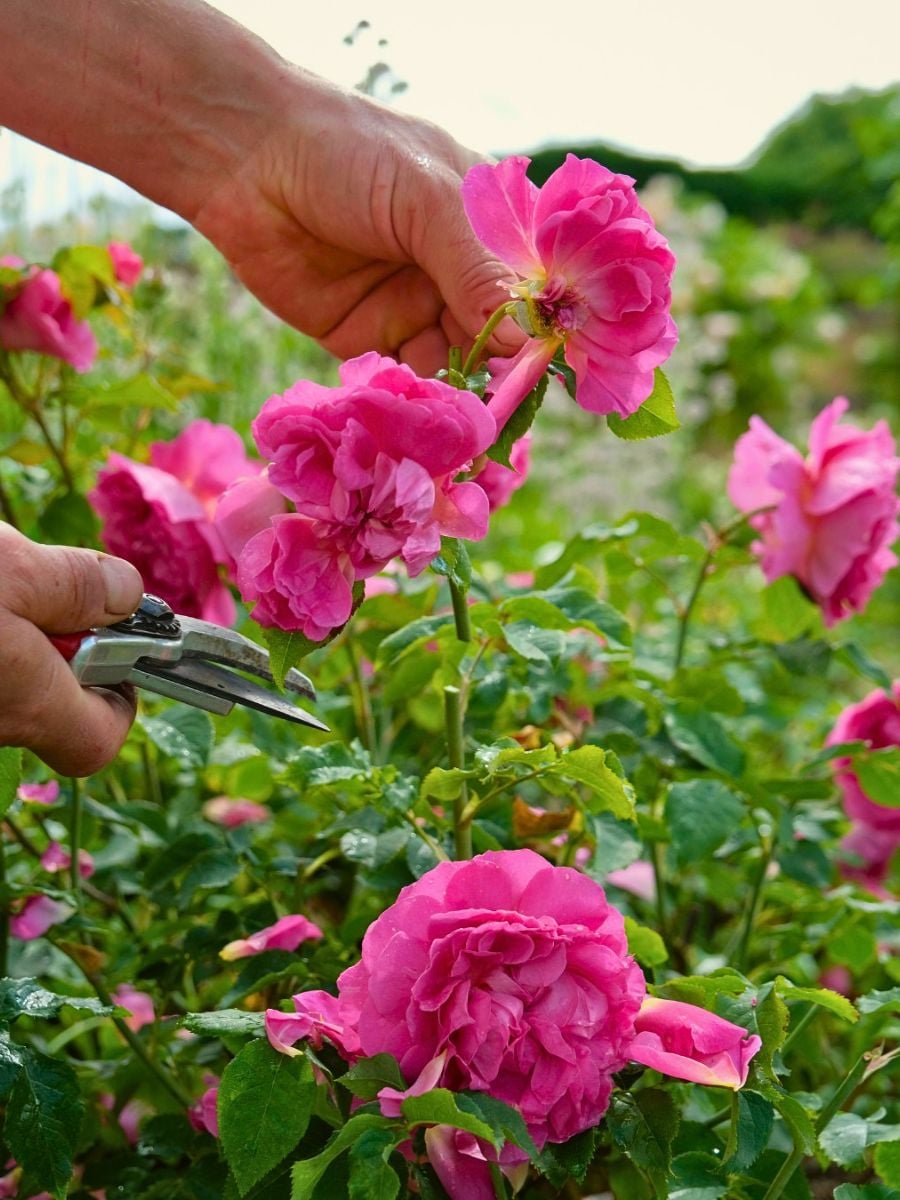
Their breeding program evaluates over 250,000 seedlings annually, releasing varieties only after at least eight years of field trials. David Austin's documented philosophy holds that roses should perform well without heavy intervention, leading to selection pressure favoring naturally robust varieties. Their roses are bred to offer beauty, health, and fragrance in balance rather than maximizing any single trait.
Japan
Japanese rose breeding has developed distinctive approaches reflecting cultural aesthetic traditions and technical innovation. Japanese breeders often emphasize harmony, natural elegance, and sustainable cultivation methods.
Keisei Rose Nurseries
Keisei Rose Nurseries, founded in 1959, has contributed to elevating Japanese rose breeding to global recognition. Seizo Suzuki, who directed their research institute from 1958 to 1993, advocated for breeding methods based on scientific knowledge of pigment and fragrance biosynthesis combined with an extensive understanding of rose history and art.
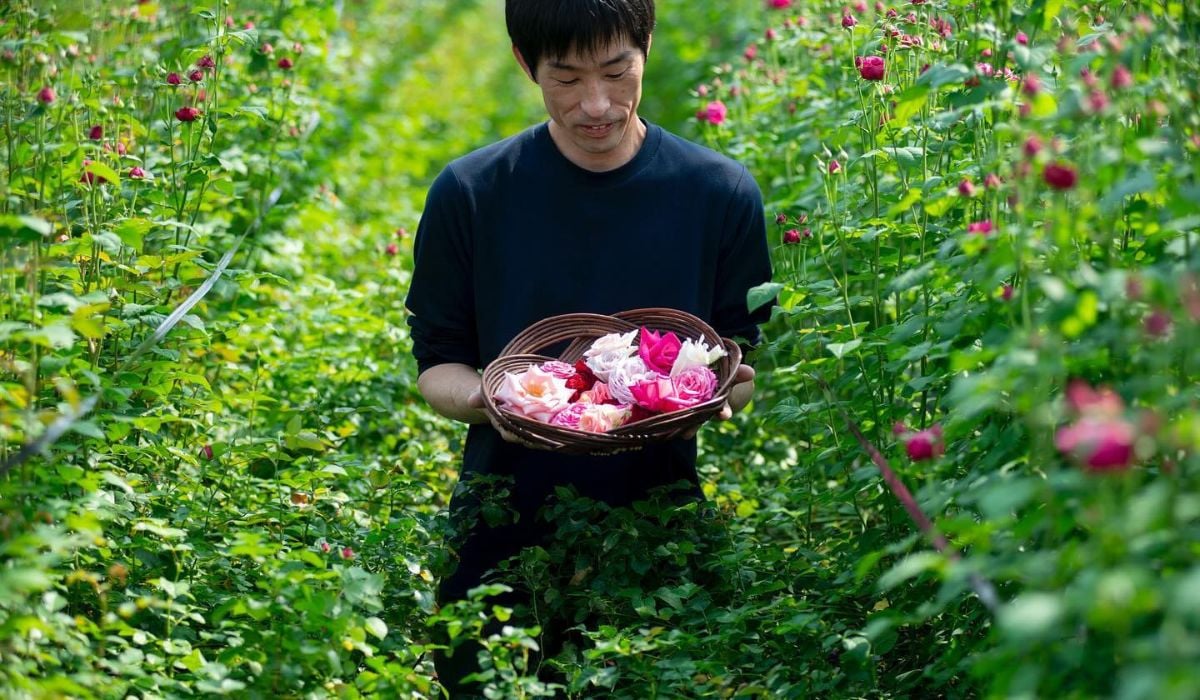
The quality traits for which Keisei is known include unique aesthetic characteristics reflecting Japanese concepts of beauty (described using terms like ‘sparkling’ or ‘glittering' appearance contributing to lightness and balance), strong growth, and disease resistance. Their collection of nearly 2,000 heritage rose varieties, established for preservation purposes,s supports genetic diversity in breeding programs.
Keisei's partnerships, including collaboration with Interplant Roses for varieties like Sea Anemone, point to their philosophy of bringing ‘Roses, Dreams and Happiness to people all over the world.’
Rose Farm Keiji (Wabara Roses)
Rose Farm Keiji, based near Lake Biwa in Shiga Prefecture, developed the Wabara rose concept under founder Keiji Kunieda beginning in 1976, with current operations led by his son Kenichi. Wabara combines ‘Wa’ (harmony, peace, balance) and ‘Bara’ (rose) to describe their breeding philosophy.
The quality traits for which Wabara roses are known include natural elegance, subtle beauty, delicate neutral hues (including sandy tones, soft pinks, and muted lavenders), unique organic shapes, extended vase life (some varieties documented at twelve days), and sustainable cultivation without chemicals. Their ‘creating living roses’ concept prioritizes roses that ‘breathe and evolve’ with gentle curves and organic forms rather than rigid uniformity.

Wabara Roses are cultivated through carefully selected partner farms globally, including Alexandra Farms in Colombia, Tambuzi and Uhuru Flowers in Kenya, and growers in Ecuador, Mexico, the United States, and the United Kingdom. Their aesthetic has positioned them as favorites for luxury weddings, fashion editorials, and high-end floral design, where subtle color, form, and story are valued.
Part III: How Different Stakeholders Evaluate Rose Quality
Rose quality evaluation varies significantly across the supply chain, with each stakeholder applying criteria aligned with their specific operational needs, commercial objectives, and customer expectations. How these different perspectives work illuminates why breeders target numerous quality attributes and why trade-offs exist between competing priorities.
Commercial Growers' Perspective
Commercial growers evaluate rose quality primarily through productivity metrics, cultivation efficiency, and market viability. Their assessments focus on how well varieties perform under production conditions and generate profitable returns.

Key evaluation criteria for growers include:
- Yield performance: Measured as stems per square meter annually (with benchmarks like 230 flowers per square meter for premium greenhouse production), harvest rhythm consistency, and grade distribution predictability
- Disease resistance: Varieties requiring fewer chemical interventions reduce input costs and simplify crop management while supporting sustainability certifications
- Environmental adaptability: Performance consistency across temperature fluctuations, seasonal light variations, and potential stress conditions
- Harvesting efficiency: Optimal harvest timing indicators, stem uniformity facilitating processing, and plant architecture enabling efficient cutting access
- Propagation reliability: Consistent rooting success, predictable establishment, and uniform plant development from propagation material
Growers must balance yield-focused varieties offering higher stem counts against premium varieties commanding better prices but potentially lower productivity. Cultivation system choices (greenhouse versus open field, high-altitude versus lowland) influence which quality attributes matter most for specific operations.
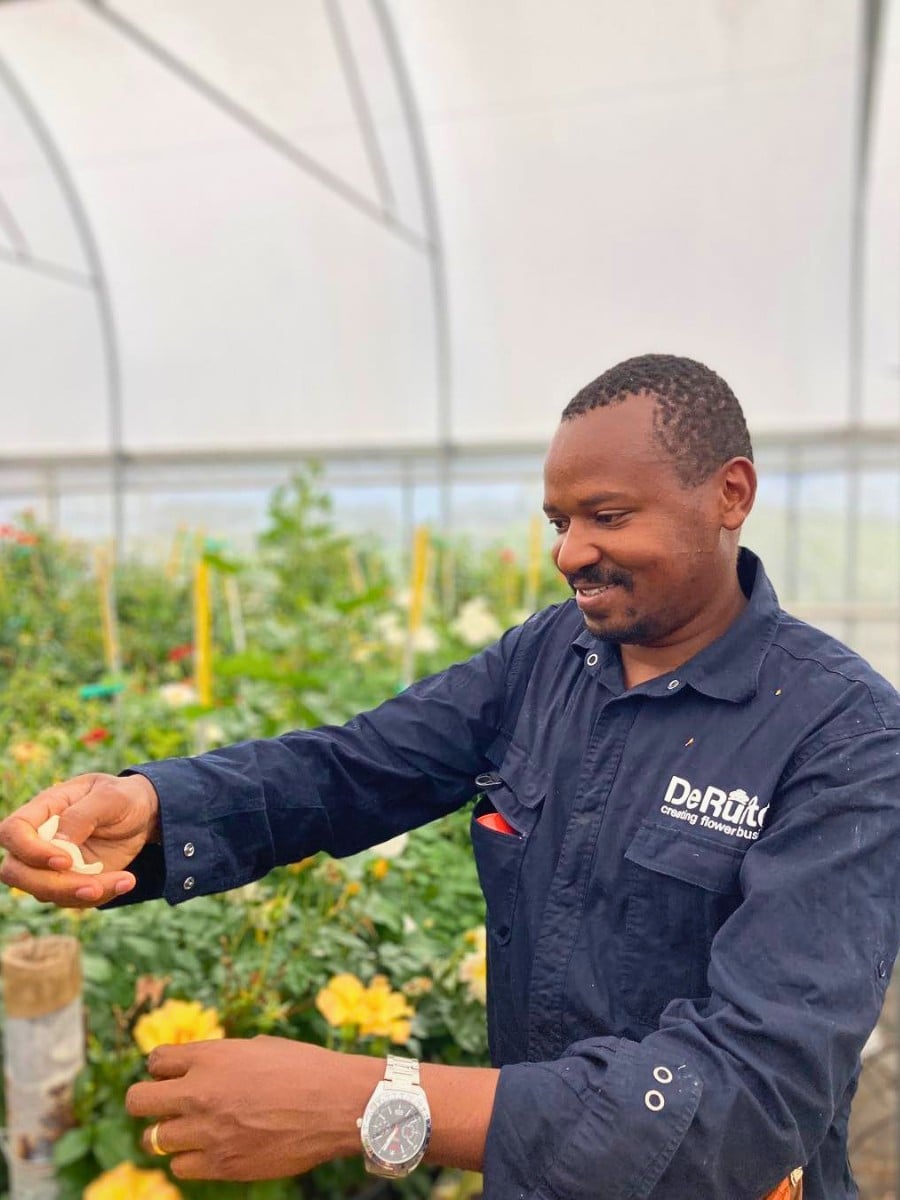
Exporters' and Wholesalers' Perspective
Exporters and wholesalers prioritize consistency, structural integrity, and post-harvest performance that ensures the product arrives at destinations meeting buyer specifications. Their evaluations center on supply chain reliability and risk mitigation.
Key evaluation criteria for exporters include:
- Grading consistency: Uniform stem thickness, head formation, length distribution, and color expression that simplifies sorting and reduces rejection rates
- Transport resilience: Structural firmness maintained through cold storage, transit stress, and rehydration without excessive damage or quality degradation
- Vase life verification: Documented performance extending beyond the export phase to ensure end-user satisfaction and repeat purchasing
- Phytosanitary compliance: Freedom from pests and diseases, meeting import regulation requirements across destination markets
- Packing efficiency: Plant architecture enabling secure boxing without damage, appropriate thorn density, and consistent sizing for standardized pack counts
Exporters face trade-offs between premium varieties commanding higher prices but requiring more careful handling versus robust varieties that tolerate supply chain variability but may position lower in market segments.
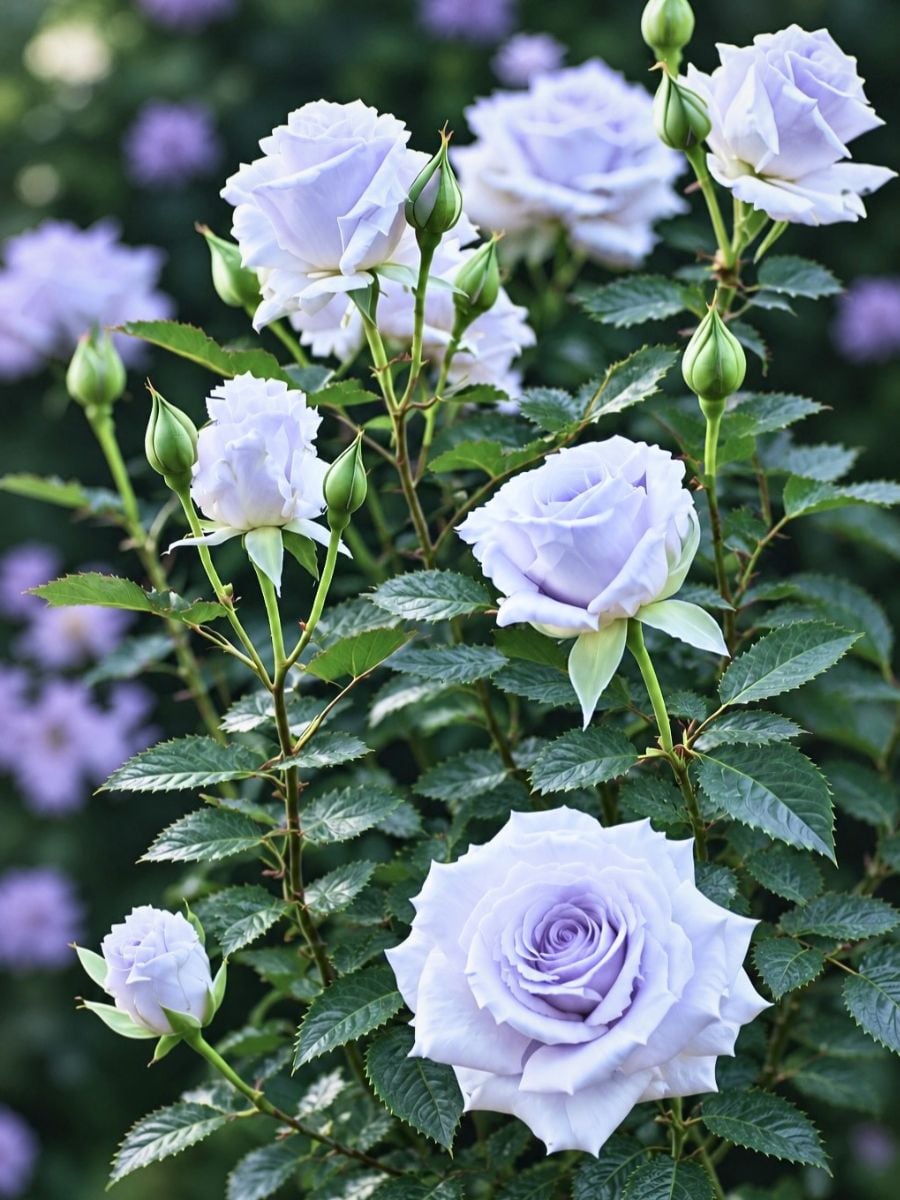
Florists' Perspective
Florists evaluate roses for design suitability, customer satisfaction, and practical workability in arrangements. Their assessments balance aesthetic appeal with handling characteristics and reliable performance through the display period.
Key evaluation criteria for florists include:
- Aesthetic versatility: Bloom forms, colors, and sizes appropriate for diverse design applications from casual arrangements to formal events
- Opening behavior: Predictable bloom development from purchase through display, with buds that open attractively without premature decline
- Stem workability: Appropriate flexibility for design manipulation, manageable thorn density, and structural integrity supporting arrangement stability
- Vase life in practice: Reliable performance under typical consumer conditions rather than controlled testing environments
- Fragrance appropriateness: Scent intensity and character suitable for intended applications (desirable for some occasions, potentially overwhelming for others)
Florists often accept higher costs for varieties that perform reliably and reduce customer complaints. They may prioritize unique characteristics that differentiate their offerings over standard varieties available through mass market channels.
Retailers' and Premium Channels' Perspective
Retailers evaluate roses through consumer appeal metrics, supply reliability, and price-quality positioning appropriate for their market segment. Premium channels emphasize distinctive characteristics while mass market channels prioritize consistency and value.
Key evaluation criteria for retail channels include:
- Visual impact at point of sale: Immediate consumer appeal, shelf presence, and differentiation from competing products
- Consumer vase life expectations: Alignment between actual performance and price point positioning (premium prices require longer display life)
- Supply consistency: Reliable availability enabling promotional planning and consistent store presentation
- Price-quality relationship: Value perception supporting sales velocity at intended price points
- Sustainability credentials: Increasingly important for consumer-facing communications and corporate responsibility positioning
Supermarket channels typically emphasize lower prices and higher volume, accepting more quality variability. Specialty retailers and premium florists prioritize superior quality, professional conditioning, and distinctive varieties, justifying higher price points.
Trade-offs Across Market Segments
Quality trade-offs emerge when optimizing for different stakeholder needs:
Quantity versus premium quality: Floribunda varieties offering several flowers per stem serve volume-oriented applications, while hybrid teas with single premium blooms target luxury positioning. Disbudding practices that create larger single flowers reduce total flower counts.
Garden performance versus cut flower attributes: Varieties bred for garden disease resistance, cold hardiness, and continuous landscape performance may lack the long straight stems and specific flower forms favored for cut flower applications. Conversely, cut flower varieties optimized for vase life and transport may require intensive care during cultivation.
Investment intensity versus market reach: Premium greenhouse cultivation enables year-round production of export-grade roses commanding premium prices but requires significant capital investment. Open-field cultivation reduces costs but limits quality consistency and market access.
Fragrance versus disease resistance and vase life: Historical rose varieties often offered intense fragrance but lacked disease resistance and extended vase life. Modern breeding has improved disease resistance and longevity, sometimes at the expense of fragrance intensity, though recent breeding efforts increasingly aim to recover fragrance in disease-resistant backgrounds.
NOTE: This article provides educational information on rose breeding and quality evaluation. Breeders mentioned are a selection of well-known industry participants; inclusion does not constitute endorsement, and many more breeders contribute to the global rose industry. Quality performance varies by variety, growing conditions, handling practices, and market applications.
Featured image by @david_austin_roses. Header image by @roses.forever.dk.