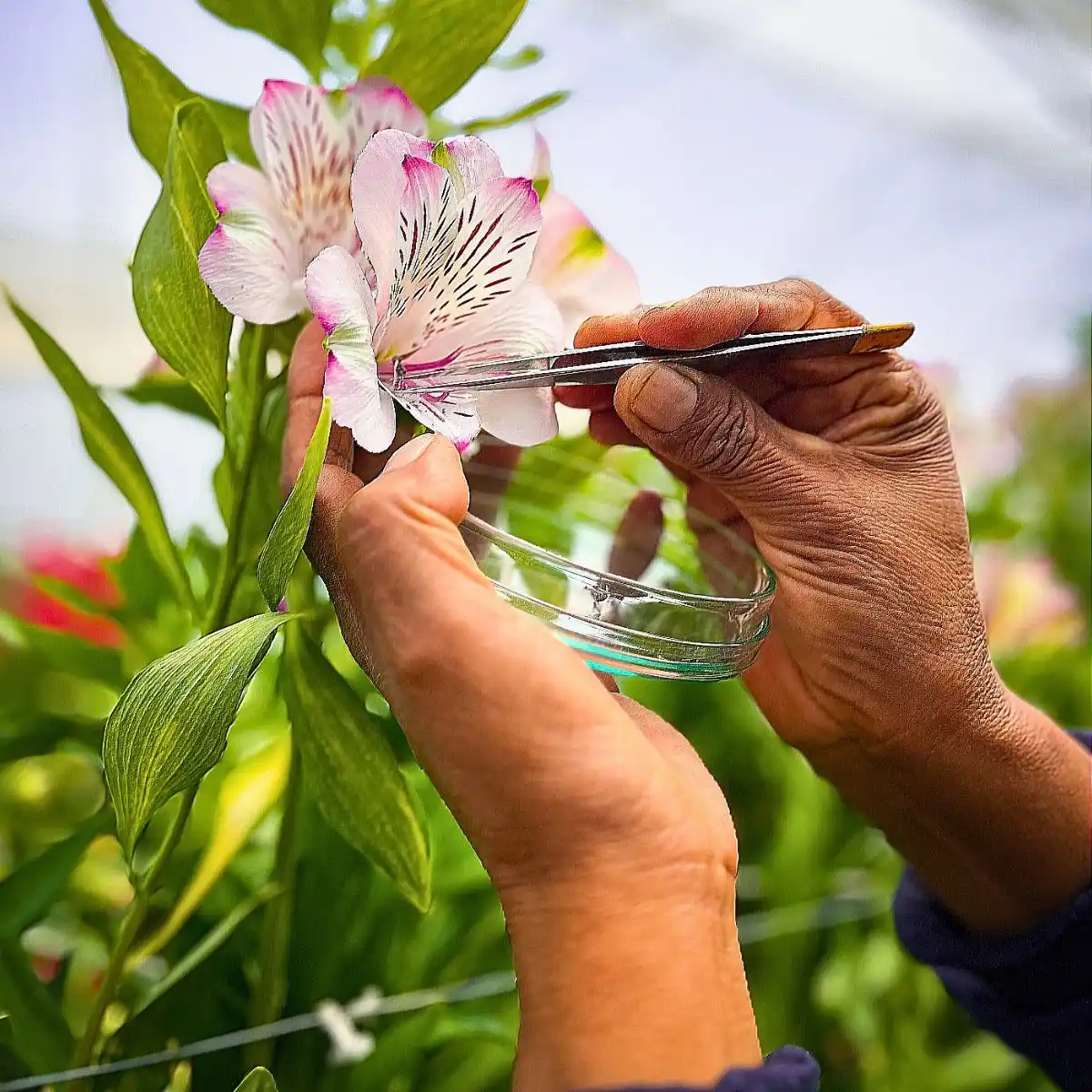
As you know by now, I am a grower of cut flowers, Alstroemerias to be precise. We work and live in the rural area of the Noordoostpolder, 115 kilometers from the closest flower auction, the one in Aalsmeer. Most of our conversations happen with buyers at wholesalers and exporters that are located in or around this or one of the other auctions. This is totally fine. But let's never forget the people further up in the floral chain, like the florist or consumer. because, in the end, what and who is the market?
Which Flowers Get Bought?
The flower buyers of these wholesalers and exporters decide what gets bought, what gets pushed, and ultimately what reaches the consumer. Fair enough. But if we stop there, we’re missing something crucial. Because let’s be honest: if consumers don’t ask for an Alstroemeria, they won’t get it.
That's exactly why building fans – true ambassadors for the product – isn't a "nice to have," it’s essential. The more people recognize, appreciate, and actively look for Alstroemerias, the stronger our position becomes. Demand shouldn’t just come from the chain; it should be pulled by the end consumer.
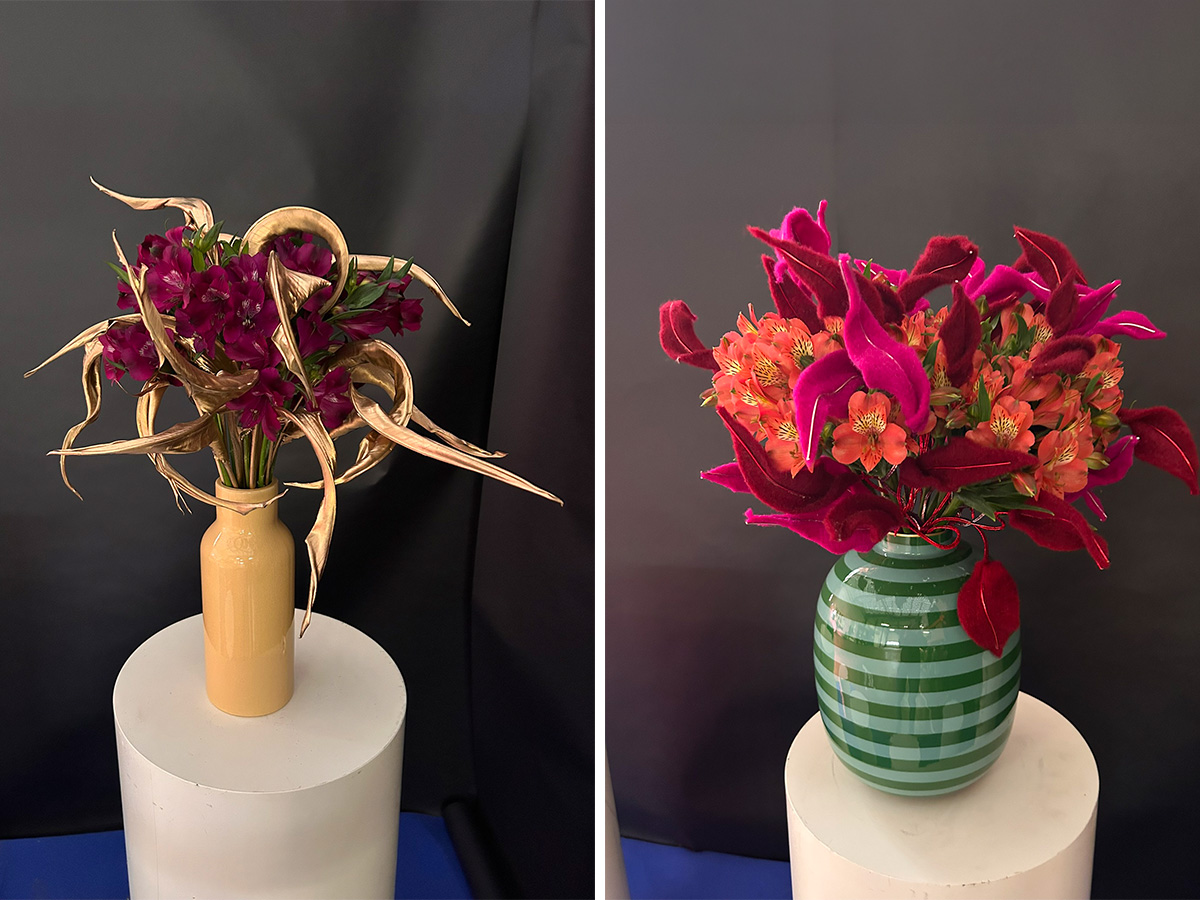
Now, do we as growers have direct contact with consumers? Hardly. And trying to scale that one-on-one would be a never-ending job. So instead of trying to do everything ourselves, we focus on where we can truly make an impact: sharing knowledge and working closely with florists. And not just any florists. We’re talking about the ones who see quality. The high-end professionals who understand the product, value it, and choose it, again and again. That’s where real connection starts.
This year, we’re doubling down on that approach by showing up more at florist events. Because meeting each other in person, exchanging ideas, and building relationships, that’s where things actually move forward.
'Kom in de Kas'
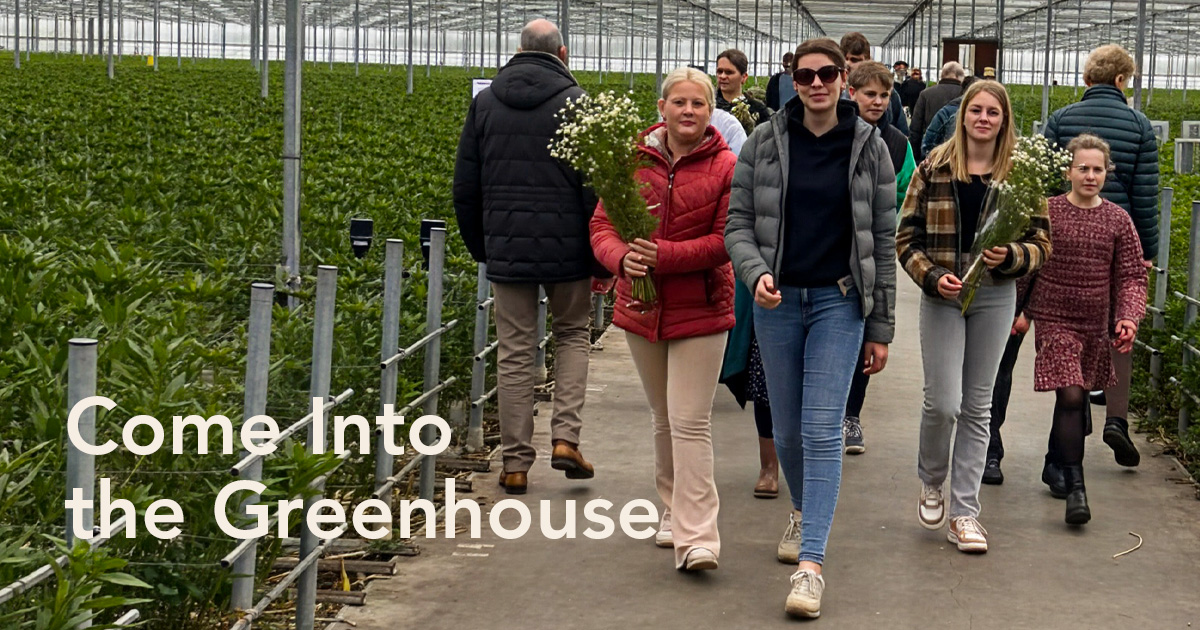
And yes, consumers matter too. In the Netherlands, there’s one moment you simply can’t ignore: 'Kom in de Kas' (translated as 'Come into the Greenhouse').
Once a year, we open our greenhouses and invite people in. No filters, no middlemen, just the real story. How do our flowers grow? What does the process look like? What does it actually take to create something beautiful?
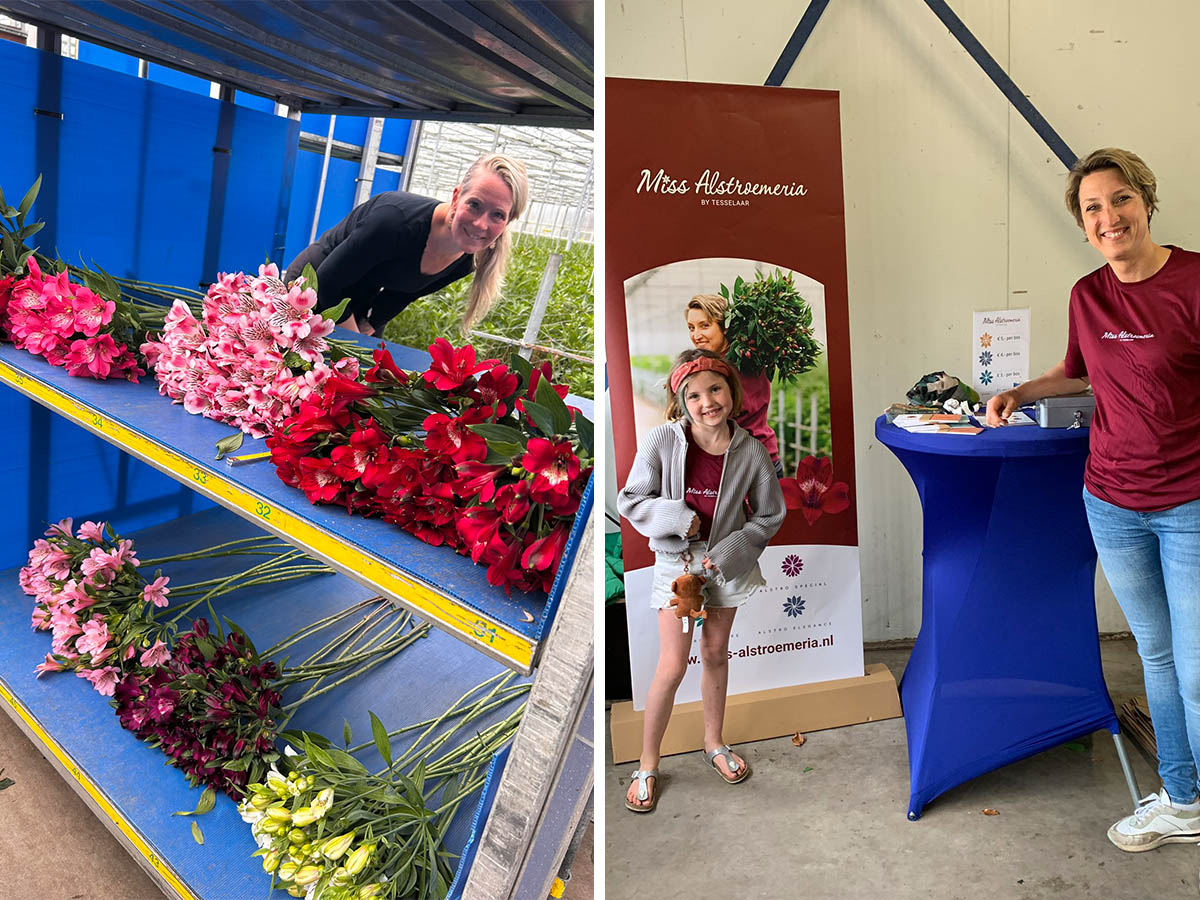
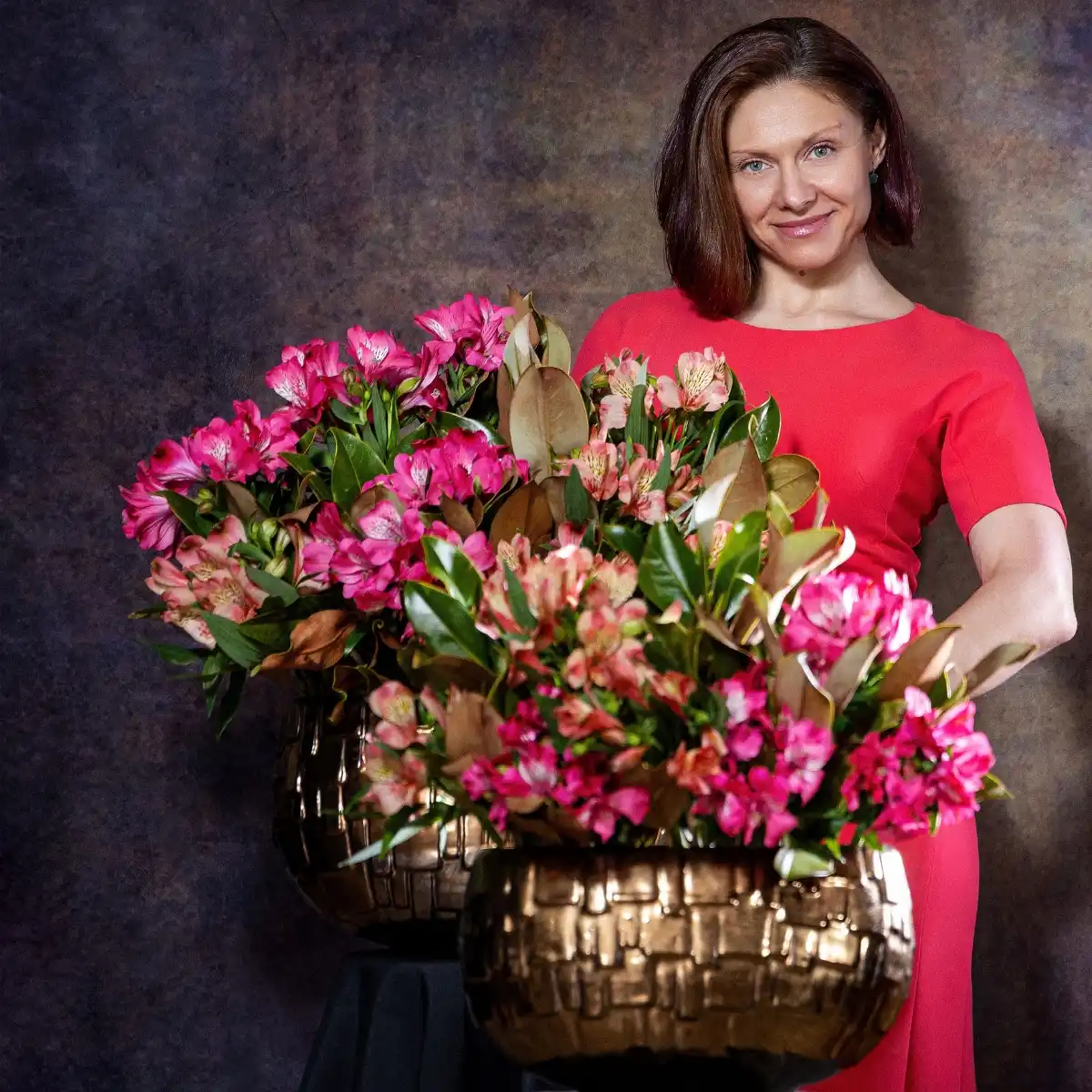
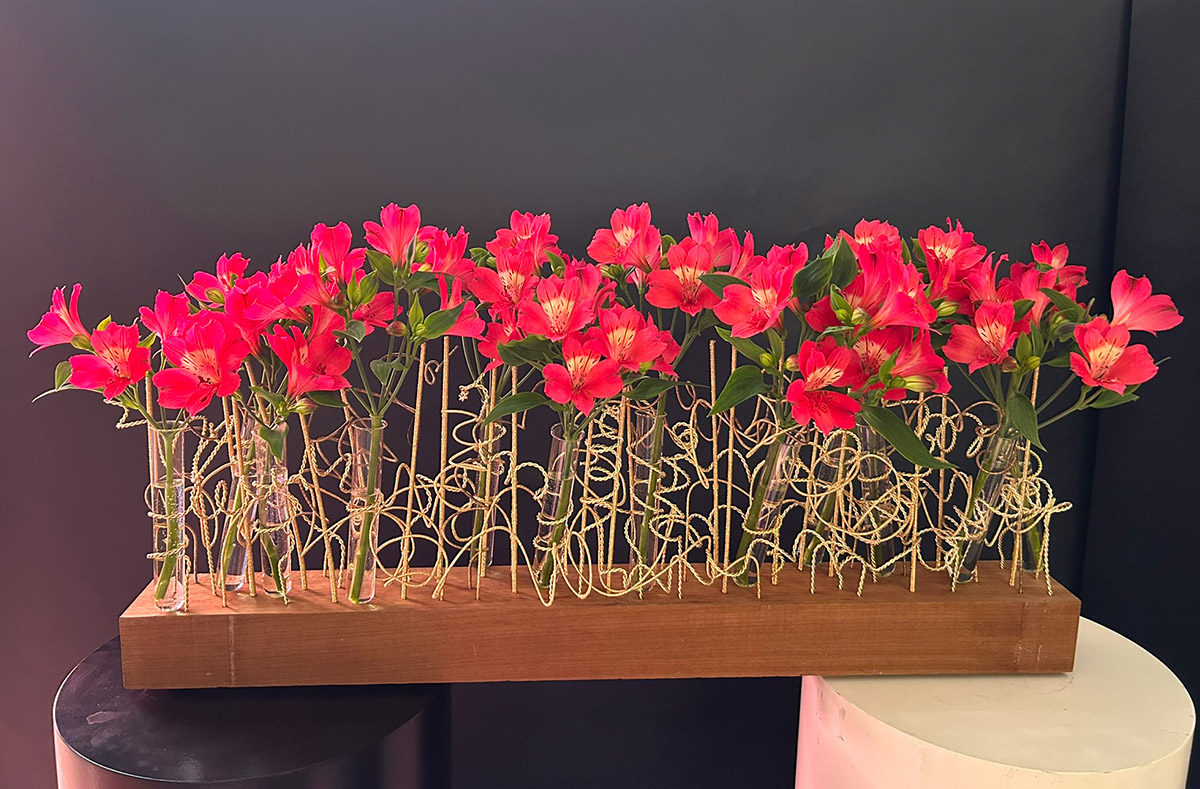
This year, we participated again, and it was next level. Floral designer Ilona Oostenveld translated our eight varieties into eight powerful floral designs, showing visitors not just the flower, but its full potential. And the turnout? Honestly, I've never seen anything like it: Families, kids, genuine curiosity – it felt like people were truly engaged. Flowers sold out. Phones came out. People connected.
And we didn’t stop there...
Keukenhof
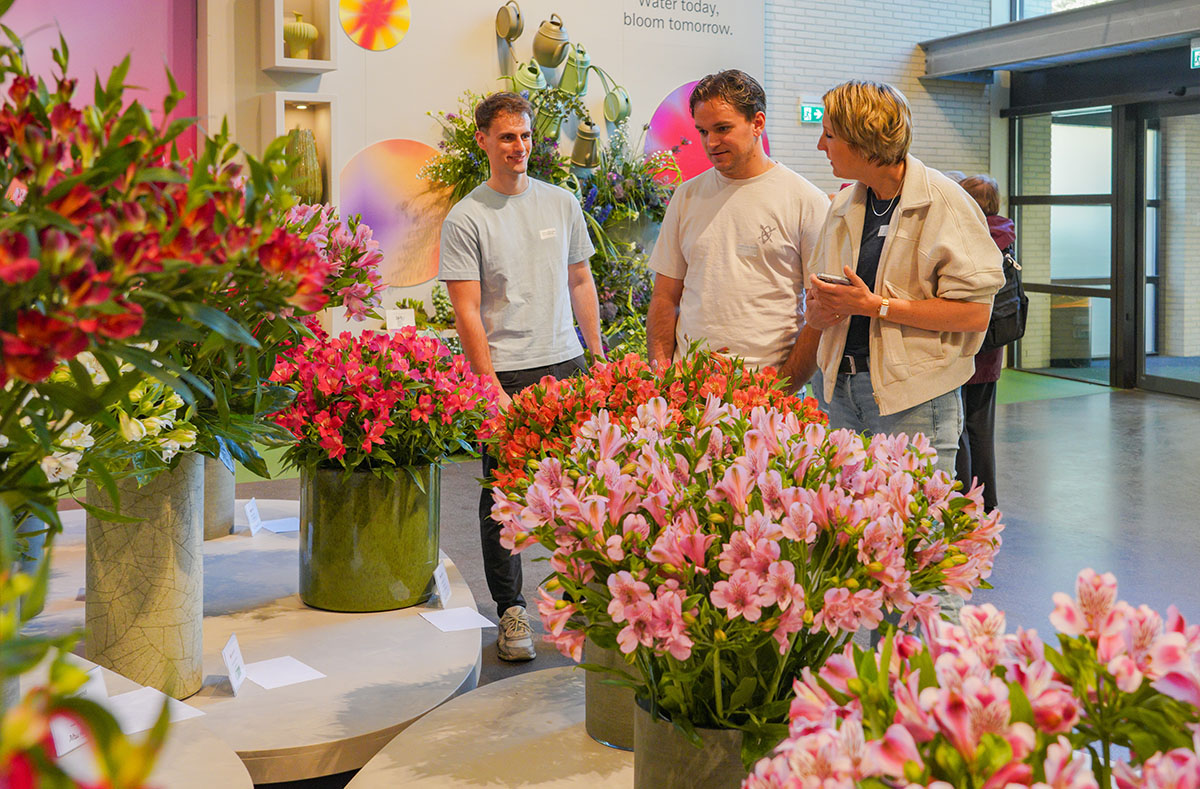
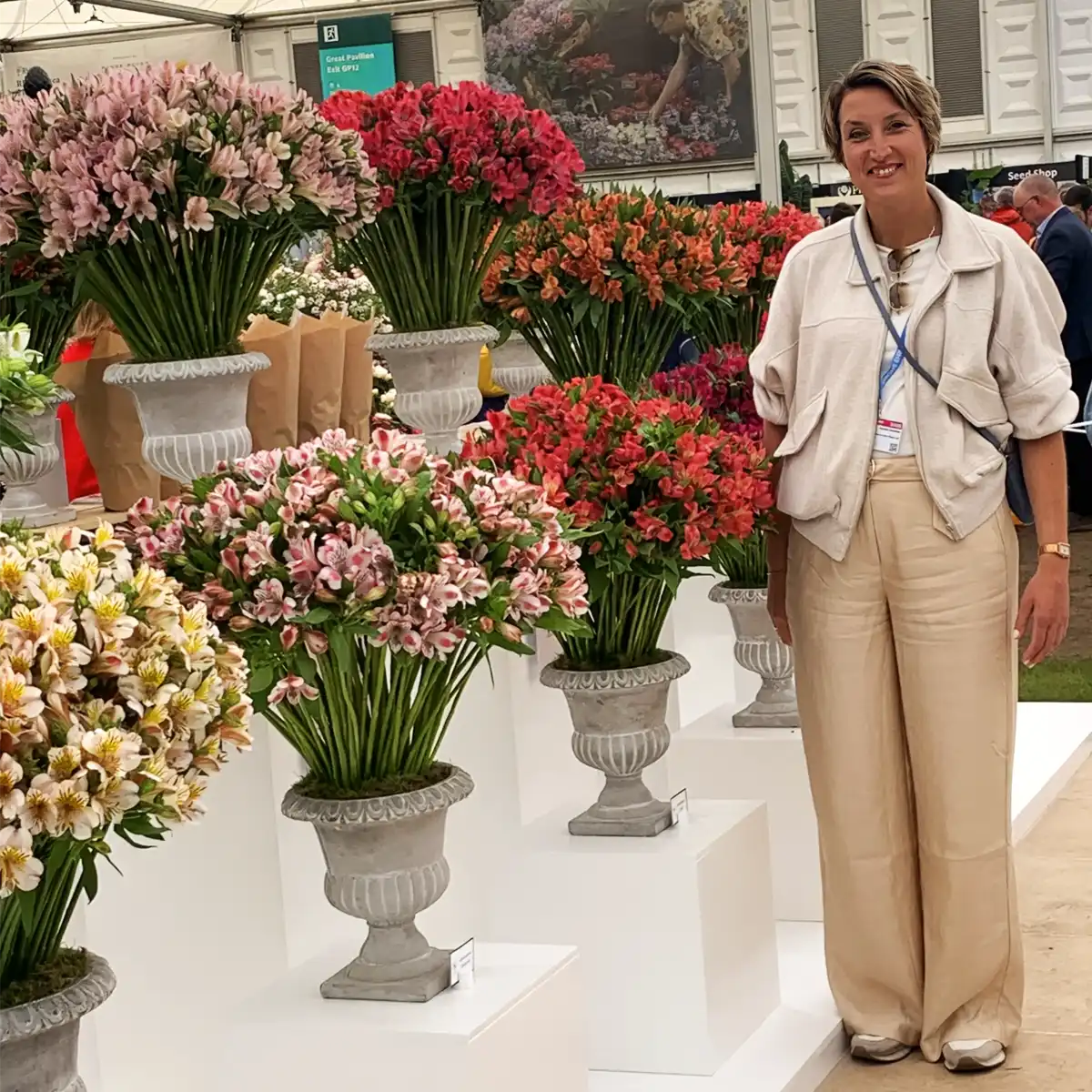
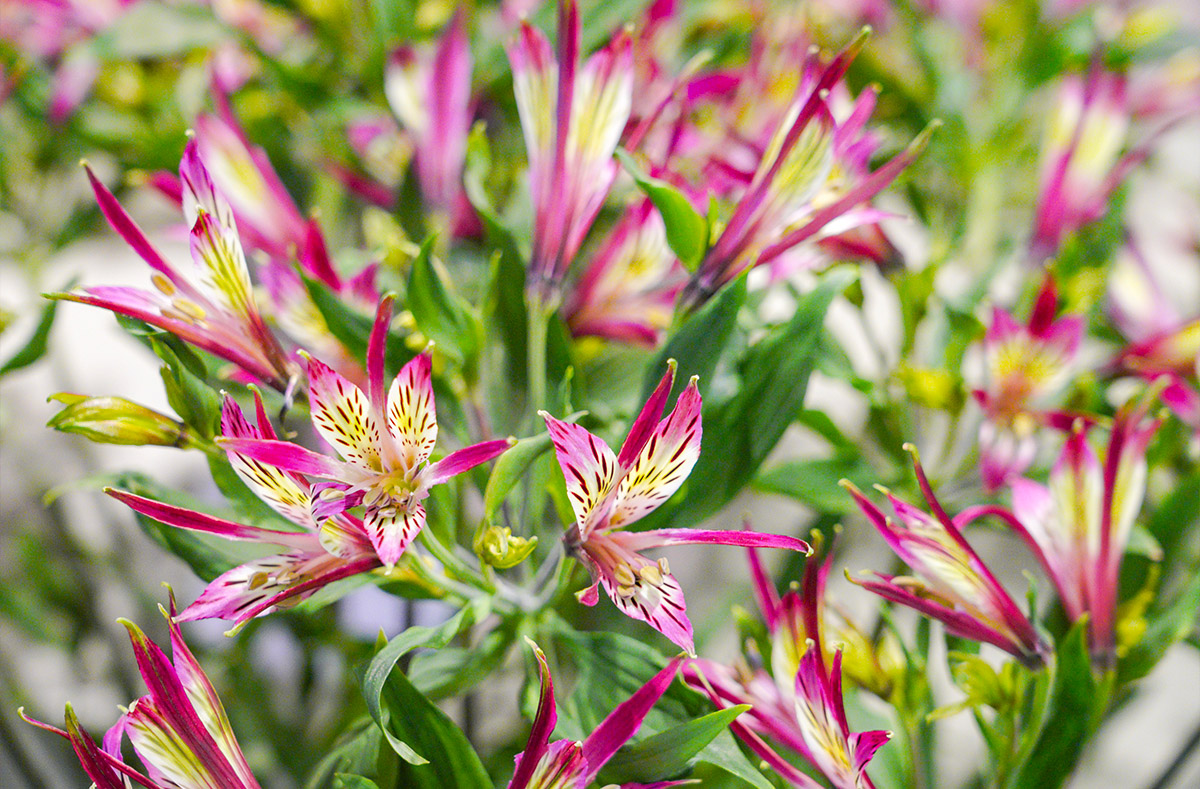
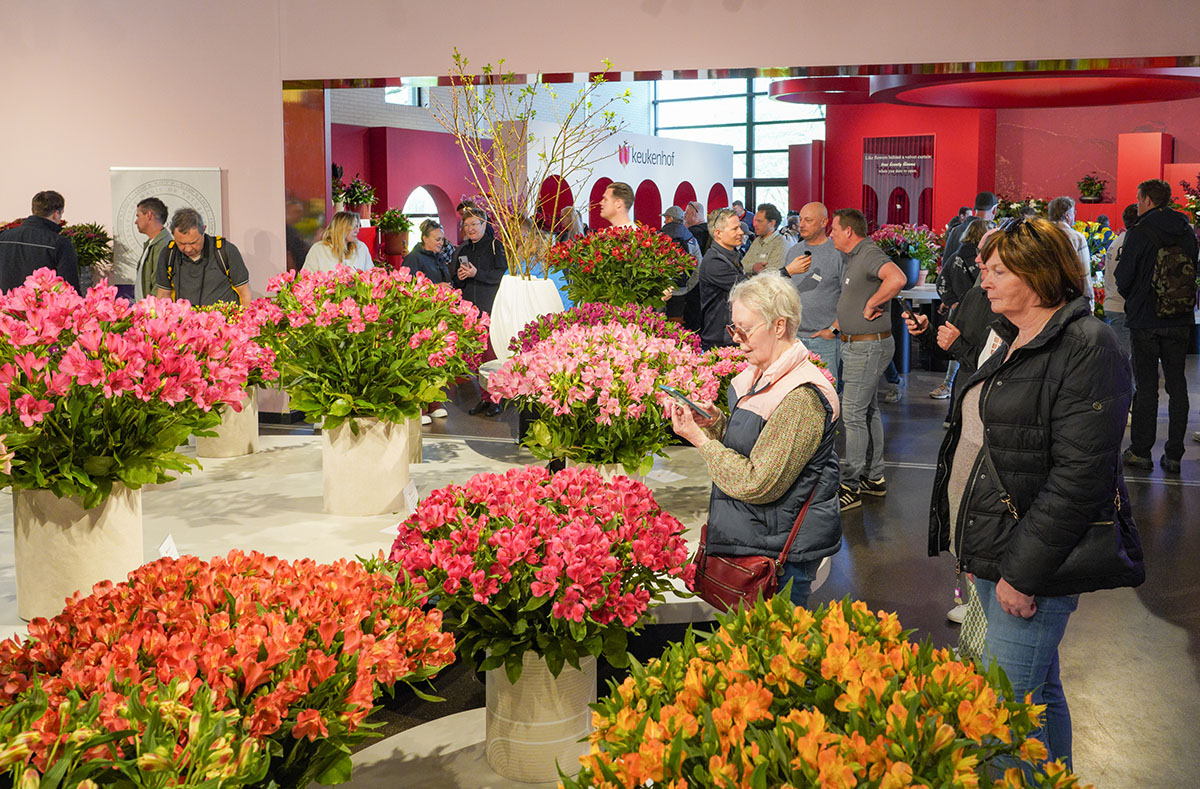
That same week, we took the story to Keukenhof, where we hosted our annual Alstroemeria showcase together with fellow growers and breeders. The Oranje Nassau Pavilion was bursting with diversity, displaying more varieties than ever before.
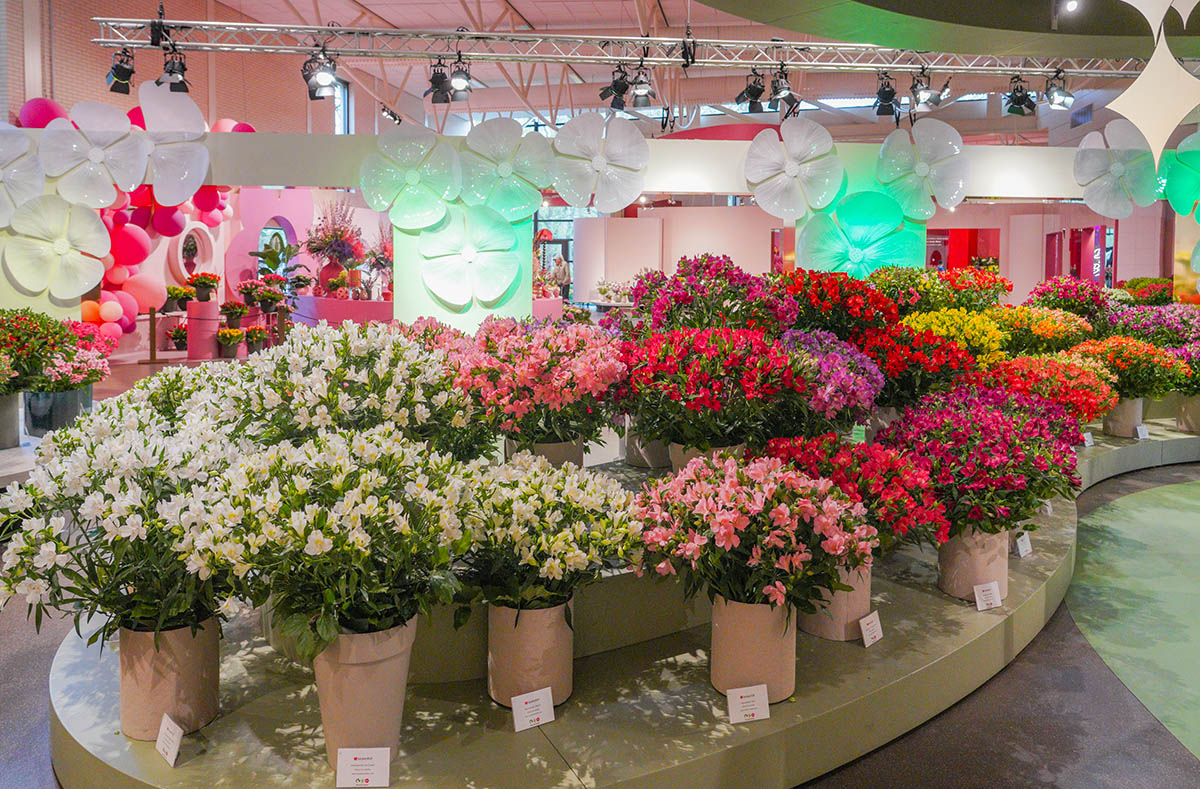
Moments like these are also about coming together as a product group. Showing our customers the full spectrum. Letting them compare, experience, and choose.
We even added a competitive edge: which variety stands out the most? The winner was Alstroemeria Rome from Vreugdenhil – a color that sits close to Bubblicious, but just that bit deeper, that bit richer.
And because we don’t take ourselves too seriously, we hosted a pub quiz. One question stuck with me: 91% of Dutch florists recognize an Alstroemeria instantly from an image. 91%! Good, but not good enough, right?
Listening to Consumers
After everything wrapped up, I walked through the pavilion, just listening to visiting consumers. Because that’s where the real insights are:
"Oh, this one lasts forever."
"This is such an easy, rewarding flower."
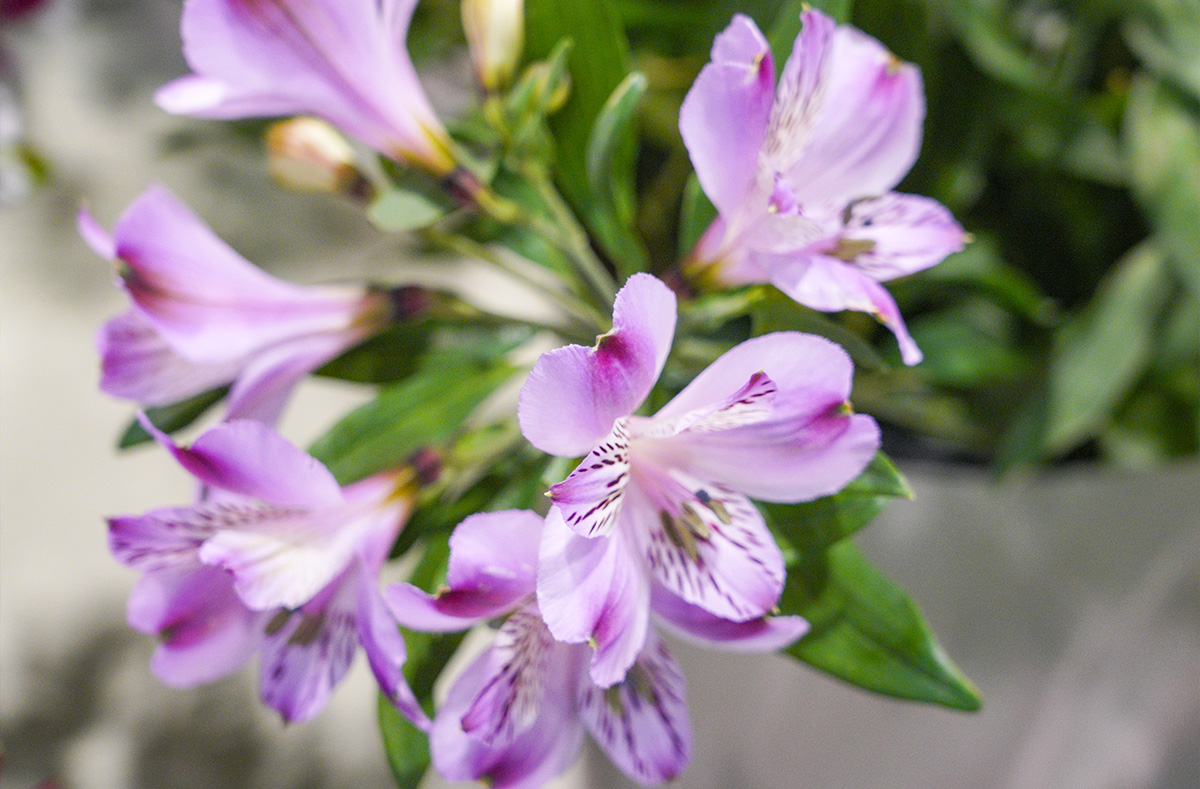
"I had no idea there were so many colors."
And that’s it. That’s why we do this.
Creating Something to Connect
So, it's not just about growing flowers, but about creating something people connect with. Something that lasts. Something that brings genuine joy. Because at the end of the day, we’re not just part of a supply chain. We’re part of someone’s moment.
As growers, we like to say we’re close to the market. But are we really? Let's think about that now, for a while.