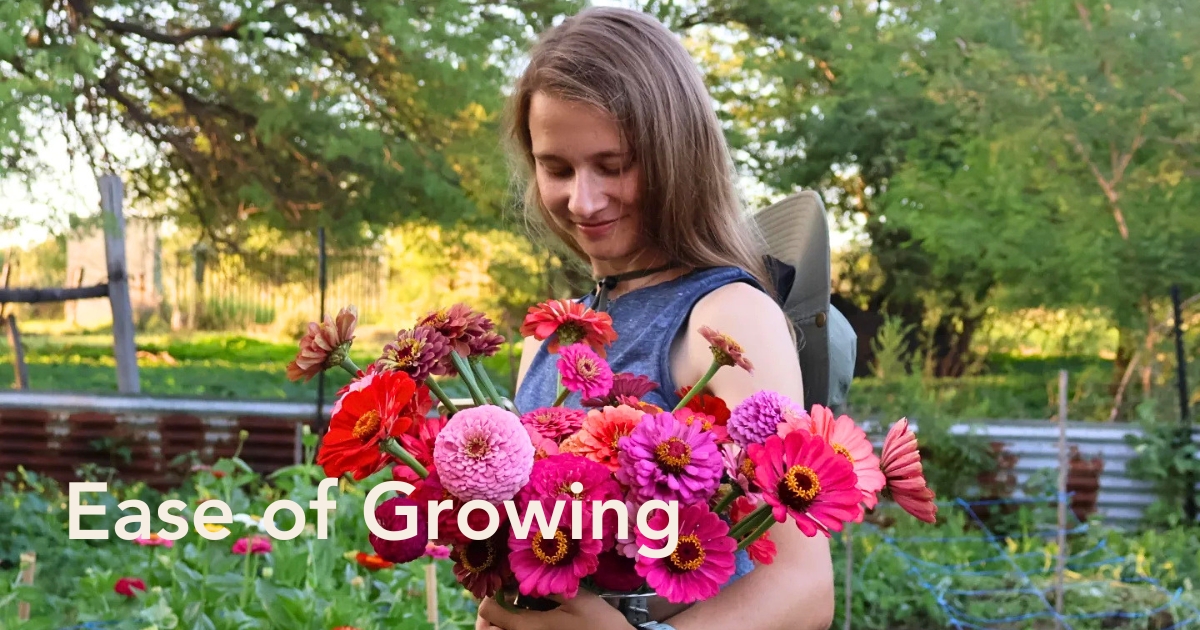
Growing flowers can mean different things depending on who you ask. For some, it is about filling a garden with color and having something to cut for the house. For others, it is about yield, timing, and selling stems into a market that expects consistency. What often gets missed is that the same crops can serve both worlds.
The idea of “easy” sits at the center of this overlap. A flower is easy when it performs without constant correction. It grows within a predictable rhythm, tolerates small mistakes, and still produces usable stems. Whether you are working a backyard plot, containers on a balcony, or managing a greenhouse, those traits matter.
What Makes a Flower Easy to Grow in Any Setting?
Ease is not accidental. It comes from a combination of plant behavior and how well it fits into your environment. Flowers that are considered easy usually germinate without much effort, establish quickly, and do not demand precise conditions to keep going.
From a gardening perspective, this means fewer inputs and less time spent troubleshooting. From a commercial perspective, it translates into lower risk, stable output, and better planning. Crops that fail unpredictably are expensive, no matter the scale. It is also worth noting that “easy” does not always mean planted in open ground. Some of the most reliable flowers can be grown in containers, making them accessible for urban growers or those testing production on a smaller scale before expanding.
Sunflowers
Sunflowers (botanical: Helianthus) remain one of the most practical flowers to grow across all levels. They germinate quickly and move from seed to harvest in a short window, often within two to three months, depending on the variety. In a garden, they offer quick results with very little intervention. In containers, they can also perform well, especially dwarf or pollen-free varieties that are bred for controlled growth. This makes them suitable for patios, small plots, or trial production spaces.

In a commercial setup, that speed becomes a strategic advantage. Short cycles allow for multiple plantings in a year, giving growers flexibility in supply. They respond well to basic systems, which means you do not need heavy infrastructure to get started.
Zinnias
Zinnias are one of the clearest examples of low effort, continuous output. They grow easily from seed and handle warm conditions well, which makes them suitable for many regions. For gardeners, they reward regular cutting. The more you harvest, the more the plant continues to produce stems. They also grow well in pots, provided the container has enough depth and drainage, making them ideal for small spaces.
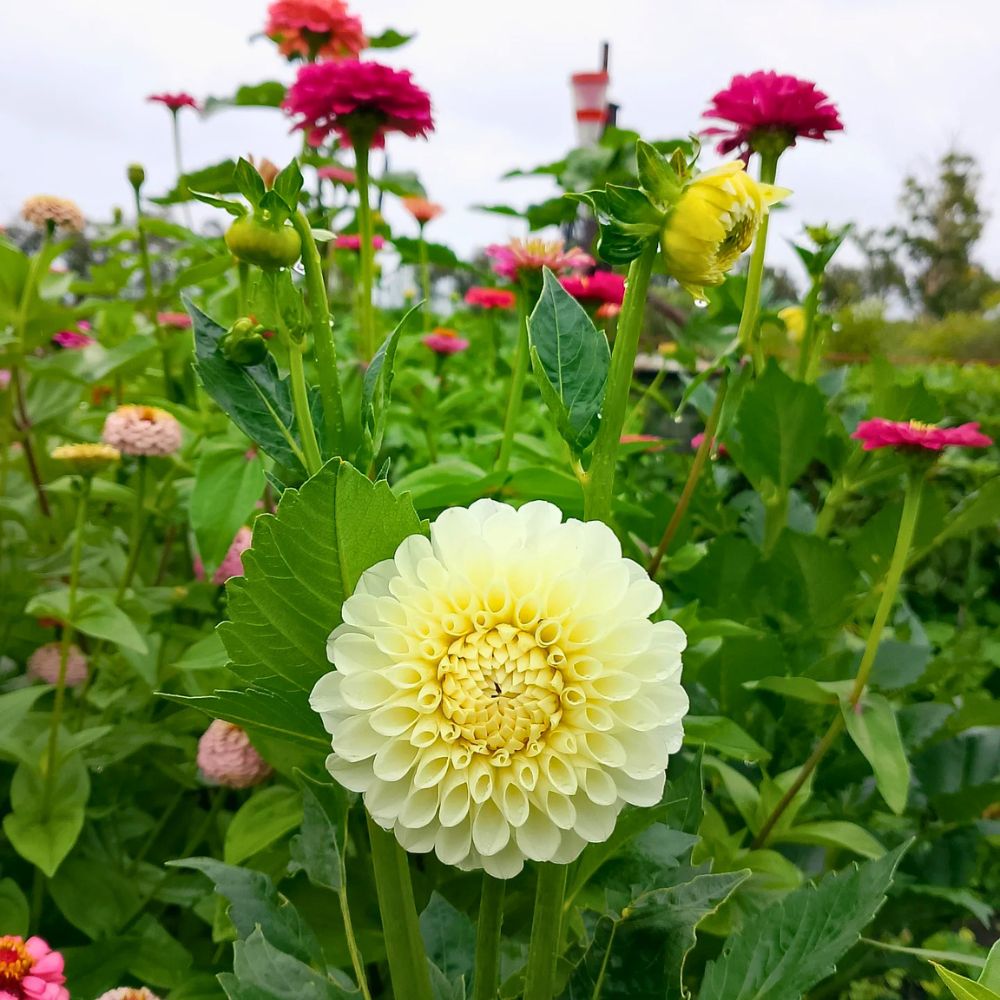
In small-scale commercial systems, especially those serving local markets, this same behavior translates into consistent yield over time. There is no need for constant reseeding or complex scheduling. The plant continues producing as long as it is maintained.
Gypsophila
Gypsophila moves slightly more into the commercial space, but it still reflects the same principle of ease through stability. Once established, it produces multiple flushes and does not require frequent replanting.
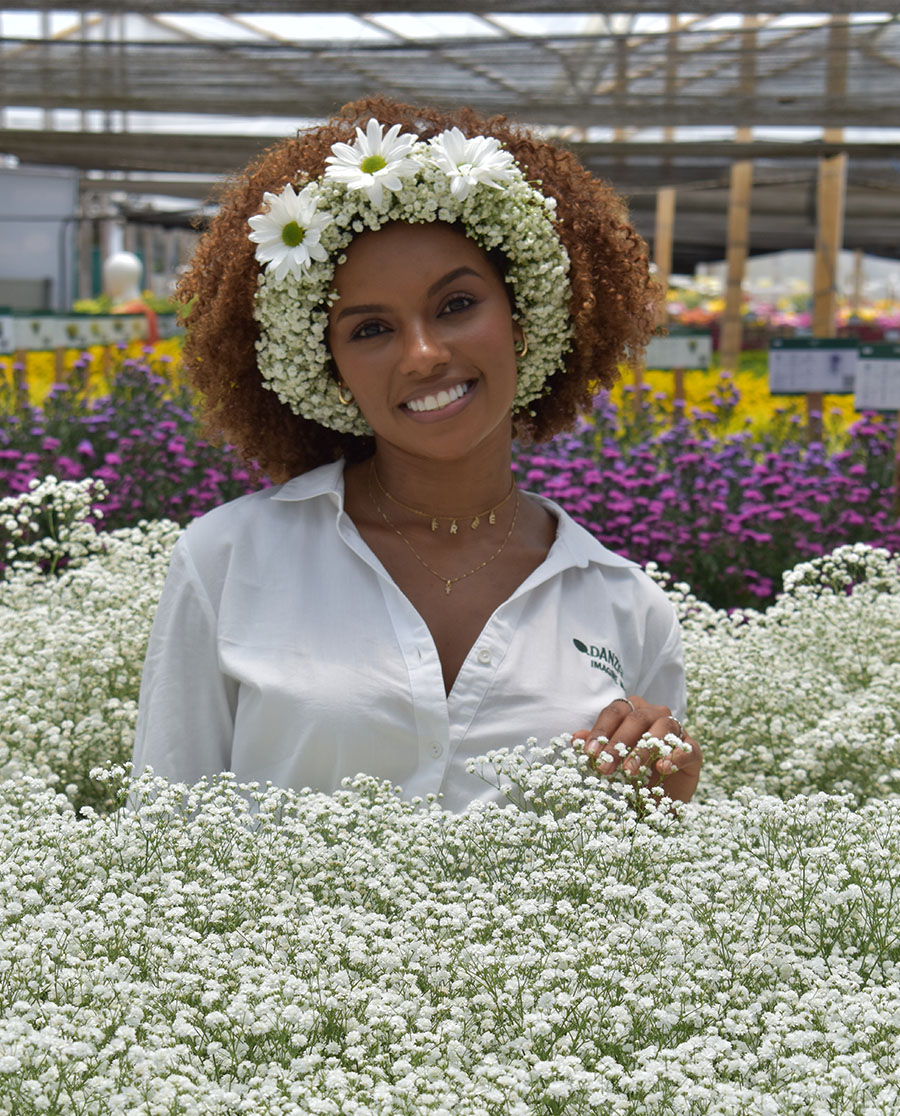
For growers, this is where the value lies. You invest in the establishment, and the crop continues to deliver stems over time. It also fits into a wide range of floral work as a filler, which means demand is steady. While it is more commonly grown in the ground or greenhouse beds, it can also be grown in large containers if drainage and light are well managed. This makes it possible for smaller growers to test the crop before committing to larger areas.
Marigolds
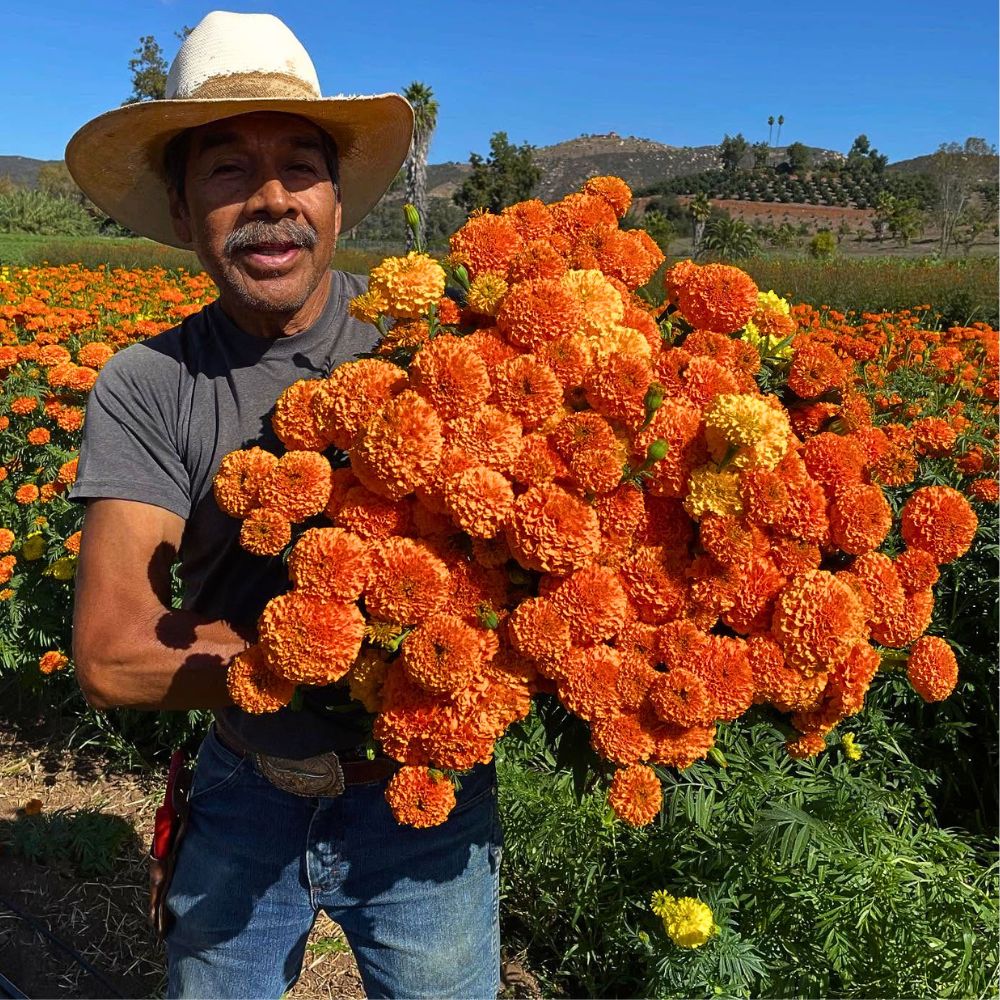
Marigolds (botanical: Tagetes) are often overlooked in commercial conversations, but they represent one of the simplest crops to produce. They establish quickly, tolerate a range of soil conditions, and are generally resilient. In home gardens, they are a dependable choice for continuous color and easy maintenance. They also adapt well to pots and containers, making them accessible for anyone working with limited space.

In commercial contexts, particularly for local and regional markets, they support high-volume production with low input costs. Their strength is not in complexity but in reliability and speed, which makes them a practical option where margins depend on efficiency.
Alstroemeria
Alstroemeria shifts the conversation from speed to consistency. It requires more patience at the beginning, but once established, it produces stems continuously over a long period. For commercial growers, this means fewer planting cycles and a more stable production base. The crop becomes part of a longer-term system rather than a short-cycle rotation.
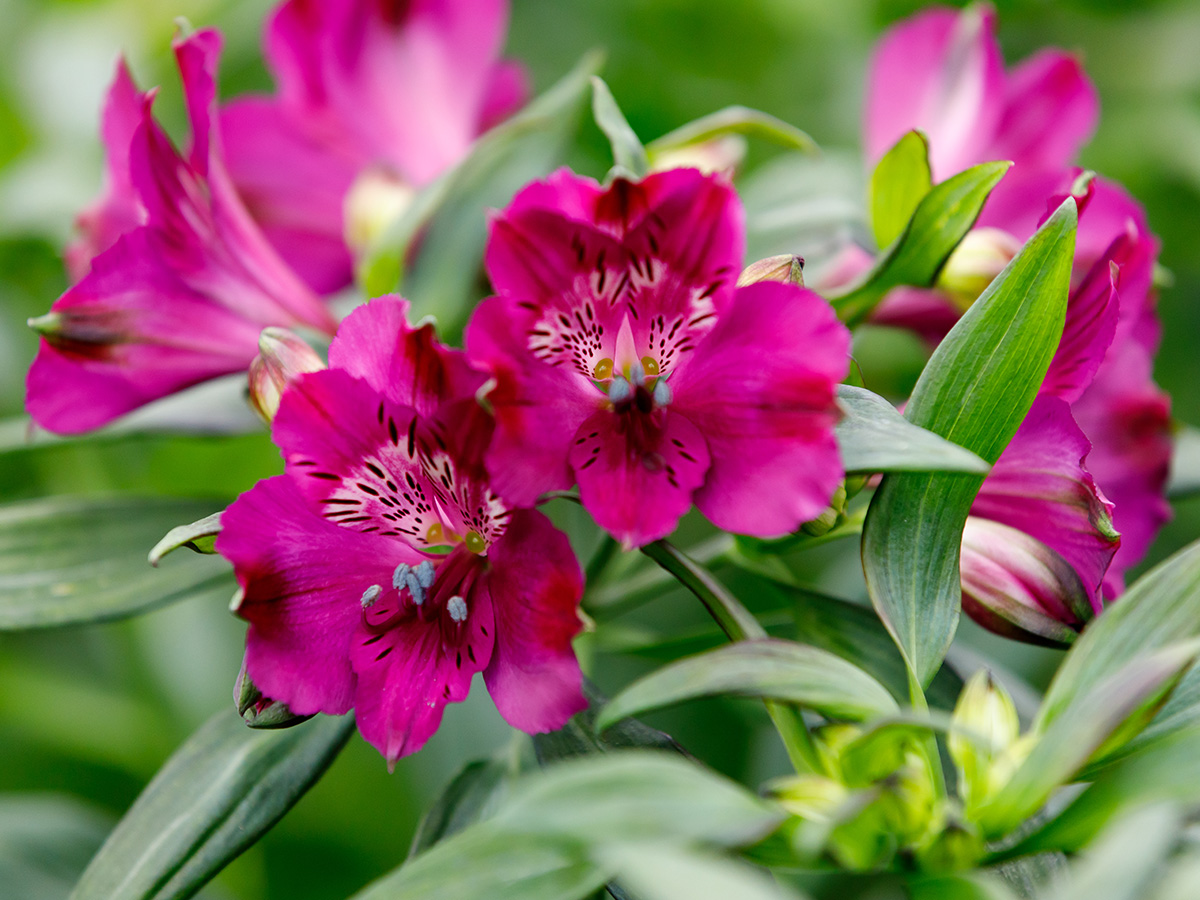
What is often overlooked is that Alstroemeria can also be grown successfully in pots. With a deep container and good drainage, it adapts well and continues producing stems over time. For gardeners or small-scale growers, this creates an opportunity to grow a commercially relevant crop without needing large field space.
Chrysanthemums
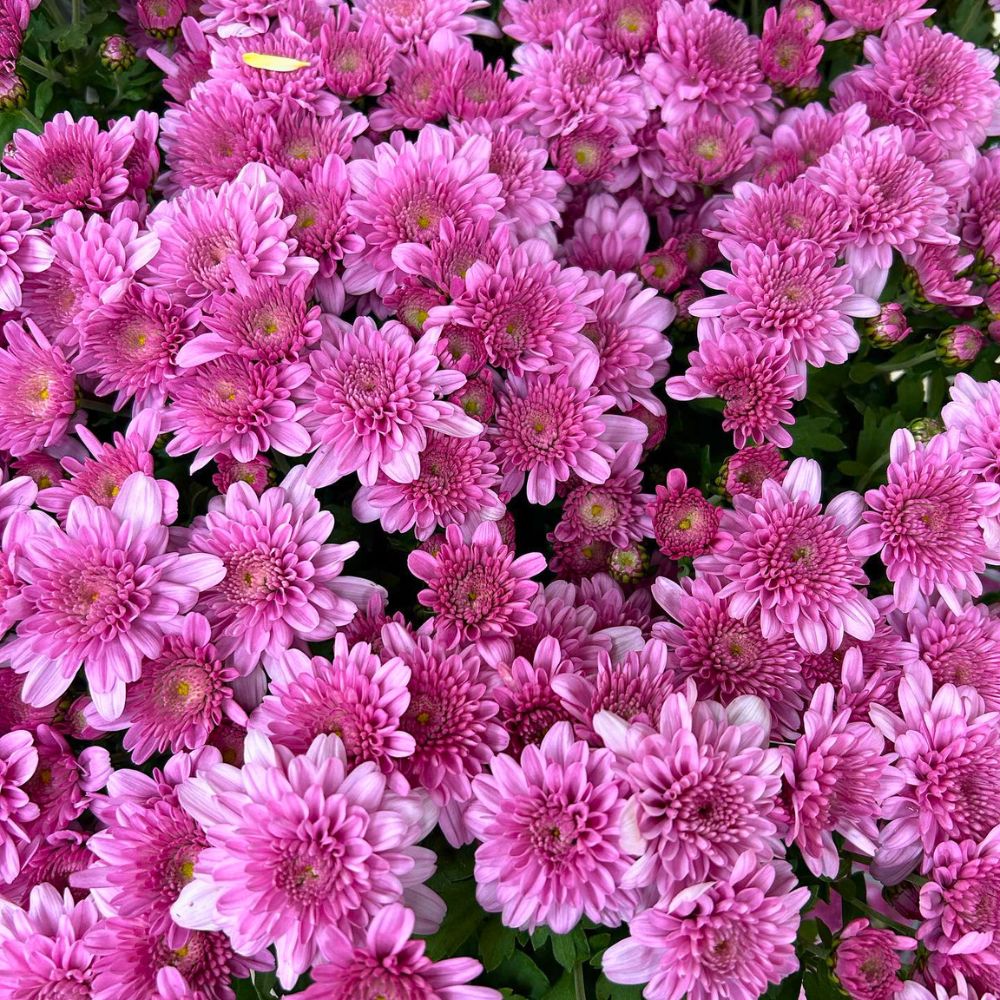
Chrysanthemums are often seen as more technical, but their strength lies in how predictable they are once a system is in place. They respond well to controlled scheduling, especially when light is managed.

For growers, this predictability allows production to be aligned with specific market windows. For gardeners, they can also be grown in containers, which makes them more accessible than many assume. With the right timing and basic care, they perform consistently. They may require more attention than sunflowers or marigolds, but they do not behave unpredictably. Once you understand their cycle, they become easier to manage.
Why Easy Flowers Often Make Better Business Sense
There is a tendency to associate value with complexity, especially in commercial floriculture. Crops like roses dominate because of their market price, but they also come with higher risk and tighter margins for error. Easier flowers operate differently. They reduce the number of variables that can go wrong. They require less intervention, which lowers labor costs. They often fit into faster or more flexible production cycles, allowing growers to respond to demand without overcommitting resources.
They also allow for gradual scaling. A grower can start in a small space, even with containers, and expand based on performance and market response. This reduces upfront risk and builds experience over time.
Growing With Intent Instead of Assumption
Choosing what to grow should not start with what looks good. It should start with how the plant behaves. Flowers that are easy to grow give you room to learn, adjust, and still produce results.

This is where the overlap between gardening and commercial production becomes useful. When you understand why a crop is considered easy, you start to make better decisions regardless of scale. You begin to see which flowers fit your environment, your space, and your long-term goals. The result is not just a successful harvest. It is a system that works with you instead of against you.
Feature image by @eli_rose4. Header image by @the_veggie_patch.