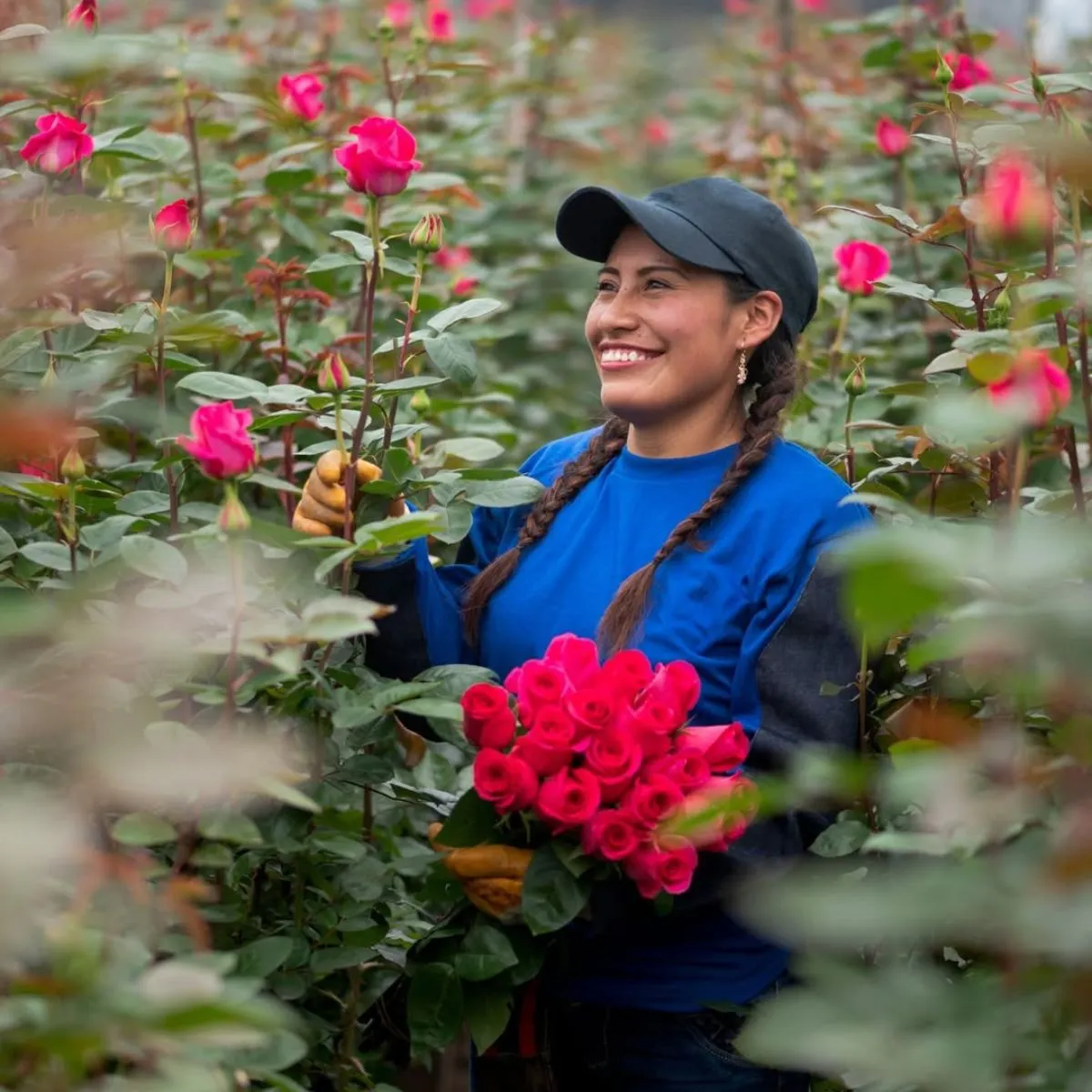
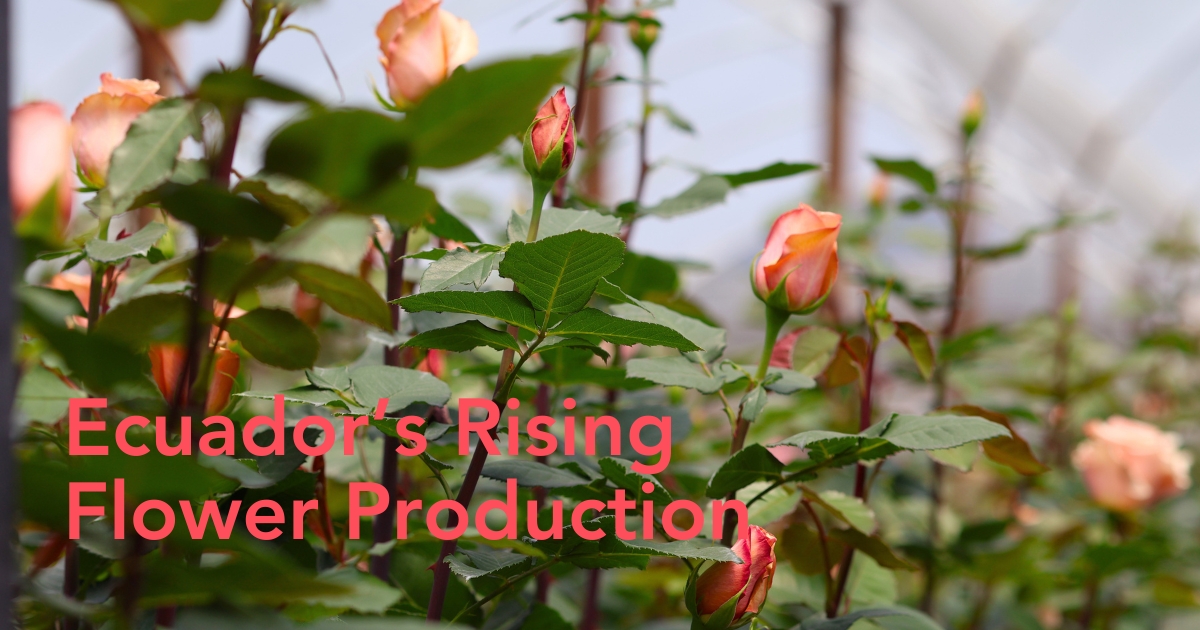
Ecuador’s shipments for Mother’s Day are in full swing, with ocean consignments having departed as early as week 15. Visits to farms across the country confirm an exceptional production season: fields are overflowing with flowers, and growers report volumes that reflect an excellent recovery following the Valentine’s cycle. It is worth noting that weather conditions in recent weeks have been variable – temperatures reaching up to 28°C and heavy rainfall of up to 183 mm – which has posed a significant challenge for producers. Nevertheless, the dedication and experience of the sector have paid off: flowers are being shipped in good quality and presentation.
News for Mother's Day 2026 Ecuador
In this context of robust supply, demand for air freight and supplemental orders presents a dynamic outlook. In the European market, fuel surcharges linked to tensions in the Middle East have increased freight rates by as much as $1.15 per kilogram, with adjustments occurring virtually on a daily basis. This has led many buyers to adopt a more cautious approach to planning.

This is precisely where a key opportunity lies: pre-booking activity this season is notably lower than in 2025. Buyers who have not yet finalized their orders face a real risk of running out of flower availability during the decisive weeks, especially if demand in Europe accelerates – as growers anticipate – toward the final weeks of the season. Prices, already under upward pressure due to logistical costs, could climb even further if available supply is quickly absorbed. The time to secure orders is now.
The Reality Behind Higher Flower Prices
Prices for Ecuadorian flowers have increased compared to 2025, and it is important to call things by their name: this rise is largely driven by higher freight costs, a variable entirely outside producers’ control. As an industry, it is worth engaging in an honest reflection: when structural costs increase due to external factors, the most sustainable response is not to shift the entire burden onto a single link in the chain. Producers, who already bear the risks of weather, production, and logistics, should not disproportionately absorb this impact, nor should the end consumer become the sole pressure valve.
Visiting Flores Verdes to see their Mother's Day production
The maturity of an industry is measured, among other things, by its ability to distribute shared risks equitably. Tight margins in times of pressure are not a sign of weakness; they are an investment in trust and in the continuity of business relationships that benefit all parties. Valuing those who grow, care for, and harvest Ecuadorian flowers – globally recognized for their quality – is also a smart business decision. A value chain that protects its most vulnerable link is one that endures.
Production at La Rosaleda farm in Ecuador
The U.S. and Canadian markets are showing greater momentum heading into week 17, with last-minute orders picking up in recent days, an encouraging sign that market appetite remains present and can be activated quickly.
The structure of this market offers a strategic window for those who act decisively. The sustained growth of mass retail channels and the increasing demand for pre-assembled bouquets are transforming the distribution landscape, creating new opportunities for operators with ocean freight capabilities.
With high-quality floral production coming out of Ecuador and signs of acceleration in key markets, the season has every potential to close strongly. Ecuadorian farms are ready. The flowers are ready. The question is: are buyers ready to secure their volumes?