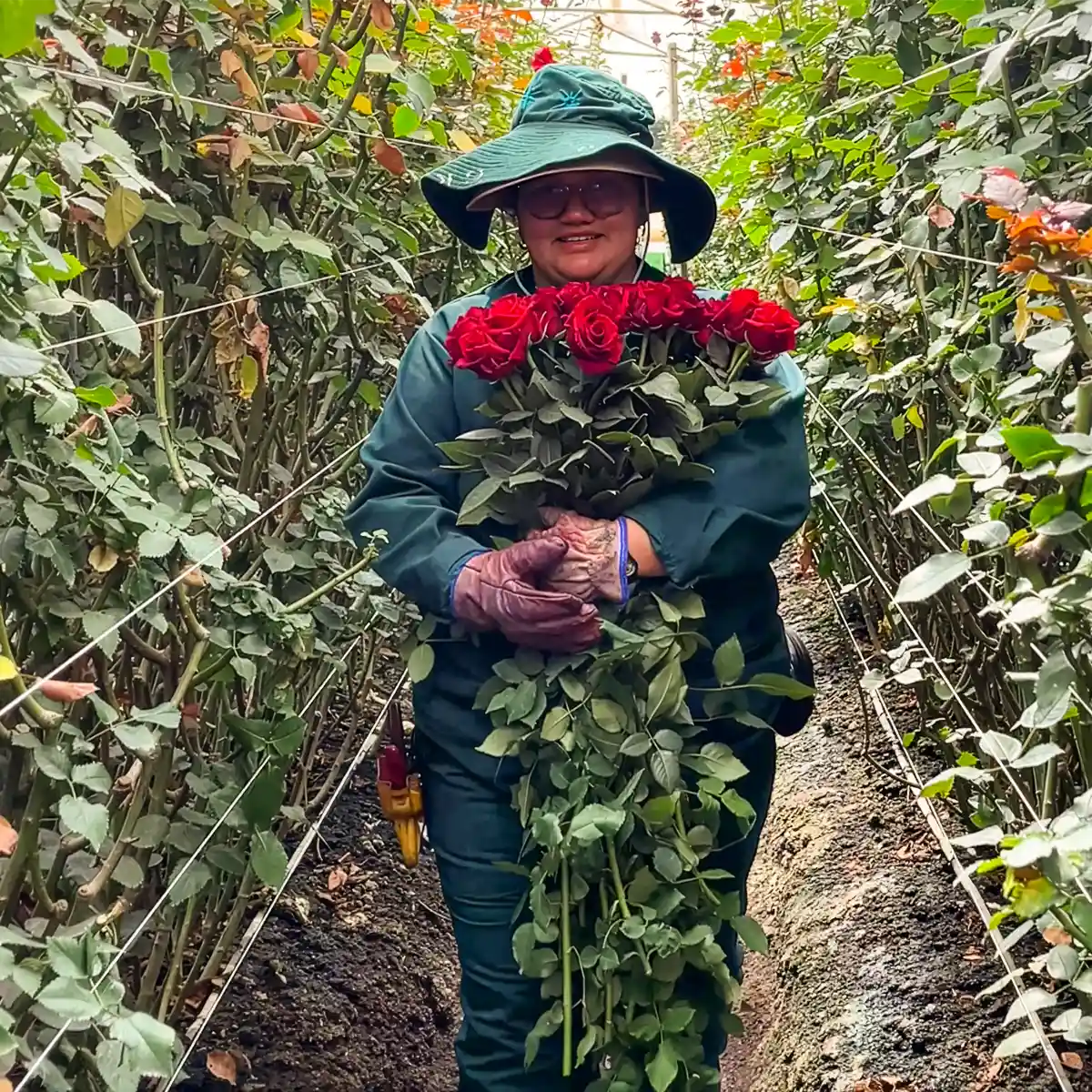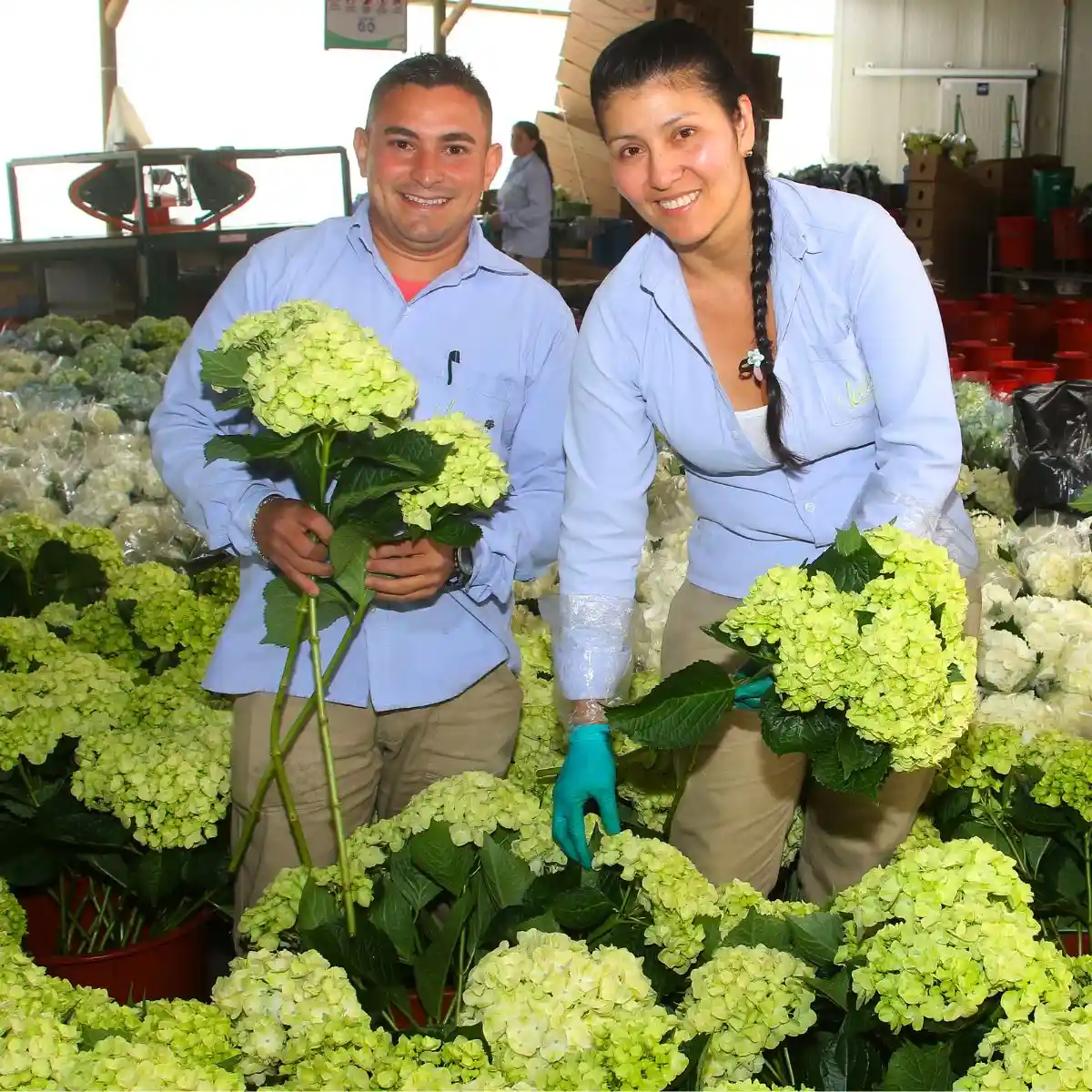

Every Mother’s Day season, millions of flowers leave Colombia destined for homes, supermarkets, and floral retailers around the world. Behind this operation is not only one of the country’s most important export industries, but also an industry that has transformed international trade into a driver of social development in rural communities
Mother's Day Season Impact in Colombia
For Colombian floriculture, Mother’s Day represents one of the most demanding and strategic export seasons of the year. Supported by a highly coordinated logistics operation and decades of commercial diplomacy, the industry ensures that flowers reach international markets on time while generating employment, opportunities, and social investment in the territories where they are grown.
Laura Valdivieso, president of Asocolflores, the Association of Colombian flower exporters, said:
"From the floriculture industry, the country's leading non-traditional agricultural exporter, I am convinced that international trade only makes sense if it translates into real opportunities for people. During Mother’s Day, this reality becomes especially visible. Every exported flower reflects health programs for our workers, rural ludotecas (children’s recreational rooms), and improvements in school and sports infrastructure in the territories where we operate. Our global competitiveness is the engine that strengthens the social fabric in rural Colombia."

The Strategy Behind 'Plan Pétalo'
The viability of this social impact depends on the cultivation of the flowers and a logistics operation capable of responding in real time during one of the busiest floral seasons worldwide. To achieve this, Asocolflores leads Plan Pétalo, a public-private coordination strategy that, for the past 20 years, has connected growers, logistics operators, government institutions, and transportation authorities to guarantee operational continuity throughout the export chain.
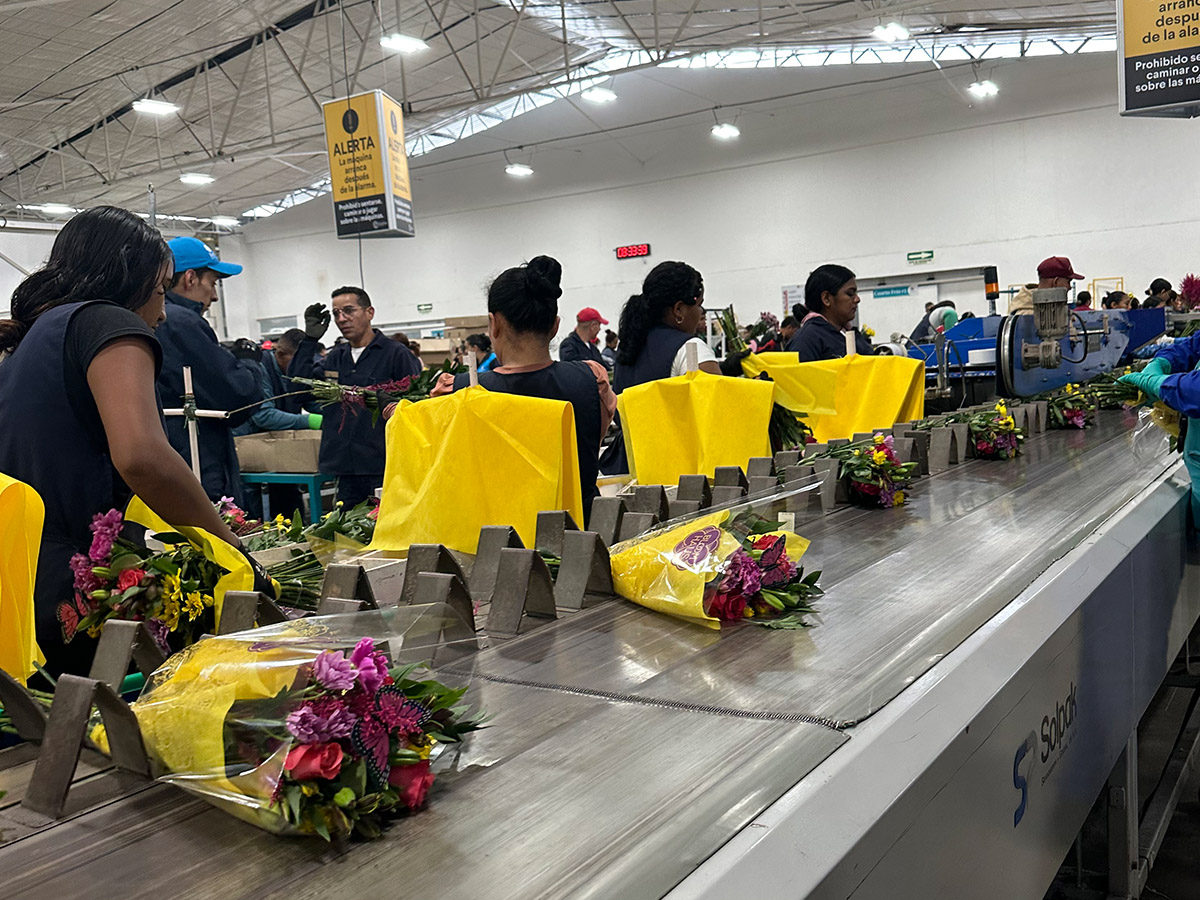
The initiative integrates institutions such as Colombia's Ministries of Transportation, Commerce, Agriculture, and Defense, together with customs authorities, police forces, airports, ports, cargo agencies, airlines, and shipping companies. This coordinated model has strengthened the industry’s capacity to respond to logistical challenges while ensuring traceability, security, and efficiency during high-demand export periods.

The Significance of Mother's Day
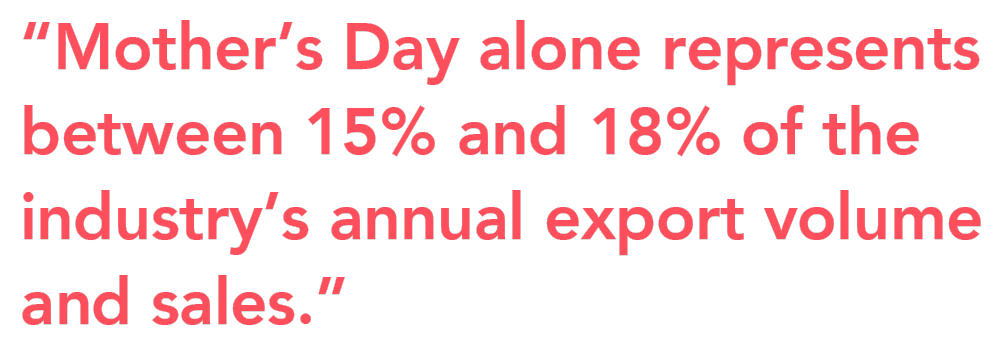
Mother’s Day alone represents between 15% and 18% of the industry’s annual export volume and sales, making it one of the most significant commercial moments for Colombian floriculture. During the season, the operation mobilizes hundreds of daily cargo vehicles and requires synchronized coordination across air and maritime logistics networks.
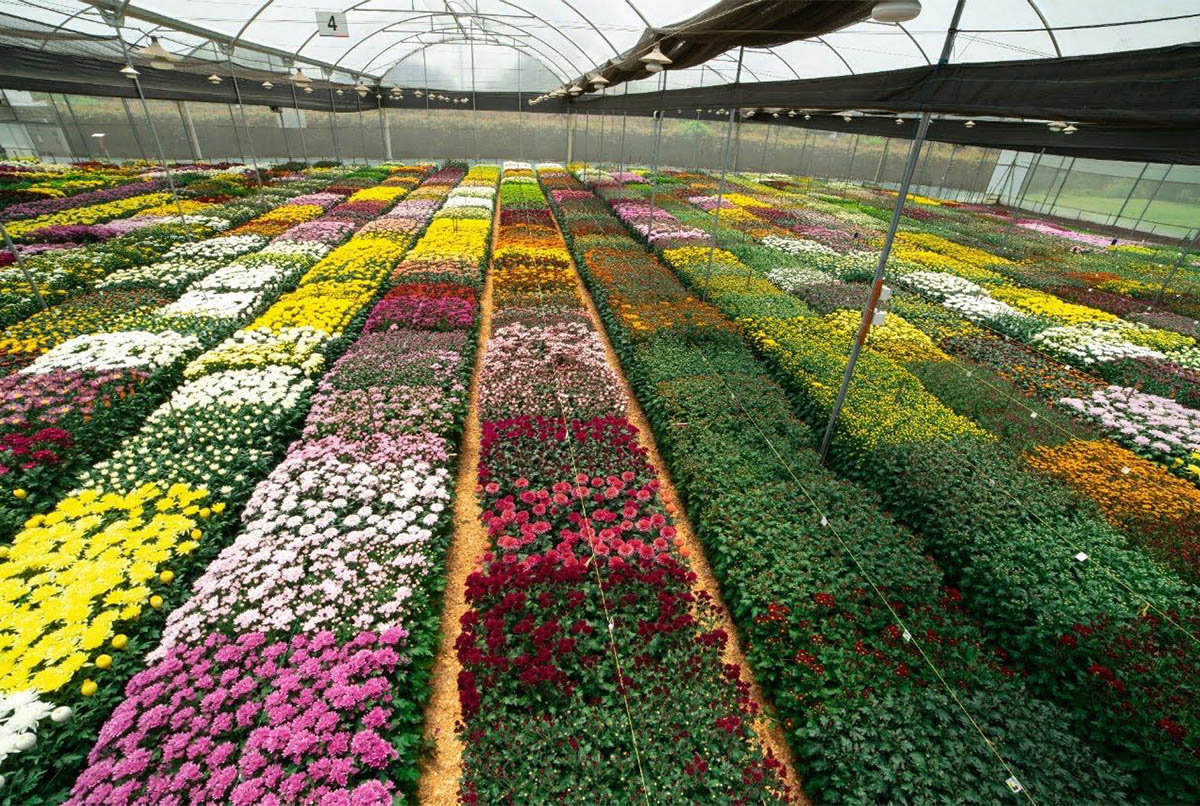
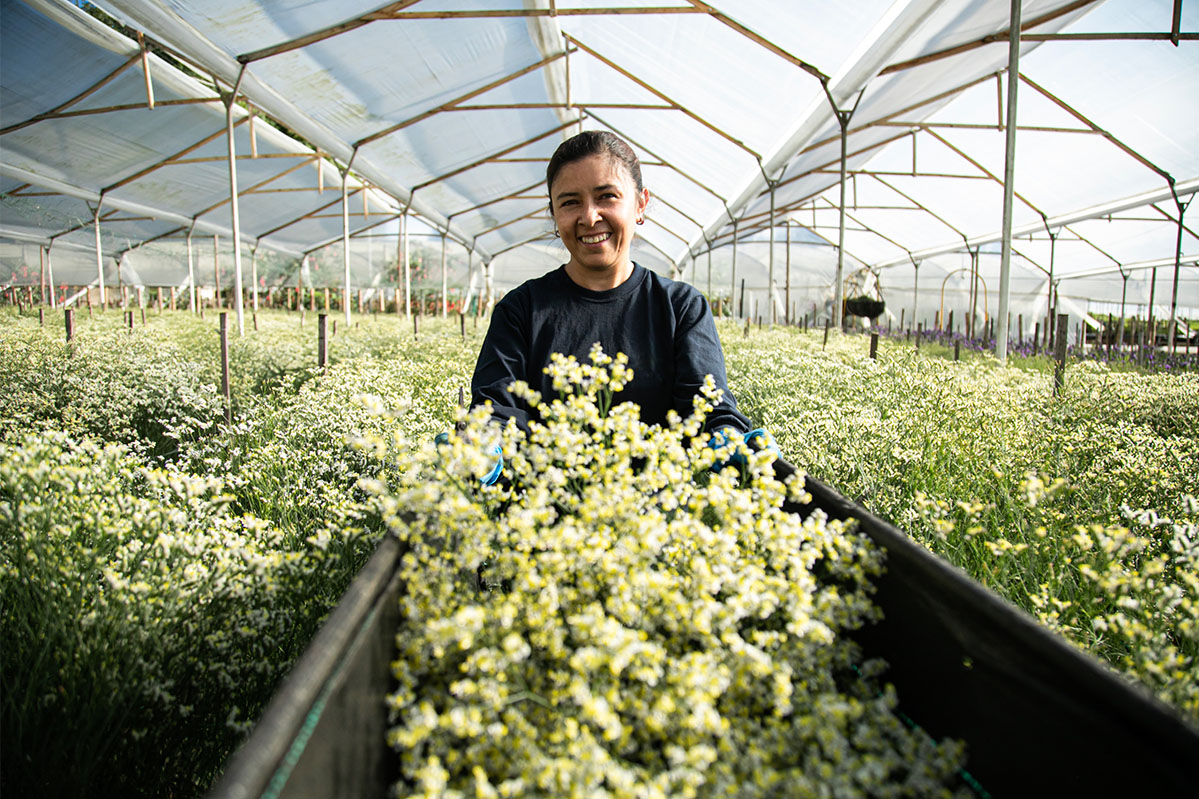
Beyond exports, the season also reflects the social dimension of the industry. Colombian floriculture generates approximately 240,000 formal jobs, both direct and indirect, with women representing 60% of the workforce. More than half of these women are heads of household, making floriculture one of the country's leading generators of formal female employment in rural areas.
The industry’s social impact extends to programs focused on health, education, and community infrastructure in flower-growing regions. Investments in school facilities, sports spaces, and rural childhood programs are part of a broader strategy aimed at ensuring that the benefits of export activity reach local communities and future generations.
Not Only a Commercial Milestone
For Colombia’s floriculture industry, Mother’s Day is not only a commercial milestone. It is also an opportunity to demonstrate how an export-oriented agricultural industry can combine global competitiveness with social sustainability, strengthening rural economies while connecting Colombian flowers with consumers in more than 100 countries.
Colombian floriculture figures during the Mother’s Day season:
- Colombia has 11,173 hectares dedicated to export flower production.
- Roses occupy 3,414 hectares (31%) of the cultivated area.
- Hydrangeas represent 1,920 hectares (17%) of total production.
- Carnations and other dianthus account for 1,545 hectares (14%) planted nationwide.
- Chrysanthemums occupy 1,369 hectares (12%) of Colombia’s flower production area.
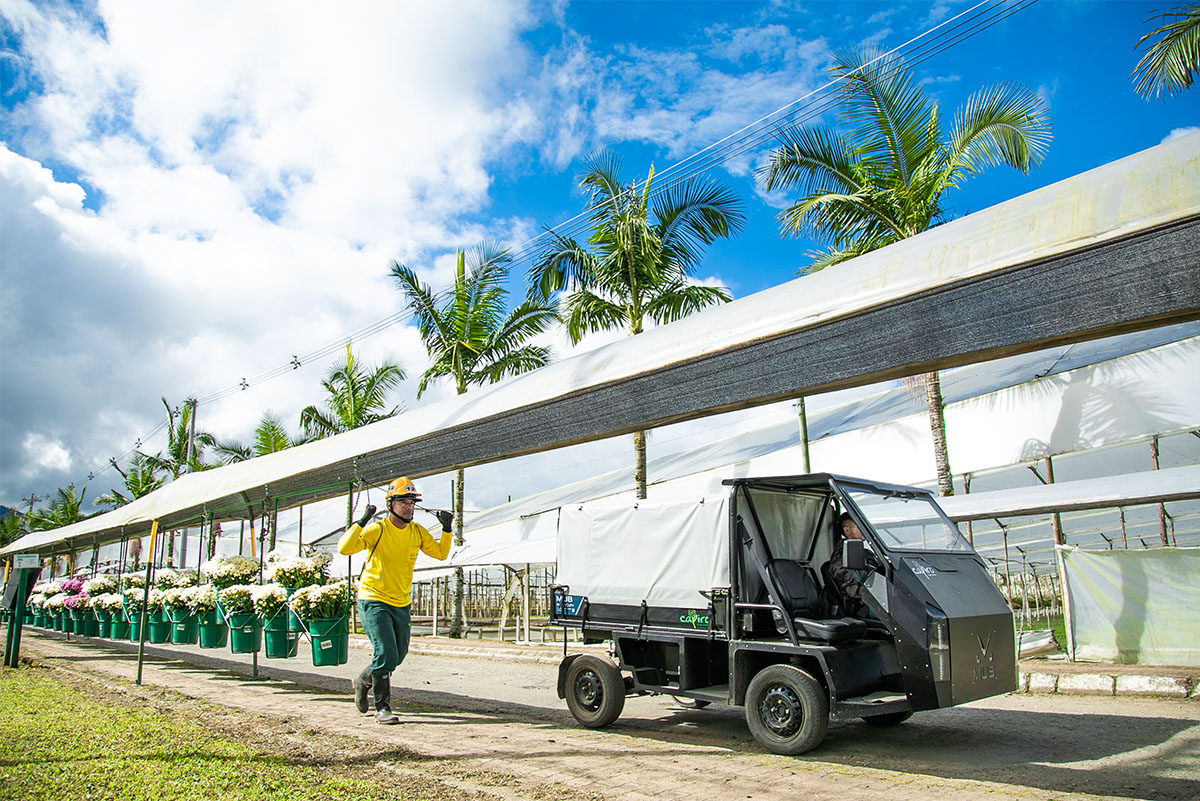
- During the season, the logistics operation mobilizes an average of 700 cargo vehicles per day, transporting flowers to export terminals.
- During Mother’s Day 2025, flower exports reached US$367 million by air and US$65 million by sea.
- Main export destinations during the season by sales value are: United States (80%), Canada (3%), Spain (3%), United Kingdom (2%), Netherlands (2%), Japan (2%), and other countries (8%).
Photos courtesy of Asocolflores.