
Cards, flowers, and a brunch reservation: that's how much of the Western world marks Mother's Day. But across the world, the picture is far richer, more surprising, and much more moving. From children tying their mothers' feet together in Serbia to three-day feasts in the Ethiopian highlands, the ways people choose to honor the women who raised them are as varied as the cultures themselves. Here is a look at ten distinctive Mother's Day traditions from around the world.
1. France: Medals, Flower-Shaped Cakes, and a Complicated Date
France's Fete des Meres has an unusually political origin. In the aftermath of World War I, alarmed by a dramatically declining birth rate, the French government began awarding medals to mothers of large families, with women who had raised five or more children honored in bronze, silver, or gold.
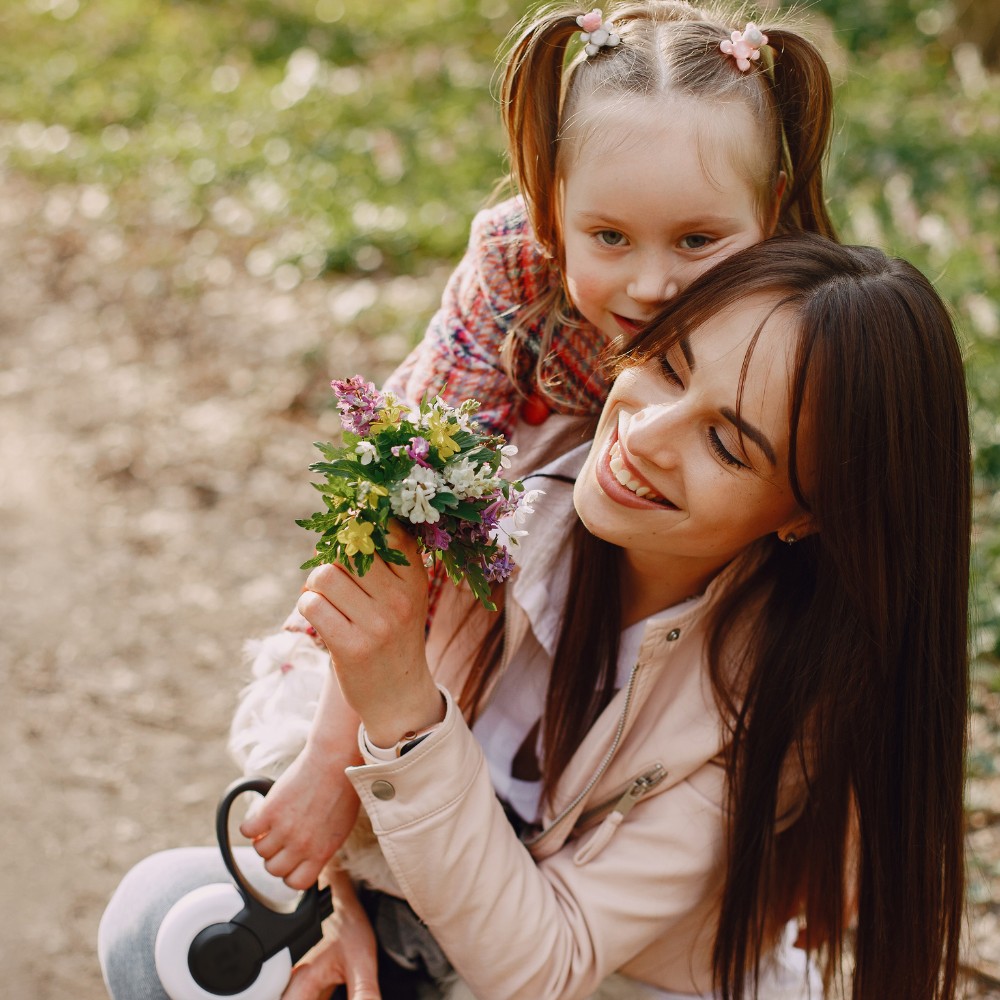
By the time the government officially fixed the holiday's date after World War II, the tradition had softened into something more familiar, featuring family meals, flowers, and a distinctive flower-shaped cake that children present to their mothers.
The date itself comes with a caveat: it falls on the last Sunday of May, unless that Sunday coincides with Pentecost, in which case it moves to the first Sunday of June. It is a holiday that began with nationalism and wartime anxiety but has settled, over time, into one that is warm.
2. Japan: Art Contests, Carnations, and Egg Dishes
Japan's Haha no Hi falls on the second Sunday of May and is observed with a heartfelt intensity that reflects general Japanese cultural values of reverence and care. Red or pink carnations are the emblematic gift, symbolizing a mother's endurance and sacrifice.
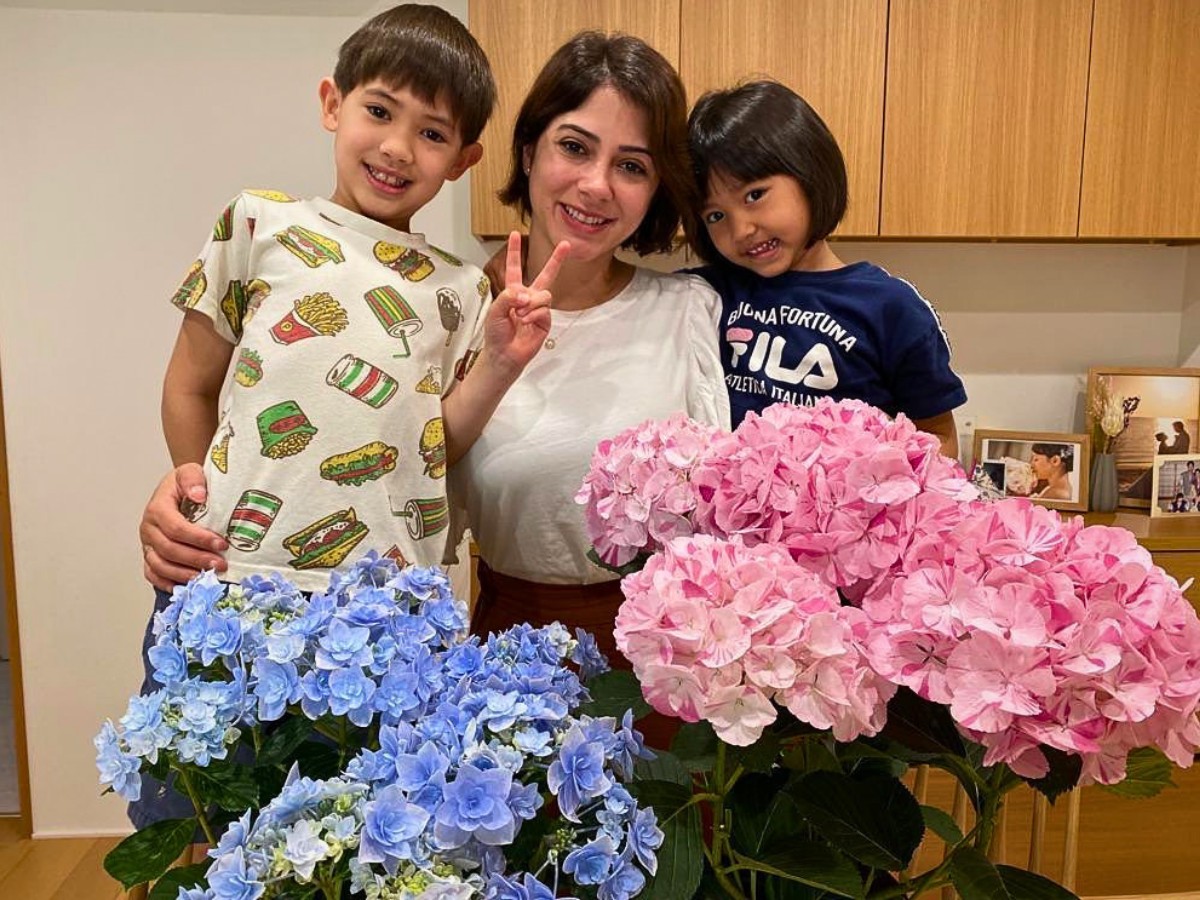
Families gather for special meals that often feature egg-based dishes such as oyakodon (a chicken and egg rice bowl), chawanmushi (egg custard), and tamagoyaki (rolled omelet), with eggs being a traditional symbol of life and nurturing in Japanese culture. One of the most charming traditions belongs to schoolchildren, who draw portraits of their mothers to enter into art contests.
The practice dates back to the 1950s, when the best entries were displayed internationally every four years. It is a Mother's Day that asks children not just to buy something, but to make something, look closely at their mothers, and try to capture them on the page.
3. Serbia: Tying Mom’s Feet for Treats
Perhaps the most playfully subversive of all Mother's Day traditions is in Serbia, where the holiday is turned into a three-day family celebration in December, alongside Father's Day and Children's Day, each falling on consecutive Sundays.

On Mother's Day (Materice), children sneak into their mother's bedroom early in the morning and tie her feet together with ribbon or rope. She can only earn her freedom by handing out treats or small gifts to her captors. The same fate awaits fathers on Father's Day.
Then on Children's Day, the tables turn, and kids get their own feet tied until they promise to behave for the year ahead. It is a wonderfully circular tradition that turns the whole concept of gifting on its head, with a dose of humor that binds the family together just as literally as the rope does.
4. Ethiopia: Antrosht, the Three-Day Feast for Mothers
In Ethiopia, there is no single Mother's Day so much as a multi-day celebration called Antrosht, which takes place at the end of the rainy season, typically between October and November. When the skies clear, families travel from across the country back to their homes for a communal feast.
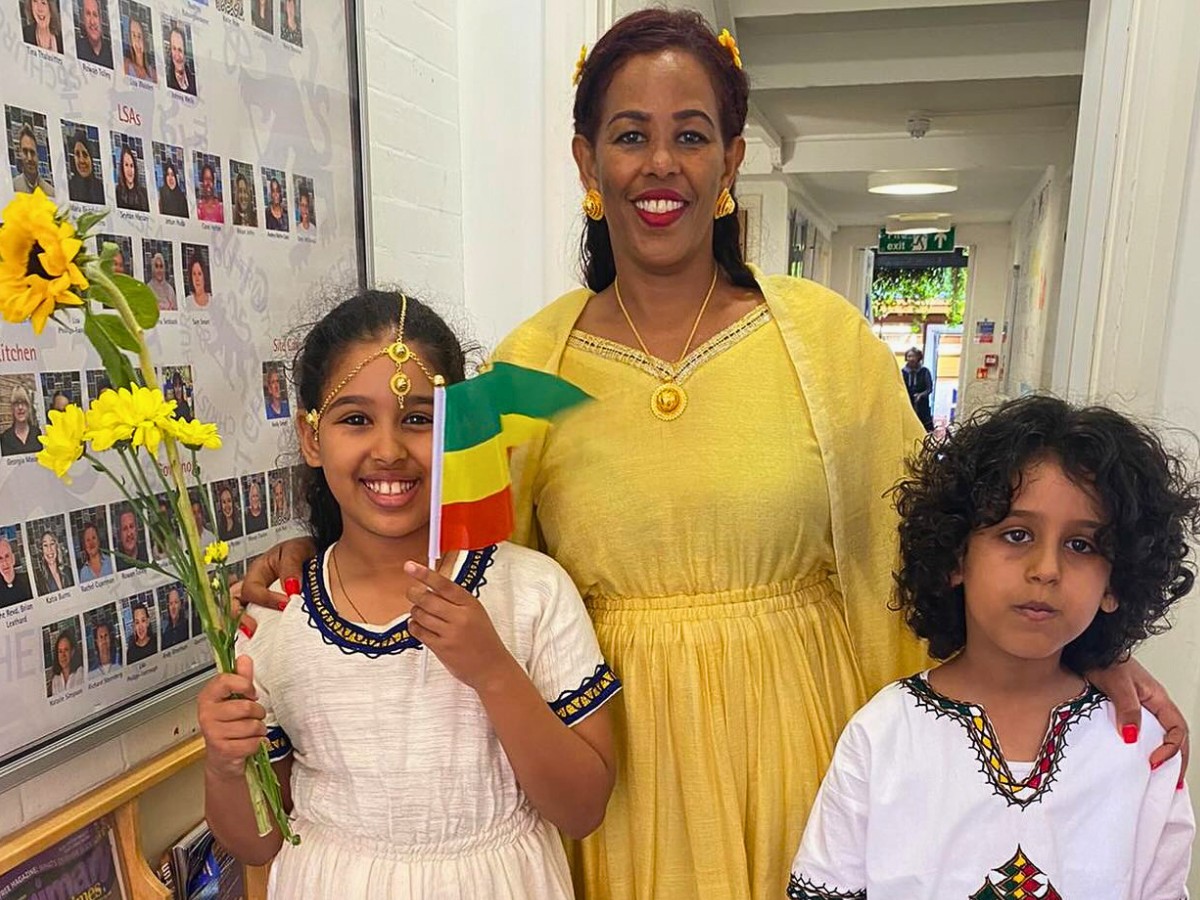
The preparation itself is a ritual in which daughters bring vegetables, spices, butter, and cheese, while sons supply lamb, bull, or other meats. Together, the family prepares a traditional hash dish, honoring their mother at the center of it all.
The feast is accompanied by singing, dancing, and the sharing of family stories and heroic tales. It is less a commercial holiday than a cultural homecoming, one that places the mother as the living heart of the family gathering, not so much as the recipient of a gift card.
5. Mexico: 10th May and Mariachi Serenades
Mexico's Dia de las Madres is celebrated on May 10th every single year, not quite on a Sunday or a floating date, but always on May 10th, regardless of what day of the week it falls on. The holiday has been observed since 1922, when journalist Rafael Alducin organized the first celebration in part to honor traditional motherhood as Mexican women began entering the professional world.
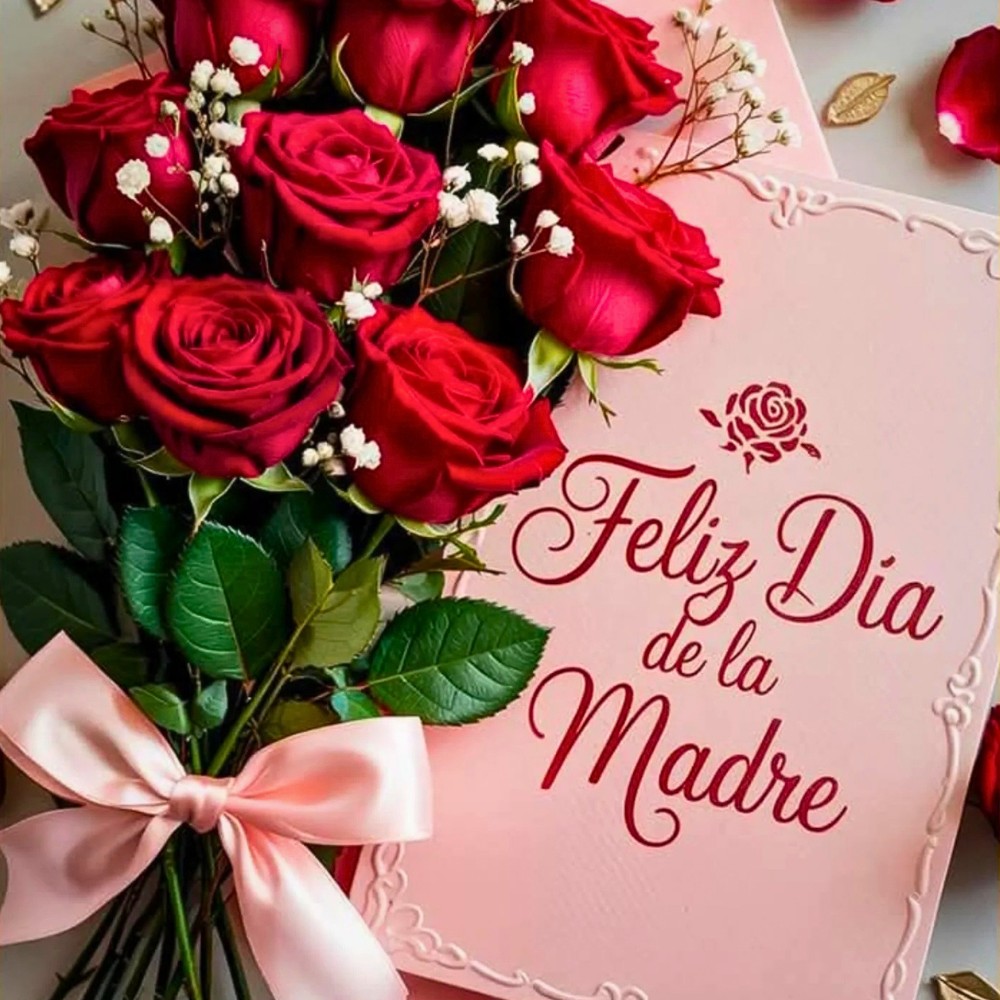
Perhaps what makes it truly distinctive is the morning serenade where children, and sometimes entire families, gather outside the bedroom to wake their mothers with song, and those who can afford it hire a mariachi band to perform ‘Las Mananitas,’ a traditional celebration song.
Schools hold festivals for the entire week leading up to the 10th, with children performing plays, dances, and songs for their mothers. Large family lunches featuring mole, pozole, and enchiladas round out a day that ranks among Mexico's most important holidays of the year.
6. Peru: Honoring the Living and the Dead
Peru marks Mother's Day on the same date as the United States, the second Sunday of May, but the tradition has an element that few Western countries share. Alongside flowers, family lunches, and gifts, many Peruvian families, particularly in the provinces, make their way to cemeteries to honor mothers and maternal relatives who have passed away.
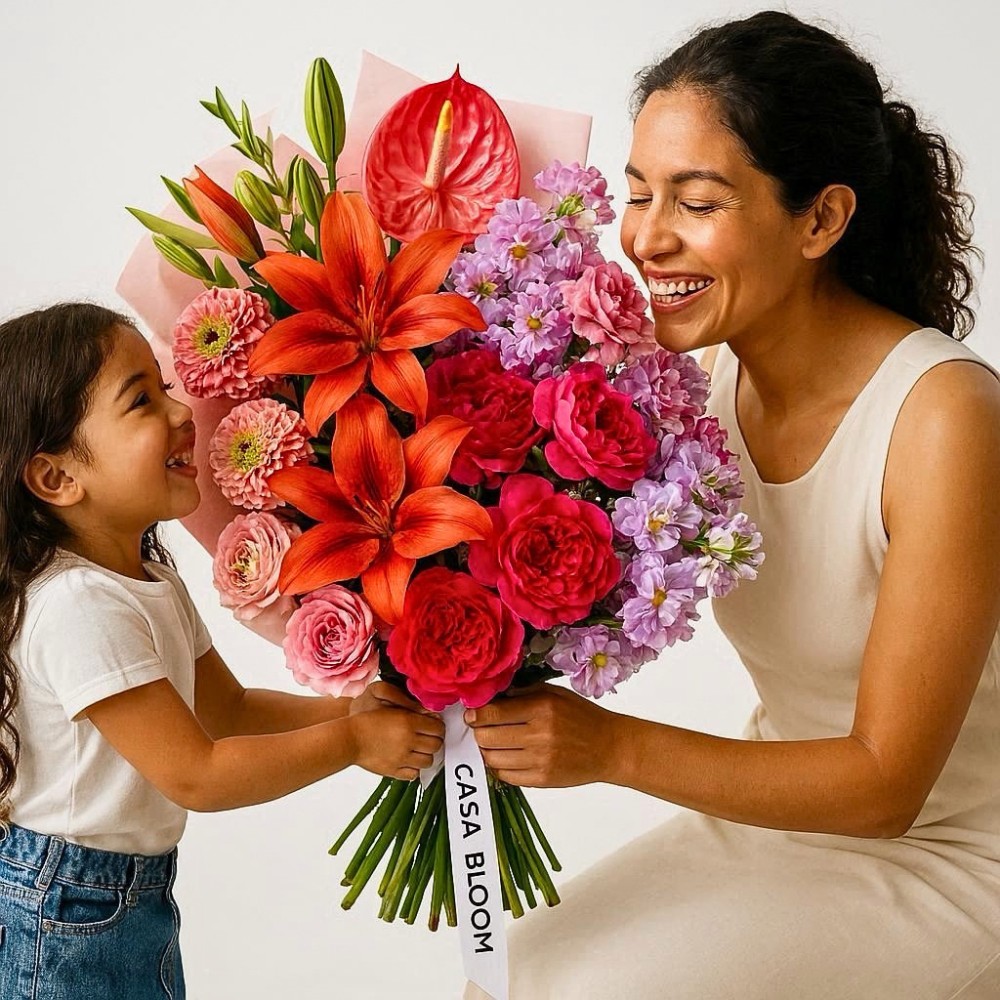
The visits are not somber occasions at all as families bring food, drinks, flowers, and balloons to share at graveside, and vendors have recognized the tradition by setting up stalls outside cemeteries selling flowers, balloons, and signs.
Historically, children wore a red rose if their mother was alive and a white one if she had passed, a floral code of love and loss that echoes the carnation tradition Anna Jarvis once promoted in the United States. Today, red roses remain among the most popular flower choices for mothers across the country.
7. Thailand: A Royal Birthday and Jasmine Flowers
Thailand's Mother's Day falls on August 12th, the birthday of Queen Sirikit, the Queen Mother, born in 1932. The day has a dual purpose in that it honors the nation's symbolic mother and celebrates all mothers across the country.
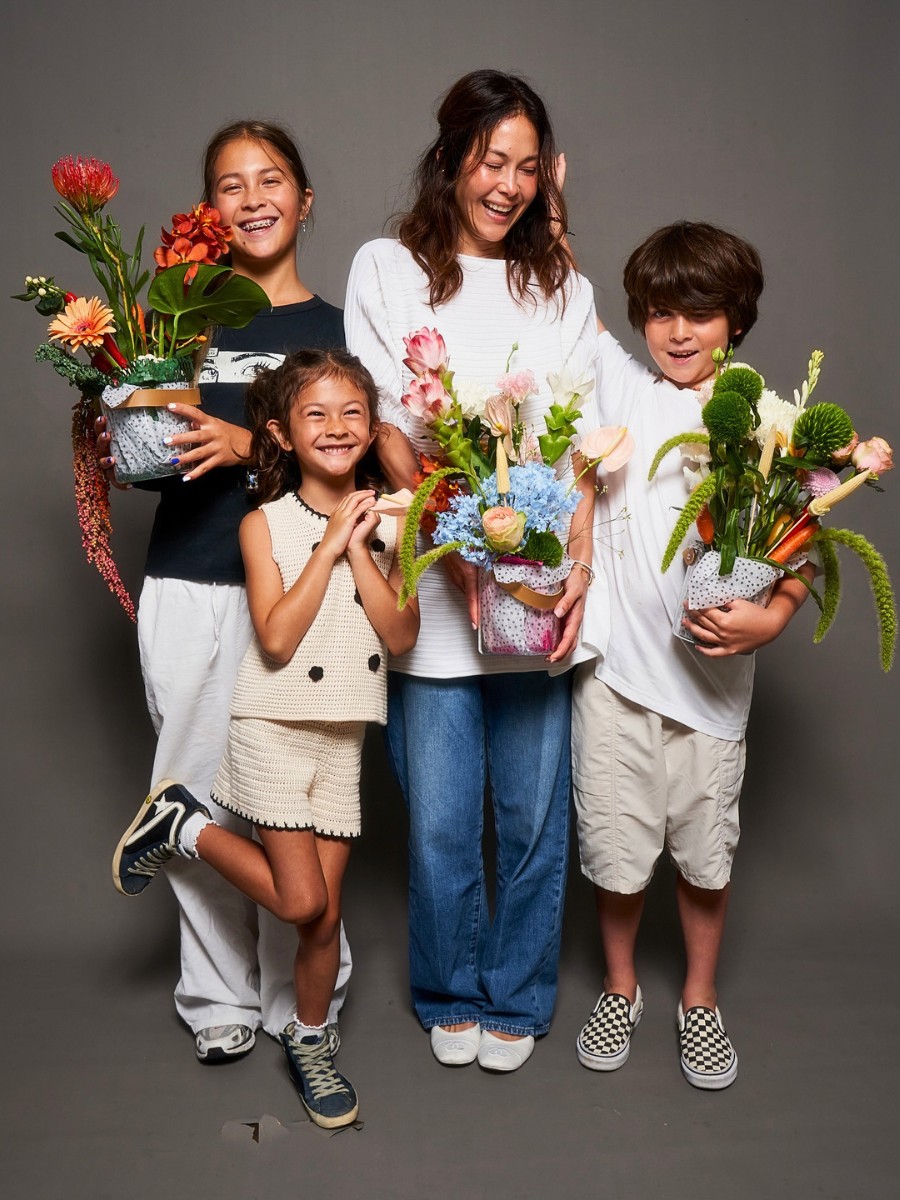
Public fireworks displays and candle lighting ceremonies mark the occasion at a national level, while at a more personal level, children present their mothers with white jasmine flowers, chosen for the purity and sweetness that jasmine symbolizes in Thai culture.
In many schools, a particularly moving ceremony takes place where children kneel before their mothers as a gesture of deep respect and gratitude. It is a tradition that fuses royalist sentiment, Buddhist reverence, and filial love into a single day unlike any other in the world.
8. Nigeria: A Celebration That Happens Three Times a Year
Nigeria's relationship with Mother's Day is unlike almost anywhere else in the world, because Nigerian mothers are frequently celebrated on up to three separate occasions each year. Anglican and many Protestant churches observe Mothering Sunday on the fourth Sunday of Lent, following the British tradition inherited from the country's colonial past.

Catholic congregations mark a separate date tied to the feast of the Annunciation. And many secular families, particularly younger generations influenced by American culture, also celebrate on the second Sunday of May. Church celebrations form the heart of the occasion, with children giving performances, singing the beloved song ‘Sweet Mother,’ and the congregation offering prayers for mothers.
Families gather afterward for meals of jollof rice, moi moi, and goat meat stew. The Yoruba concept of Iya ni wura (mother is gold) and the Igbo reverence for Nneka (mother is supreme) give the holiday more cultural roots that go beyond any single date on the calendar.
9. Nepal: The Sacred Pond of Mata Tirtha
In Nepal, a centuries-old tradition called Mata Tirtha Aunsi, observed on the new moon day of the Nepali month of Baisakh (typically late April or early May), draws thousands of people to the Mata Tirtha pond on the outskirts of Kathmandu.
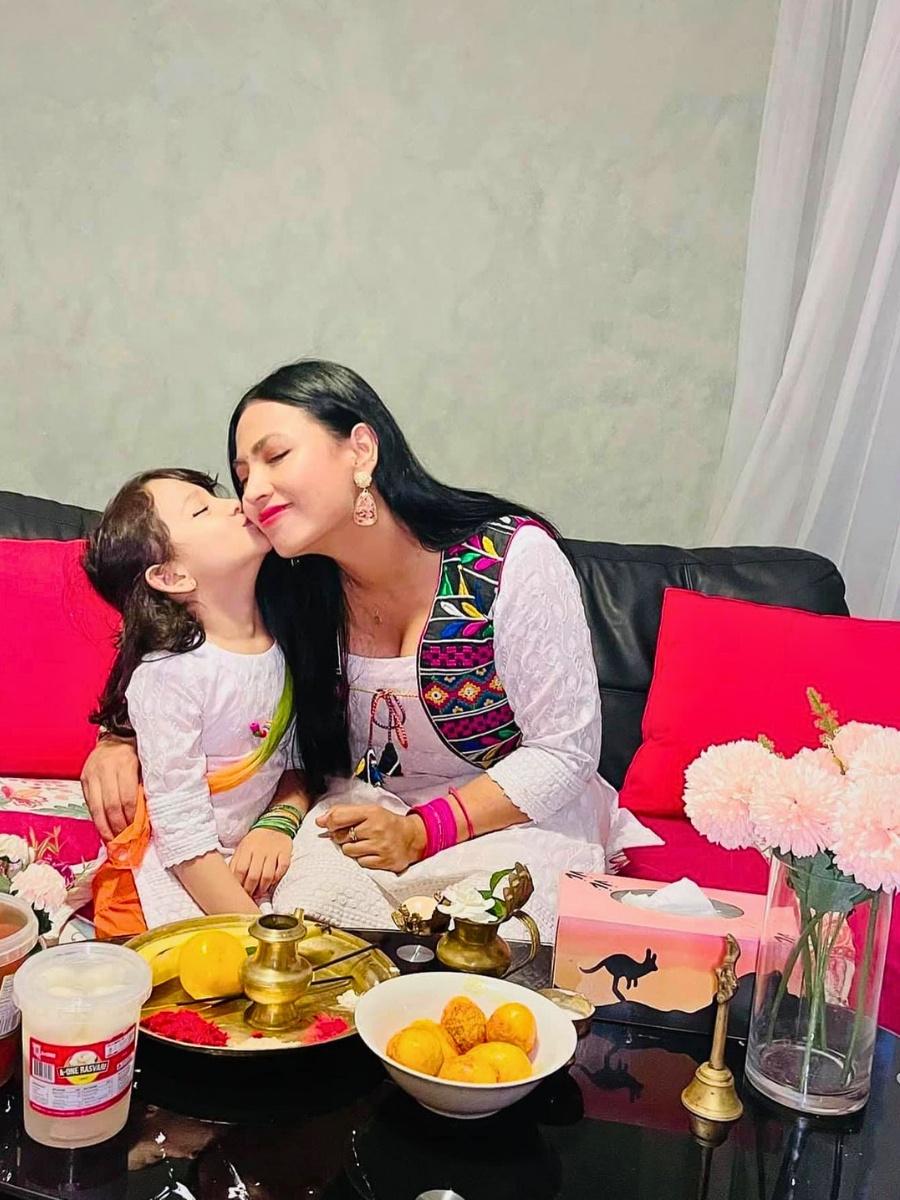
According to legend, a young man who came to the pond after his mother's death had a vision of her in the water, and the site became sacred. Those whose mothers are still living visit the pond to offer gifts, flowers, and prayers in their honor. Those whose mothers have passed make a ritual visit to seek a reflection in the water.
It is perhaps the most spiritually charged Mother's Day tradition in the world, one that does not distinguish the living and the dead, but asks all children to seek out and honor their mothers wherever they may be.
10. Haiti: Three Flowers, Three States of Grief
Haiti's Mother's Day, observed on the last Sunday of May, weaves a moving floral code into its traditions. Much like Peru's red and white rose distinction, Haitians wear a flower to honor their mother, but the Haitian version has three distinct meanings: a red flower if your mother is living, a white flower if she passed away recently, and a lavender flower if she has been gone for many years.
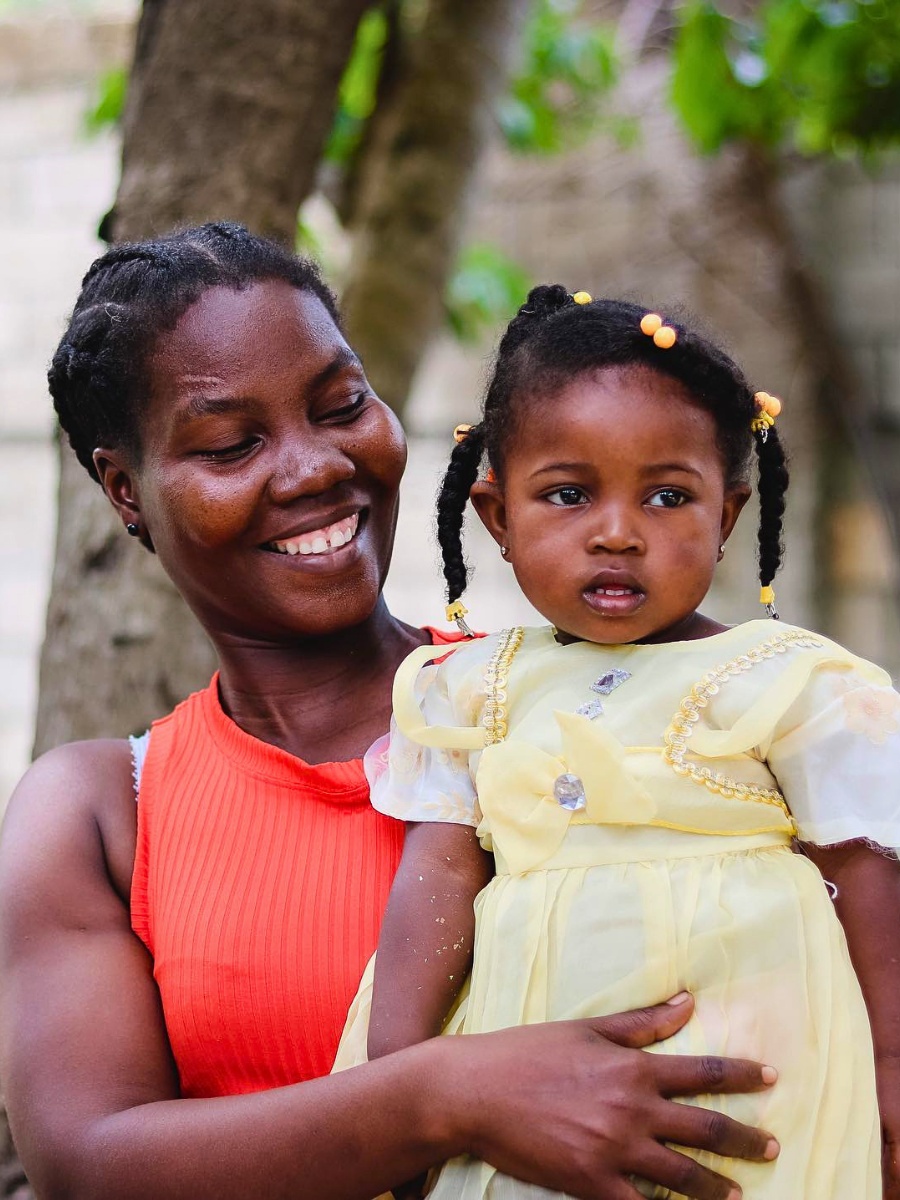
The celebration includes extended church services filled with prayers and songs honoring the sacrifices of mothers, and the flower worn throughout the day serves as a quiet, visible declaration of a person's relationship to loss and love. It is a tradition that acknowledges, without sentimentality, that grief and gratitude are often the same thing.
The Universal Language of Flowers on Mother’s Day
Whatever form it takes, the thread that runs through almost each of these (and other) cultures is flowers. Roses show love and passion in Norway. Chrysanthemums stand in for carnations in autumnal Australia.
Jasmine represents purity in Thailand. Lily of the Valley is the French preference. In Japan, the color of the carnation carries meaning: red for a living mother, white for one who has passed. And in Haiti, three flower colors mark the full arc of a mother's life and absence.
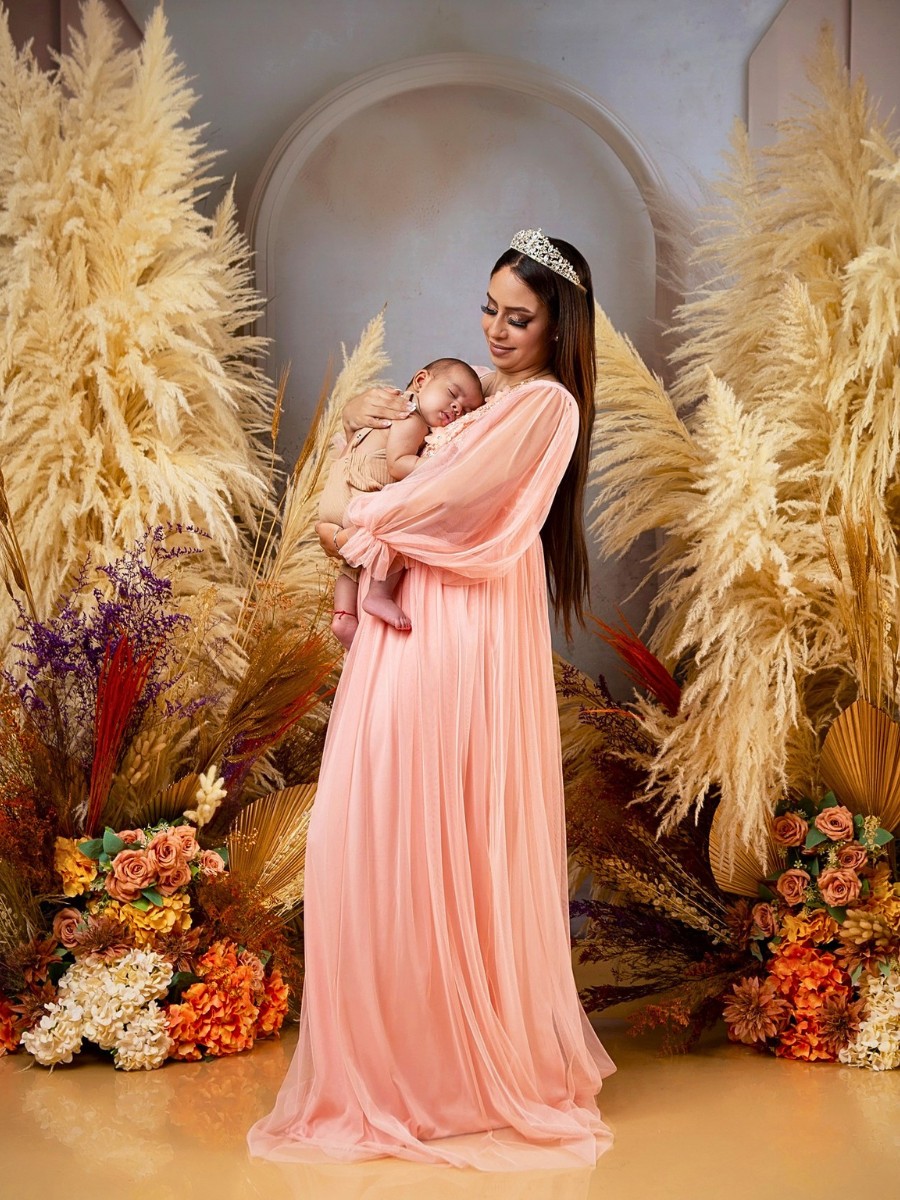
Flowers are the one truly global grammar of this holiday; a language spoken from February in Scandinavia all the way to December in Indonesia, wherever and whenever a child wants to show gratitude to their mother.
Featured and header image by prostooleh.