What does it actually mean to launch a new rose variety? Depending on where you sit in the supply chain, "launch" can mean very different things. A breeder may be ready to introduce a variety. A grower may have decided to put it into production. Sales may finally have enough stems to begin showing it. But a customer hears 'launched' and understandably thinks: Great. How many boxes can I order?
Maybe the issue isn't when we launch. Maybe it's how clearly we communicate what launch actually means.
One Word, Five Different Launches
One reason the gap between launch and availability can feel confusing is that the industry is not necessarily talking about the same launch. The same word can describe several very different milestones, and those milestones may happen months or even years apart.

Breeder launch. The variety has been selected, named, and introduced. The breeder is ready for growers and the market to see it.
Grower launch. A farm believes in the variety enough to put plants in the ground and begin building production. This is a commitment, but it is not yet a promise of large or consistent volume.
Marketing launch. The world begins to see it at shows, in photography, on social media, and in designers' hands. Excitement can accelerate much faster than production can.
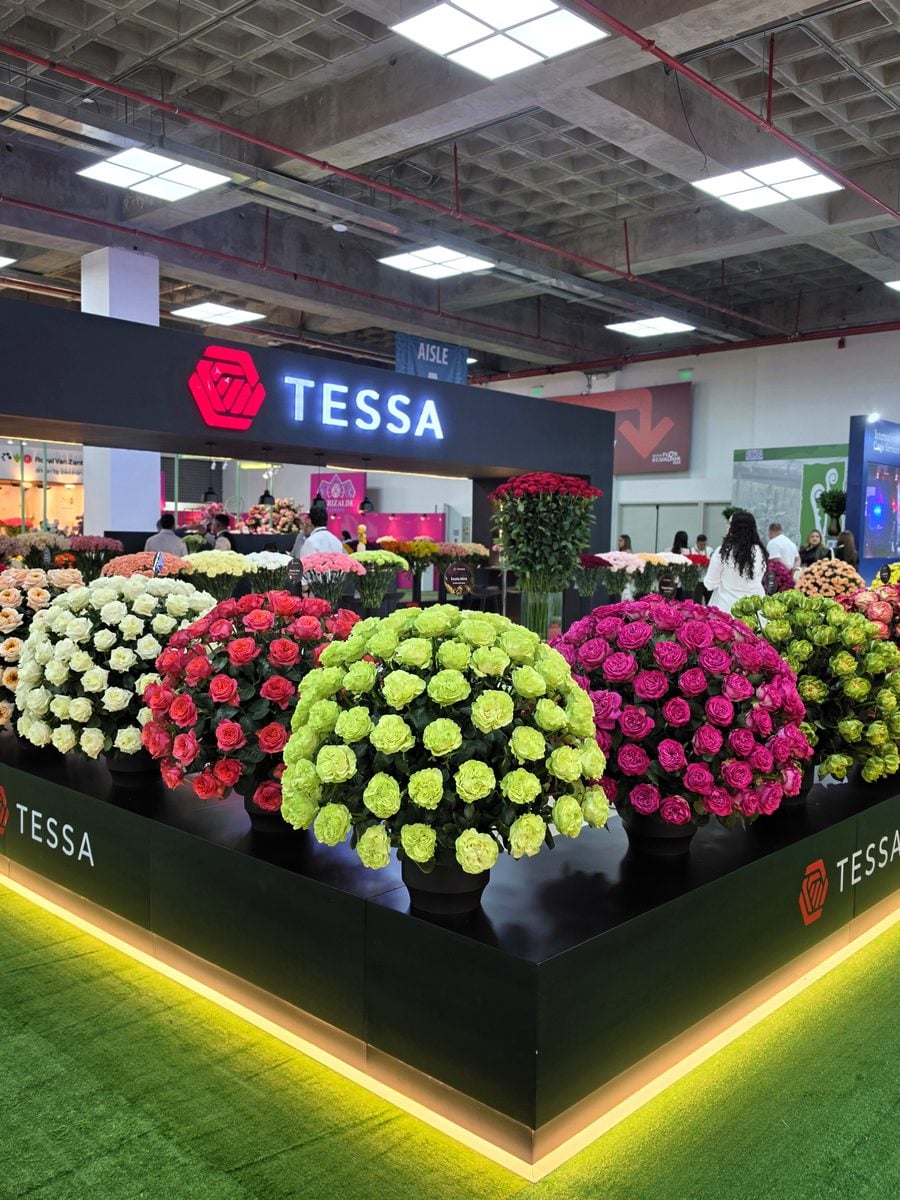
Sales launch. There are finally stems to sell. Quantities may still be small, inconsistent, or heavily allocated, but customers can technically begin buying the flower.
Commercial launch. The grower understands the crop and the market well enough that meaningful, reasonably dependable availability exists and Sales can begin making realistic commitments.
We use one word, launch, to describe several completely different milestones. And I think that's where expectations can get ahead of reality.
From the customer's perspective, those distinctions are largely invisible. They see a flower introduced at a show or on social media and naturally think: I want it. Where can I buy it? They do not necessarily see that the grower may still be learning the crop, building acreage, and figuring out how much demand the market can actually support.
Marketing can launch a flower in a day. Commercial production can't.
That raises a question worth exploring: which one is the real launch? Perhaps they all are. They simply mean different things to different people.
What Happens When a New Variety Reaches the Grower
I think people sometimes imagine that a new variety moves in a straight line: the breeder introduces it, growers plant it, customers love it, and eventually there's enough of it. In reality, I've never seen it work quite that neatly. Every new variety has peaks and valleys. Once it reaches the grower, we're trying to answer two questions at the same time: can we grow it successfully, and can we sell it successfully? Those answers don't always arrive at the same time.
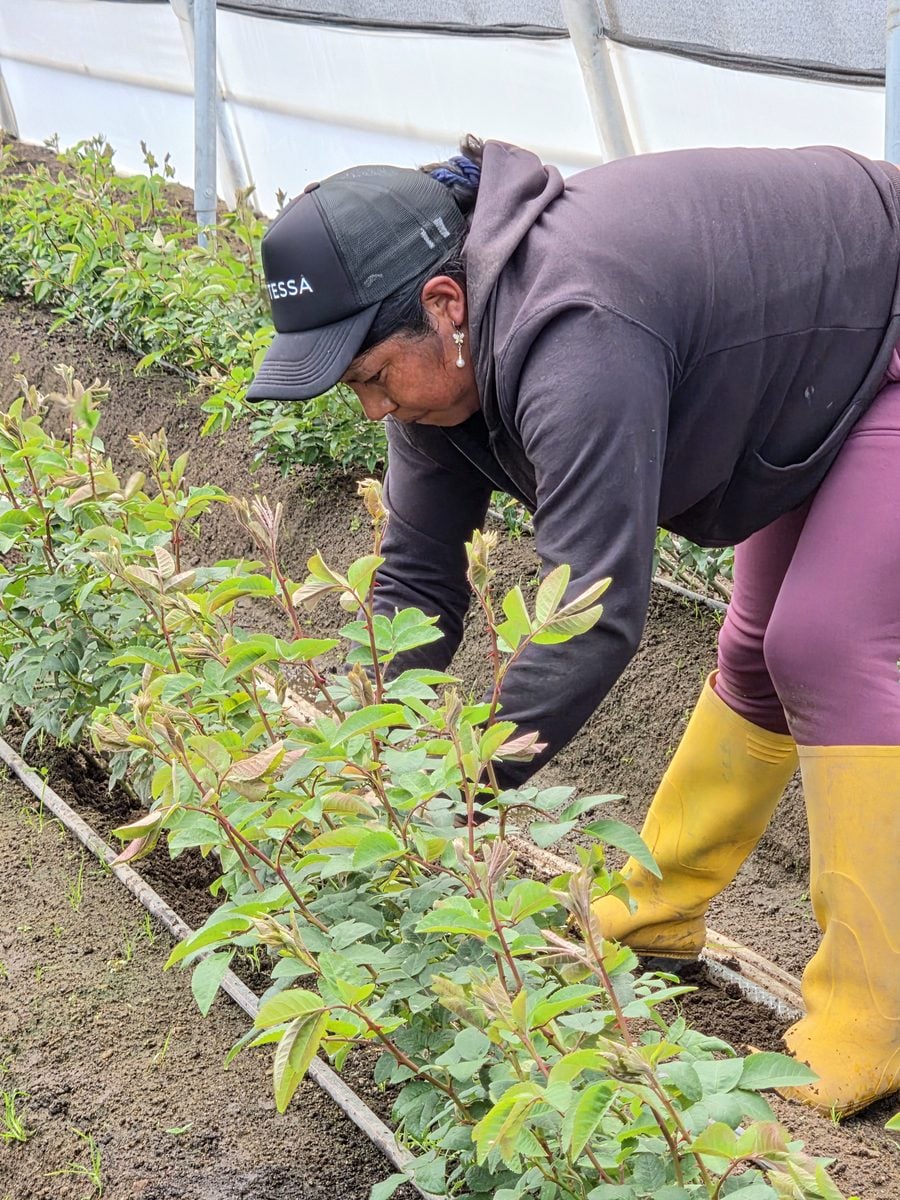
For me, this story begins when the breeder has done the work of developing and presenting the variety and the grower decides it has potential. The farm starts learning the plant while the commercial team starts learning the customer.
The farm learns the plant. How productive is it? How long is its cycle? What grades are we getting? Is quality consistent? How does it behave postharvest? What does it require from the greenhouse, and what is the return on that space?
Sales learns the market. Who reacts to it? Who actually orders it? How much do they buy? Do they reorder? Is the demand year-round or seasonal? Do customers love the flower, or will they commit to it commercially?
Then the two stories have to meet. A variety can be agronomically successful and commercially weak. It can have extraordinary demand and still be economically unsustainable. Or it can look like a slow seller at first and become a major commercial variety years later.
There is a big difference between "I love this rose" and "Give me five boxes every week."
Even after a farm has trialed a variety, commercial-scale production introduces questions that a small trial cannot fully answer. How does the crop behave at scale? How predictable are the cycles? How much of the harvest becomes sellable grades? What happens when customers finally have enough product that scarcity is no longer influencing their behavior?
Launch isn't the end of the trial. In many ways, it's the beginning of the commercial trial.
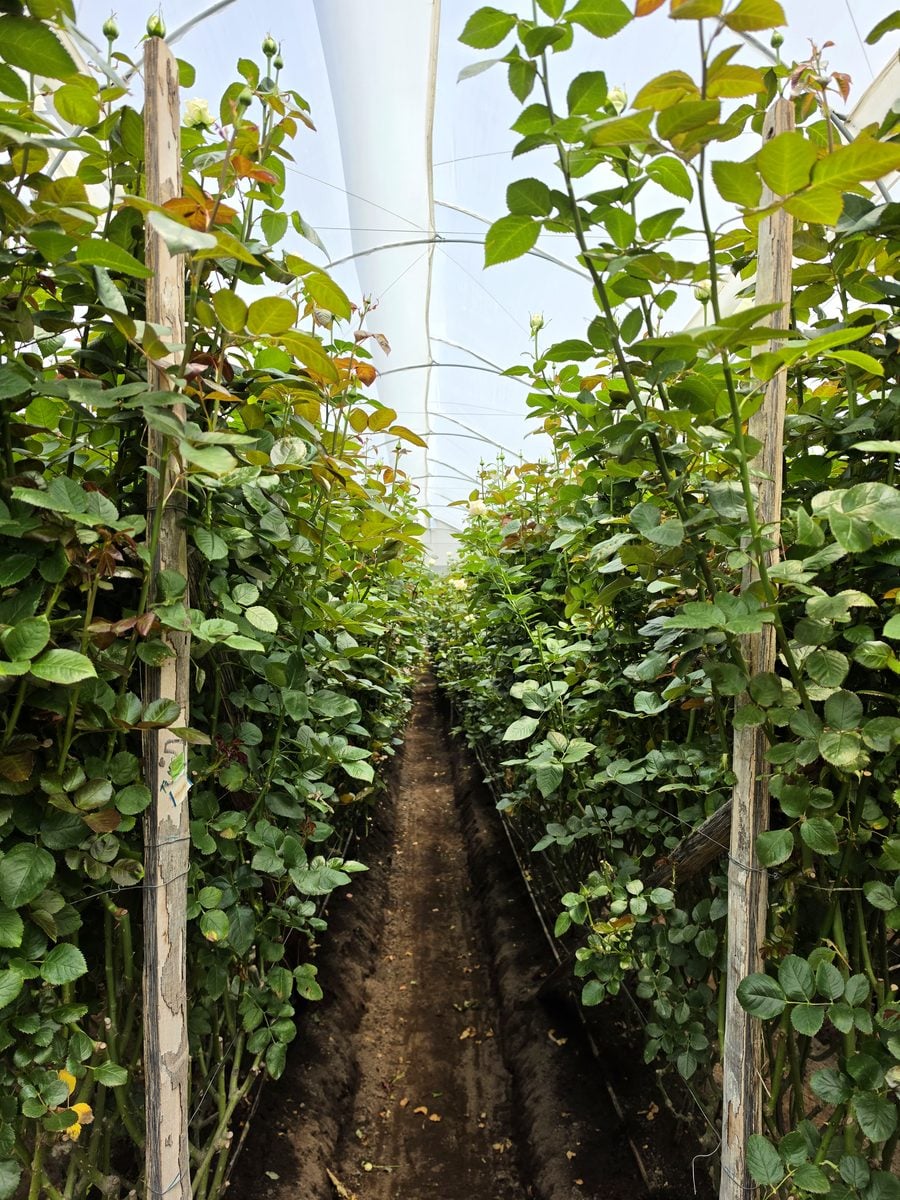
The important thing is that there is not just one curve. Production has peaks and valleys as a crop establishes and cycles. Demand has peaks and valleys as customers discover a flower. Some varieties have strong seasonal peaks. And the larger aesthetic cycle can take years: a flower that looks too unusual today may become exactly what designers want later.
The hard part for a grower isn't knowing there will be a valley. It's understanding what kind of valley you're in.
Three Roses That Did Not Follow the Script
Case Study 1: When Scarcity Exaggerates Demand
There was one rose I remember that was an immediate hit. Everybody wanted it, and there never seemed to be enough. The natural response was to increase the crop. Once that additional production came, however, something became clear: the demand was heavily seasonal. During its peak season, the farm still could not have enough. Outside that window, the crop kept producing, and the commercial team had to work hard to find homes for the volume.
The lesson was not that expanding production had been foolish. The lesson was that the shortage had only answered one question: people wanted more than was currently available. It had not told the farm the shape of the demand: how much, for how many weeks, at what price, and whether the same appetite existed throughout the year.
Scarcity can make demand look bigger than it really is. Sometimes you need enough product in the market before you can understand how big the market actually is.
Case Study 2: When the Market Arrives Later
This rose was almost the inverse. It was unusual. Growers saw potential and jumped on it, but the demand simply was not there at first. That is uncomfortable from the grower side, because greenhouse space is valuable, and you cannot hold indefinitely onto production that is not moving.
Fast-forward roughly three years, and the story is completely different: now everybody wants it. Designers had time to see it, use it, photograph it, and understand it. What initially felt strange became desirable.
The flower didn't change. The market did.
This is a reminder that weak early demand does not always mean a variety has no future. Sometimes the grower is simply earlier than the customer.
Case Study 3: When Demand Is Stronger Than the Plant
I also remember a yellow garden rose where demand was never the issue. Customers wanted far more than the farm could produce. But the plant itself was a poor producer compared with other yellow roses. At some point, the grower has to consider what each square meter of greenhouse is returning. Planting more of a low-producing variety can mean dedicating even more valuable space to a crop whose economics already do not work.
Eventually, the variety was pulled. That is an important story, because it shows that tremendous customer demand is not enough by itself to make a variety commercially sustainable.
It wasn't pulled because people didn't want it. It was pulled despite the fact that people wanted it.
Taken together, these examples show why the first year of a new variety can be misleading in either direction. The first rose looked like it needed much more acreage, but scarcity was hiding seasonality. The second one looked like the market might not exist, but the market was simply not ready yet. The yellow garden rose had the market, but the plant could not economically support the demand.
A new variety's first year can lie to you in both directions. Scarcity can exaggerate demand, and unfamiliarity can hide it.
The grower therefore has to distinguish between problems that can look remarkably similar in the moment: not enough acreage, a market that is not ready yet, a seasonal demand curve, or a plant that simply cannot produce enough. Several production and sales cycles may pass before it becomes clear which situation you are actually looking at.
I would not argue that the solution is simply to wait. Growers need early market reaction. Designers need to experiment with a variety. Wholesalers and customers need to see it. That feedback helps determine whether expansion makes sense. Waiting until enormous acreage exists before showing the flower would create a different and potentially larger risk.
The better question may be whether we distinguish more clearly between introduction, limited production, and true commercial availability.
The irony is that when a launch works really well, it can make the availability problem more visible. You can create excitement much faster than you can physically create production.
So When Is a New Rose Variety Commercially Available?
For me, commercially available doesn't mean that I can sell you a box today. It means we've reached a point where we understand the crop and the market well enough to make reasonable promises about tomorrow.
That means the farm understands how the plant behaves, there is enough production behind it, the commercial team understands who buys it and when, and Sales can begin building dependable customer expectations rather than treating every week as a new allocation exercise.
Not every new variety should become a permanent commercial variety. A variety being reduced or removed does not automatically mean the breeder or grower failed. Trialing exists because some answers are unknowable at the beginning. Sometimes the market says no. Sometimes the plant says no. Sometimes the economics say no.
We work in a very emotional industry, but ultimately somebody has to decide what goes into the ground today based partly on what customers may want months or even years from now.
That story is rarely linear. A grower cannot know the full size of a market while product is scarce, cannot know immediately whether an unusual flower is too early or simply wrong, and cannot solve every shortage by planting more. The real work after launch is learning where the plant, the market, and the economics finally meet.
A variety doesn't have one launch. The breeder launches the idea. The grower launches the crop. Marketing launches the excitement. Sales launches the product. But only time tells us whether the market can launch it into a lasting commercial life.
We shouldn't think of launch as the moment a new variety arrives. It's the moment its commercial story begins.
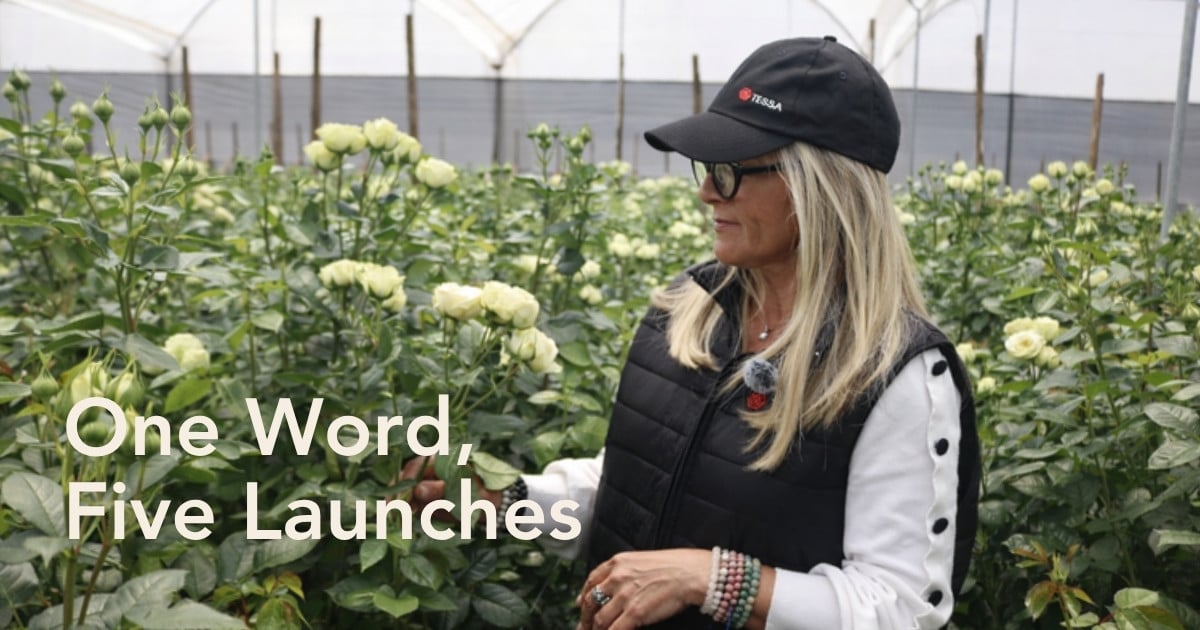
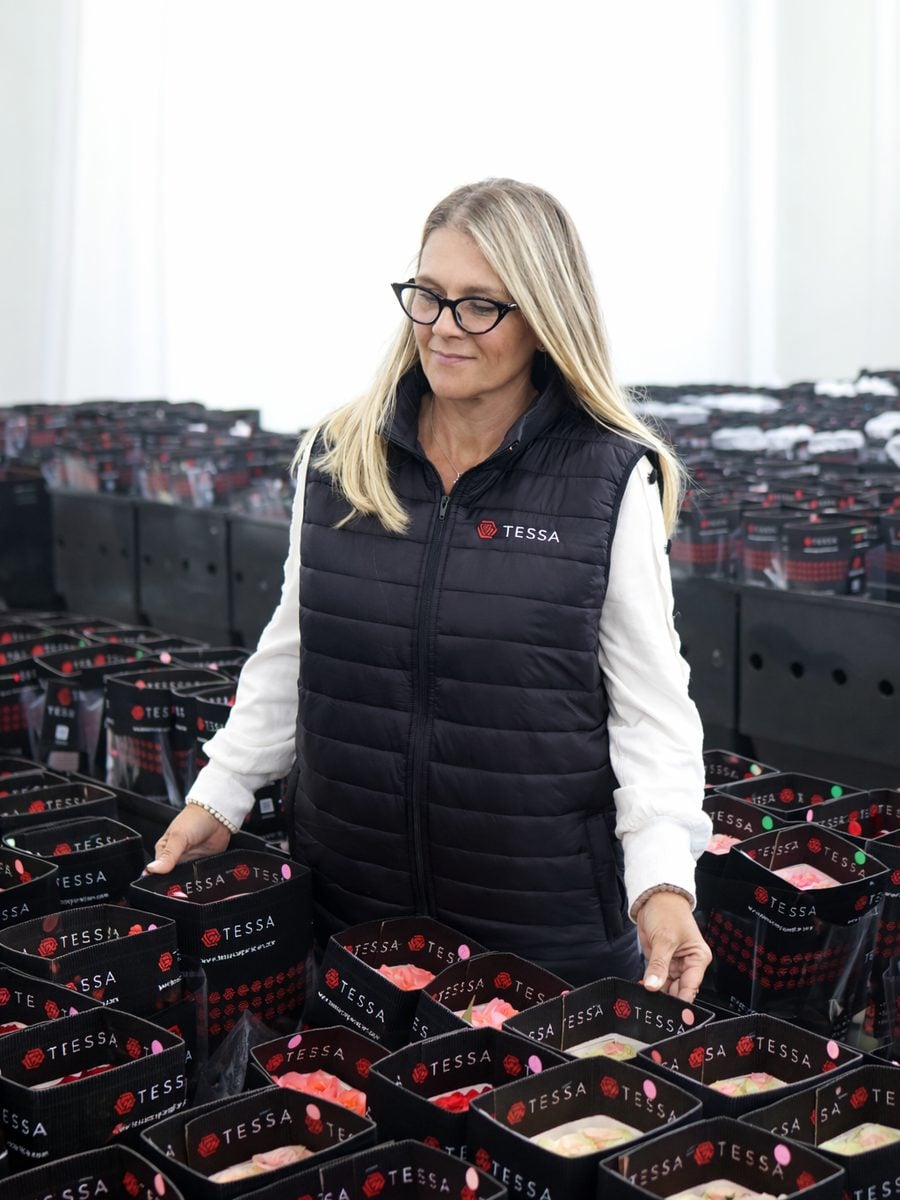
Jena Gizerskiy FSMD CFD PFCI is Commercial Strategy Manager at Tessa. Read more about her in 10 Questions to Jena Gizerskiy.
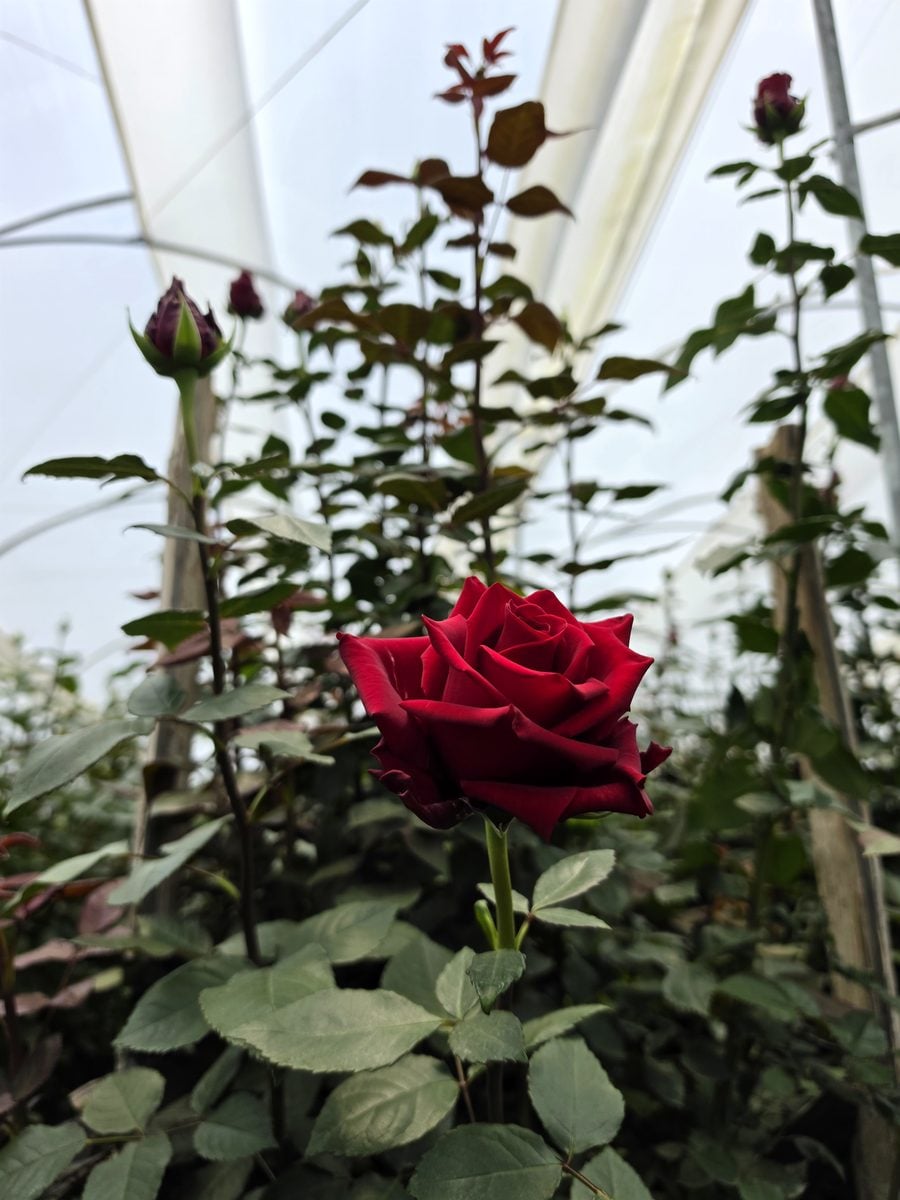
Featured image: a red rose in a greenhouse in Ecuador, photo by Jena Gizerskiy. Header image: Jena Gizerskiy among white roses in a greenhouse at Tessa, photo by Tessa.