For a long time, organically grown cut flowers were mainly something you found at specialist growers, farmers' markets, or through florists who deliberately searched for them. That picture is starting to change. This summer, Lidl became the first large supermarket chain in the Netherlands to introduce organic bouquets on a larger scale, selling Dutch-grown organic flowers during July and August. For me, that is an important signal: organic flowers are moving closer to the mainstream consumer.
And Lidl is not the only supermarket taking this direction. Ekoplaza has now introduced organic ornamental flowers from six certified Dutch growers. I am proud to be one of them. And I'll explain why I am happy with this development.
Organic Growing Follows a Different Rhythm
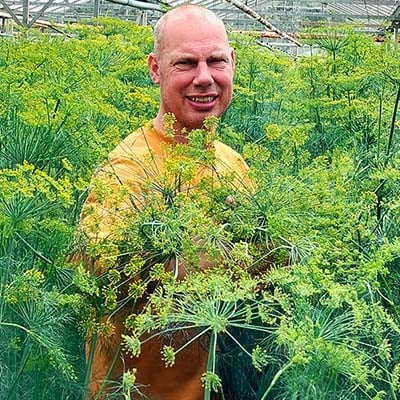
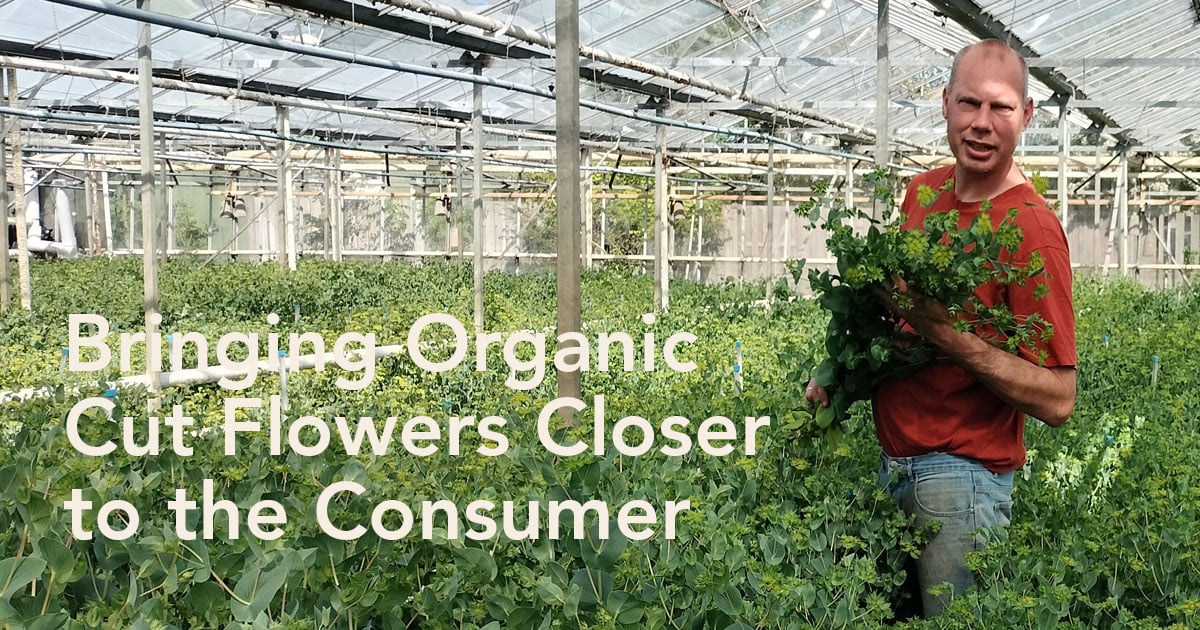
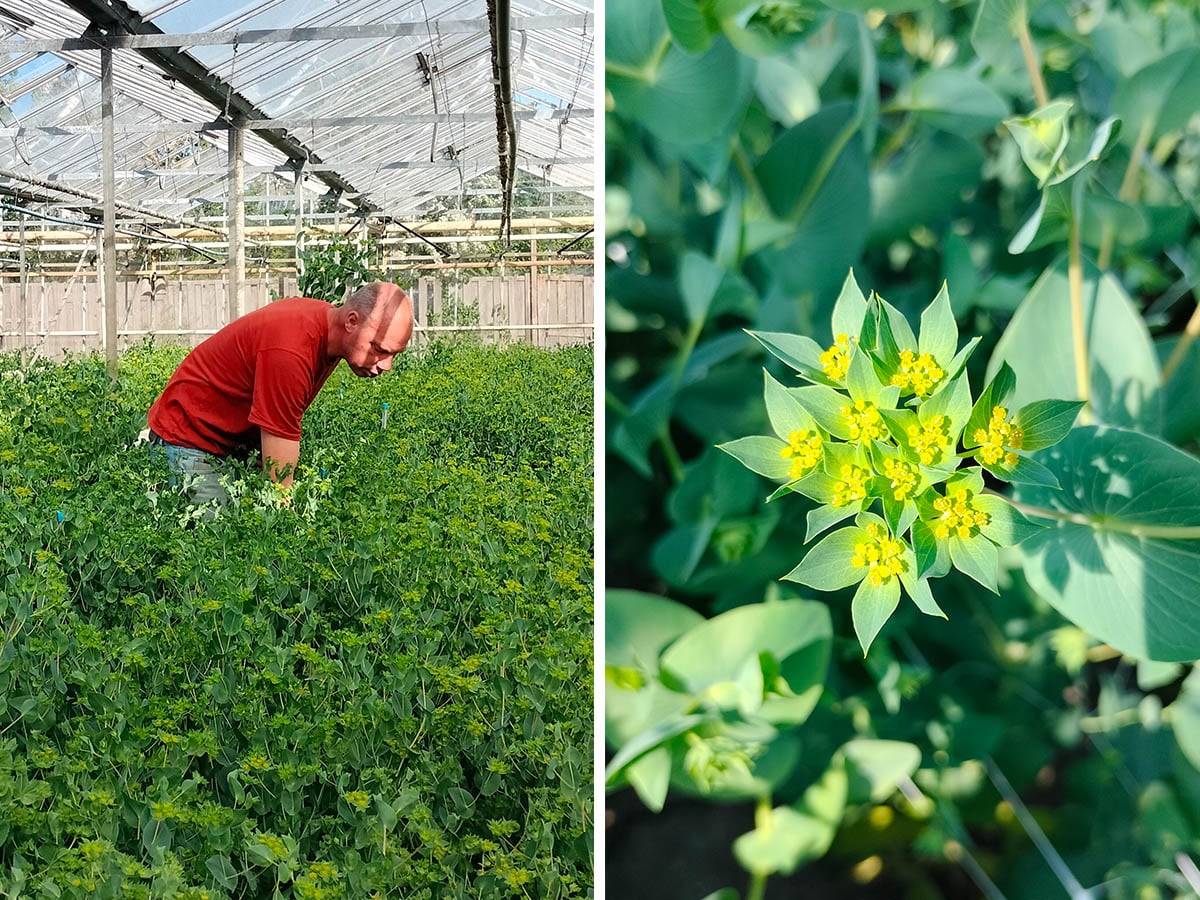
At my nursery in Maarssen, near Utrecht in the center of the Netherlands, I work with the seasons rather than trying to control them completely. My greenhouse is a cold greenhouse, which means I do not heat it during autumn and winter.
The protection of the glass gives the plants a little help, so flowering can start slightly earlier than outdoors and the season can continue a little longer, but nature still determines most of the rhythm.
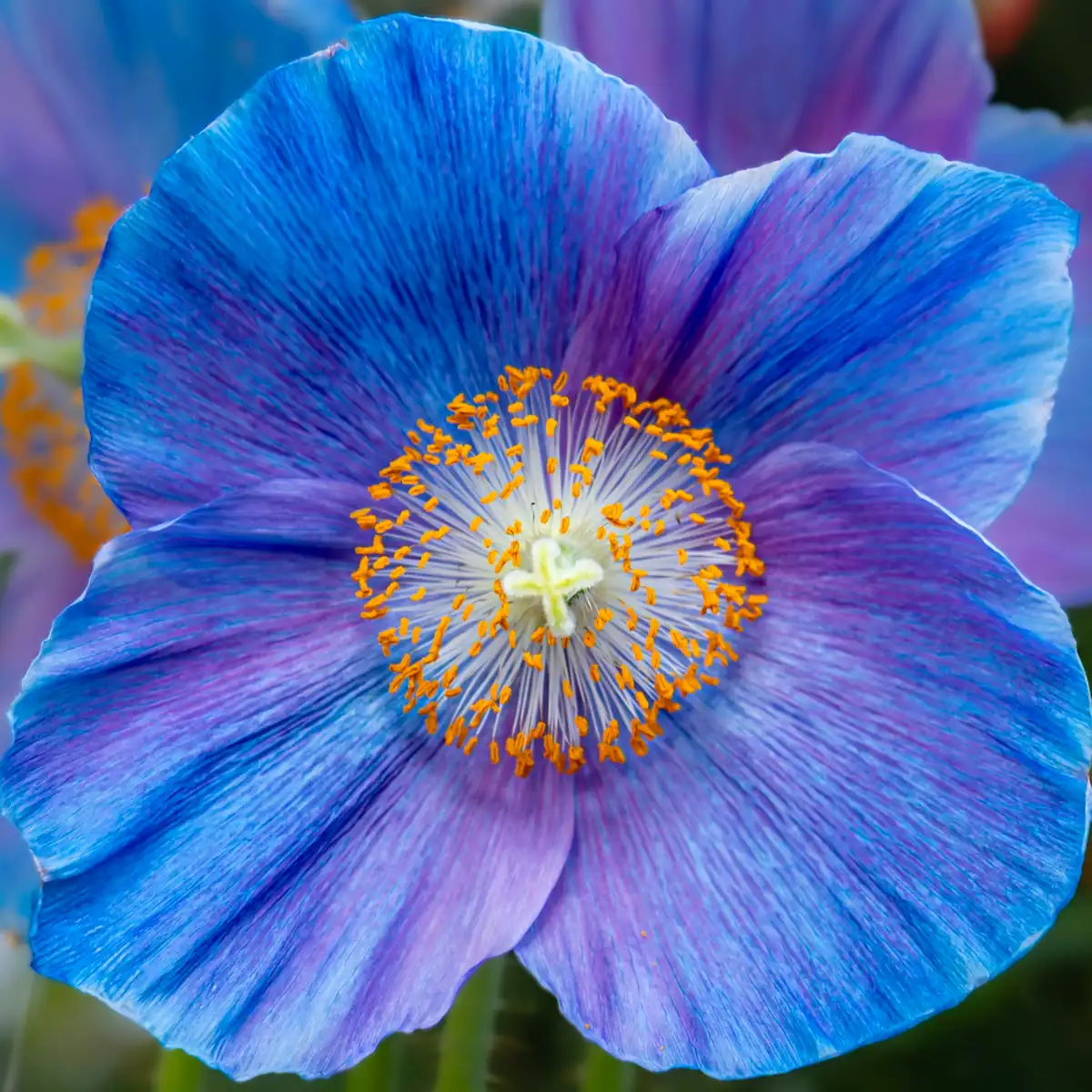
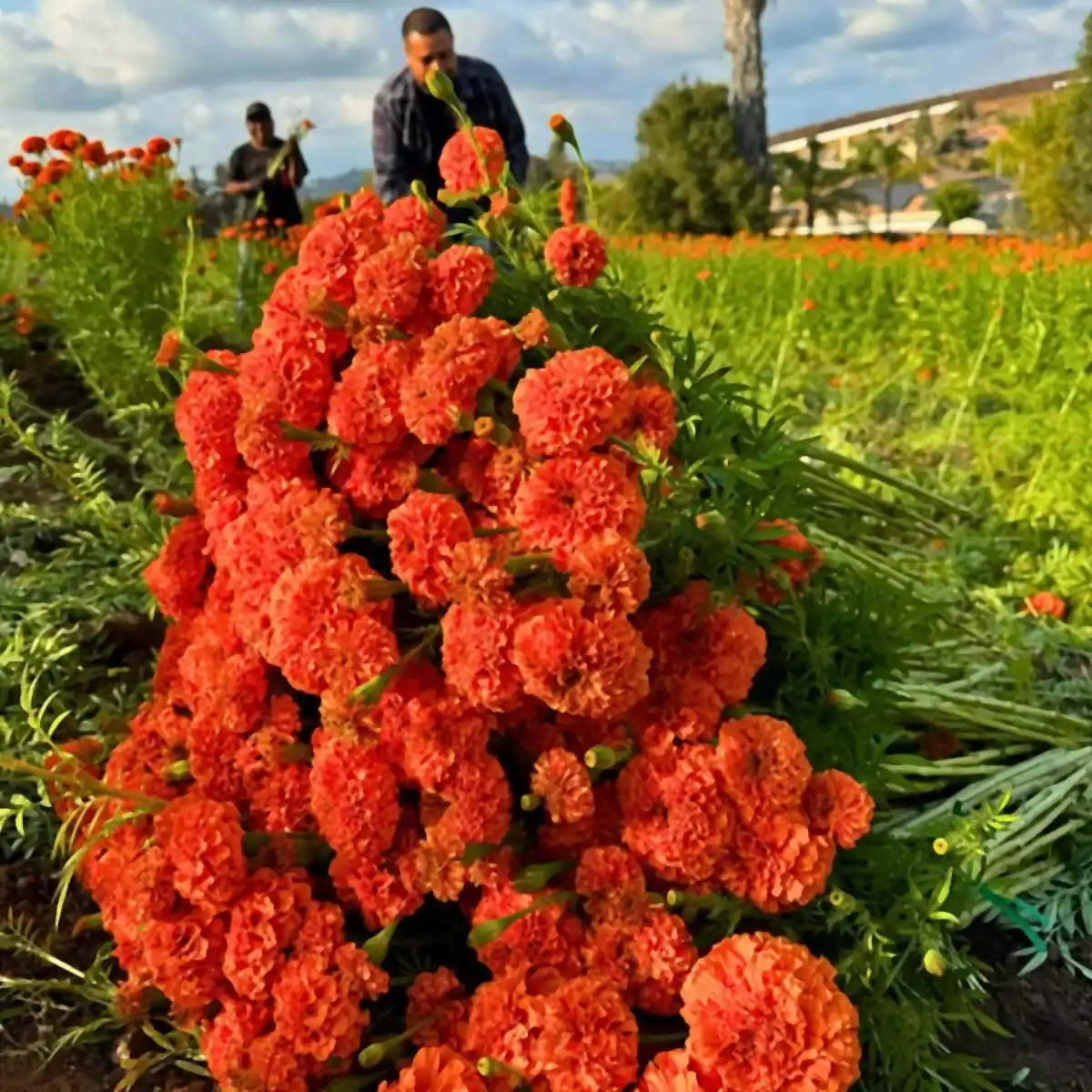
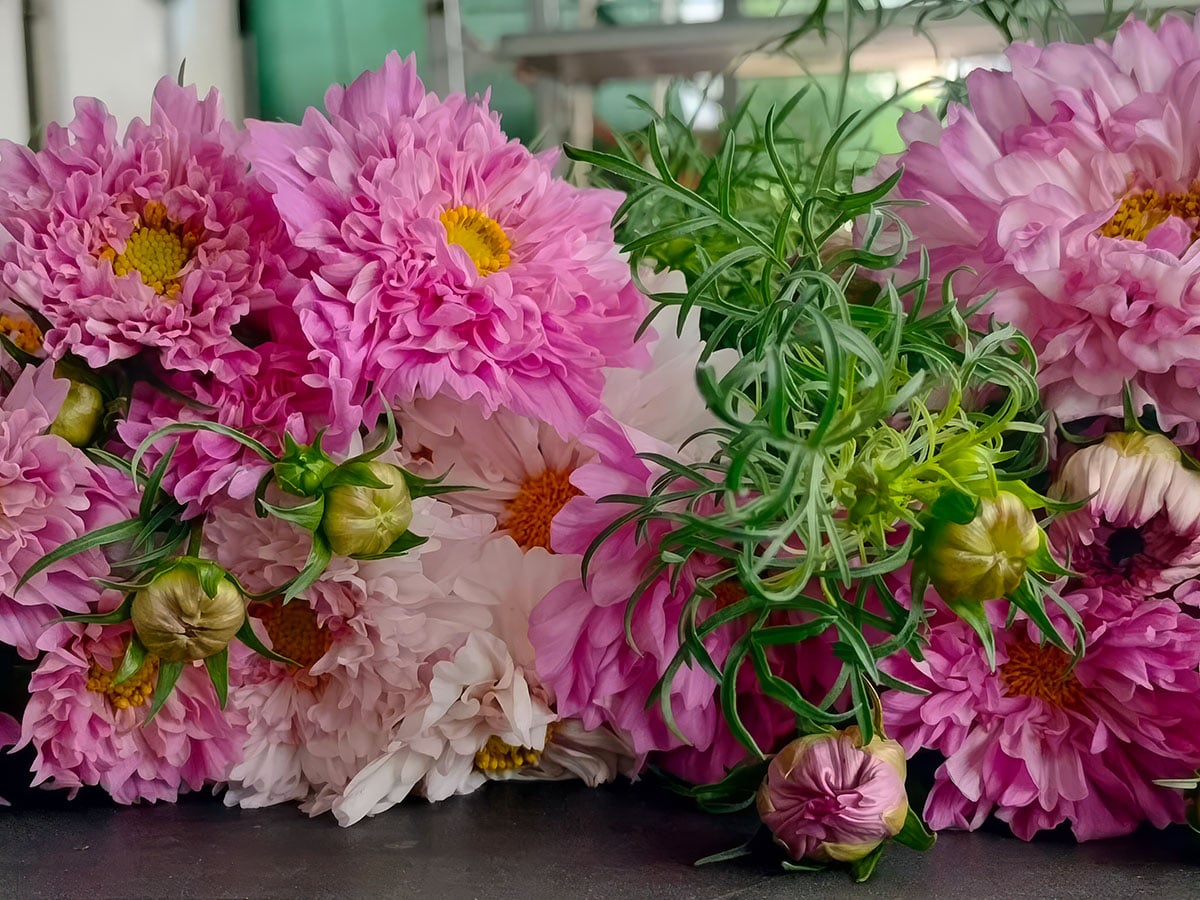
I grow seasonal flowers including Papaver, Anethum, Veronica, Zinnia, Tagetes, Cosmos, and Helianthus. For me, growing organically is not simply about leaving out a few products. It starts with the soil.
After a crop, the soil gets time to recover. I use green manure crops to feed and support soil life and to keep the ground productive. I do not use chemical pesticides or artificial fertilizers. Water comes from surface water in the immediate surroundings, while solar panels provide the energy I need.
I also deliberately work on a relatively small scale and do the work myself, from preparing the soil to harvesting. That gives me control over when flowers are cut and allows me to concentrate on quality rather than simply producing as many stems as possible.
Supermarkets Can Make Organic Flowers More Visible
What makes the recent developments at Lidl and Ekoplaza interesting is their scale. A supermarket can put organically grown flowers in front of consumers who may never have actively searched for them.
Ekoplaza is taking this another step by working with a fixed group of six certified Dutch growers. The supermarket says its bouquets will change with the seasons, depending on what is naturally available. Customers will also be able to trace a bouquet back to its grower through a QR code on the packaging. Ekoplaza already sold my organic sunflowers last year, so it is good to see this cooperation developing further.
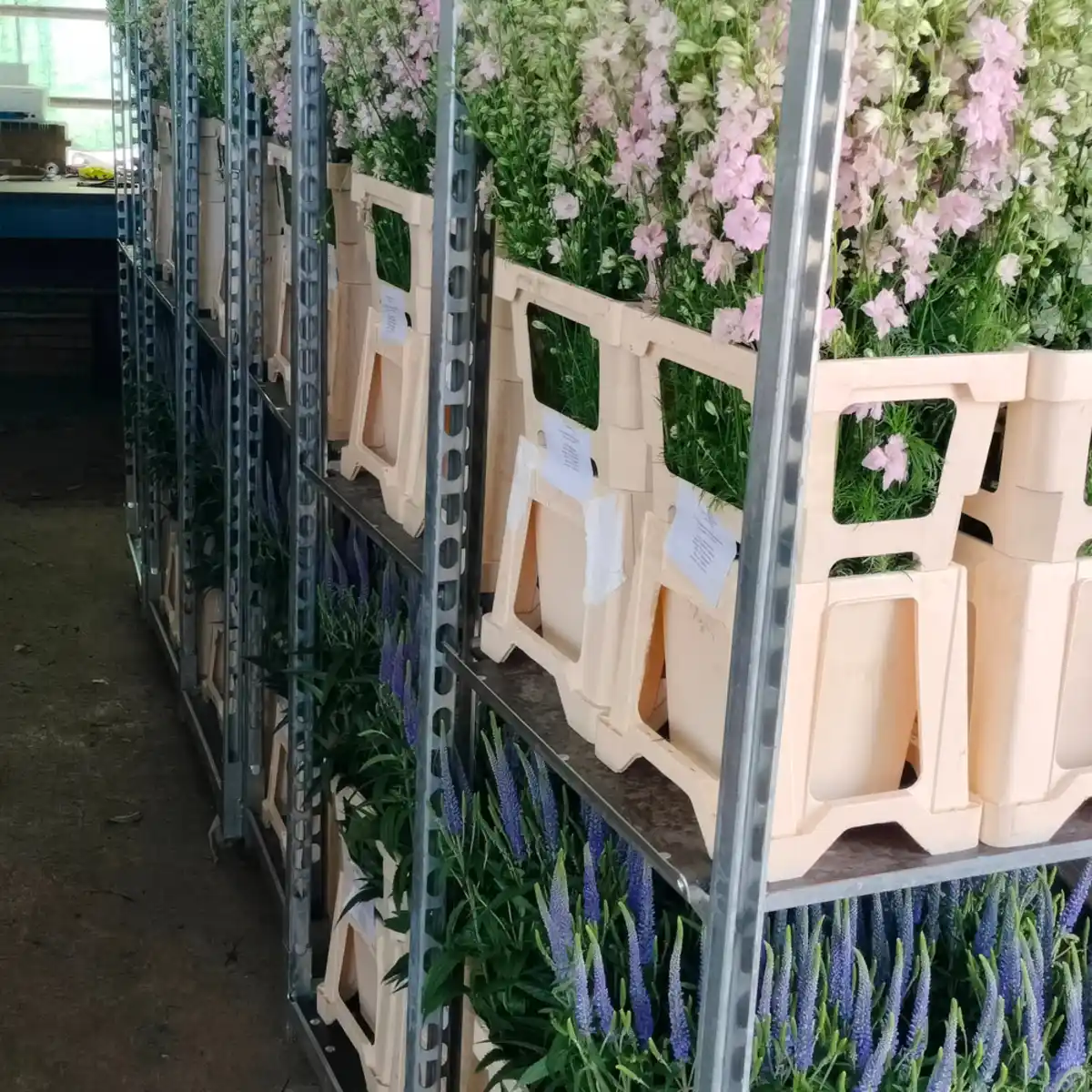
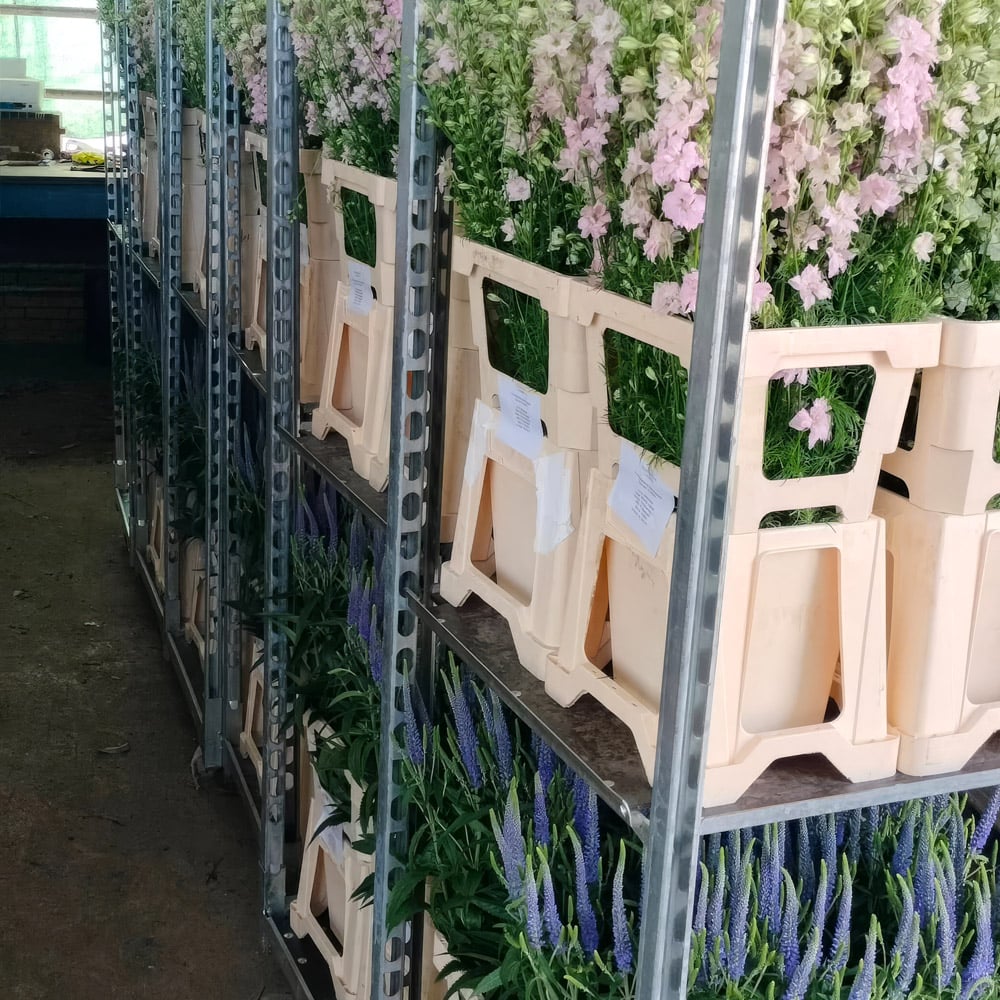
The flowers for Ekoplaza will be handled by Hoorn Bloommasters. Their role is important because organic certification does not stop at the nursery gate. Hoorn Bloommasters is Skal-certified for organic flower processing and keeps organic and conventional production separated in its operation.
Growing the Market Together
There is still a challenge. Demand for organic flowers is increasing, but the supply cannot expand overnight. Growers, processors, and retailers need to build this chain together.
For growers, supermarket commitment can make a real difference. Organic cultivation requires another way of working, and seasonal production cannot simply be switched on whenever demand rises. A retailer that is willing to work with the seasons and build longer-term relationships gives growers more confidence to continue investing in organic production.
I think that is where the real significance of these supermarket initiatives lies. It is not only about putting another bouquet on the shelf. It shows consumers that flowers can be grown differently, while giving organic growers a larger and more reliable market.
And when more people can simply pick up an organic bouquet while doing their groceries, organic flowers become a little less niche and a little more normal.