Walk through a flower market almost anywhere in the world, and something in it started in Mexico. Mexican flowers are everywhere: the Dahlia in a wedding bouquet, the Cosmos in a cottage border, the Zinnia in a farmers' market bucket, the marigold on a Día de Muertos altar, and the tuberose in a bottle of perfume. Most of these flowers from Mexico left the country centuries ago. So which native Mexican flowers should you know by name, and which are the flowers of the Day of the Dead? Below are ten of them, with the names they carry in Mexico and the growers and florists who work with them now. After the list come the flowers of the Día de Muertos altar, four Mexican studios Thursd has interviewed, and the Mexican flowers that grow easily in a garden.
The list could be much longer. Mexico counts 23,314 native species of vascular plants, and about half of them grow nowhere else, according to a 2016 inventory by the botanist José Luis Villaseñor. That puts Mexico fourth in the world for plant species.
Native Mexican Flowers: 10 Names to Know
Each of these ten is native to Mexico, even when its wide range also reaches into Central America or the United States. Where a flower has a Nahuatl or Spanish name that is still used in Mexico, you will find it here too.
Cempasúchil, the Mexican Marigold (Tagetes Erecta)
The orange marigold of the Día de Muertos altars is Tagetes erecta, known in Mexico as cempasúchil. The name comes from the Nahuatl cempōhualxōchitl, twenty flowers or many flowers, for its crowded petals. Its English nickname, African marigold, is a centuries-old mix-up, because the species is native to Mexico and Central America. Mexico still grows it in the fields for the first two days of November. In 2024, the country harvested 20,659 metric tons (about 22,800 US tons) of cempasúchil for cut flowers on 2,203 hectares (about 5,440 acres), mostly in Puebla, Hidalgo, and Oaxaca, according to Mexico's agriculture ministry. Thursd walked through the marigold fields of Puebla, where the seed goes in from mid-July so the harvest is ready in October. For what the flower means in other cultures, read the marigold's meanings, types, and how to grow them.

Dahlia, the National Flower of Mexico
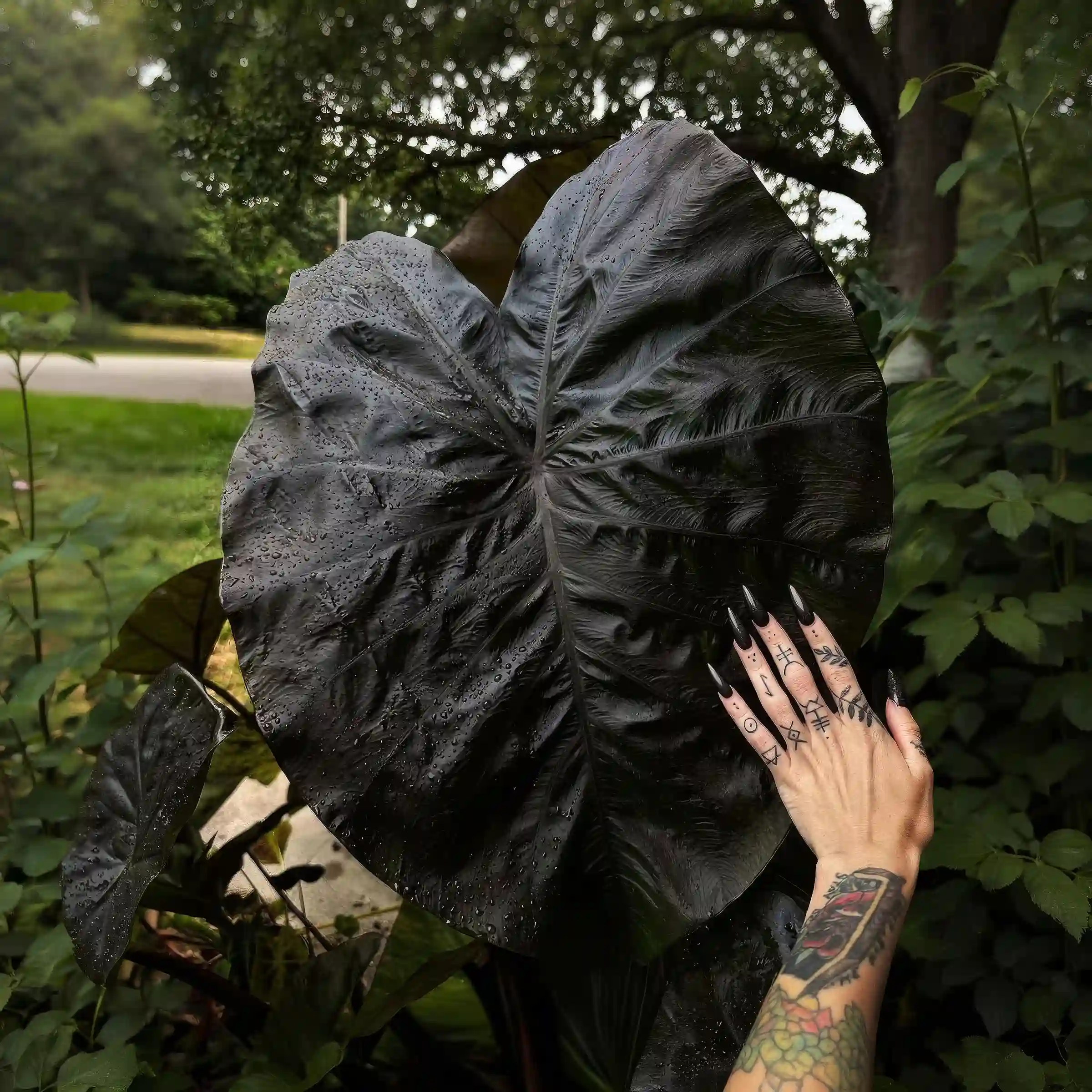
The Dahlia grows wild in the highlands of Mexico and Central America. On May 13, 1963, a decree in Mexico's official gazette declared the Dahlia, in all its species and varieties, the symbol of the country's floriculture, and that is why it is known as the national flower. The whole story, from Aztec gardens to Victorian show benches, is in Thursd's piece on the Dahlia as the national flower of Mexico. For a florist, what matters is how far this Mexican flower has traveled since. Breeders have turned a few wild species into every form from tight pompons to dinner plates, and Thursd followed a new variety from the hybridizer to the grower. The Dahlias that read almost black, a favorite for autumn and Halloween work, have their own guide to black Dahlia flowers, their meaning, and how to grow them.

Poinsettia, or Cuetlaxóchitl (Euphorbia Pulcherrima)
The Christmas plant sold by the million every December is a Mexican shrub. In the wild, it grows in the dry forests of the Pacific slope, from northwestern Mexico down to southern Guatemala, and the plants in living rooms trace back to northern Guerrero, around Taxco. There it can grow into a woody shrub about 3 meters (10 feet) tall. The Aztecs called it cuetlaxóchitl, and in Mexico it is the flor de Nochebuena, the Christmas Eve flower. Mexico still grows it in huge numbers: in 2024, the five biggest producing states alone raised more than 28 million plants, led by Michoacán and Morelos. Its English name comes from Joel Roberts Poinsett, the first US minister to Mexico, who sent plants to his home in Greenville, South Carolina, in the 1820s. The US marks National Poinsettia Day on December 12, the day he died in 1851. And the red is not the flower. Those colored leaves are bracts, and the real flowers are the small yellow-green buttons in the middle. Read how the Poinsettia became part of Christmas, what the Poinsettia means, and how to keep a Poinsettia alive through the holidays.

Cosmos (Cosmos Bipinnatus)
Mexico is the center of diversity for the whole Cosmos genus, and the garden Cosmos is native there. The Spanish botanist Antonio José Cavanilles named the genus in 1791, from the Greek kosmos, an ordered universe or an ornament. In a garden, it is the easy one. Sow it after the last frost in full sun and poor soil; skip the fertilizer, and it flowers until the first frost and often seeds itself for next year. Cosmos is also one of the two October birth flowers, next to the marigold, and Thursd's Cosmos guide covers its meaning and the three species worth knowing.

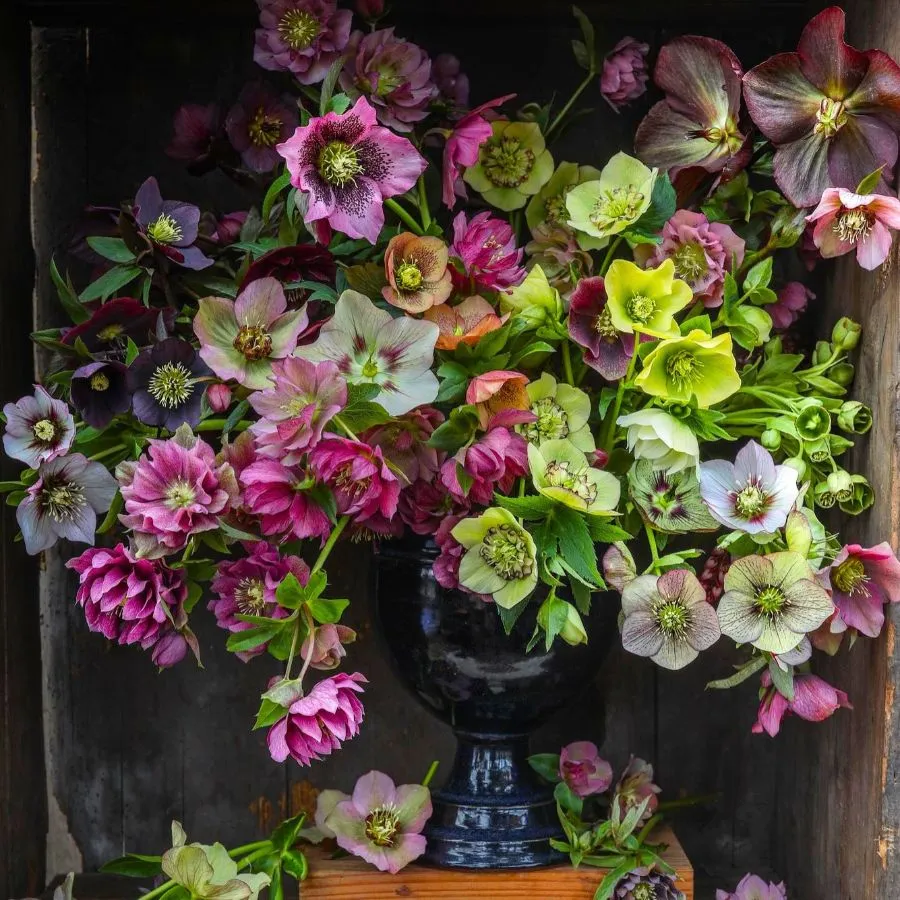
Chocolate Cosmos (Cosmos Atrosanguineus)
The darkest flower on this list has the strangest story. Chocolate Cosmos was described from a plant collected in Hidalgo in 1860, and for a long time it was believed to be extinct in the wild. Then a research project in 2014 confirmed wild populations in pine and oak forests between 1,800 and 2,450 meters (about 5,900 to 8,000 feet), in Guanajuato, Querétaro, and San Luis Potosí. It really does smell of chocolate, and its maroon flowers look almost black at dusk. That makes it a natural pick for dark bouquets in late October, and it made Thursd's list of the 15 best black flowers. As a cut flower, it is grown by Gia Flowers, and you will find it on Thursd as Cosmos Chocolate.

Tuberose (Polianthes Tuberosa)
Tuberose is a Mexican bulb that was grown for its scent long before perfumers made it famous, and botanists now also file it under Agave, as Agave amica. In Mexico, it goes by many names. Nardo is the one you will hear at a market, and the older ones are flor de hueso and omixóchitl, which both mean bone flower, for the waxy white petals. The scent peaks at night, so a few stems will fill a room after dark. For cut tuberose, Marginpar grows several varieties, among them the blush-tinted Polianthes Elle Pink, and Thursd has tips on getting the most out of Polianthes tuberosa in a vase.

Zinnia (Zinnia Elegans)
Zinnia elegans comes from Mexico, and the genus carries the name of the German botanist Johann Gottfried Zinn. It is one of the easiest cut flowers to grow from seed. Sow it into warm soil after the last frost, cut it often, and it keeps flowering until autumn. It has even flowered in orbit. In January 2016, astronaut Scott Kelly shared photos of a blooming Zinnia from Veggie, the plant growth system on the International Space Station, and NASA called it the first flower grown there. On the trade side, Dutch grower Maurits Keppel brought Zinnias back to the auction clocks, with varieties such as Zinnia Zinderella Orange and Zinnia Queen Lime.

Bouvardia
Bouvardia is a genus of about 57 species that grow wild from Arizona, New Mexico, and Texas through Mexico to Central America, with clusters of small, tubular flowers in white, pink, and red. It is named after Charles Bouvard, physician to King Louis XIII of France and one of the men behind the royal garden in Paris that later became the Jardin des Plantes. Today, it is a year-round cut flower from the Netherlands, grown by specialists such as Borgijink Bouvardia and Vreeken Bouvardia, and florists use its star-shaped flowers to soften bridal work and bouquets.

Mexican Hat (Ratibida Columnifera)
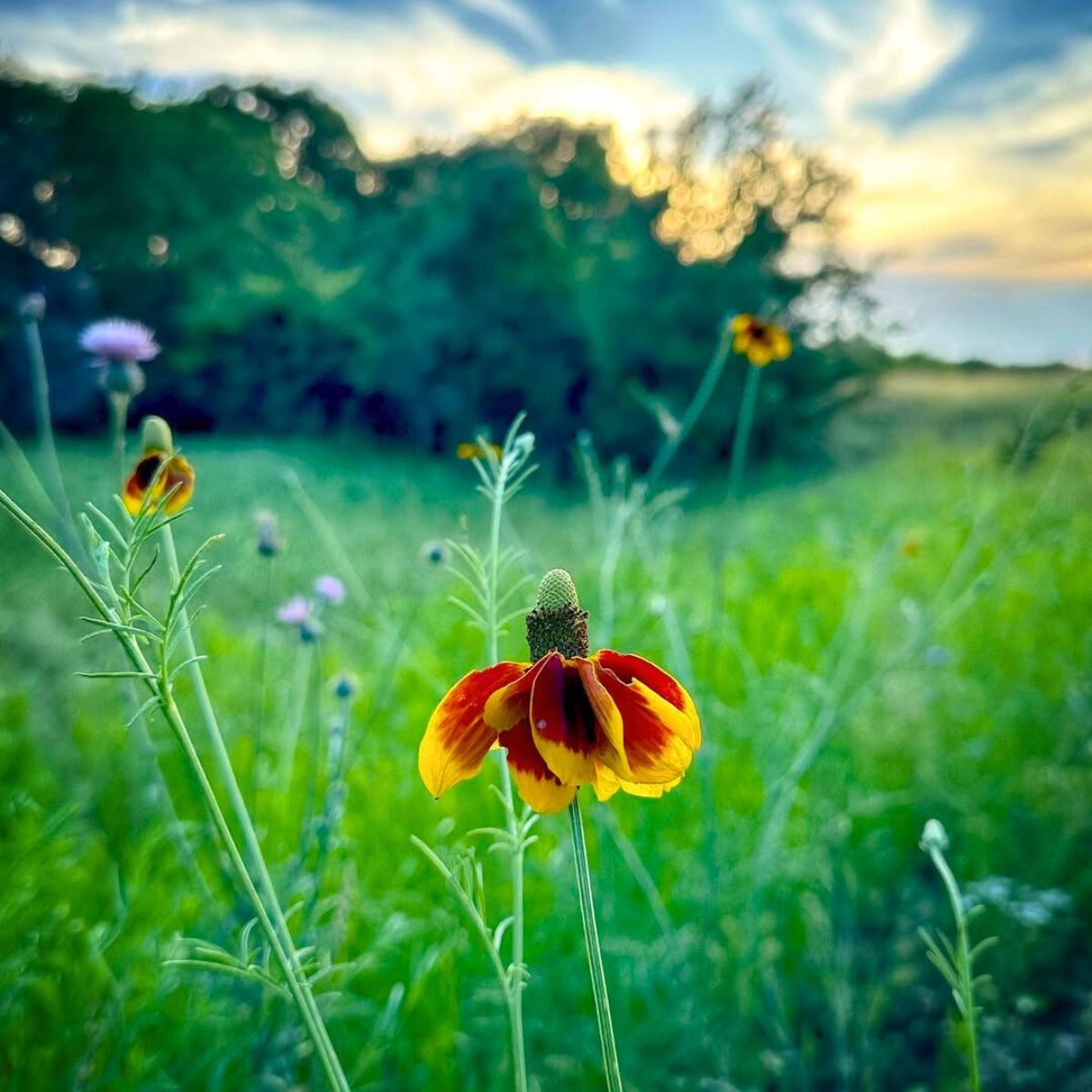
The Mexican hat is named for its shape: a tall cone at the center with red and yellow petals hanging down like the brim of a sombrero. It is a prairie wildflower that ranges from Alberta in Canada south through the Great Plains into Mexico, so it is as much at home in Texas as it is south of the border. It shrugs off drought and poor soil, and it reseeds freely, which makes it one of the easiest wildflowers for a dry, sunny spot. Thursd's Mexican hat flower care guide covers sowing, soil, and why it hates wet feet.
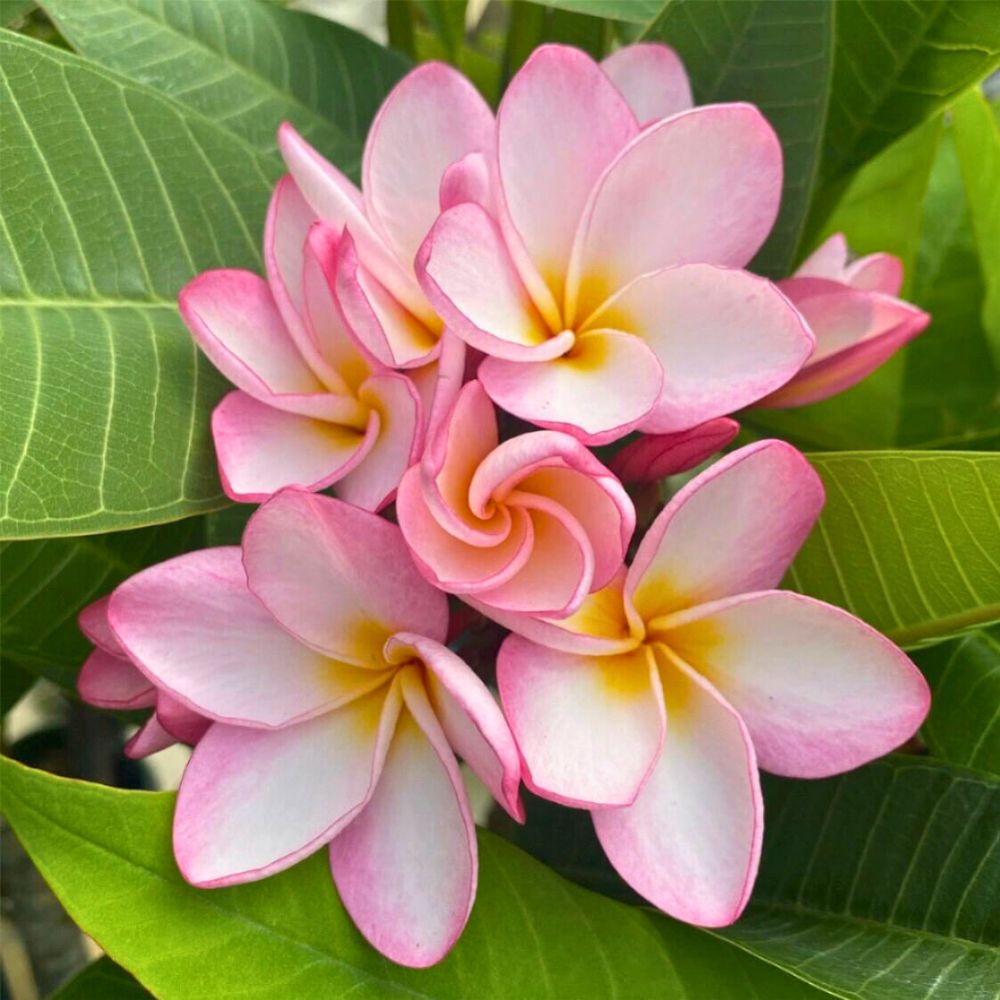
Plumeria, or Cacaloxóchitl (Plumeria Rubra)
Plumeria, also called frangipani, is native to Mexico through Central America to Colombia and Venezuela, and its Nahuatl name, cacaloxóchitl, means crow flower. Most people now connect it with Hawaii and Bali, but it traveled there from the Americas. In colder climates, it is grown as a pot plant that spends the winter indoors. Thursd's piece on Plumeria flower meaning explains what it stands for from Hawaii to Indonesia.
Which Flowers Are Used for the Day of the Dead?
Día de Muertos is celebrated on November 1 and 2, and UNESCO has listed the Indigenous festivity dedicated to the dead as intangible cultural heritage since 2008. Families build an ofrenda, an altar with photographs, candles, water, bread of the dead, and the favorite food and drink of the people they remember. The flower that ties it all together is cempasúchil, the best-known of all Mexican flowers. Its color and scent are believed to guide the souls home, and families lay its petals, with candles and offerings, along the path from the cemetery to the house.
Cempasúchil is the most popular altar flower, but not the only one. Mexico's agriculture ministry lists nube, also called velo de novia (baby's breath), which goes on the altars for children, and terciopelo, the velvety cockscomb (Celosia) that Mexicans also call cresta de gallo and mano de león. Carnations, Chrysanthemums, and stock (alhelí) are on its list too. For the whole celebration, from its Aztec roots to the Catrinas, read Thursd's guide to Day of the Dead flowers and what each one means and the story of why marigold is the one flower for Día de Muertos. Thursd also has a guide to growing and designing with Celosia. All Saints' Day falls on November 1 too, and Thursd covers its traditions and memorial flowers too. Romanian designer Claudia Tararache once built a Halloween design inspired by Día de Muertos, which shows how easily the two traditions meet in one arrangement.

Mexican Florists Who Work With Local Flowers
Thursd has interviewed four Mexican studios, and they share one habit: they work with what grows around them.
In Mexico City and San José del Cabo, Casa Selva, founded in 2017, makes each arrangement on the spot, depending on the flowers the team finds at the market that day. The name means jungle house, and the studio works with local growers and seasonal flowers whenever it can.

In Guadalajara, Valeria Navarro founded Flor de Barrio in 2016 around regional materials and the rhythm of the seasons. The studio's mantra fits this whole list: "May you always find flowers."
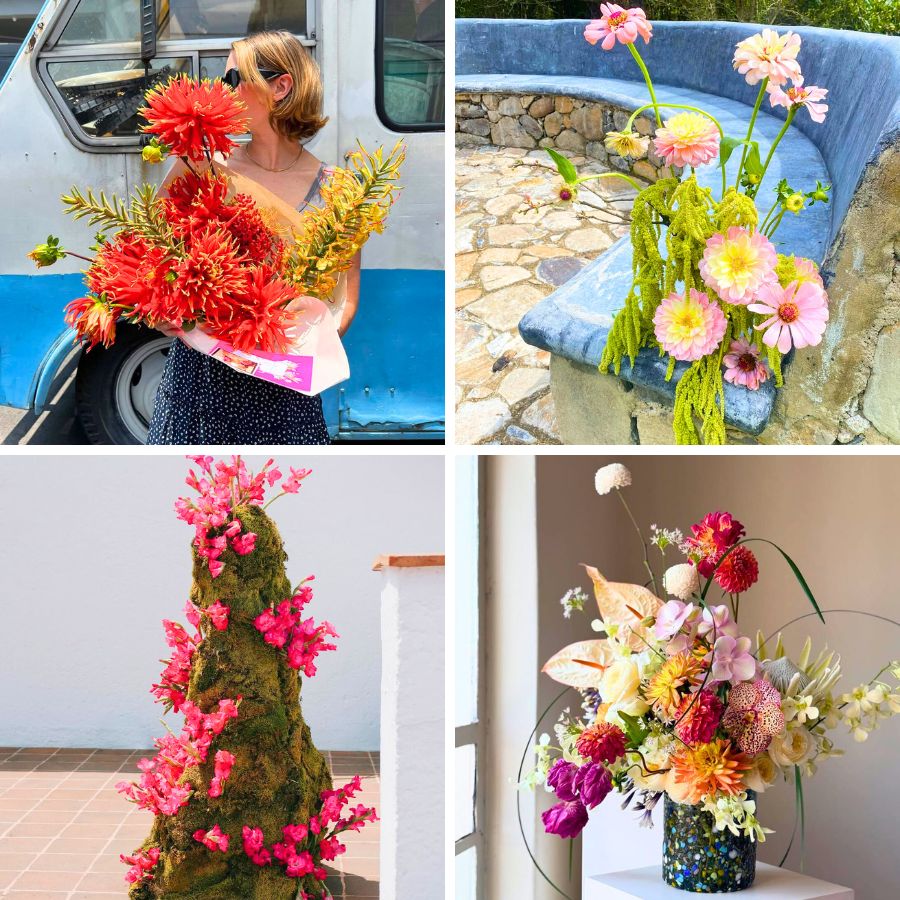
Pilar Fuentes of Las Floristas MX turned her own fight with cancer into Flower House Mexico, a charity that offers free floral therapy sessions to people with cancer and runs a yearly three-day design workshop. The 2024 edition was held in Puebla, the state of the marigold fields. "I would love to give back to the hospital in Mexico City that took care of me when I battled cancer," she told Thursd.

And in Michoacán, Paola Mendoza and Rolando Torres started Carlota Flower Lab in the laundry room of their home. Since their first workshop in Mexico City in November 2018, they have taught about 4,000 people, and they later brought Kiana Underwood of Tulipina to Mexico City for a three-day masterclass. "Our greatest purpose at Carlota Flower Lab is to show that Latin American talent has a place in the global conversation of floral design," they told Thursd.
Mexican Flowers for a Garden
Most Mexican flowers want sun and warmth, and they sulk in soil that stays wet. The easiest ones start from seed, and the tender ones only need a plan for winter. The hardiness zones below are the USDA zones given by North Carolina State University's extension service.
| Flower | How to grow it | Winter |
|---|---|---|
| Cempasúchil Tagetes erecta |
Annual from seed, full sun or light afternoon shade | Grown as an annual everywhere |
| Cosmos Cosmos bipinnatus |
Annual from seed after the last frost, full sun, poor soil is fine | Dies with the frost, often reseeds |
| Zinnia Zinnia elegans |
Annual from seed after the last frost, full sun, soil that drains | Dies with the frost |
| Dahlia Dahlia |
Tubers, full sun to part shade, moist soil that drains | Zones 7a to 10b with a winter mulch; in colder zones, lift the tubers in fall |
| Tuberose Polianthes tuberosa |
Bulbs, full sun, let the soil dry a little between waterings | Zones 8a to 10b; in colder zones, lift and store dry |
| Chocolate Cosmos Cosmos atrosanguineus |
Tuberous perennial, full sun, soil that drains | Tender: lift and keep it frost-free over winter |
| Mexican hat Ratibida columnifera |
Perennial from seed, full sun, dry and poor soil | Zones 4a to 9b |
| Poinsettia Euphorbia pulcherrima |
A shrub in the ground where it is warm, a pot plant everywhere else | Outdoors only in zones 9a to 11b |
Two more Mexican natives are worth a sunny corner. The tiger flower (Tigridia pavonia), oceloxóchitl in Nahuatl, grows from a bulb and opens spotted flowers that last a single day each. The Spanish physician Francisco Hernández recorded it in the 1500s as a food and a fever remedy. Mexican bush sage (Salvia leucantha) gives soft purple spikes in late summer and autumn, and it comes from the world's main center of sage diversity: Mexico has about 300 Salvia species, most of them found nowhere else.
Start with a packet of Cosmos and one of Zinnia next spring, the two easiest Mexican flowers to grow from seed, and you will be cutting flowers from midsummer until the first frost. And if you are building an ofrenda this autumn, order your cempasúchil early. The season is short, and everyone wants it in the same week.
Sources: José Luis Villaseñor, Checklist of the native vascular plants of Mexico (Revista Mexicana de Biodiversidad, 2016). Diario Oficial de la Federación, May 13, 1963 (the Dahlia decree). Mexico's agriculture ministry (SADER): Cempasúchil, la flor de los veinte pétalos (2018), Cempasúchil: el arte de cultivar tradición y memoria (2025), Nochebuena, tesoro natural de los campos mexicanos (2025), and Colores y símbolos: flores para el altar de Día de Muertos (2025). Trejo and colleagues on the origin of the cultivated Poinsettia (American Journal of Botany, 2012). University of Illinois Extension, Poinsettia and History of Poinsettia. US House of Representatives, History, Art & Archives, Poinsett's Popular Poinsettia. Castro-Castro and colleagues on the genus Cosmos (Botanical Sciences, 2014). Flora of North America, Cosmos. Cambridge University Botanic Garden, Cosmos atrosanguineus. CONABIO, Enciclovida: Nardo (Polianthes tuberosa). UNAM Gran Diccionario Náhuatl, omixochitl and cacaloxochitl. Maiti and Mitra on the night scent of tuberose (Plant and Cell Physiology, 2017). NASA, First Flower Grown in Space Station's Veggie Facility (2016). Botanic Garden and Botanical Museum Berlin, index of eponymic plant names (Bouvardia). Plants of the World Online (Kew), Bouvardia and Plumeria rubra. USDA NRCS, Plant Guide: prairie coneflower. UNESCO, Indigenous festivity dedicated to the dead. Velázquez-López and colleagues on Tigridia (UNAM, 2009). Martínez-Gordillo and colleagues on the Salvia of Mexico (Botanical Sciences, 2017). North Carolina Extension Gardener Plant Toolbox for the hardiness zones: Tagetes erecta, Cosmos bipinnatus, Zinnia elegans, Dahlia, tuberose, Ratibida columnifera, Euphorbia pulcherrima, Tigridia, and Salvia leucantha. The quotes from Pilar Fuentes and Carlota Flower Lab come from their florist specials on Thursd, linked where they appear.
Featured image: freshly cut cempasúchil, photo by Arango Green (@arangogreengrowers). Header image: a field of Zinnias at Maurits Keppel, photo courtesy of Maurits Keppel.