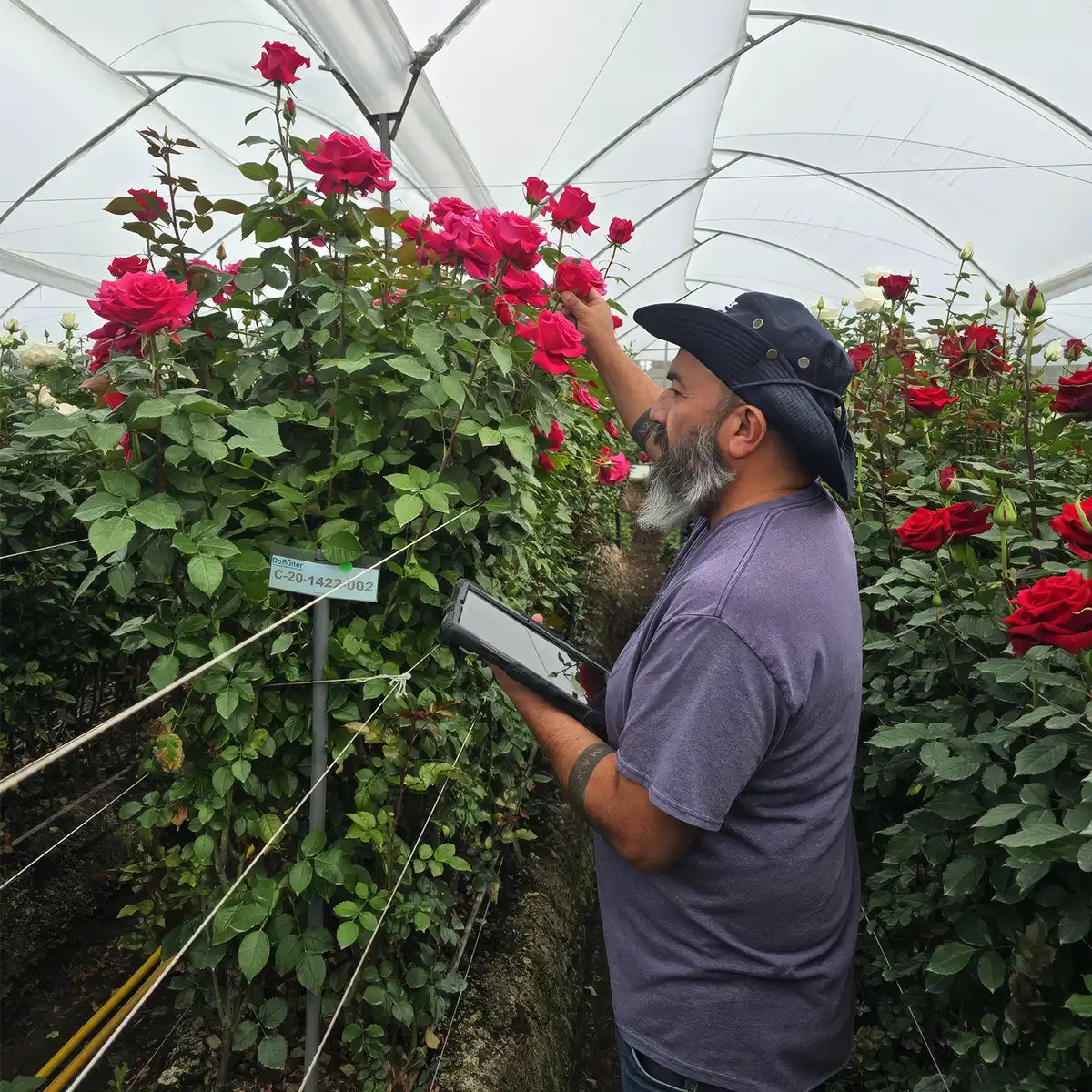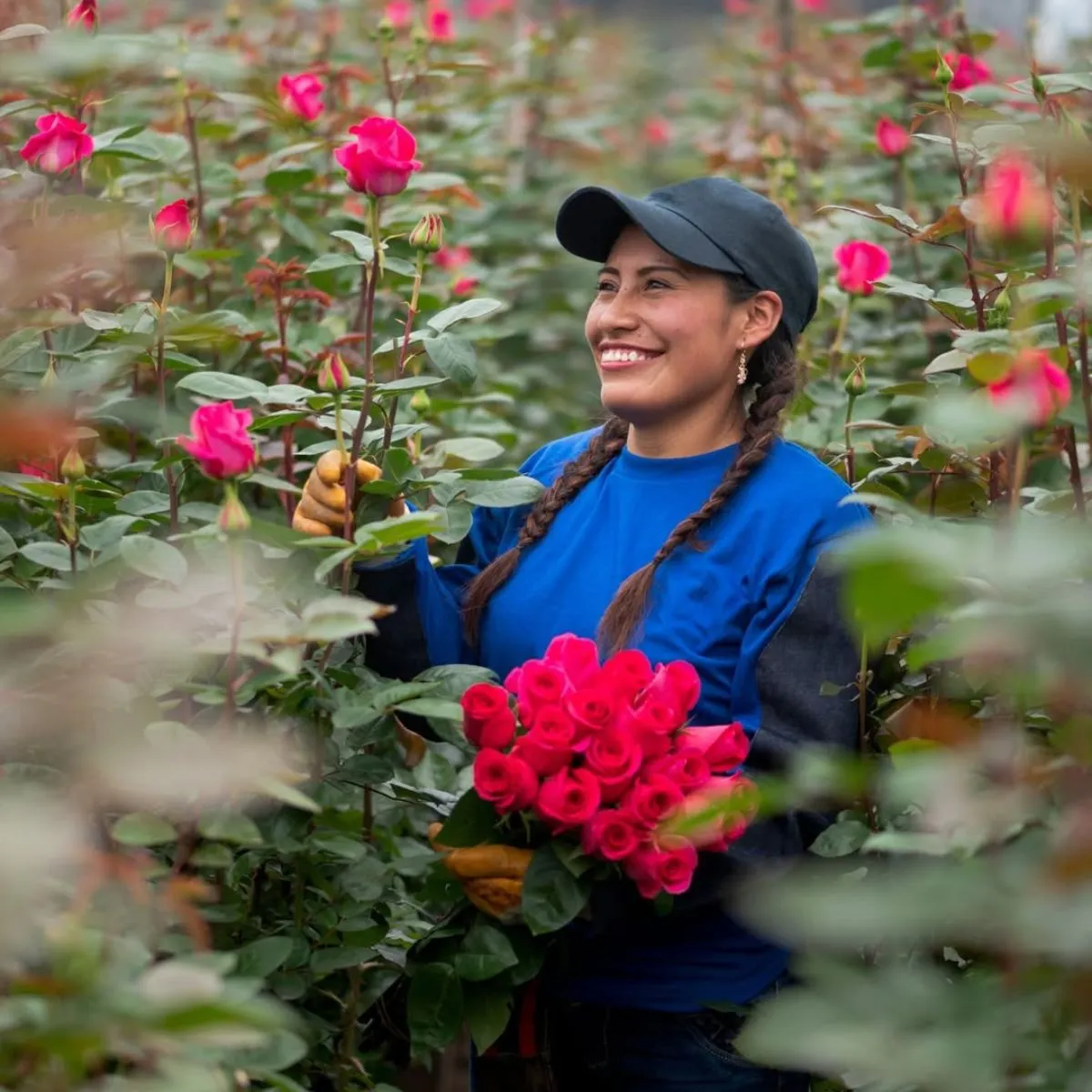

The countdown to Valentine's Day 2026 has already begun in Ecuador. In the country's main flower-growing regions, producers and marketers are working against the clock to ensure that each rose arrives in perfect condition for international markets on the industry's most important date of the year.
Weather Conditions in Ecuador Impact Valentine's Day Production
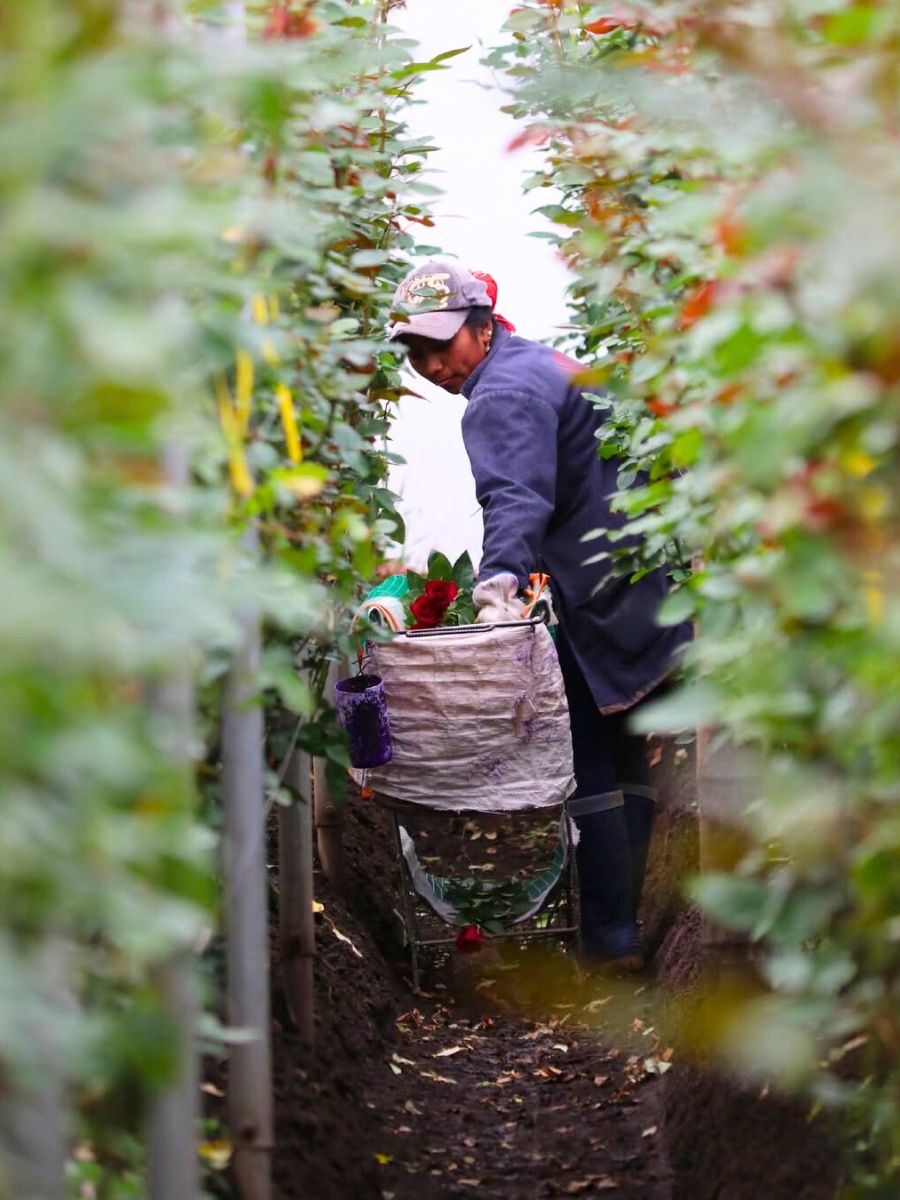
Since December, the weather pattern has been noticeably unpredictable. The weather was abnormally warm from December until the second week of January. But there has been a noticeable cooldown over the past weeks. High temperatures during the first week of January significantly increased output. But due to chilly weather, heavy rains, and humidity, the flowers are now more susceptible to disease, and production slowed down.
"Ecuador, specifically the Cayambe area, has experienced the worst weather in a decade in January. 3x more rain than usual compared to the average."
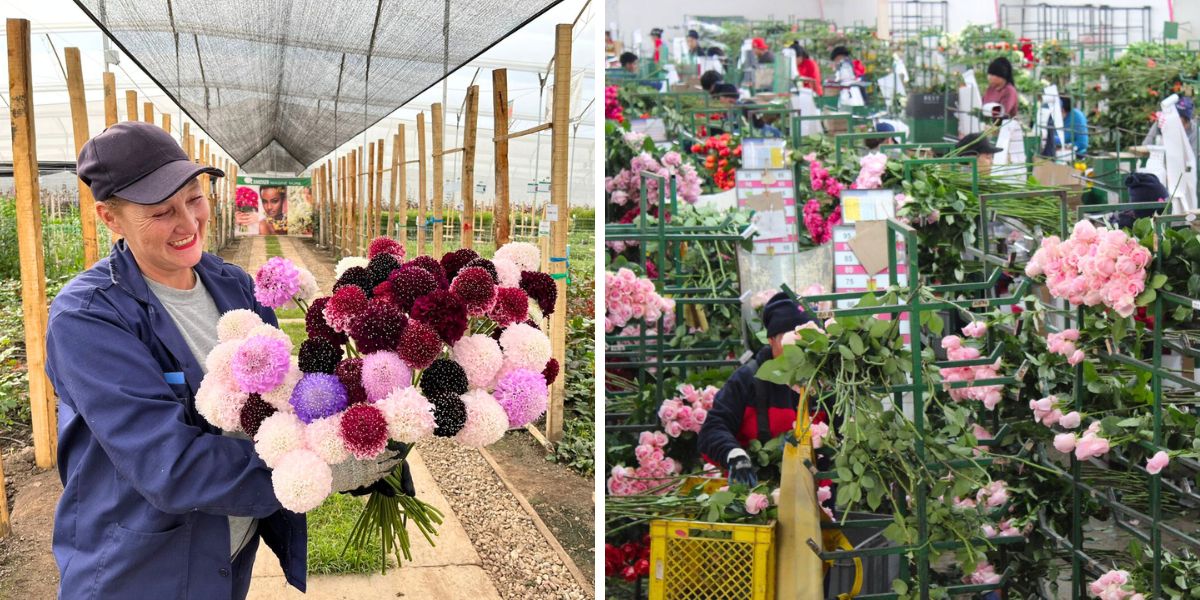
The past month has brought diverse news from the crops. In Cayambe, one of the main production areas, daytime temperatures have averaged 17 degrees Celsius, while nighttime temperatures dropped to -0.8 degrees Celsius. Meanwhile, in Cotopaxi, average daytime temperatures were 14.6 degrees, with lows of -1.8 degrees at night. As a farm manager told us:
"The near-freezing evening temperatures are not beneficial to the crops."
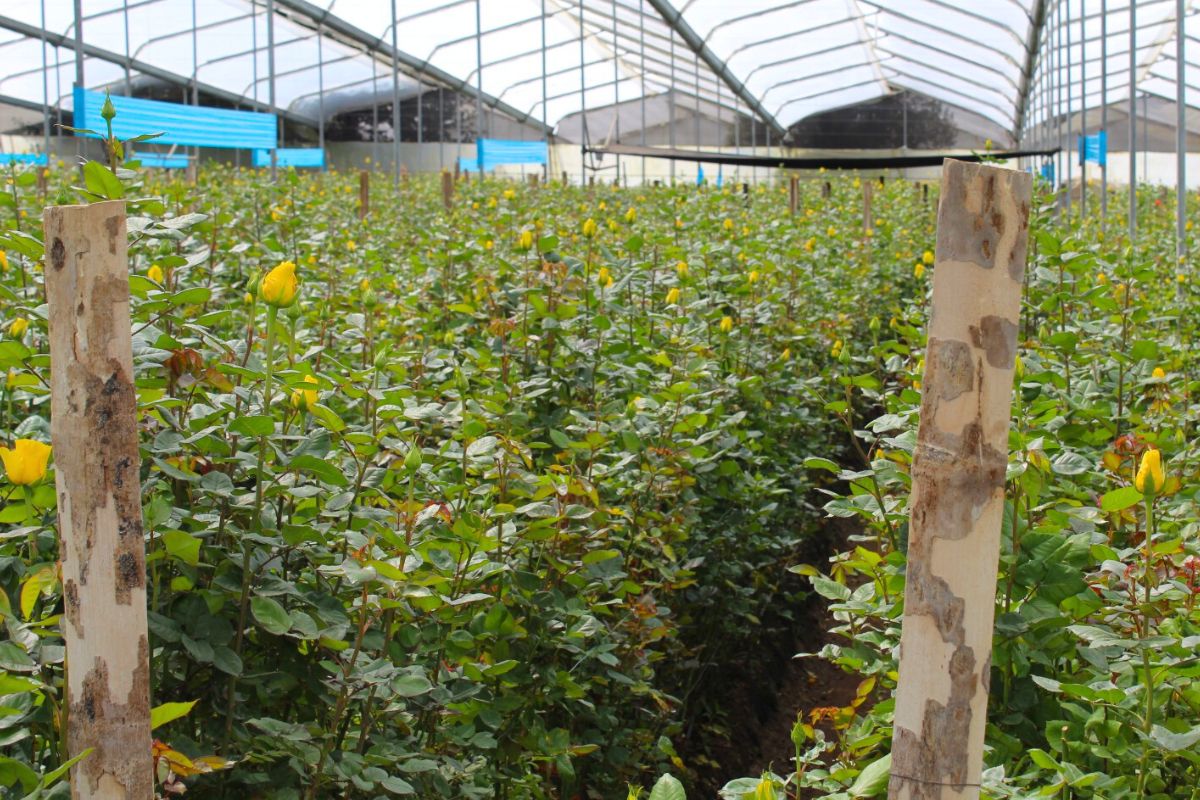
Solar radiation has remained good without reaching critical levels, allowing for greater accumulation of growing degree days, but not in recent weeks. This factor has been crucial for flowers to develop at the proper pace.
Producers who constantly monitor weather forecasts and every detail of their plantations note:
"Due to frigid days during the previous week, growers in the southern region say that production has slowed. Despite the problems posed by the climate, farms in the north are nevertheless able to complete their orders."
Marketers Activate Logistics Machinery
While farms perfect their crops, marketers have already initiated the pre-booking process for orders, reserving flight space and consolidating advance orders. Planning has been careful, and farms report satisfactory order closings, with expectations of matching or exceeding 2025 results.
Quito's Mariscal Sucre International Airport, following improvements made in 2024, is ready to handle the cargo volume that the season demands. Cargo agencies anticipate good availability of space on aircraft, a critical factor for export success. Flights carrying the first shipments of flowers are scheduled to depart starting January 22, heading to the main international hubs. From there, the flowers will be redistributed to more than 50 countries worldwide, where consumers ultimately enjoy Ecuadorian flowers.
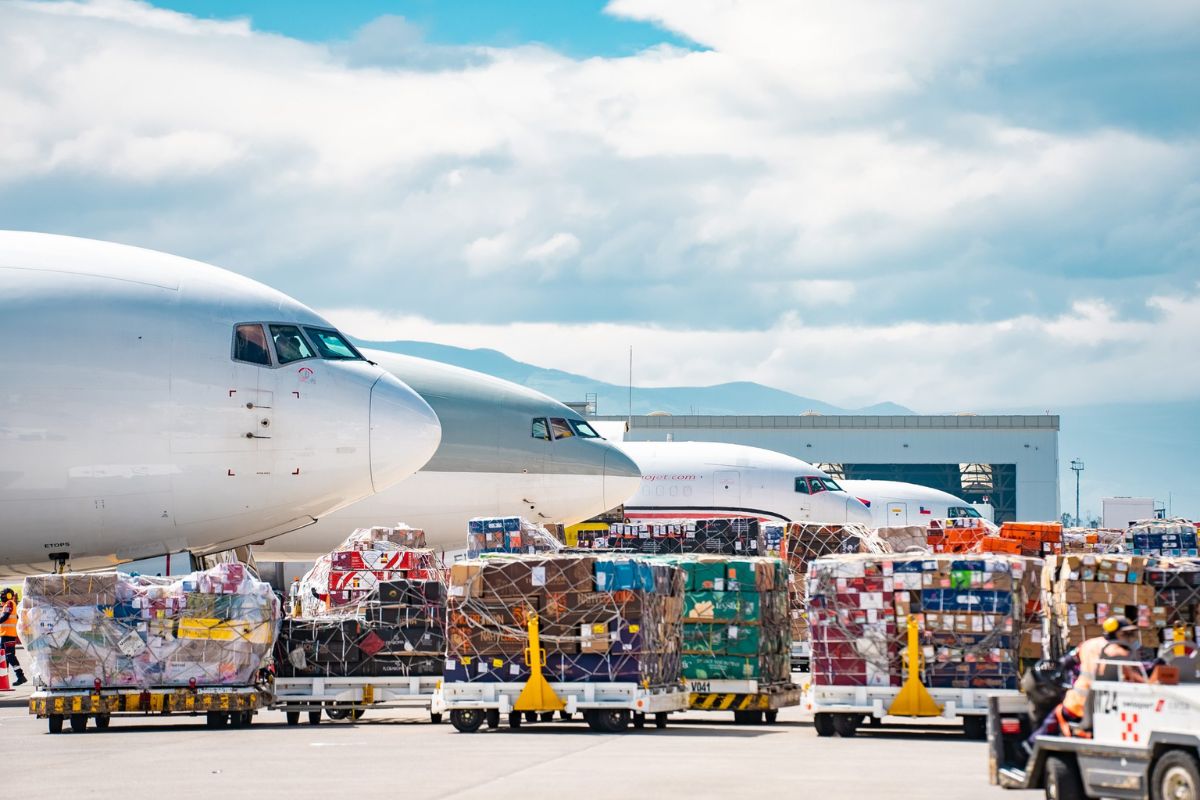
The Valentine's Day 2025 numbers set an encouraging precedent:
- 28,779 tons of flowers were exported, representing 8.7% growth
- 534 outbound flights, a 9.6% increase compared to the previous year
- 20 cargo airlines operated in Quito to meet demand to major hubs in the United States and Europe.
For 2026, the industry estimates maintaining these figures or even recording slight growth, consolidating Ecuador as one of the main flower suppliers worldwide. With favorable weather until a few weeks ago, well-oiled logistics, and accumulated experience, Ecuador's flower sector advances confidently toward what could be another successful Valentine's Day.
Join our magazine, 'Ecuador y Sus Flores', to be up to date always!