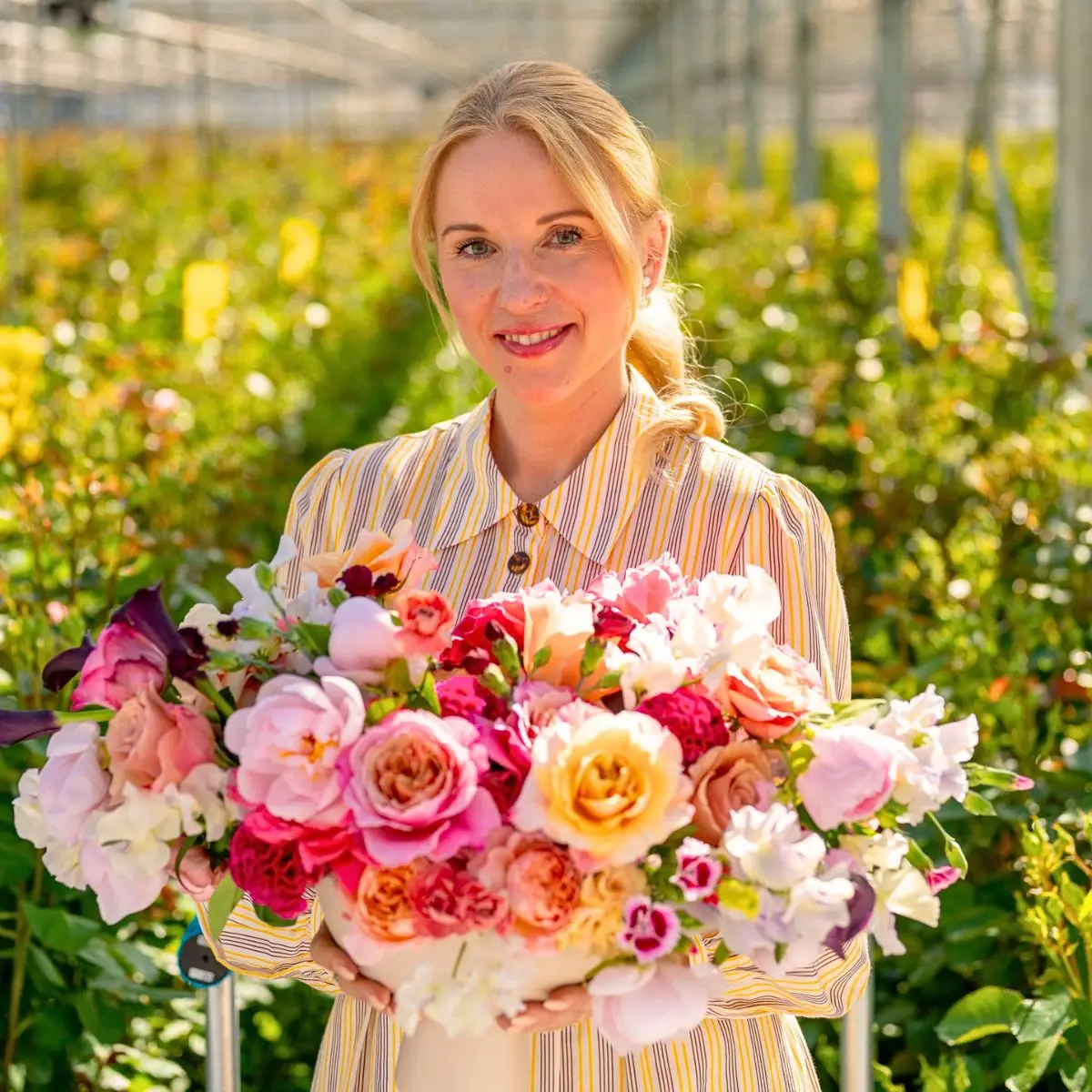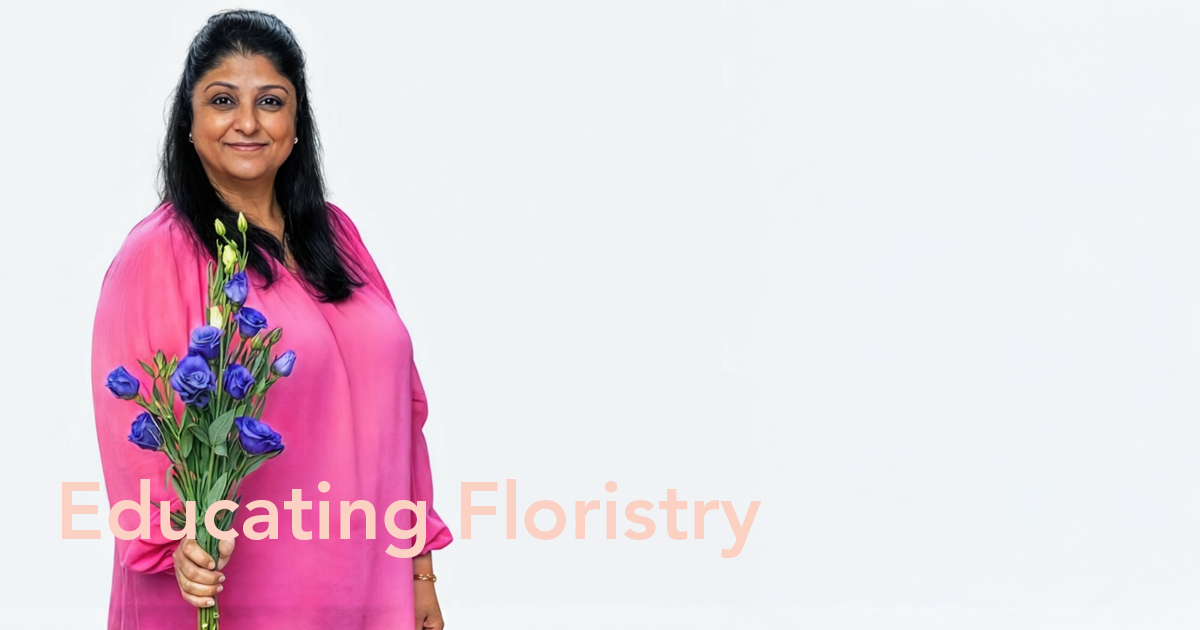
Floristry in India has long carried deep cultural roots, yet for many years it existed outside formal education, structured training, and recognised career pathways. This week’s 10 Questions brings focus to a figure who has quietly but decisively helped reshape that narrative through education, discipline, and long-term vision. As Founder and Director of the Institute of Floral Design (IFD), Seema Jhaveri has played a defining role in introducing structured floral education aligned with international standards at a time when such frameworks were virtually absent in the country.
Since becoming a certified trainer with Instituto Mexicano Técnico Floral in 2010, her work has expanded far beyond the classroom. From curriculum development and national skill alignment to mentoring competitors and serving on juries at platforms such as WorldSkills, her journey reflects a steady commitment to professionalising floristry and building systems that outlast trends. This week, Seema shares her perspective on education, discipline, industry challenges, and the quiet power of structured learning to elevate both individuals and an entire sector.
Question 1
For those who don’t know you, who are you and what do you do?
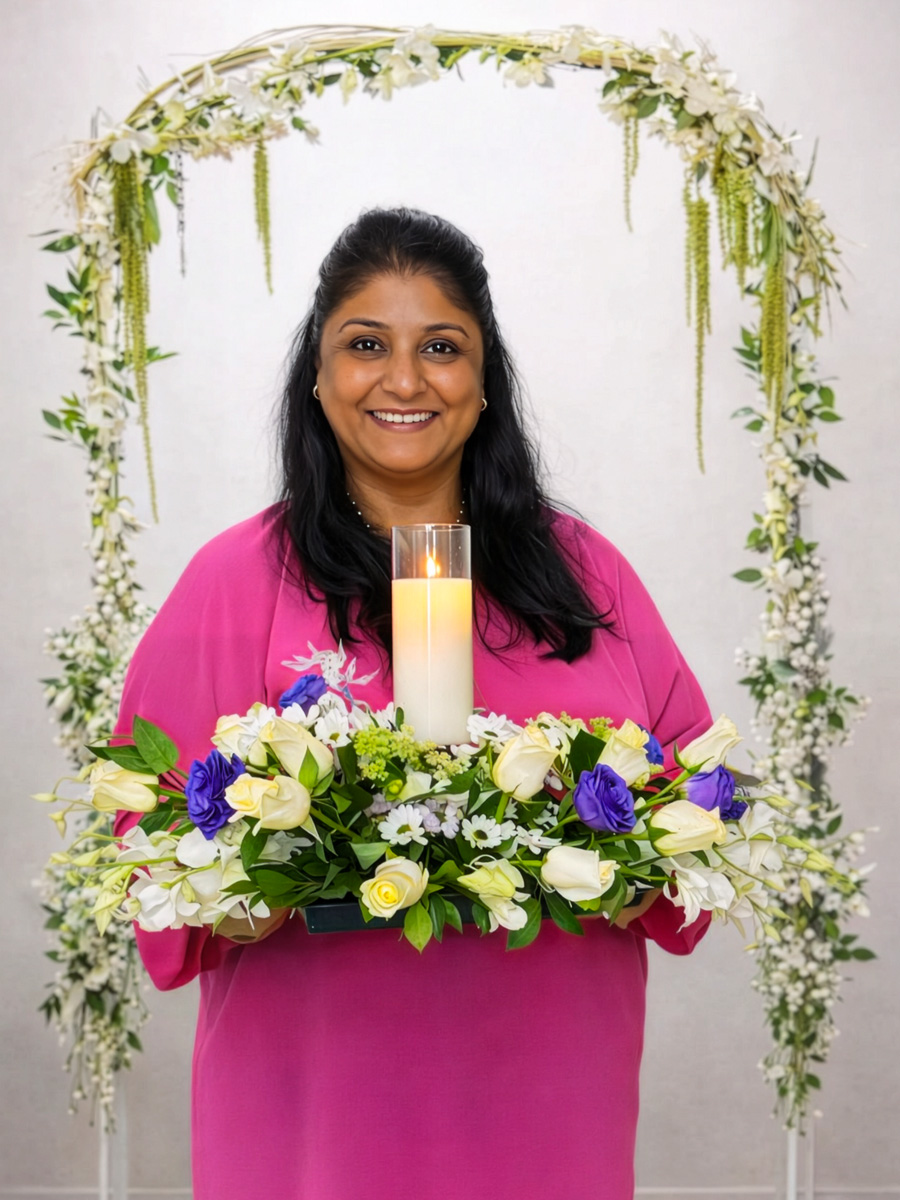
"I am Seema Jhaveri, Founder Director of the Institute of Floral Design (IFD), an education initiative of Smithers-Oasis India. IFD was the first institution in India to introduce structured, formal floral education aligned with international standards. Since 2010, I have been certified as a trainer by the Instituto Mexicano Técnico Floral (IMTF) in Mexico, a milestone that has significantly shaped IFD’s academic framework. Today, i work extensively as a floral educator and mentor, training students, corporate florists, and competitors for both national and international levels.
My professional focus lies in education, curriculum development, and skill-building for the floral industry. Over the years, I have collaborated with academia, industry partners, educators, and skill bodies to professionalize floristry in India and create sustainable, career-oriented pathways for aspiring floral professionals. My role encompasses curriculum design, hands-on training, jury responsibilities, and close industry engagement – all aimed at elevating floral skills and standards across the country."
Question 2
What is so special about your job?
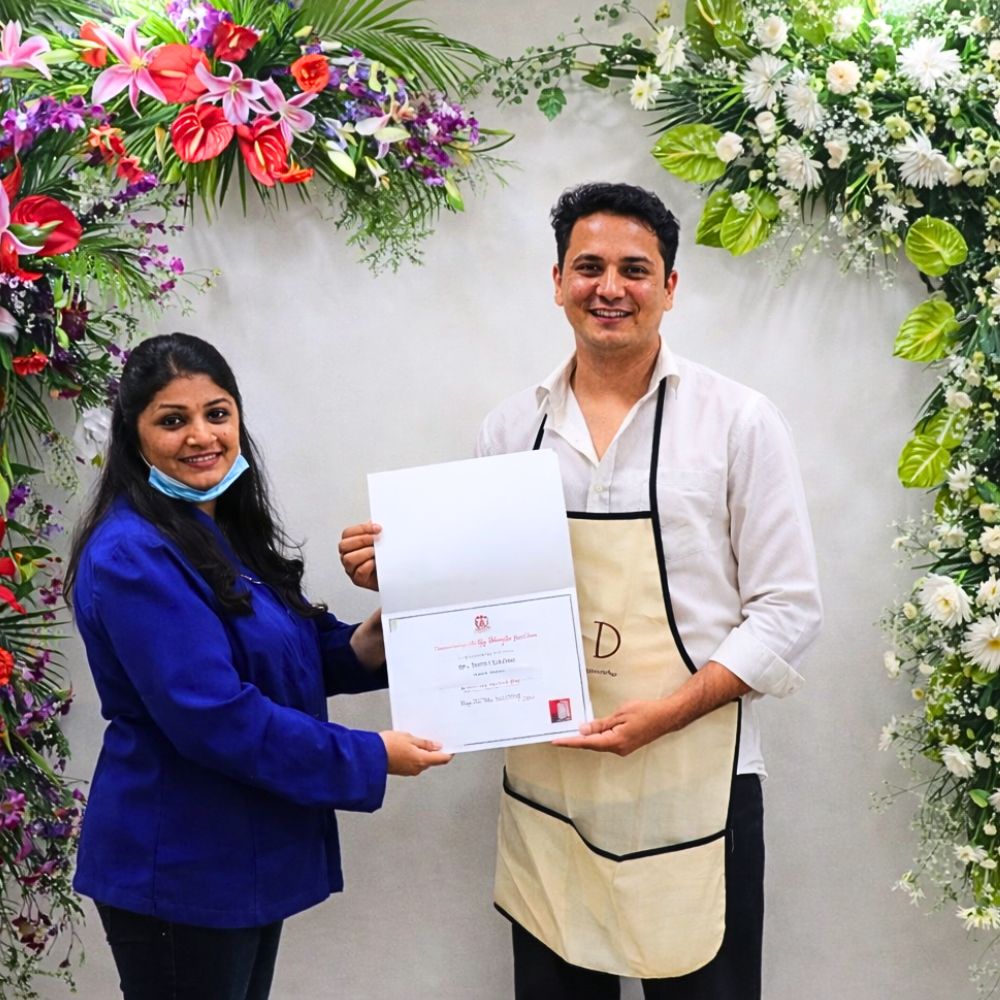
"What makes my job special is that it sits at the intersection of creativity, discipline, and transformation. Floristry is not just about arranging flowers; it is about storytelling, technique, time management, and emotional intelligence. As a trainer and mentor, I witness people grow, not only in their technical skill but also in confidence and mindset. There is something incredibly fulfilling about seeing a student evolve from struggling with basic techniques to executing complex designs under competition pressure. The job is also dynamic; no two days are the same. From teaching fundamentals to preparing candidates for WorldSkills-level precision, my job is intense, demanding, and deeply rewarding.
What makes my role particularly meaningful is the opportunity to influence the floral industry in India through education and structured skill development. Floristry, while inherently creative, requires discipline, technical knowledge, and process-driven learning to achieve professional excellence. Through IFD, we have bridged the gap between creativity and industry readiness by introducing standardized curricula, assessments, and hands-on training. The work is impactful – it contributes to building a skilled workforce, aligning Indian floristry with global practices. Being part of this transformation is both challenging and deeply rewarding."
Question 3
Are there any specific challenges or obstacles you’ve faced in your job, and how did you overcome them?
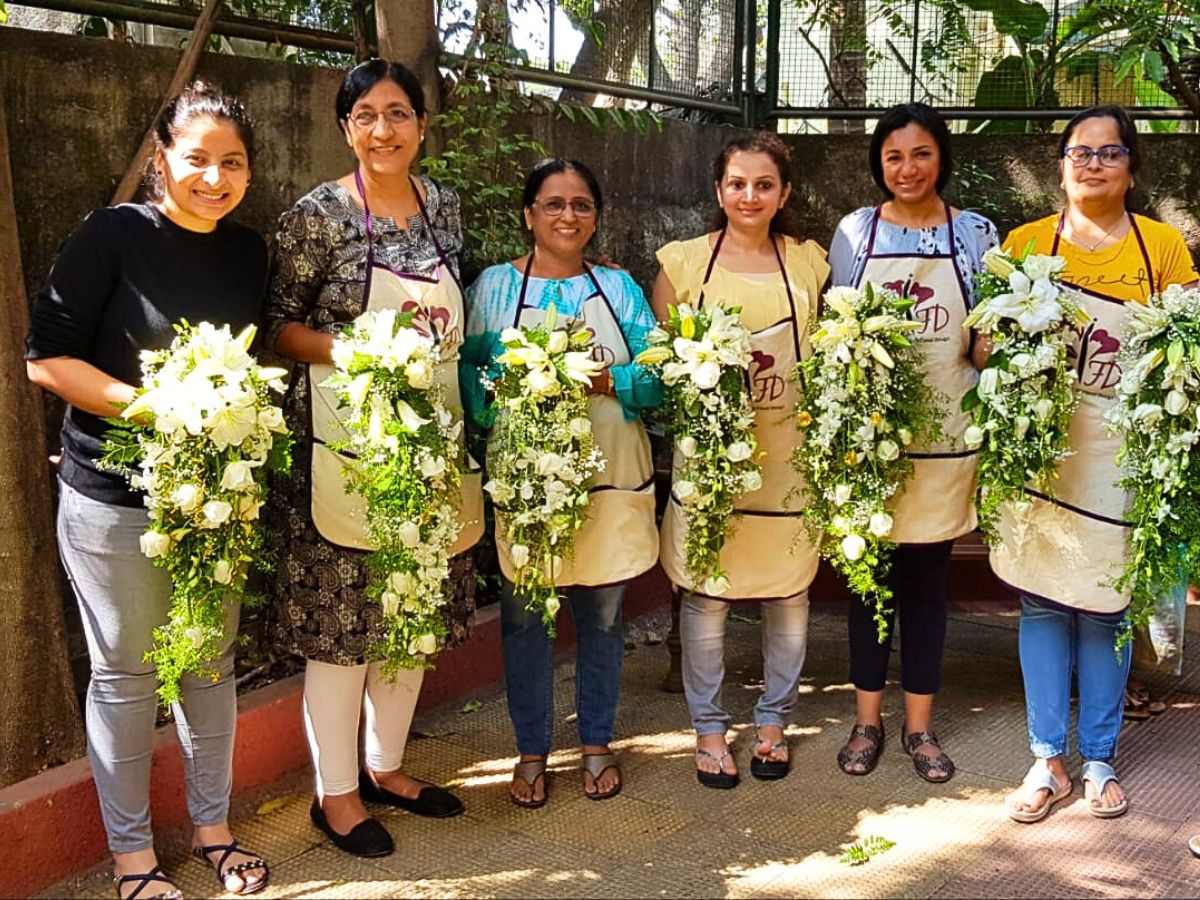
"One of the most significant challenges I faced was establishing floristry as a recognised profession within an ecosystem where it was traditionally viewed as an informal, inherited trade rather than a structured career. When the Institute of Floral Design (IFD) was established in 2010, formal floral education was virtually nonexistent in India. Floristry was largely a skill passed down through generations, with little awareness of it as a certified vocation or a viable professional pathway. There were no benchmarks, structured curriculum, assessment frameworks, or industry-accepted standards to reference.
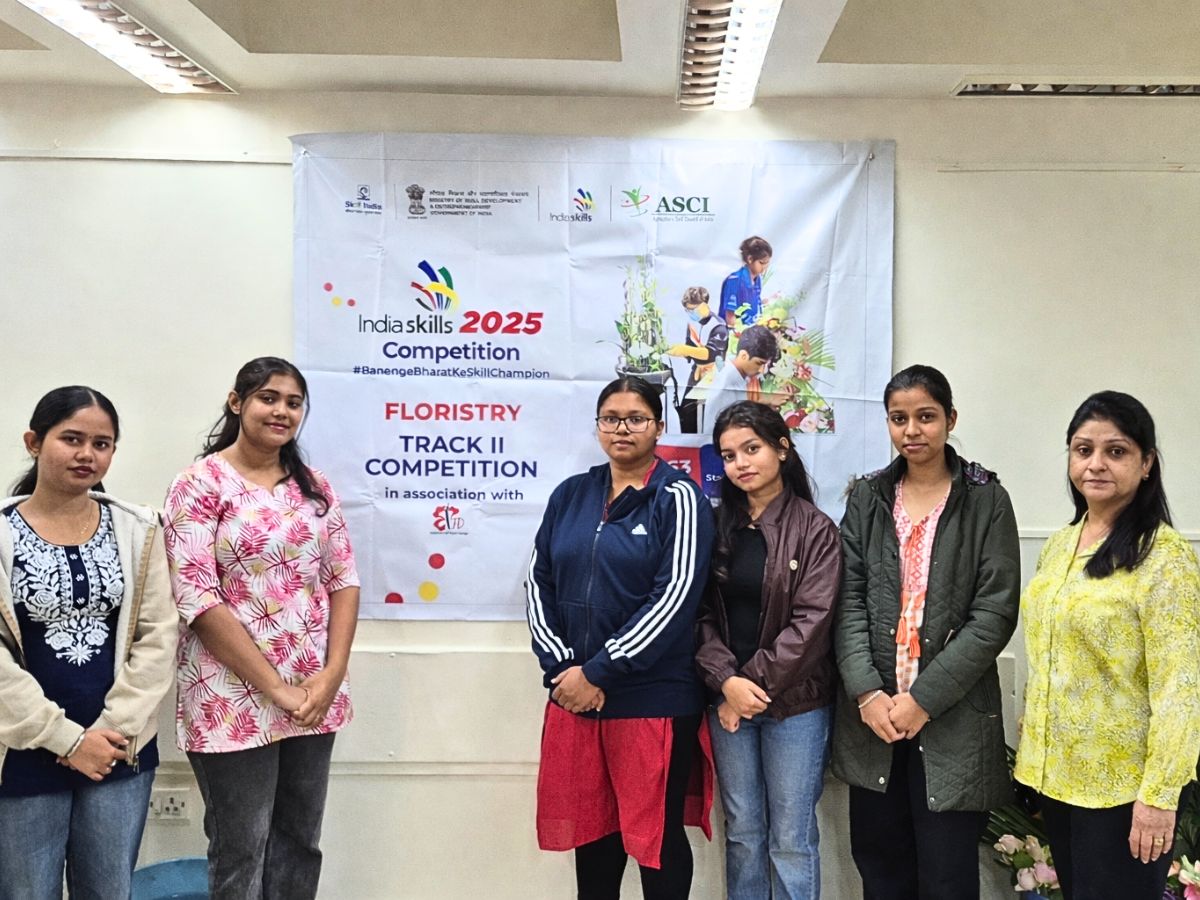
Establishing credibility required a long-term vision and sustained commitment. We invested significantly in developing structured programs aligned with international best practices, implementing robust assessment frameworks, and consistently positioning floristry as a skilled and professional vocation. Strategic collaborations with global institutions and leading international designers, followed by formal alignment with the National Skill Development Corporation, played a critical role in bridging this gap. Over time, the results became evident, our alumni built successful careers, IFD emerged as an official training and jury partner for IndiaSkills and WorldSkills, and Indian floristry gained recognition across national and international platforms."
Question 4
What are the threats in the industry, and if so, do you have any solutions for them?
"The floral industry today stands at a critical juncture. While creativity and visibility have expanded rapidly through social media, floral education remains underdeveloped, and floristry is still often perceived as a hobby rather than a structured, skill-based profession. This perception contributes to skill gaps, inconsistent quality, and a shortage of professionals capable of meeting international standards. Digital platforms have amplified aesthetics, but recognition is frequently driven by appearance rather than technical expertise. Essential foundations, such as flower care and handling, structure, proportion, mechanics, costing, sustainability, and professional discipline, are often overlooked, risking an industry shaped by short-term trends rather than long-term excellence.
The way forward lies in formalising floral education as a government-recognised vocational skill through structured training, alignment with global benchmarks, and the integration of business and entrepreneurial skills. By creating clear education and career pathways, floristry can evolve into a credible, aspirational, and future-ready profession with global relevance."
Question 5
How has technology like e-commerce platforms or digital marketing affected your industry? Which strategies have you employed to stay competitive?
"Technology has certainly reshaped the floral industry, especially through e-commerce and digital marketing. While we don’t directly engage in e-commerce, our role as an educational institute is to train professionals working on these platforms. We focus on teaching best practices, technical knowledge, and design improvements so that their offerings meet high standards of quality and sustainability. The growth of e-commerce and digital platforms has also increased the demand for skilled and professionally trained manpower.
We also use technology ourselves to deliver training through online workshops, digital classrooms, and interactive modules, ensuring that learning is accessible and aligned with industry needs. In this way, we help bridge the gap between traditional expertise and modern digital demands, preparing florists to thrive in a competitive, technology-driven marketplace."
Question 6
Who (in or outside the floral industry) is an inspiring example to you? And Why?
"I find inspiration in masters and educators who work with patience and purpose to shape enduring ecosystems, placing long-term impact above immediate recognition. My training at IMTF, exposure to international trainers, along with my experience at WorldSkills, reinforced the importance of discipline, consistency, and respect for process. I am equally motivated by organizations and individuals dedicated to skill development, who work quietly yet effectively to raise standards and create opportunities for youth. Their commitment resonates deeply with my own belief that education, when delivered with integrity and structure, has the power to transform not just individuals but entire industries."
Question 7
How do you handle stress or difficult moments in your life?
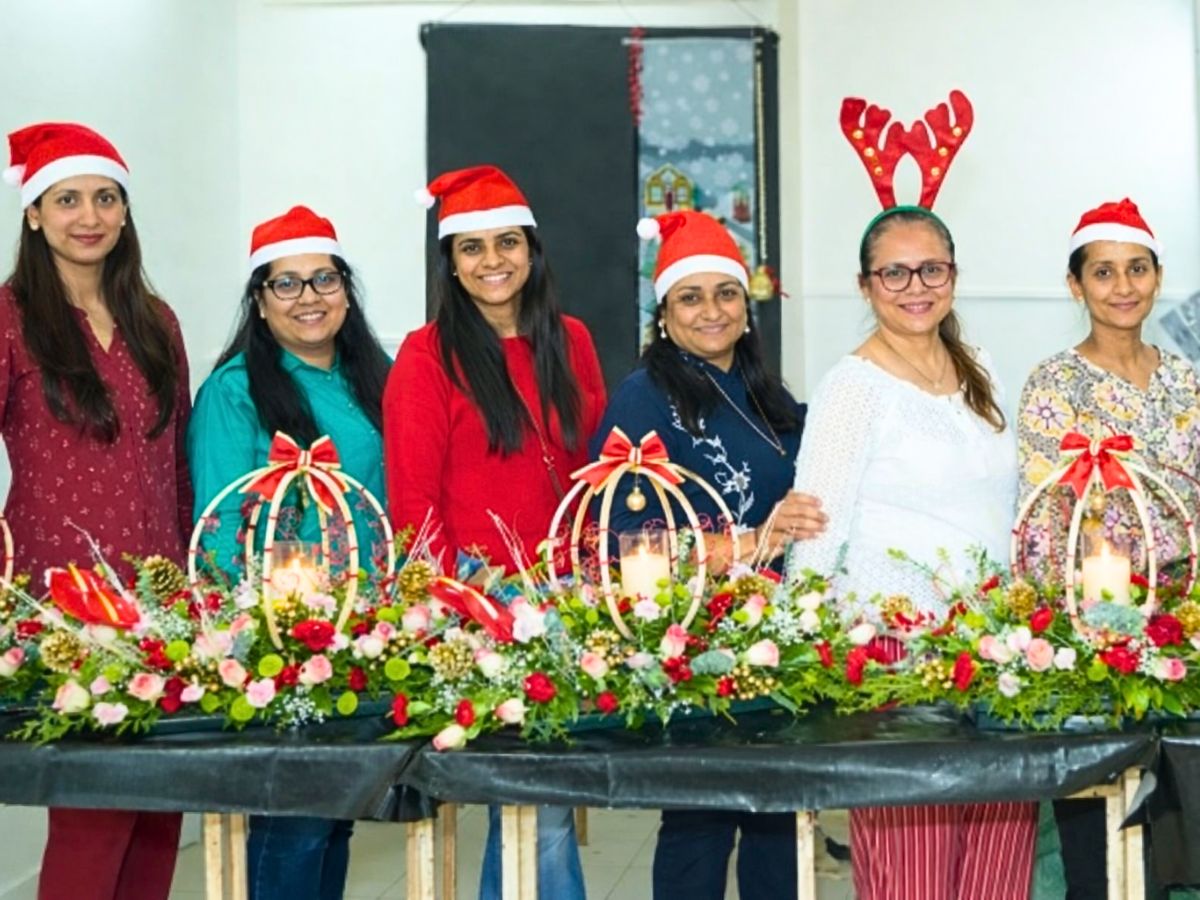
"Working in education and skill development comes with significant responsibility and expectations, and I manage stress through structure, preparation, and clarity of priorities. Over time, I have learned that challenges are best addressed through systematic problem-solving rather than reactive decision-making, and building dependable teams while trusting established processes plays a critical role in this. On a personal level, working with flowers is deeply grounding and, in many ways, serves as a natural stress buster.
Alongside floristry, I also turn to yoga and meditation, which help cultivate calm, clarity, and resilience. These practices encourage mindfulness, balance, and inner strength, allowing me to approach challenges with composure. I view difficult moments as opportunities to reassess and strengthen systems, ultimately leading to better outcomes both personally and professionally."
Question 8
What has been the best (floral or non-floral) news for you lately, or of the last year?
"One of the most encouraging milestones in the past year has been celebrating 14 years of continued floral education in India through IFD. Over this journey, we have been recognised as a Premium Institute, which reflects the trust placed in us by our students as well as our collaboration partners. Our continued association as an official training and knowledge partner with national skill initiatives such as NSDC, IndiaSkills, and WorldSkills since 2017 further validates the strength of our educational framework and training methodology.
Equally rewarding has been seeing IFD-trained students grow into successful entrepreneurs and educators in the floral industry, both in India and internationally. Many have proudly represented the country at WorldSkills, gaining invaluable global exposure and transitioning into impactful industry roles. These success stories reaffirm the value of structured education and highlight the strength of our long-term commitment to skill excellence. For us, the greatest news lies not just in institutional recognition but in the trust and achievements of our students, whose journeys prove how education delivered with integrity and vision can transform careers and elevate the industry."
Question 9
Which is your favorite flower and why?
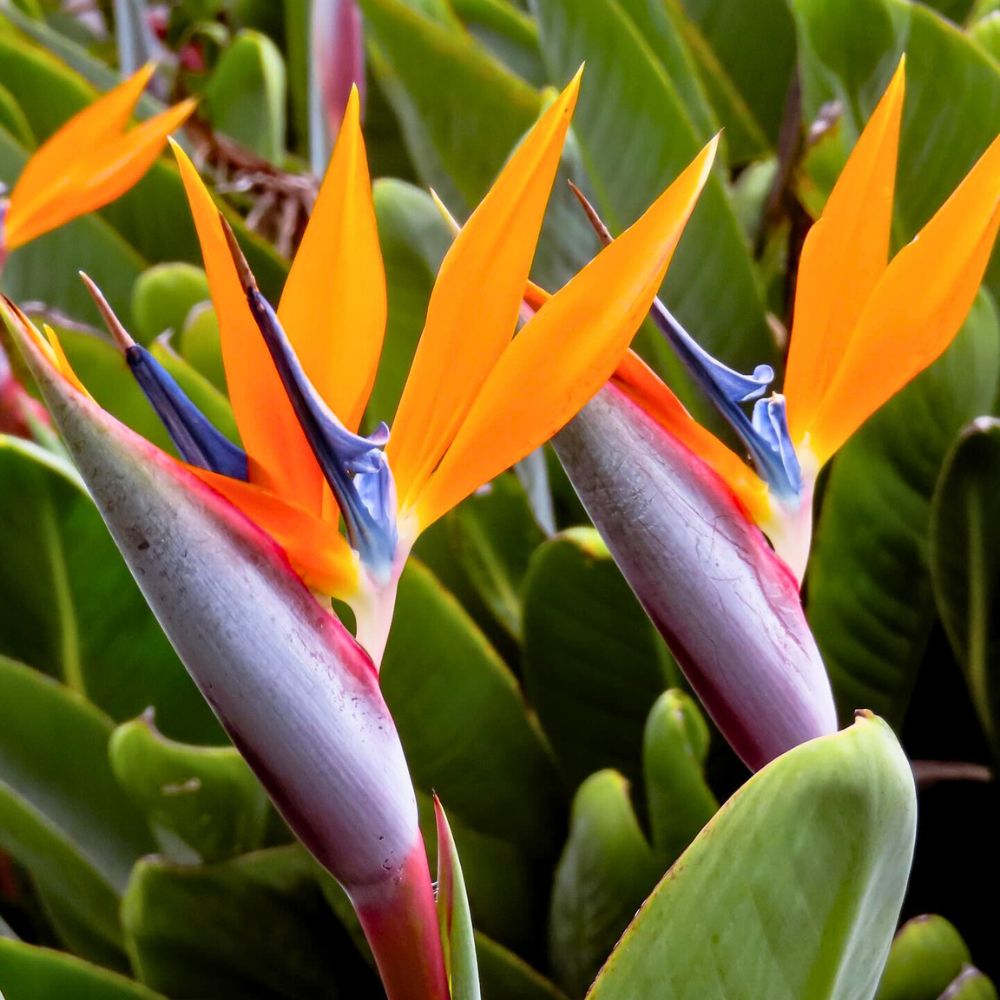
"My favourite flower is Strelitzia, commonly known as the Bird of Paradise, named for its striking resemblance to a crane in flight. A simple yet dramatic stem crowned with elegant orange sepals and vivid blue petals makes it truly impossible to overlook; its form is so distinctive that nothing else compares. Rich in symbolism, its sculptural presence and lush foliage bring a bold, tropical impact to any setting. A flower that embodies growth, exploration, and the courage to embrace the moment, qualities that deeply reflect and resonate with my professional journey."
Question 10
What are you doing this weekend??
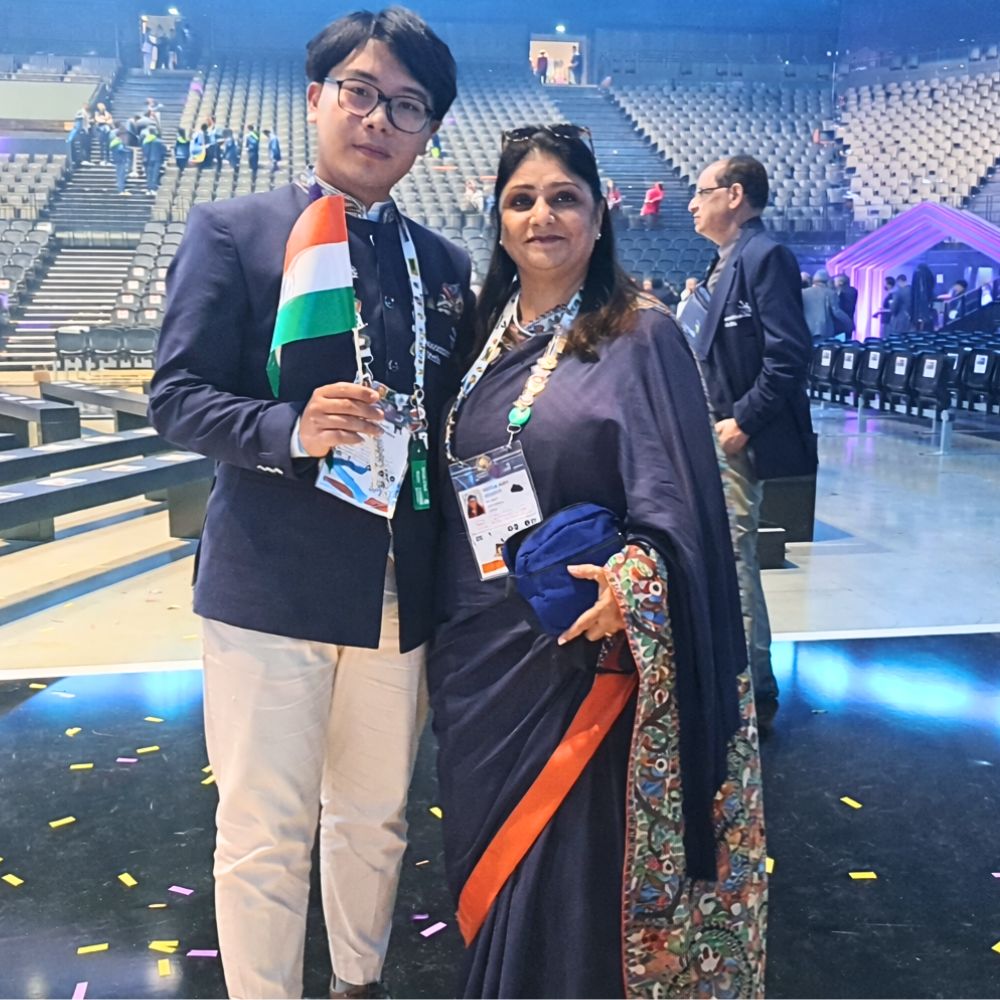
"This weekend, being the first of the new year, my focus is on planning workshops and training programs for IFD, while also preparing for India and WorldSkills 2026. As part of my routine, I will visit the flower market to stay updated on the latest floral materials and track cost dynamics that are essential to my work. In addition to these professional commitments, I look forward to spending quality time with my family and catching up with friends over dinner."
Seema Jhaveri’s story is a reminder that meaningful industry change has to be intentional. Through education, consistency, and a belief in process, she continues to shape careers and raise standards across Indian floristry. If you know a thought leader, educator, grower, designer, or industry professional whose journey deserves to be shared through the 10 Questions, we invite you to recommend them by writing to edwin@thursd.com and help us continue telling stories that matter.
Pictures by Seema Jhaveri.