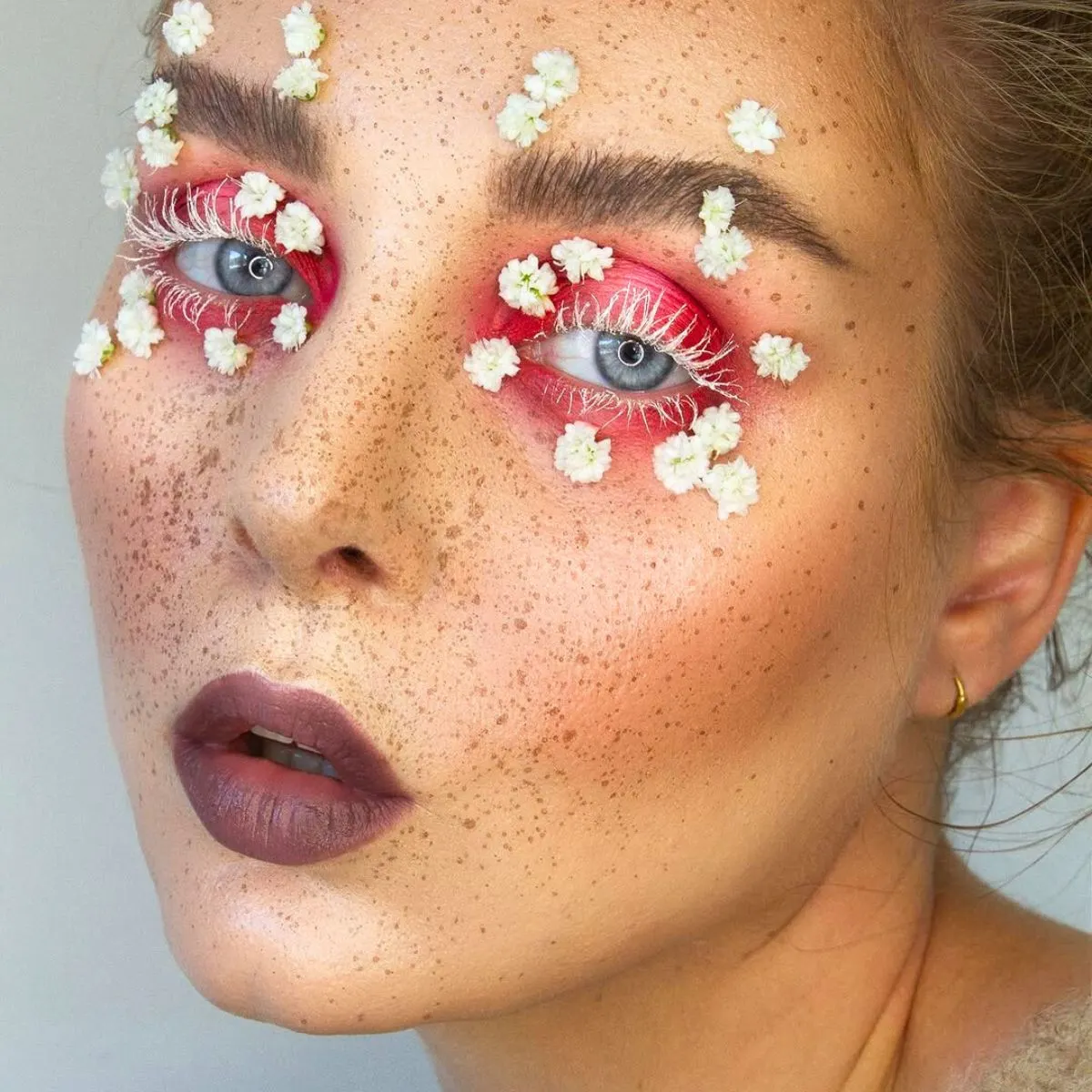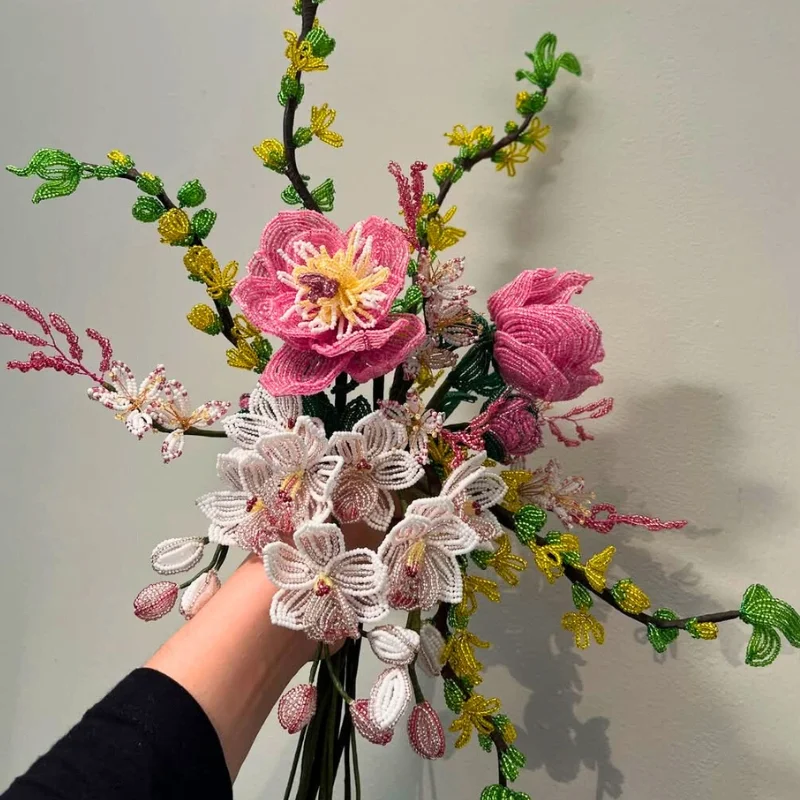

There is something deeply satisfying about slipping your bare feet into warm, flower-infused water after a long day. Flowers have always held a place in beauty rituals across cultures, from ancient Egyptian milk-and-rose baths to Balinese spa traditions rooted in tropical botanicals.
Today, you do not need a luxury spa appointment to experience that same level of indulgence. A floral pedicure at home is not only achievable, but it can also become one of the most therapeutic rituals in your self-care week.
Whether you are dealing with cracked heels, rough soles, or just feet that feel forgotten, this guide will walk you through a complete at-home floral pedicure routine using nature's most beautiful ingredients. And if you have ever wondered what beautiful, well-cared-for feet can lead to beyond self-care, we will explore that, too.
Why Flowers Belong in Your Foot Care Routine
Flowers are not just pretty. They are powerhouses of botanical compounds that have been studied and used in skincare for centuries. When applied to dry, cracked feet, floral ingredients deliver real results.
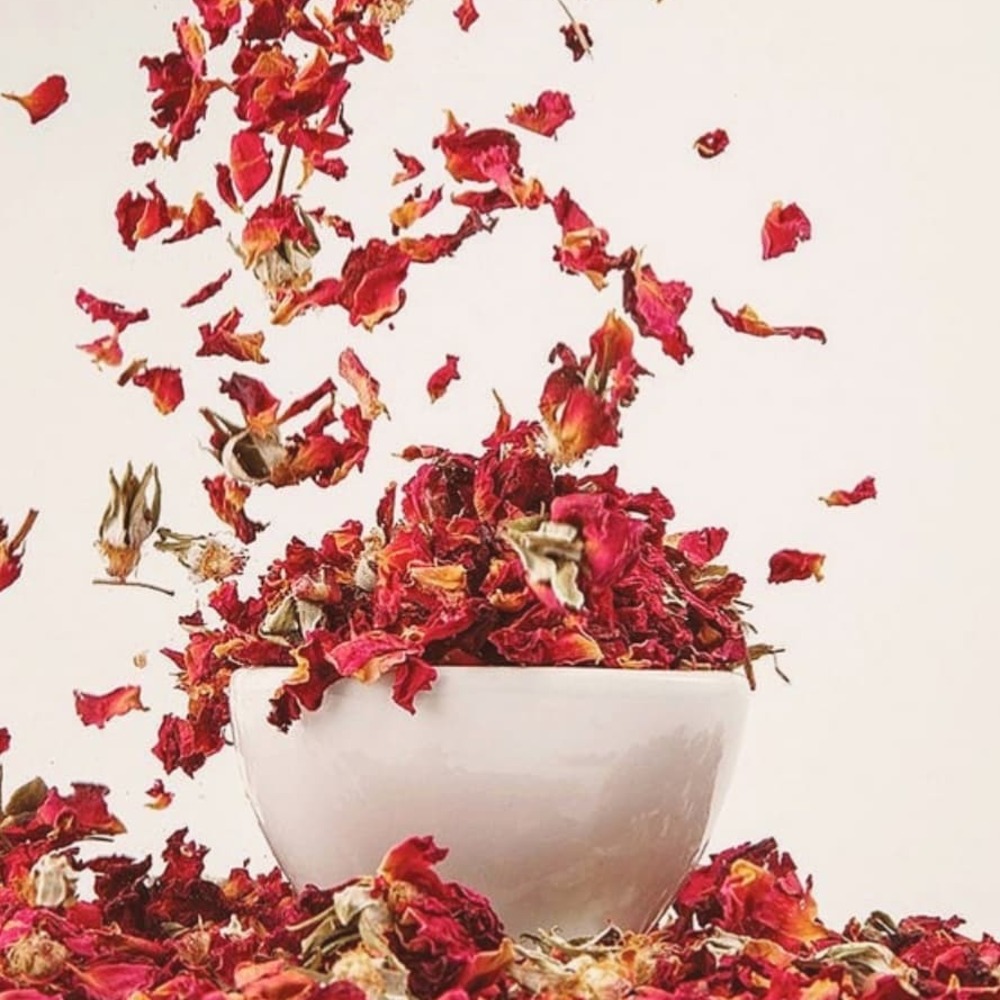
Rose is perhaps the most iconic of all skincare botanicals. Rosa damascena, or Damask rose, contains geraniol and citronellol, compounds known for their antimicrobial and anti-inflammatory properties. Rose water is a natural humectant, meaning it draws moisture into the skin and helps the outer layer retain it. For dry heels that crack and peel, this moisture-binding quality is exactly what is needed. You can read more about - Everything You Need to Know About Rose Petals

Lavender goes well beyond its reputation as a sleep aid. Its essential oil contains linalool and linalyl acetate, both of which have demonstrated skin-soothing and mild antifungal properties in research. Applied to tired, achy feet, lavender also works on the nervous system through inhalation, reducing cortisol and easing tension in the body.
Calendula, the cheerful orange-yellow marigold flower, has been used in wound healing and skin repair for generations. Its flavonoids and triterpenoids reduce redness and irritation, making it ideal for people with sensitive skin or heels that have cracked to the point of minor soreness.
Jasmine is celebrated in Ayurvedic skin care for its ability to deeply hydrate and restore skin elasticity. Its rich floral aroma also has mood-enhancing effects, making it a lovely addition to any evening foot soak.
Chamomile contains the compound alpha-bisabolol, which is clinically recognized for accelerating wound healing and reducing inflammation. For feet that have been on hard floors all day, chamomile brings genuine relief rather than just a pleasant scent.
What You Will Need
Before you begin, gather your ingredients. Most of these are available at health food stores, online retailers, or even your garden.
For the soak, you will need dried or fresh rose petals, dried lavender buds, dried chamomile flowers, Himalayan pink salt or Epsom salt, a few drops of essential oil (lavender, rose, or jasmine), and warm water in a wide basin or foot tub.
For exfoliation, you will want a pumice stone or foot file, a gentle foot scrub (you can make one with sugar and coconut oil), and a soft washcloth. For the mask and moisturizing step, prepare a thick botanical foot cream or a DIY mask using calendula-infused oil, raw honey, and aloe vera gel. You will also want thick cotton socks to wear after moisturizing.
The Full Floral Pedicure Routine
Step 1: Prepare Your Floral Soak (10 to 15 minutes)
Start by boiling two cups of water and steeping your dried flowers as you would make a strong herbal tea. Use about two tablespoons each of rose petals, lavender buds, and chamomile flowers.
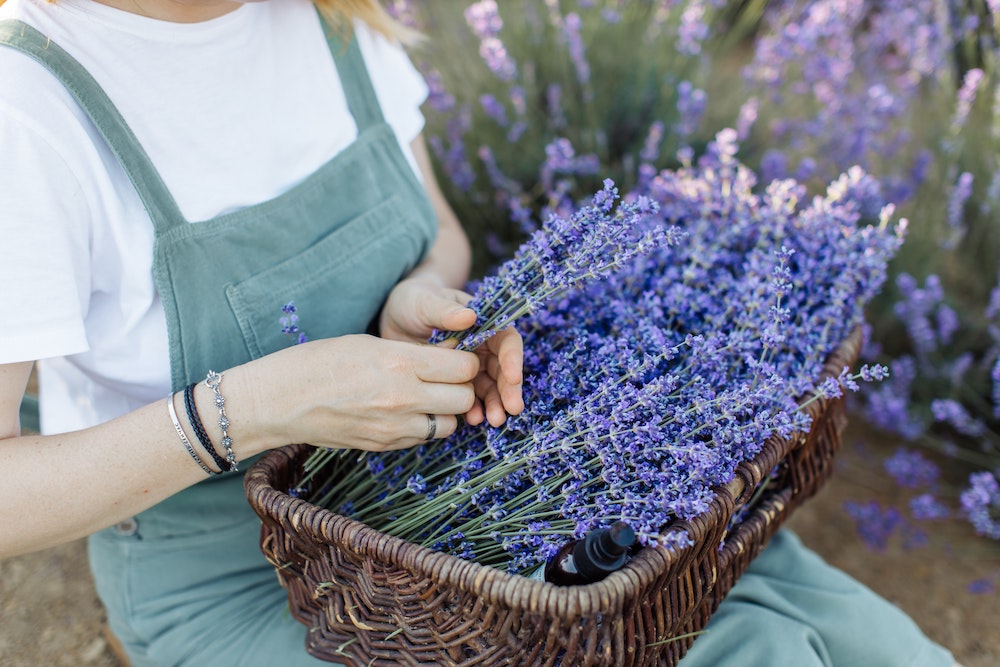
Let the tea steep for ten minutes, then strain the flowers and pour the liquid into your foot basin. Add enough warm water to comfortably submerge your feet, then stir in half a cup of Epsom salt and three to five drops of your chosen essential oil.
Submerge your feet and allow them to soak for at least ten to fifteen minutes. This softens the thickened skin on your heels, relaxes the muscles, opens the pores to receive botanical actives, and gives your nervous system a moment to decompress. Light a candle, put on soft music, and actually rest during this step. Your feet will respond better when your body is calm.
Step 2: Exfoliate and Slough Away Dead Skin (5 to 8 minutes)
After soaking, your heels and the balls of your feet will be soft enough to work with. Using your pumice stone or foot file, gently work in circular motions across the heel, the outer edge of the foot, and the ball. Do not press aggressively; the goal is to remove the outermost layer of dead, dry skin without irritating the fresh skin underneath. If your heels are particularly rough, two or three sessions over separate days will be more effective and gentler than one aggressive scrubbing.
Follow up with a homemade sugar scrub. Combine two tablespoons of white or brown sugar with one tablespoon of coconut oil and a few drops of rose essential oil. Massage this into the feet in circular motions, paying special attention to the heels and the spaces between the toes. Rinse clean with warm water.
Step 3: Apply a Floral Foot Mask (10 to 15 minutes)
This is where the magic of botanicals really takes hold. Mix two tablespoons of calendula-infused oil (available at natural beauty retailers or made by steeping dried calendula in warm olive oil for a few hours) with one tablespoon of raw honey and one tablespoon of aloe vera gel. If you want an added brightening effect, squeeze in a few drops of lemon juice.
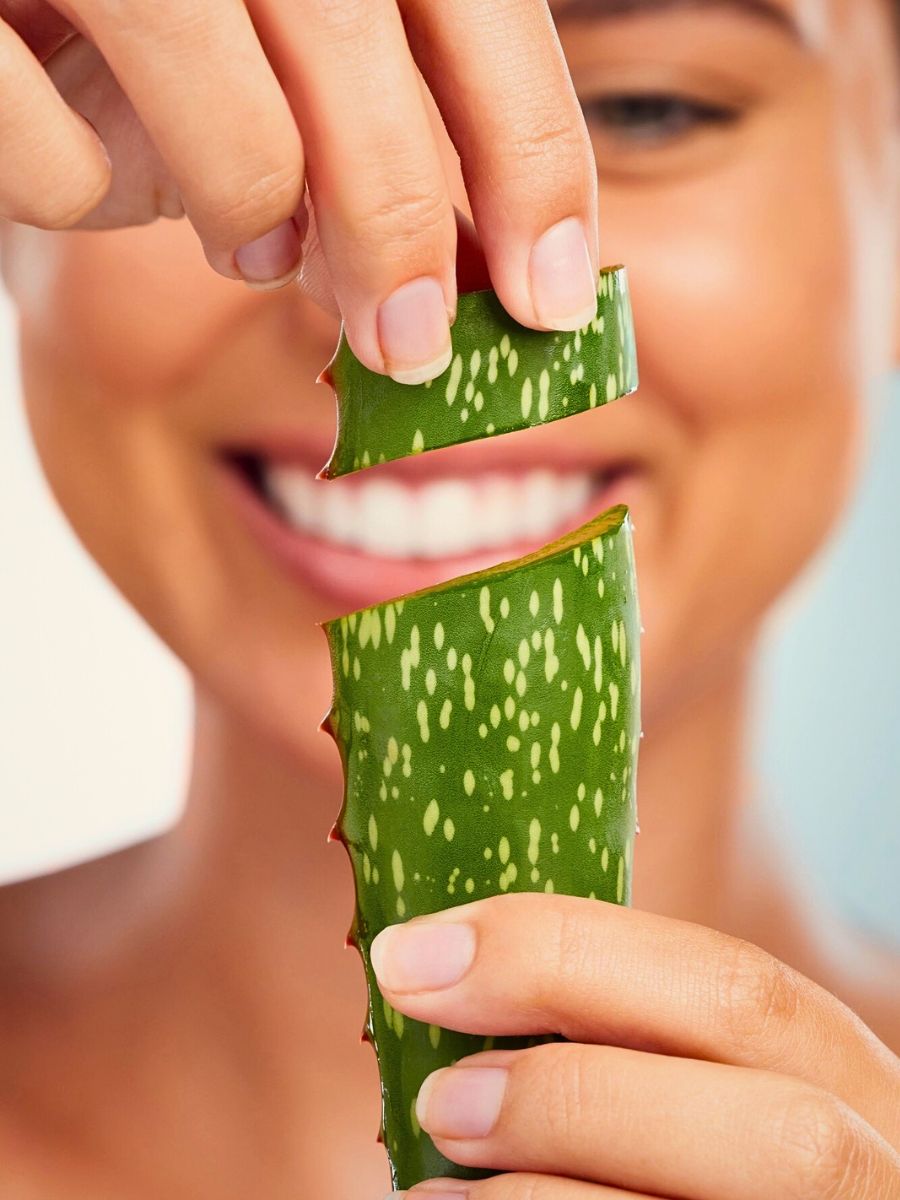
Apply this mask generously across your entire foot, concentrating on the heels and any particularly rough patches. Wrap your feet loosely in plastic wrap or slide them into disposable shower caps to lock in the warmth and help the ingredients penetrate more deeply. Leave the mask on for ten to fifteen minutes while you relax, then rinse off thoroughly.
Honey is a natural humectant and has demonstrated antimicrobial properties. Aloe vera contains acemannan, a compound that supports skin repair and hydration. Together with the skin-softening lipids in calendula-infused oil, this trio creates a mask that genuinely transforms rough heel skin with regular use.
Step 4: Trim, Shape, and Care for Your Nails
Gently push back your cuticles using a wooden cuticle stick after soaking, as they will be soft and easy to work with. Trim your toenails straight across to prevent ingrown nails, then use a nail file to smooth any rough edges.
If you choose to apply nail polish, apply a base coat first to protect the nail, followed by two thin coats of color and a topcoat for durability.
Florals are having a major moment in nail art right now: tiny painted roses, pressed flower nail art (yes, real dried petals under a gel topcoat), and delicate daisy designs all complement a floral pedicure beautifully.
Step 5: Seal in Moisture (The Step Most People Skip)
This is the most important step, and it is the one that separates people with genuinely soft heels from those who stay stuck in a cycle of cracking and peeling. While your feet are still slightly damp from rinsing, apply a generous layer of a rich botanical foot cream.
Look for formulas containing shea butter, urea (which chemically exfoliates while moisturizing), rose hip oil, or any of the floral actives discussed above. Massage the cream in thoroughly, getting between the toes and around the ankle bones.
Immediately after applying cream, slide on a pair of thick cotton socks. The socks create a gentle occlusive environment that traps moisture against the skin and allows the cream to penetrate far more effectively than it would in open air. If you do this routine in the evening, sleep with the socks on. You will wake up to noticeably softer feet.
Maintaining Your Results Between Routines
The full floral pedicure routine is best done weekly or every ten days. Between sessions, there are simple daily habits that preserve everything you have worked toward. Moisturize your feet every single evening, not just after a pedicure.
Apply a drop or two of rose or lavender essential oil diluted in a carrier oil to your heels before bed on nights when you want an extra boost. Stay hydrated, as skin hydration is directly related to water intake. And wear supportive footwear whenever possible: bare feet on hard floors for long periods puts mechanical stress on the heel pad that accelerates skin thickening.
A gentle pumice stone session in the shower once or twice a week will prevent dead skin from building up between your full routines.
From Self-Care to Opportunity: What Beautiful Feet Can Do for You
Taking meticulous care of your feet opens doors that many people never consider. Well-maintained feet have genuine professional and creative value in today's digital economy.
1 Foot Modeling
Foot Modeling is a legitimate and well-paying sector of the modeling industry. Foot models work in advertising for footwear brands, nail polish companies, hosiery and sock labels, skincare brands, and even high fashion editorial spreads.
Brands ranging from athletic shoe companies to luxury designers hire foot models to showcase their products, and a well-maintained pair of feet with smooth skin, healthy nails, and good proportions can be quite sought after.
If you are interested in pursuing foot modeling professionally, building a clean portfolio of photographs (well-lit, neutral backgrounds, various angles) is the standard entry point. Agencies that specialize in parts modeling exist in most major markets and accept digital submissions.
2 Selling Feet Pics Online
Selling feet pics has become one of the most talked-about ways to generate income online, and it is far more mainstream than it might initially sound. Platforms like FunWithFeet, and various stock photography sites have created legitimate marketplaces where content creators sell photos of their feet to buyers, including stock agencies, advertisers, foot care brands, and individual collectors.
FunWithFeet, in particular, is a dedicated marketplace designed specifically for this purpose, offering creators a straightforward way to list, price, and sell their content in a safe and structured environment.
The feet pic market rewards presentation enormously. Buyers on these platforms consistently favor images that feature smooth, moisturized skin, tidy and polished nails, interesting or aesthetically pleasing settings (think flower petals, sandy beaches, silk sheets, or cozy socks), and flattering lighting. In other words, everything you do during a floral pedicure routine directly elevates the quality and marketability of your content.

Photo: @lavanyawiles
3 Beauty & Nail Content Creation
Use well-groomed feet for:
- Pedicure tutorials (Reels, TikTok, YouTube)
- Nail polish and foot-care product reviews
- Seasonal pedicure trend content (spring florals, summer brights, bridal looks)
This fits naturally into the broader beauty/influencer space.
4 Sandal & Footwear Brand Collaborations
Partner with:
- Sandal and heel brands
- Bridal and occasion footwear brands
- Summer, beach, and resort wear campaigns
Beautiful feet are an asset in close-up product shots and influencer promotions.
5- Wellness & Self-Care Content / Coaching
Turn foot care into a wellness angle by:
- Sharing at-home spa routines and floral pedicure rituals
- Creating self-care guides, foot-care checklists, or mini-courses
- Positioning foot care as part of stress relief and overall body care
This feels premium and aligns well with floral and lifestyle platforms.
6 Fitness, Yoga & Dance Content
In niches where feet are naturally visible:
- Yoga, Pilates, barre, and dance demonstrations
- “Grounding,” posture, and alignment content
- Barefoot or minimal footwear workouts
Well-cared-for feet improve the visual quality of this type of content and help with brand partnerships in fitness and wellness.
Pricing varies widely depending on the platform and content type, but creators on established platforms can earn anywhere from a few dollars per image to significantly more for exclusive or custom content.
Many people treat it as supplemental income alongside their regular careers, while others build it into a more dedicated creative business. If this is something you are curious about, FunWithFeet.com is a good starting point to understand how the marketplace works, what buyers are looking for, and how to get started safely and professionally.
The key to any of these ventures is consistency in foot care. The same routine you do for your own well-being is the foundation of whatever professional or creative direction you choose to explore.
Flowers and Feet
There is a reason floral foot rituals have persisted across centuries and cultures: they work, and they feel extraordinary. The combination of botanical actives, sensory pleasure, and intentional self-care creates results that go beyond skin-deep.
When your feet feel good, you move through the world differently. You stand taller, walk more comfortably, and carry a quiet confidence that comes from genuinely caring for yourself from the ground up.
Make the floral pedicure routine a weekly ritual rather than an occasional treat, and you will notice not just softer heels, but a shift in how you relate to your body overall. Your feet carry you everywhere. Return the favor.