For many people, the first images of the state of Alaska involve glaciers, forests, and distant mountains. Yet tucked into rocky slopes and high meadows is an Alaskan flower that quietly represents this northerly region to the wider world.
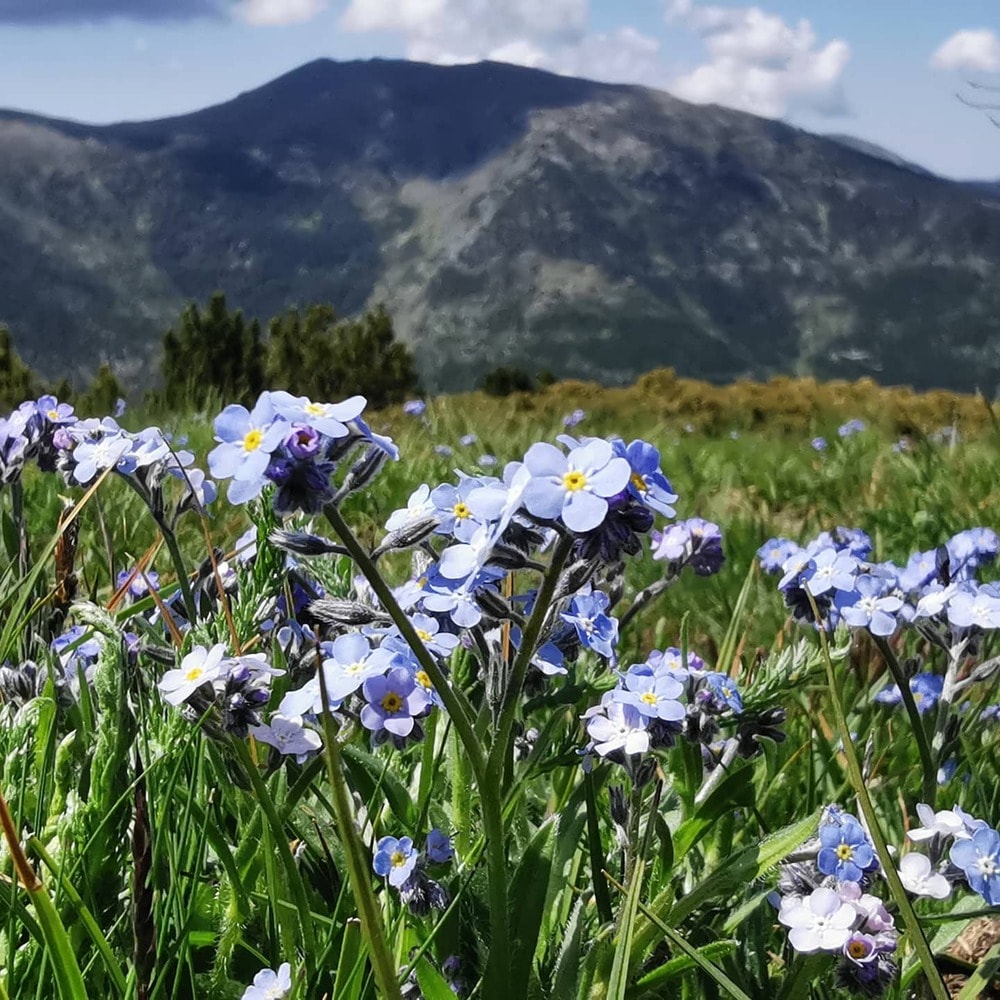
The official Alaska state flower is the Alpine forget-me-not, a small species that brings together history, geography, and cultural memory. Though modest in size, it has become an enduring floral emblem and one of the most recognizable plant symbols associated with the state of Alaska.
Alaska State Flower – Why the Alpine Forget-Me-Not Was Chosen
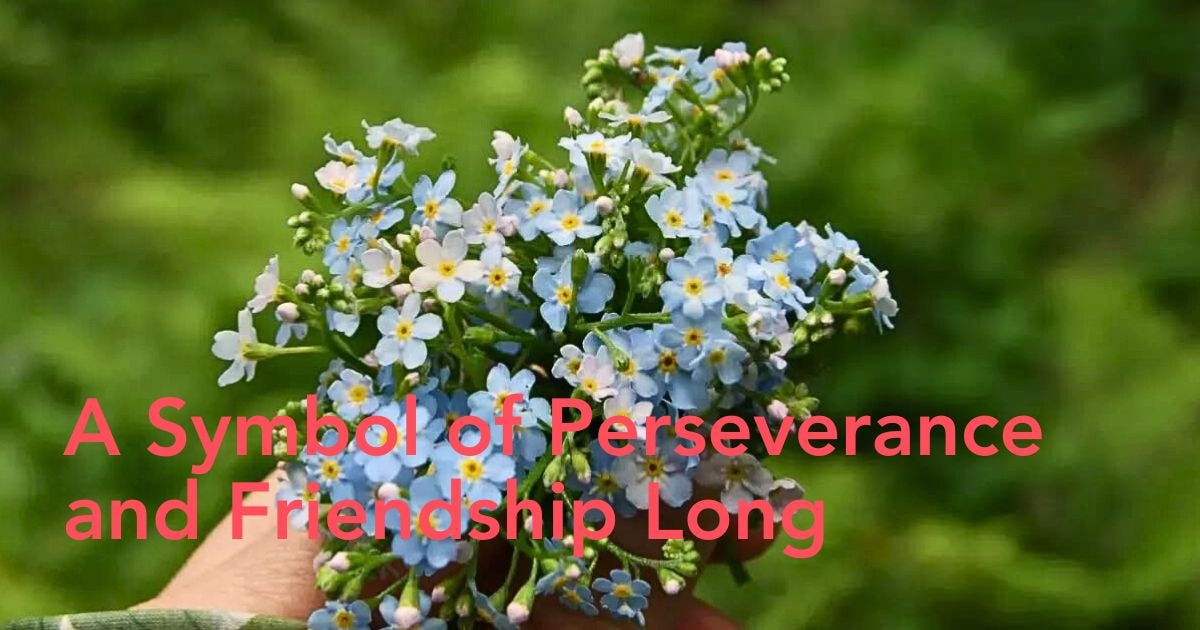
The Alpine forget-me-not that Alaskans know today as their state flower has roots in the early twentieth century, when Alaska was still a territory rather than a state. Local groups and schoolchildren spoke of the forget-me-not as a symbol of perseverance and friendship long before it was enshrined in law.
In 1917, the territorial legislature approved a bill that made the wild native forget-me-not the official floral emblem of the Territory of Alaska. This decision reflected both the plant's popularity and its widespread presence in high-country habitats, where clusters of blue flowers accompany hikers in midsummer.
When Alaska entered the Union as the forty-ninth state, the same Alpine forget-me-not was carried forward as the Alaska state flower. It remained part of the public conversation during debates around the Alaska Statehood Act and the broader question of how the new state should present itself to the rest of the union.
Over time, botanists narrowed down which exact species should represent the state. Myosotis alpestris, often described as the classic Alpine forget-me-not of northern mountains, became the accepted scientific name linked with the Alaska state flower. In some northern habitats, you may also encounter Myosotis asiatica, another closely related species that illustrates how complex a few plant families can be in high latitude ecosystems.
Today, the Alpine forget-me-not is firmly designated as the official state flower for Alaska. It appears in educational materials, tourism campaigns, and on many a site or brochure for visitors who want to learn more about the symbols of this northerly state.
Myosotis Alpestris – Natural History of Alaska’s Alpine Forget-Me-Not
Myosotis alpestris belongs to the borage or forget-me-not section of a few plant families that thrive in colder climates. These plants form low mats or loose clumps, usually just a few inches tall, which helps them withstand strong winds in exposed alpine terrain.
In the mountains of Alaska, the Alpine forget-me-not grows in open, rocky places, on scree slopes, and near snowmelt channels. It is often located above the treeline, where trees give way to shrubs, grasses, and scattered herbaceous plants adapted to short summers.
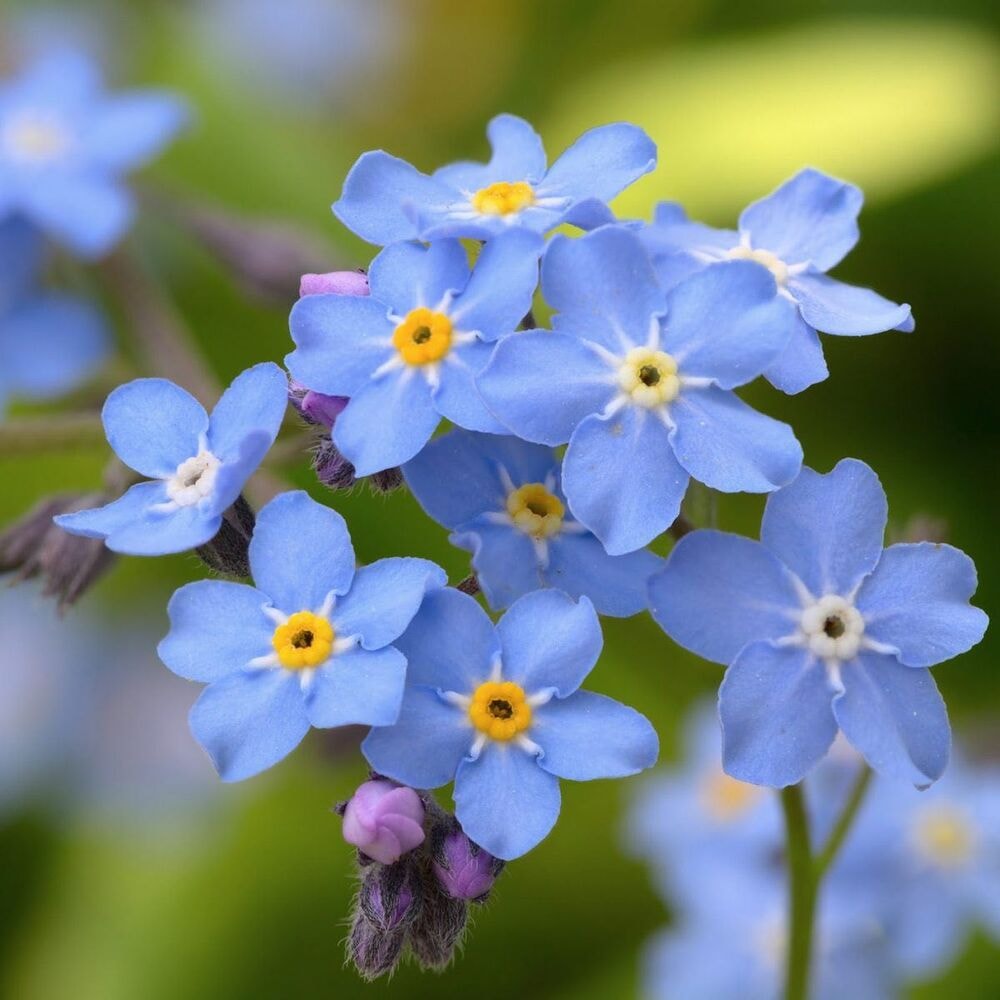
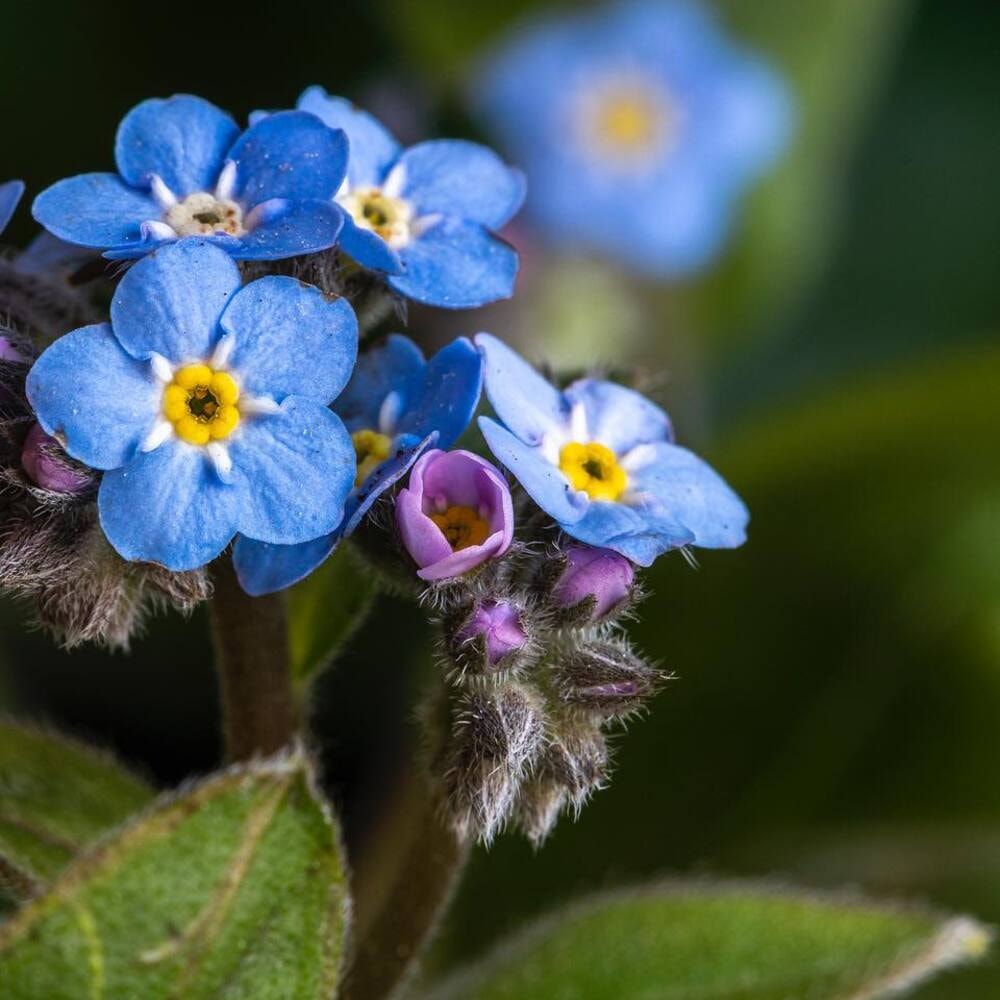
The individual flowers may be only about a quarter to an inch wide, but they stand out clearly when seen up close. Each one has five petals, usually an intense blue with a pale or white ring and a distinct yellow eye. Together, the flowers form small clusters at the top of a slender stem above narrow leaves. At close range, the slightly fragrant flowers reward anyone who kneels to inspect them.
The best time to see Myosotis alpestris in the wild is in midsummer, from late June to late July, when the snowpack has receded, and alpine trails become passable. Many hikers who visit Alaska in June, July, or August take at least one photo of these forge- me-nots as a personal note and reminder of their time in the northern mountains.
There are several related species of forget-me-not in Alaska. These include the Mountain forget-me-not, which tends to occupy slightly different elevations, and the Splendid forget-me-not, found closer to treeline and wet meadows. Together, these species illustrate how small plants can occupy subtle niches across a wide landscape.
Color, Form, and Species Details of the State Flower of Alaska
Although it is known primarily for its blue color, the Alpine forget-me-not can sometimes show white or even faintly pink tinges around the petal edges. Gardeners who grow these plants in cooler climates value their ability to handle poor soils and harsh winters with minimal care.
The plants usually stay low to the ground, sending up several flowering stems from a rosette of simple leaves. Each stem carries a curving line of tiny flowers that gradually open over several days, creating a progression of color along the stem, reminiscent of the beautiful displays created by climbing roses in gardens.
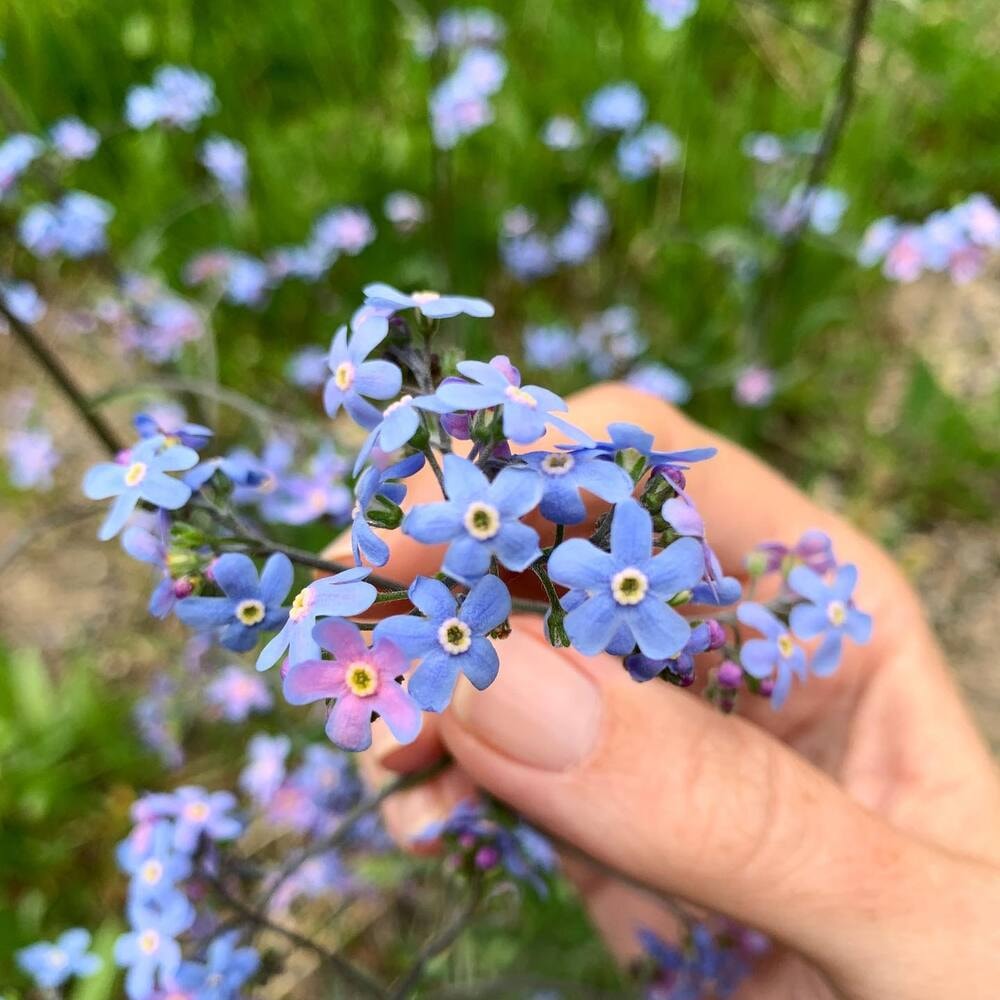
In botanical guides, the Alpine forget-me-not is generally treated as a hardy perennial. Its small stature hides a strong root system that anchors it into gravel and fine scree. Over time, the plants can slowly spread, forming more extensive patches where conditions allow them to grow undisturbed.
While Myosotis alpestris is the best known, Myosotis asiatica shows how different species within the same group can adapt to particular microclimates. Both species contribute to the overall impression of blue flowers scattered among rocks, mosses, and lichens in high country areas.
How the Alaska State Flower Connects to the Alaska State Flag
The Alaska state flag is one of the clearest examples of how a plant, the night sky, and a young state’s identity can be linked together. Designed by a schoolboy, Benny Benson, the flag shows eight gold stars arranged as the Big Dipper and the North Star on a dark blue field.
In Benson’s own explanation, the blue field stands for the Alaska sky and the forget-me-not, an Alaskan flower that people already recognize as their state flower. The Big Dipper represents the great bear, while the North Star stands for the future of the state of Alaska, the most northerly in the Union, symbolizing strength and direction. On many educational displays, this dipper pattern appears above a stylized grand igloo or village scene to show how the flag links sky, land, and community in the long evening hours of northern winters.
This careful use of symbols made the flag more than just a diagram of stars. It connected the wild landscape, the night sky, and the humble forget-me-not into one coherent design. For visitors, a single photo of the flag often leads them to review the story of the Alaska state flower and how the two symbols support one another.
Later, when Alaska entered the United States as a full state, the existing flag was retained. The union now contained a vast new territory whose official plant emblem and flag design were already closely bound together in public awareness.
Historical Background – From Territory to Statehood
Alaska’s political history moves from Russian control to U.S. territory and finally to full statehood in the mid-twentieth century. For decades, the region remained a territory, generating debates in Washington, D.C., about population, resources, and national security.
The Alaska Statehood Act, passed in the late 1950s, laid out the legal framework for the transition. By September of that period, the practical steps toward admission were underway, and on January 3, 1959, Alaska formally joined the union as the forty-ninth state.
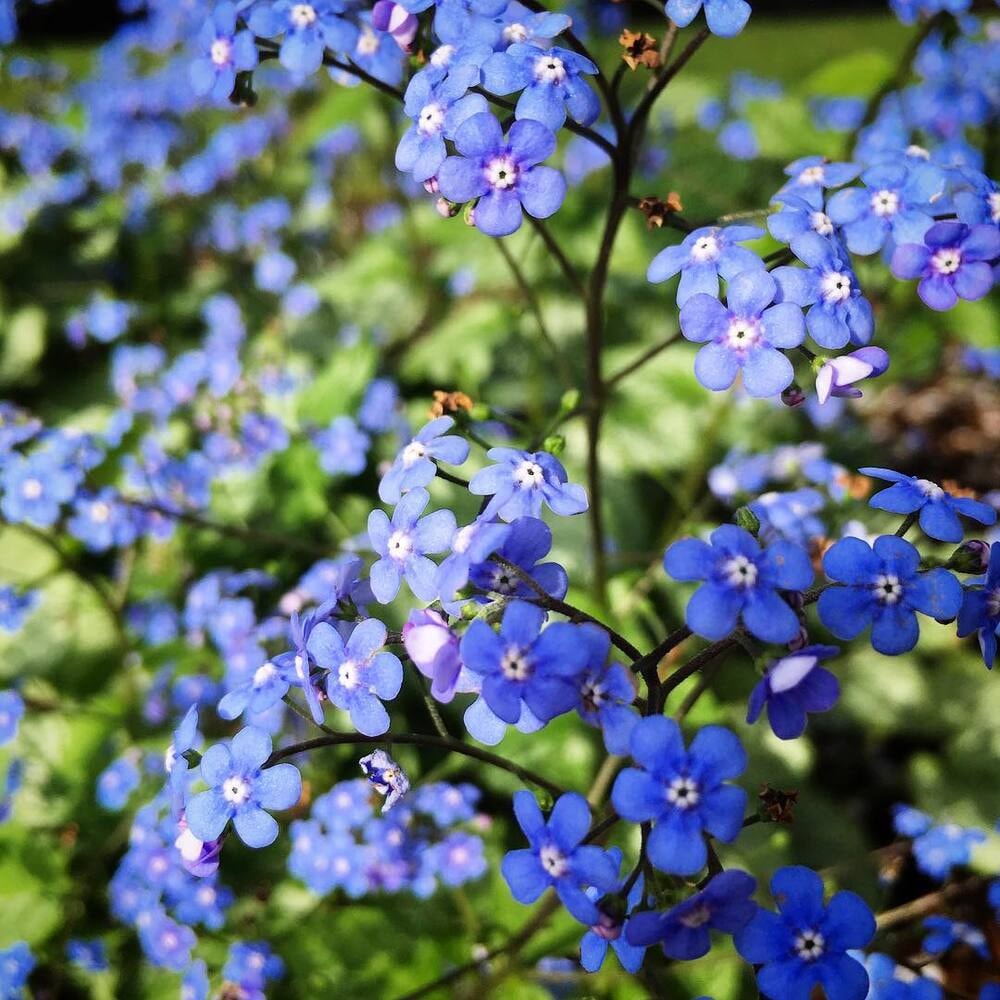
Through this long process, Alaskans used the forget-me-not as a unifying emblem. pioneers, political leaders, and ordinary residents brought flowers to meetings, printed them in pamphlets, and used them in art to argue that their home deserved full recognition as a state.
The continuity of the Alpine forget-me-not from territorial days into the new Alaska state helped maintain a sense of identity during rapid change. While legislation and legal language shifted, the same small flowers remained present in people’s daily lives, symbolizing strength, memory, and a connection to place.
Ecological Role and Importance of the Alaskan State Flower in Northern Landscapes
Beyond symbolism, the Alpine forget-me-not and related species have practical importance within northern ecosystems. Their early-season flowers provide nectar and pollen for small insects, including solitary bees and flies, that in turn support birds and other wildlife.
Because these plants occupy open sites between rocks and gravel, they help stabilize surface soils on steep slopes. Over time, their roots and the organic matter from dead leaves contribute to the thin soils that other alpine plants rely on. In this way, a small patch of forget-me-nots can gradually prepare the ground for additional species.
In many parts of Alaska, the Alpine forget-me-not appears alongside low shrubs, dwarf willows, and other herbaceous plants. Together with sedges, grasses, and lichens, these communities create a richly textured mosaic at high elevations above the main forest of coniferous trees.
While the flowers are visually modest, their ecological role across mountains and plateaus is significant. They mark key stages in the short growing season between snowmelt in June and the first frosts, which may already arrive by August or September.
When and Where to See the Alaska State Flower
For travelers who want to view the Alaska state flower in its natural setting, the best time is generally from late June through late July. During this window, alpine trails are safer, and snow has melted from most south-facing slopes.
The plants are most frequently located in open mountain areas, on well-drained slopes, and in rocky hollows where water seeps slowly through the soil. Because the plants stay small and close to the ground, you often need to look carefully among stones and moss to spot the blue color.
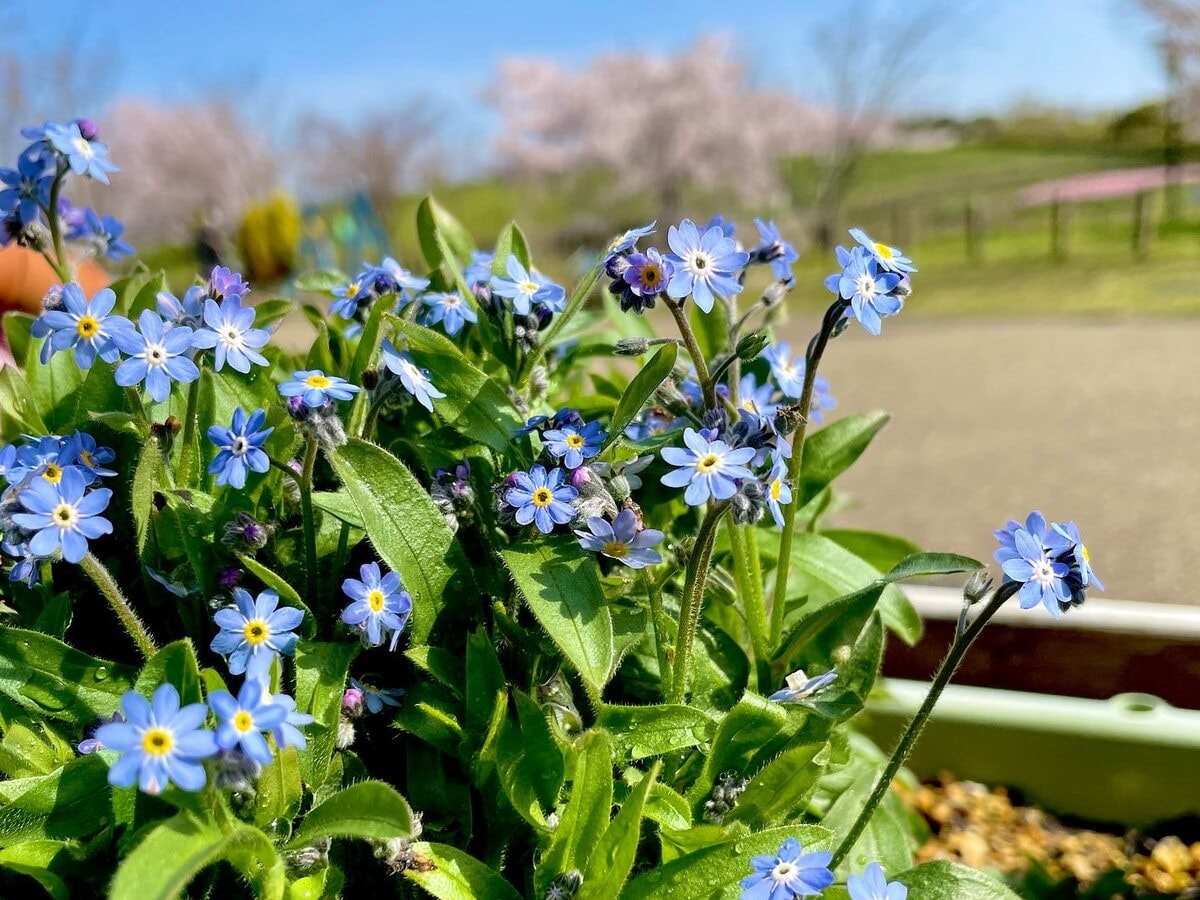
Many popular hiking areas in interior and south-central Alaska offer good chances of seeing alpine forget-me-nots. Guides and park rangers are often responsible for advising visitors where they are most likely to see these flowers without trampling sensitive habitat.
Even if you never leave the road system, you may still see the Alaska state flower printed on brochures, illustrated in field guides, or featured on an interpretive sign. Each image or photo serves as a reminder of the natural heritage that underlies the modern state.
Cultural Meaning, Memory, and the Alpine Forget-Me-Not
The phrase "forget me not" already hints at the meaning people have long attached to these flowers. In European and North American traditions, they have been used to represent faithful memory, enduring affection, and the idea that a person or place should not be forgotten.
For Alaskans, the Alpine forget-me-not also evokes perseverance in a harsh climate and loyalty to a relatively young state. During the long campaign for recognition, residents sent bouquets and drawings of forget-me-nots to members of Congress as a quiet but persistent message.
The flower’s color links visually to the blue field of the state flag and the wide skies above the mountains. The yellow centers can be read as points of light within that field of blue, echoing the way the Big Dipper and North Star appear against the night sky in flag designs.
Unlike ornamental garden plants that demand large flowerbeds or intensive care, the Alaska state flower survives with minimal assistance. This modest way of life resonates with many long-term residents who value self-reliance, patience, and an ability to grow in challenging conditions.
Gardening With the Alaska State Flower
Gardeners who want to grow a symbolic piece of Alaska in their own yards can sometimes find seed or nursery stock of Myosotis alpestris. When grown outside of Alaska, these plants still prefer cool summers, well-drained soil, and regular moisture that does not become stagnant.
In many designs, the Alpine forget-me-not is used along gravel paths, in rock gardens, or in raised beds that mimic mountain conditions. The plants combine well with compact shrubs, dwarf conifers, and other herbaceous plants that favor similar light and moisture conditions.
Although the flowers are small, they appear in dense clusters along each curved stem, creating an effective band of color at the front of a border. Because the plants tend to self-sow, they may reappear from year to year, even if individual plants are short-lived.
When planning a display around the Alaska state flower, many gardeners pair it with white or yellow companion plants so that the blue stands out clearly. Simple plantings like this can serve as a living reminder of trips to Alaska or as a way to teach children about the state's history and symbols. If you want additional botanical detail, you can click through from this article to a field guide or trusted educational site for a deeper review of the species involved.
Header image by @plante.si.arte.