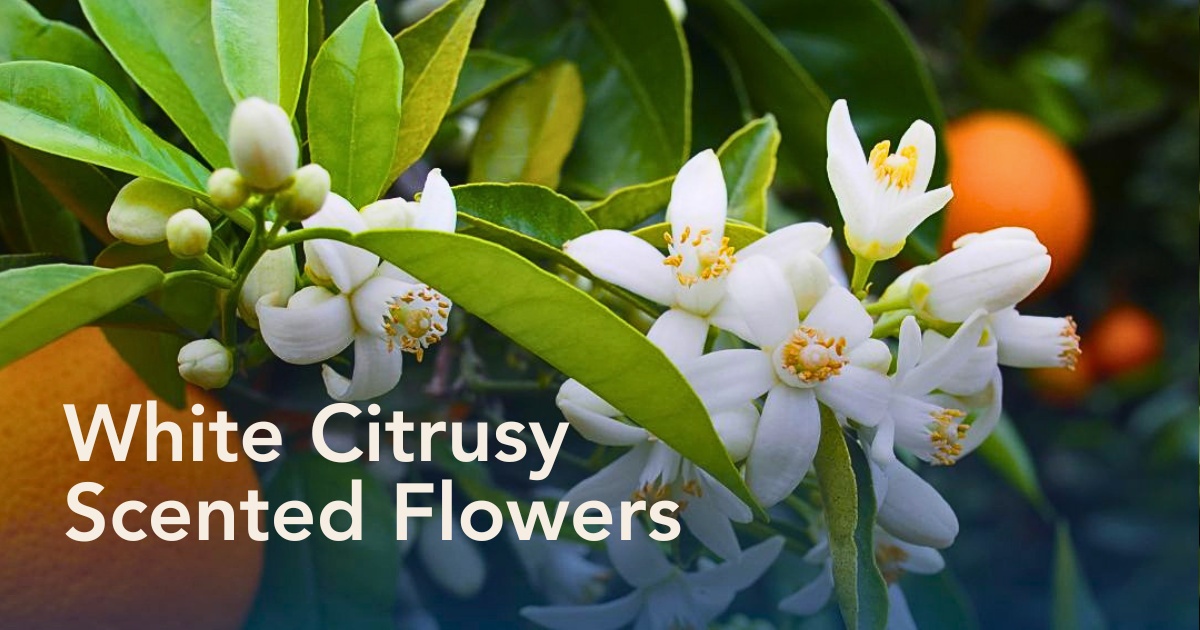
The orange blossom is a small, white, five-petaled flower that grows in clusters on citrus trees. It blooms in spring and produces one of the most recognizable fragrances in the natural world. It is also the official Florida state flower, a designation it has held since 1909. But aside from that, it has a rich story that links agriculture, culture, commerce, and identity; a story that explains why this flower has been the floral emblem of Florida – the Sunshine State – for well over a century.
What Is the Orange Blossom?
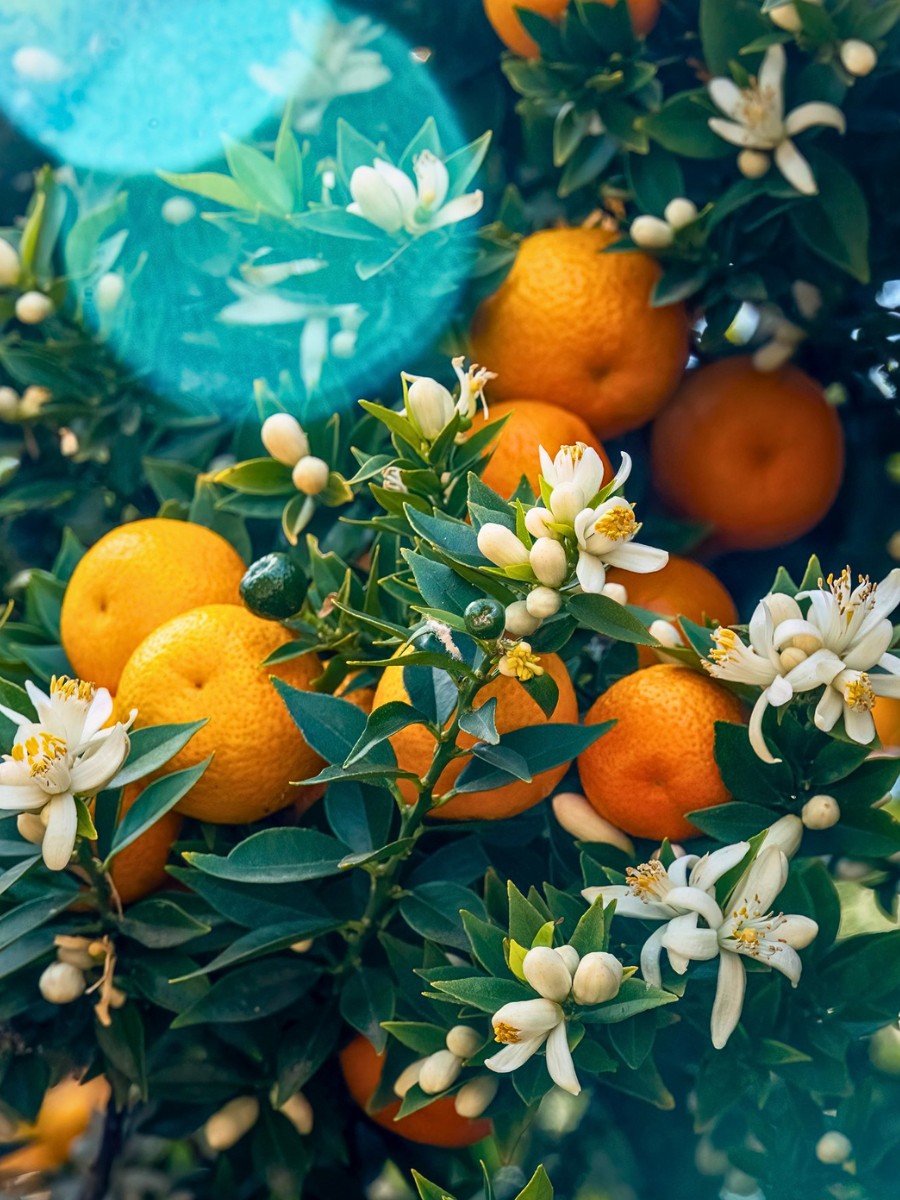
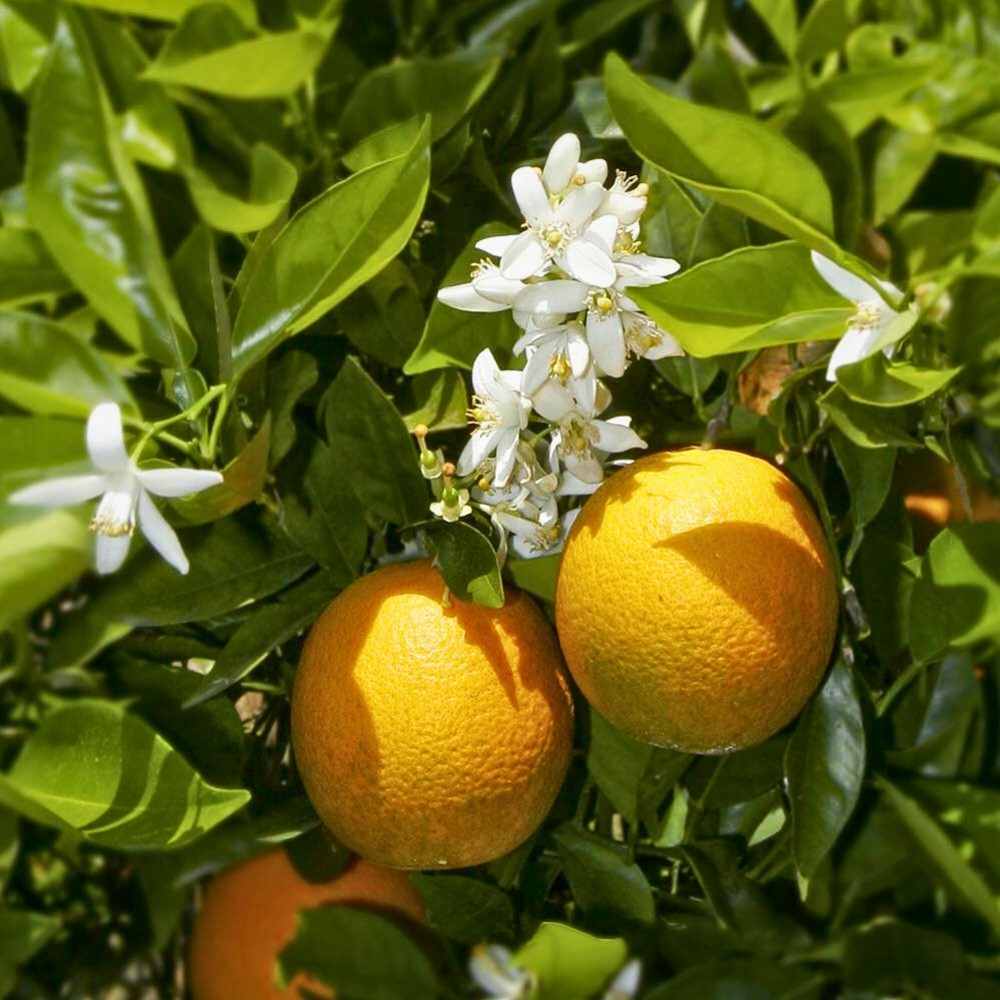
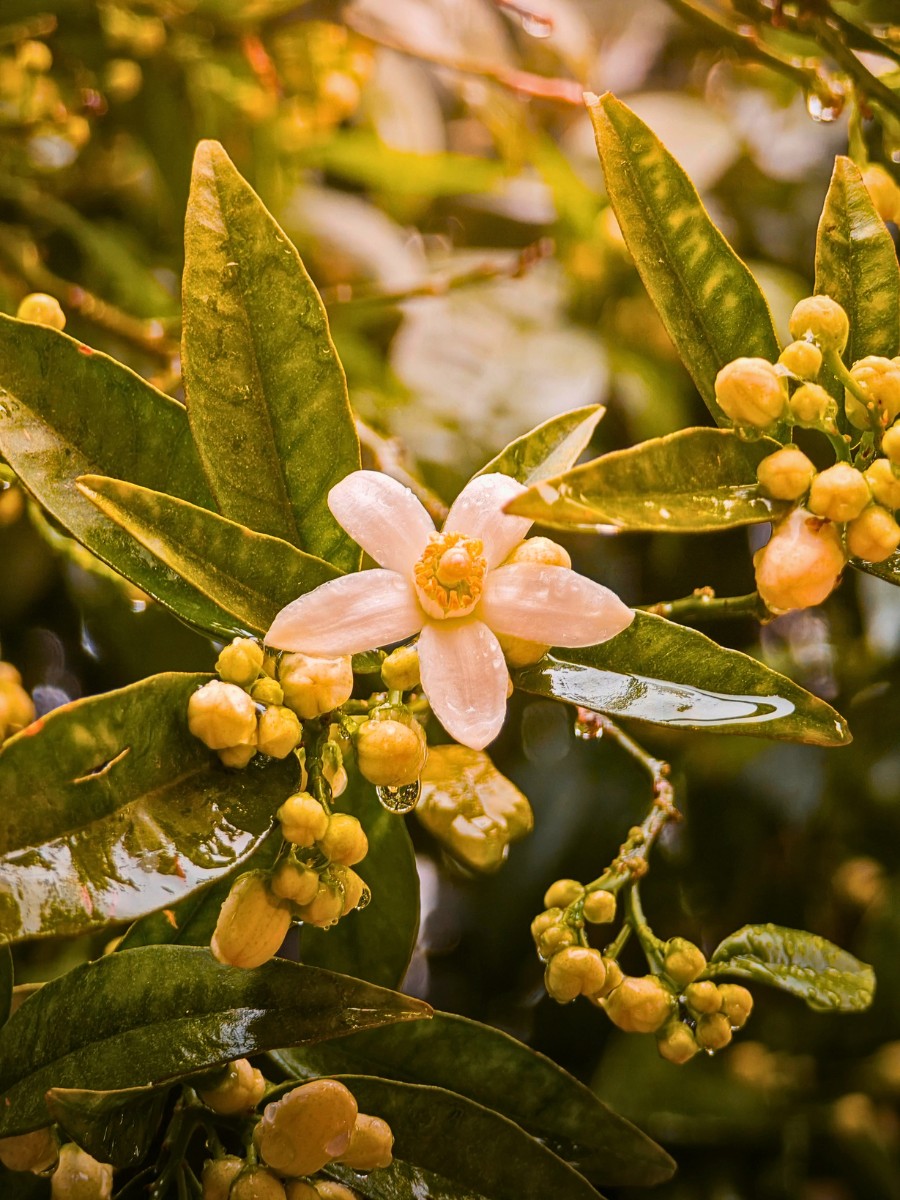
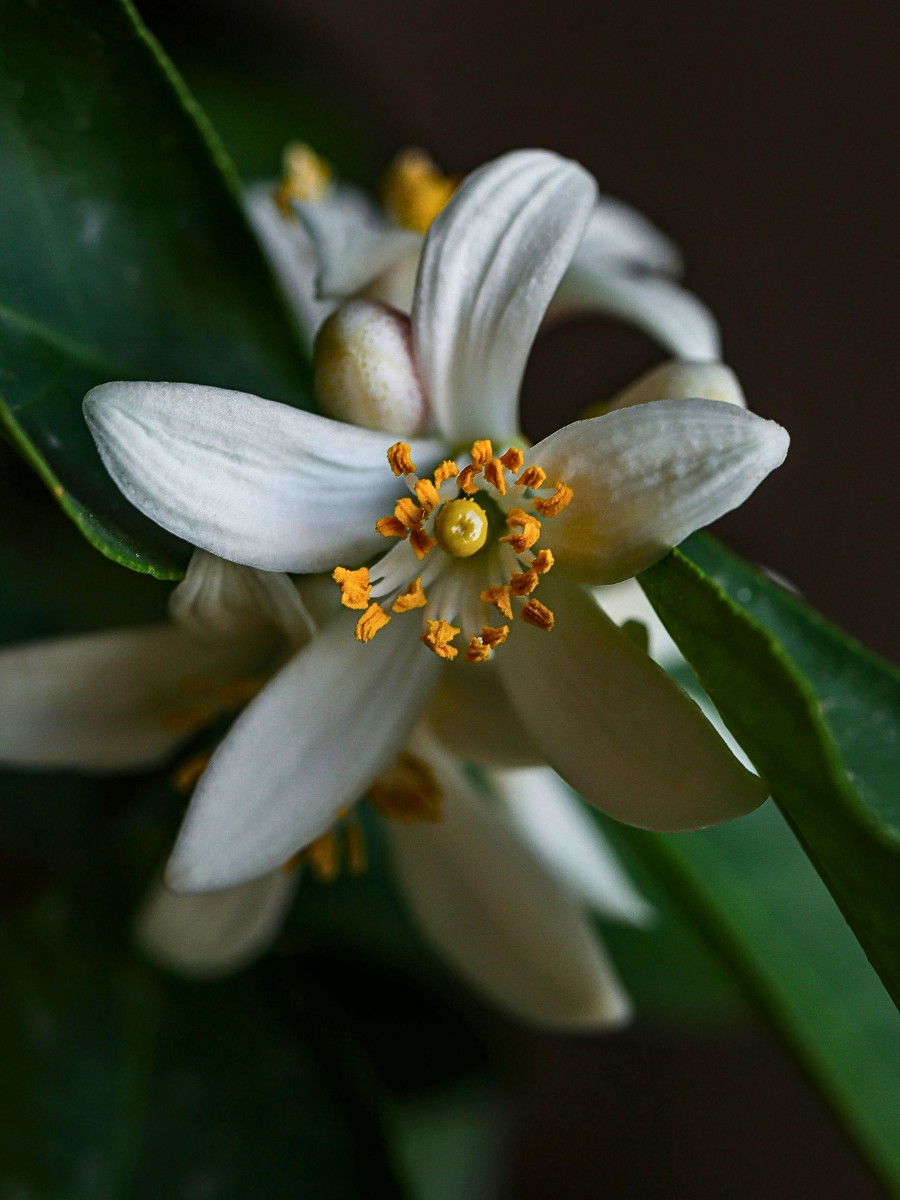
Orange blossom is the flower of the sweet orange tree, Citrus sinensis, a member of the Rutaceae family. The flowers are small and white, typically about 2-3 cm (1 inch) in diameter, with five waxy petals surrounding a cluster of yellow stamens. They grow in clusters along the branches of orange trees and are perhaps best known for their powerful, sweet fragrance, which has made them one of the most commercially significant flowers in perfumery and natural flavoring.
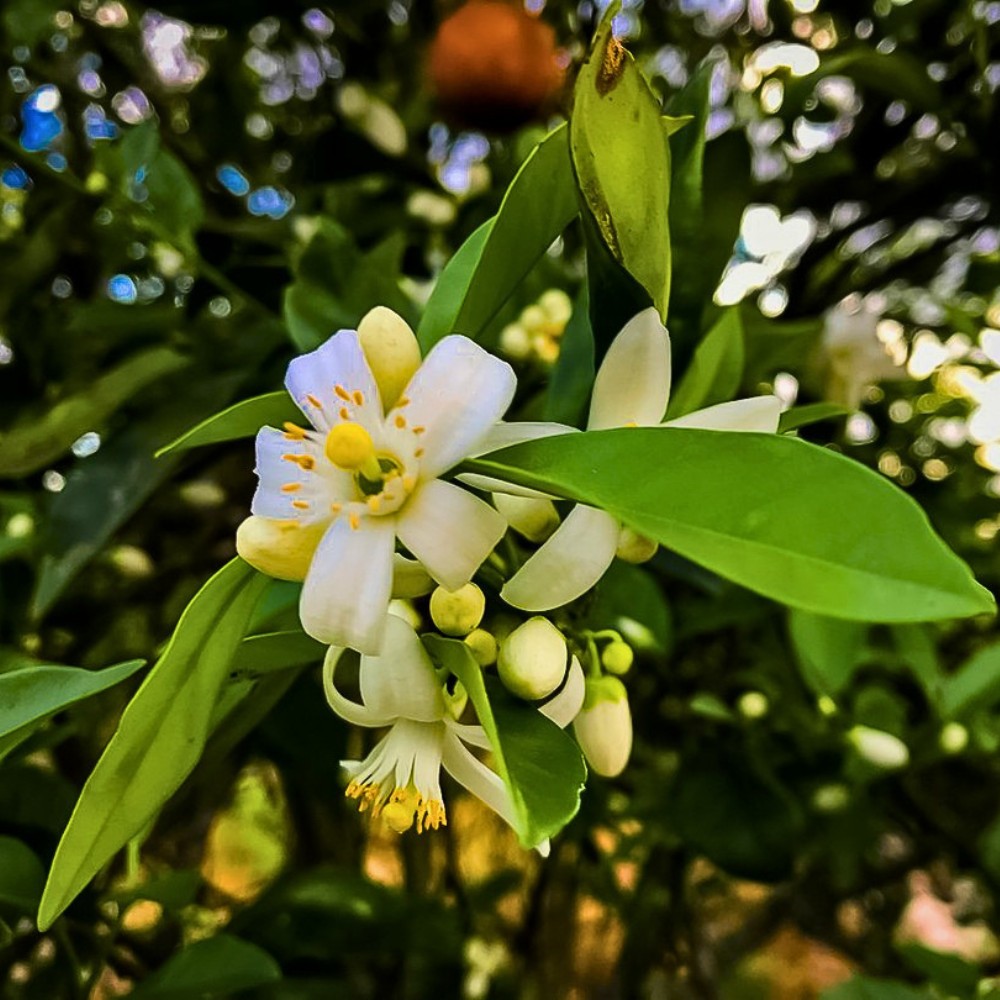
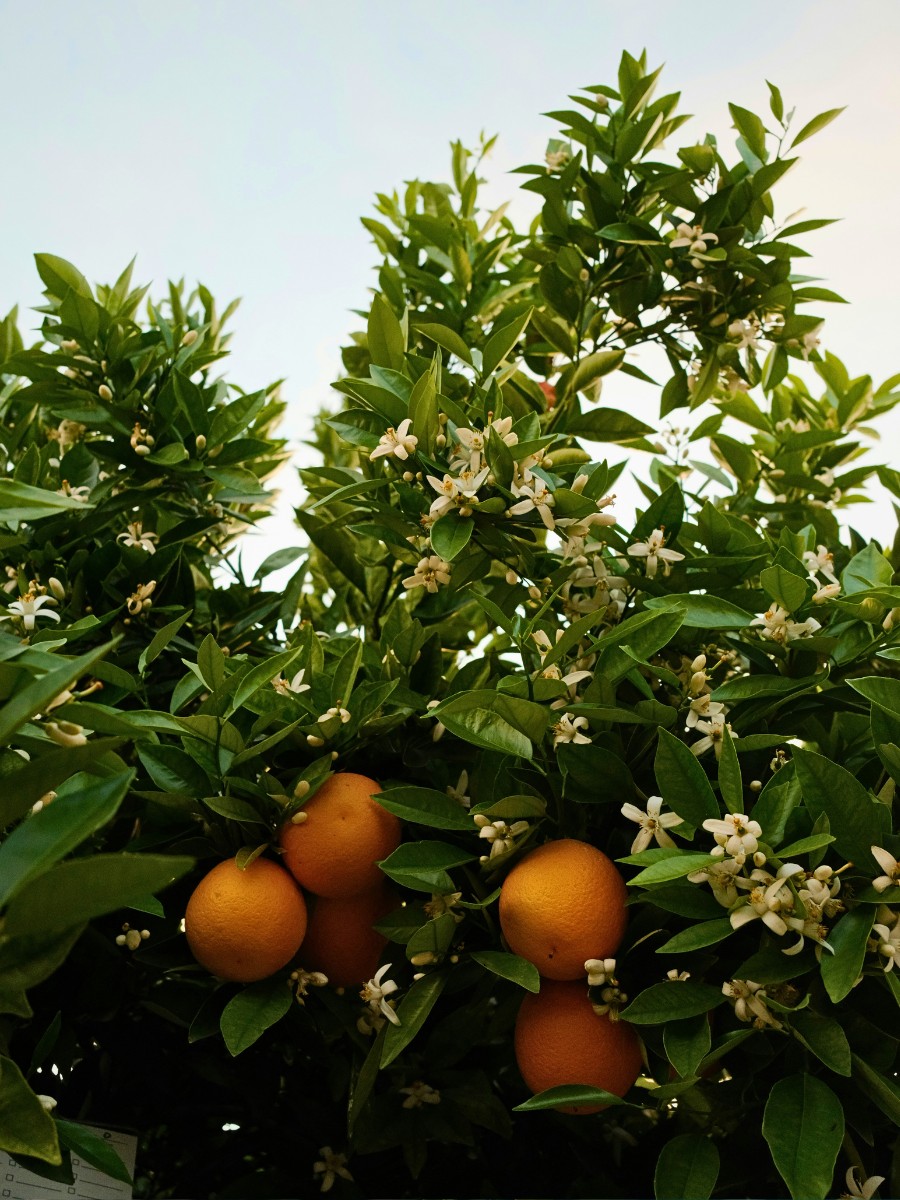
The orange tree is, itself, not native to Florida or the Americas, having originated in Southeast Asia and being brought to the Western Hemisphere by Spanish explorers in the late 15th and early 16th centuries. Florida’s climate, featuring warm temperatures, plentiful rainfall, and sandy soils, proved exceptionally well-suited to citrus cultivation. Over the following centuries, orange groves spread across central and northern Florida, changing the state's agricultural economy and landscape.
Orange blossoms appear on trees primarily in spring, with the main flowering season running from March through April in most of Florida. A mature orange tree can produce thousands of flowers in a season. The flowers are hermaphroditic, containing both male and female reproductive structures, and are pollinated primarily by honeybees.
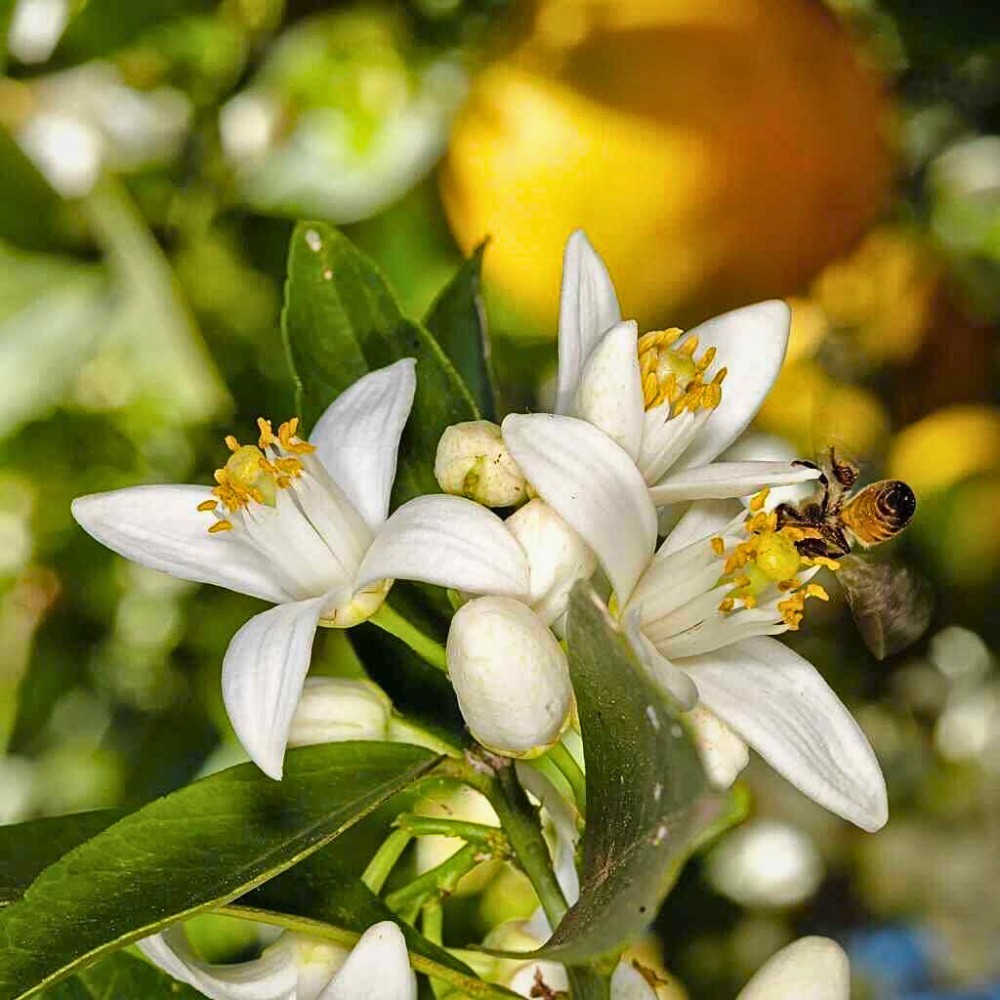
The relationship between orange blossoms and honeybees is so well established in Florida that the state has a significant commercial beekeeping industry centered on orange blossom honey, which is one of the most beloved varietal honeys in North America.
Orange Blossom, as the Florida State Flower
The orange blossom was chosen as the Florida state flower because of its direct and long-held connection to the state's economic and cultural identity. By the late 19th century, Florida's citrus industry had become the mainstay of the state's agricultural output. Orange groves covered vast stretches of central Florida, and the annual flowering of the trees was a feted seasonal event drawing settlers, visitors, and investors.
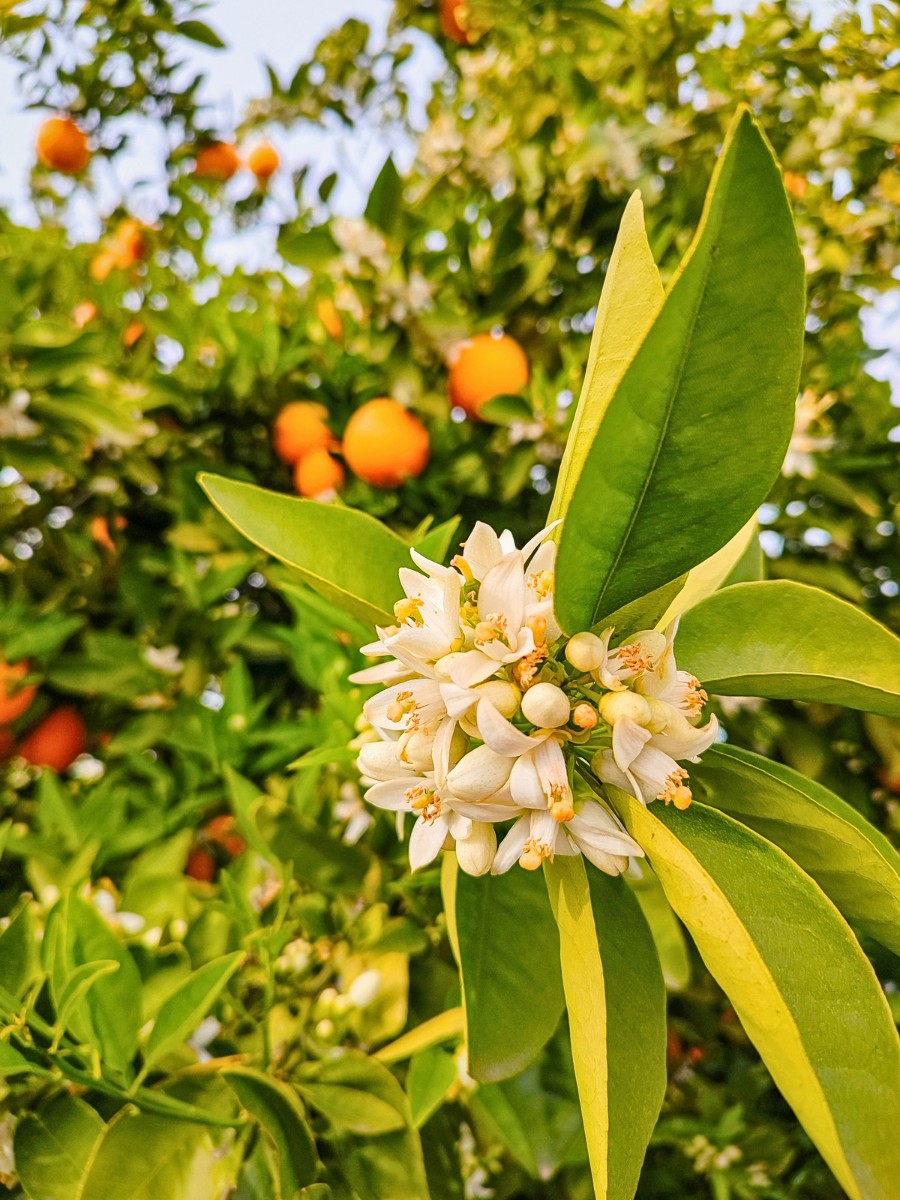
The fragrance of orange blossoms in spring became synonymous with Florida itself. Promotional materials for the state in the late 1800s and early 1900s frequently referenced the scent and appearance of citrus groves as defining features of what made Florida a desirable place to visit, live, and invest. Orange blossoms traditionally represented prosperity, good fortune, warmth, and the fertility of Florida's land, all qualities that civic leaders wanted associated with the state’s identity.
There was also a romantic and cultural element to the choice. The orange blossom has long been associated in European and American traditions with purity, good fortune, and new beginnings, particularly in the context of weddings. Brides across the Western world had worn orange blossom garlands and carried orange blossom bouquets for years before the flower became a state symbol. The combination of agricultural significance and cultural resonance made it a natural choice when Florida legislators considered formal state symbols.
When Was the Orange Blossom Named the Florida State Flower?
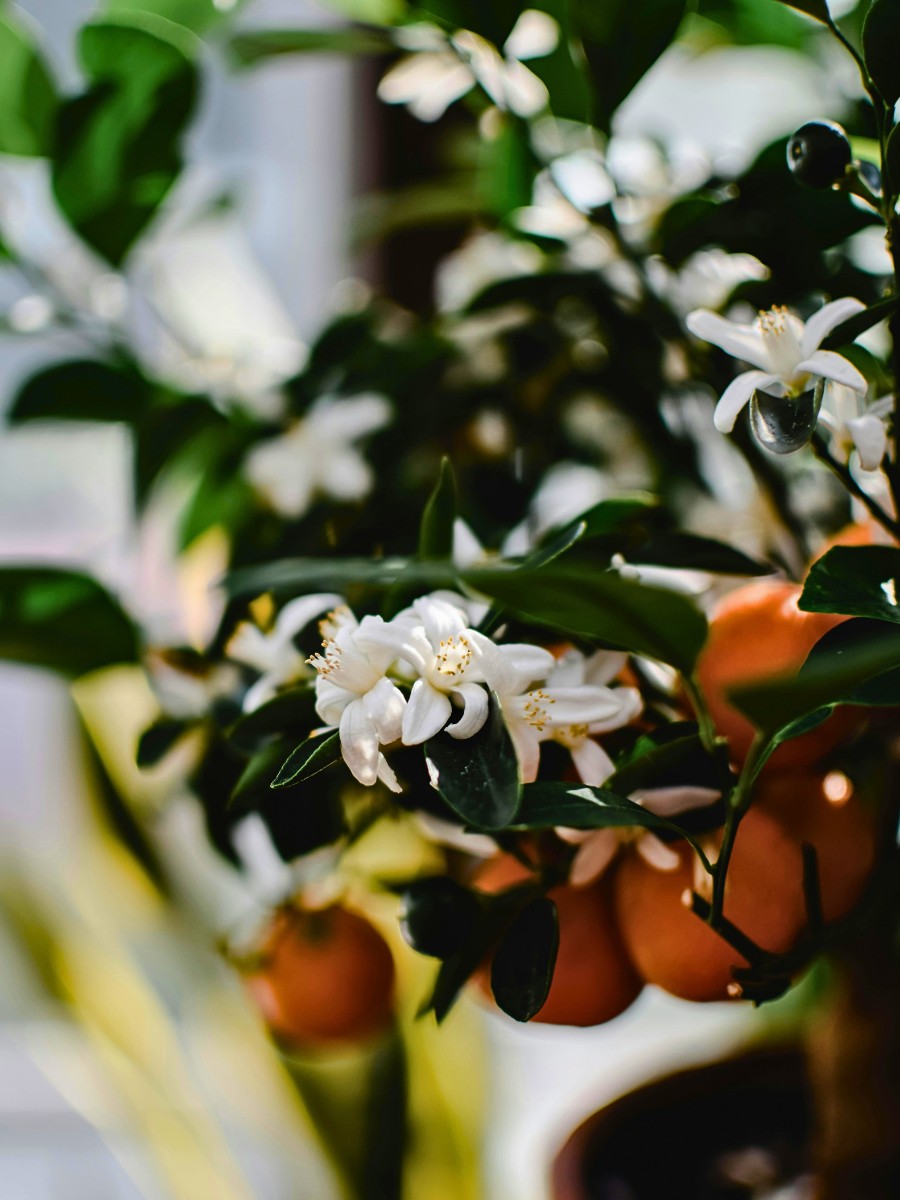
The orange blossom was officially designated the Florida state flower in 1909, when the State Legislature formally adopted it as its floral emblem. The designation showed the great entrenchment of citrus culture in Florida's economy and public life by that point. Florida was already one of the nation's leading citrus-producing states, and formalizing the orange blossom as the state flower was both a recognition of that and a statement of state pride.
The adoption of state symbols in the early 20th century was a common practice among American states, driven by a desire to codify regional identity and distinguish each state's unique character within the national framework. Florida's choice stood out because it selected a flower tied so directly to an industry rather than to the wild natural landscape. It exemplified the state's identity as a place actively shaped by agriculture and human enterprise alongside its natural beauty.
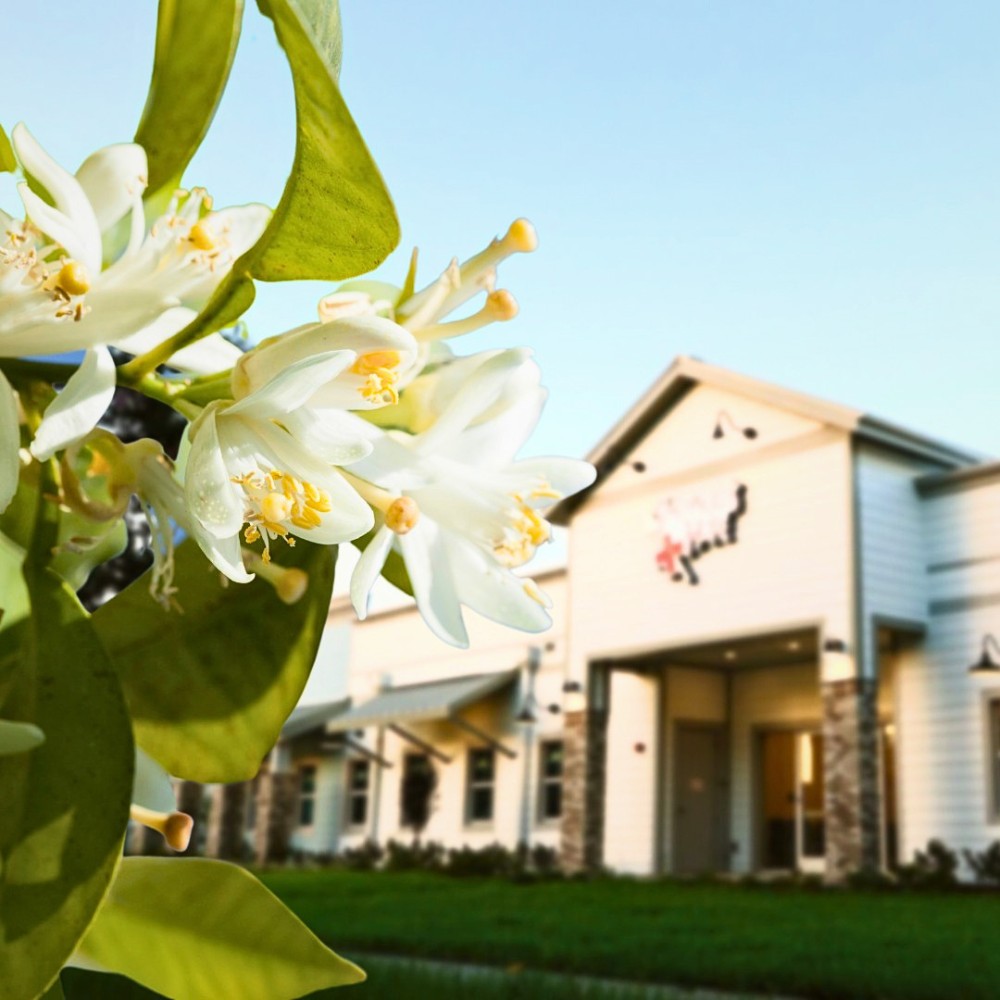
The designation has remained unchanged for well over a century, showing how steadily the orange blossom has held its place in Florida's cultural and economic story. Even as Florida's citrus industry has faced significant challenges (and declined) in recent decades from disease, development, and climate pressures, the orange blossom has remained the state’s official floral symbol.
Orange Blossom in Florida’s Cultural Life
The presence of the orange blossom in Florida's cultural life is much more. It appears in place names, brand identities, festivals, and artistic traditions. The Orange Blossom Trail, a historic highway running through central Florida, takes its name from the citrus groves that once lined its route. Orange blossom motifs appear in Florida architecture, tile work, and decorative arts, particularly in buildings and homes from the early and mid-20th century.
When it comes to food and drink, orange blossom water, a byproduct of steam distilling orange blossoms, has been used for ages in cooking and baking. It appears in traditional Mediterranean and Middle Eastern recipes and has found a renewed audience among American chefs and home cooks interested in natural flavorings. Florida-produced orange blossom honey is marketed as a premium product. It is prized for its light color and distinctively floral flavor.
The flower also retains strong associations with Florida's wedding culture. The tradition of brides wearing or carrying orange blossoms dates back centuries in European custom, with the flower symbolizing happiness, fertility, and a prosperous union. In Florida, where the flower is the state floral symbol, this tradition has an additional local meaning. Florists regularly incorporate the blossoms into bridal designs, particularly for spring weddings when the flowers are naturally in season.
Floridians’ Connection With the Orange Blossom as Their State Flower
For them, the orange blossom is a point of regional pride. Older residents often recall the scent of orange groves in spring as a defining sensory memory of growing up in the state, particularly in central Florida communities like Orlando, Lakeland, and Winter Haven, which were once surrounded by citrus cultivation. The fragrance has become, for many, the smell of Florida itself.
Younger generations connect with the flower through its presence in Florida's branding, products, and educational programming. This Florida state flower appears in school curricula, state government materials, and tourism promotion. It is a recognizable symbol that links the people to the state's agricultural past, even as the citrus industry has considerably diminished.
Florida's loss of a large portion of its citrus production in recent decades has, in some ways, enhanced the emotional connection many residents feel toward the orange blossom. As working groves disappear from the landscape, the flower has taken on a nostalgic quality alongside its symbolic one. Heritage preservation groups, agricultural museums, and citrus historians continually work to keep alive the history of the orange blossom and its role in building modern Florida.
The Orange Blossom in Perfumery and Commercial Use
The orange blossom is one of the most important flowers in the global perfume industry. Its essential oil, known as neroli when extracted from bitter orange blossoms (Citrus aurantium) through steam distillation, is a base ingredient in many classic and contemporary fragrances. The concrete and absolute extracted from sweet orange blossoms are also used extensively in high-end perfumery and loved for their warm, floral, slightly honeyed scent profile.
The scent of orange blossom is composed of a complex mixture of volatile compounds, including linalool, linalyl acetate, and methyl anthranilate, which together create its signature sweetness with subtle green and spicy undertones. Perfumers love the flower for its versatility. It can be used as a heart note in floral compositions, a softening element in woody or citrus fragrances, and a bridge between heavier oriental bases and lighter top notes.
But aside from perfumery, orange blossom extract and orange blossom water are used in cosmetics, skincare, and food production. The flower's natural compounds have mild soothing properties that make them a popular ingredient in toners, face mists, and moisturizers. In the culinary space, orange blossom water is a staple flavoring in confections, pastries, and beverages.
Orange Blossom, Florida’s Citrus Industry, and Conservation
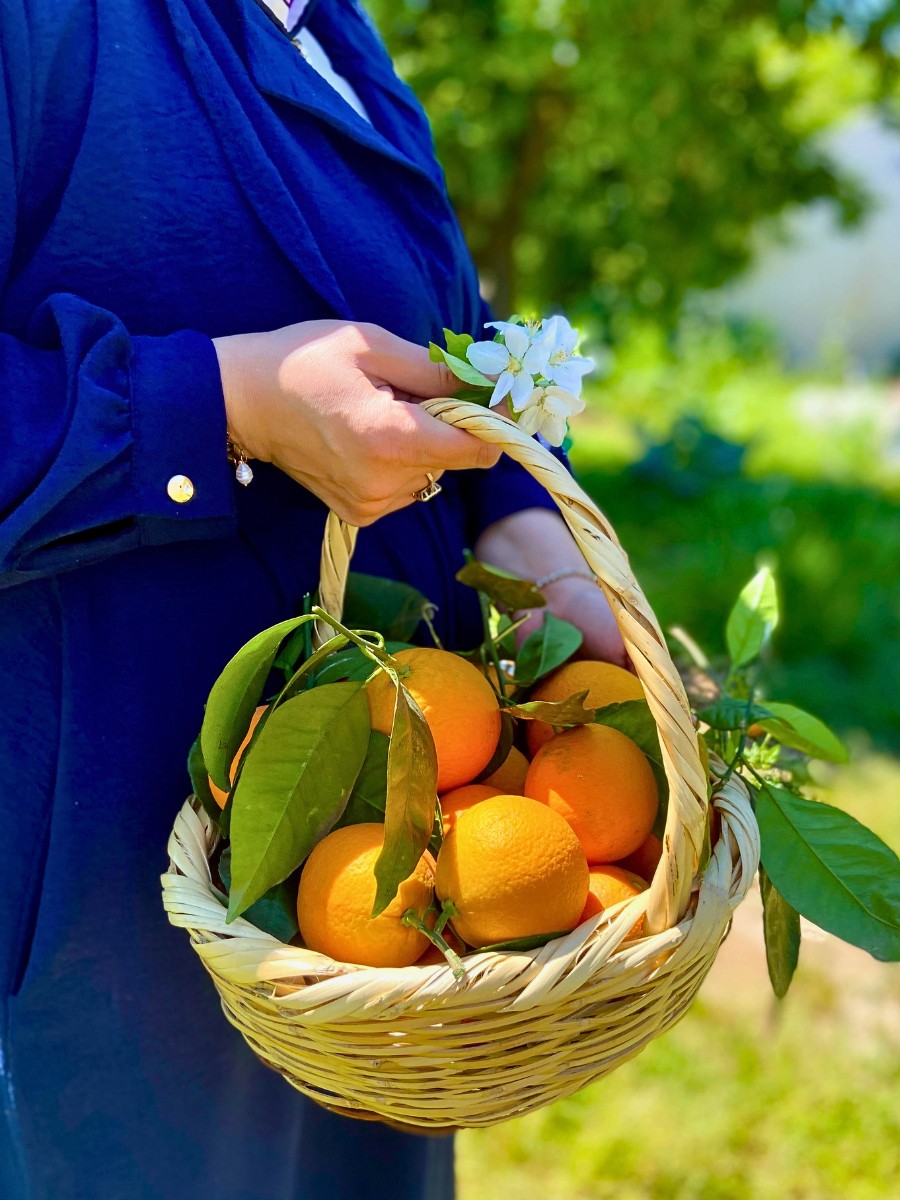
At its peak in the mid-20th century, Florida's citrus industry produced more than 80% of the United States' orange supply and was a major contributor to the global orange juice market. The orange blossom season was a beloved annual event, and the health of the citrus crop was closely watched by growers, investors, and state officials. Florida orange juice became a cultural export, synonymous with the state's identity in American households.
Since the early 2000s, the industry has faced challenges, especially due to citrus greening, a bacterial disease spread by the Asian citrus psyllid. There have been many more challenges that have seen Florida's orange production drop significantly from its historic highs, and the working citrus grove landscape that once defined large portions of the state has shrunk considerably, with California, consequently, producing more.
Research into citrus greening resistance and biological controls is ongoing, and the Florida Department of Agriculture continues to support the citrus industry in different ways. For the orange blossom, Florida's state flower, the challenges it faces have only underscored the importance of preserving its agricultural heritage and the ecosystems that support it, including pollinators, soils, and water systems.
Featured image by Oktay Köseoğlu. Header image by @fmfarmcredit.