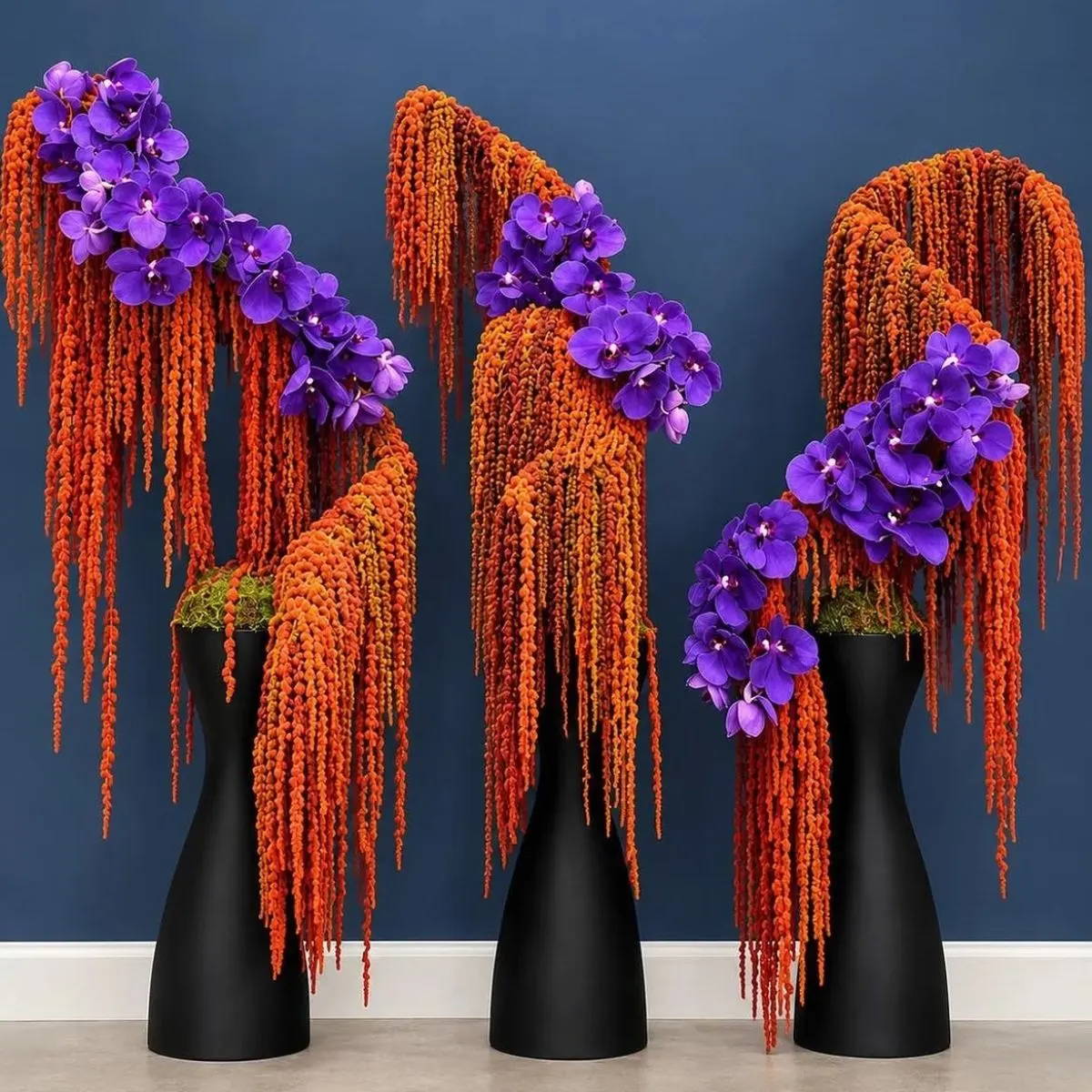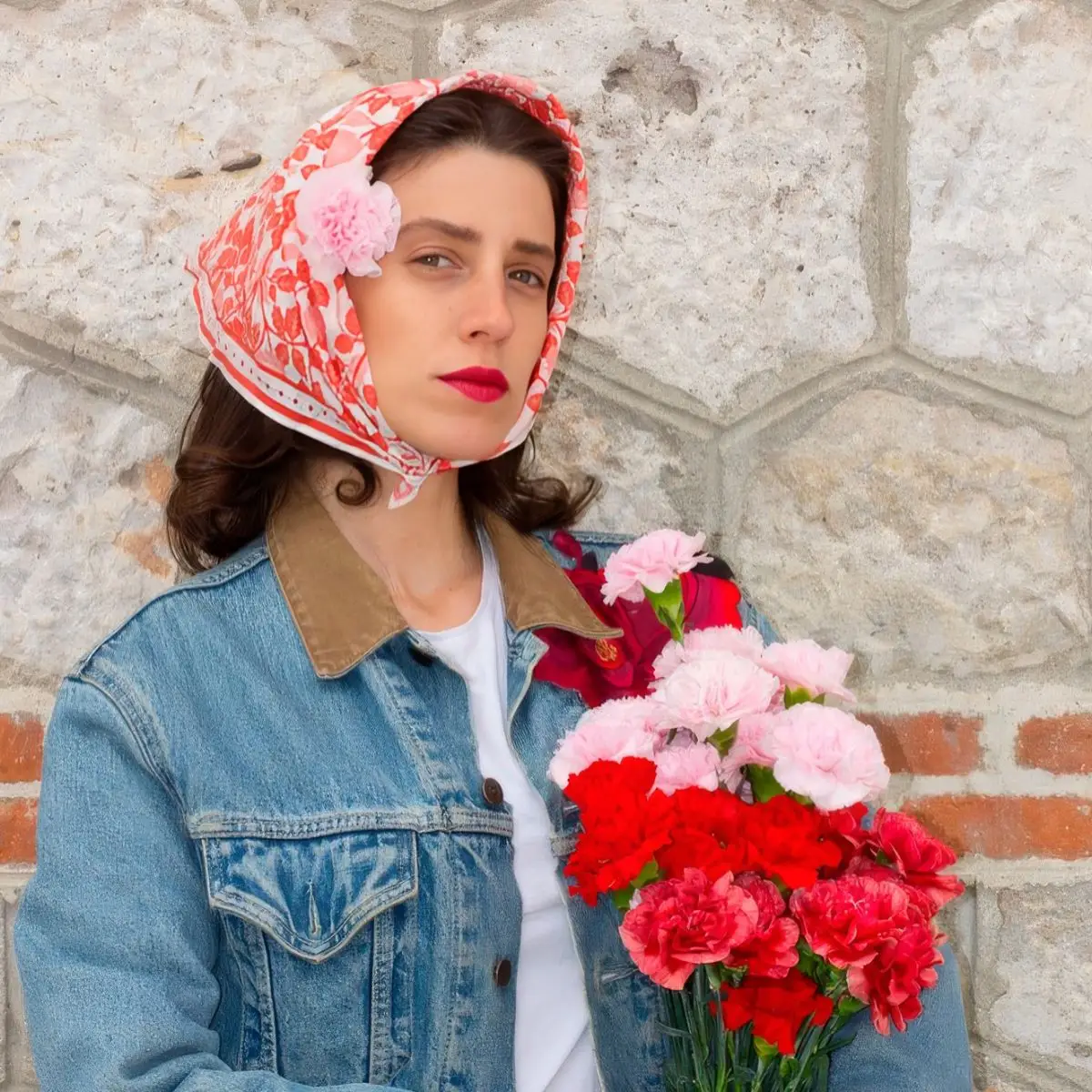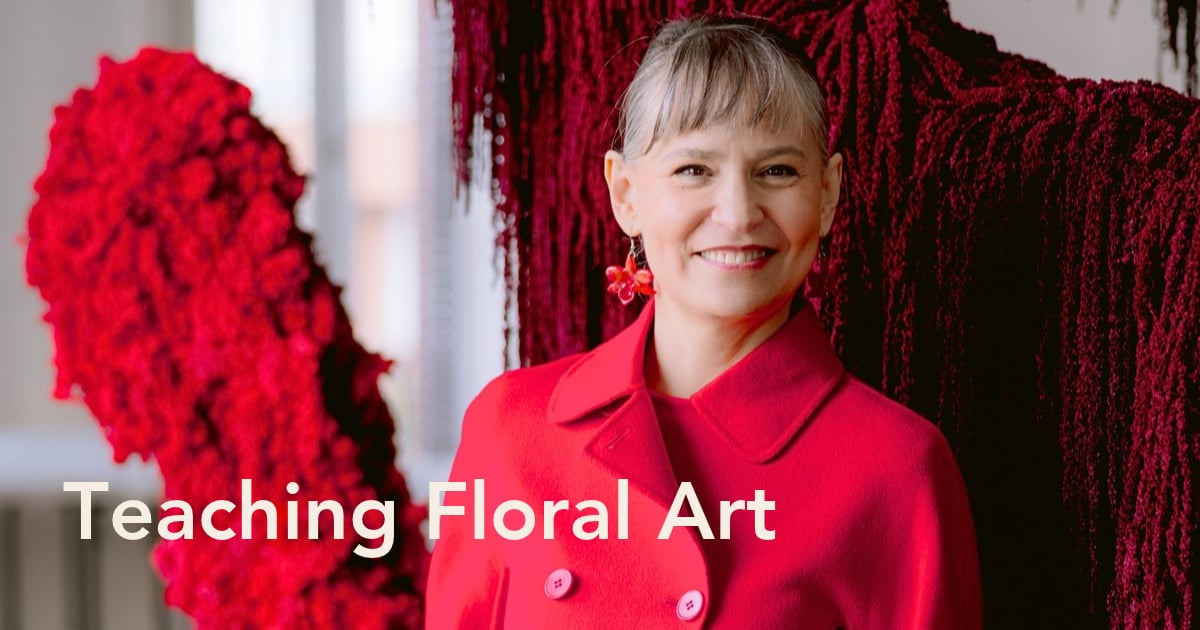
Teaching floral design takes technique, but it also takes confidence. For Sylvia Bustamante, founder and director of Madrid Flower School and the international floral congress Madrid Blooms, the work starts with showing every student that wonderful things with flowers grow from dedication and hard work, not from a rare gift. Born in Chile to Peruvian parents and now based in Madrid, Sylvia studied floral design in New York and London before building a school in a field where floral education is still scarce, especially in Spanish.
In this week's 10 Questions, Sylvia shares how a background in journalism helped launch the school, why the health of people who work with flowers every day deserves more attention, and how a small marketing budget can still work when the product is strong. It also offers a glimpse of life beyond the classroom: three steps for hard days, the joy of becoming a grandmother, and the peonies and Dahlias that bring back memories of her mother's dresses.
Question 1
For those who don't know you, who are you, and what do you do?
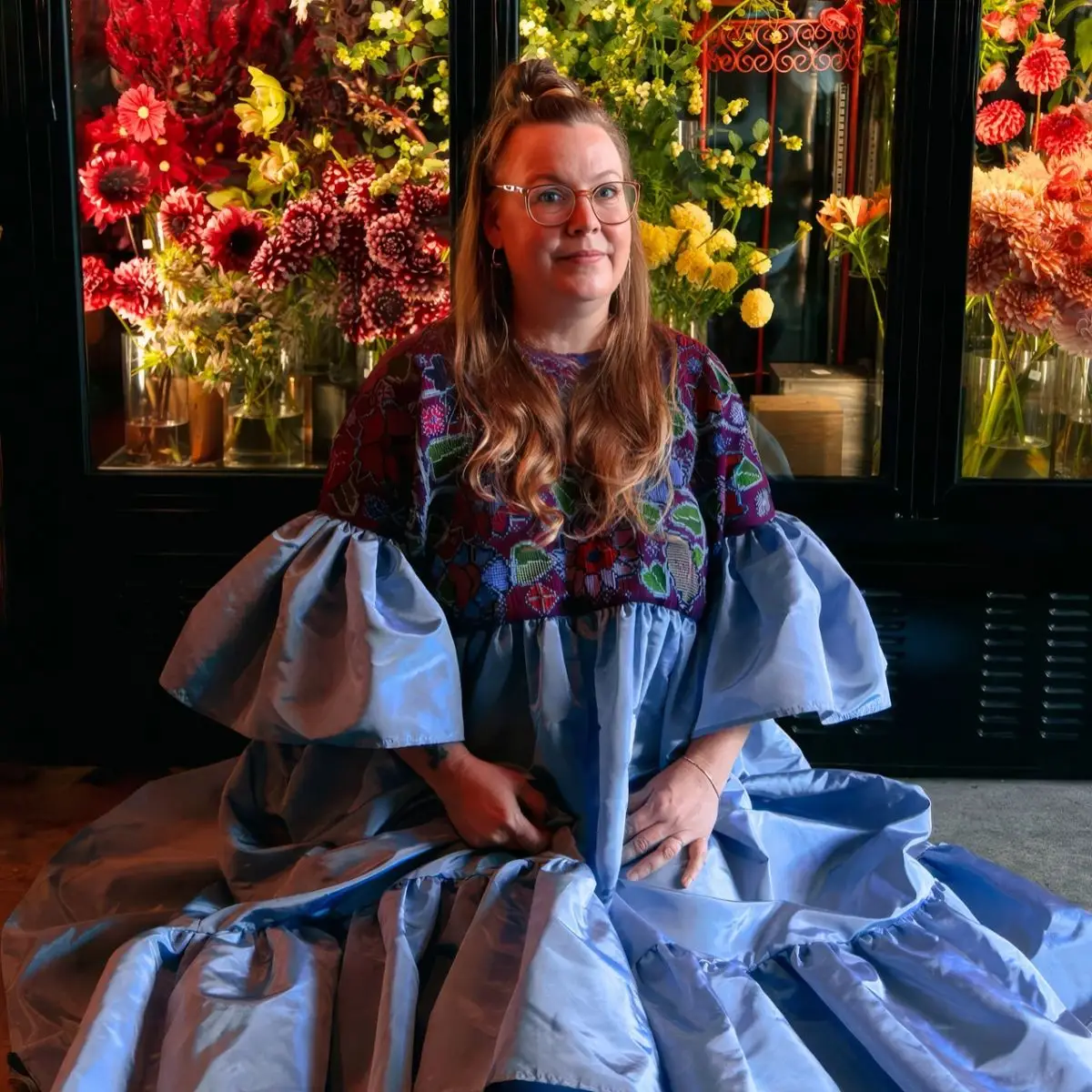
"My name is Sylvia Bustamante, and I am the founder and director of Madrid Flower School and the international floral congress Madrid Blooms. I was born in Chile to Peruvian parents, and today I live in Madrid, married to a Spanish hotel critic. I come from a family where all the women loved flowers. As a child, I was fascinated by the magic they could create with just a couple of branches and a few flowers in a vase. I first learned at home, then had the chance to study in New York and London. That is where I realized floral design could also be a real career, a way to make a living. I also noticed how few schools there were, and how few places people could actually learn."
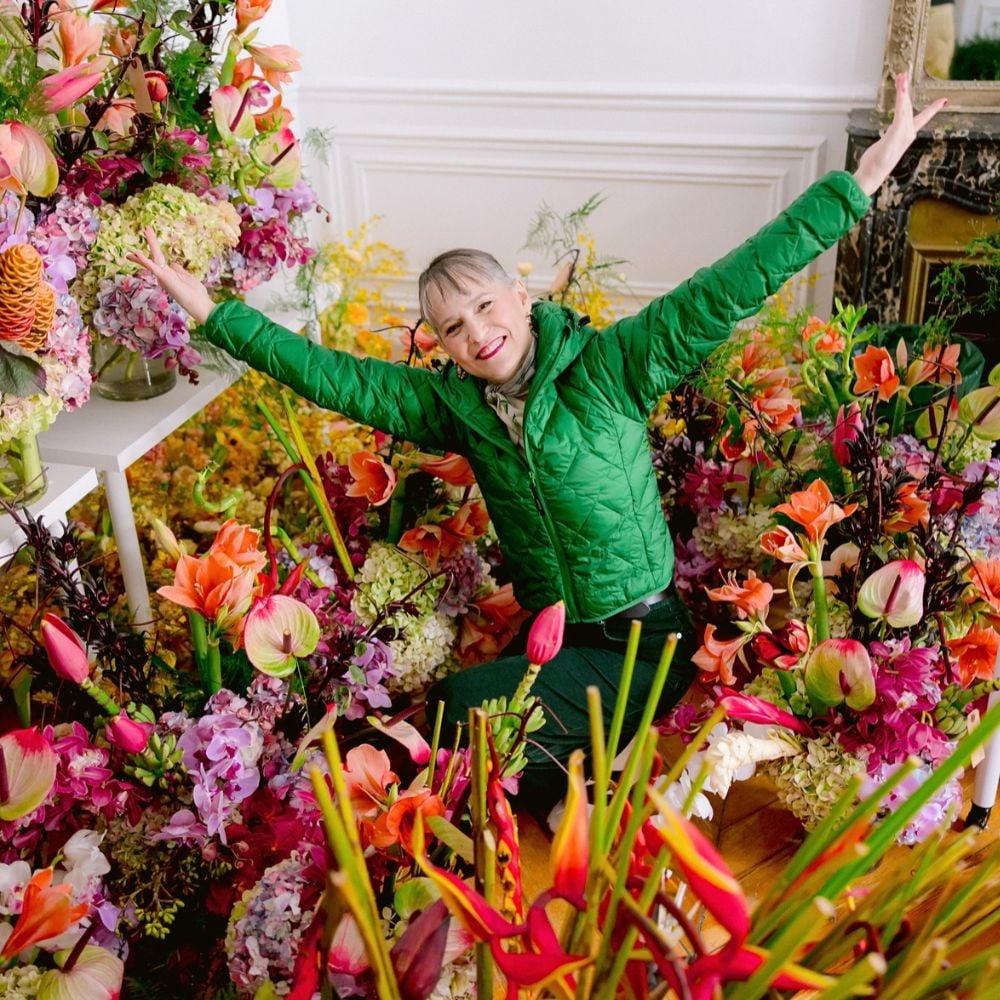
"Today my mission is to teach floral design. First and foremost, my job is to give the people who come to the school the confidence that they can create wonderful things with flowers. It is not a special gift reserved for a few. It grows from dedication and hard work. My job also means deciding where we want to go as a school, and inviting everyone who wants to join to take part in both projects. I hate competing. I believe there is room for everyone, and it is much more fun when we work as a team."
Question 2
What is so special about your job?
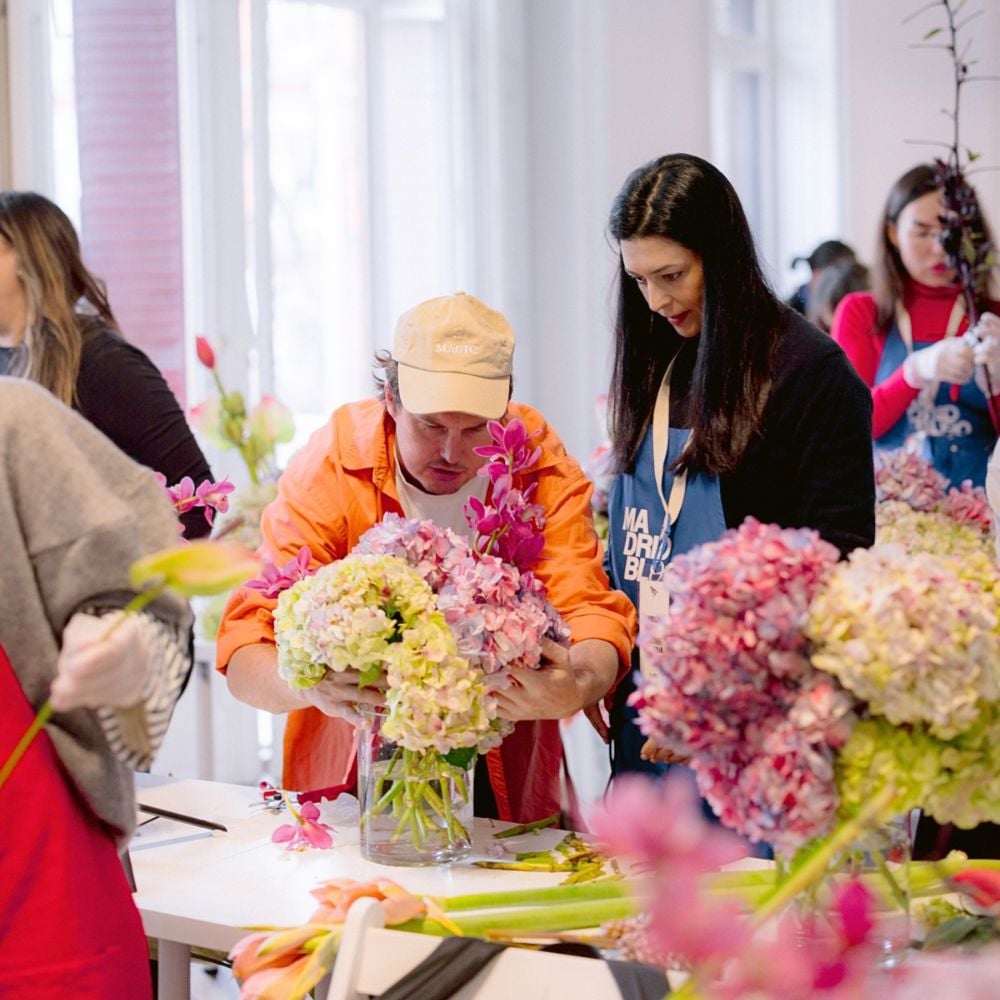
"I see my work as a small grain of sand in a field that, frankly, is still underdeveloped. Floral design education is scarce today, and even more so in Latin America or in Spanish. I never imagined I would love running a school so much. I love being with people, and I love discovering. Most of all, I love seeing students' faces when they arrive for the professional program, watching the wonder that unfolds over those weeks or days, and then seeing their faces again when they finish that chapter with us.
Education changes people enormously. Students form bonds with each other, and those bonds often last a lifetime. It happened to me. I think my main job is to show people that yes, they can become florists. To do that, you first have to give them the tools, but working on their confidence matters just as much. If you don't believe you can do it, you won't."
Question 3
Are there any specific challenges or obstacles you've faced in your job, and how did you overcome them?
"I'm not Spanish, and when I arrived in Spain nine or ten years ago, I didn't know anyone in the floral world. Everything was a challenge, from finding people to work with to finding the right space to open the school. My background as a journalist helped a lot, especially at the start. It allowed me to present the project in an attractive, beautiful way, with convincing text. I have always believed that writing from the heart and putting the truth first is what really moves people to come.
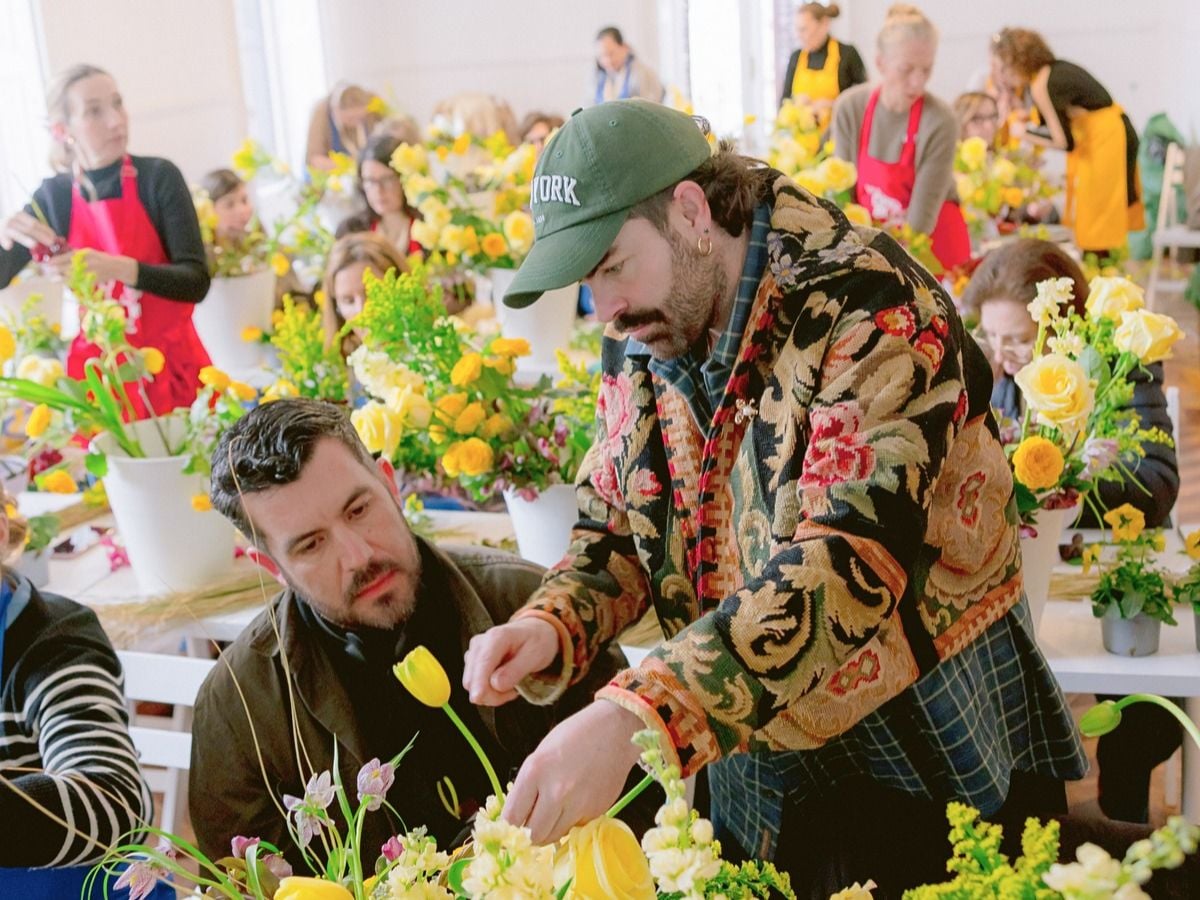
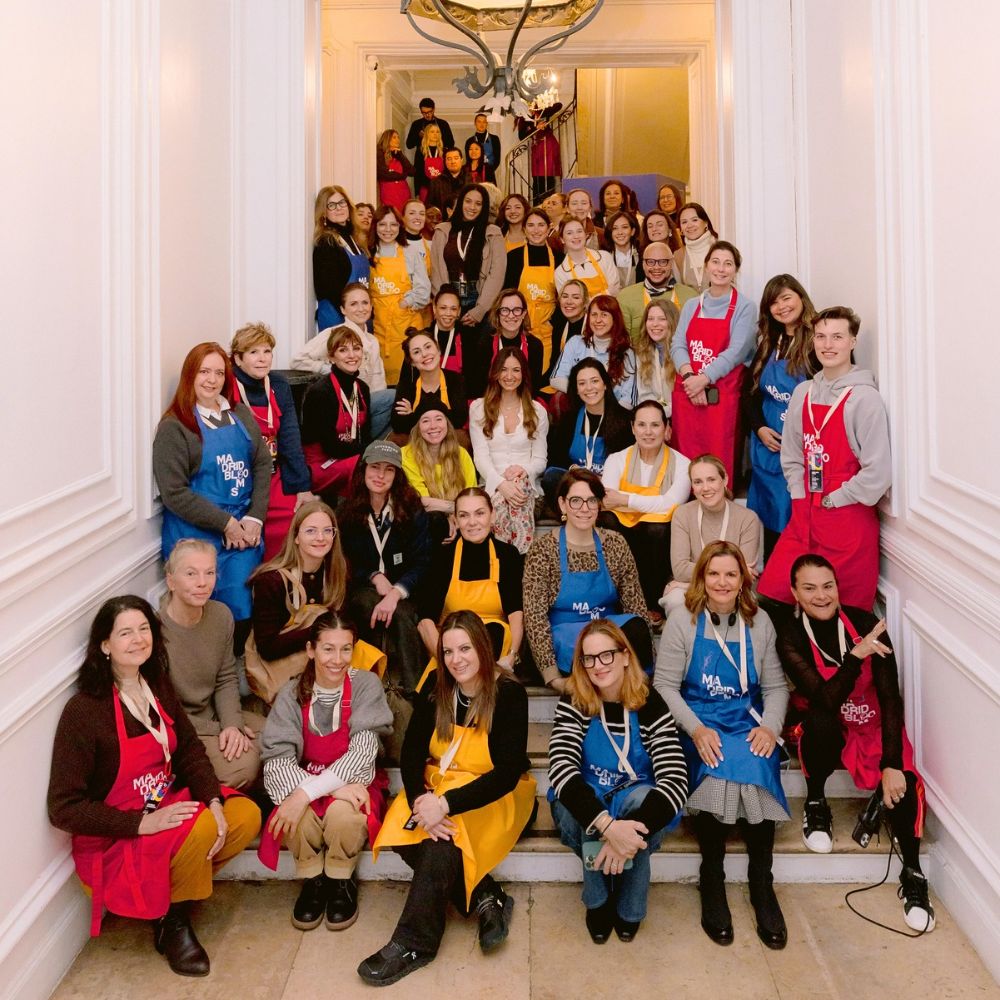
Another big challenge was finding the right teachers. The Spanish style is not mine, so building the team was one of the hardest tasks, and I put a lot of time and resources into it at the beginning. Today, what makes me happiest is that two of my former students now work with me, and I hope many more will in the future."
Question 4
What are the threats in the industry, and if so, do you have any solutions for them?
"This is definitely a complex industry, because we work with a material that deteriorates over time and that depends on many factors. The weather, of course, can be very kind, but it can also bring great catastrophes. Even something as simple as the truck carrying the flowers getting a flat tire affects us. So many people are involved, and the cold chain is complex. On the other hand, Spain produces a lot of flowers, but only a few varieties, and most of them go abroad.
I also believe that pesticides and chemicals in flowers are a real threat to the health of the people who work with them every day. If we could reduce them to a minimum and apply some of the natural pest control techniques I have seen used in Holland, that would be ideal. Not many organic flowers are grown in Spain yet, but there is a very interesting and solid movement, mostly of women, dedicated to growing flowers organically, and I have great faith in them. Ideally, large flower producers worldwide would also adopt practices that keep chemicals to the lowest possible level, protecting the health of everyone who works in this field."
Question 5
How has technology, such as e-commerce platforms or digital marketing, affected your industry? What strategies have you employed to stay competitive?
"I'm not against technological progress. Quite the opposite: I believe we have to keep pace with it, learn from it, and use it. We buy a large share of our flowers in Holland, and that is only possible thanks to technology. Without it, things would be dreadful.
For marketing, we use social media, especially Instagram. But in the end, I think the key is having a really good product, one that practically sells itself. My years working at magazines as a journalist, learning a bit about design and watching how art directors worked, helped me enormously. Today I have a clear idea of what I want and how I want to express it. You need to be very clear about your identity, your product, and how you want to sell it. For me, the keys are a strong team that stays up to date with digital photography, imaginative creatives, and excellent designers.
As a boss, I give a lot of freedom. My designers choose the color palettes and which flowers to buy. Our general rule is to use seasonal flowers and work with them as much as possible. As for staying competitive, I think the most important thing is to be true to yourself. You compete because you're out in the world, running a business. In theory, other schools should be my competition, but I don't really see them that way. Many of them do very creative things, and I admire quite a few. As for digital marketing, today we only pay for Google Ads so people can find us, and we rarely pay for Instagram or Meta ads. Again, if you take care of your product, it usually sells itself. Or at least it should."
Question 6
Who (in or outside the floral industry) is an inspiring example to you? And why?
"Several people have inspired me. The first is Holly Chapple, a woman with wonderful energy who has built a community of florists through sheer hard work. She is creative, fun, passionate, and hardworking in every project she takes on. Another is Victoria Clausen, who is also American. No single style defines Victoria. She is the perfect florist for anyone with a dream, because she will make it happen. She is more analytical, very hardworking, and extremely detail-oriented, and she also taught me how to run a floral business.
Finally, I want to mention a woman I've never met but have admired from the very beginning: Erin Benzakein of Floret Farm. I remember trying to sign up for one of her in-person workshops. I took ten minutes to talk it over with my husband, and when I called back to register, it had sold out in that time. I never got another chance to take an in-person workshop with her, which made me very sad. But I've followed her over the years, and I hope to invite her to Madrid Blooms one day."
Question 7
How do you handle stress or difficult moments in your life?
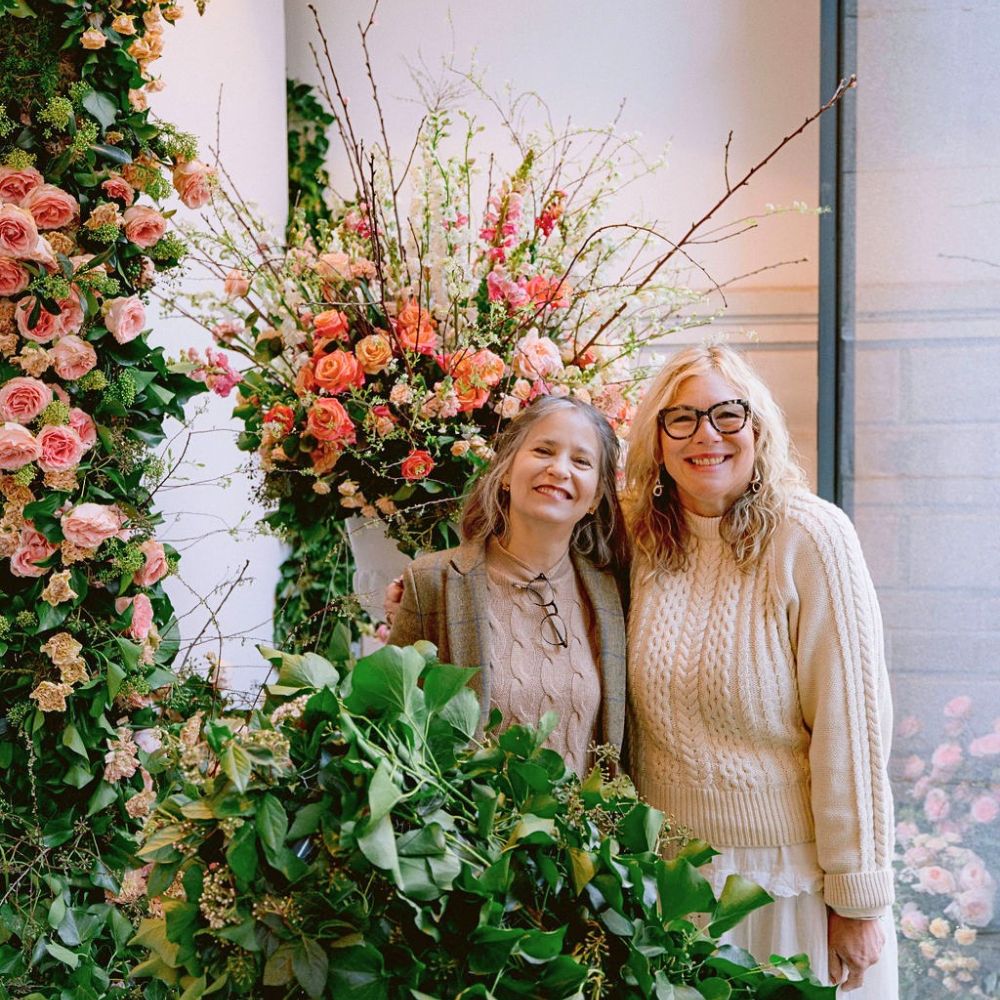
"I love this question because it goes straight to the bone. Florists and business owners go through many difficult moments, and I am no exception. First, I sleep. I need many hours of sleep so that whatever has happened can settle inside me. Then comes acceptance. It's a process I discovered not long ago, and I love it: accepting things as they are and not wasting energy fighting them. Finally, I talk it through with my husband, who is also my confidant. Sleeping, accepting, and talking: those are my three steps for getting through the tough times."
Question 8
What has been the best (floral or non-floral) news for you lately, or of the last year?
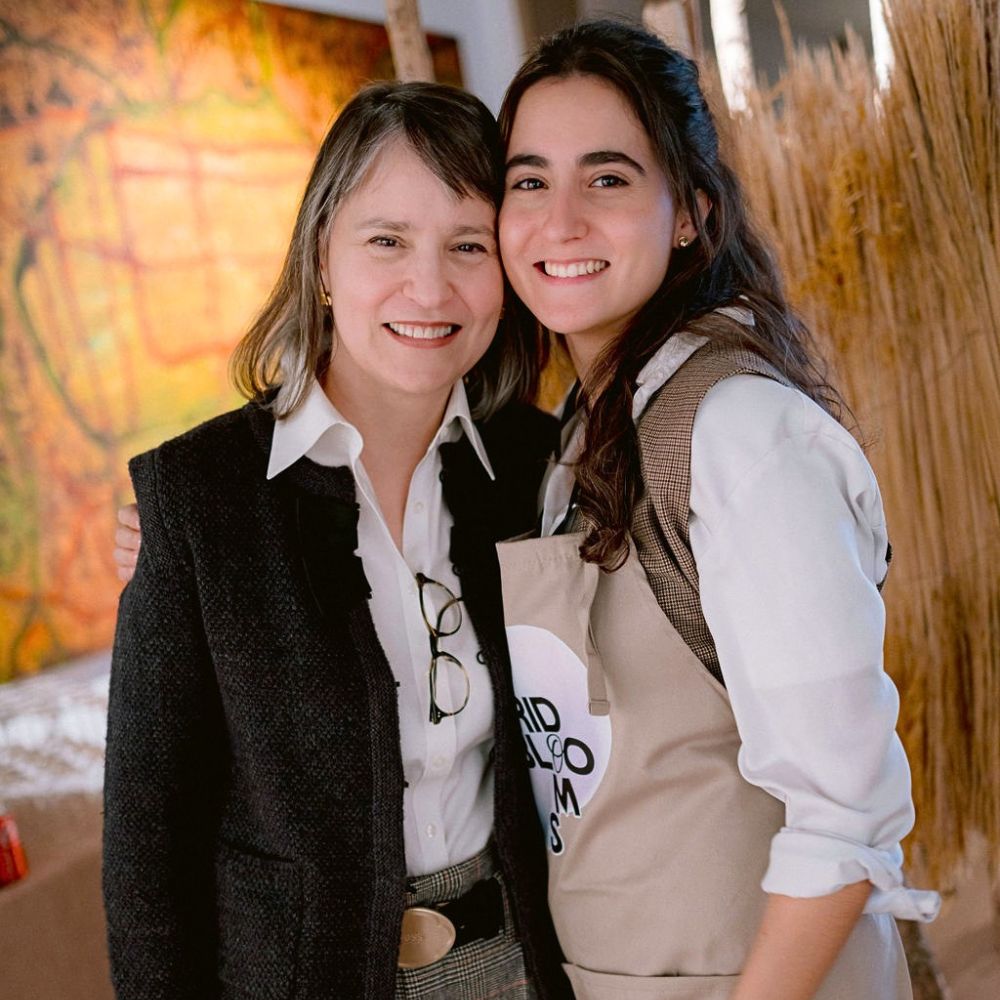
"The first, without a doubt, has been discovering that I'm a happy grandmother. Holding a newborn baby in my arms again and watching her grow has been a true gift.
The second is seeing my students blossom. One of them had a very difficult adolescence, and she was very afraid of leaving the school and leaving Spain. I remember that conversation perfectly. We were standing at the school door, and I told her: 'Think of the school as a hinge that joins two worlds: the old one, which is already gone, and the wonderful new one waiting ahead of you.' Today I've seen on Instagram that she has built her own team, is working on weddings, and is doing a sensational job."
Question 9
Which is your favorite flower/plant, and why is it good for you?
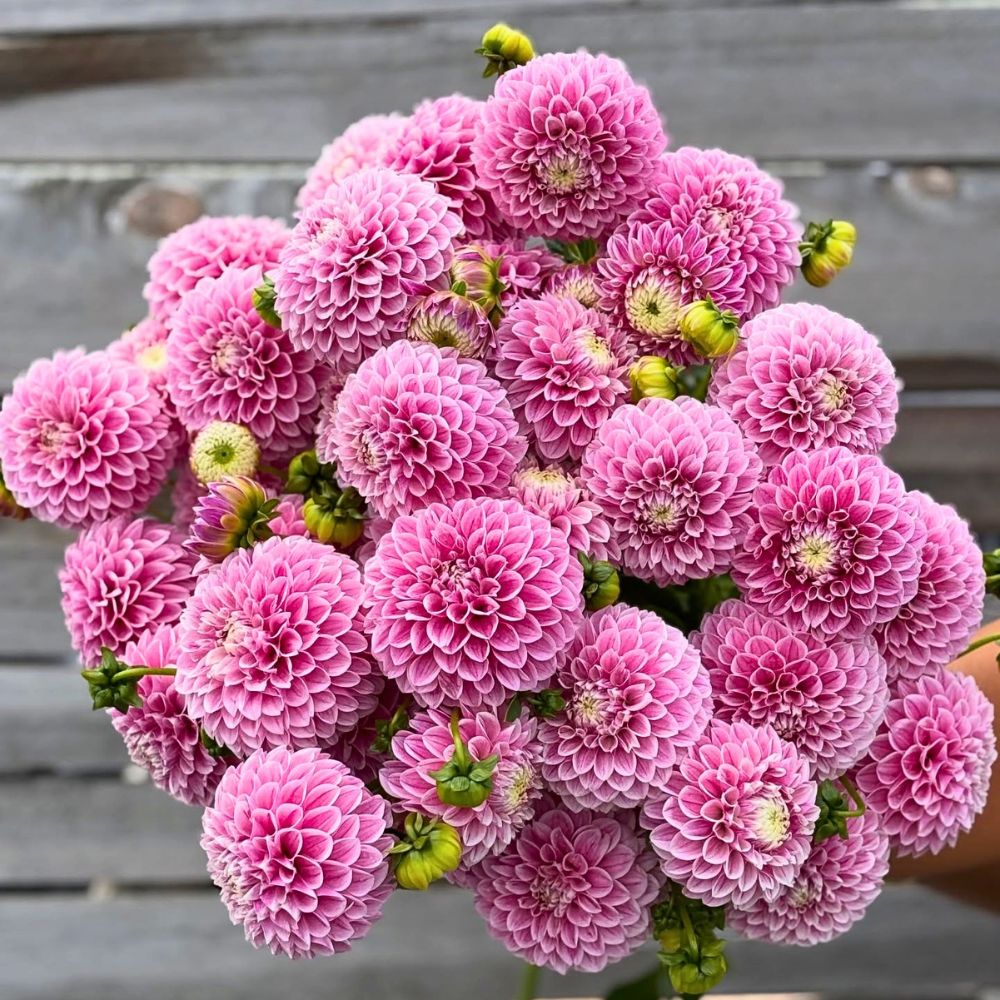
"Peonies and Dahlias, definitely. Why? Because they feel magical to me, because I discovered them late in life (they weren't sold in Chile when I was growing up), and because their beauty fills a good number of months of my year. My favorite Dahlia is Dahlia Café au Lait, French for coffee with milk.
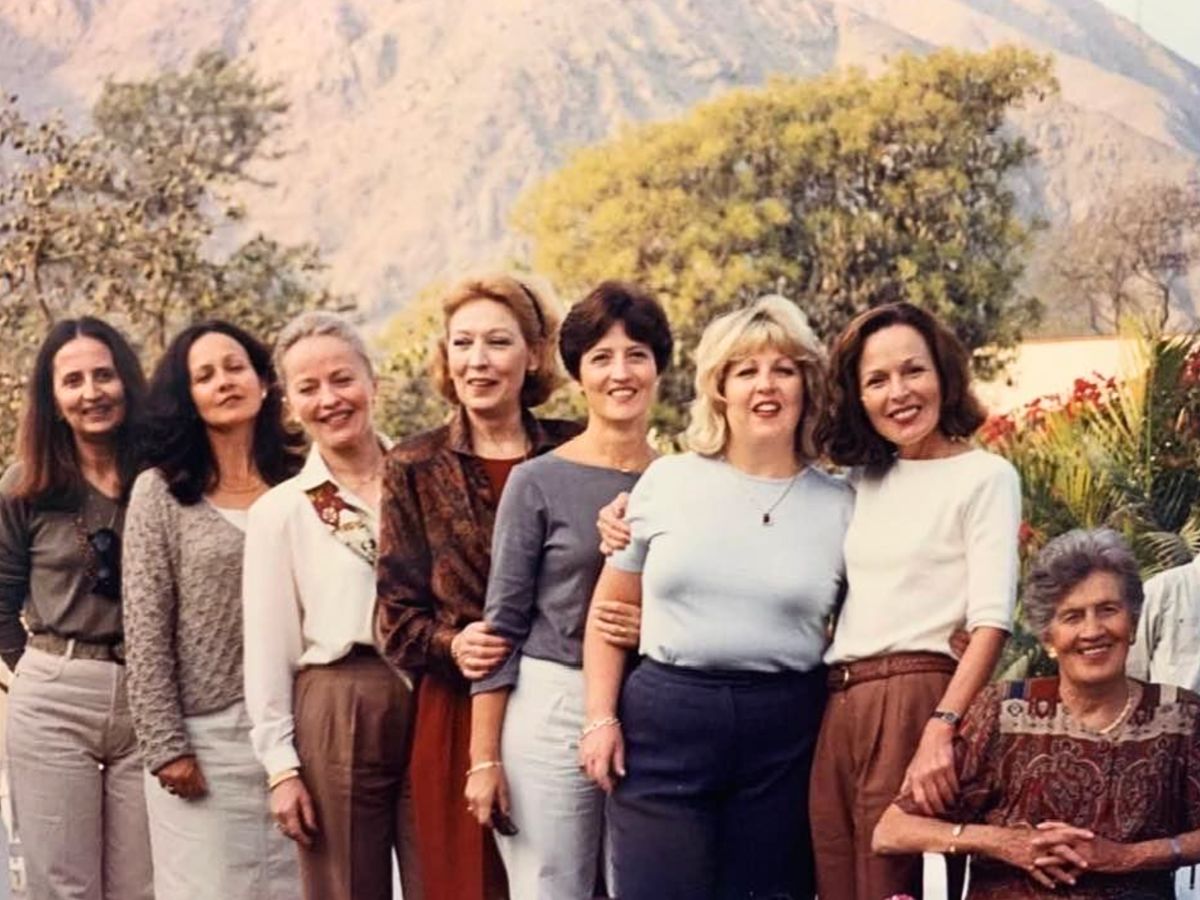
Peonies and Dahlias also remind me of the fabrics and dresses my mother used to wear. My father was a diplomat, and my parents had many social engagements. My mother had a wonderful collection of dresses made from beautiful fabrics. When I see those silks, chiffons, and gauzes in the petals of these flowers, it's like remembering her."
Question 10
What are you doing this weekend?
"What I love most is going to a museum or walking through a neighborhood and losing myself in a museum's galleries or a barrio's streets. Madrid is absolutely wonderful, and I never tire of walking through it.
Last weekend, I joined a flower tour at the Museo del Prado led by Eduardo Barba, a gardener who has already published two books. It was a very entertaining tour because we jumped from painting to painting, discovering the different plants and flowers hidden in each one. The one that fascinated me most was Fra Angelico's The Annunciation. But above all, the weekend is a time to rest and to be with my family."
Sylvia's story shows that floral education is as much about confidence as technique. From her years in journalism to the former students now teaching beside her, her approach rests on teamwork, seasonal flowers, and the belief that there is room for everyone.
Know someone whose journey in flowers deserves the spotlight? Send your suggestion to edwin@thursd.com for a future edition of Thursd's 10 Questions.
All pictures courtesy of Sylvia Bustamante. Featured image by Madrid Flower School.