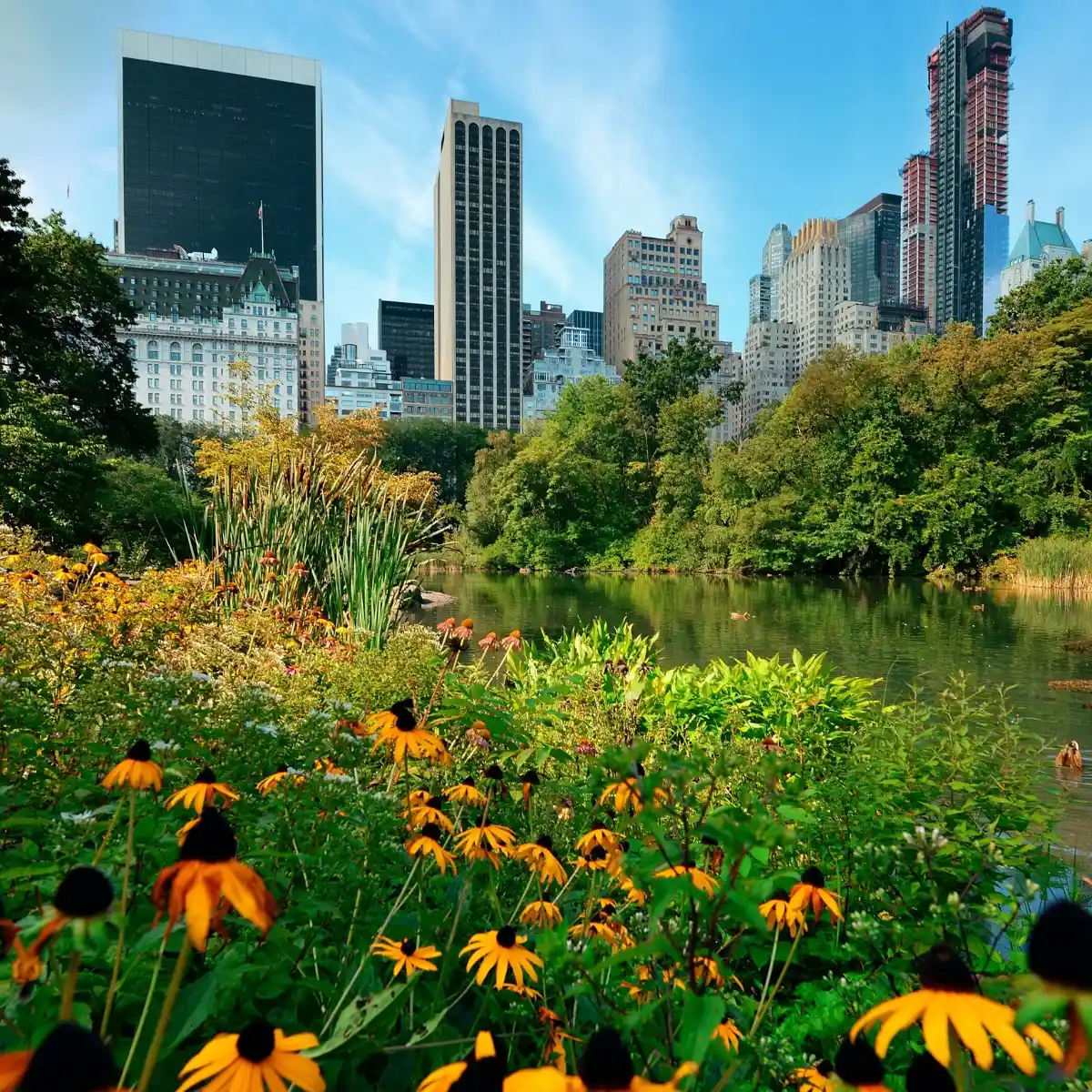
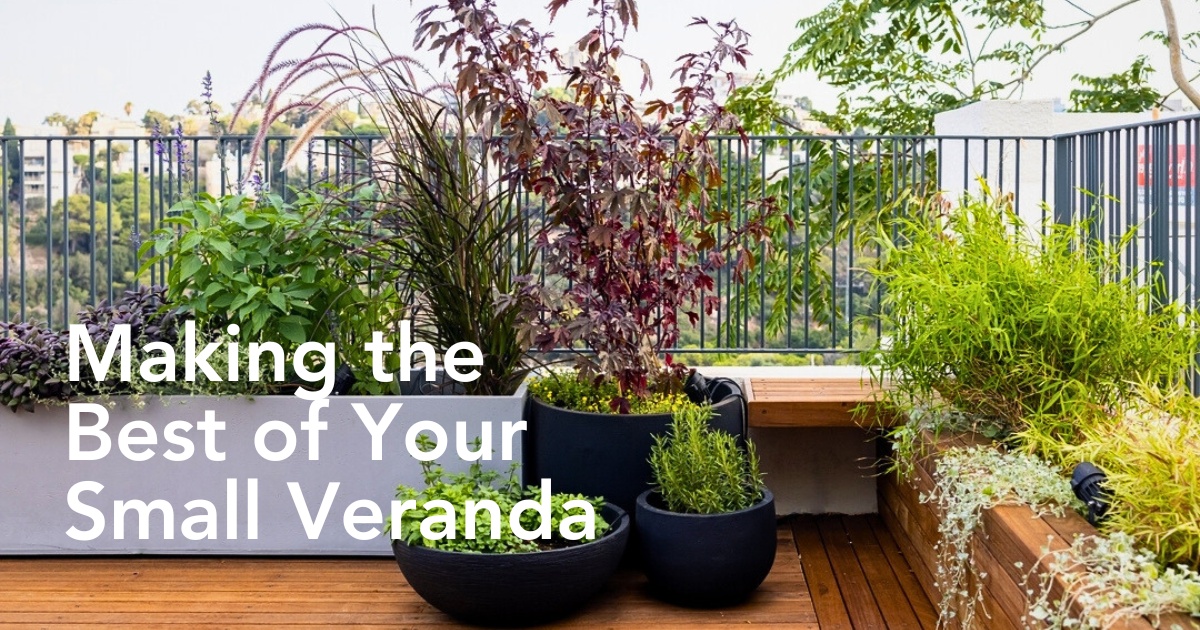
In recent years, biophilic design has advanced way beyond some token houseplants on a ledge, and for urban dwellers, especially those living in compact apartments, the balcony is fast becoming the green heart of the home; a place where well-being, aesthetics, and sustainability come together most perfectly.
The idea of a biophilic balcony, or a microforest in the balcony, captures this perfectly. A dense, layered, immersive planting style that turns a modest terrace into a plant-infused area, visually pulling nature right into the living space.
Balcony Microforests in the Urban Context
By 2050, nearly 70% of the world’s population will live in cities. And as urbanization accelerates, biophilia, the craving for connection to nature, has moved from a design trend to a psychological need. While urbanization has, practically, condensed daily life into smaller footprints, it has also intensified the human need for contact with nature.
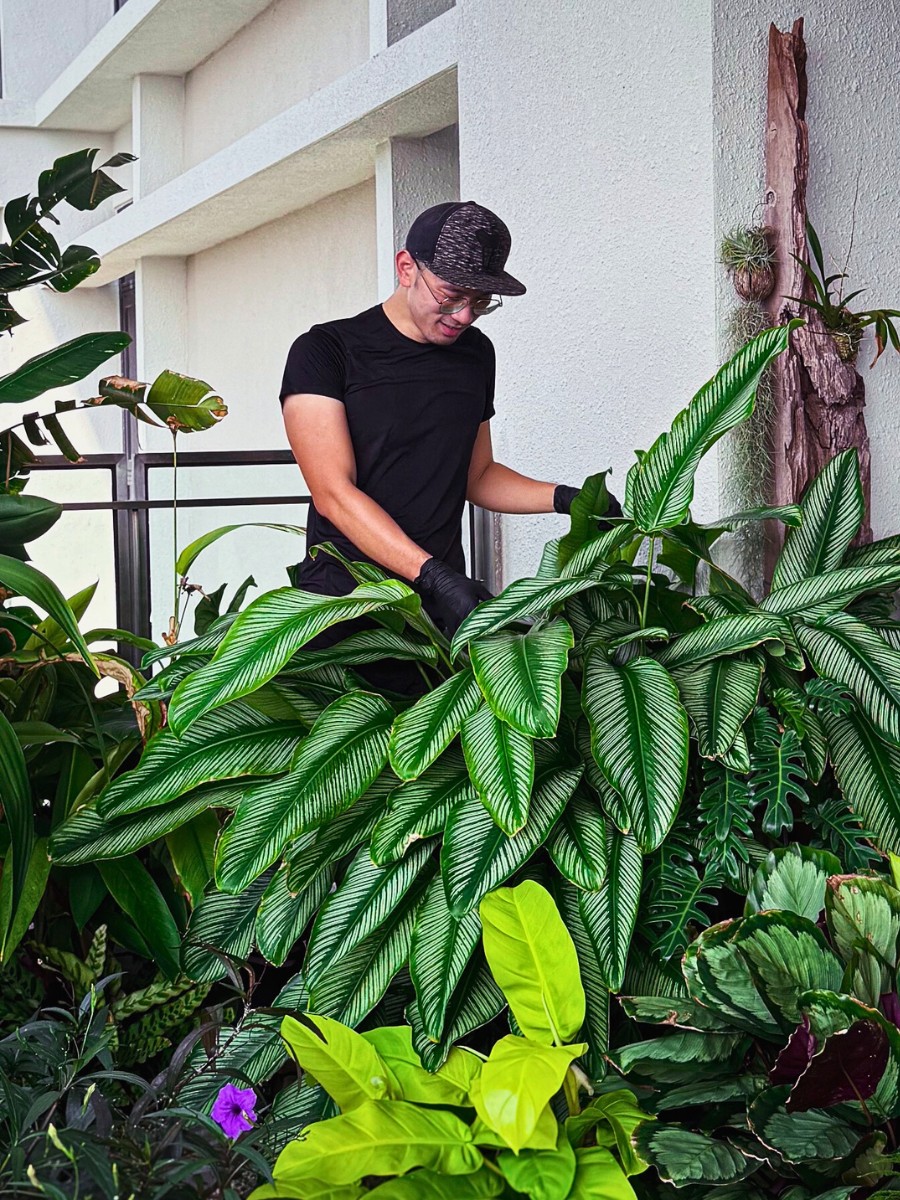
Balcony microforests respond to this need, treating every horizontal and vertical space as a chance to host plant life. Instead of a single pot-plant in the corner, the space can be a miniature fern ecosystem spilling over pockets, Pothos trails cascading down, and bromeliads punctuating the greenery with color. Of course, other plants can be used as one pleases.
This plant density, nonetheless, does more than decorate. Studies increasingly link gardening and green exposure to reductions in stress, anxiety, and depressive symptoms, even in highly urban environments. Even when the season isn't all that perfect, and conditions like seasonal affective disorder (SAD) threaten (especially in the colder months), these plants offer just the needed relief.
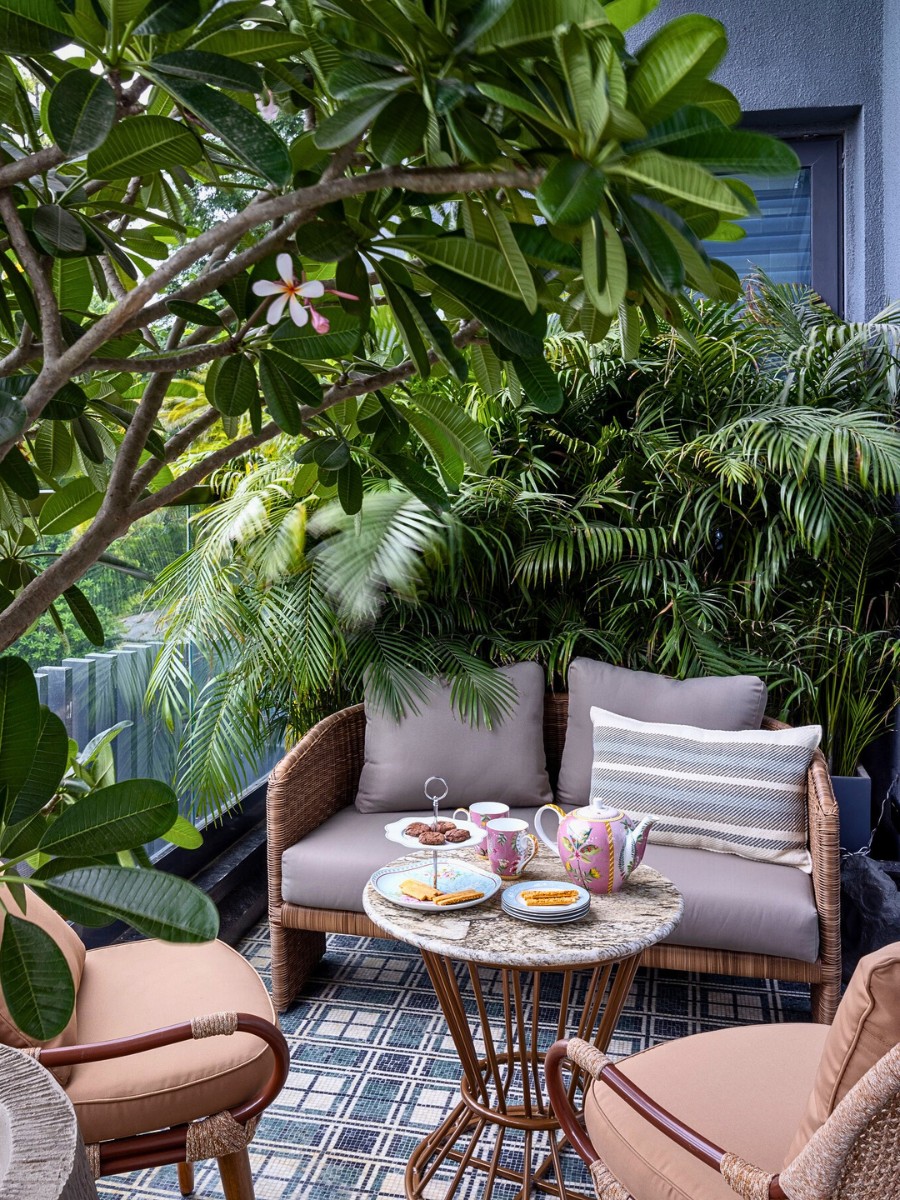
In this context, the balcony should not be like an ‘outdoor room’ tacked onto an apartment, but an extension of the interior, an active buffer between the constructed environment and the wider cityscape. When designed purposefully, the balcony merges with the adjacent living space visually and emotionally, such that crossing the threshold between inside and outside feels almost irrelevant.
The ‘Visual Infinite Loop’ Blurring the Inside and Outside
One of the biggest design mistakes small-apartment designers make is treating the balcony as a separate room. This creates a psychological barrier at the glass door, making both spaces feel smaller. The ‘visual infinite loop’ is a strategy that erases this perceived borderline between the interior and the balcony.
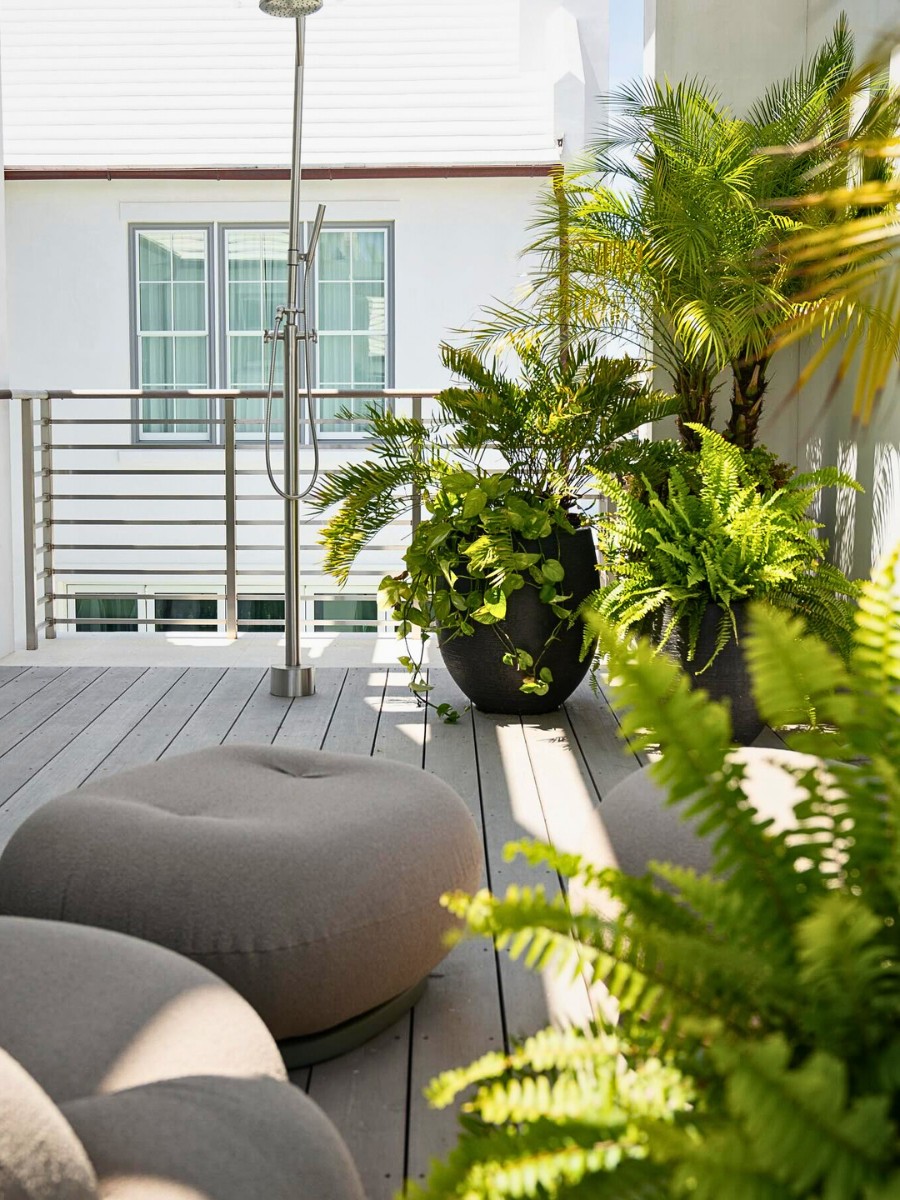
It uses repetition of plant forms, colors, and materials on both sides of the glass to create the illusion of one continuous environment. Its goal is to trick the brain into perceiving the indoor and outdoor as a single, uninterrupted corridor. When someone sits on the sofa and looks outward, their eyes move from indoor foliage straight through the glass to outdoor planting without a noticeable visual break.
The brain reads the scene as one enlarged, cohesive space, which is particularly ideal in small apartments. One of the most effective ways to create this loop is through species continuity. If a large, structural plant, like a Monstera or Philodendron, occupies a spot just inside the window, echoing it with similar leaf shapes or the same species on the balcony visually stitches the two zones together.
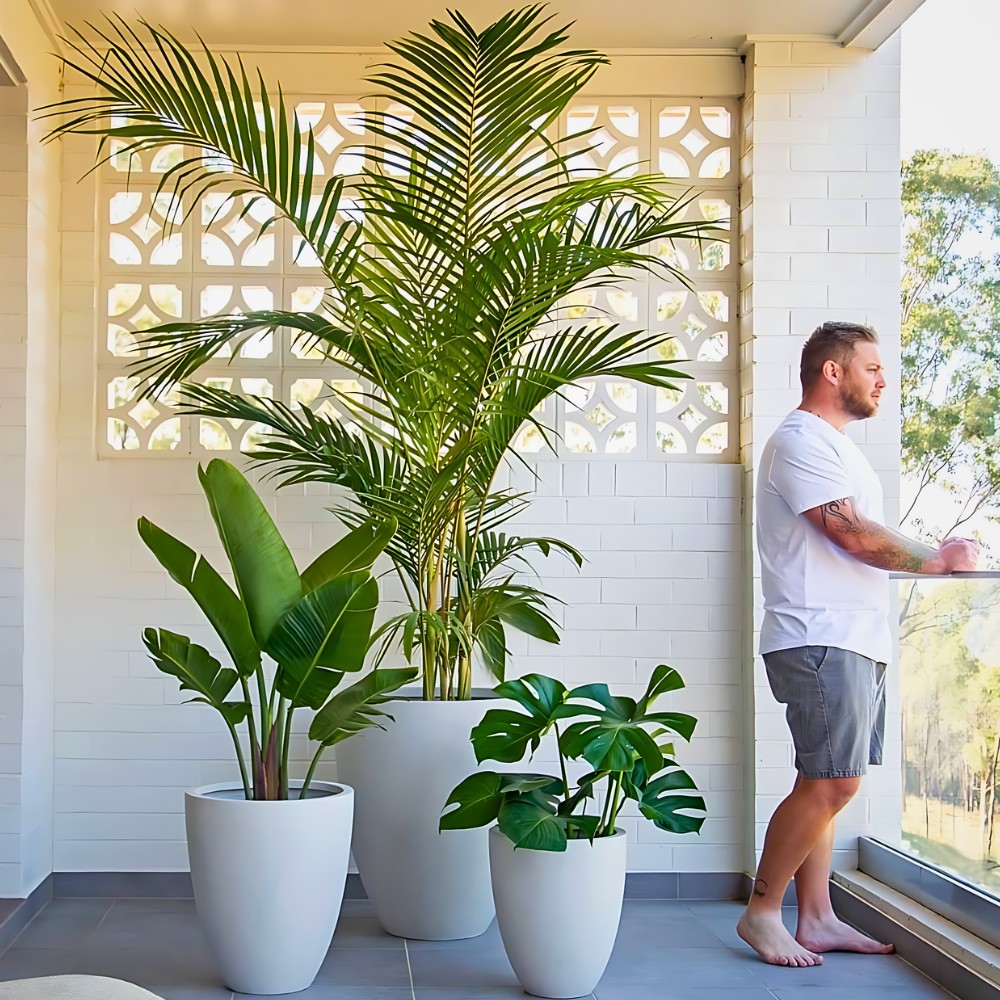
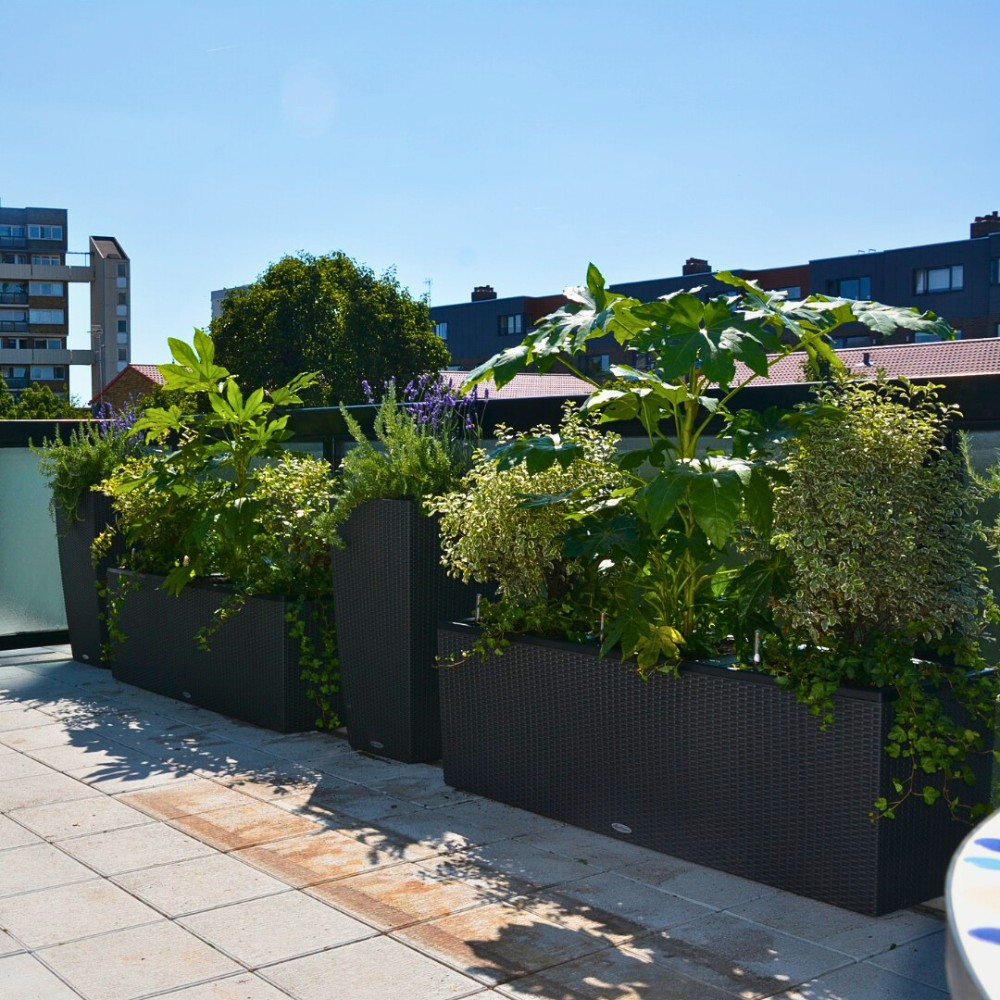
This can be as literal as duplicating a plant outside or as subtle as pairing plants with comparable form and tone so that the eye reads them as related. Matching or harmonizing flooring also strengthens the illusion; balcony decking tiles in a similar material or color to interior flooring help the surfaces flow into one another without an obvious joint.
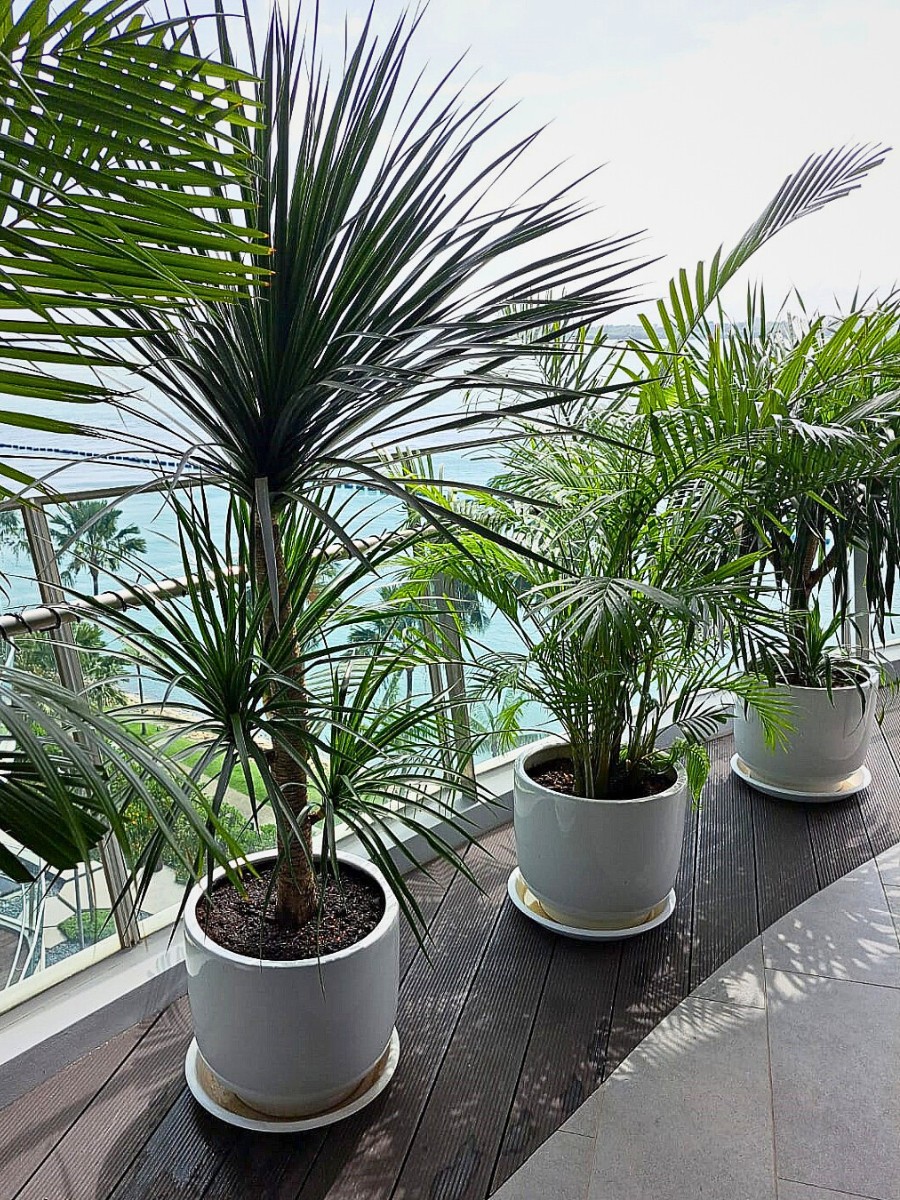
Vertical sightlines complete the effect. Placing plants at eye level, both inside and outside, creates a continuous band of green in the field of vision. Hanging planters, wall-mounted pots, and shelves aligned across the window line ensure that when someone looks out, they see layered foliage and not a void or harsh structural edges. This vertical emphasis enhances the feel of a forest understory and is essential for the mini forest experience.
Vertical Gardening as a Zero-Footprint Strategy
For a true microforest, you cannot rely on floor pots alone. You need to activate the vertical plane. That is where vertical gardening systems become the engine of urban biophilia, allowing for high-density planting in zero-footprint zones.
In most balconies, floor space is sparse and quickly consumed by furniture or storage. Vertical gardening resolves this by shifting plant mass onto walls, railings, and suspended structures, creating lushness without stealing the square centimeters underfoot. Green walls, pocket systems, trellises, and modular planters allow planting layers to rise the boundary surfaces of the terrace, mimicking the stacked canopies of a natural forest.
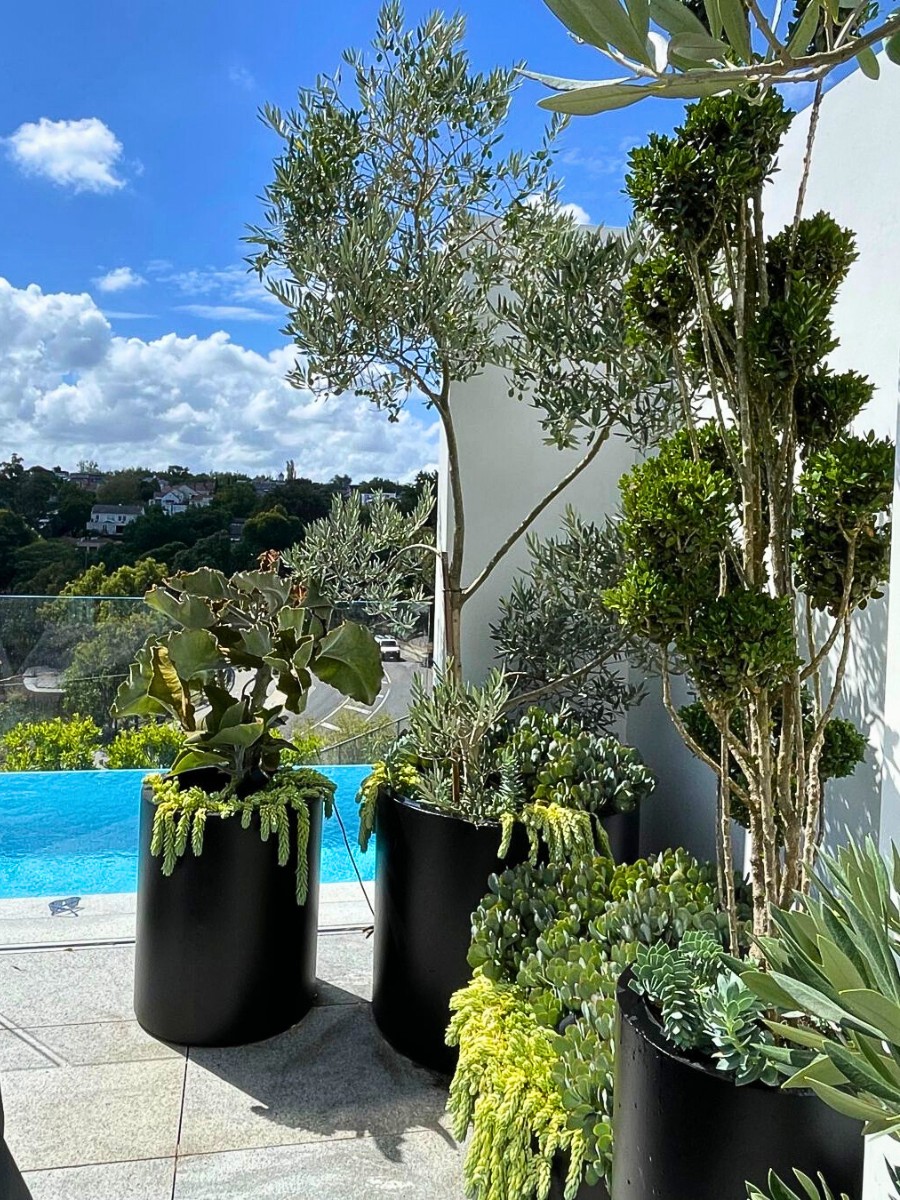
A wide range of vertical systems now caters to urban gardeners. Felt or fabric pocket panels offer a lightweight, flexible solution that is ideal for renters and small structures, especially when combined with a simple drip irrigation line to keep moisture consistent.
Modular hard-shell units provide more durability and water retention, often suiting longer-term installations and heavier planting schemes. Trellises with climbing plants such as ivy or jasmine are excellent for creating a wild, enveloping feel, though they typically take longer to establish.
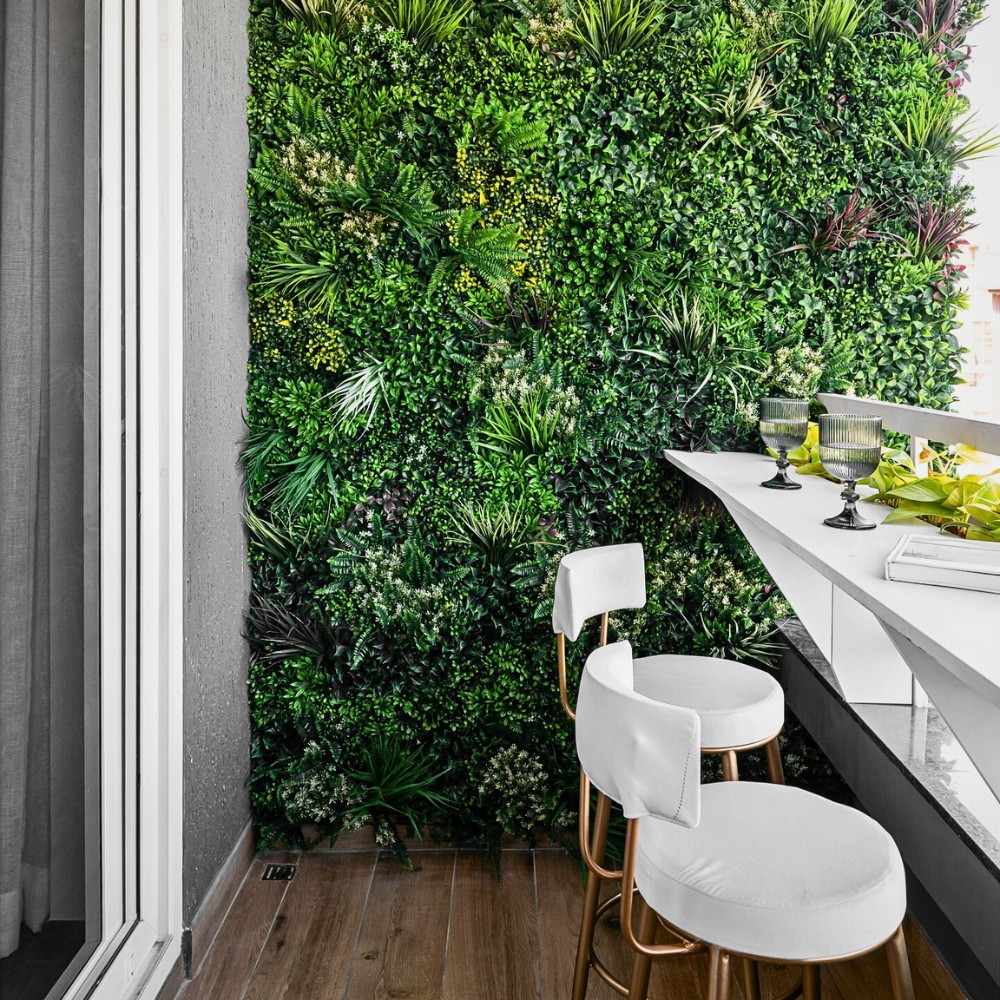
These vertical systems also contribute to sustainability and comfort. Densely planted walls slightly buffer temperature, provide shade, and intercept dust and pollutants, making balconies more pleasant microclimates. These systems can be built with recycled materials, while soil-based configurations tend to be more user-friendly and resilient for domestic settings than complicated hydroponics, especially for ornamental floriculture.
A Shade-Tolerant Vertical Garden Recipe
Many urban balconies, particularly those nested between tall buildings or facing north or east, receive limited direct sun. While this can be a challenge for sun-loving plants, it is ideal for recreating a rainforest-like palette of shade-tolerant flora. One, therefore, needs to embrace species that naturally inhabit understory conditions. Plants adapted to filtered light, higher humidity, and organic-rich substrates.
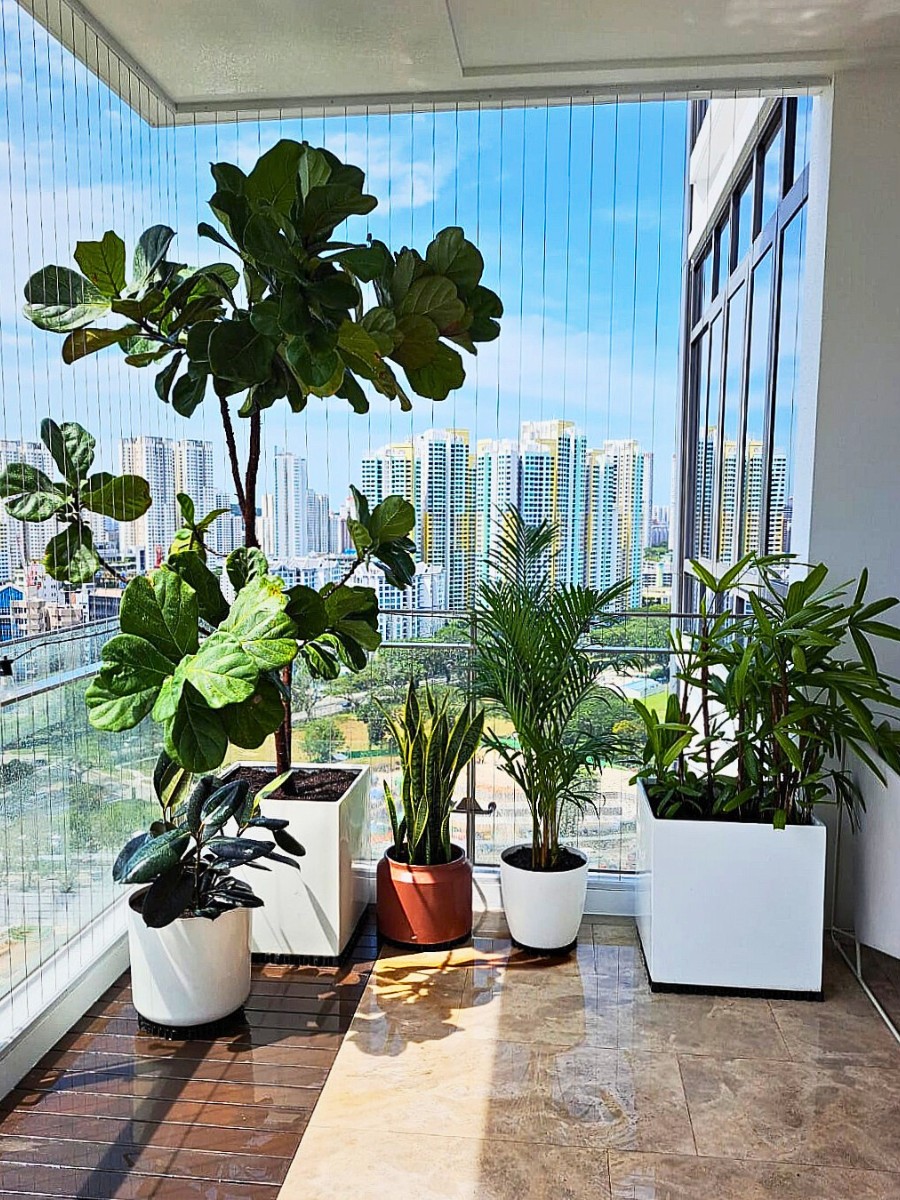
A strong structural base can be created with cascading varieties like Epipremnum aureum (Pothos) or heartleaf Philodendron, which are widely recommended for such gardens due to their vigor, tolerance of lower light, and trailing habit. These plants quickly cloak vertical pockets and soften hardware, forming a green backdrop that visually connects all other elements.
Interspersed among this base, ferns like the Boston fern or Bird’s nest fern provide fine, feathery or sculptural textures that conjure the softness and volume of forest foliage. Their arching fronds capture movement and create a sense of depth as they spill forward from pocket planters.
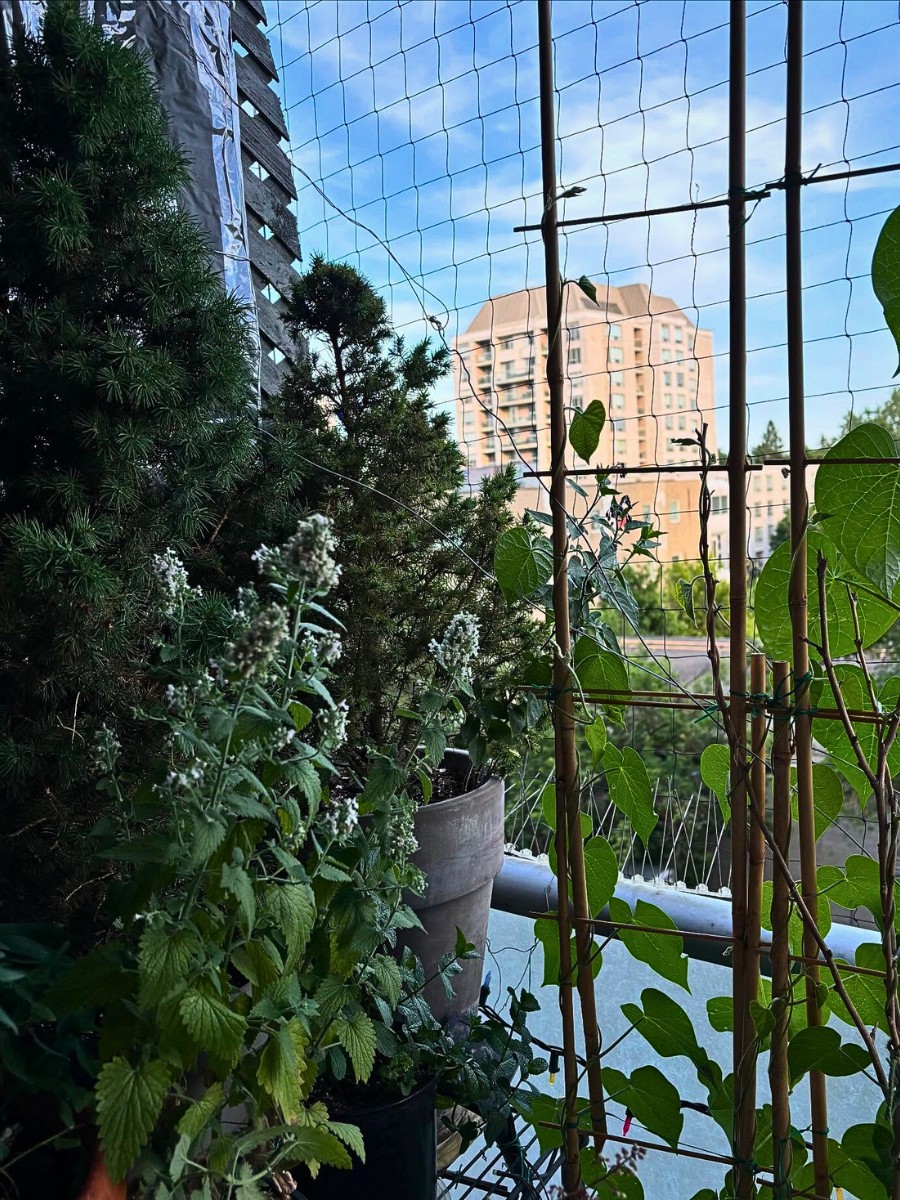
For accents, bromeliads like Neoregelia or Guzmania can be tucked into strategic pockets. These epiphytic plants are naturally suited to perching on vertical surfaces, and their rosettes and colorful bracts punctuate the space with jewel-like highlights. Because many bromeliads take in water through their central ‘cup’ and rely on relatively modest root systems, they thrive in shallow, well-drained pockets; hence, they are ideal for dense vertical compositions.
To support plant health and sustainability, the growing medium also matters. Many contemporary guides suggest avoiding peat-based mixes due to the environmental impact of peat extraction, instead favoring blends based on coconut coir, composted organic matter, and perlite or similar aeration components. These mixes are lighter, retain moisture well in vertical systems, and align with a more environmentally conscious approach to urban floriculture.
Well-Being Benefits of the Microforest
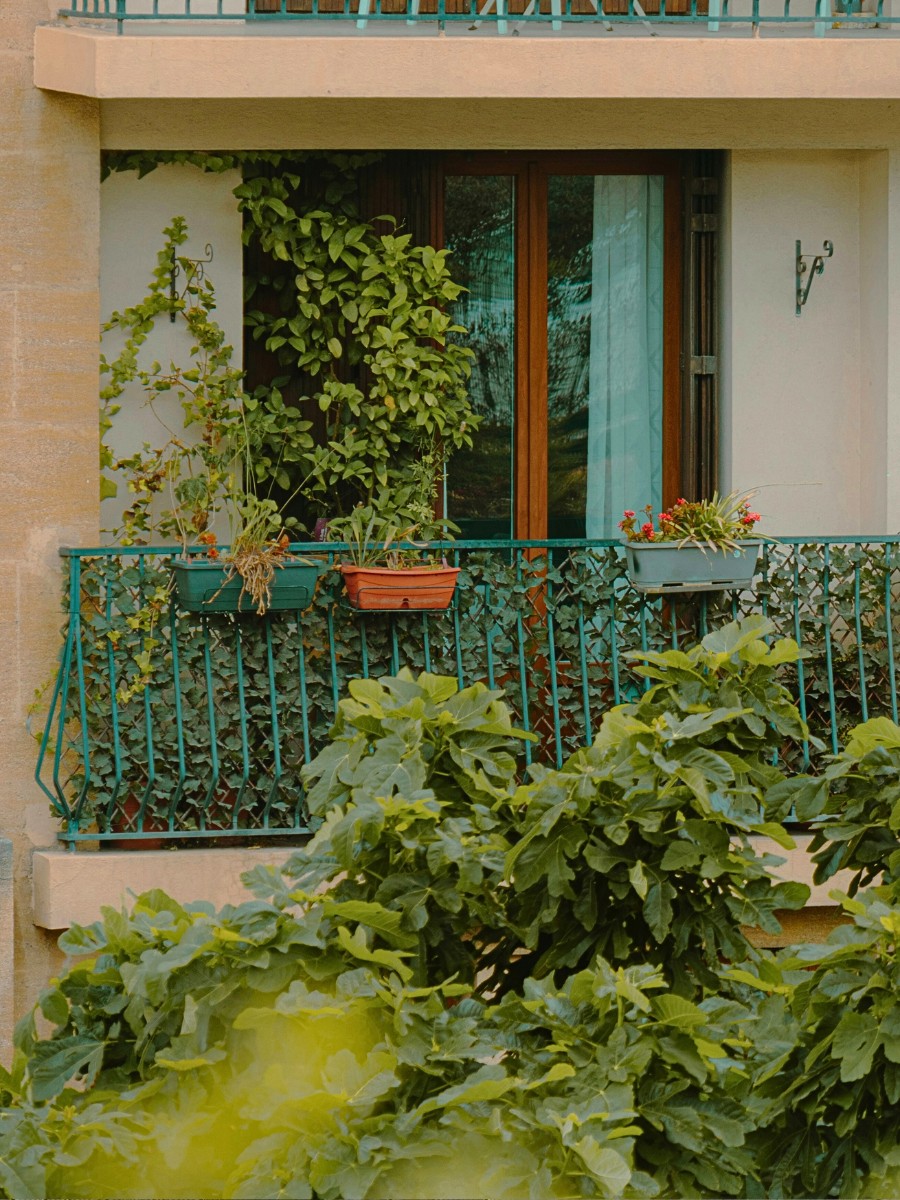
While the design language of these mini forests is cogent on a visual level, its essence lies in its impact on human well-being. Gardening and contact with plants have been linked to reductions in stress, improvements in mood, and enhanced feelings of vitality, even when the scale of the garden is modest. For small-apartment residents, a balcony micro-rainforest provides a daily routine space where one can water, prune, and observe subtle changes, drawing their attention away from digital overstimulation, back to slow living processes.
Biophilic theory suggests that humans are hardwired to respond positively to nature and its natural patterns, textures, and organic complexity; dense planting taps directly into this response. The superimposed foliage, dappled light, and movement of leaves in a breeze emulate elements found in natural habitats that have traditionally supported humans’ being and comfort. When these cues are brought into immediate proximity and are visible from a sofa, writing desk, or bed, they provide a constant, low-level restorative backdrop.
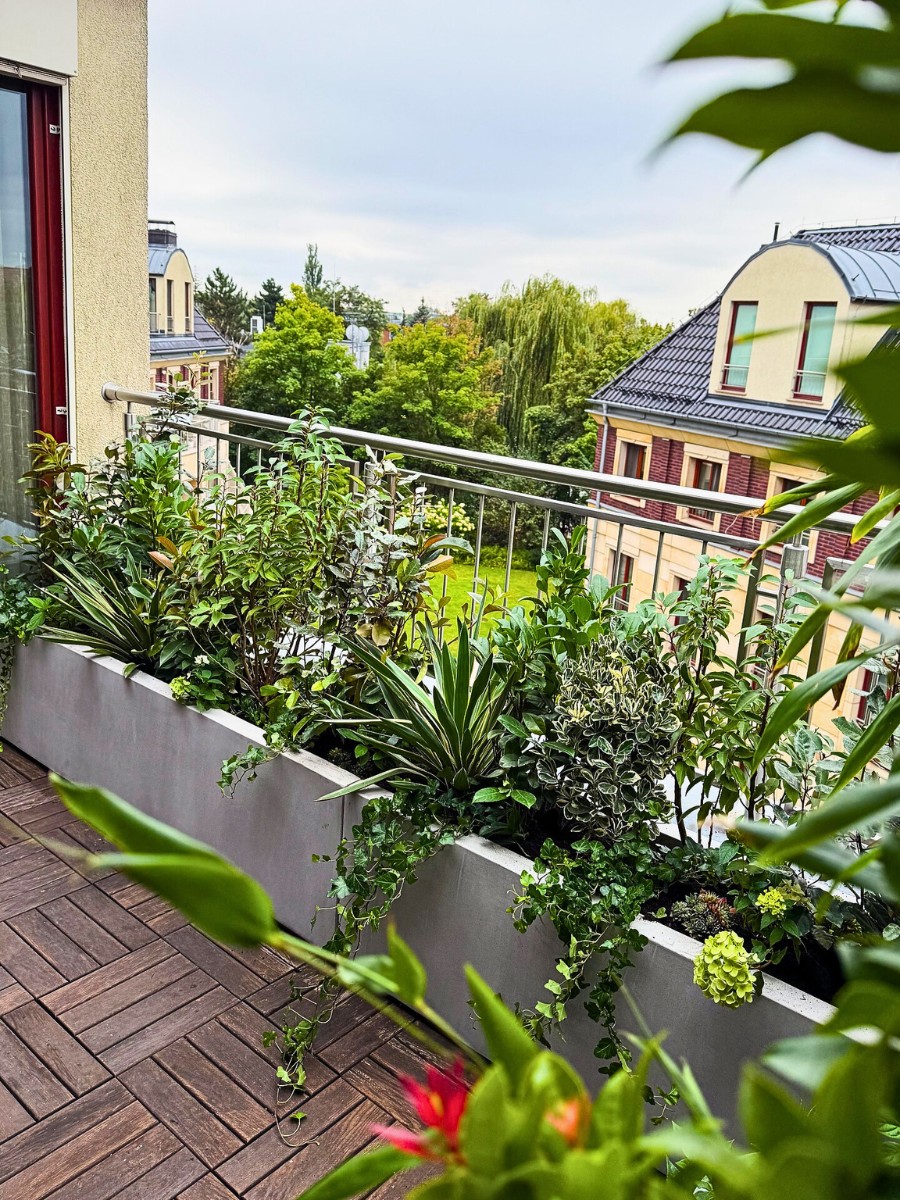
In this way, a balcony microforest does more than upgrade the look of an apartment, providing a small but effective model of symbiosis, where humans provide care, infrastructure, and water, and the plants return a psychological retreat, aesthetic richness, and a sense of continuity with the natural world within a cityscape. Such is how urban dwellers can transform even the most compact balcony into a natural extension for their own well-being.
Feature image by @potfolio_plants. Header image by @hellohelloplants.