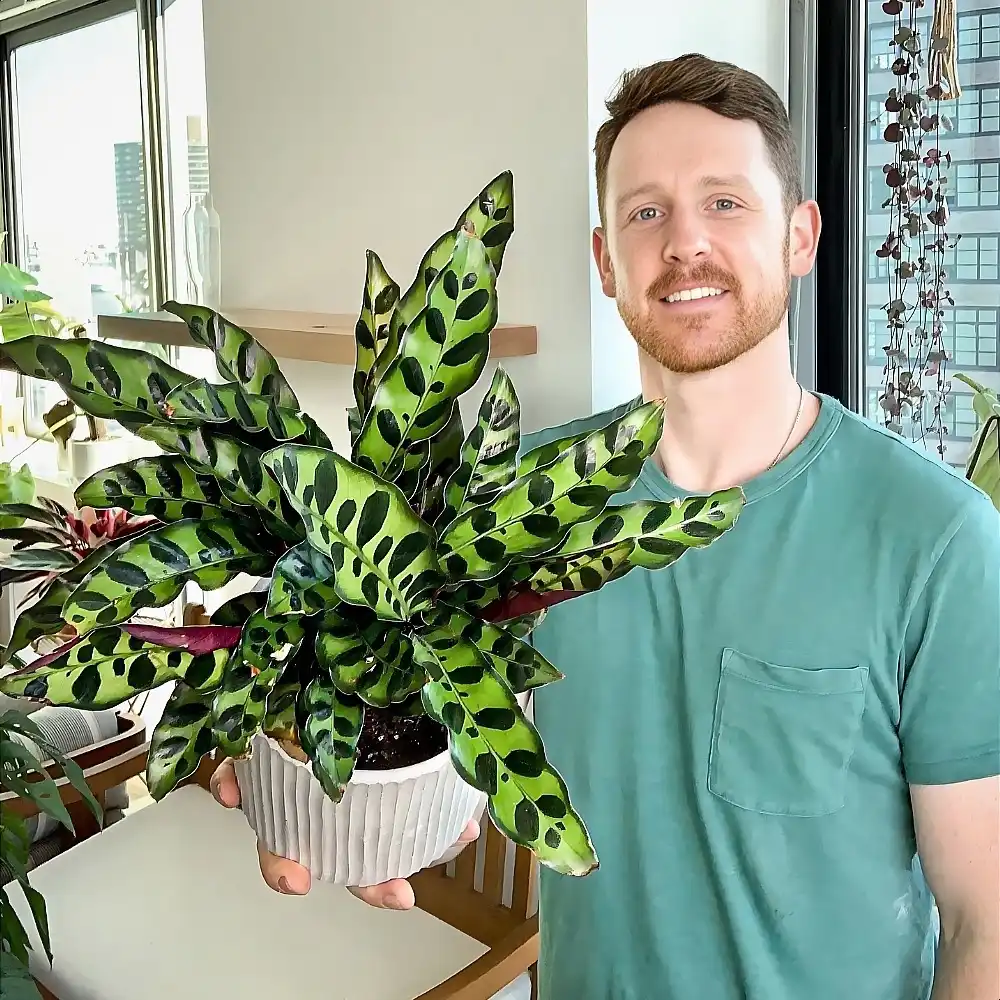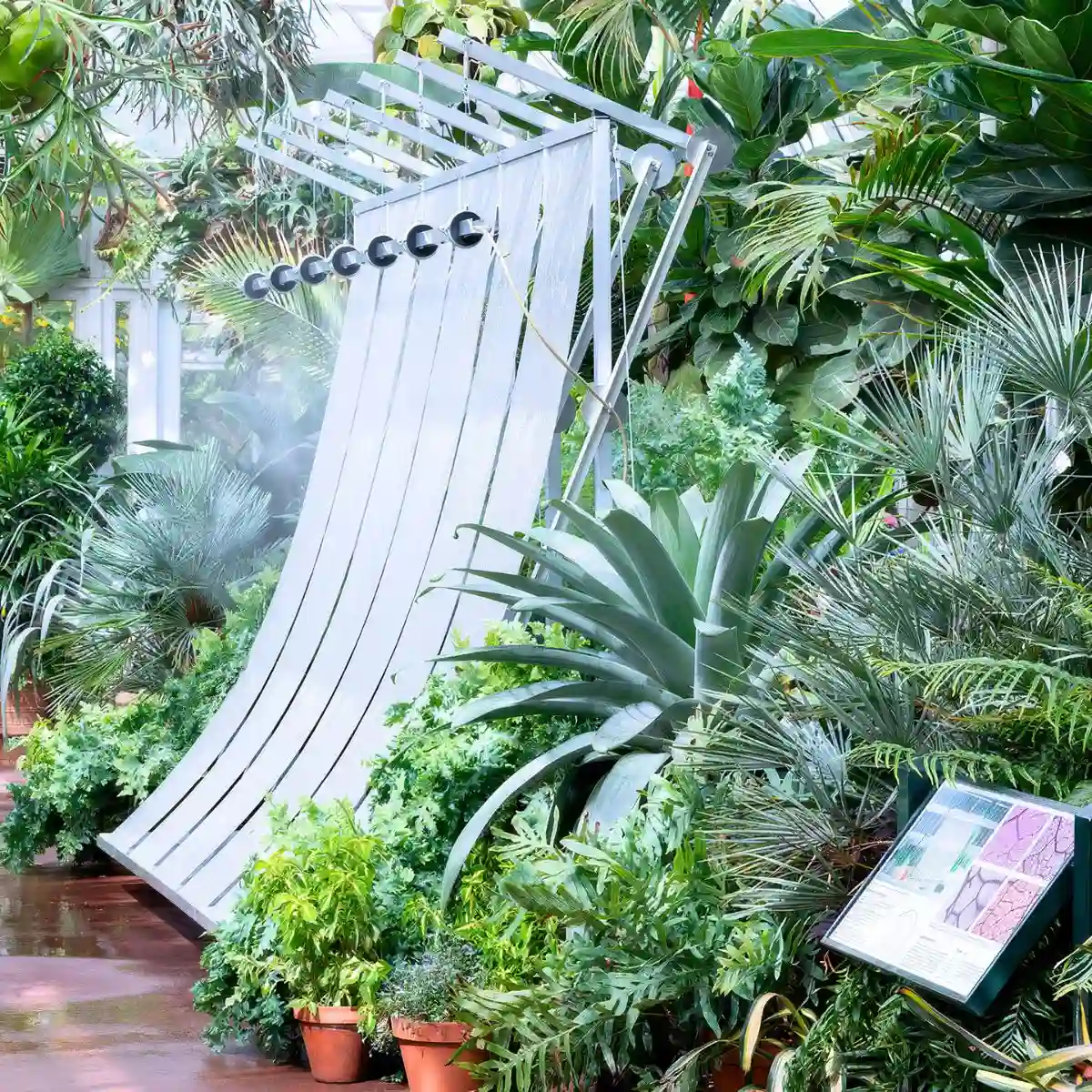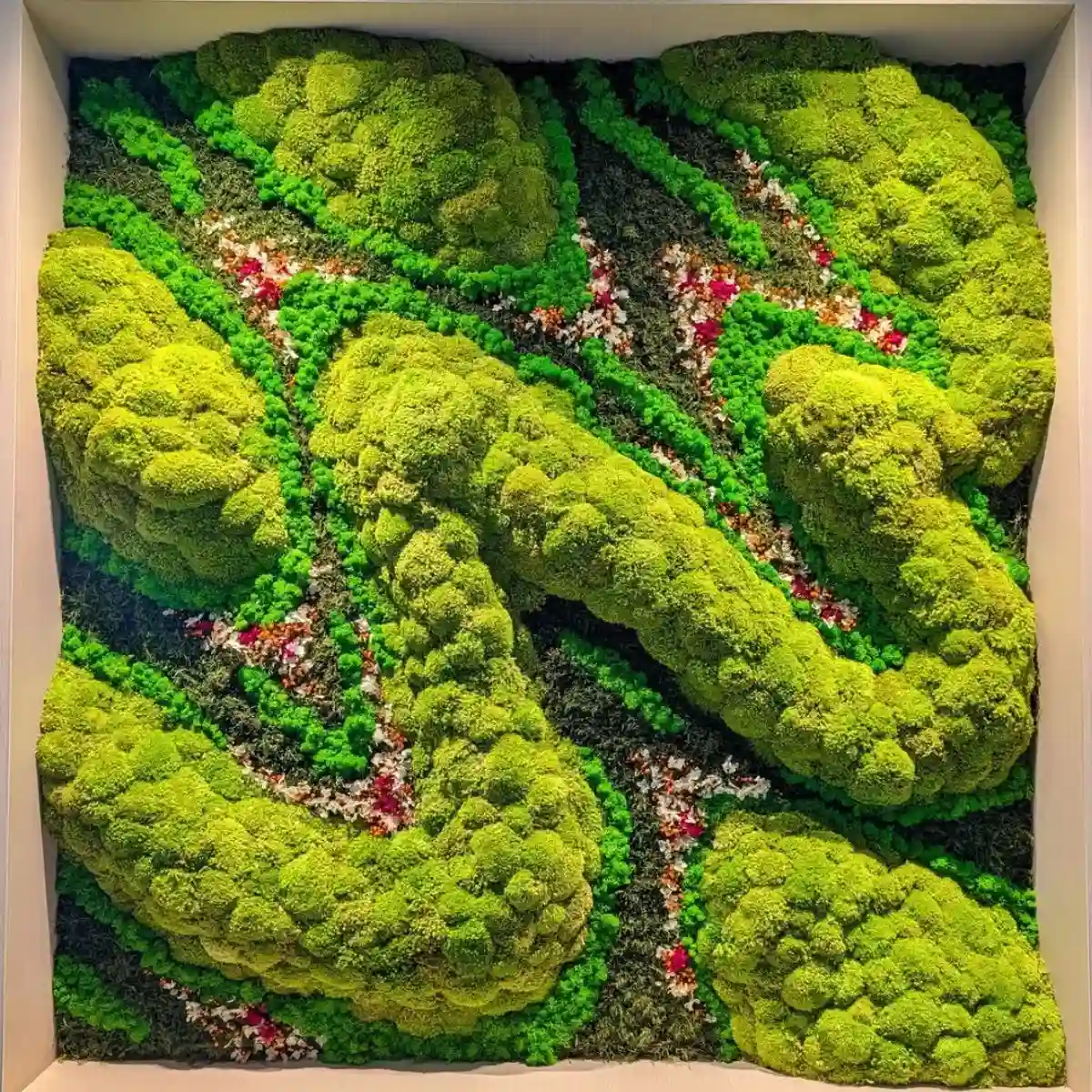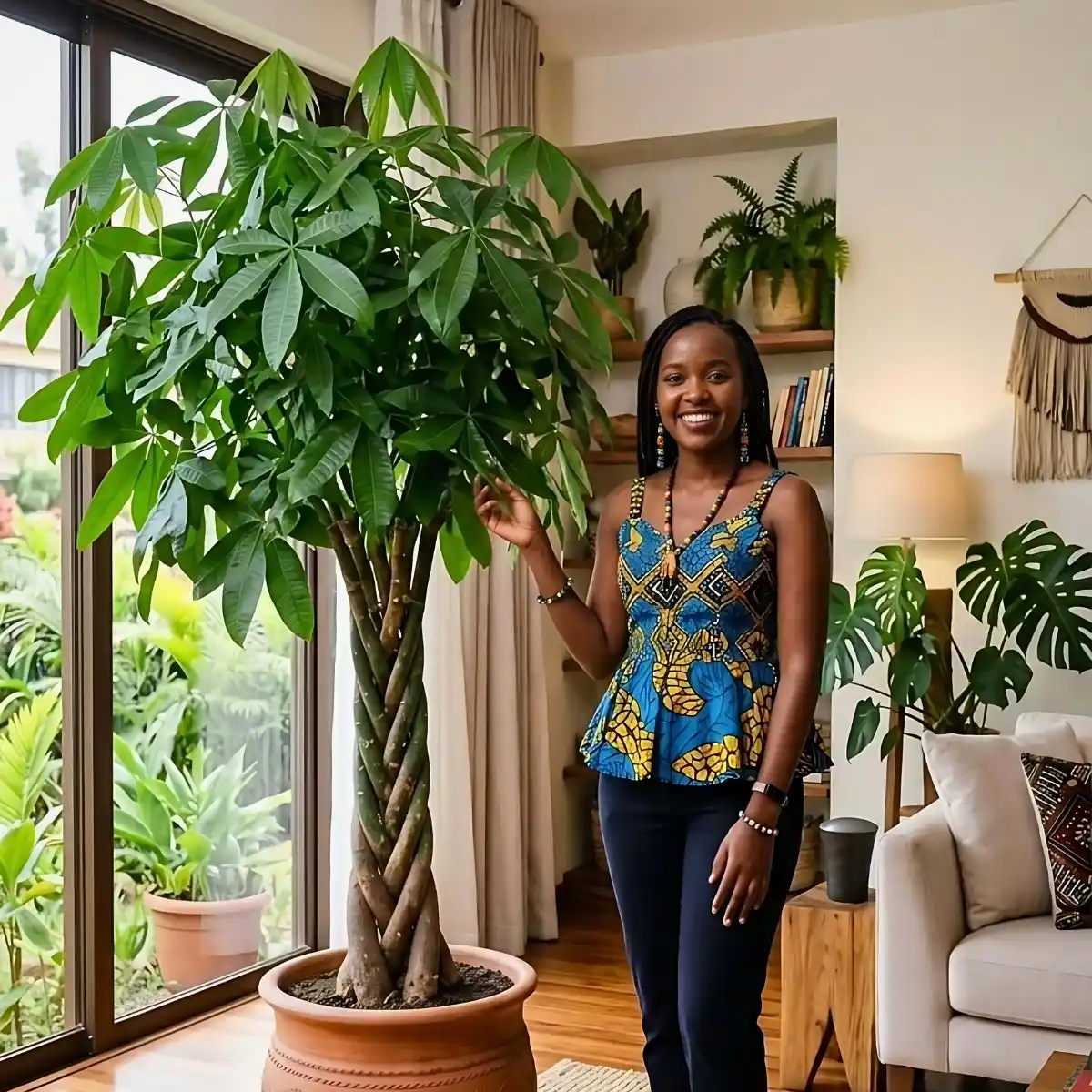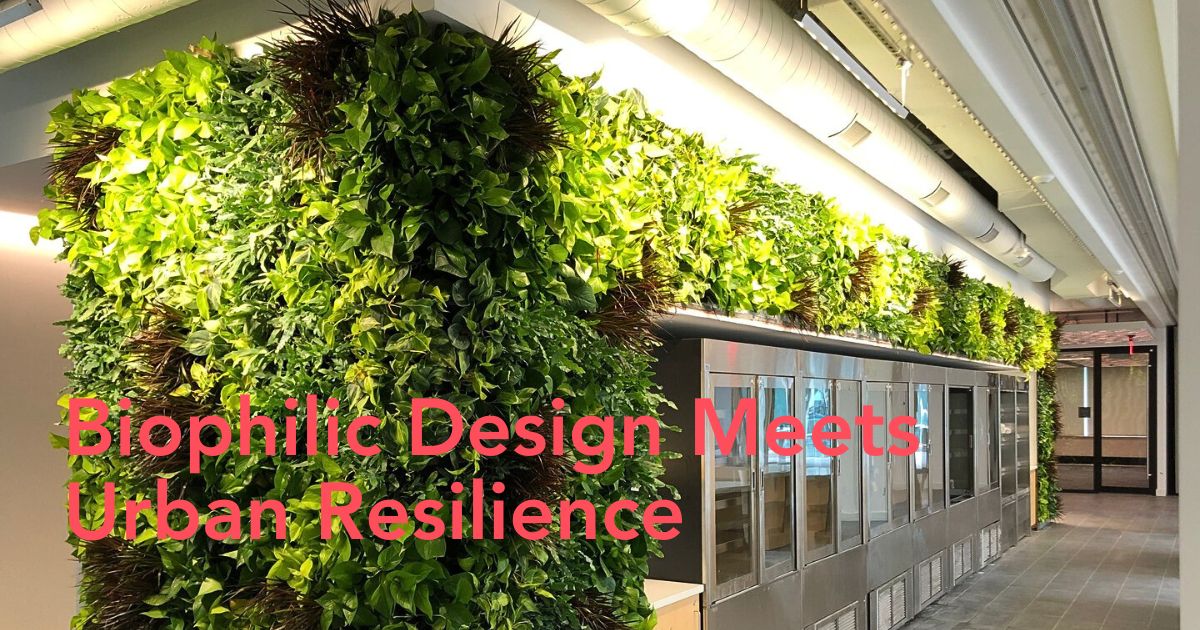
In the modern, increasingly urbanized world, the environments in which we live and interact every day seem uninspiring and disconnected from the natural landscapes. But at a fundamental level, we still have a growing need to connect with the natural world: the feeling of sunlight on our skin, the freshness of the air we breathe, the natural textures, and the overall uplifting quality of plant and flower life. This innate affinity for the natural world has sparked a design philosophy known as biophilic design, which places nature in interior spaces to nurture well-being, creativity, and emotional balance. One more article you can read is about Seven Biophilic Interior Design Studios
While biophilic design encompasses many natural elements, from daylight and water features to natural materials and organic textures, flowers often play one of the key roles. With their vibrant colors, delicate forms, and seasonal variability, flowers are uniquely capable of enhancing spatial experience. In this article, we'll explore how flowers can elevate interiors through biophilic design, creating beautiful, deeply restorative environments.
What Is Biophilic Design
Biophilic design goes beyond the placement of plants and flowers in spaces and extends to the field of psychology and architecture. It starts with understanding that human performance and well-being occur in places that connect us with nature and natural processes. A biophilic interior mimics characteristics found in nature, whether through patterns that resemble leaf veins, materials that echo natural textures, or spatial layouts that evoke open landscapes.
Researchers have linked biophilic spaces to a variety of benefits, including reduced stress, enhanced cognitive performance, improved mood, and even better physical health. In workplaces, biophilic design has been shown to boost productivity; in healthcare settings, it can support faster recovery; and in homes, it can promote relaxation and emotional comfort.
Flowers, with their rich sensory appeal, provide one of the most direct and immediate ways to bring biophilic principles into living and working environments.
Why Flowers Matter in Biophilic Design
1. Sensory Engagement
Flowers stimulate multiple senses at once. Their colors can evoke emotions, think calming lavenders, joyful yellows, or elegant whites. Their scents can be soothing, invigorating, or nostalgic. Even touch is engaged through soft petals and textured foliage.
This multisensory engagement is a hallmark of biophilic design, fostering deeper psychological connections between people and places.
2. Seasonal Rhythm
One of the special things about flowers is their seasonality. Unlike stationary designs and décors, flowers are not static. There are cherry blossoms in the spring, dahlias in late summer, and chrysanthemums in the fall. Cyclicality is characteristic of nature and helps connect people to time in big and small ways.
3. Immediate Visual Impact
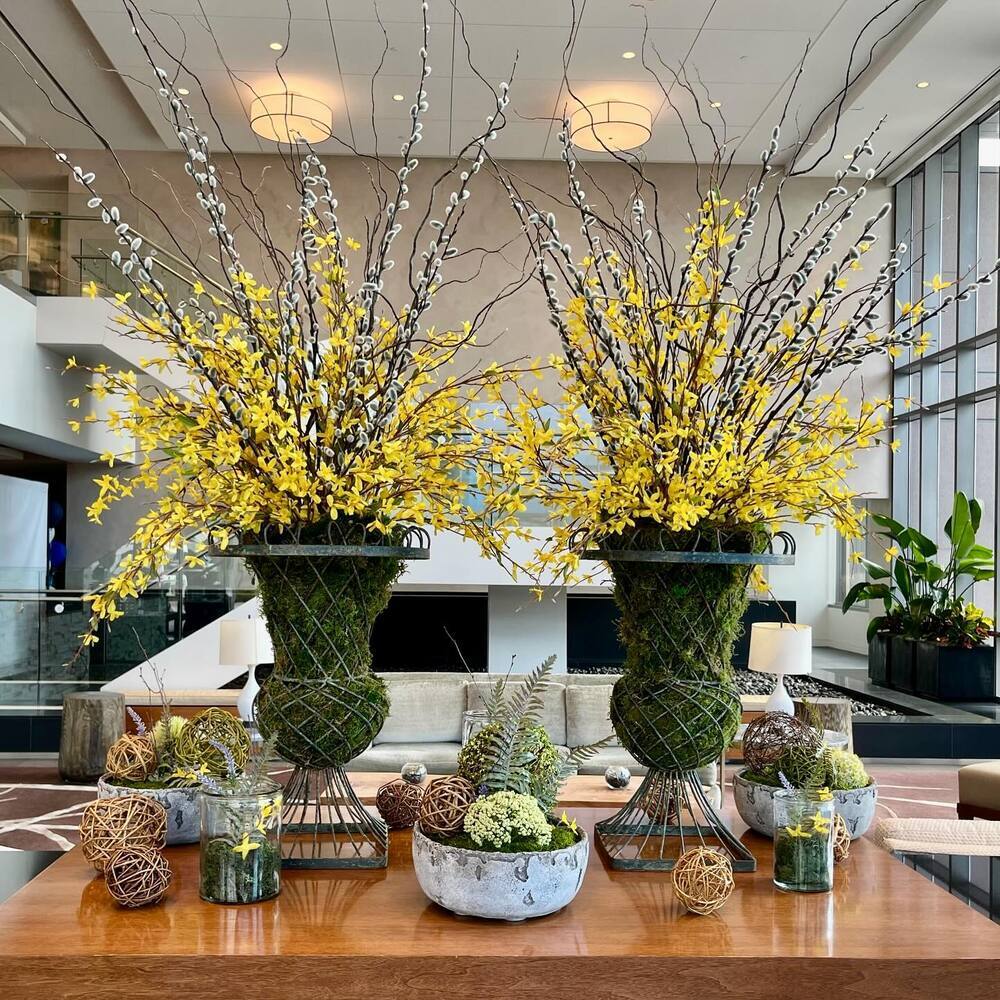
Flowers are naturally aesthetic. Having even a small bouquet can completely change a room, creating a fresh, airy, and inviting atmosphere. In rooms with a minimalist style or an absence of color, flowers in a decorative arrangement can add the needed contrast and color without disrupting design harmony.
Bringing Flowers Indoors Through Biophilic Design
1. Choose Location Thoughtfully
The location of flowers matters as much as their type. Here are some placements that will help to maximize their biophilic impact:
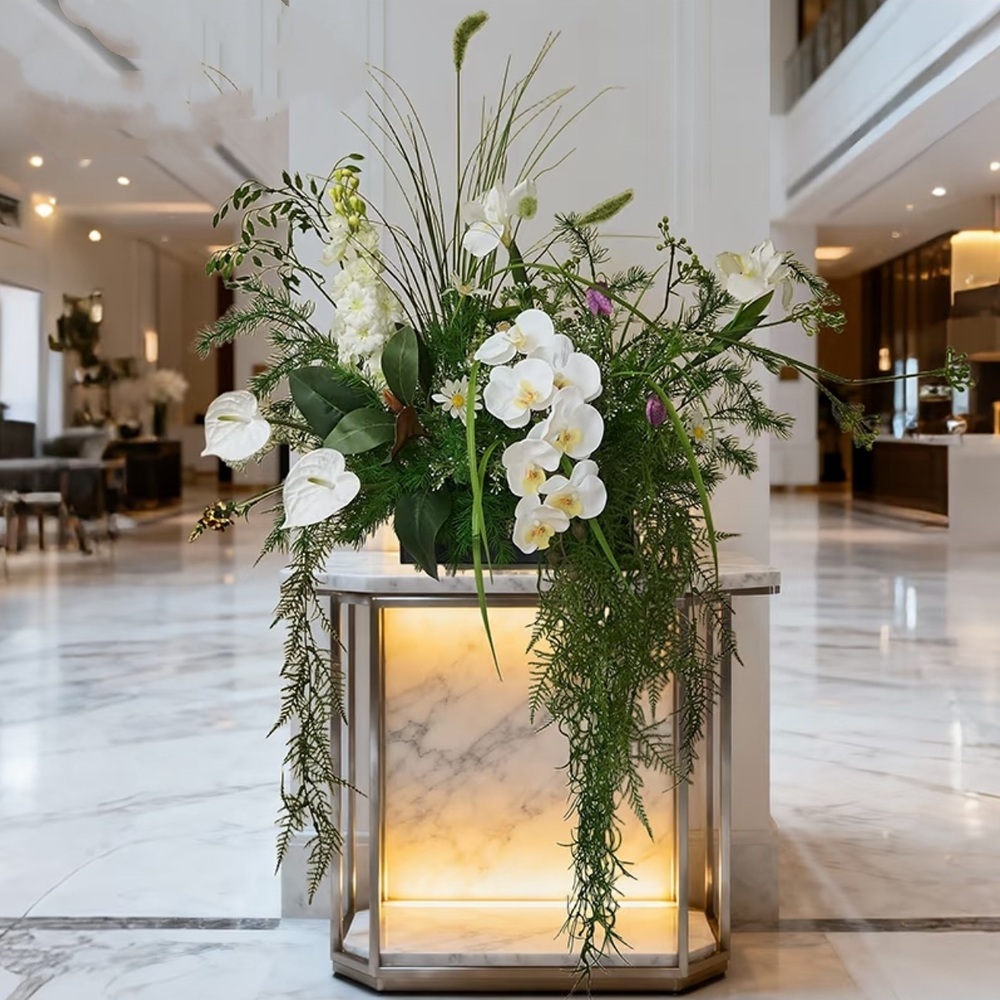
- High-traffic areas: A foyer, luxury dining table, or exquisite kitchen island can benefit from a carefully curated floral center.
- Quiet corners: A single stem in a minimalist vase can create a contemplative nook near a reading chair or bedside table.
By considering sightlines and movement patterns, flowers can become focal points that enhance the spatial experience rather than visual interruptions.
2. Embrace Layered Plantings
Plants and flowers can be combined to form lush indoor landscapes. Think beyond standalone bouquets:
- Mix flowers in bloom with leafy plants to add texture and scale.
- Use trailing vines around floral arrangements to create soft edges and a sense of fluidity.
- Place tall flowers near lower greenery for a garden-like layering effect.
This is done by bringing different plant forms together in relation to natural ecosystems, which emphasizes a sense of depth and immersion.
3. Connect Floral Colors With Interior Palettes
Biophilic design works best when flowers feel integrated into the space rather than tacked on. Consider coordinating floral colors with interior tones:
- Soft pastels in pastel-bound rooms.
- Bold, high-contrast flowers in minimalist interiors with neutral colors.
- Earthy blooms paired with wood and stone.
This not only creates visual cohesion but also enhances emotional harmony, allowing the natural beauty of flowers to feel like an intentional design choice.
4. Use Vessels That Reflect Nature
Flowers can be even more effective when housed in containers that enhance their biophilic effect. Consider the following:
- Hand-blown glass vessels with organic shapes.
- Clay and terracotta with earthy textures.
- Bowls of wood or stone that would echo natural materials.
These materials extend the biophilic language by reflecting the tactile and visual qualities of the space.
5. Allow for Change and Renewal
Unlike static décor, flowers change. Biophilic design embraces this transience. When a floral arrangement fades, consider it an opportunity for renewal rather than a design failure. Update arrangements with seasonal blooms or switch colors and forms to reflect mood shifts or calendar cycles.
Combining Flowers With Other Biophilic Elements
Natural Light and Shadows
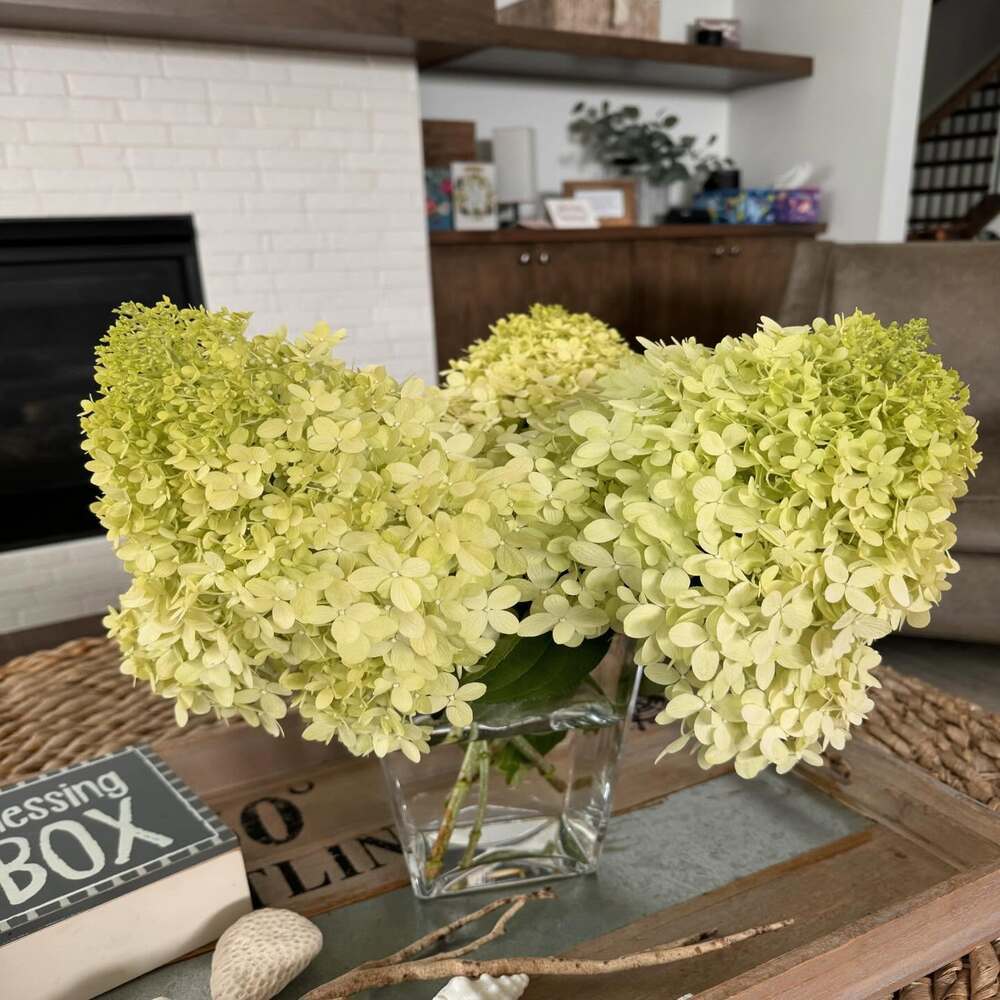
Natural light brings flowers to life through the day, in constantly changing light and shadow. Place floral arrangements wherever they can catch gentle sunlight, letting their colors and textures change with the sun's movement.
Water Features
Water mediates the sound and motion, from small indoor fountains to the mere presence of water in a simple bowl with floating petals. This is in line with biophilic principles valuing multisensory engagement.
Natural Materials and Textures
Complement floral displays with luxury furniture and décor made from wood, rattan, stone, or linen. These materials echo the organic forms and textures of flowers, enriching the space's sensory experience.
Biophilic Design as a Lifestyle, Not a Trend
While interior design trends come and go, biophilic design is rooted in human psychology and ecological awareness. It encourages us to reframe the way we live with nature, even in dense urban settings. Flowers, with their seasonal cycles and sensory richness, act as ambassadors of this philosophy.
By thoughtfully integrating flowers into your interior spaces, and doing so in concert with light, materials, and natural rhythms, your home becomes more than a shelter. It becomes a sanctuary, a place of renewal, connection, and emotional balance.