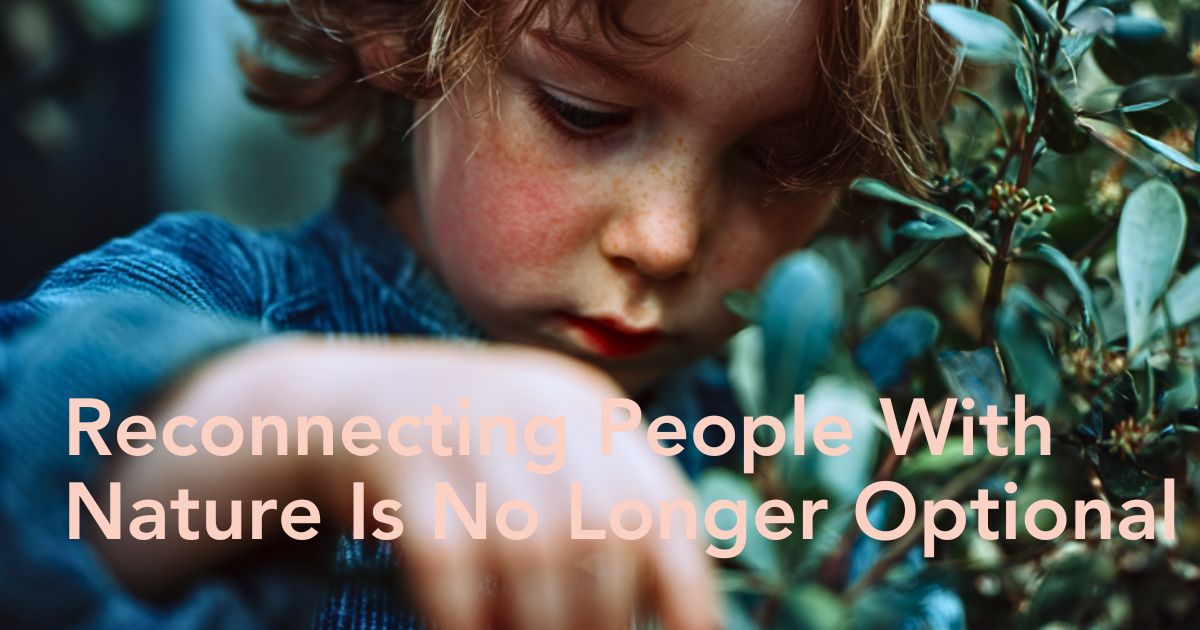
The modern urban environment is highly optimized for efficiency, speed, and density. What it is systematically stripping away is something far more fundamental: daily, meaningful contact with nature. The result is not abstract. It is measurable, visible, and accelerating. Especially in children.
Biophilic Design Is No Longer a Luxury
Researchers, educators, designers, and health professionals increasingly describe this growing gap through two related concepts. These frameworks are not rhetorical devices, but evidence-based lenses used to explain measurable shifts in human health, cognition, and behavior caused by prolonged separation from natural environments. Together, they help clarify why the absence of nature is emerging as a systemic risk rather than a lifestyle preference.
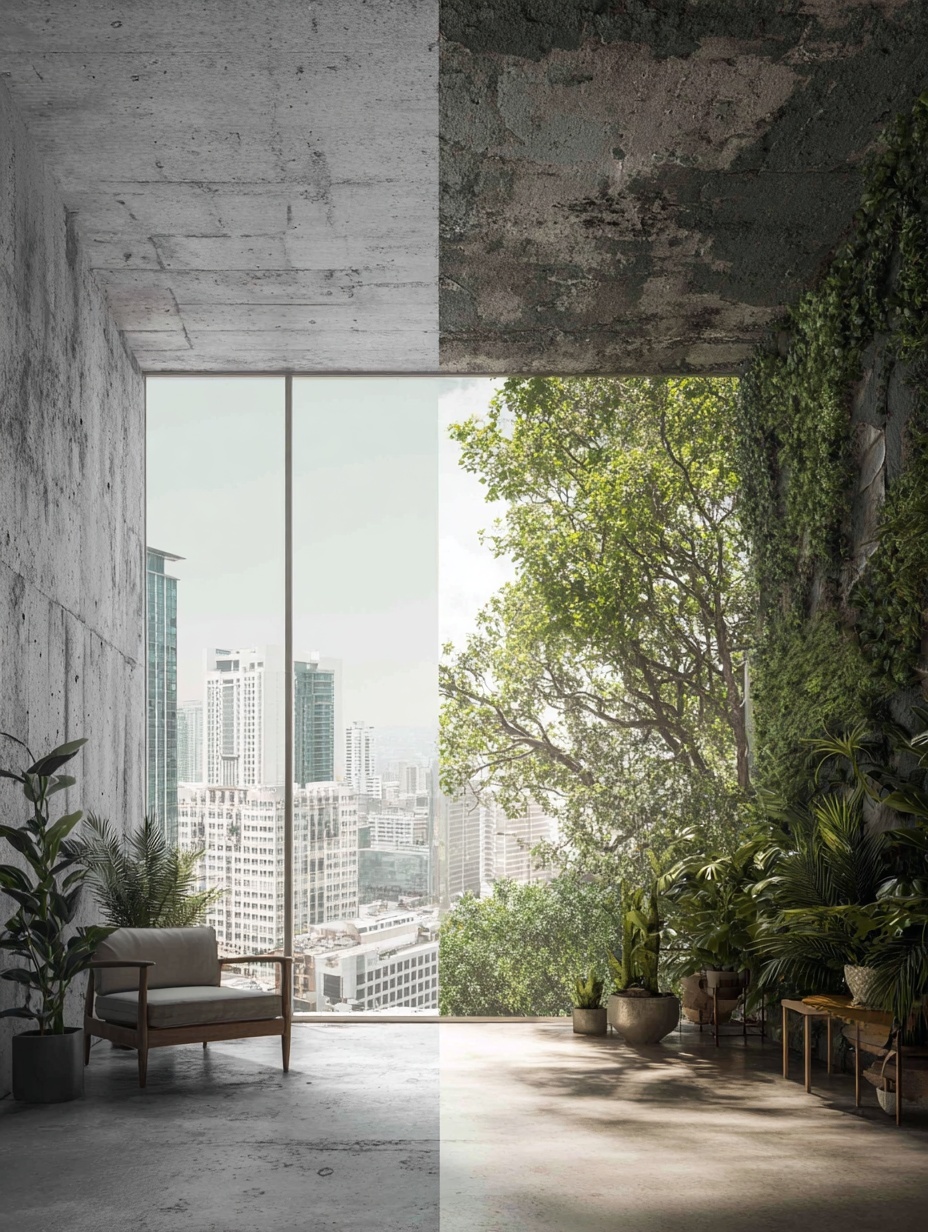
Nature Deficit Disorder
The first is the term Nature Deficit Disorder, a term introduced by Richard Louv in the publication Last Child in the Woods, where the concept of Nature Deficit Disorder is introduced, and documented cognitive, emotional, and physical impacts of reduced contact with nature, particularly in children. Louv links indoor, screen-centered childhoods to rises in obesity, attention disorders, and anxiety. The book draws on interdisciplinary research in education, psychology, and environmental studies to show that contact with nature fosters creativity, mental well-being, and academic success.
Extinction of Experience
The second is the Extinction of Experience, articulated by American naturalist and writer Robert Michael Pyle in his book The Thunder Tree: Lessons from an Urban Wildland. This is a 1993 nonfiction book, blending memoir, ecology, and environmental history. It explores the author’s boyhood along Denver’s High Line Canal and reflects on the loss of wild spaces within growing cities. The book is widely regarded as a seminal work in urban nature writing.

Biophilic Design Is Infrastructure
This is not a poetic concern. It is structural. Studies consistently show that children who grow up with limited access to green environments face higher risks of attention disorders, anxiety, reduced creativity, and weaker emotional regulation. At the same time, adults raised in hyper-urban settings demonstrate lower engagement with conservation, biodiversity, and environmental stewardship. If nature disappears from daily life, it also disappears from values.
When Nature Leaves Our Spaces, It Leaves Our Language
An alarming side effect of this separation is something scientists now call plant blindness. It describes the reduced ability to notice plants, recognize their importance, or understand their role in ecosystems and human well-being. This phenomenon is not symbolic. It reflects a cognitive narrowing shaped by environments dominated by screens, concrete, and artificial systems.
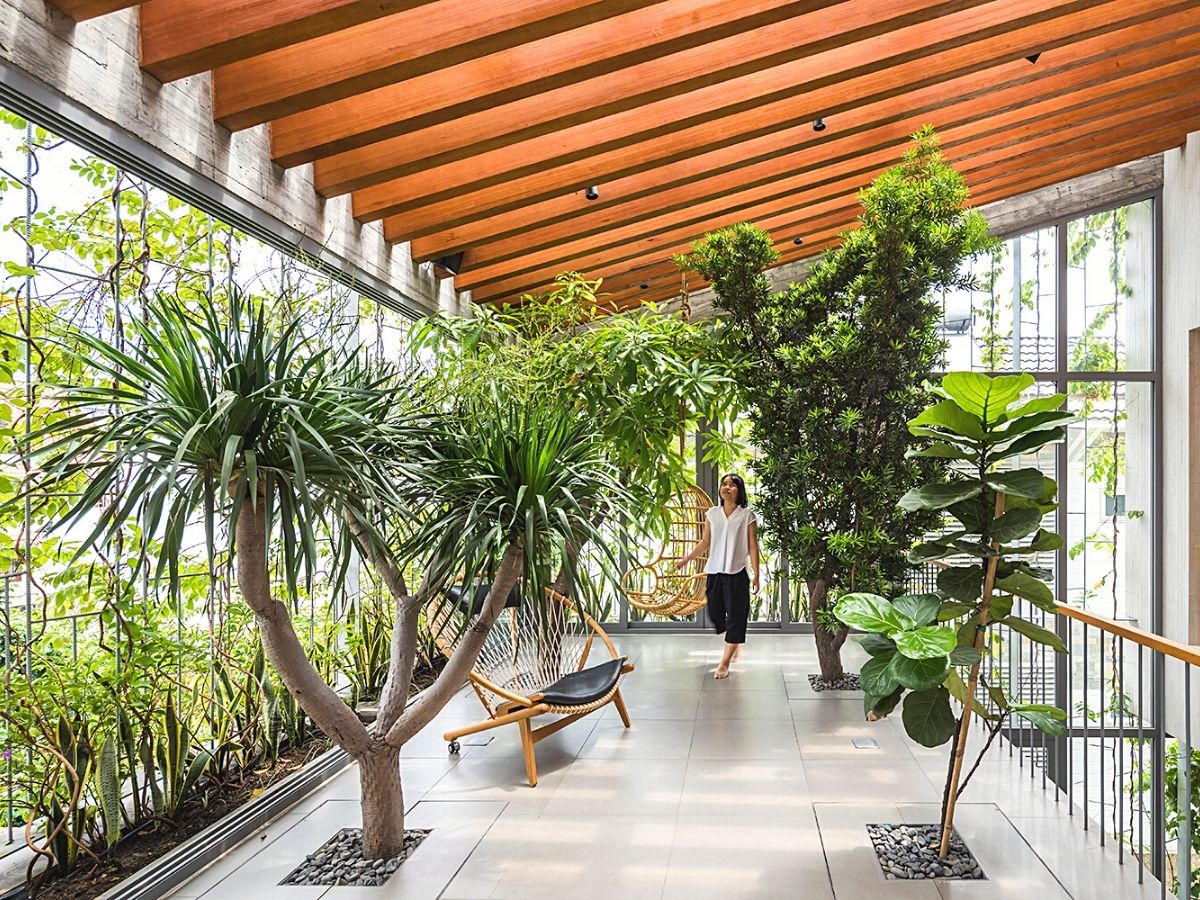
When children can name more corporate logos than plant species, the problem is not education. It is design. Cities, schools, offices, hospitals, and homes have been engineered to function without nature, as if biology were optional. The human nervous system disagrees.
Biophilic Design Is the Strategic Response
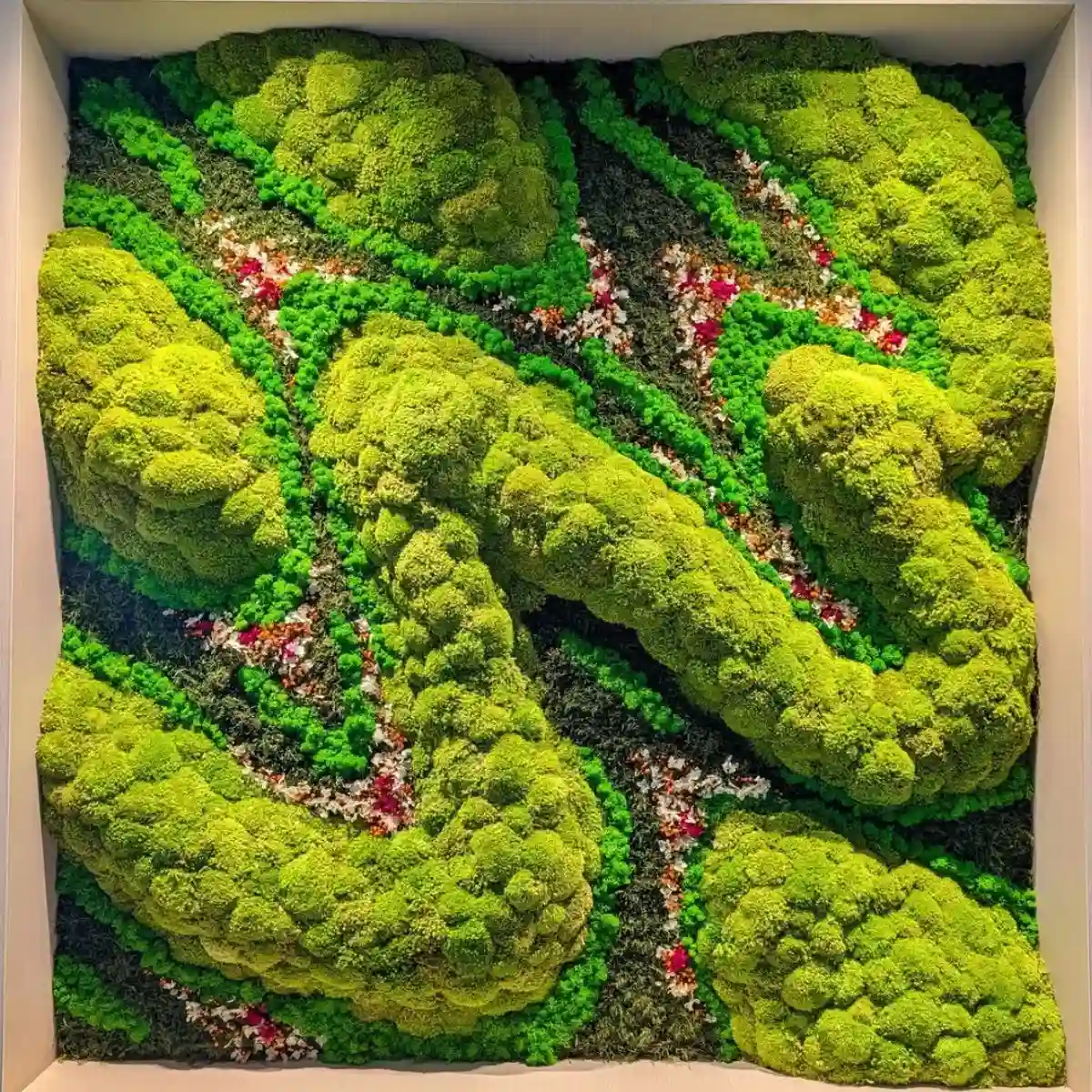
Biophilic Design is not about decoration. It is about restoring conditions that human systems evolved within. At its core, biophilic design is the intentional integration of natural elements, patterns, materials, light, air, and living systems into built environments. Not as an aesthetic layer, but as functional infrastructure.
Research shows that spaces designed with biophilic principles improve concentration, reduce stress hormones, accelerate healing, and increase overall well-being. In workplaces, productivity and retention improve. In schools, learning outcomes rise. In healthcare, recovery times shorten. This is not soft science. It is applied biology. The founder of biophilic design, Stephen Kellert, published many articles on this.

Crucially, biophilic design repairs more than individual health. It rebuilds a relationship. Regular sensory exposure to plants, daylight, seasonal change, and natural complexity trains the brain to recognize nature as relevant again. That is how future citizens learn to care.
An Industry With Responsibility and Opportunity
The floriculture industry sits at the center of this transition. Plants are not accessories. They are active agents in restoring the human-nature connection. Every thoughtfully placed plant in a school, office, or public space is a small intervention against Nature Deficit Disorder.
Biophilic design demands intention, expertise, and long-term thinking. It challenges architects, developers, policymakers, and suppliers to move beyond minimal compliance and toward environments that actively support human and ecological health. The question is no longer whether this matters. The question is:
Who will lead?
Sources referenced include Richard Louv’s work on Nature Deficit Disorder (Last Child in the Woods) and Robert Michael Pyle’s writings on the Extinction of Experience, alongside peer-reviewed research in environmental psychology and public health.