When planning a garden or a small yard, most homeowners picture beautiful green trees that give shade and make the yard feel calm and relaxing. But there’s something important many of them forget to think about: invasive tree roots.
Some trees grow very fast and develop strong, aggressive roots. At first, that might sound like a good thing, but these roots can spread far underground in search of water and stability. As they do, they can push up concrete surfaces such as patios, sidewalks, and driveways. They can even damage your home’s foundation.
When roots lift and crack concrete, the ground becomes uneven and unsafe, creating a serious trip hazard for children and elderly individuals with mobility challenges. Fixing this kind of damage is not a DIY job, as you might think. It's best to have it inspected and repaired by local concrete experts to protect your property’s structural integrity while maintaining a safe outdoor space for your loved ones in the long run. That’s why choosing small trees with non-invasive (non-aggressive) roots is so crucial. The right tree keeps your garden beautiful without causing expensive problems later.
Below are some of the great choices for small yards, patios, and garden beds where space is tight and concrete needs to stay safe. They look beautiful and usually have roots that stay more controlled than large shade trees.
Japanese Maple (Acer palmatum)
Japanese maples are favorites for small gardens because they are beautiful and don’t take up too much space. Their soft leaves change color during the year, light green in spring and bright orange or red in fall. This makes them interesting in every season. Most types grow between 15 and 25 feet tall, which is perfect for smaller yards.
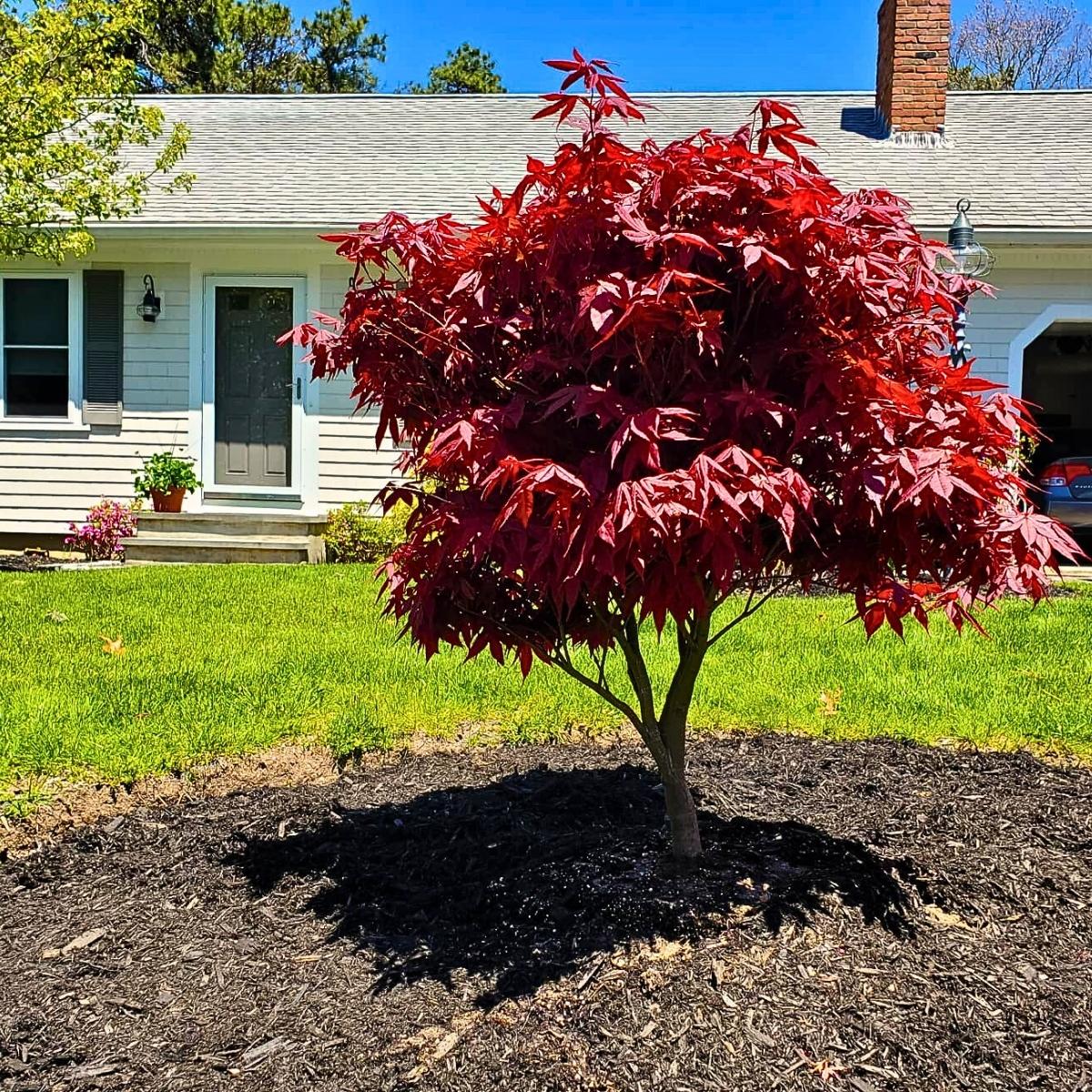
Another big benefit is their gentle root system. While no tree is completely risk-free, Japanese maples usually don’t grow thick roots that push up nearby concrete surfaces. They are also easy to trim and shape. When planted a safe distance from concrete, they provide shade and beauty without causing trouble.
Eastern Redbud (Cercis canadensis)
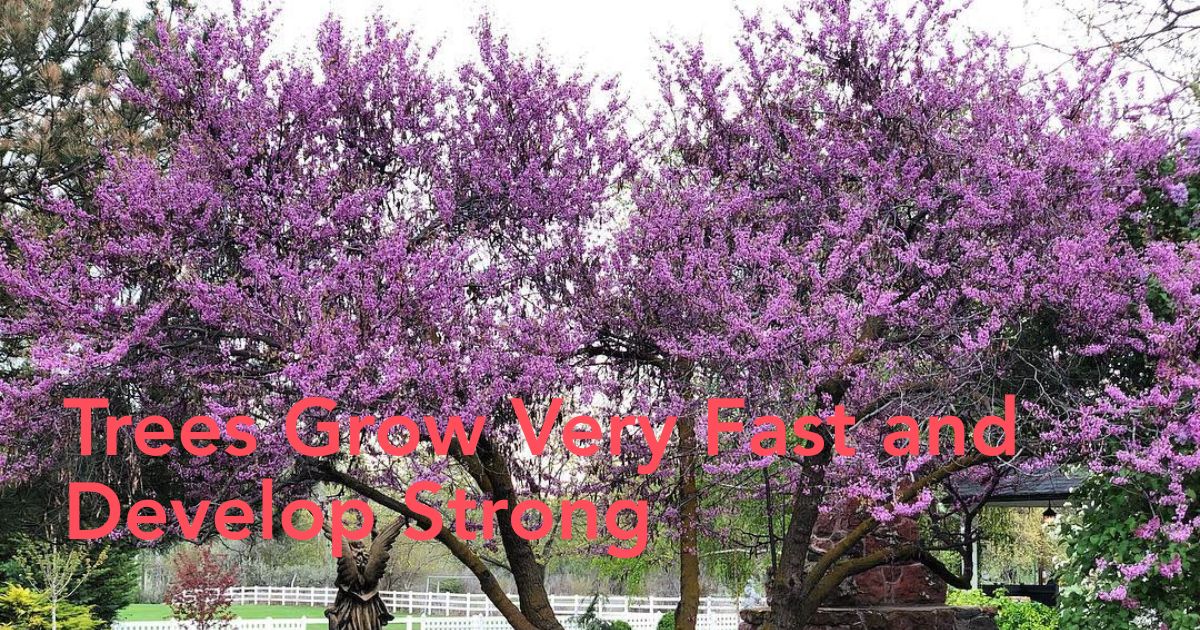
Eastern Redbuds are known for their bright pink flowers that bloom in early spring, sometimes before other trees even grow leaves. Their flowers grow along the branches and even the trunk, making them very eye-catching. They usually grow between 12 and 20 feet tall, which makes them just the right size for small gardens.
Their roots are compact and not very aggressive. This makes them a good choice near walkways or patios. Their branches spread gently, giving light shade without making the yard feel too dark.
Crape Myrtle (Lagerstroemia)
Crape Myrtles are loved because they bloom for a long time during summer. Their colorful flowers brighten the yard when many other trees are done blooming. Smaller types grow about 7 to 10 feet tall, making them ideal for patios and small backyards.
They are also easy to care for once they are grown up. Their roots usually stay close to the trunk instead of spreading far outward. This lowers the chance of damaging sidewalks or driveways. Plus, their smooth, peeling bark makes them look interesting even in winter.
Dogwood (Especially Cornus florida & ‘Venus’)
Dogwoods are classic garden trees with large, beautiful flowers in spring. Types like Cornus florida and the hybrid ‘Venus’ stay medium-sized and fit nicely in smaller landscapes. In fall, their leaves change color, and they grow bright berries that birds love.
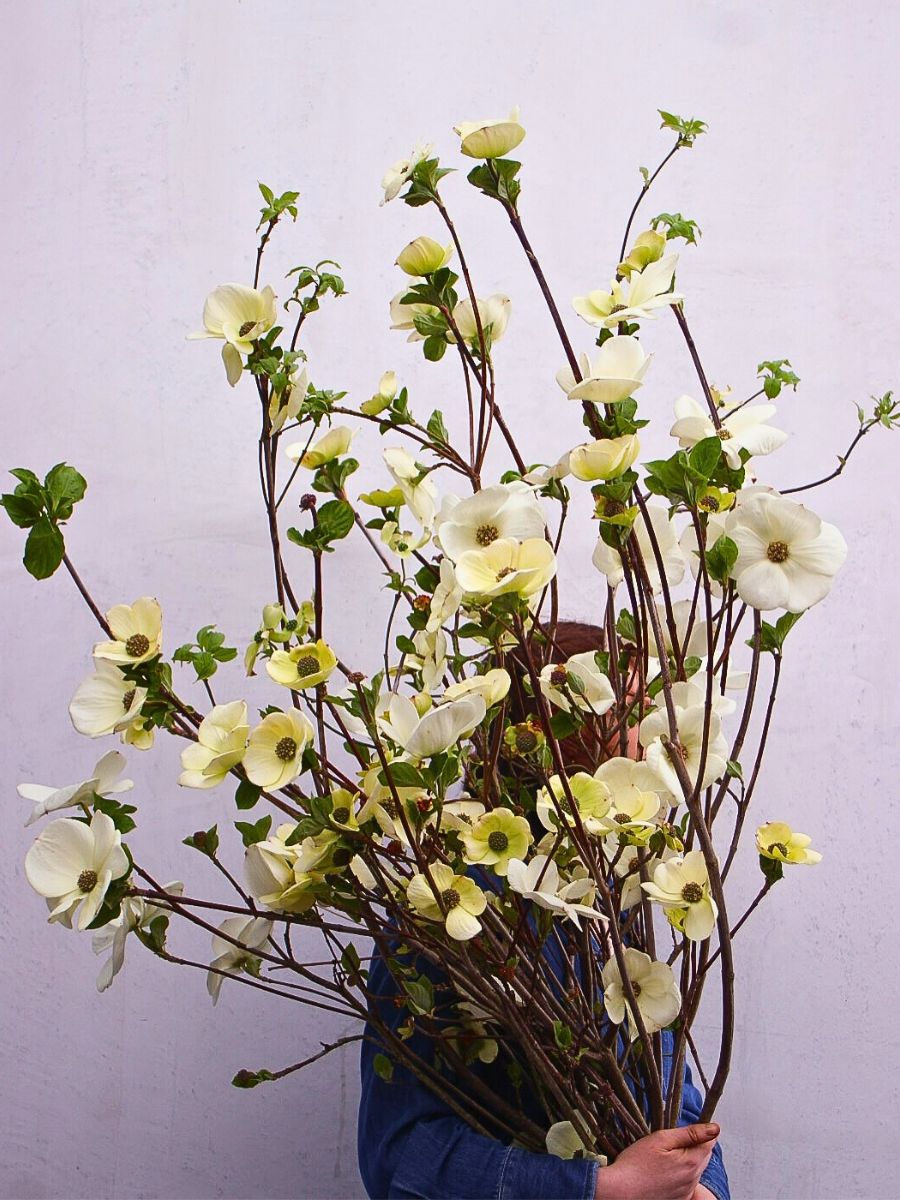
Their root systems are usually less invasive than big shade trees. This makes them safer to plant near foundations and pathways. Dogwoods also grow well in partial shade, which is helpful in gardens that don’t get full sunlight all day.
Juneberry / Serviceberry (Amelanchier)
Juneberries are special because they look good in every season. In spring, they have small white flowers. In summer, they grow berries that birds enjoy. In fall, their leaves turn bright shades of orange and red.
They stay medium-sized and have fine roots that are usually safe near paved areas. They give gentle shade without making the yard too dark. Juneberries are a favorite choice for many homeowners because they naturally grow into a nice shape without much pruning.
Paperbark Maple (Acer griseum)
Paperbark Maple is easy to recognize because of its peeling bark. It looks particularly good in the winter when the bark curls back to reveal a warm brown hue. It grows slowly and stays a manageable size, which is great for long-term garden planning.
Its roots are generally well-behaved and less likely to grow large surface roots. When planted properly with enough space, it adds beauty without creating structural problems.
Star Magnolia (Magnolia stellata)
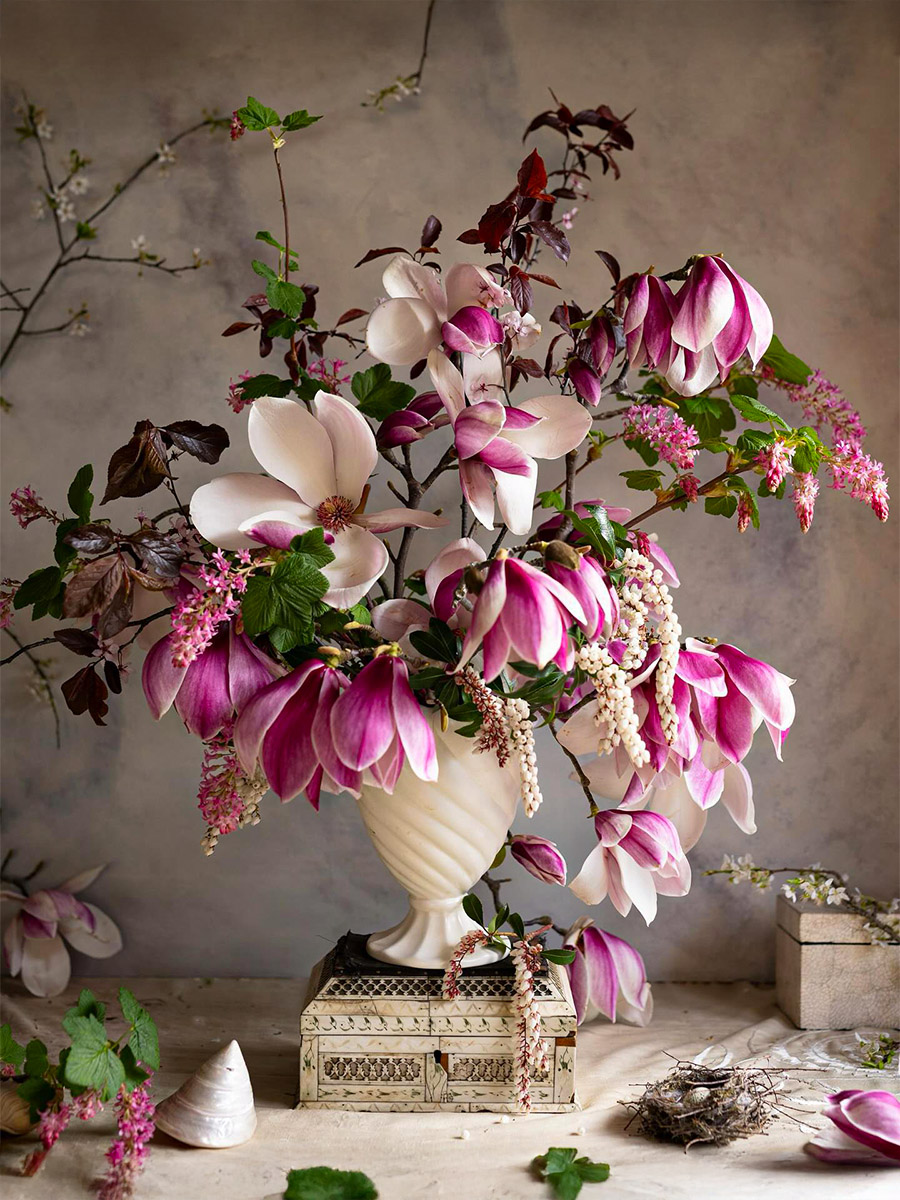
Star Magnolias bloom very early in spring with white, star-shaped flowers that smell light and sweet. They stay small and grow slowly, which makes them perfect for city gardens.
Their roots spread in a moderate way, not aggressively. This means they are less likely to lift patio stones or sidewalks. Their round shape keeps them looking neat without much trimming.
Japanese Tree Lilac (Syringa reticulata)
Japanese Tree Lilacs grow into small trees with creamy white flowers that smell wonderful in late spring or early summer. Unlike small lilac bushes, these grow taller with a neat, rounded shape.
They handle city conditions well, including compact soil and pollution, which makes them a good choice in places like New York. Their roots usually stay close to the trunk instead of spreading widely. With very little maintenance, they keep the gardens looking clean and attractive.
For homeowners looking to avoid costly damage to walkways, patios, and foundations, experts at Urban Contractors NYC often highlight the importance of choosing trees with controlled root systems and planning planting distances carefully.
Planting a tree is exciting, but it’s also a big decision to choose the tree when designing a small garden in your home. The right tree can make your yard cooler, prettier, and more relaxing. The wrong tree can be a risk for your concrete surfaces or even your home’s foundation due to its aggressive root system.
Choosing small trees with non-invasive roots helps protect patios, walkways, and foundations while giving you shade and beauty. By picking the right tree, planting it at a safe distance, and monitoring it as it grows, you can avoid expensive repairs in the future.
With smart planning, your garden can stay beautiful above the ground and stable below the ground, creating an outdoor space that remains attractive and structurally sound for many years to come.