Moving to a new home is a whirlwind of logistics, packing tape, and heavy lifting, but while your furniture can handle a few bumps, your greenery is far more sensitive. Many people assume that their houseplants can be treated just like another box of books, only to realize a week after the move that their favorite fiddle leaf fig is dropping leaves at an alarming rate. Successfully relocating a botanical collection requires shifting your perspective from seeing them as decor to seeing them as living plants. If you aren't careful, the stress of the journey can be fatal. To protect your investment and your peace of mind, it helps to follow professional-grade protocols to ensure every leaf and root makes it to the new destination intact. If you are moving home? take your plants safely with you
1. Failing to Prepare the Plants for the Journey
One of the most frequent errors happens long before the moving truck ever pulls into the driveway. People often wait until the last minute to think about their plants, resulting in rushed packing that leads to snapped stems or spilled soil. Preparation should actually begin weeks in advance. This involves assessing the health of each plant and making sure it is strong enough to endure the transition. A weak or pest-infested plant is much less likely to survive the fluctuations in temperature and light that occur during a move.
The Danger of Overwatering Before Moving Day
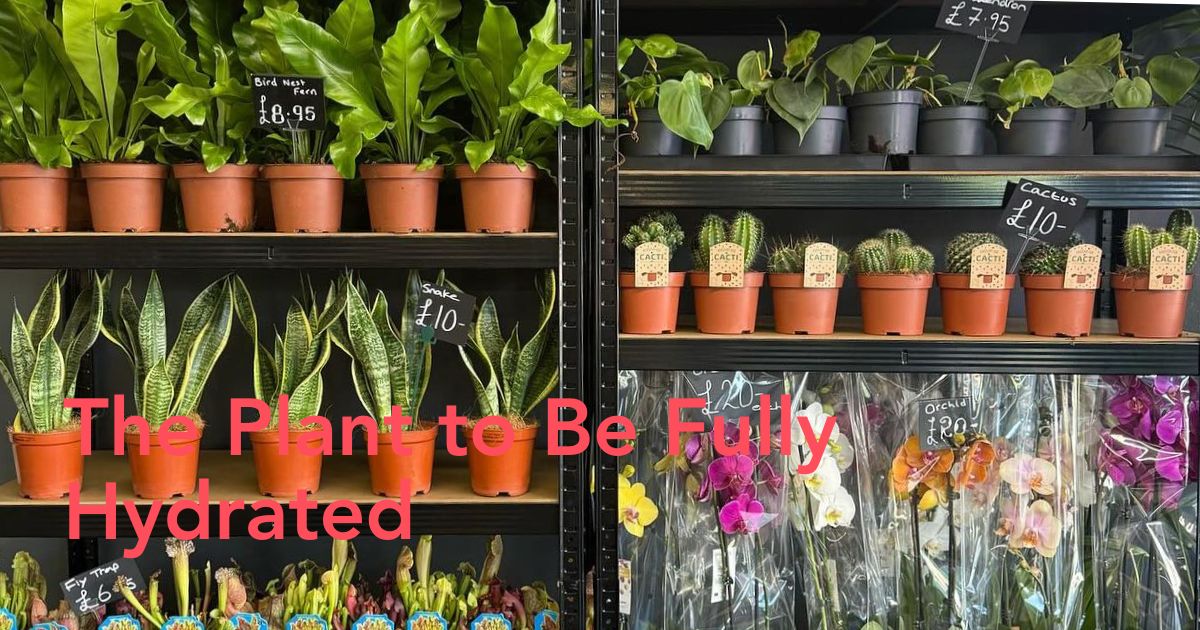
A common instinct is to give your plants a "big drink" right before they go into a dark box or a moving van. This is a significant mistake. Saturated soil is heavy, making the pots harder to carry and increasing the risk of the root ball shifting. More importantly, wet soil in a dark, enclosed space is a breeding ground for fungal issues and root rot. You want the soil to be moist but not soggy. Generally, watering your plants two to three days before the move is the sweet spot. This allows the plant to be fully hydrated but gives the soil enough time to lose excess water and settle.
Neglecting Necessary Pruning and Grooming
Another overlooked step is grooming. Long, trailing vines or overgrown branches are much more likely to get caught on doorways or tangled with other boxes. By lightly pruning your plants a few weeks before the move, you reduce the plant's energy requirements and make it more compact and easier to protect. Removing dead or yellowing leaves also ensures that the plant isn't wasting resources on failing foliage during a high-stress period.
The Risk of Moving Heavy Containers
Many plant lovers invest in beautiful, heavy ceramic or terracotta pots. While these look great in a living room, they are a nightmare for relocation. They are prone to cracking and add significant weight to your load. A smart move is to transplant your large specimens into lightweight plastic nursery pots a few weeks before the move. This makes the plants easier to carry and protects your expensive decorative pots from being shattered in transit. You can simply slip them back into their "fancy" homes once you've arrived and settled.
2. Choosing the Wrong Packing Materials and Techniques
When it comes to storage and moving, the way you wrap your plants determines whether they arrive upright or upside down. A common mistake is using standard moving boxes without any internal support. Plants are top-heavy, and without proper stabilization, they will topple over the moment the moving truck hits a speed bump.

Using Non-Breathable Materials
Wrapping a plant tightly in plastic wrap might seem like a good way to keep the soil in place, but it can actually suffocate the plant. Plants need to breathe, and trapping them in plastic for hours, or heaven forbid, days, can lead to heat exhaustion and moisture buildup that triggers rot. Instead, use breathable materials like kraft paper or old bedsheets. You can create a "sleeve" by wrapping the paper around the base of the pot, and pulling it upward, securing it at the top to protect the foliage while still allowing for airflow.
The Importance of Proper Box Stabilization
If you are placing multiple small pots into a single box, you cannot leave empty space between them. People often make the mistake of assuming the pots will stay put. In reality, you need to fill every gap with crumpled newspaper, bubble wrap, or even towels. The goal is to ensure that if you were to gently tilt the box, nothing inside moves. For taller plants that don't fit in boxes, consider using a specialized plant caddy or a heavy-duty plastic bin that prevents the pot from sliding across the floor of the vehicle.
If you're dealing with fragile or oversized plants and want to reduce the risk of tipping, breakage, or leaf damage, it can help to consult a plant moving company that understands how to stabilize pots and protect foliage during transit.
3. Ignoring Temperature Extremes and Environmental Stress
Plants are cold-blooded organisms in a sense; their internal chemistry is entirely dependent on the temperature of their surroundings. One of the most devastating mistakes is leaving plants in a parked car or a non-climate-controlled trailer for extended periods. As far as biological safety goes, a car can turn into an oven in the summer or a freezer in the winter within minutes.
The "Hot Car" Effect on Foliage
Even on a mild day, the sun hitting a car window can raise the internal temperature to levels that literally cook plant tissues. Tropical plants, which many of us keep as houseplants, may love warmth, but they cannot handle stagnant, 100-degree air. This leads to rapid dehydration and permanent leaf burn. If you are moving during the summer, your plants should be the last thing loaded into your personal vehicle and the first thing taken out.
Winter Relocation Hazards
On the flip side, moving in the winter presents the risk of freezing. A single minute of exposure to sub-freezing air can turn the water inside a plant's cells into ice, causing the cell walls to burst. Once this happens, the tissue turns black and mushy, and there is often no way to save the plant. In cold weather, you must insulate your boxes with extra layers of paper or even space blankets. Never leave them in an unheated garage or the back of a truck overnight.
4. Forgetting to Research Regulations and Logistics
If your move takes you across state lines or international borders, simply packing your plants isn't enough. Many people are shocked to find their beloved greenery confiscated at an agricultural checkpoint. Governments are very protective of their local ecosystems and have strict rules to prevent the spread of invasive species or diseases.
Navigating Agricultural Inspections
States like California, Florida, and Arizona have rigorous inspections for incoming plants. They may require that your plants be planted in sterile, store-bought potting soil rather than outdoor dirt, which can carry pests. Some states forbid the entry of certain species entirely. Failing to check these regulations beforehand is a mistake that can result in the loss of your entire collection. Always look up the Department of Agriculture website for your destination state well in advance.
The Logistics of Transit Time
Another common error is miscalculating how long the plants will be in the dark. Most houseplants can survive 24 to 48 hours without light, but beyond that, they begin to starve. If your move involves a week-long cross-country trip, you cannot simply leave the plants in a box. You must plan for "pit stops" where they can get some indirect light and fresh air, or you might need to consider shipping them via an express service that guarantees a shorter transit window.
5. Neglecting Post-Move Acclimation
The mistake that often seals a plant's fate happens after the move is technically over. When you arrive at your new home, your plants are in a state of shock. They have been shaken, deprived of light, and subjected to different humidity levels. The worst thing you can do at this point is to immediately try to "fix" them with drastic measures.
The Pitfall of Immediate Repotting
Many people want their new home to look perfect right away, so they immediately repot their plants into new decorative containers. This is a massive error. Repotting is a stressful event for a plant's root system. When combined with the stress of the move, this "double shock" is often too much for the plant to handle. It is best to wait at least three to four weeks before making any major changes to the plant's environment or container.
Overreacting to Leaf Drop
It is perfectly normal for a plant to lose a few leaves after a move. This is the plant's way of conserving energy while it adjusts to new light levels and air quality. Many owners see a yellow leaf and panic, thinking the plant needs more water or fertilizer. In reality, over-fertilizing a stressed plant can burn its roots. The best approach is to place the plant in a spot with appropriate light, give it a small amount of water if the soil is dry, and then leave it alone. Patience is the most effective tool in your kit during the first month in a new home.
Green Thumb
Moving with a green thumb requires a blend of foresight, gentle handling, and a deep understanding of your plants' biological needs. By avoiding these common pitfalls, like overwatering, poor stabilization, and ignoring temperature swings, you can ensure your botanical family thrives in their new environment. Whether you decide to hire a professional or manage the logistics yourself, treating your plants as high-priority cargo will pay off when you see them brightening up your new living space. Remember that the goal is a seamless transition, where your greenery can recover quickly and continue to grow. With a bit of extra care during the Storage and Moving Chicago phase, your home will feel like an established sanctuary in no time.
Header image by @floralhallse27