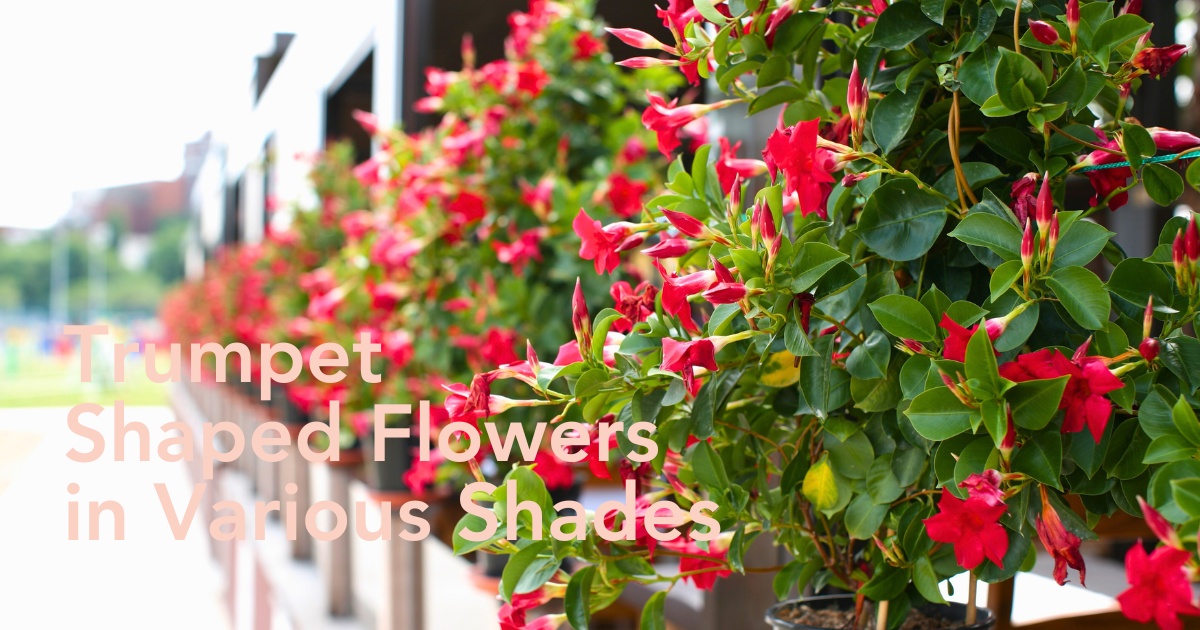
If you enjoy plants that seem to easily flower for months, the Dipladenia plant (often sold as Mandevilla) will feel like a small everyday luxury on your balcony or patio. Its glossy foliage, trumpet-shaped flowers, and relaxed growth habit make it equally at home in a sleek city container or a cottage-style garden corner.
With colors ranging from deep crimson to soft pink and pristine white, the Dipladenia plant brings exactly the kind of arresting beauty you would want to have in your garden settings and containers, regardless of whether you are an expert gardener or just starting out.
What Is a Dipladenia Plant?
Understanding what a Dipladenia plant is and how to care for it makes it easy to use it to transform your outdoor spaces into a tropical paradise, just like its native habitat in Central and South America.
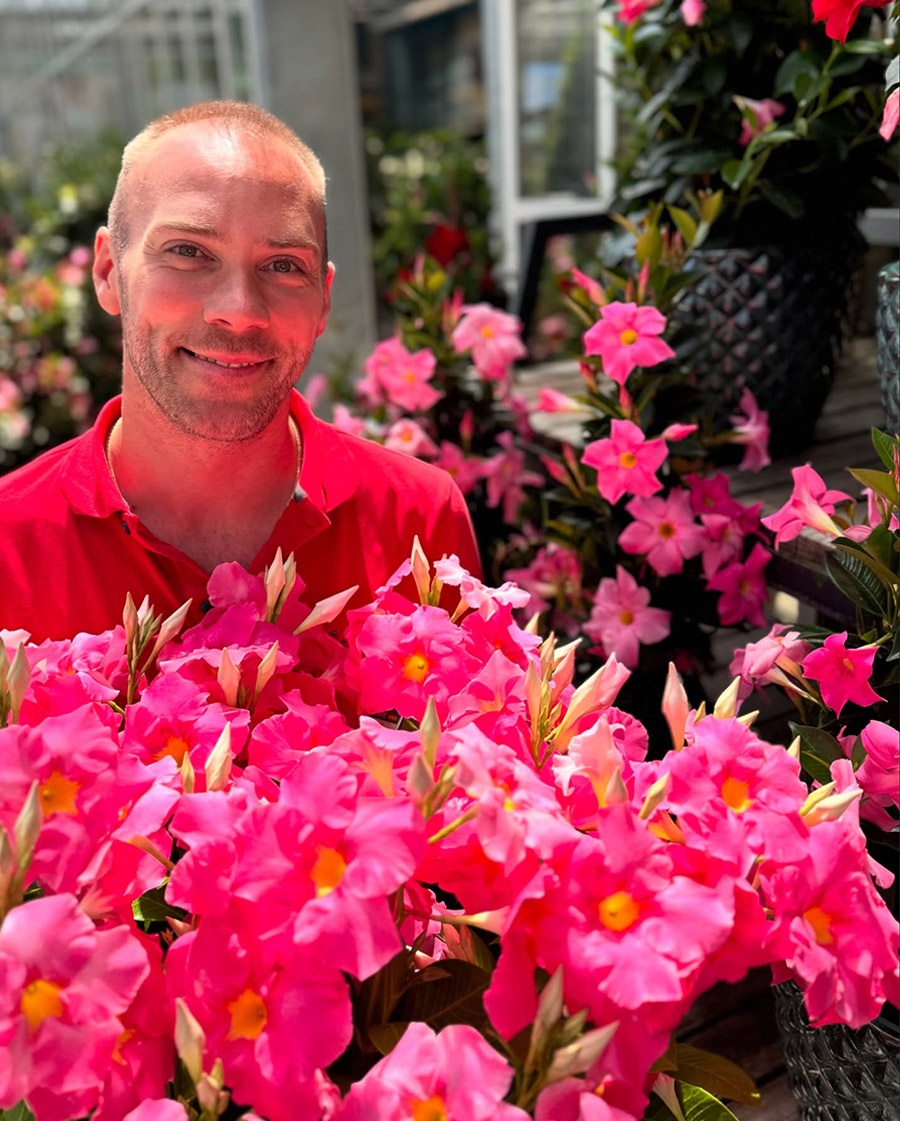
For starters, Dipladenia is a tropical flowering plant very closely related to Mandevilla, known for its trumpet-shaped flowers in shades of red, pink, and white. In many garden centers, Dipladenia is actually labeled as Mandevilla, which can confuse even experienced gardeners. Botanically, they sit in the same group, but gardeners often use ‘Dipladenia plant’ for more compact, shrubby types and 'Mandevilla' for stronger climbers.
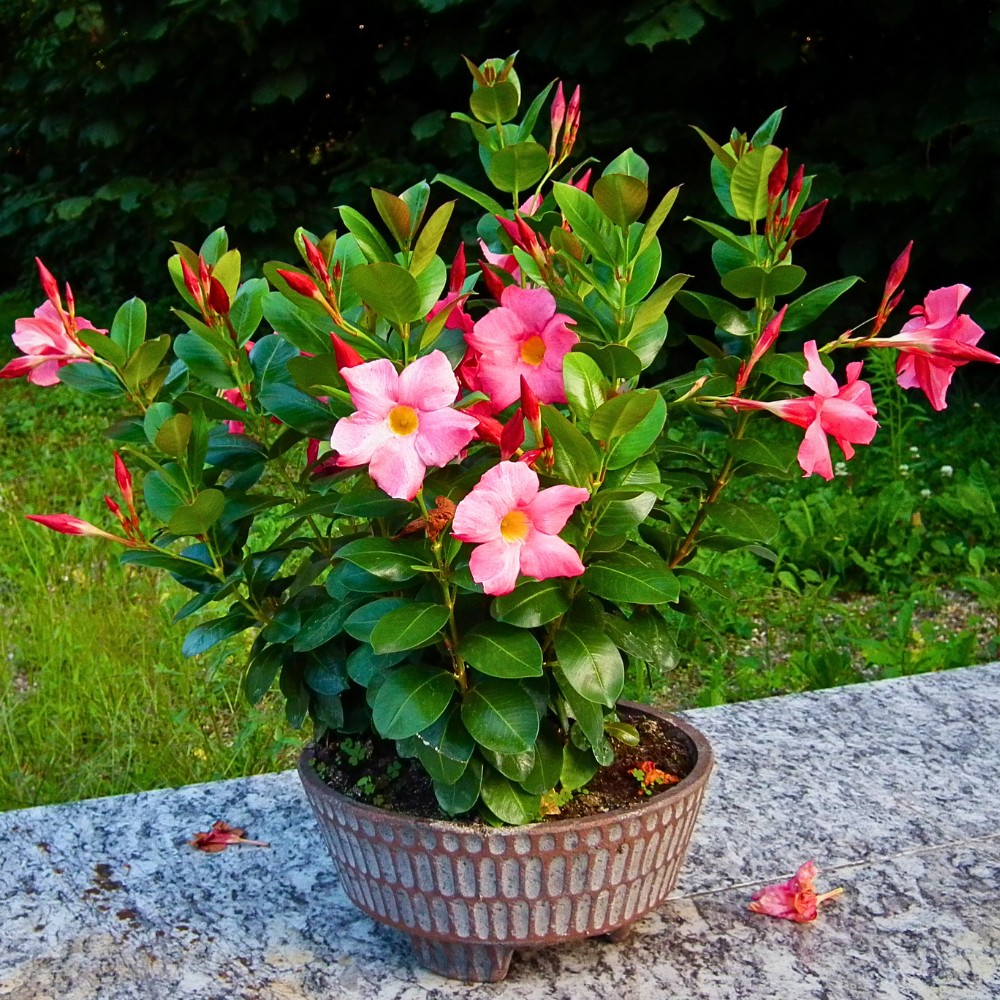
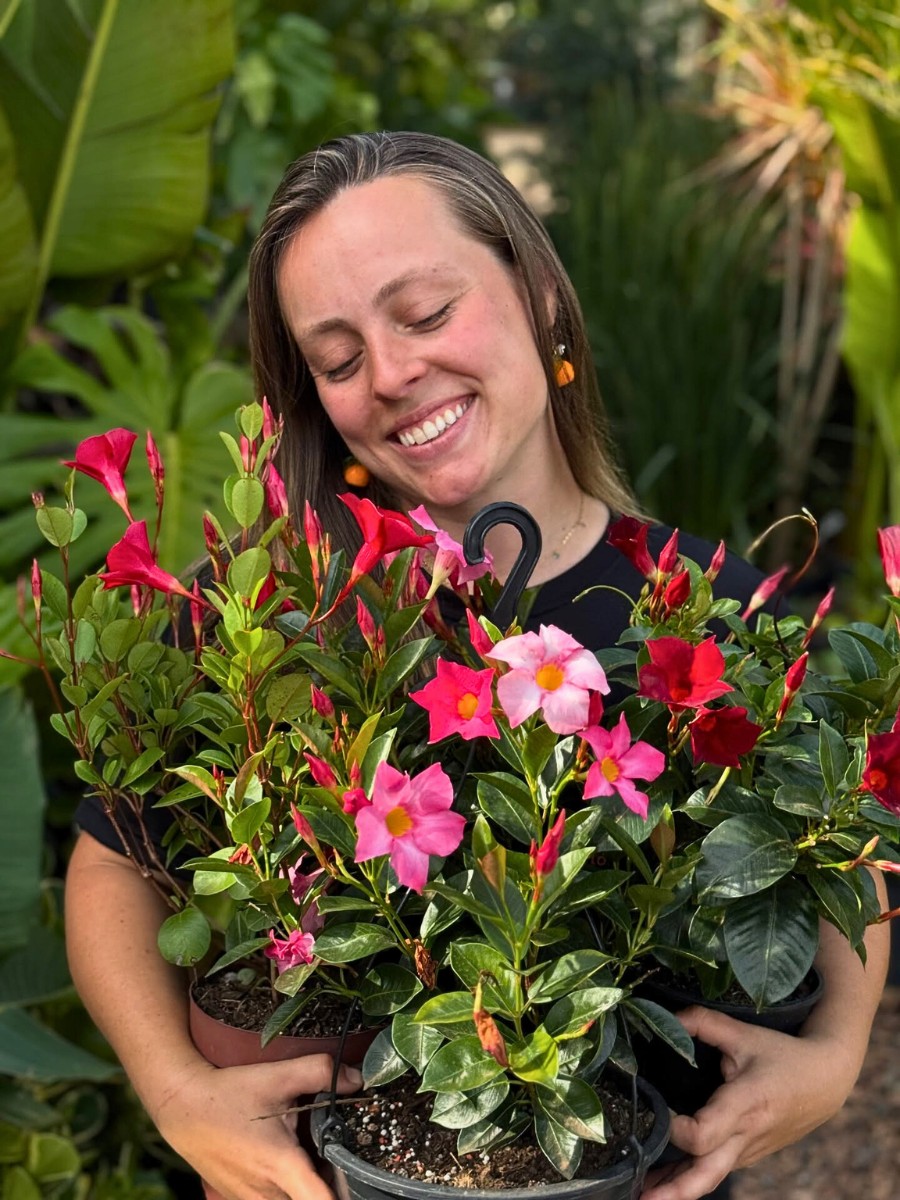
A classic Dipladenia plant typically remains bushy, more compact, with smaller, slightly matte leaves and shorter internodes than the vining Mandevilla types, making it perfect for containers and hanging baskets. The Rio Dipladenia plant, one of the most popular cultivars, exemplifies this mounding growth habit beautifully.
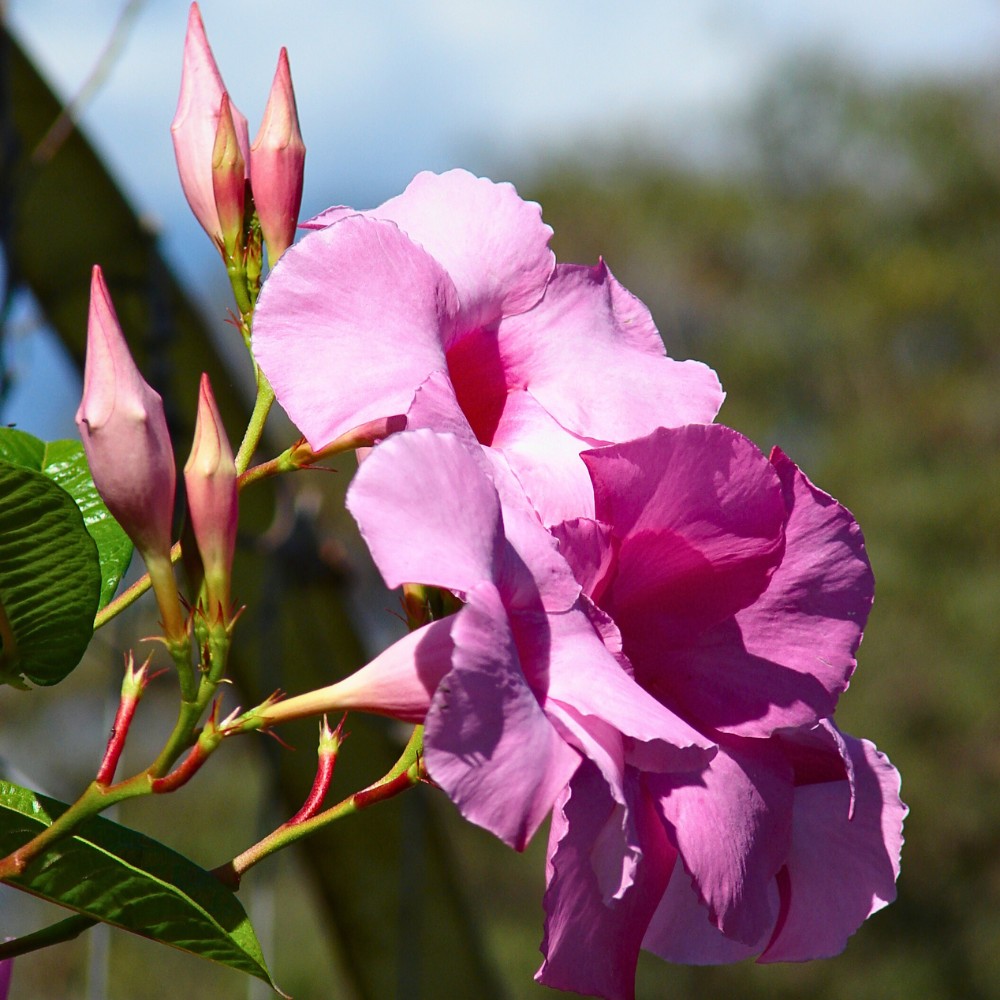
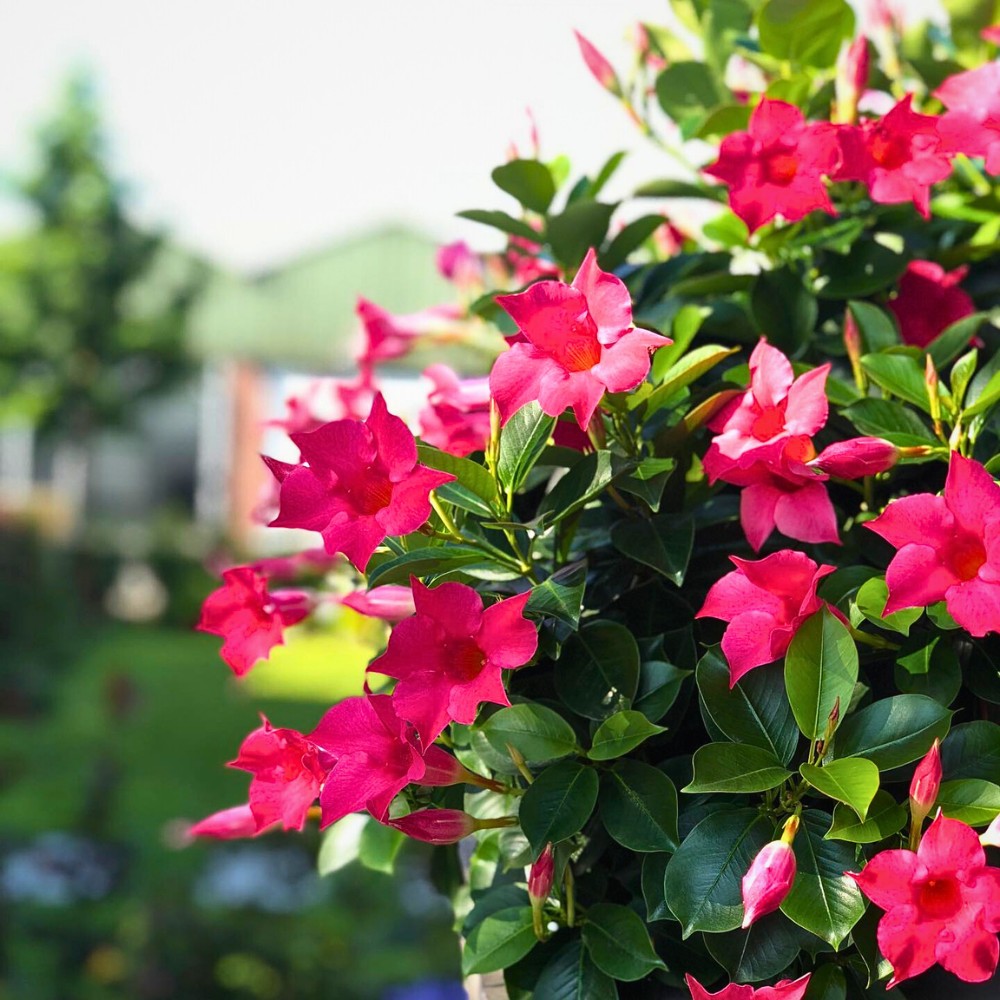
The flowers appear over a long season in warm weather and attract butterflies and hummingbirds, which is a delight if you like a bit of wildlife in your outdoor space. Many Dipladenia plant varieties are bred to give strong color, dense growth, and long flowering in containers and hanging baskets.
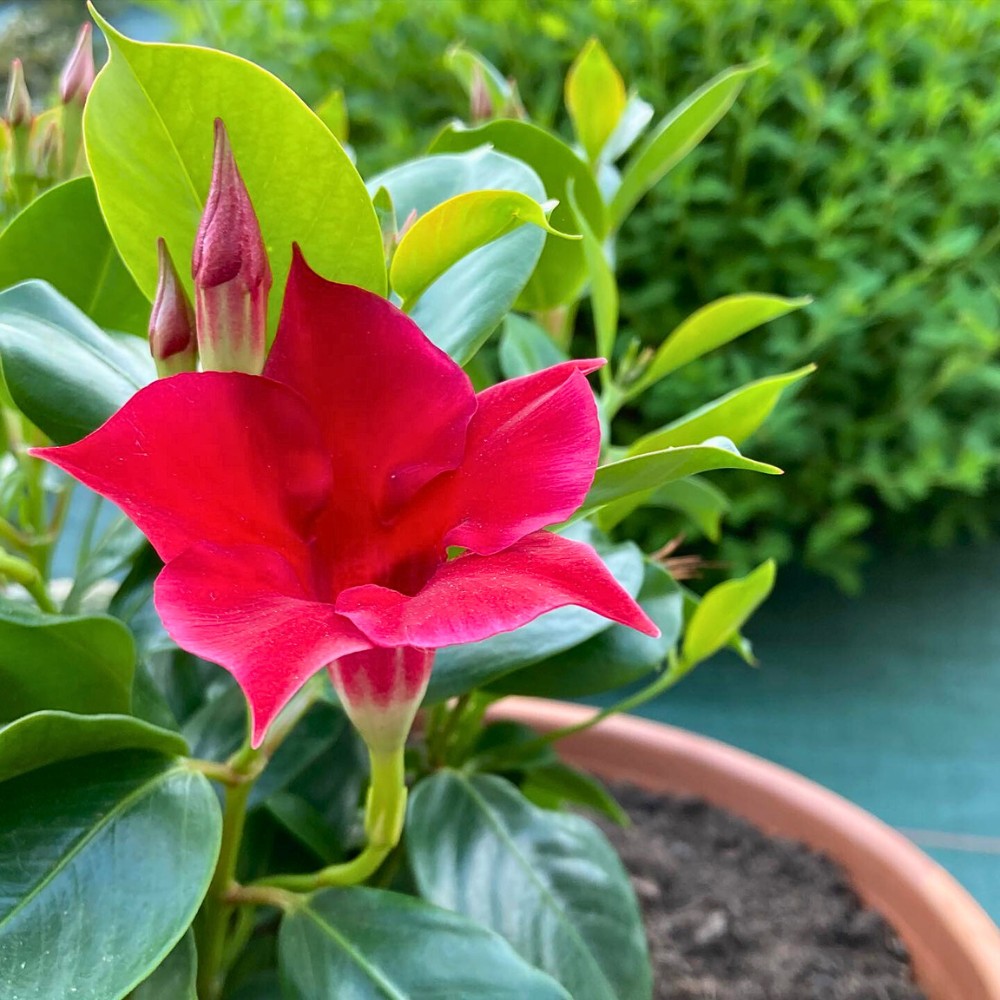
These flowering plants produce glossy, oval-shaped leaves that create an attractive backdrop for their star attraction in the form of those gorgeous trumpet-shaped flowers. Each can measure between 5 and 10 cm across, and they appear continuously from late spring through the first frost.
In their native habitat, these plants climb and vine through forest canopies, though modern breeding has produced the shorter, bushier Dipladenia varieties we commonly see in garden centers today. Even so, while many gardeners use the names Dipladenia and Mandevilla interchangeably for these flowering plants, there are subtle differences worth noting.
Dipladenia vs Mandevilla: Clearing up the Confusion
Because you will often see 'Dipladenia plant' and 'Mandevilla' used side by side on labels, it helps to be clear about how growers usually separate them.
Growth Habit: Shrub Versus Vine
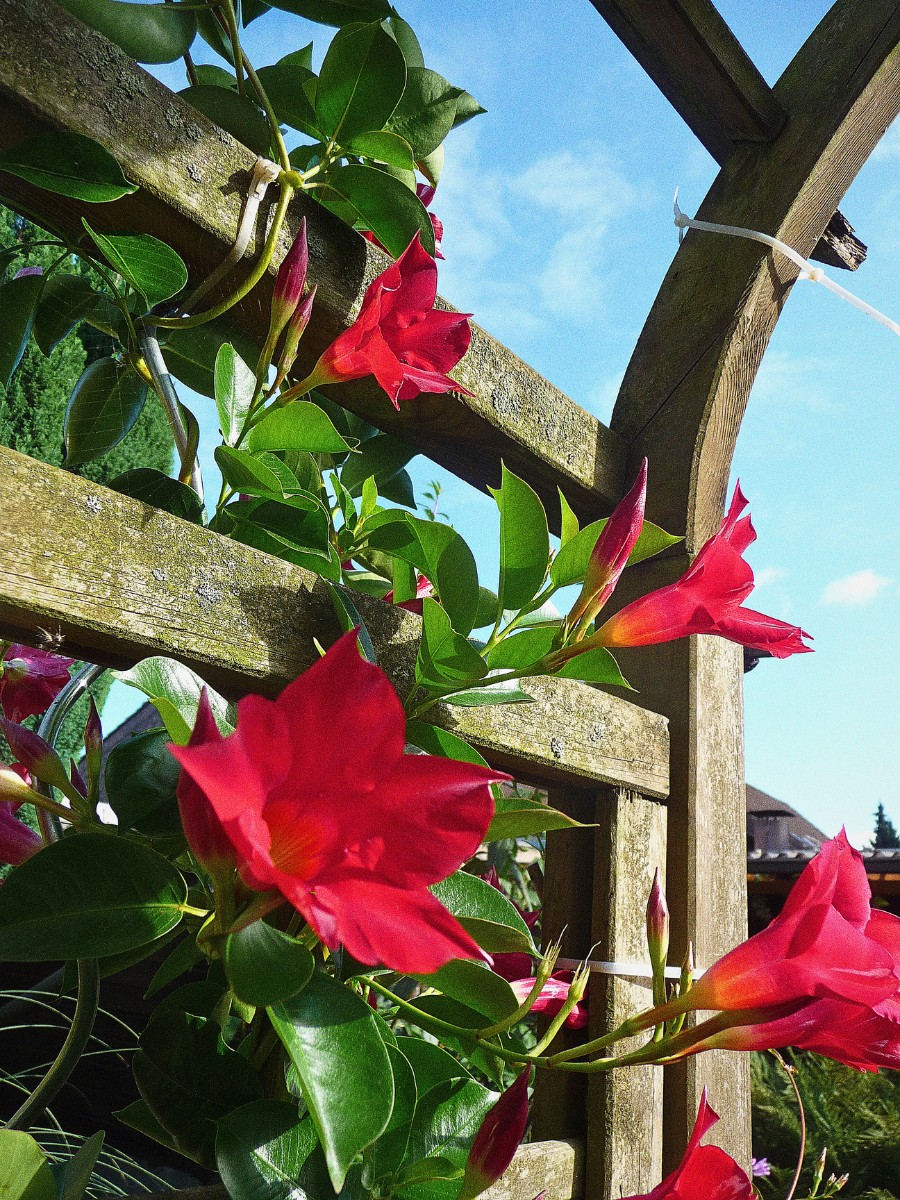
A Dipladenia plant generally grows as a compact shrub that does not naturally climb up a trellis or structure. On the other hand, Mandevilla types are true climbers, producing long vines that quickly cover an obelisk, arbor, or balcony railing if you give them support.
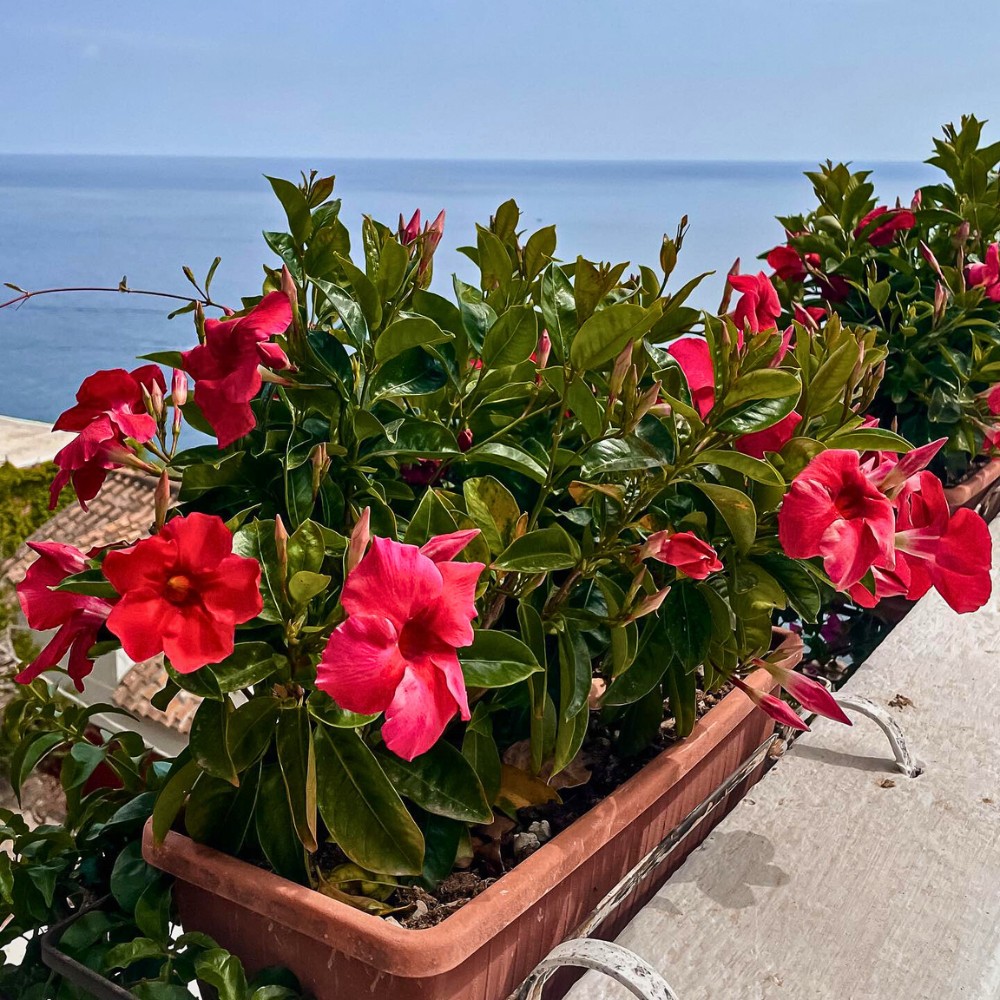
This means Dipladenia planting works beautifully for patio pots, mixed containers, and hanging baskets where you want a contained shape, while Mandevilla planting shines where you want vertical height or a green-and-flower curtain around an outdoor sitting area.
Leaves and Flowers
Dipladenia plants have smaller, more compact foliage that is often less glossy than Mandevilla leaves, and the space between leaf joints is shorter, which adds to that dense, bushy look. Mandevilla leaves tend to be larger, pointed, and glossier, with a more tropical ‘viney’ feel.
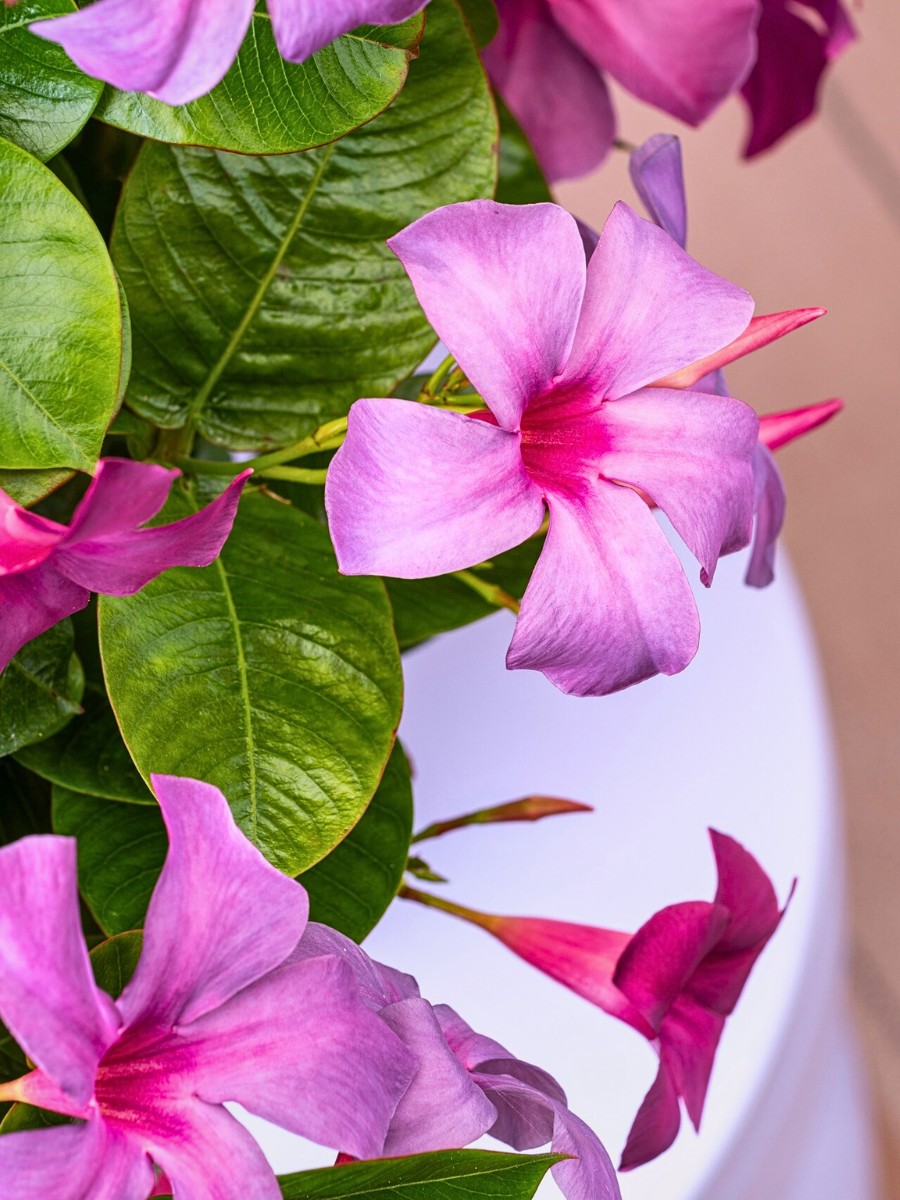
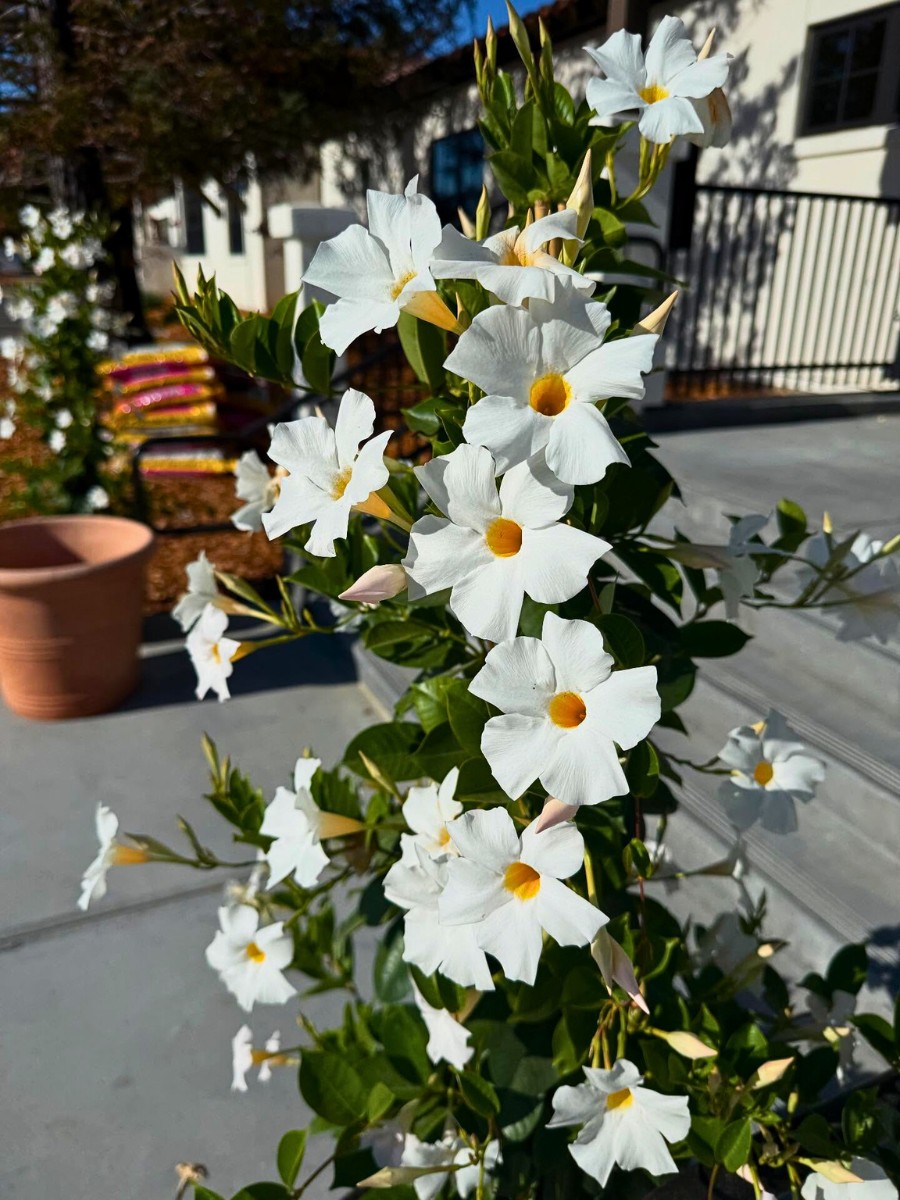
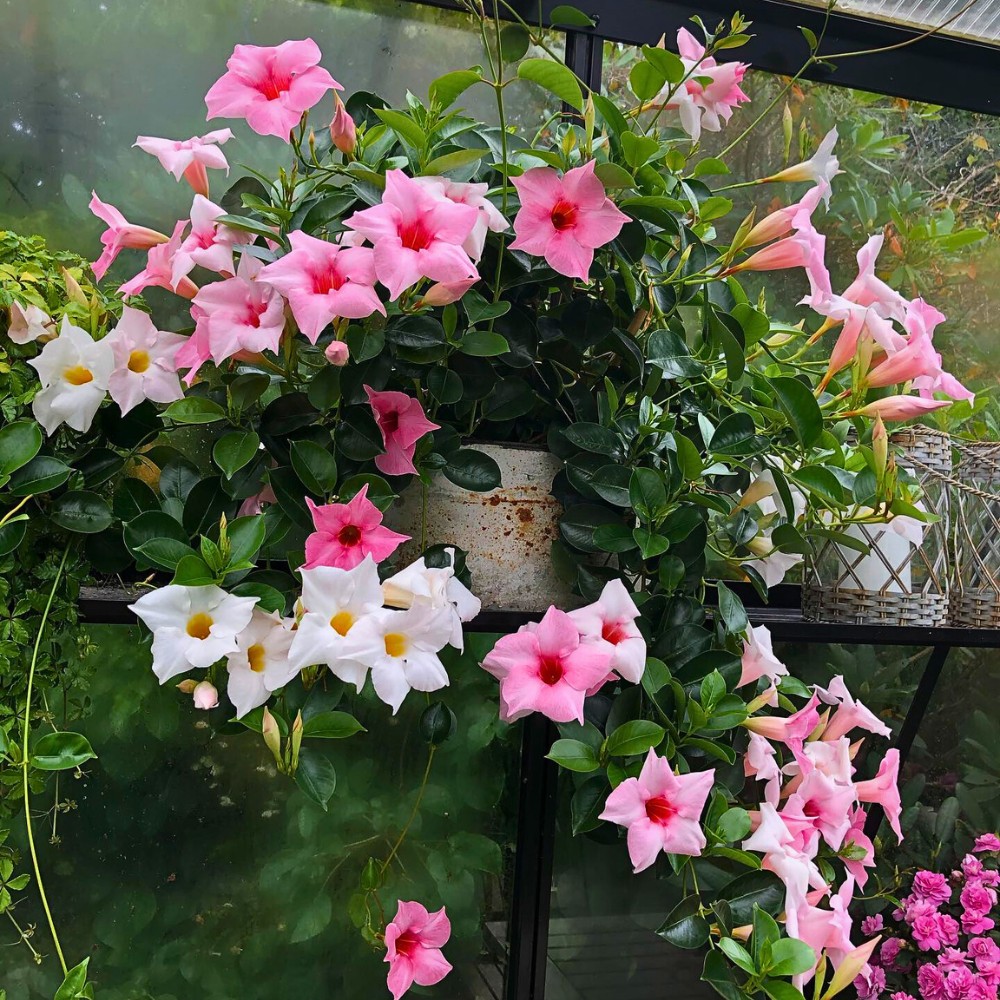
Both produce trumpet-shaped flowers in white, pink, and red, with some selections in yellow and peach. On many Dipladenia varieties, the flowers appear a bit flatter with a shallower throat, while classic Mandevilla flowers can look slightly more tubular.
Is Dipladenia Plant a Perennial?
This is one of the most common questions: Is Dipladenia plant a perennial or just a one-summer affair? The answer depends on your climate.
In warm regions that do not experience frost, or where frost is very rare, Dipladenia plants behave as evergreen perennials that flower on and off throughout the year. In cooler regions with real winters, Dipladenia planting is usually treated as an annual outdoors, unless you bring the plant inside or protect it from freezing temperatures.
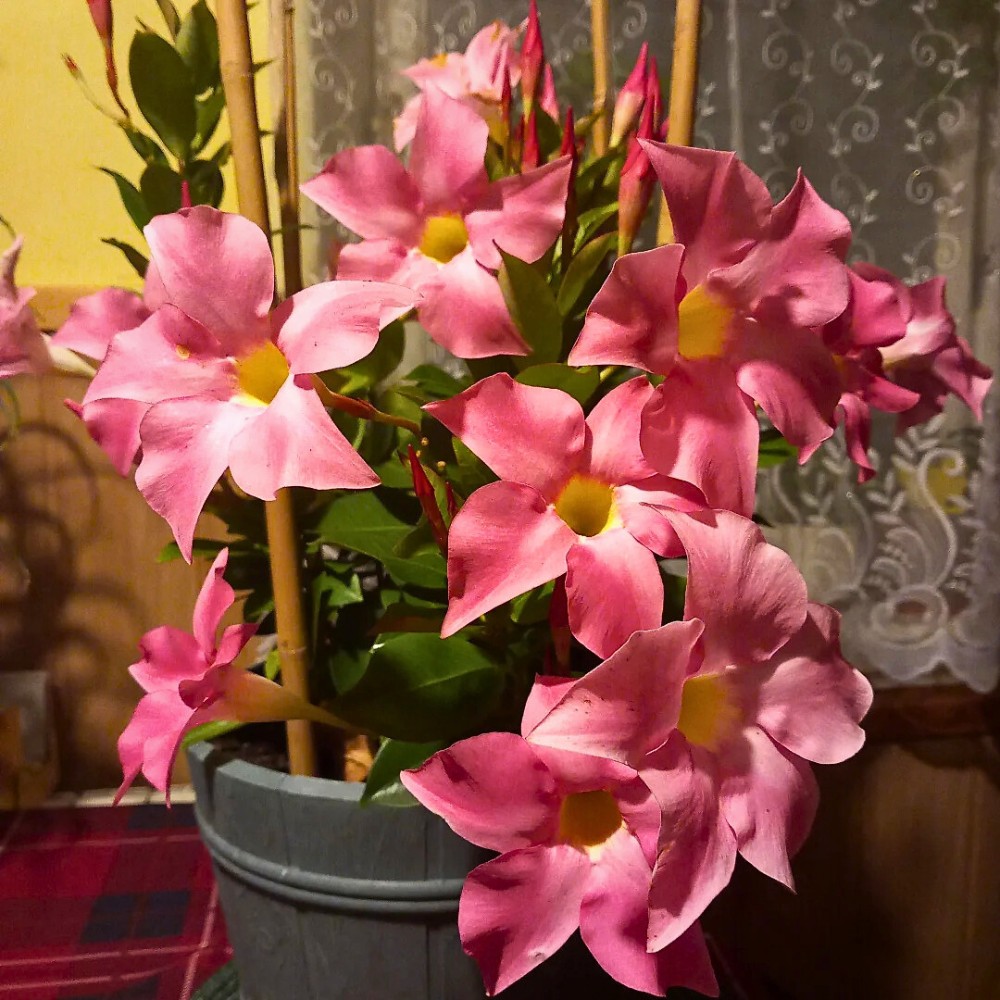
So, is Dipladenia a perennial plant?
- Yes, in frost-free or very mild climates, where it can live and flower for many years outdoors in the ground or in large containers.
- No, in colder climates, if you leave it outside all winter without protection, freezing temperatures will kill the plant.
Gardeners in temperate zones often grow it as a summer container plant, then overwinter the Dipladenia plant indoors as a houseplant or semi-dormant plant to enjoy again next year. When people ask, "Is the Dipladenia plant a perennial?" they are really asking if they can keep it going, and the good news is that you usually can, with a bit of planning.
Planting Dipladenia Plants
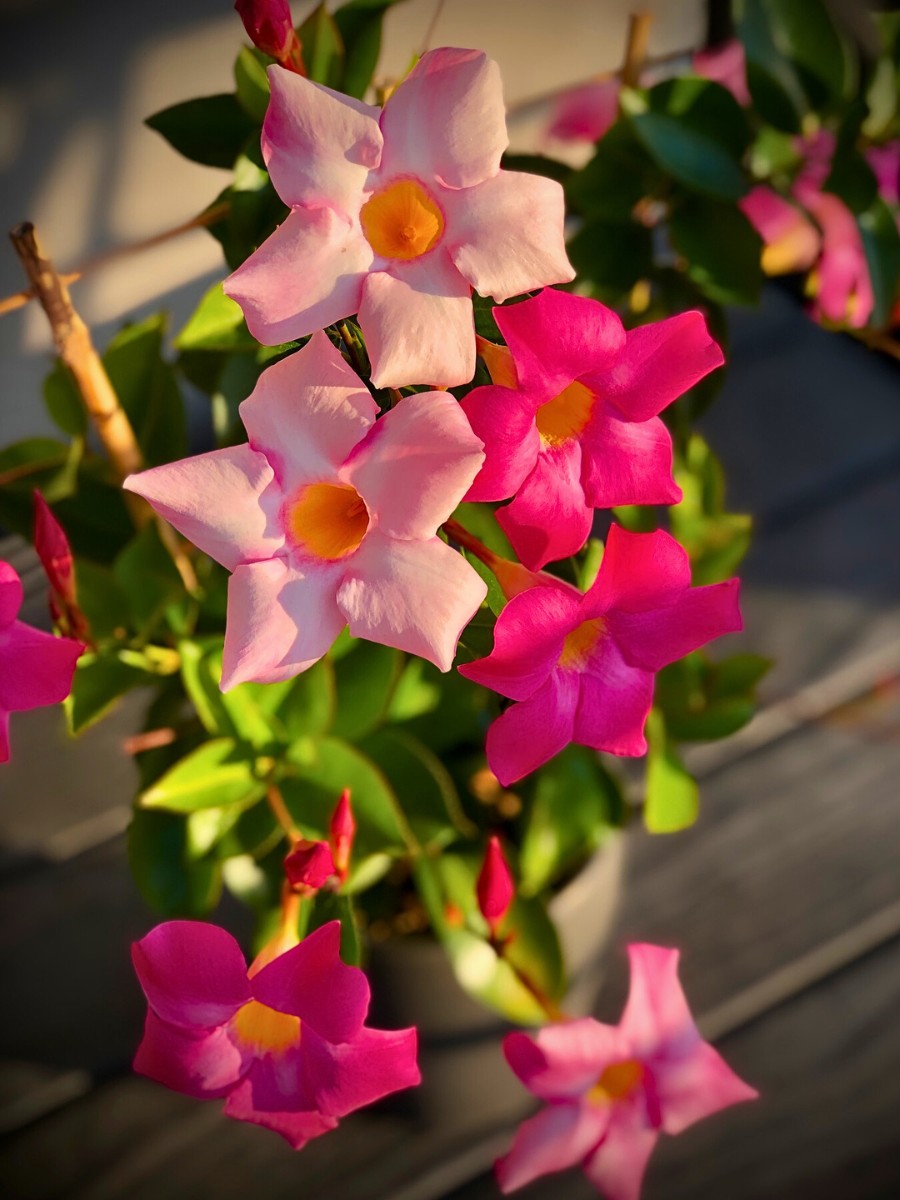
Ideal Dipladenia planting can make a balcony, patio, or garden bed feel lush for the entire warm season. Because the plant tolerates some drought and loves the sun, it fits easily into busy lives.
In that case, which are the best locations for Dipladenia planting? Full sun spots are ideal, with at least 6 hours of bright light each day. Sheltered patios, balconies, and roof terraces where warmth collects are excellent for the Rio Dipladenia plant and similar selections. Likewise, mixed containers with grasses, trailing plants, or herbs that enjoy similar light and watering routines work very well.
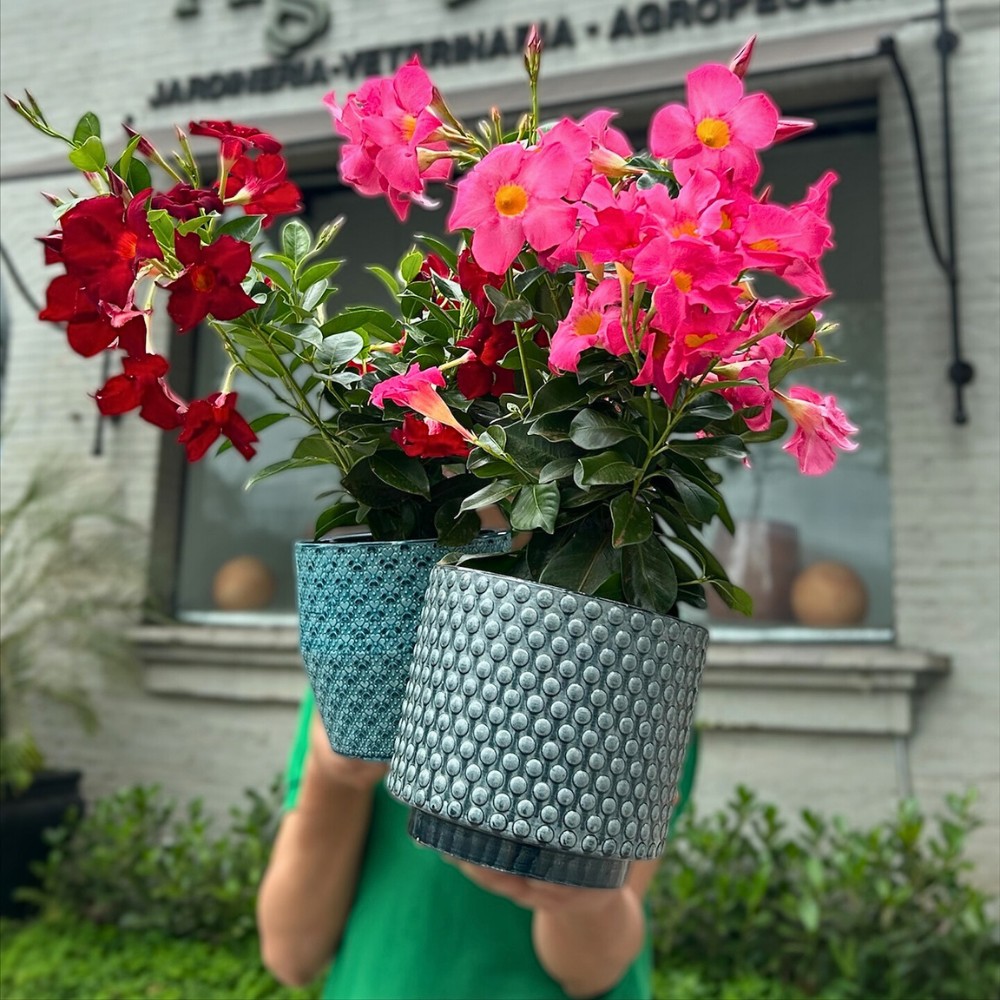
When selecting a container, size matters. Choose a pot at least 30 cm in diameter with excellent drainage holes. Dipladenia roots don't like sitting in water, and proper drainage prevents root rot. Terra cotta pots work wonderfully because they allow excess moisture to evaporate through the sides.
In garden beds, choose a position with well-drained soil and strong light, using the Dipladenia plant as a front or mid-border feature among perennials and shrubs. Near seating areas, the flowers and visiting pollinators add a gentle sense of life without demanding constant attention.
When planting, position your Dipladenia at the same depth it was growing in its nursery pot. Fill around the root ball with your soil mix, firm gently, and water thoroughly. This initial deep watering helps settle the soil and eliminates air pockets around the roots.
Soil and Potting Mix
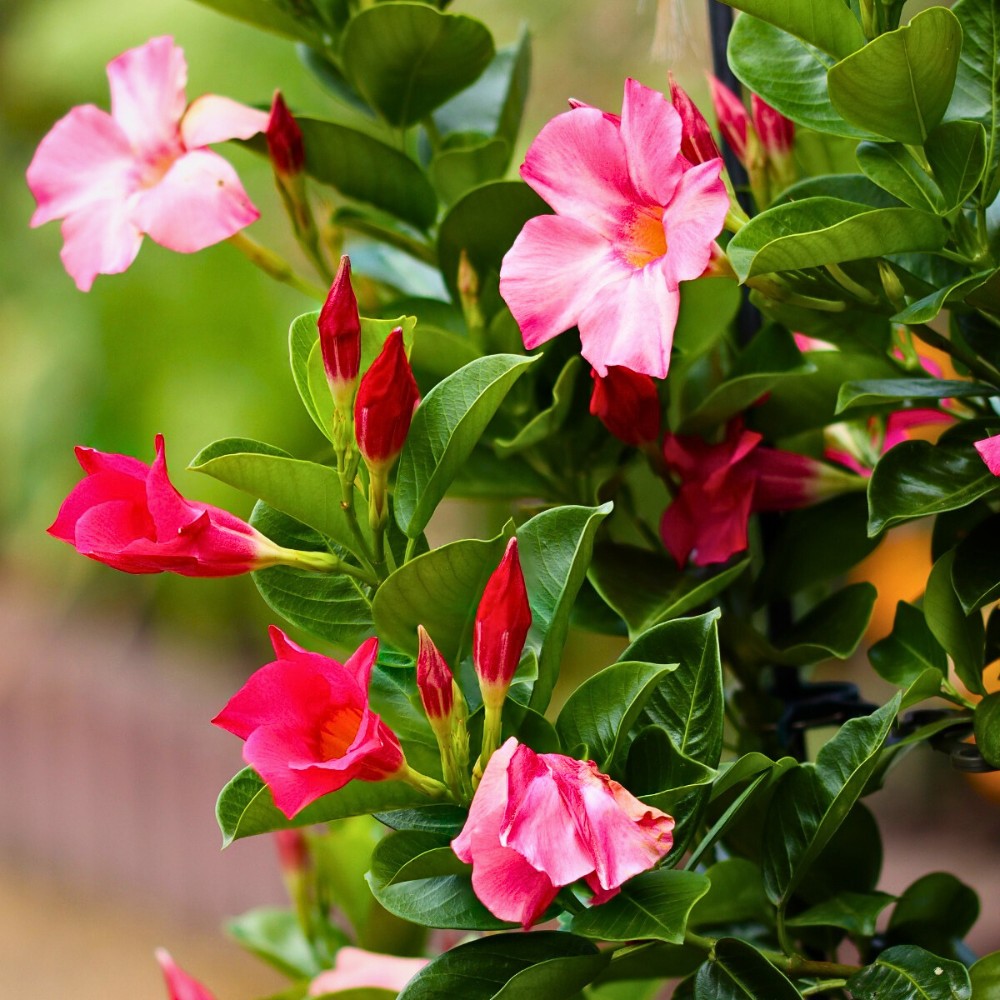
For in-ground Dipladenia planting in warm climates, space plants about 45 to 60 cm apart. Amend your native soil with compost to improve drainage and fertility. In heavy clay soils, consider planting in raised beds to ensure proper drainage. Still, in the ground, improve heavy soil by adding compost and grit or perlite so that roots can breathe.
For containers, use a high-quality potting mix that drains well yet holds some moisture, never heavy garden soil that can become compacted. Dipladenia plants love soil that stays slightly moist but never waterlogged. In this case, just as well, you can create an ideal blend by mixing regular potting soil with perlite or coarse sand at a ratio of 3:1. This ensures good drainage while still retaining enough moisture for healthy growth. Avoid heavy garden soil, which compacts in containers and suffocates roots.
How to Care for a Dipladenia Plant
Onto how to care for a Dipladenia plant so that it keeps flowering and looking good. Dipladenia plant care is surprisingly simple once you understand what this tropical plant expects from you.
Watering Requirements
Proper watering is central to Dipladenia plant care. These plants prefer reliably moist soil but never waterlogged conditions. During the growing season, water them when the top 2.5 cm of soil feels dry to the touch. In hot summer weather, this might mean daily watering for container plants. Poke your finger into the soil as your guide rather than following a rigid schedule.
Container-grown Dipladenia plants need more frequent watering than in-ground plants since pots dry out faster. Always water thoroughly until you see it draining from the bottom holes. This encourages deep root growth and flushes out accumulated salts from fertilizers. Reduce watering considerably in winter for indoor plants. Water just enough to prevent the soil from completely drying out, usually once every two to three weeks, depending on your home's humidity.
Fertilizing for Maximum Flowers
Regular feeding is essential for continuous flowering. Use a balanced, water-soluble fertilizer with equal parts nitrogen, phosphorus, and potassium (like a 20-20-20 formula) every two weeks during the growing season. Alternatively, a high-phosphorus fertilizer promotes even more flower production.
Slow-release granular fertilizers also work well. Apply according to package directions at the beginning of the growing season. These products feed your plant gradually over several months, reducing the need for frequent applications. Stop fertilizing in the fall when growth naturally slows. Overwintering plants indoors need little to no fertilizer until spring arrives and active growth resumes.
Pruning and Maintenance
Regular deadheading keeps your Dipladenia looking fresh and encourages new flower production. Simply pinch or cut off spent flowers at their base. While Dipladenia plants are somewhat self-cleaning, removing faded blooms directs the plant's energy toward producing new flowers rather than setting seed.
Light pruning throughout the growing season also maintains shape and encourages bushier growth. Pinch back stem tips to promote branching. More extensive pruning can happen in early spring before new growth begins. Cut back leggy stems by up to one-third to rejuvenate the plant. Always use clean, sharp pruning shears to make clean cuts and prevent disease transmission. Wipe the blades with rubbing alcohol between cuts if pruning several plants.
Temperature and Humidity
Rio Dipladenia plants and other varieties thrive in warm temperatures between 18°C and 27°C. They can tolerate brief periods of higher heat, especially with adequate water. However, temperatures below 10°C stress the plant, and frost will cause severe damage or death.
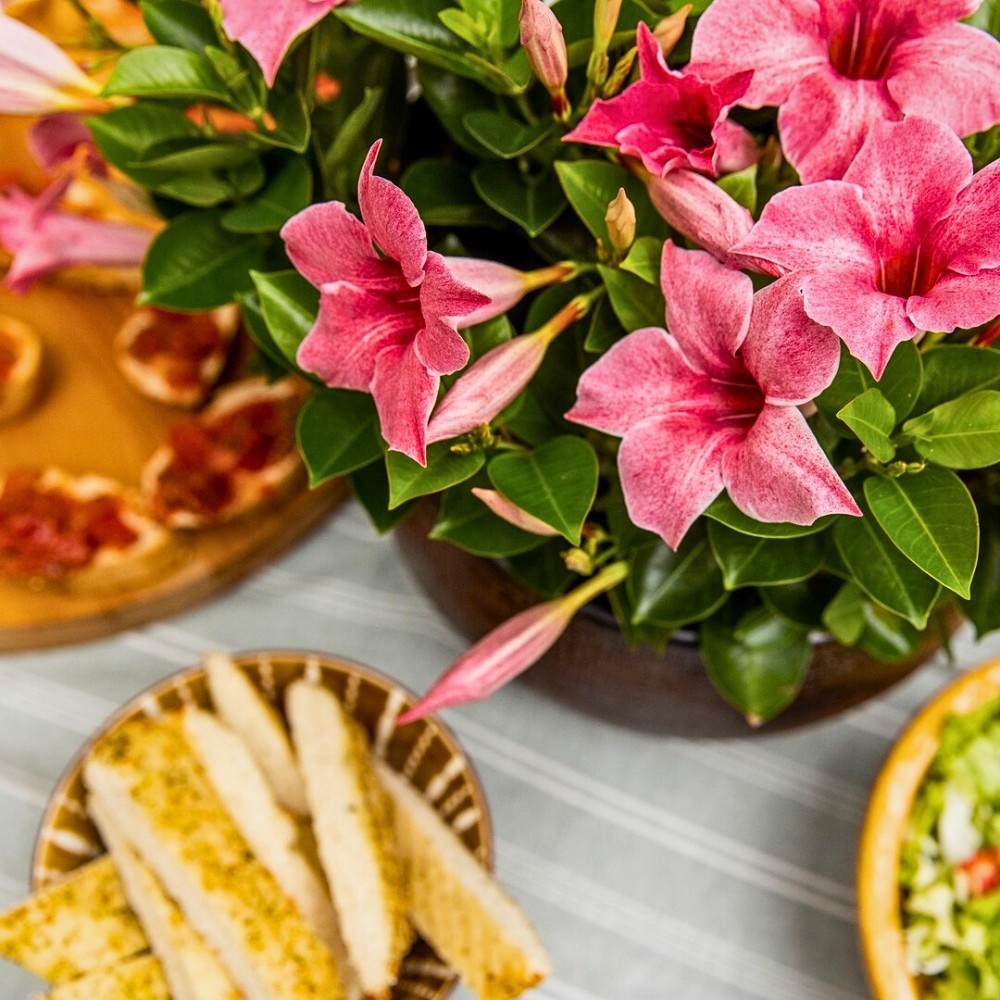
While these tropical plants love humidity, they adapt well to average household humidity levels. If you are overwintering indoors in a dry environment, occasional misting or placing the pot on a pebble tray filled with water can help. Just ensure the pot sits above the water line, not in it.
Pest and Disease Management
Healthy Dipladenia plants resist most problems, but several pests can occasionally appear. Aphids, spider mites, and whiteflies sometimes target these plants. Regular inspection helps catch infestations early. Look under leaves and along new growth where pests typically congregate.
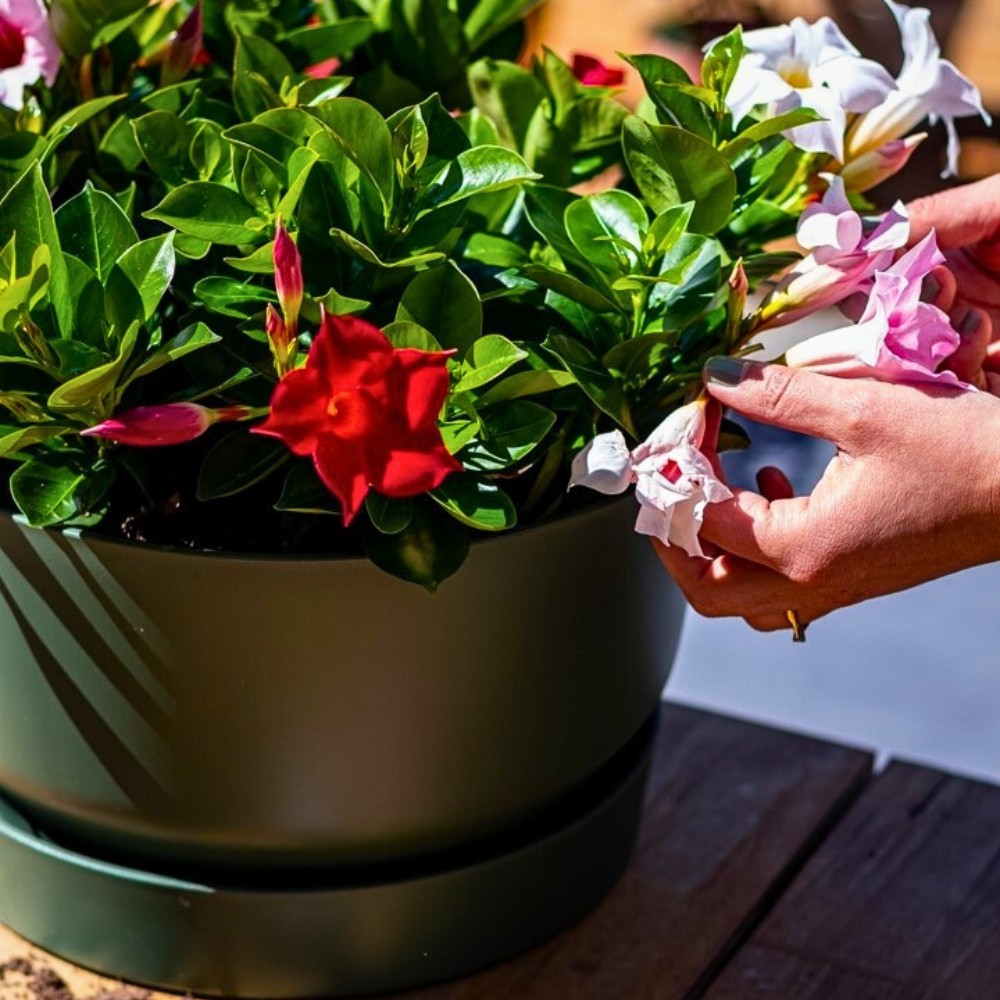
For minor pest problems, a strong spray of water often dislodges insects. Insecticidal soap or neem oil treatments work well for larger infestations. Apply according to product directions, usually weekly until the problem resolves.
Root rot from overwatering is the most common disease issue. Prevention through proper watering practices and good drainage is far easier than treatment. If you notice yellowing leaves, wilting despite moist soil, or a foul odor from the potting mix, root rot may be present. In severe cases, you may need to repot the plant, trim away the rotted roots, and re-pot in fresh soil.
Propagating Your Dipladenia
Once you've learned how to care for a Dipladenia plant, you might want to create more. Stem cuttings root relatively easily, giving you new plants to grow your collection or share with friends. Take cuttings in late spring or early summer when the plant actively grows. Select healthy stems that are approximately 10 to 15 cm long, with several sets of leaves.
Make your cut just below a leaf node using clean, sharp scissors. Remove the lower leaves, leaving just two or three sets at the top. Dip the cut end in rooting hormone powder (optional but helpful), then insert it about 5 cm deep into a pot filled with moist, well-draining potting mix.
Cover the pot with a clear plastic bag to maintain humidity, creating a mini greenhouse effect. Place in bright, indirect light and keep the soil consistently moist but not soggy. Roots typically develop within four to six weeks. Once you see new growth, remove the plastic covering and treat it as you would a mature plant.
Companion Planting Ideas
Dipladenia plants look stunning when paired with other sun-loving plants in containers or garden beds. Consider combining them with trailing sweet potato vine, which provides contrasting foliage texture. Purple varieties create a particularly striking combination with pink or white Dipladenia flowers.
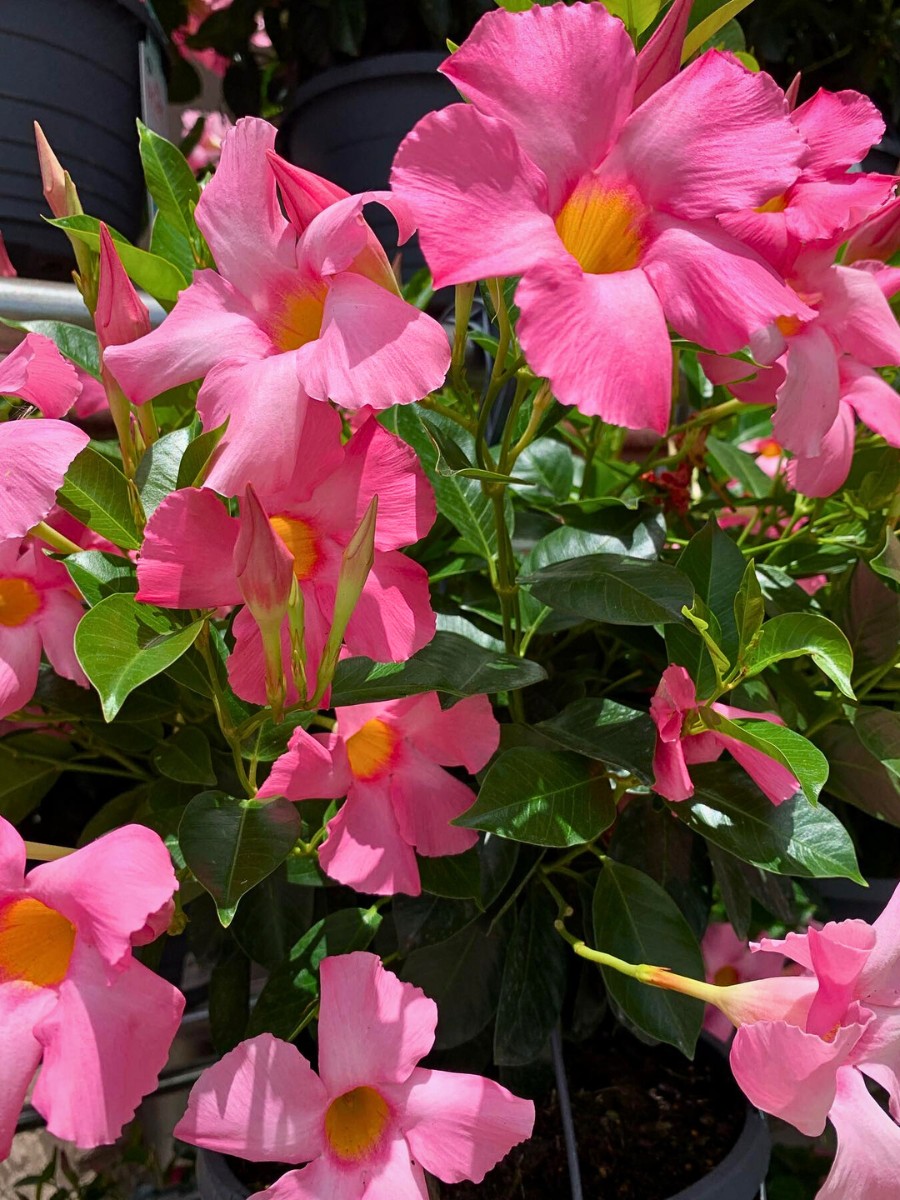
Petunias, calibrachoa, and verbena make excellent companions, sharing similar care requirements and complementing Dipladenia's growth habit. For a tropical theme, pair with Coleus, Caladiums (in partially shaded areas), or ornamental grasses.
In warm climates where you can plant Dipladenia in the ground, they create beautiful borders when paired with lower-growing annuals like marigolds, zinnia, or salvia. The Dipladenia provides height and structure while companion plants fill in at ground level.
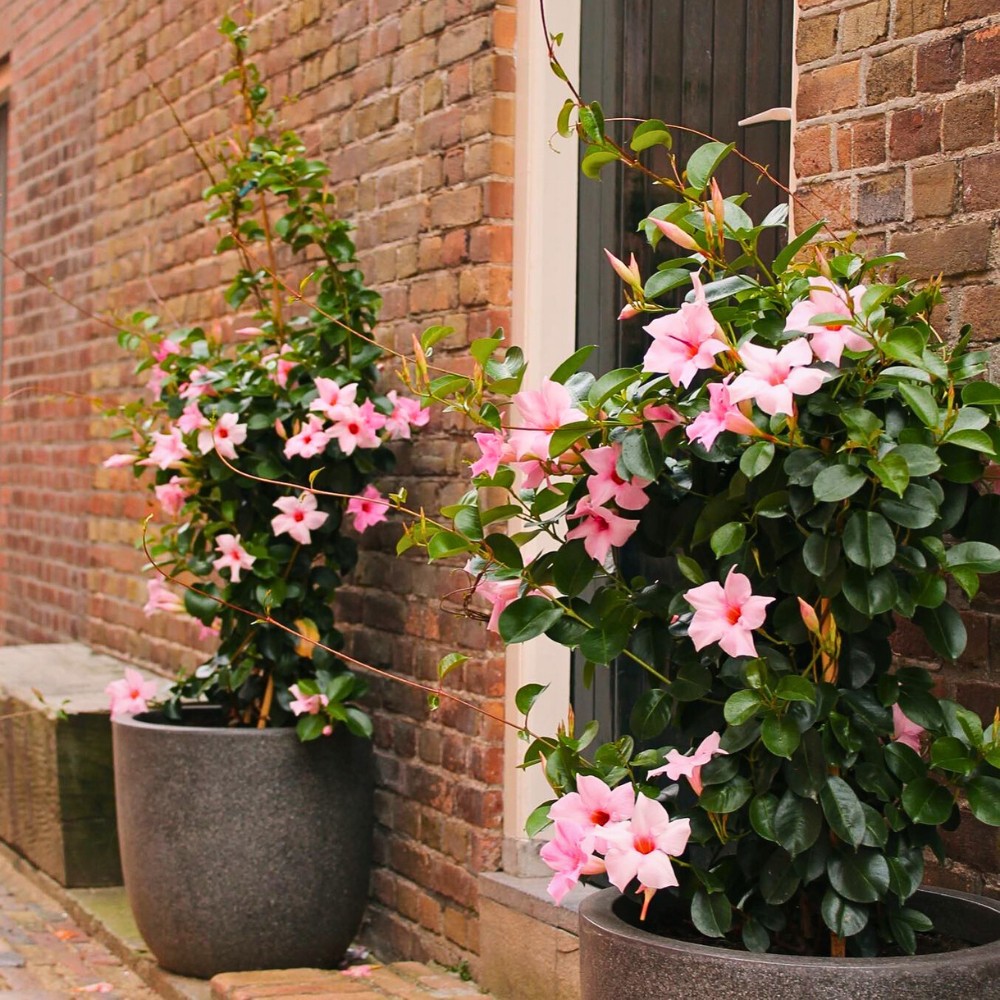
Why Choose Dipladenia for Your Garden
Away from their obvious beauty, Dipladenia plants offer several advantages that make them worth growing. They are remarkably drought-tolerant once established, making them suitable for water-wise gardens. Their resistance to deer and rabbits means less worry about wildlife damage.
The continuous flowering from late spring through fall provides months of color without the need for constant replanting. In containers, they create instant focal points on patios, decks, and balconies. Their compact varieties fit spaces where larger vining plants would overwhelm.
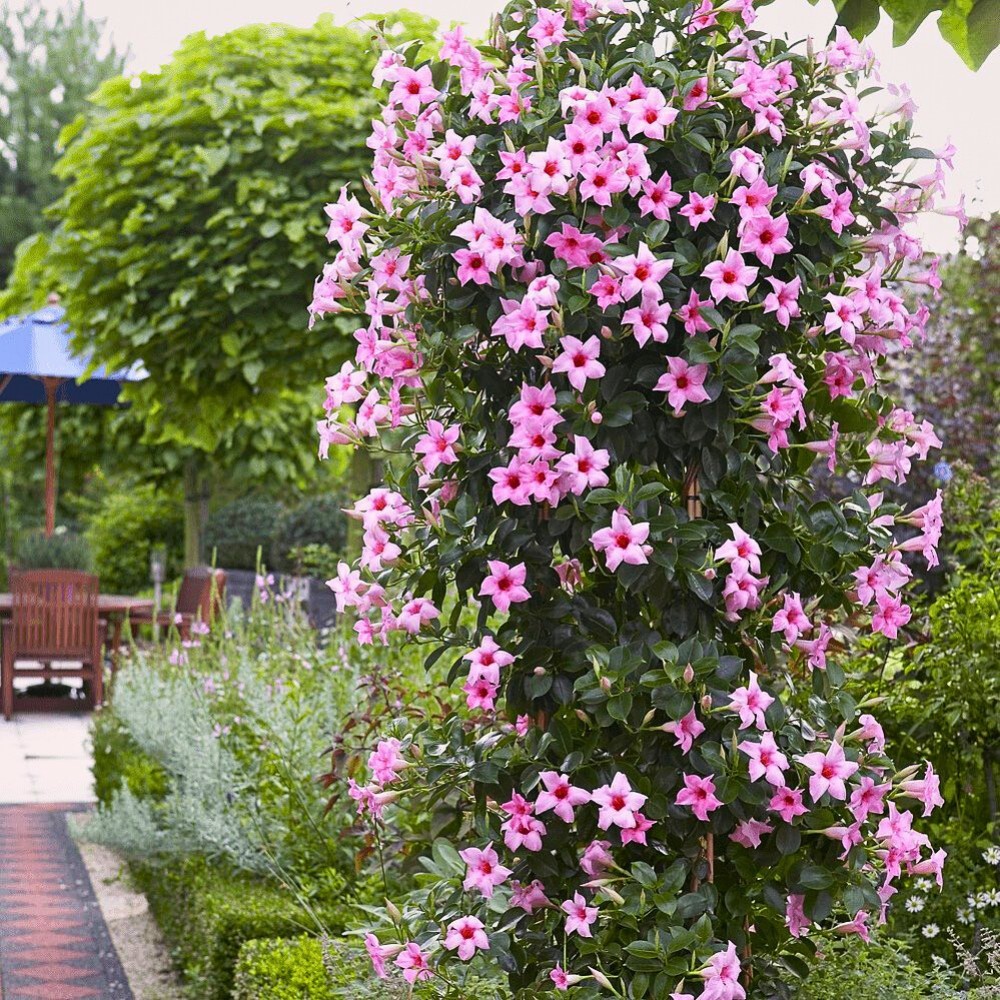
For butterfly and hummingbird enthusiasts, these plants are magnets for pollinators. Watching these visitors enjoy your flowers adds pleasure to your gardening experience. Essentially, the versatility of Dipladenia planting options means there is a way to enjoy these plants regardless of your space or climate. With different options, be it container gardens, hanging baskets, in-ground beds, or as houseplants, Dipladenia plants afford you different ways to incorporate them into your home.
Feature image by 4028mdk09. Header image by Bruno Girin.