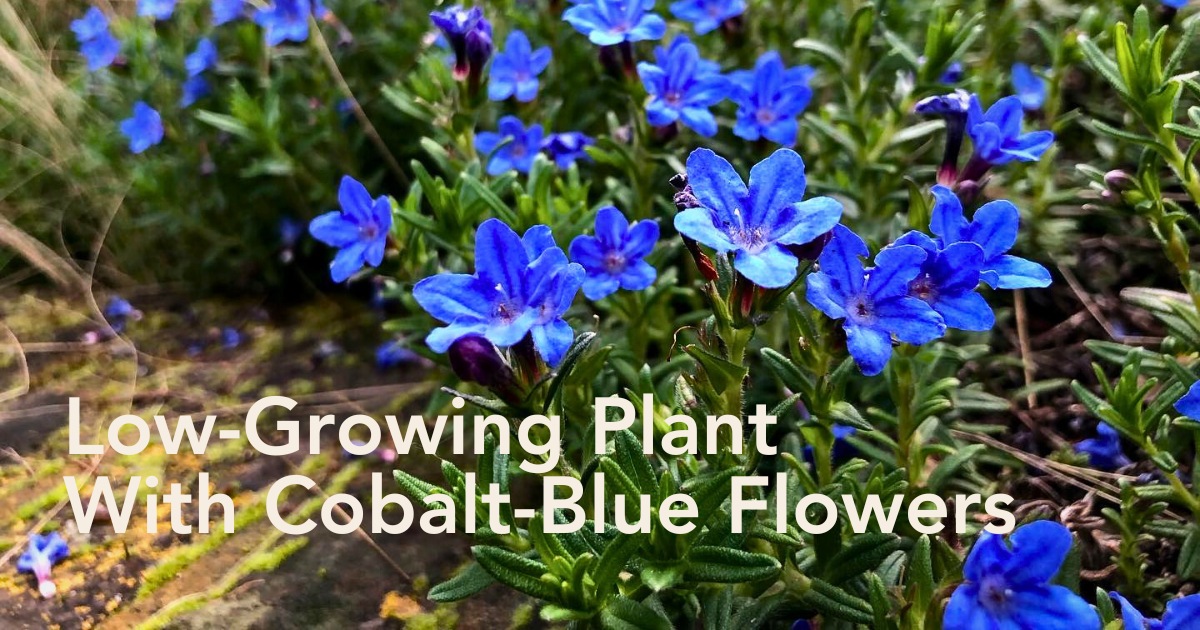
Many gardeners look for plants that deliver true-blue flowers. And while this can be challenging, Lithodora is one of those that bloom with intense blue flowers with minimal fuss. This low-growing evergreen produces cobalt-blue flowers that rival any gentian. It anchors rock gardens with year-round foliage, asking for almost nothing in return… well, perhaps just a few care needs! If you've been disappointed by plants labeled 'blue' that turn out purple or lavender, Lithodora may help restore your confidence.
What Is Lithodora?
Lithodora is a genus of low-growing evergreen perennials native to the Mediterranean region and parts of southwestern Europe, including Spain, southern Greece, Türkiye, and Algeria. These compact plants are of the Boraginaceae family, which includes forget-me-nots and borage. The name itself comes from Greek words meaning 'gift of stone,' a fitting tribute to their preference for rocky, well-drained soils in their natural habitat.
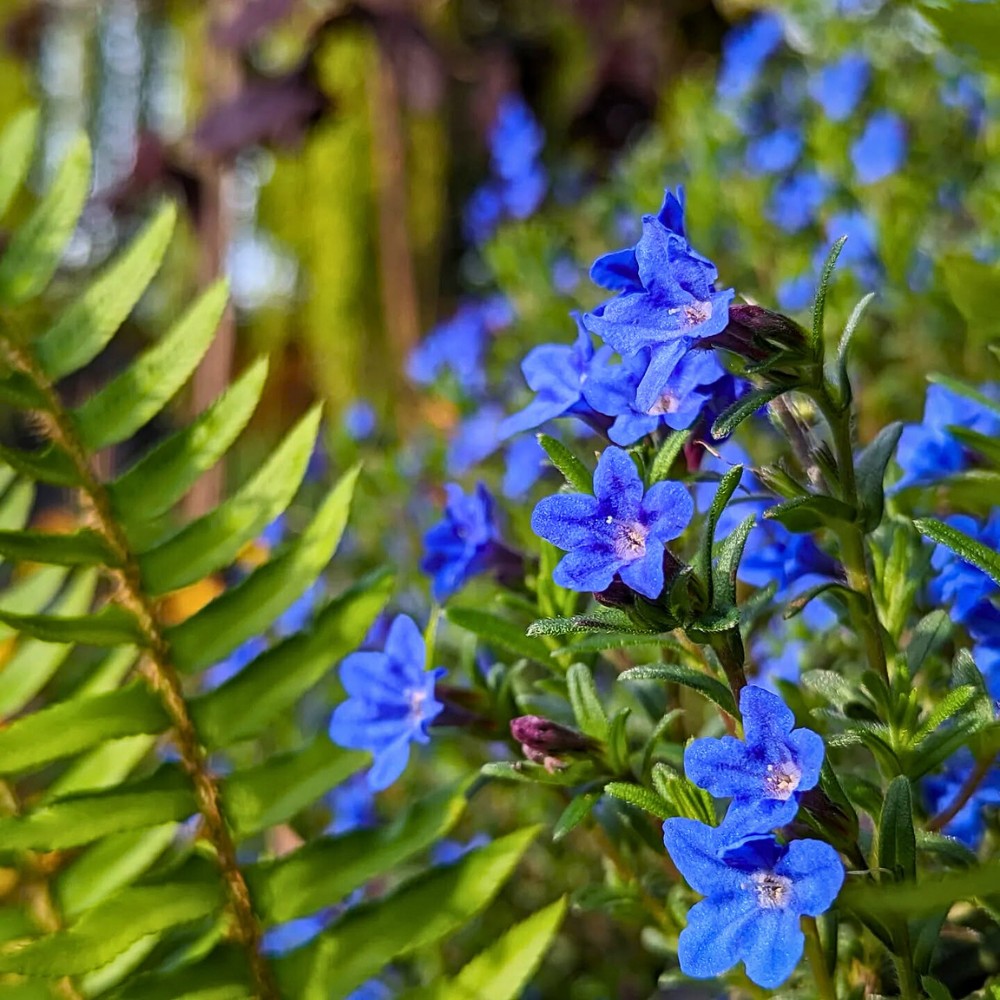
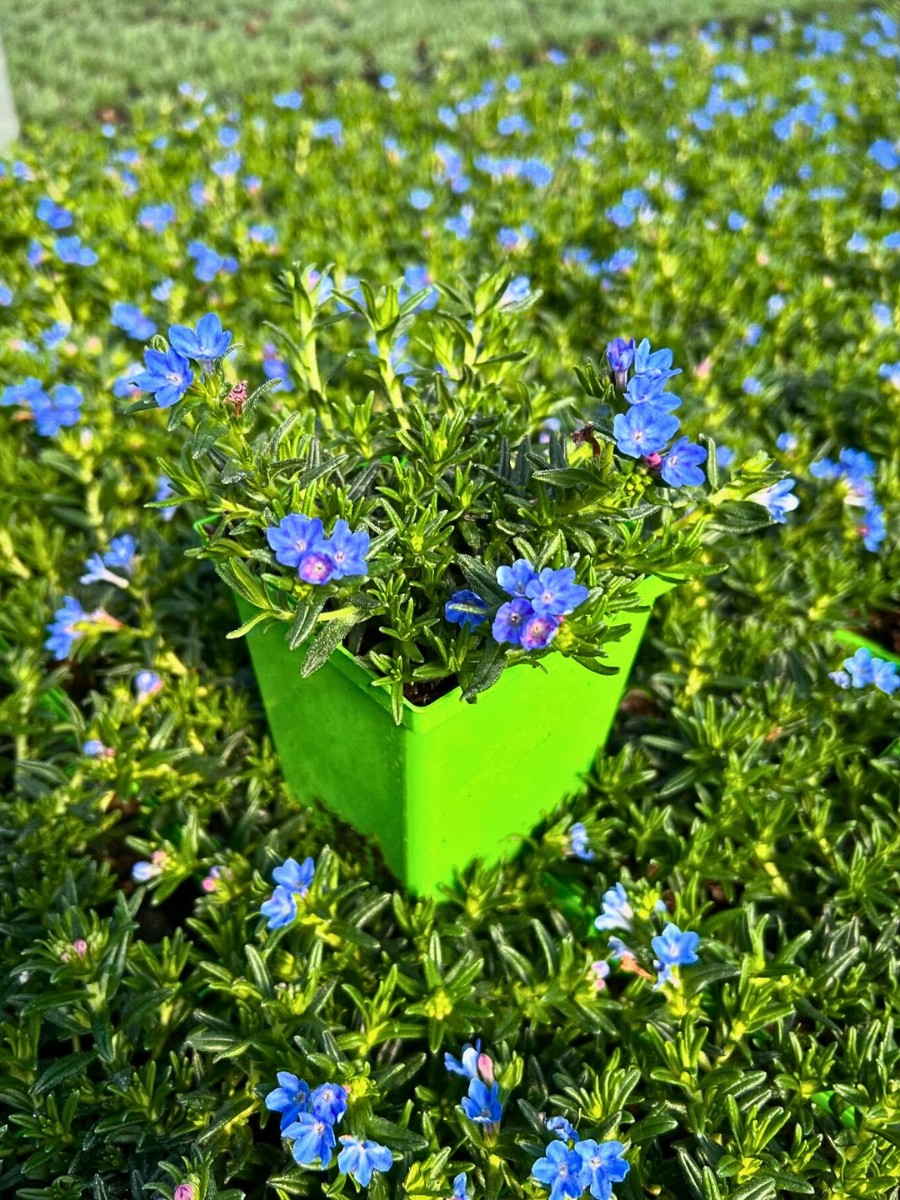
Originally, you will principally find three main species: Lithodora fruticosa, Lithodora hispidula, and Lithodora zahnii. However, there are a few others, such as Lithodora diffusa and Lithodora oleifolia. Most people grow cultivars, especially Lithodora diffusa, that remain compact, 15 cm to 30 cm (6 to 12 inches) tall, but spread wide.
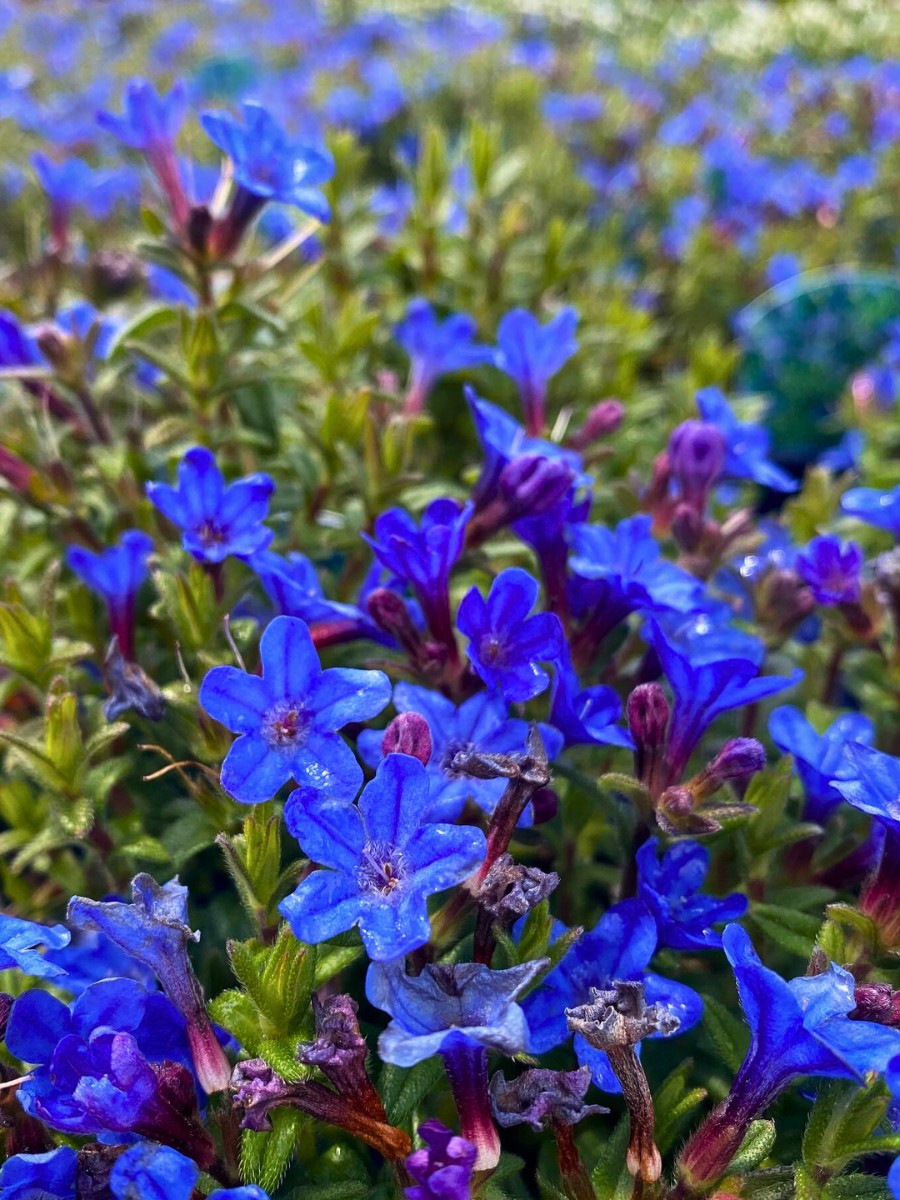
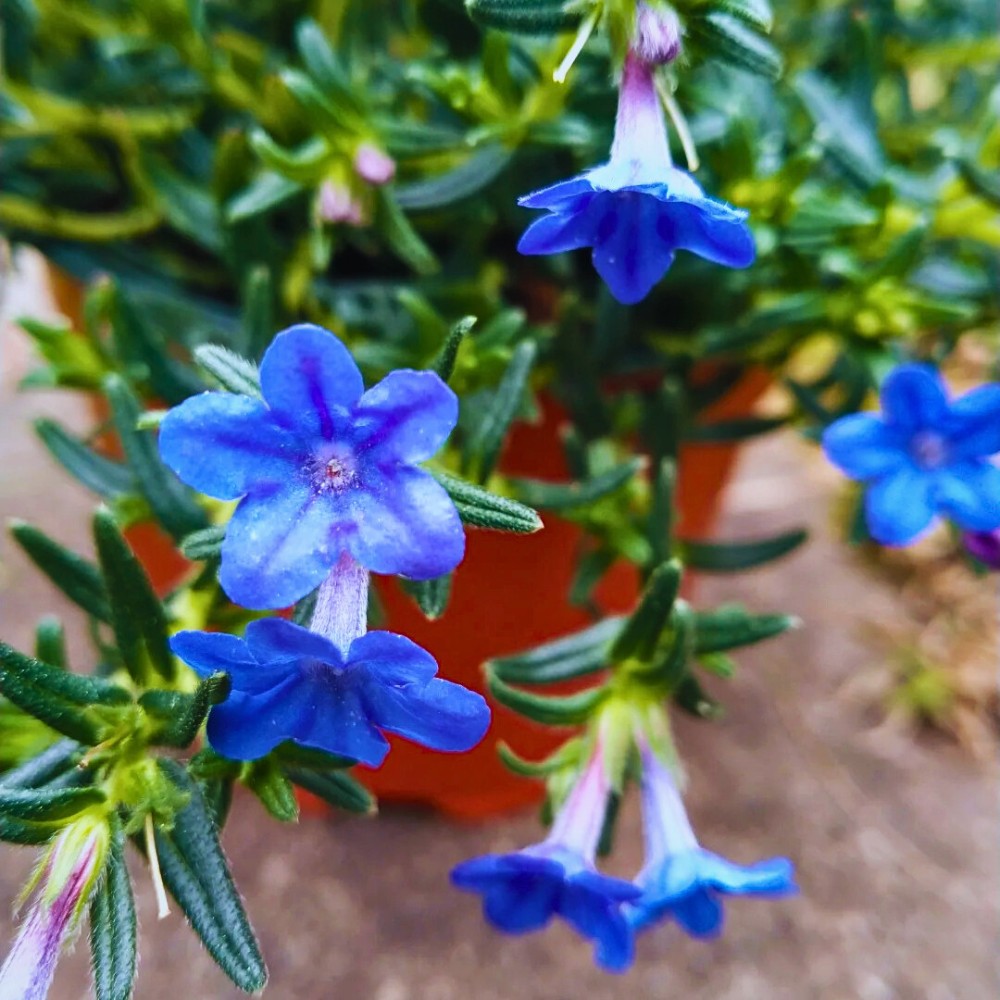
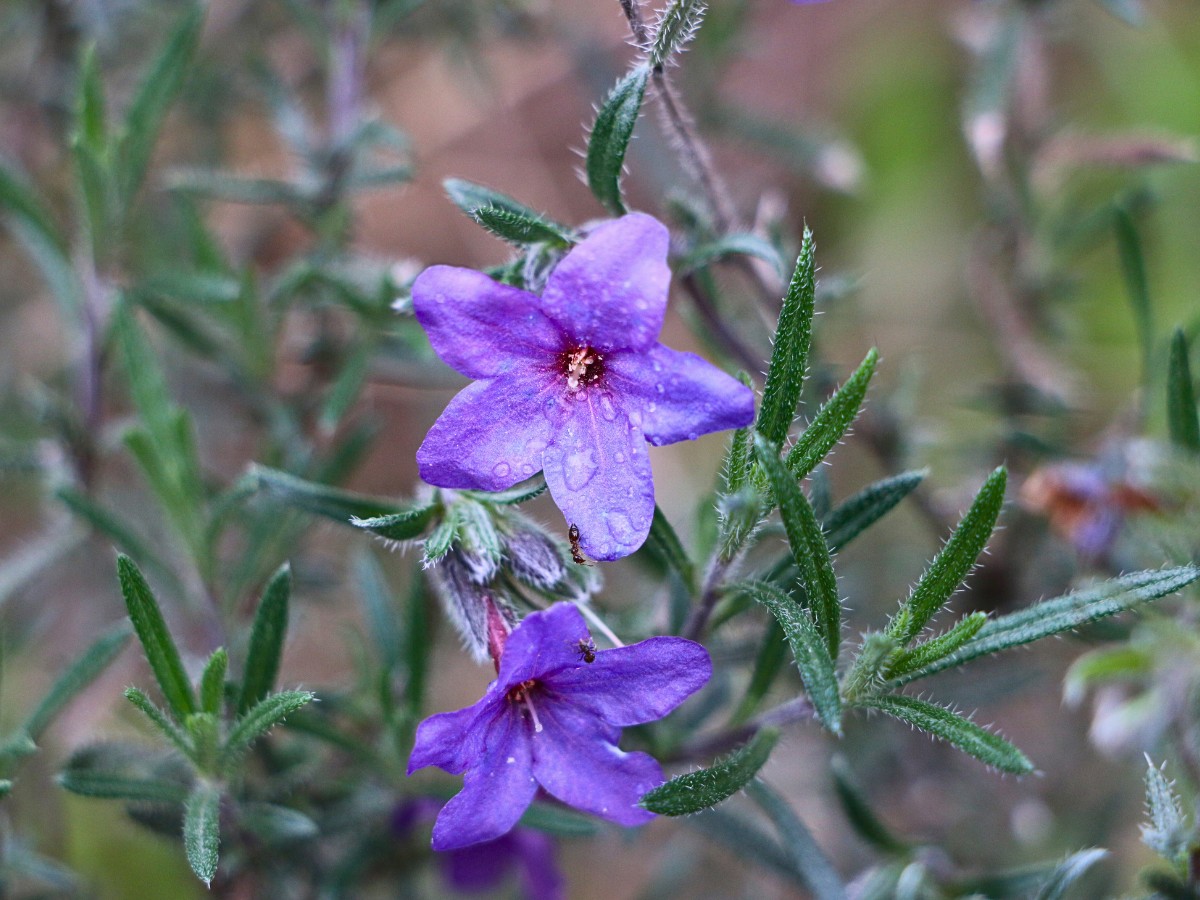
The species is a go-to for groundcover that holds its leaves year-round in milder climates. The plants are excellent choices for rock gardens, borders, and ground cover. Their needle-like evergreen foliage provides year-round interest, but the real show begins in spring when the tubular flowers emerge in shades that range from deep violet-blue to brilliant sky blue.
Popular Lithodora Varieties
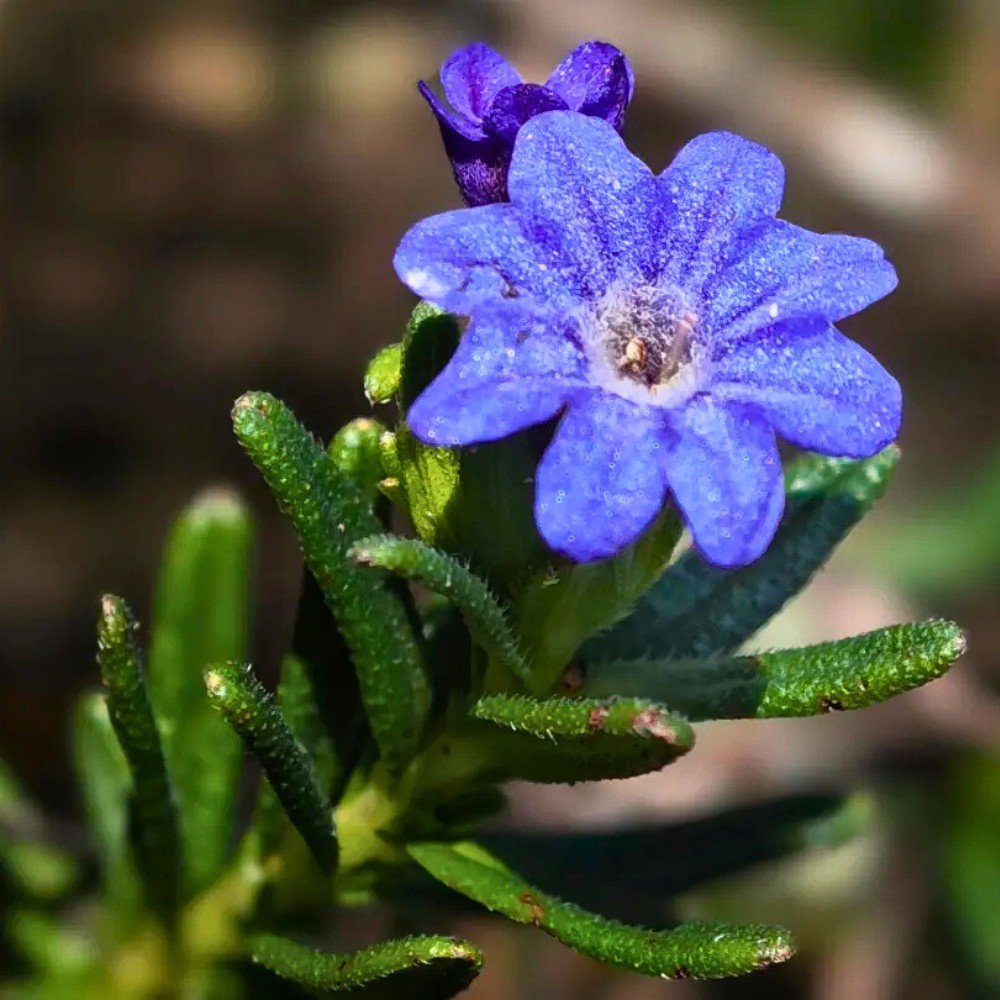
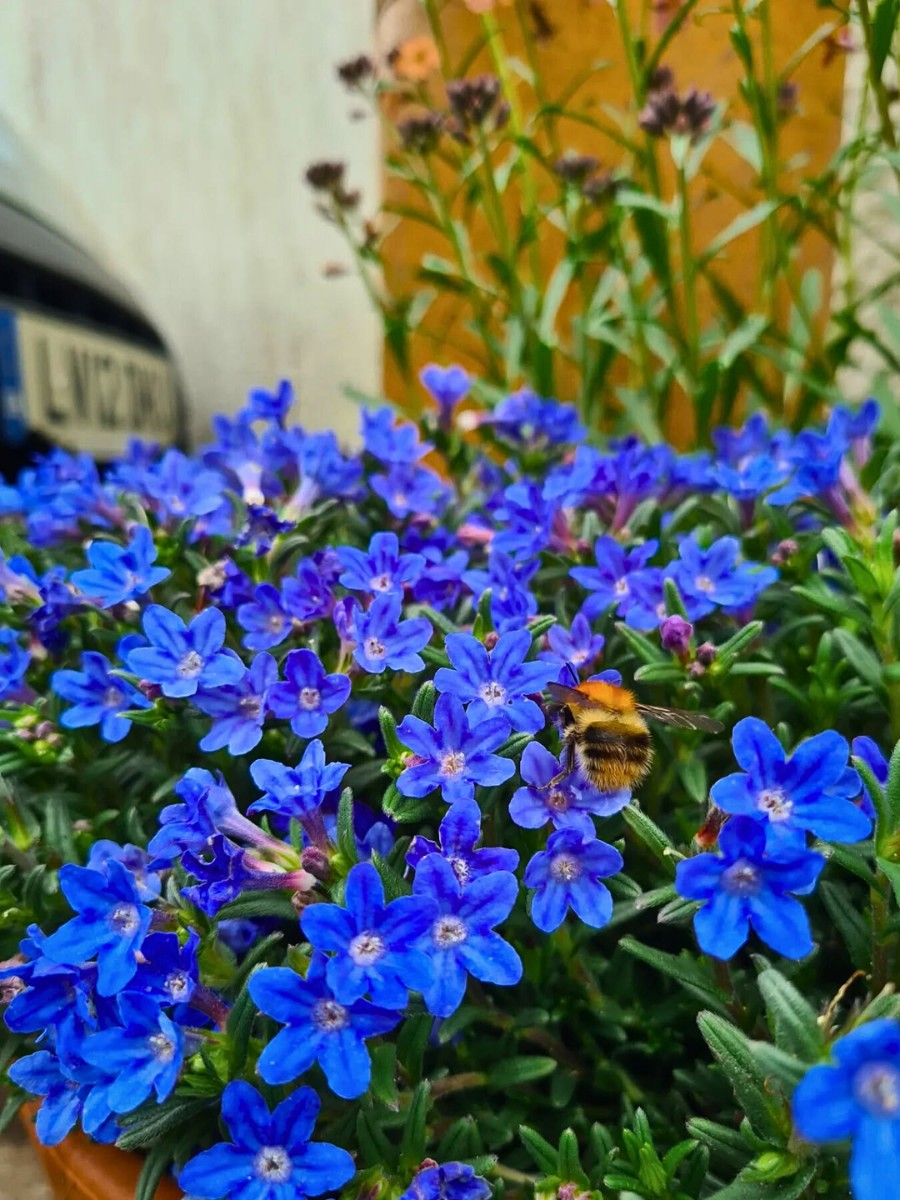
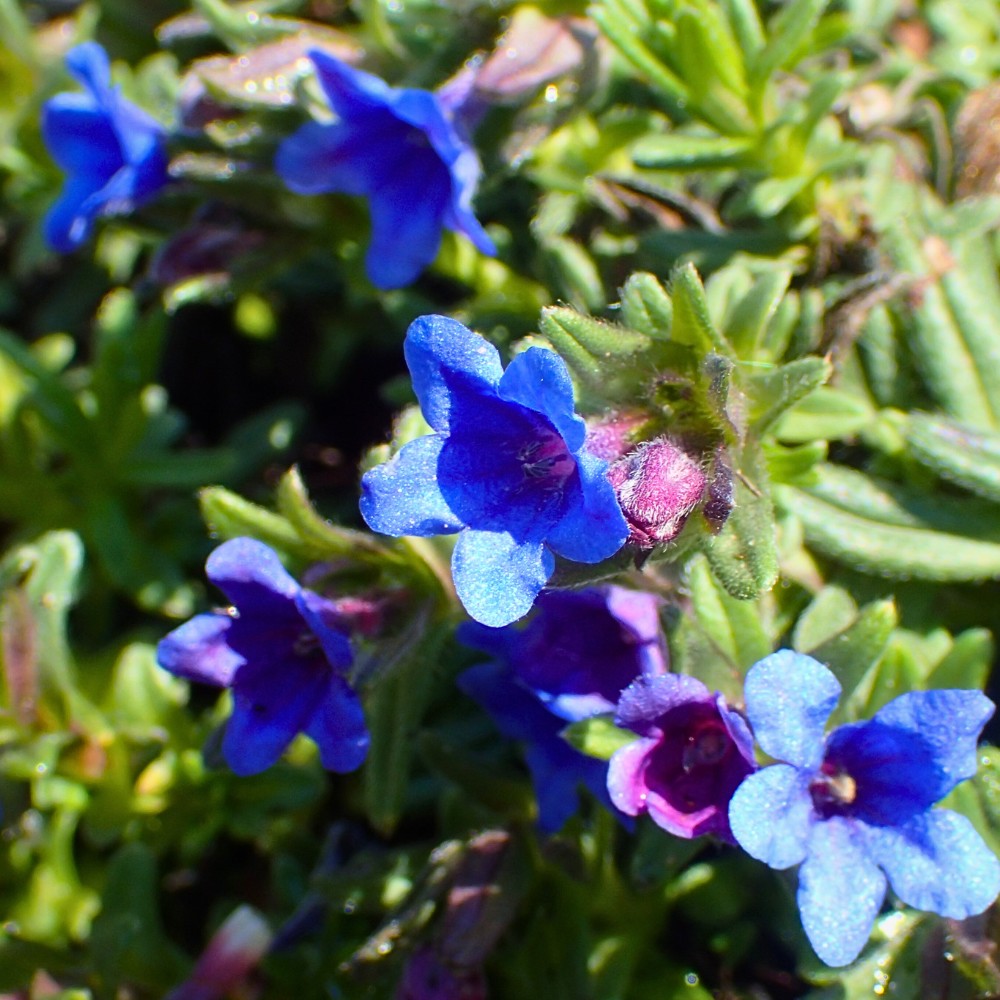
There are numerous varieties of Lithodora. But many of those commonly grown in gardens are of the Lithodora diffusa species. The Lithodora Grace Ward variety is perhaps the most widely recognized cultivar in gardens today, known for its reliable performance and outstanding flower color. The Grace Ward Lithodora produces an abundance of gentian-blue flowers that seem to glow against the dark green foliage. The flowers typically appear from late spring through early summer, though occasional reblooming can occur in favorable conditions.
This variety shows good cold hardiness, generally thriving in zones 6 through 8, though some gardeners have success extending its range with proper site selection and winter protection. The Grace Ward selection maintains a tidy, mounding habit that requires minimal maintenance once established.
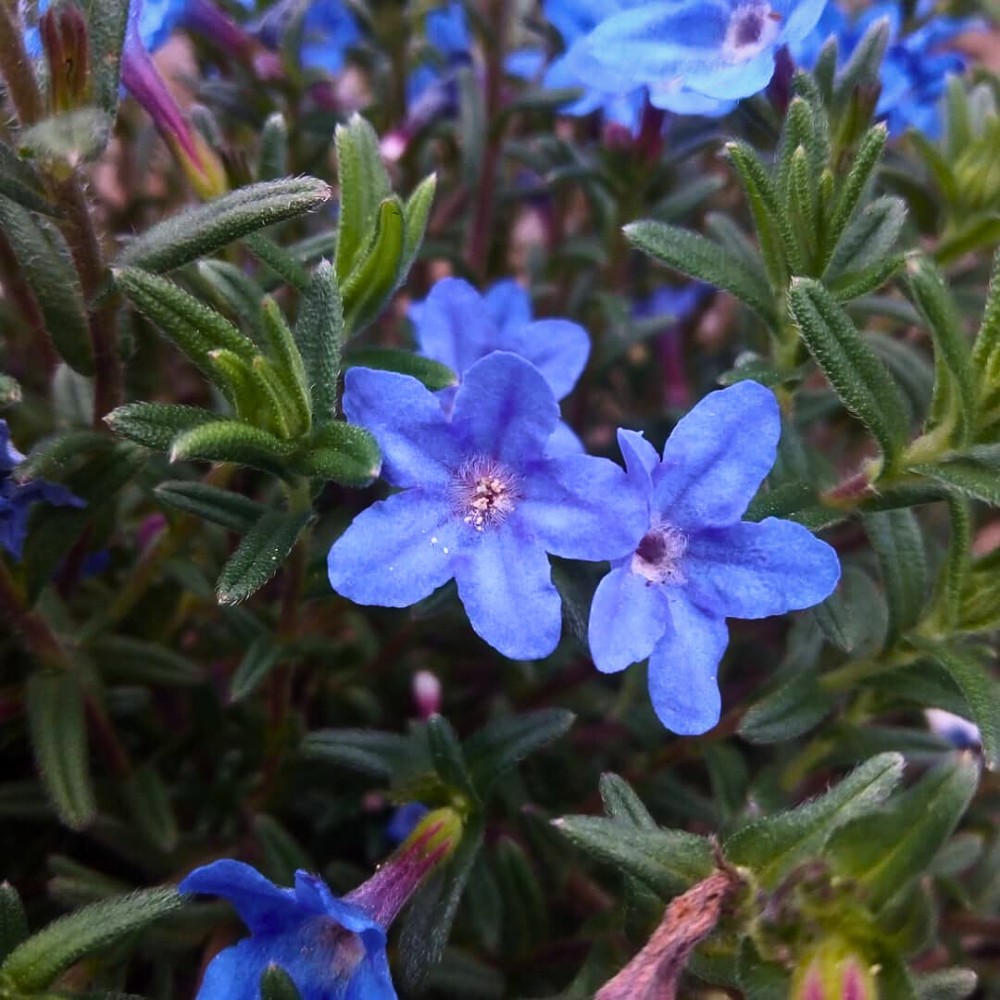
Another favorite among gardeners, the Lithodora Heavenly Blue plant shares characteristics with Lithodora Grace Ward but may show subtle differences in growth habit or flowering timing, depending on the source. Lithodora Heavenly Blue produces the same stunning blue flowers that make this genus so desirable. Some nurseries use their names interchangeably, while others maintain they represent distinct selections with minor variations.
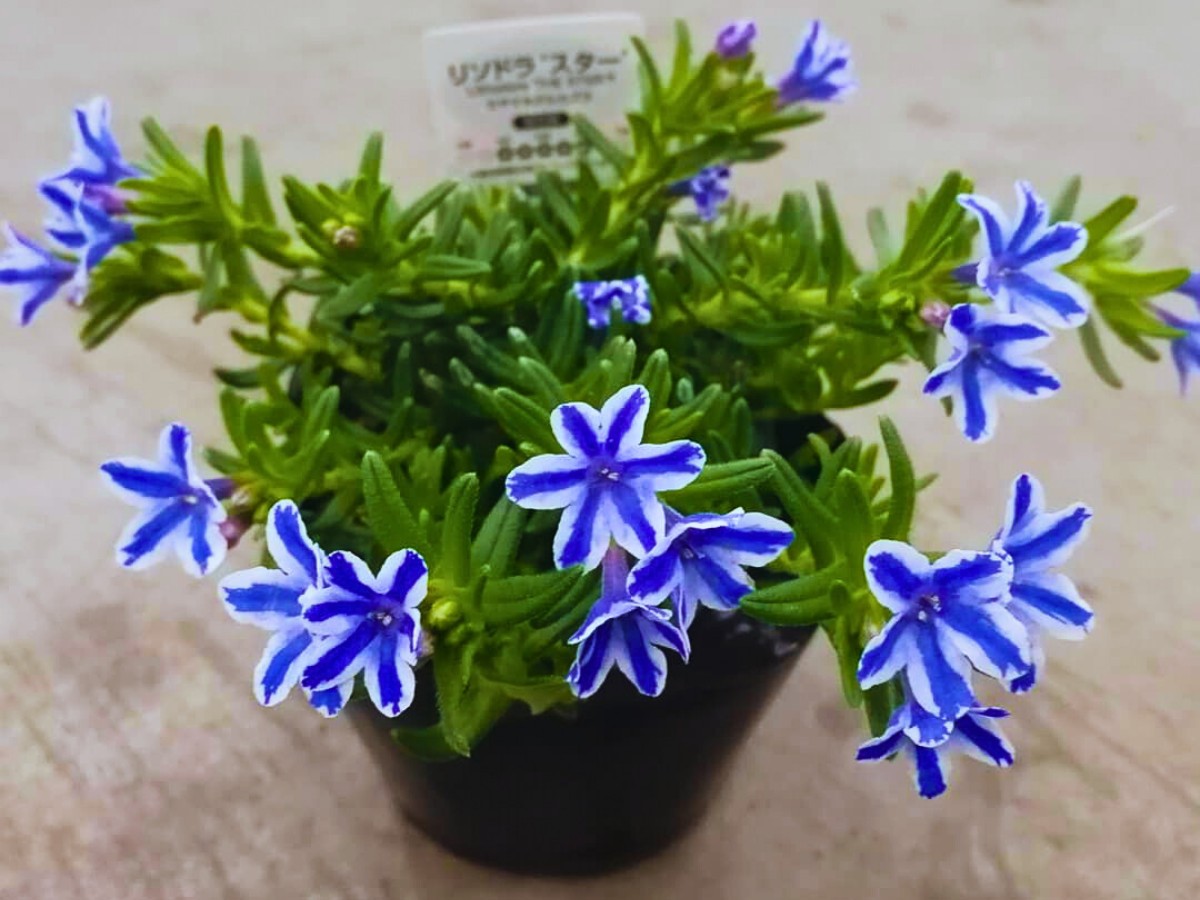
Regardless of the cultivar name, both selections deliver the sought-after true-blue color that complements nearly every garden palette. Other varieties are Lithodora diffusa White Star, Lithodora diffusa Crystal Blue, Lithodora diffusa Magic Carpet, Lithodora diffusa Blue Star, Lithodora diffusa Crystal Blue, Lithodora diffusa Gold ‘n Sapphires, Lithodora diffusa Blue Cascade, and Lithodora diffusa Pete’s Choice, all of which are unique in their own ways.
Planting Lithodora Successfully
Growing Lithodora thrives in USDA Plant Hardiness Zones 5 to 9; it is evergreen in Zones 6 to 9. Getting these Lithodora plants off to a strong start requires attention to a few key factors. These plants evolved in Mediterranean climates with rocky, alkaline soils and excellent drainage, so replicate those conditions in your garden to successfully grow these evergreens.
Site Selection
Choose a location that receives full sun to partial shade. In cooler climates, full sun encourages the most prolific flowering. In hotter regions, afternoon shade can help prevent stress during peak summer heat. The site must offer excellent drainage because Lithodora absolutely cannot tolerate wet feet, particularly during the winter months.
Soil Preparation
Before planting Lithodora, test your soil pH. These plants prefer neutral to slightly alkaline conditions (pH 6.5-7.5) for best results. If your soil is acidic, incorporate lime as recommended by your soil test. Heavy clay soils can benefit from amendments such as coarse sand, fine gravel, or perlite to improve drainage.
Raised beds or berms work wonderfully for gardeners dealing with naturally heavy or poorly drained soils. Work a moderate amount of compost into the planting area to provide initial nutrition, but avoid over-fertilizing. Rich soils can encourage lush growth at the expense of flowers and may reduce winter hardiness.
Planting Technique
Space plants 45 to 60 cm (18 to 24 inches) apart to allow for their spreading habit. Dig holes slightly wider than the root ball but no deeper. Set plants at the same depth they grew in their containers. Water thoroughly after planting to settle the soil around the roots, then water sparingly until you see signs of new growth.
Lithodora Growing, Care, and Maintenance
Once established, these Mediterranean natives prove surprisingly low-maintenance for gardeners who provide appropriate conditions.
Watering
Young plants need regular watering to establish their root systems, but mature Lithodora shows good drought tolerance. Water deeply but infrequently, allowing the soil to dry between waterings. Overwatering, especially in heavy soils or during cool weather, invites root rot and other fungal issues. During hot, dry spells, occasional deep watering helps maintain plant vigor and flowering.
Fertilizing
Lithodora performs best with minimal fertilization. A light application of balanced, slow-release fertilizer in early spring provides sufficient nutrition for the season. Alternatively, a thin layer of compost applied as a top dressing serves the same purpose. Excessive nitrogen produces lanky growth and reduces flower production.
Pruning
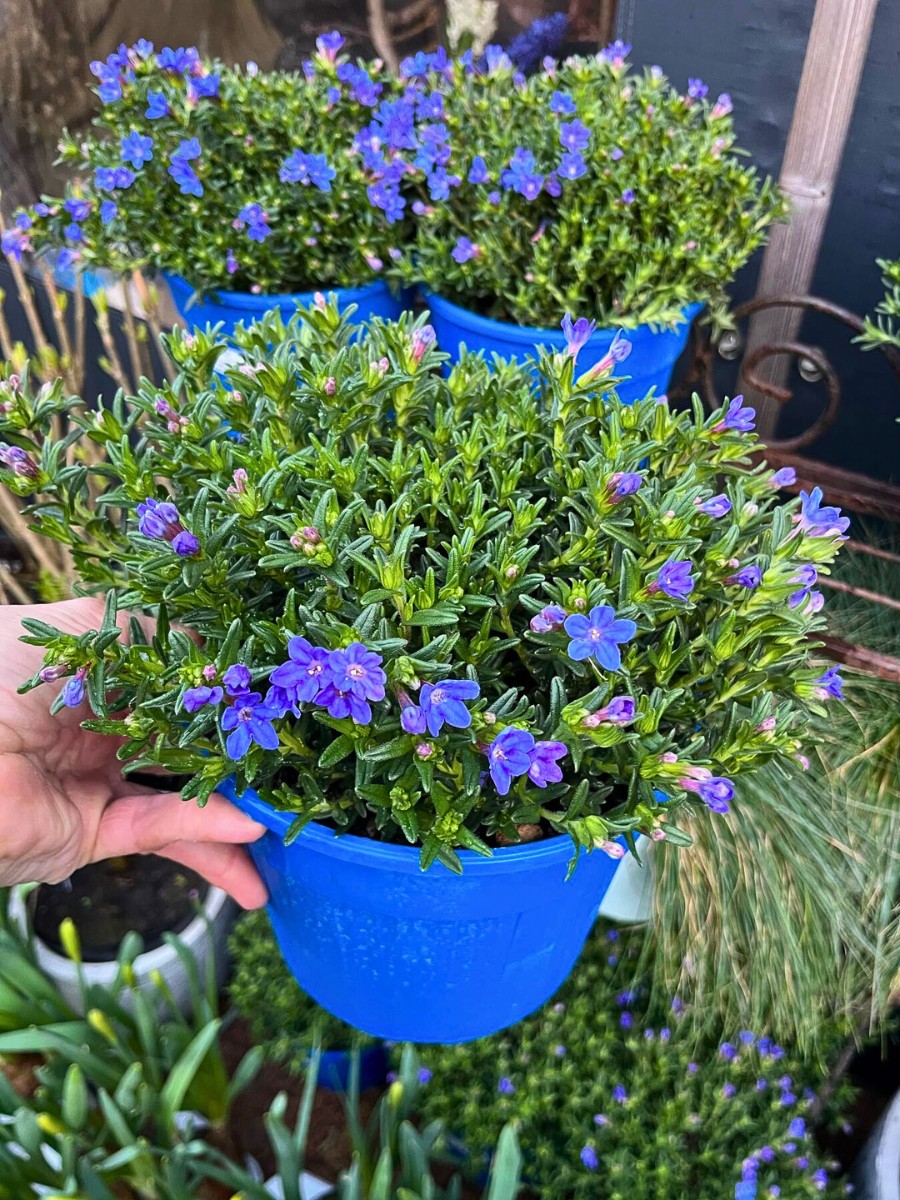
These plants maintain a naturally tidy form with minimal pruning. After the main flowering flush, light shearing can remove spent blooms and encourage denser growth. Avoid cutting back into old, woody stems, as Lithodora may be slow to regenerate from hard pruning. Instead, focus on maintaining shape and removing any damaged or winter-killed foliage in early spring.
Winter Care
In colder zones, a light mulch of evergreen boughs applied after the ground freezes protects against drying winds and extreme temperature fluctuations. Remove the mulch in early spring as temperatures moderate. Good snow cover offers excellent natural protection.
Does Lithodora Spread?
Yes, Lithodora does spread, forming attractive mats of foliage over time. The plant spreads through stems that root where they touch the ground, gradually expanding its footprint. This growth habit makes the plant valuable for ground cover, though it's worth noting that the spread is measured and controlled rather than aggressive or invasive.
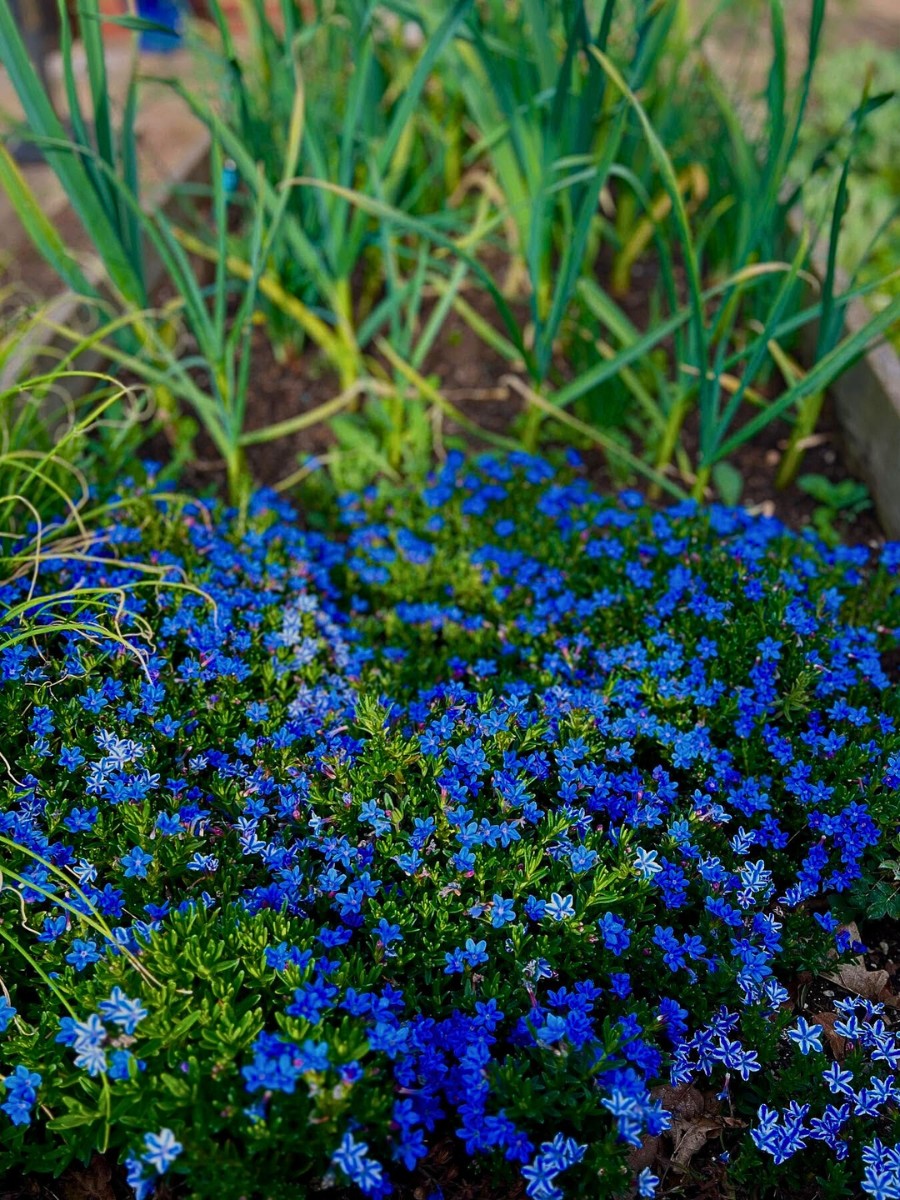
How fast does Lithodora spread? The spread of Lithodora is moderate and manageable. Under ideal conditions, established plants may expand their coverage significantly each year. Several factors influence spreading speed, including soil quality, moisture availability, sun exposure, and climate. Plants grown under optimal conditions with adequate moisture grow faster than those struggling in poor soil or extreme drought.
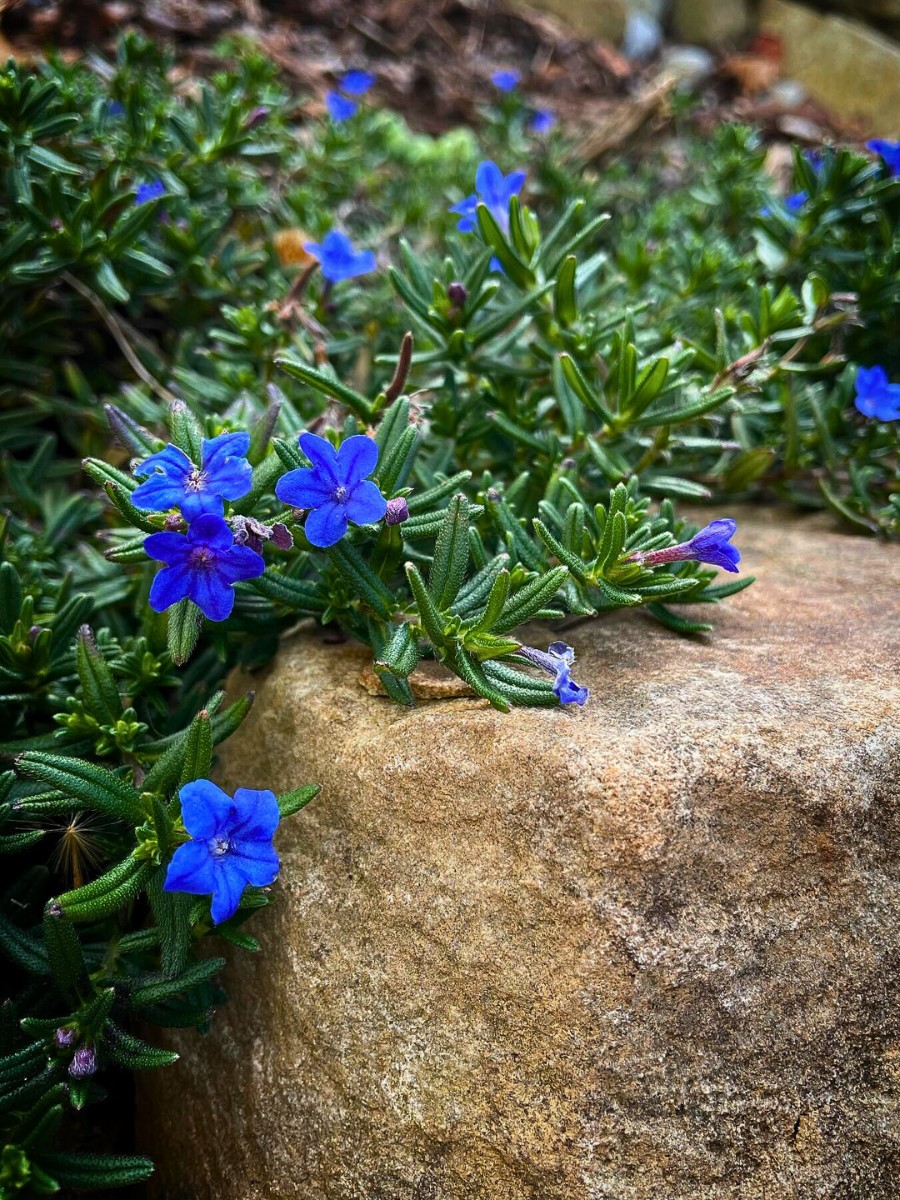
But don't expect rapid coverage in the first year. Young plants focus energy on establishing root systems before committing resources to lateral expansion. By the second or third year, you will notice more aggressive spreading as the plant matures and settles into its location.
How to Propagate Lithodora
Those looking to expand their Lithodora collection or share plants with friends have several propagation options.
Layering is perhaps the easiest propagation method and leverages Lithodora's natural spreading habit. In spring or early summer, select healthy stems and pin them to the soil surface using landscape staples or small rocks. Keep the contact area lightly moist. Roots typically form within 6 to 8 weeks. Once well-rooted, sever the new plant from the parent and transplant it to its permanent location.
Stem cuttings are another method. Take 3 to 4-inch cuttings from healthy, non-flowering stems in early summer. Remove lower leaves and dip the cut end in rooting hormone. Insert cuttings into a well-drained medium, such as perlite or a peat-sand mix. Maintain consistent moisture and provide bright, indirect light. Rooting occurs in 4 to 6 weeks. Gradually harden off rooted cuttings before transplanting outdoors.
Division is yet another approach. Mature plants can be divided in early spring before active growth begins. Carefully lift the plant and tease apart rooted sections, ensuring each division has adequate roots and top growth. Replant divisions immediately and water well. Division can stress Lithodora, so this method is best reserved for plant rescue situations or when other propagation techniques aren't feasible.
Is Lithodora Deer Resistant?
Lithodora generally shows outstanding deer resistance. While no plant can be considered completely deer-proof when hungry deer have limited food options, Lithodora rarely appears on their preferred menu. So, do deer eat Lithodora? Well, deer typically avoid eating Lithodora, likely due to the texture of the foliage and possibly chemical compounds that make it unpalatable.
But in areas with severe deer overpopulation, desperate deer might sample Lithodora, but significant damage is uncommon. This deer resistance makes the plant particularly valuable in suburban and rural gardens where deer browsing limits plant choices.
That said, young transplants may be more vulnerable than established plants. Consider temporary physical protection for newly planted Lithodora in high-deer-pressure areas until they establish.
Common Lithodora Problems and Solutions
While generally trouble-free, Lithodora can encounter a few issues. The most common problem stems from poor drainage or overwatering. Symptoms include yellowing foliage, wilting despite adequate moisture, and mushy roots. Prevention through proper site selection and watering practices is far easier than treatment. If root rot occurs, improve drainage, reduce watering, and consider moving the plant to a more suitable location.
In marginal hardiness zones, harsh winters can damage or kill Lithodora. Desiccation from winter winds often causes more harm than cold temperatures. Protect plants with windbreaks or evergreen bough covers. Select the most protected, south-facing locations in cold climates.
Yellowing leaves with green veins indicate iron chlorosis, common in highly alkaline soils despite Lithodora's preference for neutral to alkaline pH. Apply chelated iron according to package directions to correct the deficiency. If chlorosis persists, have your soil tested to identify other potential nutrient imbalances.
Garden Uses and Companions for Lithodora
Lithodora pairs beautifully with plants sharing similar cultural requirements. Consider combining it with lavender, creeping thyme, sedum, dianthus, and other Mediterranean natives. The blue flowers complement these plants’ color palettes particularly well.
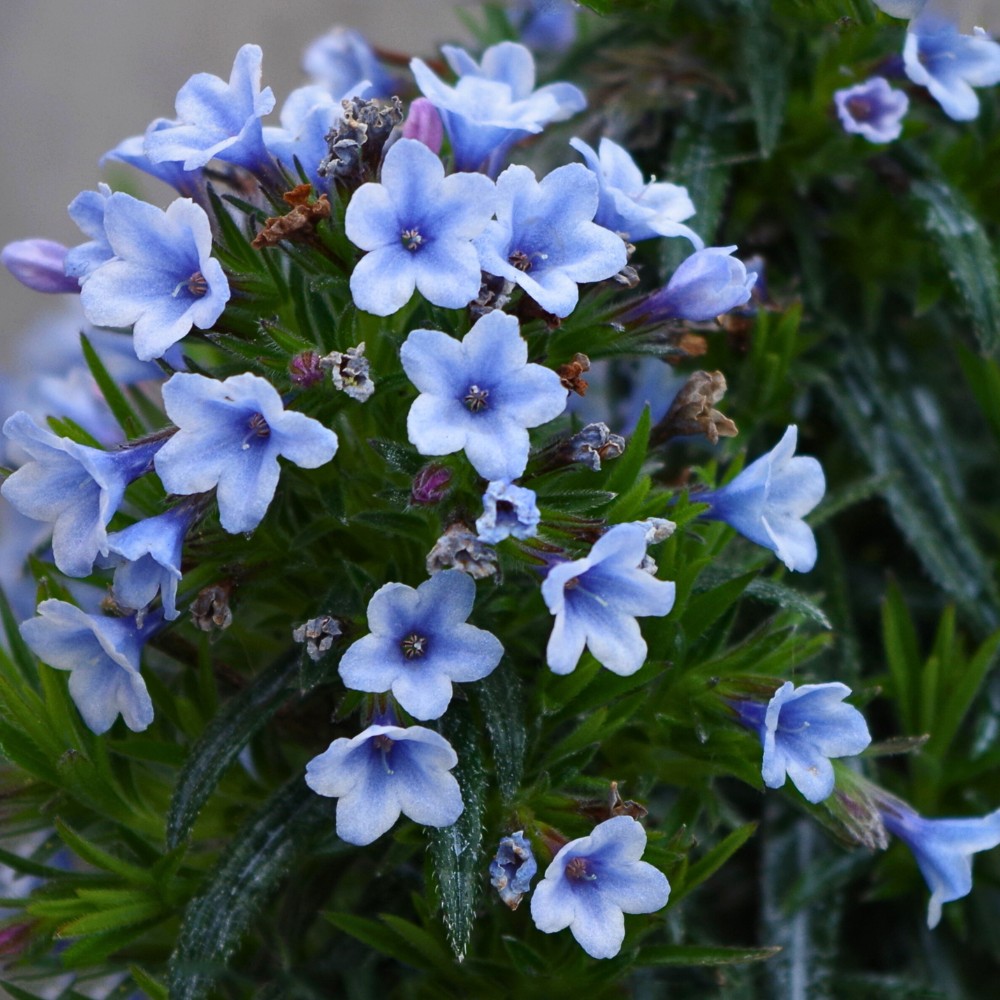
Try pairing Lithodora with basket-of-gold, snow-in-summer, or creeping phlox for extended color in a stunning rock garden display. You can pair with blue star creeper for blue carpets, or Armeria for similar needs. For greater texture contrast, pair Lithodora with ornamental grasses such as blue fescue, Mexican feather grass, heuchera, hostas, or ferns.
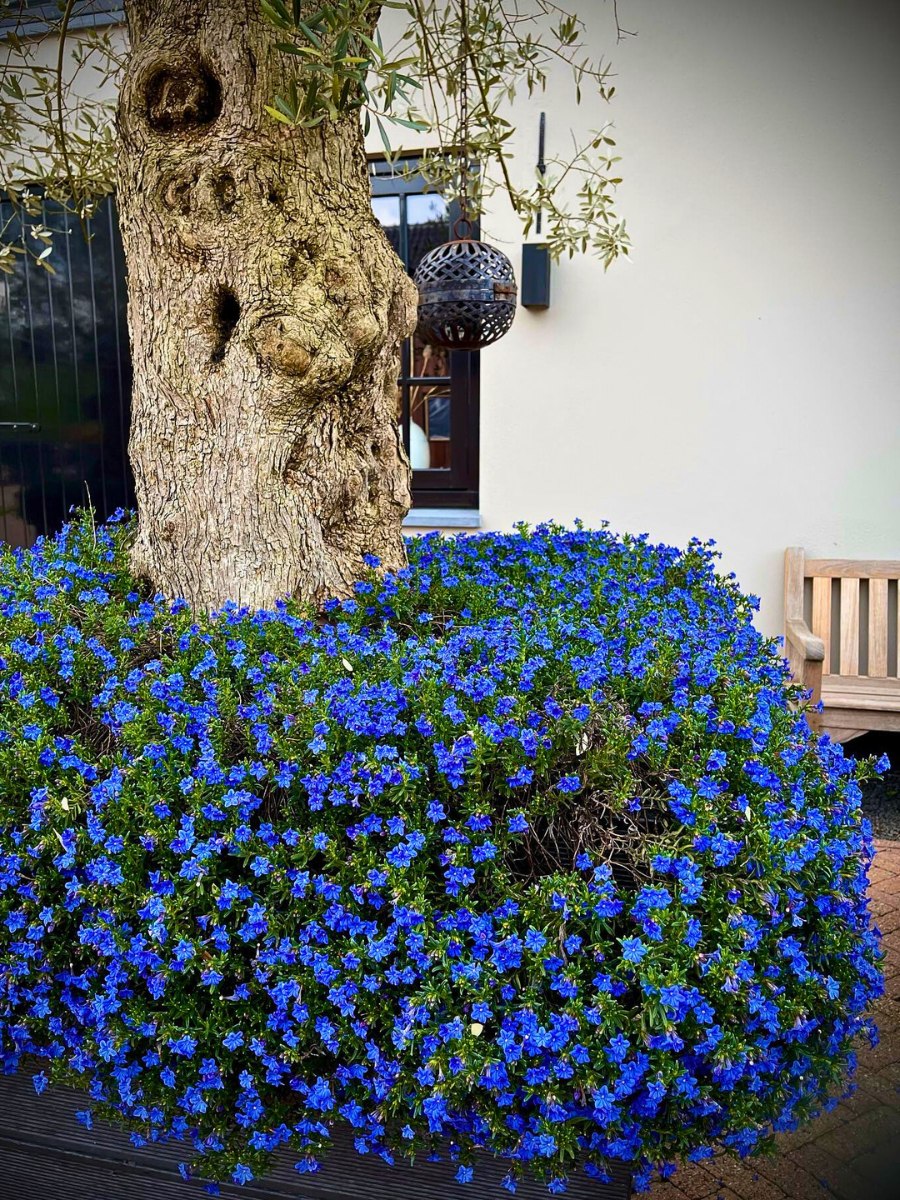
The fine, needle-like Lithodora foliage, likewise, plays nicely against broader-leaved perennials. You could also tuck Lithodora into rock gardens, slopes, or pathway edges where it spills beautifully. It shines in Mediterranean, cottage, or coastal styles. Notably, try Lithodora Heavenly Blue in pots or as edging.
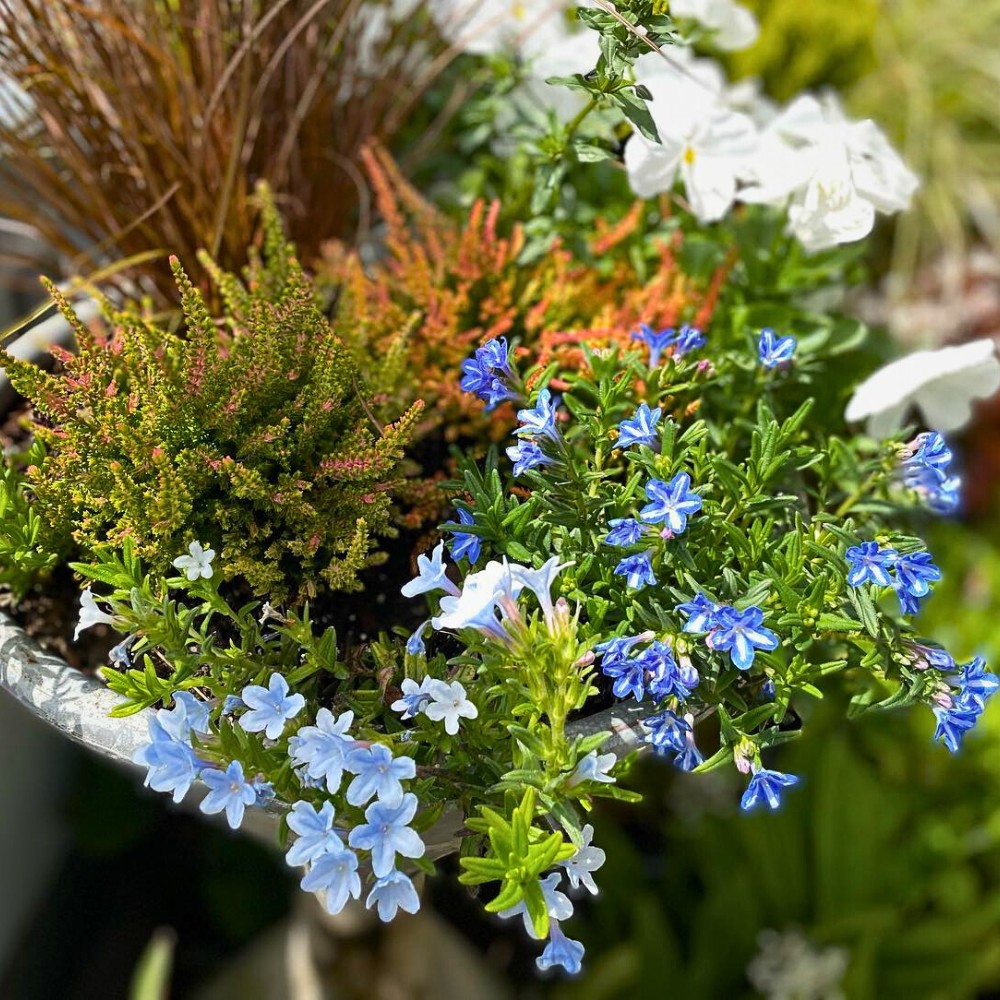
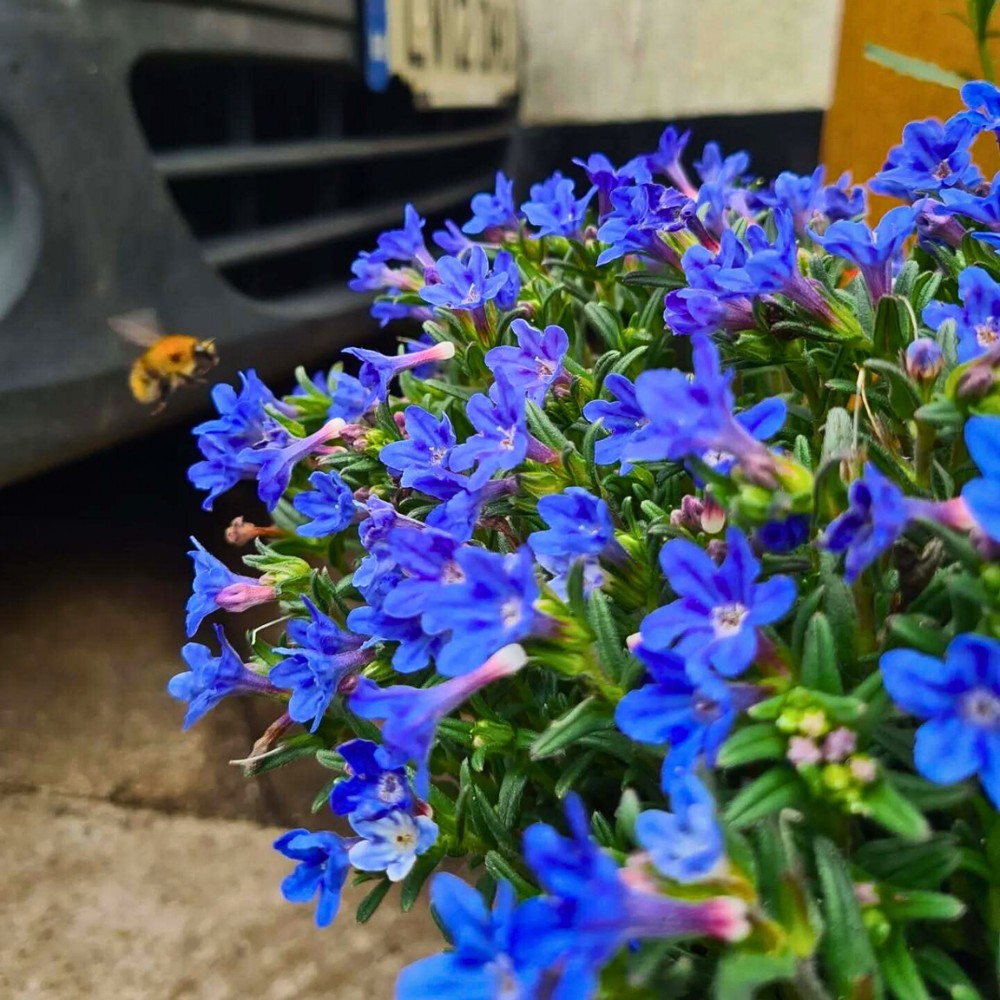
Moreover, Lithodora is well-suited to sustainable gardens, requiring no additional winter care in mild areas beyond mulch. In colder spots, cover lightly. Its deer-resistant qualities suit natural landscapes. Plus, it attracts butterflies, too.
Feature image by @plantenhalletje. Header image by @botanicbarney