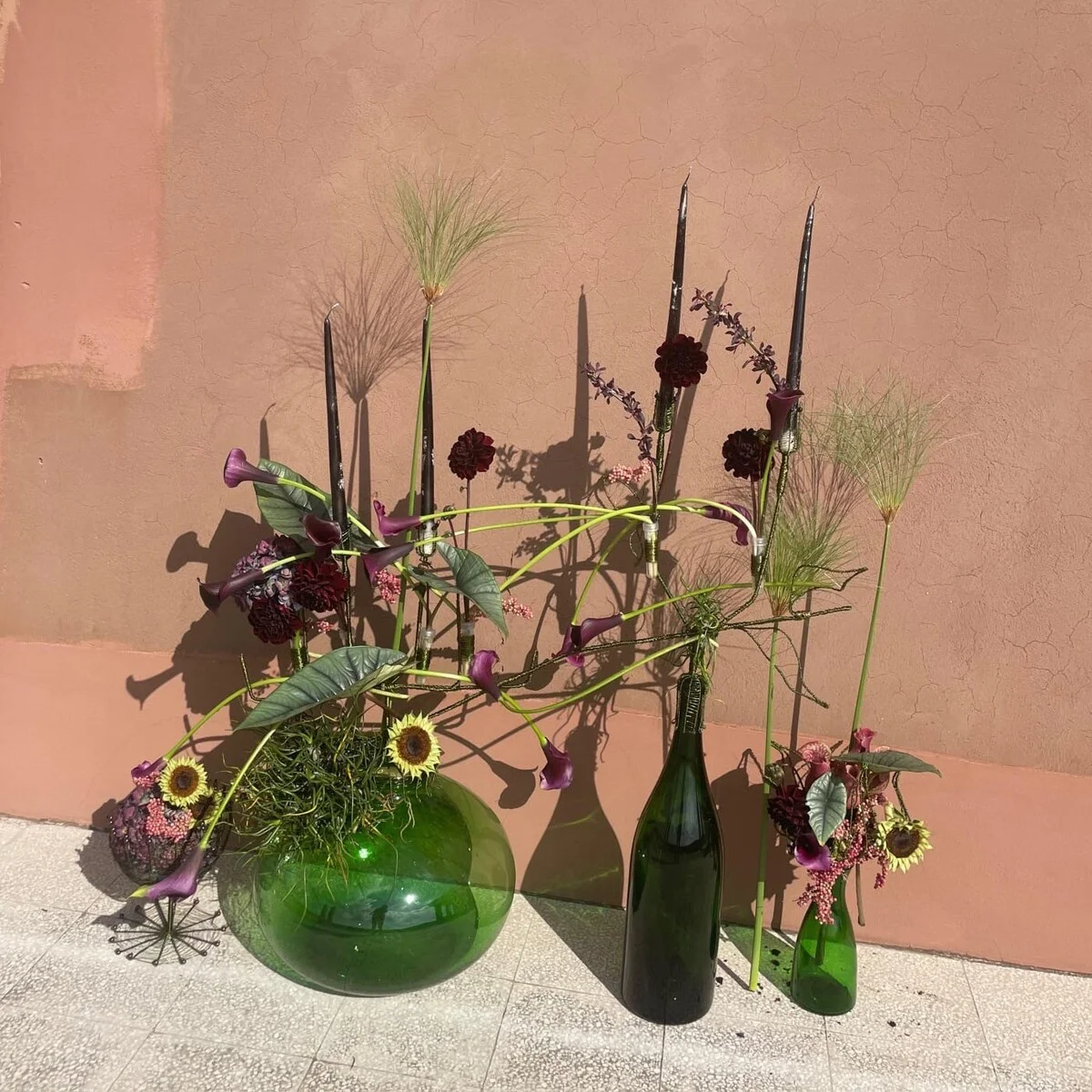
Yes, black calla lily varieties are real, and they are not a trick of dye or lighting. What florists sell as a black calla lily is a cultivar of Zantedeschia, bred for the deepest purple pigment a breeder could push into one flower, until it reads as black under any light but direct sun. There is no literal black pigment in a calla, or in any flower. What a handful of named varieties carry is enough concentrated color to fool the eye completely, and that is exactly why florists and gardeners go looking for one.
Are Black Calla Lilies Real?
No flower produces true black pigment, as Thursd's guide to dark flowers explains. What reads as black in a calla lily comes from a very high concentration of anthocyanins, the same pigment family behind red, purple, and blue flower color, stacked so densely that the petal (technically a spathe, the single curved bract that wraps around the flower's central spadix) absorbs almost all visible light. Thursd's own reporting on the Odessa calla lily is clear that the color is the result of careful breeding and hybridization, not a dye job, and the exact recipe stays a closely guarded secret at the nurseries that hold it.
That distinction matters for anyone buying rather than growing. A florist can spray a white calla black for a single event. A true dark cultivar carries its color from the moment the bloom opens to the moment it fades, with no spray at all. If a supplier cannot say which one is on offer, ask; the difference is the whole point of paying for a black calla instead of a white one.
The Darkest Calla Lily Varieties on the Market
The two most reliably dark cultivars in circulation are Calla Odessa and Calla Black Diamond, both grown commercially as cut flowers. Two other names come up often in growing and breeding circles. 'Black Star' is a near-black Zantedeschia that, according to Plant Delights Nursery, started as a hybrid seedling from Dutch calla specialist Sande BV and was spotted after a tuber slipped into a US-bound shipment; it is also sold as Zantedeschia Edge of Night. Schwarzwalder (also sold as Black Forest) is a deep purple-black garden and cut variety that US bulb retailers rate as hardy outdoors only in USDA zones 9 through 11, so it is grown as a lifted rhizome everywhere colder. Neither has a Thursd product page yet, so they are named here rather than pictured; ask a bulb supplier or breeder about them directly.
Calla Odessa

Calla Odessa is the variety most likely to show up when a florist asks for "the black calla." Its trumpet-shaped spathe tapers to a point and curls tightly at the edge, and the color reads as an even, velvety near-black rather than a patchy dark purple. Thursd's own deep dive on Odessa covers its use across arrangements built entirely around the flower, monochromatic pairings with dark Dahlias and roses, and high-contrast pairings against white or cream.
Calla Black Diamond
Calla Black Diamond is Odessa's closest commercial rival: a black and purple arum-type Zantedeschia bred for contemporary floristry and wedding work. Where Odessa leans toward a flat, matte black, Black Diamond keeps a touch more purple sheen under bright light, which is worth knowing if a design brief calls for "black" specifically and not "black that turns purple in a photo."
How to Grow and Care for Black Calla Lilies
Black calla lilies grow from a rhizome, not a true bulb, and that changes how they behave in a garden or a pot. Give them a spot with morning sun and afternoon shade, or full sun in cooler climates, and a soil that stays consistently moist without turning waterlogged; a rhizome sitting in standing water rots before it flowers. Outdoors, dark Zantedeschia cultivars are hardy roughly in USDA zones 8 through 11. Anywhere colder, plant the rhizome in spring after the soil has warmed, or grow it in a pot that can be lifted and stored dry over winter. New growth is often slow to show, so patience in the first weeks after planting is normal, not a sign of failure.
As a cut flower, a black calla lily lasts longest when it is harvested with care and handled the way Thursd's own calla care guide lays out for the genus: cut in the early morning while the bloom is fully open but not yet showing wear, use a clean, sharp blade at a 45-degree angle to maximize water uptake, and strip any leaves that would sit submerged in the vase, since they promote bacterial growth that shortens vase life for every stem sharing the water. Fresh, clean water and a cool spot out of direct sun and away from ripening fruit (which releases ethylene, a gas that ages many cut flowers early) keep a black calla looking its best for well over a week.
Black Calla Lilies in Bouquets and Weddings
A single black calla lily stem reads as sculpture on its own, which is why minimalist arrangements often use it that way: one stem in a tall, narrow vase, nothing else competing for attention. In a fuller design, it pairs two ways. Monochromatic, it sits alongside other dark flowers for a moody, luxury look; Thursd's guides to black roses and black tulips cover the two flowers most often combined with a black calla for exactly this effect, and black Dahlias add texture without competing for the same trumpet shape. Contrasted, a black calla against white, cream, or blush flowers turns the dark bloom into the focal point of the whole piece rather than one note among many.

Gothic and alternative wedding styles have made the black calla a recognizable choice well beyond Halloween. Thursd's tour of Kat Von D's garden, a goth garden built around dark and near-black plants, shows the same aesthetic carried into landscaping rather than a vase. For seasonal briefs, Simply Calla's designs on Thursd show how far colored callas travel outside weddings: its Halloween calla ideas, its Easter calla designs, and its Christmas calla designs all use dark and colored callas as a seasonal color statement. Pair a black calla with dark foliage and low, warm light for a Halloween table, or keep the palette to black and white for a wedding that wants drama without going full gothic. For black and near-black houseplants to round out a display or a shoot, Thursd's black plants guide covers ten options that hold their color indoors.
What Do Black Calla Lilies Mean?
Calla lilies in general carry a settled symbolism: purity, faith, and rebirth, which is why white callas turn up so often at weddings and, separately, at funerals, where the same idea reads as hope after loss. It is also the flower tied to the sixth wedding anniversary. Thursd's calla lily meaning and symbolism guide lays out the full color range and what each one is read as saying.
A black calla lily keeps that base meaning and layers something else on top of it: mystery, elegance, and quiet strength. Because the color is rare and deliberately bred rather than found, giving or displaying a black calla reads as a statement rather than a default choice, which is why designers reach for it when a bouquet needs to say something more specific than "celebration."
A true black calla lily does not exist in nature, and it does not need to. What breeders have built, one anthocyanin-heavy cultivar at a time, is close enough to hold all the drama a florist or a gardener is after, without a single drop of dye.
Sources: Thursd (odessa-calla-lily, calla-lilies, basic-calla-care-tips); Plant Delights Nursery on Zantedeschia 'Black Star'; the Royal Horticultural Society and US bulb retailers (Park Seed, Wayside Gardens) on Zantedeschia 'Schwarzwalder'; Teleflora and Florgeous on general calla lily symbolism.
Featured image: a Calla Odessa bouquet, photo by @mabellesfloral. Header image: Calla Odessa with lavender roses, photo by @ladyflores.la.