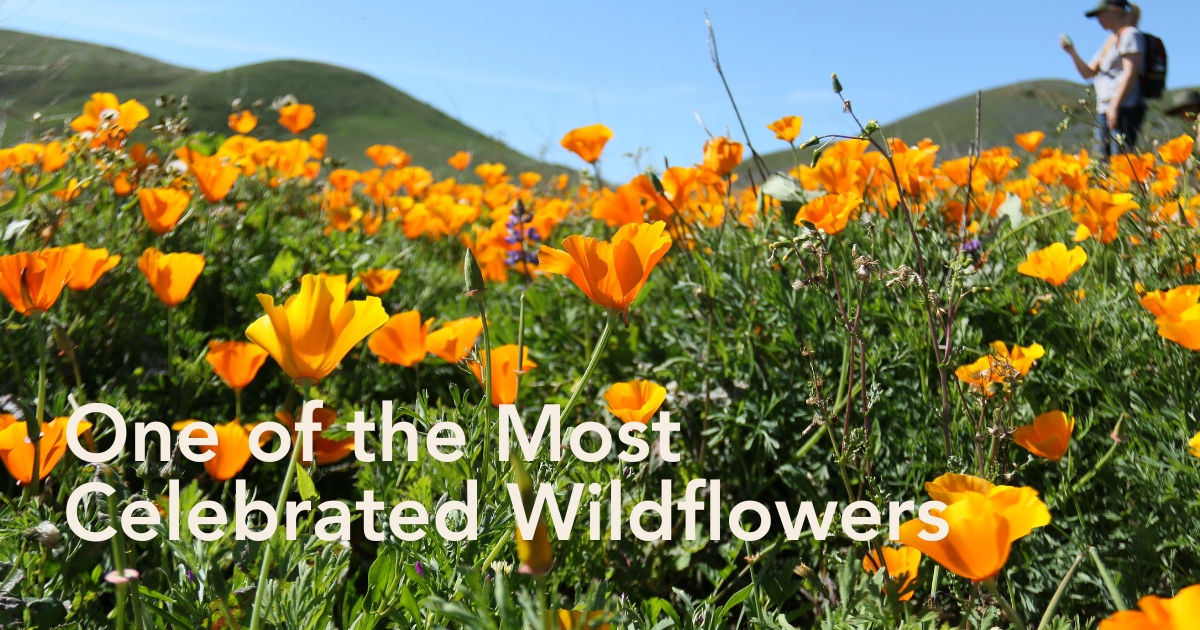
Not many flowers are easily (and even instantly) associated with a place as the California poppy is with California. This flower’s warm, cup-shaped petals in shades of orange and gold have decorated the state's hillsides, roadsides, and gardens for practically time immemorial. Not just that. The California poppy is a lot more to Californians. It has a legal status, great cultural meaning, and quite a fascinating scientific twist behind it. There’s, therefore, quite a lot worth knowing about this flower, which is one of North America's most celebrated native wildflowers.
About the California Poppy
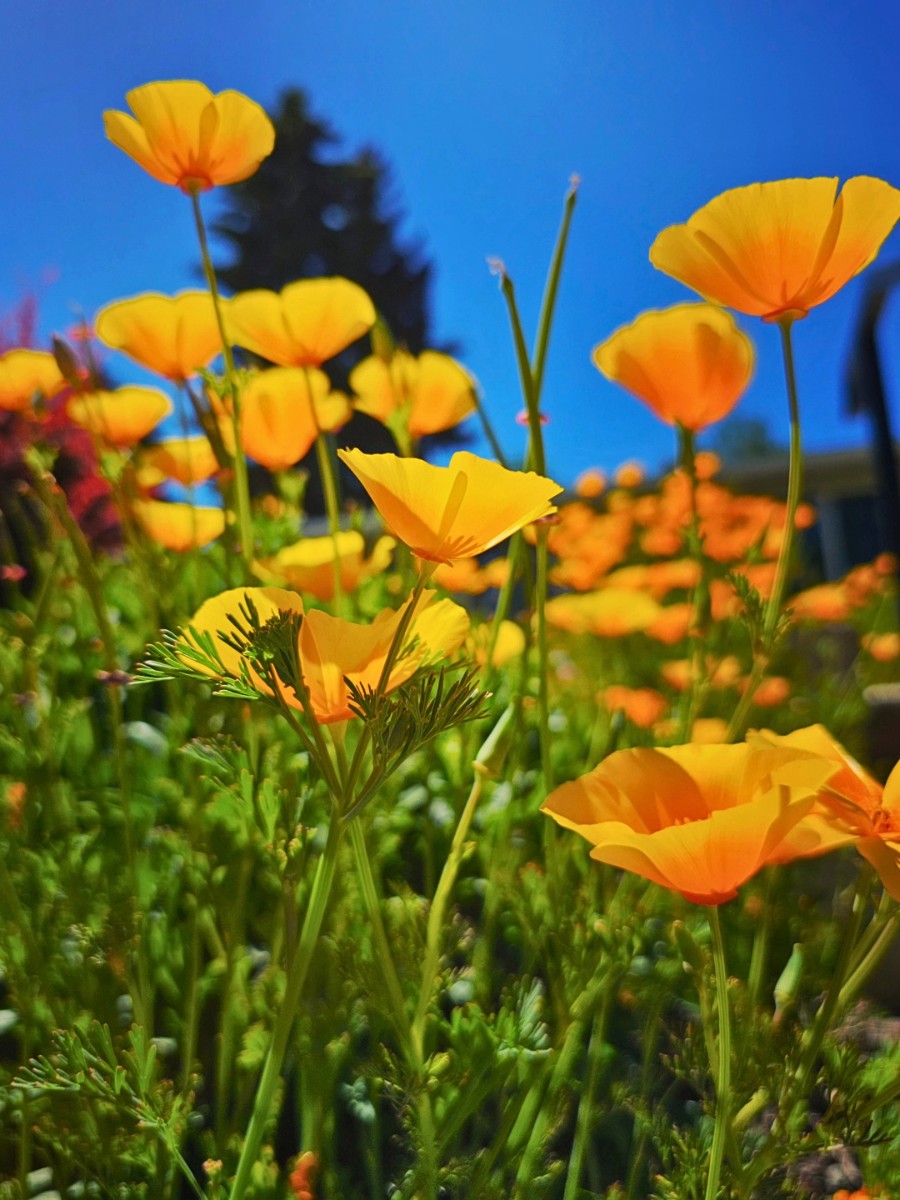
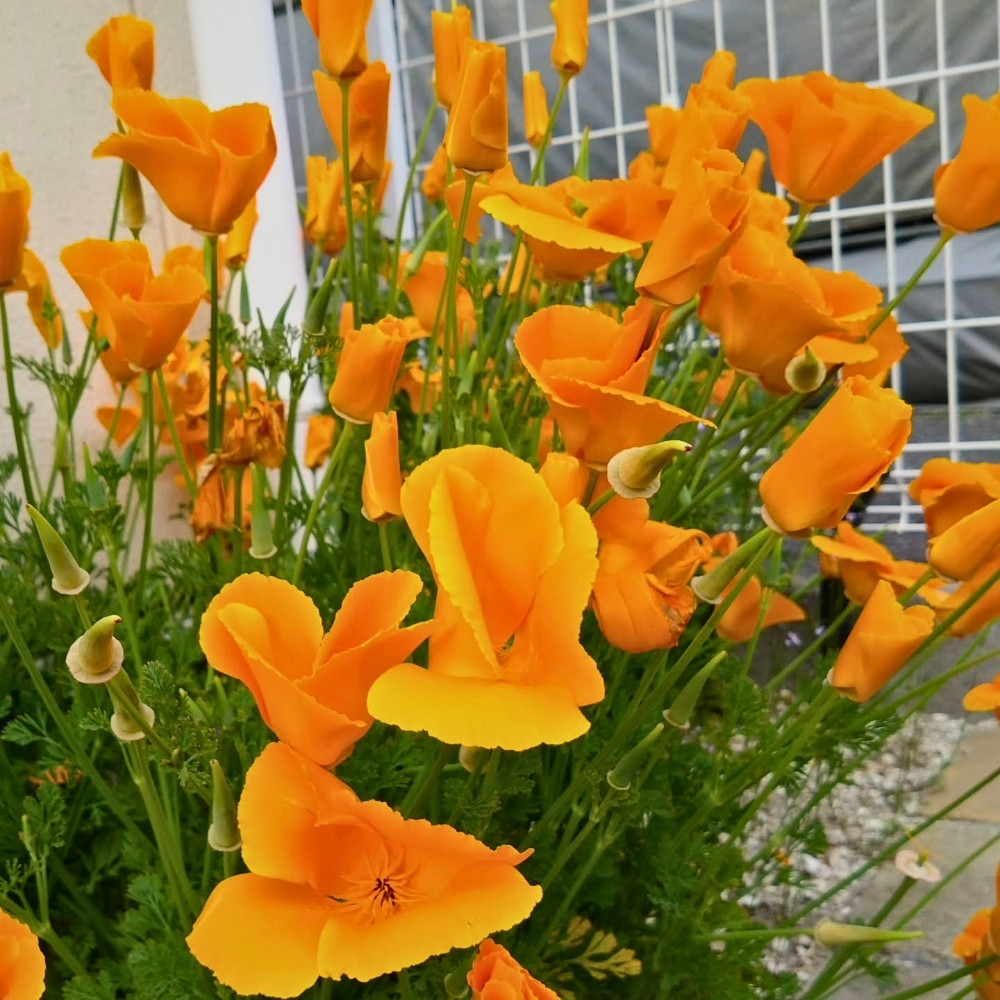
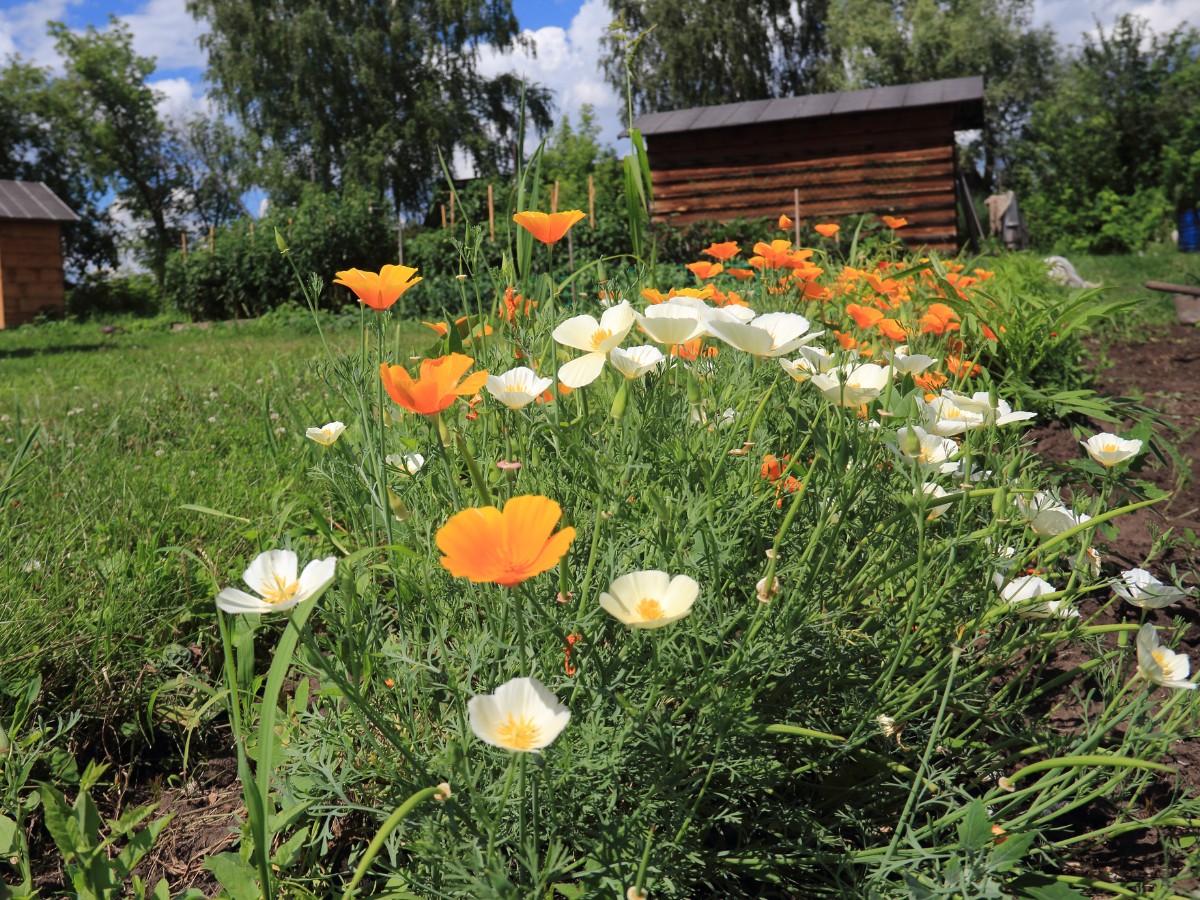
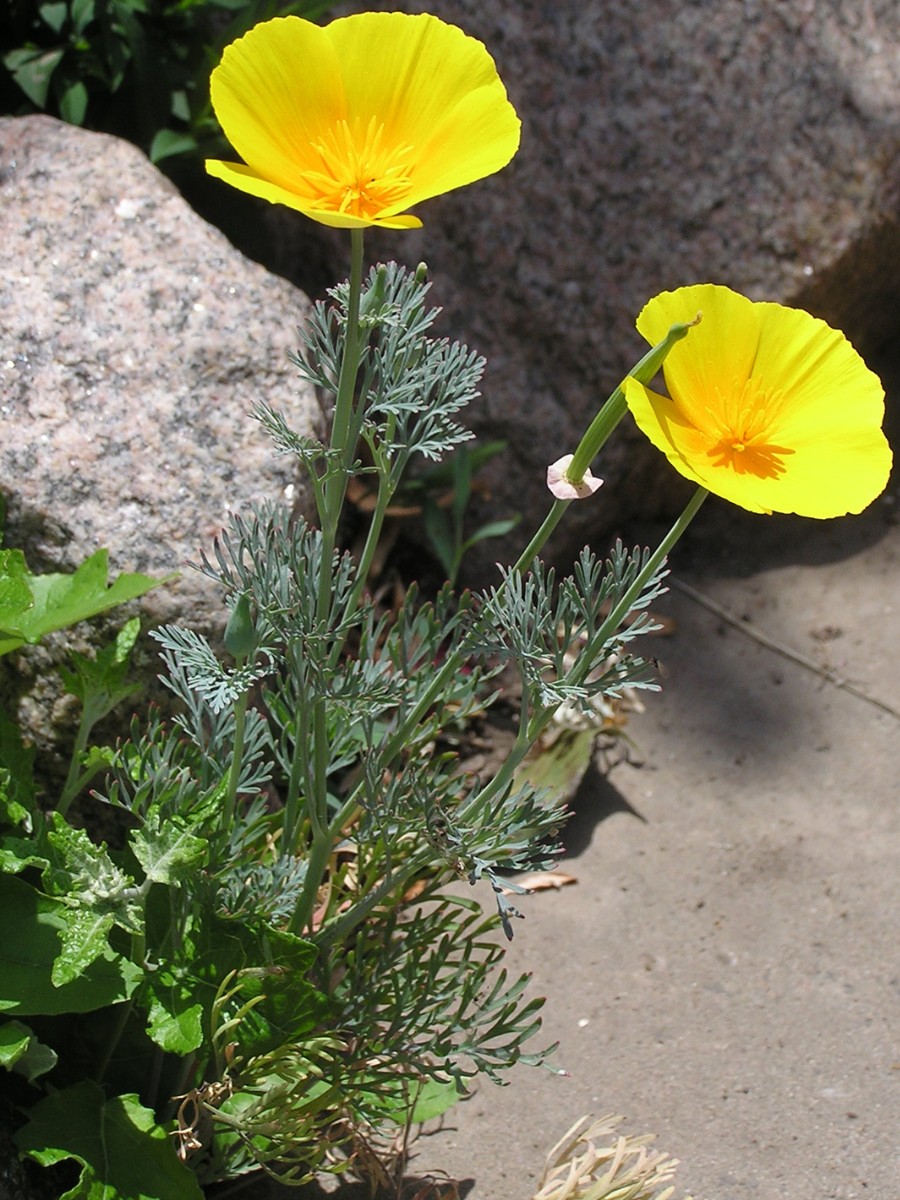
Scientifically known as Eschscholzia californica, California poppy belongs to the Papaveraceae family. It is a flowering annual or short-lived perennial that is native to California and the wider Pacific Coast region, including parts of Oregon, Nevada, and Baja California in Mexico. It typically grows between 5 and 60 centimeters tall and produces four-petaled flowers that range in color from deep orange to golden yellow, with cultivated varieties also producing red, pink, cream, and white forms.
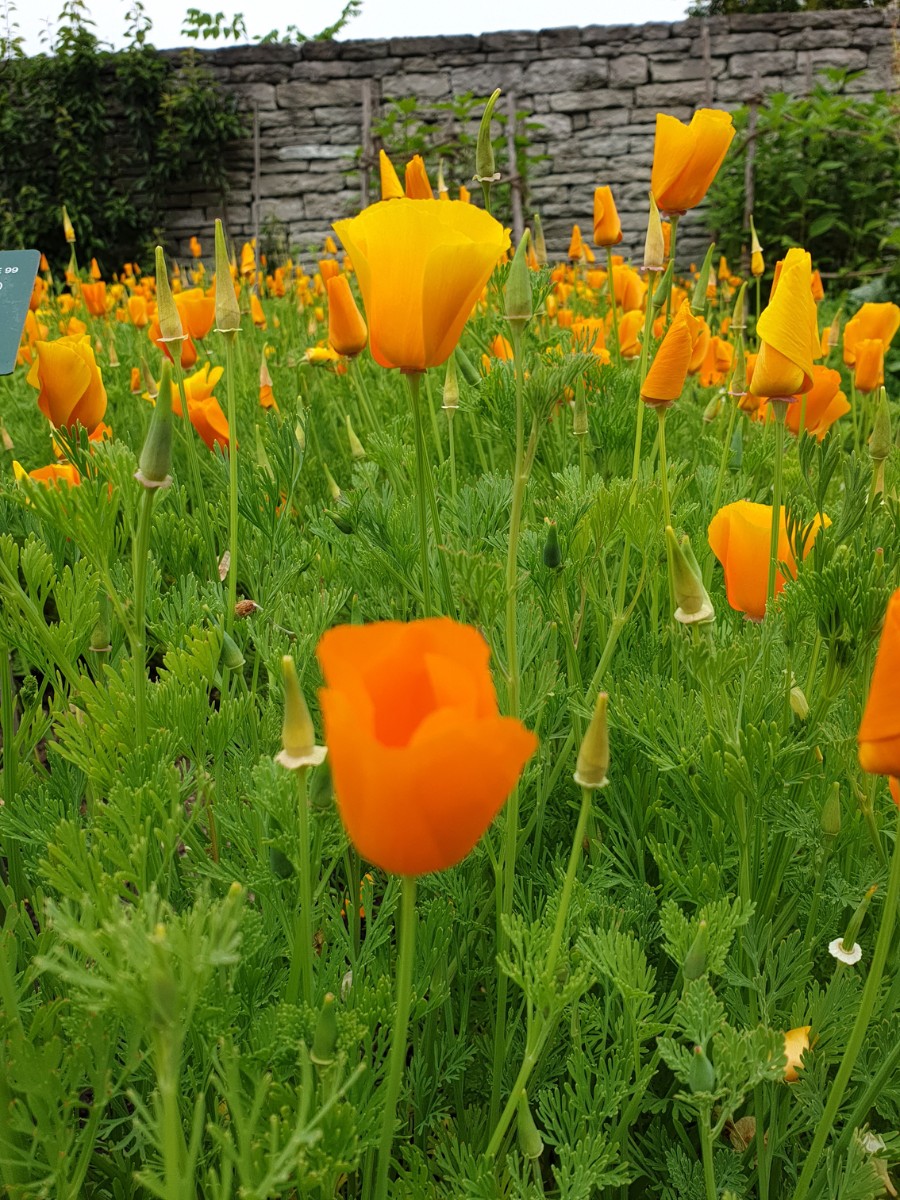
Perhaps its most recognizable feature is the way its petals close at night and on overcast days, a behavior known as nyctinasty, which makes the California poppy especially easy to distinguish from other poppies in the wild. The leaves are finely divided, giving the plant a feathery, blue-green appearance even when not in flower. The California poppy is also notably drought-tolerant, thriving in poor, dry soils where many other plants find it hard to thrive, which partly explains its widespread presence across the Golden State.
It is, however, worth clarifying one common point of confusion in that the California poppy is not related to the opium poppy (Papaver somniferum). Despite both belonging to the Papaveraceae family, they are different species. The California poppy does not contain opium-producing compounds and carries none of the legal or health concerns associated with its Old World ‘kin.’
Why Is the California Poppy the California State Flower?
The California poppy was designated the official state flower of California primarily because of its extraordinary abundance across the state and its deep roots in California's natural identity. For centuries before European colonization, Indigenous Californian peoples used the plant for food, medicinal purposes, and as a source of oil.
Spanish explorers reportedly called California's coastline La Tierra del Fuego, or ‘The Land of Fire,' partly in reference to the golden-colored hillsides covered in this flower, visible from ships out at sea. They also associated their vibrant orange color with gold, a symbol of wealth and prosperity.
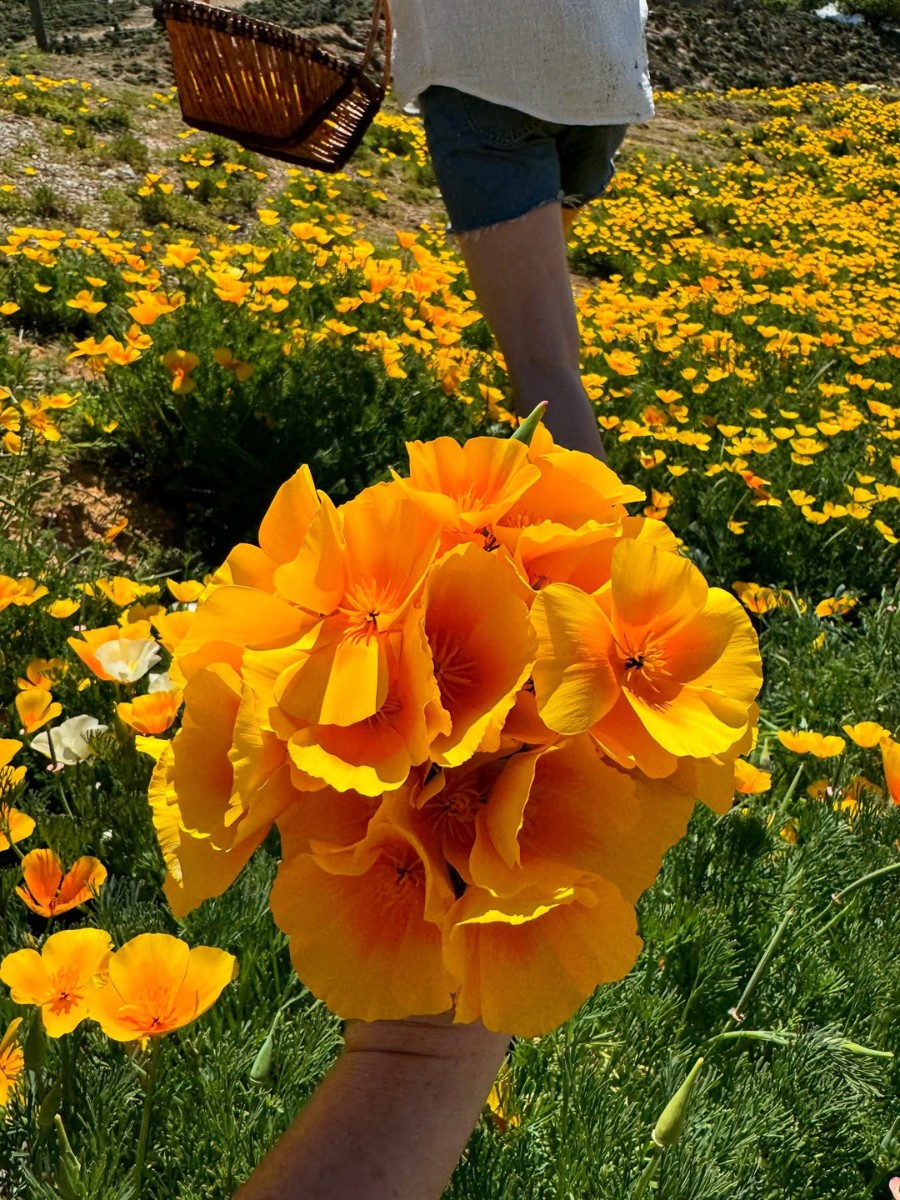
As the state's population grew in the 19th century and naturalists began cataloging California's unique flora, the poppy quickly stood out as a symbol of the state's distinct natural character. Every season, it reliably grew freely across vast stretches of land and required no cultivation. Its golden color also resonated with California's identity during and after the Gold Rush era, when the state was popularly called the ‘Golden State.’
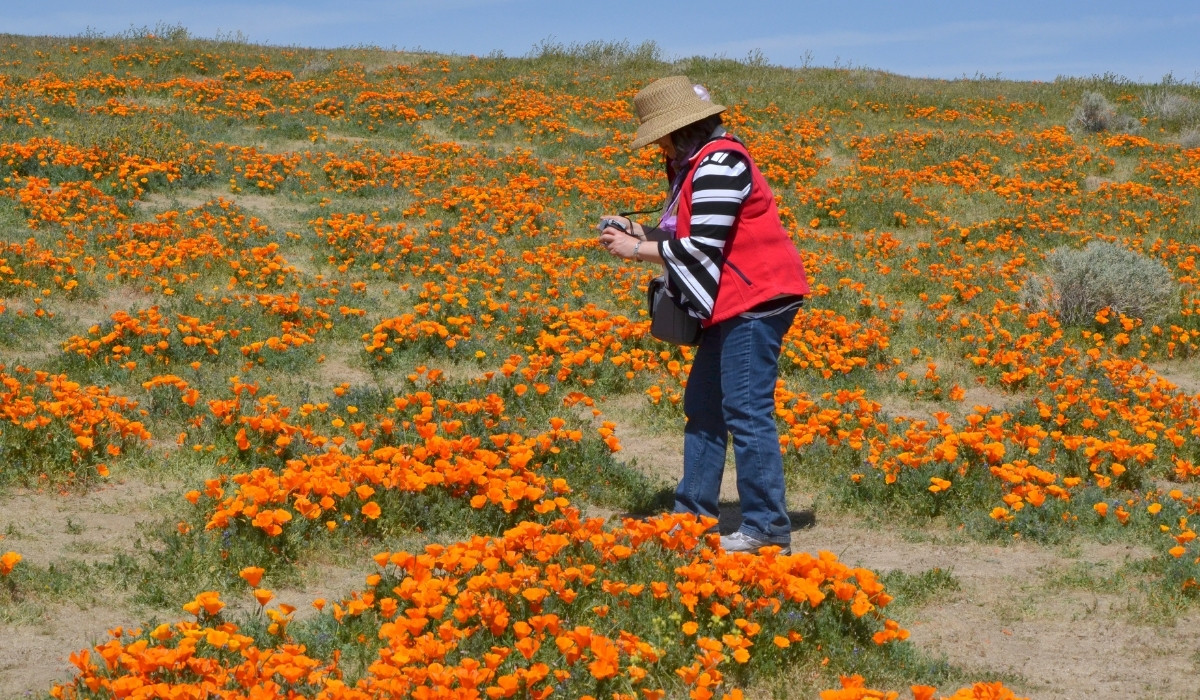
By the late 1800s, civic leaders, gardening clubs, and botanists were actively campaigning for the California poppy to receive official recognition. The California State Floral Society, founded in 1890, was particularly vocal in its support for the poppy, and public sentiment aligned strongly with the choice.
When Was the California Poppy Named the State Flower?
The California poppy was officially designated the state flower on March 2, 1903, when the California State Legislature passed a resolution naming Eschscholzia californica as their floral emblem. The date itself, March 2, has since been recognized as California Poppy Day, a date that has an annual observance across the state.
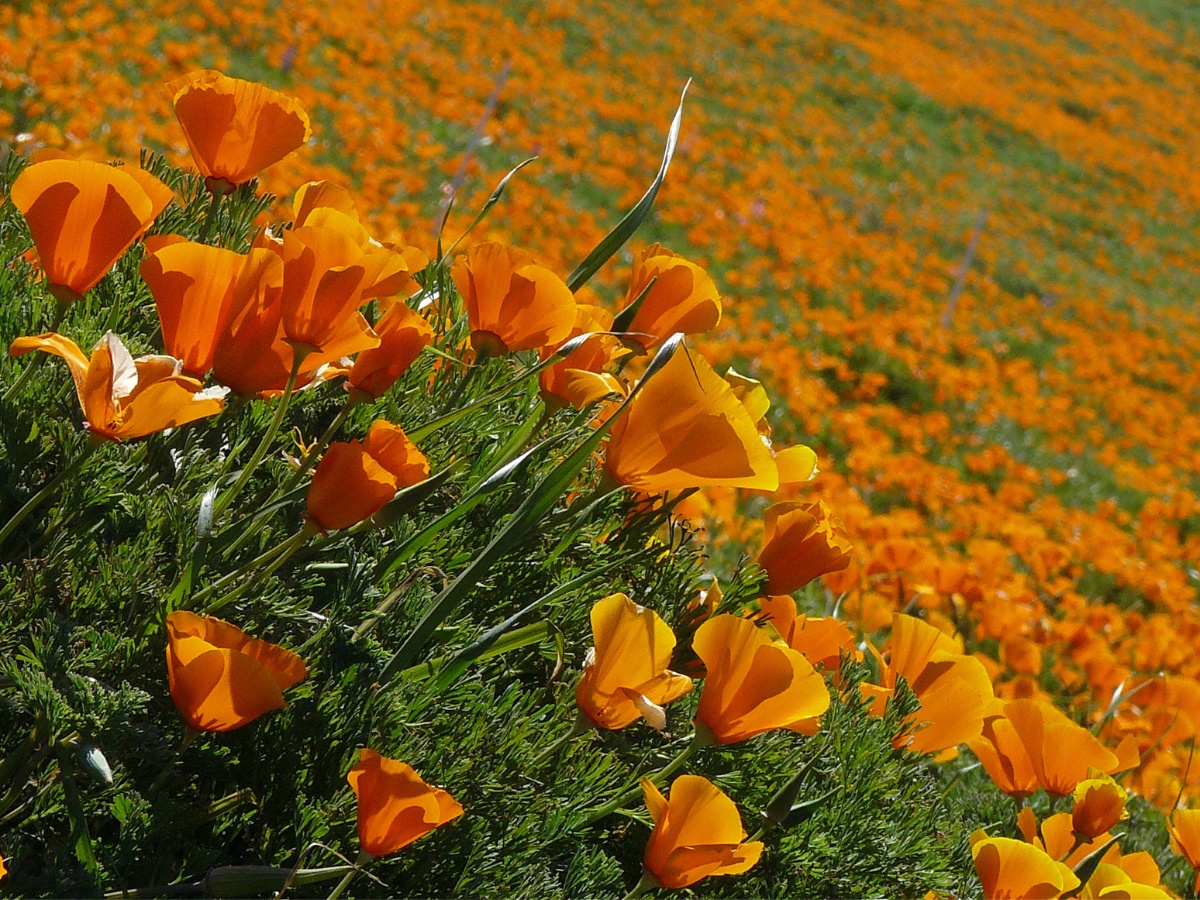
In later years, the celebration was expanded. California Poppy Week is now observed during the week that includes April 6, which is also sometimes noted as California Poppy Day in more modern contexts. Schools, botanical gardens, and community organizations often use this period to educate residents about native plants and the importance of protecting California's natural ecosystems.
Its naming as the state flower followed a general national trend in the late 19th and early 20th centuries, during which many U.S. states formalized state symbols as part of building regional identity and civic pride. California's choice of a native wildflower over a cultivated ornamental pointed to the state's connection to its extraordinary natural landscape.

California Poppy in Law
One of the most often discussed aspects of the California poppy is the question of whether it is illegal to pick one. It depends on where you are and who owns the land. California Penal Code Section 384a prohibits the removal, cutting, or destruction of plants growing on land owned or controlled by the state or another public agency without a permit. This means that picking California poppies in state parks, on public roadsides, or on other government-managed land is technically against the law.
On private land, however, different rules apply. A property owner can do as they wish with plants on their own land. The general misconception that picking a California poppy anywhere in the state is always a criminal offense is not strictly accurate, but the protective spirit of the law is clear in that the state takes the preservation of its native flora seriously.
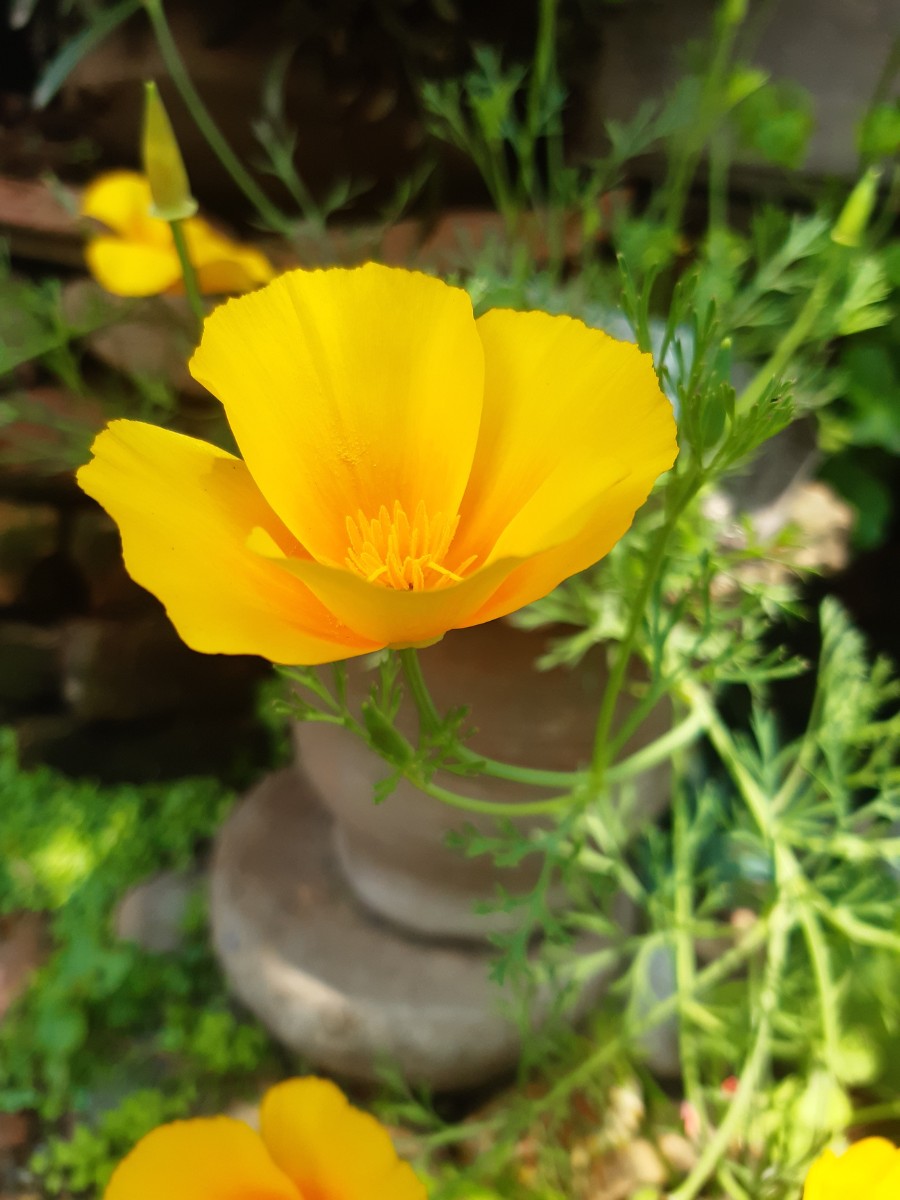
The legal protections around the California poppy show a real commitment to its conservation. The flower is a keystone element of California's native plant ecosystems, providing nectar for pollinators, including bees and butterflies, and contributing to soil stability in areas prone to erosion.
How Do Californians Associate With the California State Flower?
The California poppy has a place in the state's cultural life, easily beyond its botanical classification. For many Californians, the spring flowering season comes with great excitement. The Antelope Valley California Poppy Reserve in Lancaster, Los Angeles County, draws tens of thousands of visitors every year when the fields bloom into color between February and May. In good rainfall years, entire hillsides turn orange; a display that draws photographers, families, and nature enthusiasts from across the country.
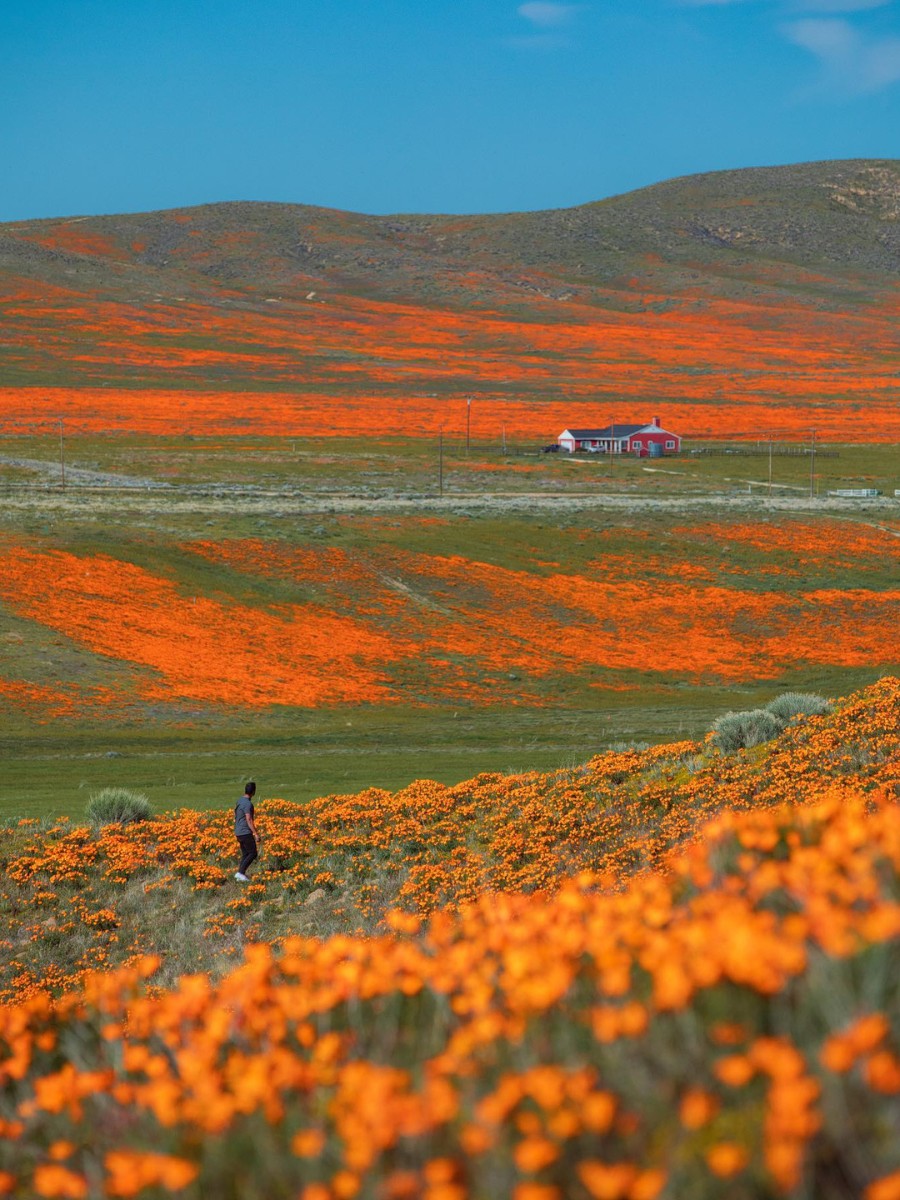
The phrase ‘super bloom’ is even a mainstream California vocabulary, describing years when exceptional winter rainfall triggers an unusually dense and widespread flowering of native wildflowers, with the California poppy almost always the most prominent of the spectacle. Super blooms have created great national and international media coverage, supporting the flower's status as a symbol of California's natural grandeur.
Seasonal tourism aside, the California poppy appears throughout the state's cultural and commercial life. It is featured on California state-related merchandise, in public murals, on wine labels, and as a motif in garden design across the state. Schools use it in science and nature education curricula. The California Native Plant Society actively promotes its planting in home gardens as part of water conservation and habitat restoration efforts.
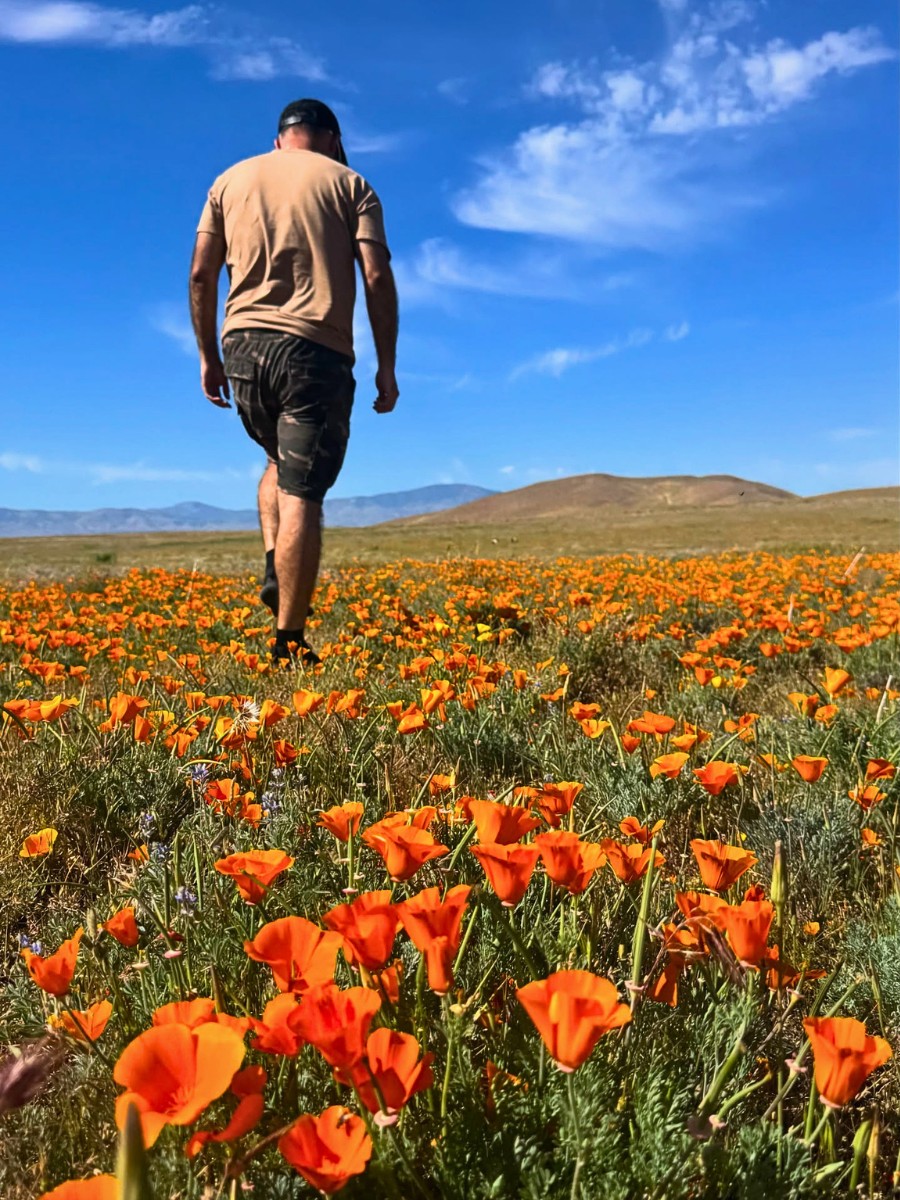
The poppy's association with the gold color also connects it to the mythology of California: the Gold Rush, the Golden Gate, and the Golden State. For residents, the flower is shorthand for California's landscape, its light, and its particular character.
Growing the California Poppy
The California poppy is one of the easiest wildflowers to grow, which has contributed to its popularity in gardens even outside state borders. It performs best when direct-seeded into the ground in fall or early spring, as it requires a period of cool, moist conditions to germinate well. The seeds can be scattered over prepared soil and lightly raked in, or simply broadcast over an area and watered.
The plant thrives in full sun and prefers well-drained, even sandy or rocky soil. Overwatering and overly fertile soils tend to produce lush foliage but fewer flowers. Once established, the California poppy self-seeds freely, meaning that one planting often sustains itself year to year with little additional effort.
In the cut flower trade, it presents some challenges due to the short vase life of cut stems, though growers and florists have developed techniques to extend their longevity. Searing stem ends immediately after cutting and using conditioned water can improve keeping time. The flower is more commonly used in garden settings and wildflower meadow plantings than in formal cut flower arrangements, though there is some use in seasonal and naturalistic designs.
The California Poppy in Ecology and Conservation
As a native plant, the California poppy has an important ecological role. It provides a reliable nectar and pollen source for native bees, honeybees, and other pollinators during the spring months. Its open, cup-shaped flowers are particularly accessible to a wide range of insect visitors. Several native bee species show a preference for its pollen, making it a valuable component of pollinator-supporting gardens and restoration projects.
It is also used in slope stabilization and erosion control in naturalistic landscaping, as its root system helps bind loose soils. In the context of California's ongoing drought challenges and increasing water scarcity, the plant's low water requirements make it an ideal choice for sustainable landscaping programs. Many municipalities across the state actively promote native plant gardens that feature the California poppy as a central element, reducing the demand for irrigation in residential and commercial landscapes.
Conservation organizations also view the California poppy as an indicator species for the health of California's native grassland and chaparral habitats. Where poppies flourish, the ecosystem tends to be in good condition, and where they disappear, it often indicates soil degradation, invasive species pressure, or other ecological stress.
Featured image by @xalishmedicines. Header image by Santa Monica Mountains National Recreation Area.