From the greenhouse to the florist’s worktable, every step matters in keeping spray roses at their best. Together with flower care specialist Chrysal and World of Spray Roses, we explore what it takes to protect their beauty throughout the journey.
More Than One Reason to Love Spray Roses
A rose stem carrying an entire cluster of blooms has something special about it. While a standard rose draws attention to one large flower, a spray rose offers several, each opening at its own pace. The result is a lively, natural look that brings movement and texture to floral designs.
For florists, that versatility is part of the appeal. Spray roses work beautifully in wedding arrangements, romantic bouquets, garden-style designs, and delicate floral details. Their smaller blooms add volume without overwhelming the composition, while the variety of colors and shapes offers plenty of creative freedom.
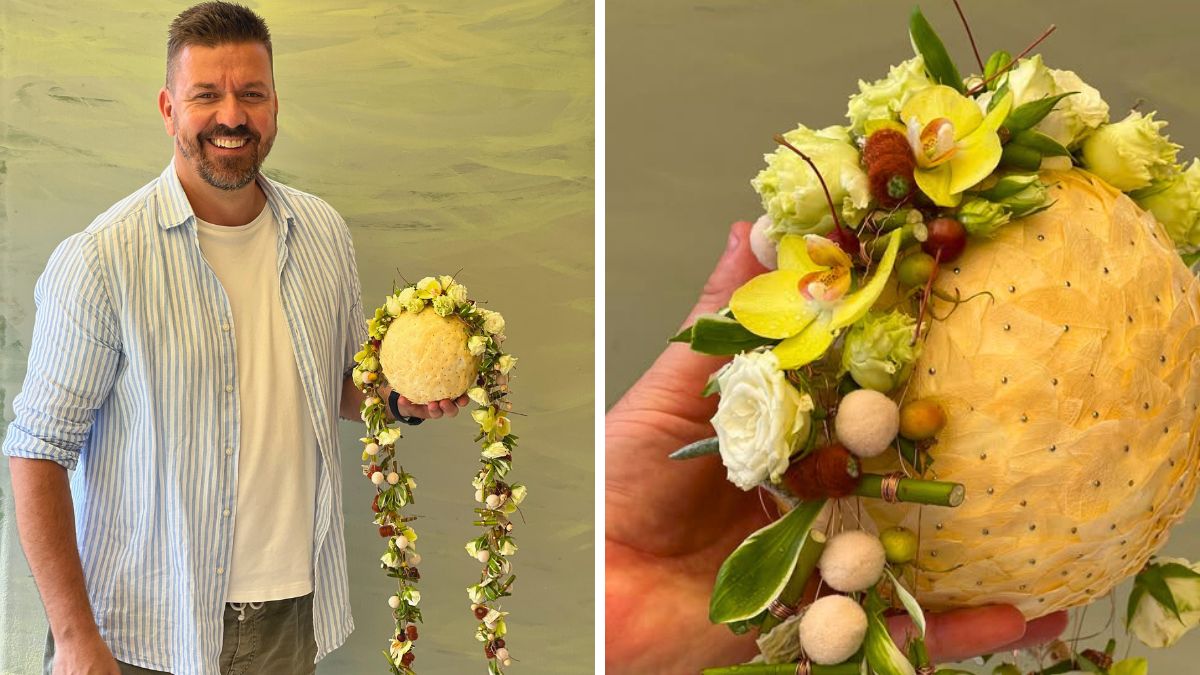
As Jurjen Ilsink from World of Spray Roses puts it:
“A spray rose is essentially a bouquet on a single stem. With several flowers growing together, you immediately get volume and a natural, playful look. Florists love the endless possibilities, from simple mono bouquets to elaborate bridal designs. And with such a wide range of colors, shapes, and even fragrant varieties, there is a spray rose for almost every occasion.”
But having several flowers on one stem also brings its own challenges. Not every bud develops at the same rate, and keeping the entire cluster fresh requires attention throughout the supply chain. A spray rose may look beautiful when harvested, but its true quality is revealed in the days that follow.

Behind Every Stem Is a Grower’s Story
Growing spray roses requires patience, experience, and a good understanding of how each variety develops. From managing growing conditions to choosing the right harvest stage, every decision shapes how the flowers perform once they leave the greenhouse.
World of Spray Roses brings together growers and breeders who share a passion for these multi-flowered roses. Many members cultivate spray roses at high altitudes in East Africa, South America, and Asia, where growing conditions favor strong stems and bright colors.
One of the greatest challenges is balancing the flowers on each stem. A well-developed spray rose needs an attractive distribution of blooms, but each bud must also have enough energy to continue opening after harvest.

“The biggest challenge is finding the right balance on a single stem. You want a beautiful cluster of flowers, but every bud also needs enough energy to open properly once it reaches the vase. The harvest stage is crucial. If you cut too early, the buds may not open as they should, and the flowers won't last as long.” Jurjen Ilsink added.
Breeding is equally important. Breeders select new spray rose varieties not only for appearance but also for productivity, disease resistance, cluster formation, and reliable bud opening. These characteristics help determine how well a variety performs both in the greenhouse and further along the supply chain.
Cultivation care is only the beginning. Once the stems are cut, a new phase starts, and protecting that quality becomes just as important as producing it.

Protecting Quality After Harvest
As soon as a spray rose is harvested, its growing conditions change completely. No longer connected to the plant, the stem depends on proper handling, hydration, temperature management, and post-harvest treatment to stay fresh.
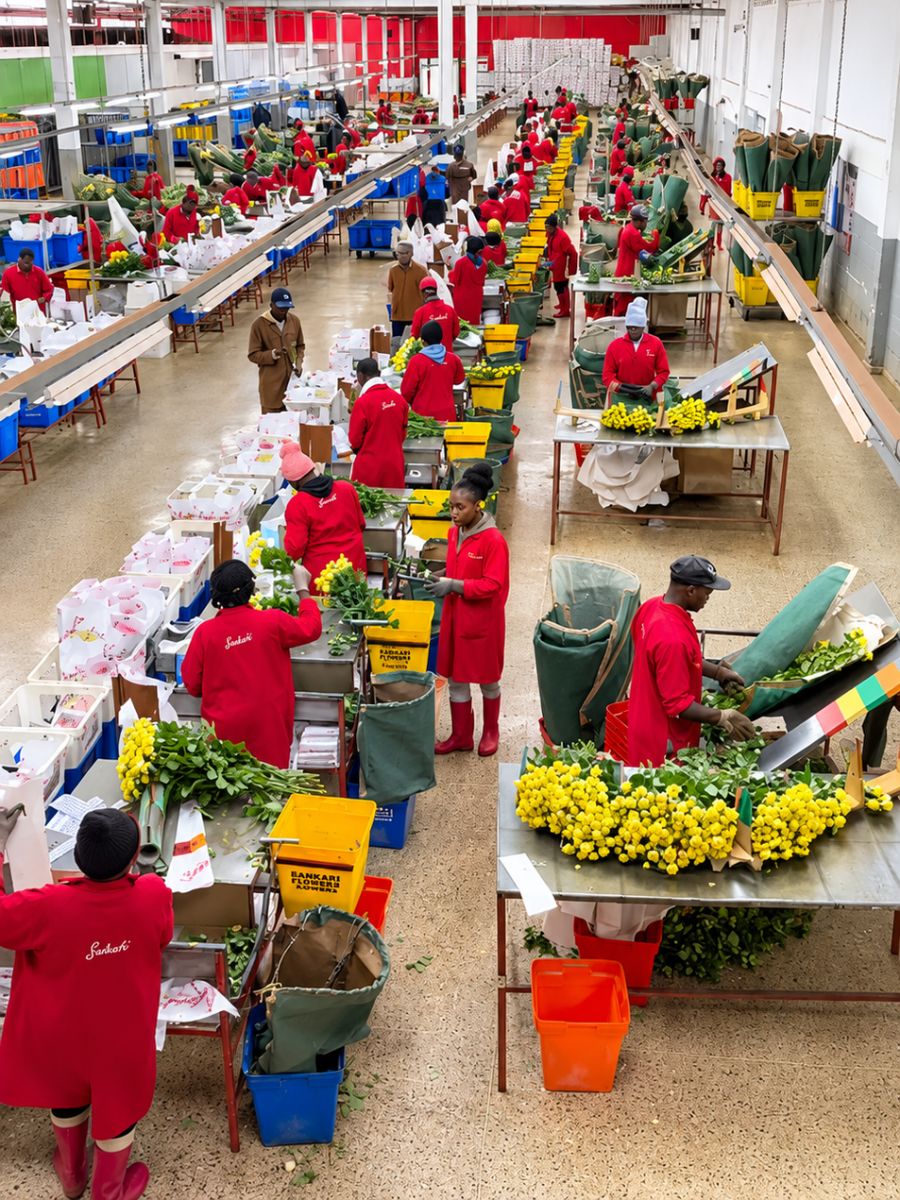
For spray roses, the journey from greenhouse to florist can be surprisingly long. Flowers harvested in countries such as Kenya or Ethiopia often travel through auctions and wholesalers before reaching florists and retailers worldwide. In some cases, that journey can take a full week.
“Spray roses often travel a long way before reaching the florist. The biggest risks along the way are interruptions in the cold chain, ethylene exposure, and Botrytis. That's why a good start immediately after harvest is so important: rapid cooling, proper hydration, good hygiene, and treatments that help support the flowers throughout the entire journey.” Jurjen Ilsink explained.
This is where Chrysal’s expertise comes into play.
Post-harvest care matters for spray roses because several blooms and buds share the same stem. Good water uptake supports flower development, while proper hygiene and handling reduce the risk of quality loss during storage and transportation.
Chrysal develops flower care solutions for different stages of the supply chain, helping growers, traders, and florists preserve flower quality from harvest to the final consumer. For a grower, the objective is straightforward: the flowers arriving at their destination should reflect the quality that left the greenhouse.

How World of Spray Roses Approaches Post-Harvest Care
For the World of Spray Roses team, post-harvest treatment is a standard part of daily operations. The process starts immediately after harvesting, when the flowers are prepared for the journey ahead.
As Jurjen Ilsink said:
“For high-quality spray roses, post-harvest care is essential. Many of our members use Chrysal RVB immediately after harvest for hydration and pretreatment. This helps the stems take up water properly and keeps the vascular system clean. When the flowers arrive at an auction or wholesaler, it's important to get them back into water as quickly as possible. After spending up to a week in a box without water, they need proper hydration and additional nourishment. That's where Chrysal Professional comes in.”

The care continues at the florist and consumer stages, where Chrysal Universal Flower Food supports flower development and helps spray roses maintain their beauty in the vase.
According to Jurjen Ilsink, the difference becomes particularly noticeable as the smaller buds begin to develop.
“Good post-harvest treatment can make the difference between a stem where only the already open flowers look beautiful and one where even the last buds open in the vase. In general, we see this reflected in longer vase life, fewer losses during transport, and fewer customer complaints.”
The most interesting part of this story isn’t simply which product is used, but why it has become part of the grower’s routine. Post-harvest care works best when it fits the flower, the handling process, and the journey ahead.

What Good Flower Care Means for Florists
By the time spray roses arrive at a flower shop, they have already been through several stages of handling and transportation. Florists depend on the work done earlier in the chain, but their own care practices remain equally important.
Fresh, well-hydrated spray roses are easier to work with and give florists more confidence when creating customer arrangements. Good water uptake supports flower opening, while proper care can help reduce premature wilting and unnecessary waste.
For florists working on weddings and events, consistency matters. Florists often need to prepare flowers ahead of time, transport them to a venue, and display them for hours before an event begins. Knowing how spray roses respond during that process makes planning easier.
.jpg?1792654570102 "Spray Roses from World of Spray Roses")
Chrysal’s professional flower care solutions can support florists during conditioning and display, helping them maintain the quality of the flowers they receive.
Spray roses are gaining popularity among florists and consumers. While many professionals are familiar with spray roses, others are only beginning to discover their possibilities.
“The feedback is very positive. Florists appreciate the versatility and the wide range of colors, while consumers are often surprised by how many flowers they get on a single stem. Once people really get to know spray roses, they tend to come back for more. But that only happens when the quality is right, all the way to the vase.” As Jurjen Ilsink added.
Because spray roses have multiple blooms on a single stem, check the whole cluster. The most open flower may catch the eye first, but the smaller buds deserve attention, too.

From the Flower Shop to the Vase at Home
The journey doesn’t end when a customer takes a bouquet home. A few simple care habits can make a noticeable difference in how spray roses develop and how long they remain attractive.
Start with a clean vase and fresh water. Trim the stems with a clean, sharp tool before placing them in water, and remove any leaves that would sit below the waterline.
Using a suitable flower food, such as Chrysal Universal Flower Food, helps provide cut flowers with the conditions they need to keep developing in the vase. Always follow the dosage instructions on the packaging.
Placement matters, too. Keep spray roses out of direct sunlight, away from heaters, and away from ripening fruit. Check the water regularly and keep the stems submerged.
As the individual flowers open, the bouquet gradually changes character. That is part of the charm of spray roses: instead of presenting one single moment of beauty, they offer a display that keeps evolving.
.jpg?1792656230040 "Spray roses from World of Spray Roses")
Great Spray Roses Are a Team Effort
A beautiful spray rose results from many decisions made by different people. The grower creates the right conditions for the flower to develop. Post-harvest care helps protect that quality during its journey. The florist brings the stems into a design, and the consumer provides the final care at home.
Chrysal connects these stages with flower-care knowledge and solutions designed for the industry’s needs.
For spray roses, where several delicate blooms share one stem, that attention throughout the chain is especially valuable. The beauty of a spray rose doesn’t stop the moment it is cut. It will keep unfolding.
Featured image: Spray rose design from @worldofsprayroses.