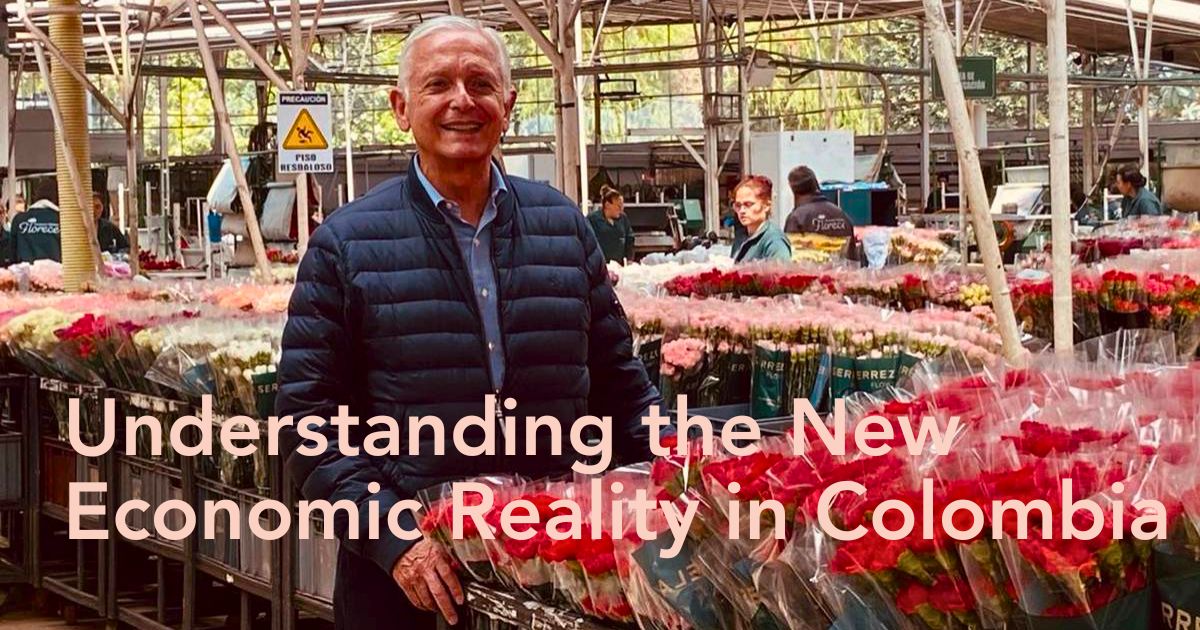
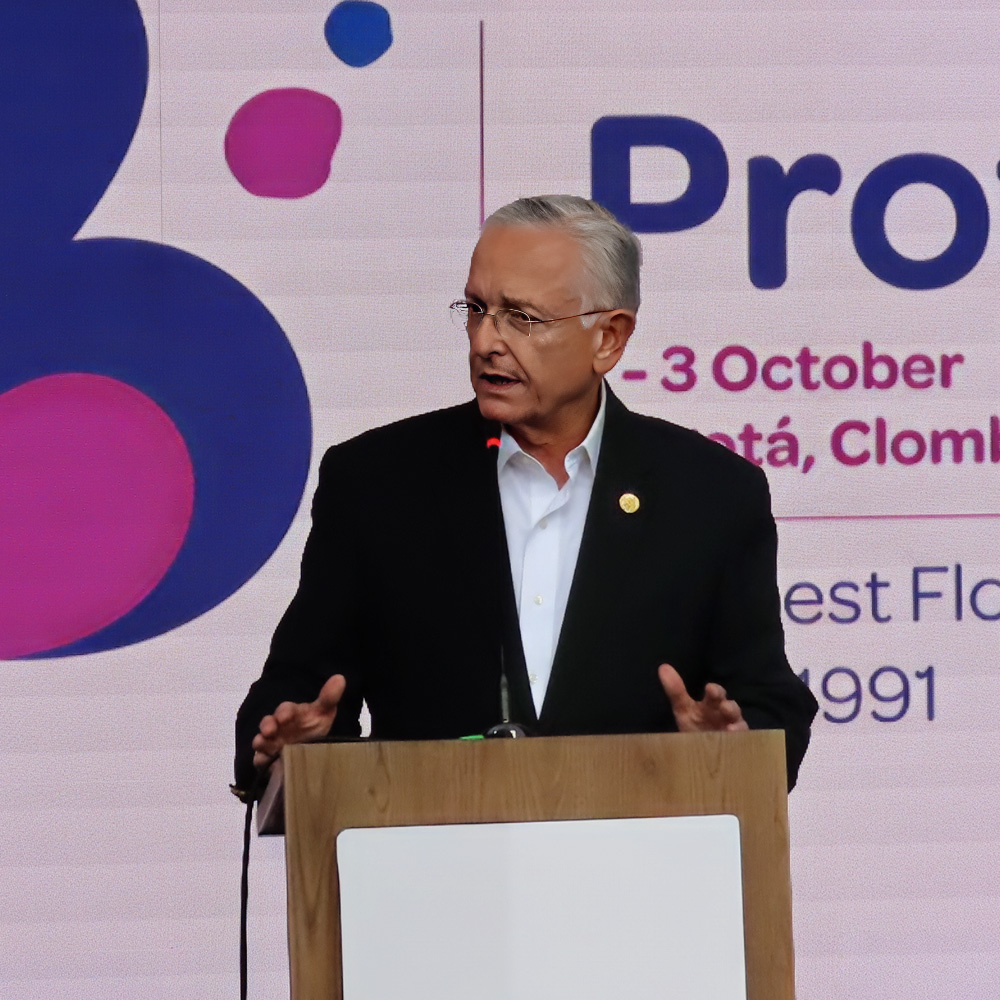
When Augusto Solano speaks, the global flower industry listens. As the long-standing President of Asocolflores, Solano has shaped Colombia’s floriculture strategy for decades, guiding the sector through trade agreements, logistics crises, sustainability transitions, and geopolitical shifts.
During a well-attended industry webinar this week, Solano joined Christine Boldt of the Association of Floral Importers of Florida (AFIA) to address what he described as one of the most consequential policy moments for Colombian flowers in recent history.
A Wage Decision With Long-Term Consequences
At the center of the discussion was Colombia’s newly announced minimum wage increase of 23.7 percent, a figure that immediately sent shockwaves through labor-intensive export sectors. Solano was direct in his assessment. This was not a cyclical adjustment, but a structural change.
The increase was enacted after negotiations between unions and employers failed to reach an agreement, prompting a unilateral presidential decision. According to Solano, technical recommendations based on inflation and productivity would have resulted in an increase of just over 7 percent. The final outcome exceeded that benchmark by more than 3 times.

Why Colombian Flowers Are Disproportionately Exposed
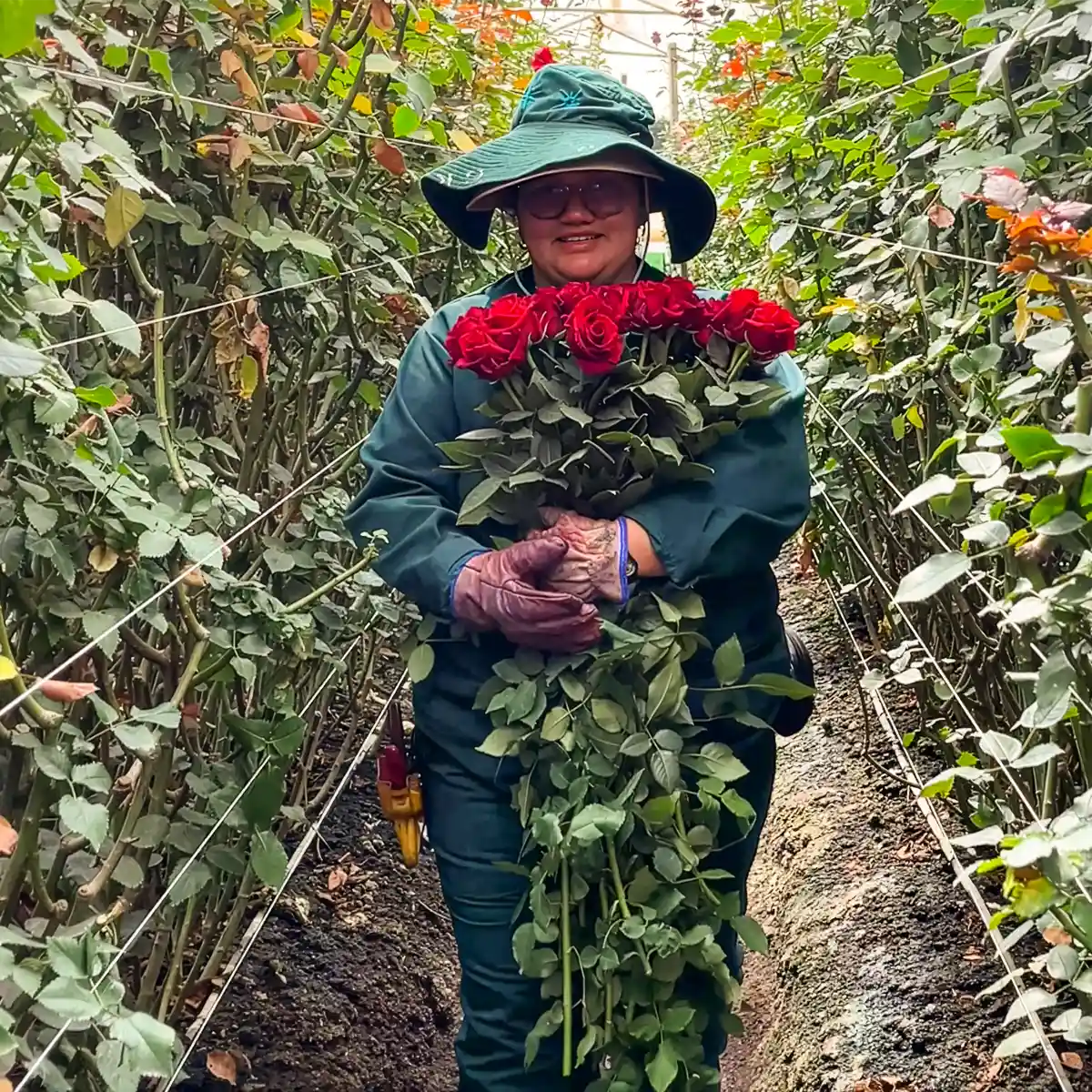
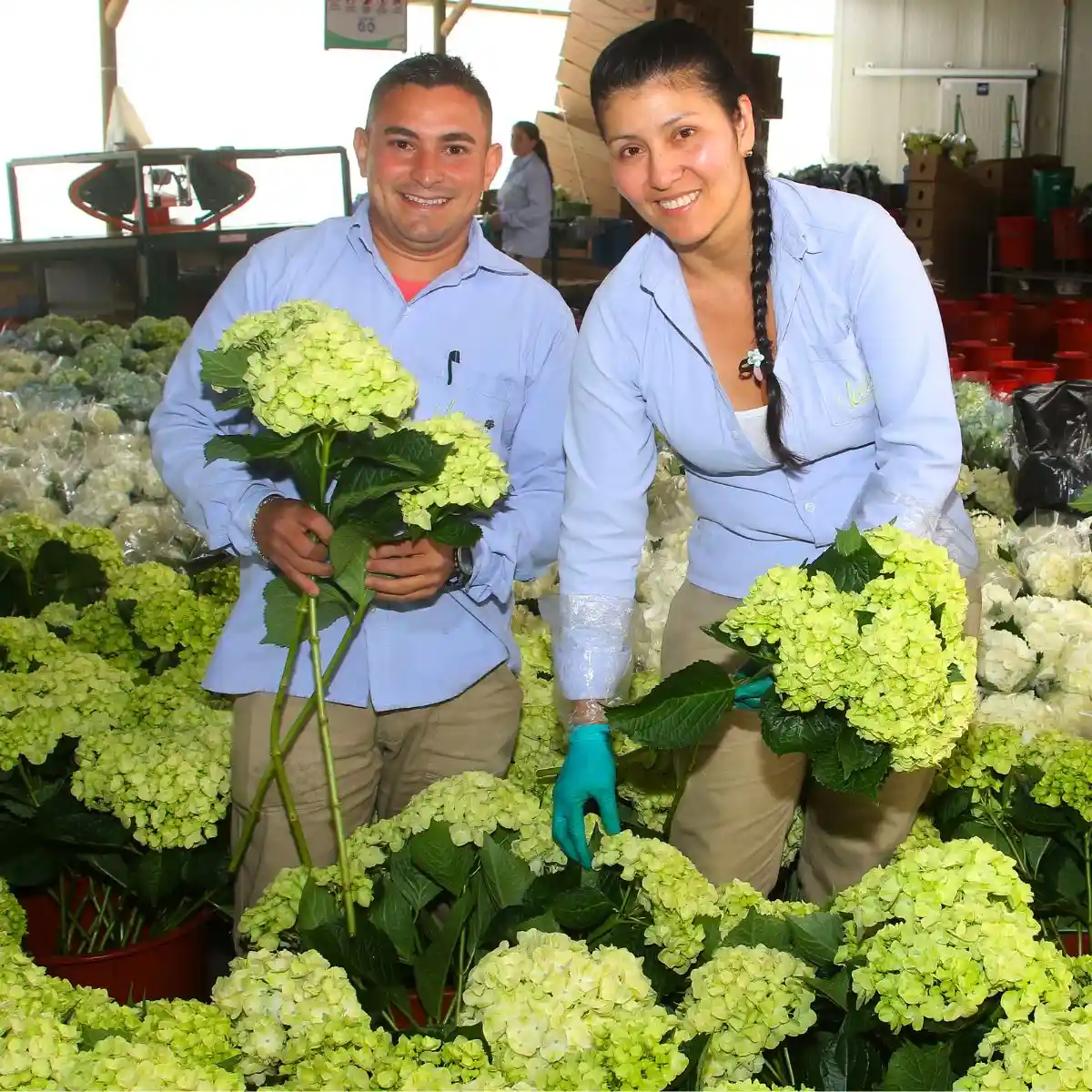
Solano emphasized a critical distinction often overlooked outside Colombia. The flower sector is almost entirely formalized. Workers are employed under full contracts, with social security, benefits, and compliance embedded into daily operations.
Nationally, more than 60 percent of Colombia’s workforce operates informally and is unaffected by minimum wage legislation. Floriculture, by contrast, absorbs the full effect of every statutory increase.
In addition to wages, the decision automatically raises social charges, severance costs, and overtime calculations. Combined with the ongoing reduction of the legal workweek from 48 to 42 hours, effective hourly labor costs rise even further.
Peak Season Pressure and Immediate Reality
The timing of the increase could hardly be more sensitive. As Solano noted, the industry is fully engaged in Valentine’s Day exports, operating under tight timelines, fixed logistics capacity, and strict phytosanitary and security protocols.
Payroll adjustments had to be implemented immediately in January. While legal challenges are underway, Solano made it clear that any future rulings would not reverse current obligations. The cost increase is now embedded in the system.
This reality forces growers to absorb higher costs while continuing to deliver consistency, quality, and reliability to global markets.
Competitiveness, Productivity, and the Road Ahead
Audience questions addressed currency dynamics, automation, and comparative competitiveness with other producing countries. A stronger peso may reduce the cost of imported inputs, but it does not offset labor-driven inflation.
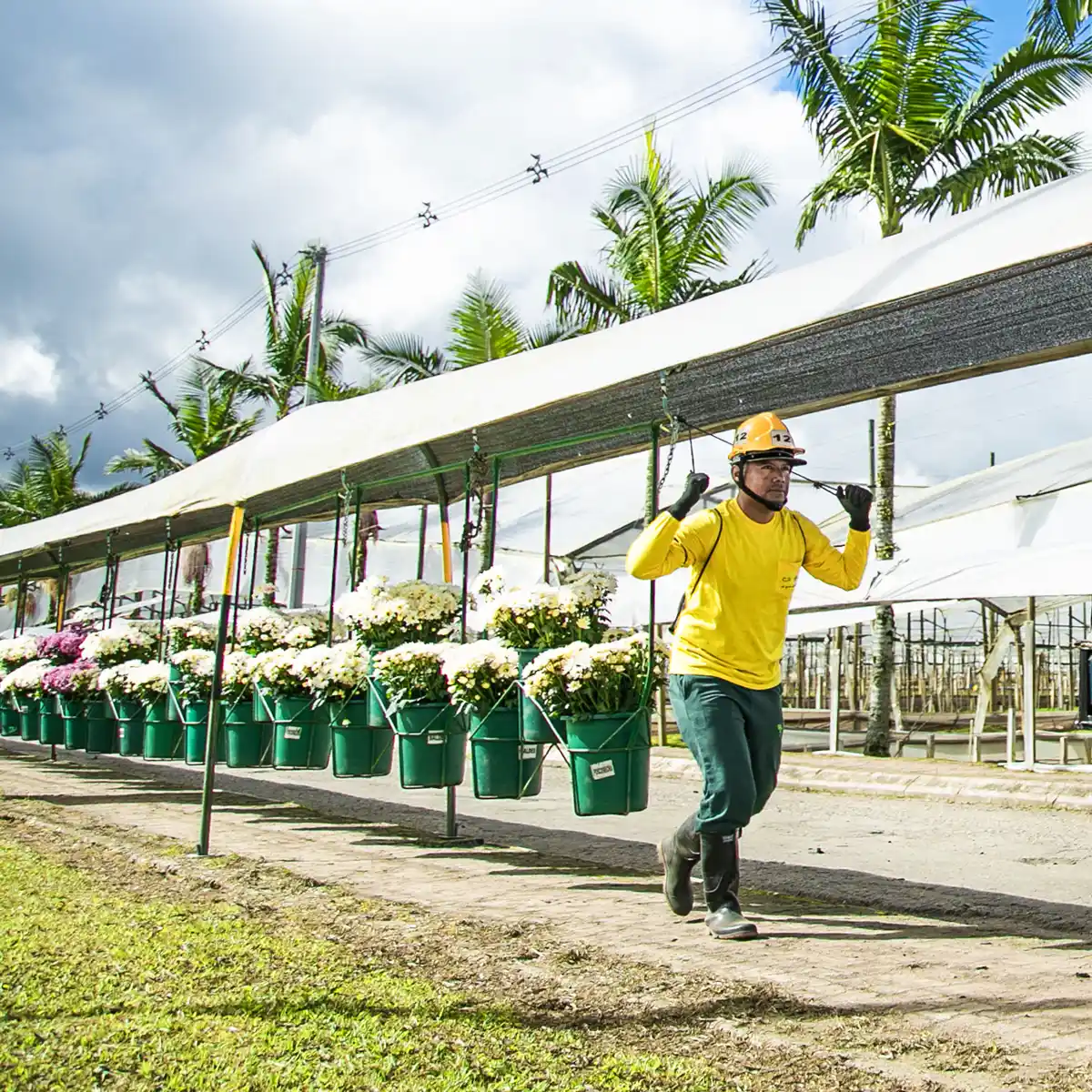
Solano pointed to productivity gains, automation, and process optimization as essential levers moving forward. These investments are already underway across the sector, though they require capital, scale, and time.
The message was measured but firm. Colombian floriculture has adapted before, but adaptation now requires recognition that cost structures have fundamentally shifted.
A Message to the Global Supply Chain
Both speakers stressed that pricing remains a matter between buyers and sellers. Associations provide transparency and context, not commercial coordination. Still, the implication was clear.
For importers, wholesalers, and retailers, understanding the new economic reality in Colombia is no longer optional. Strategic dialogue, realistic expectations, and long-term partnership thinking will be essential to maintain stability.
As one of the most influential voices in global floriculture, Augusto Solano’s assessment signals a defining moment for the sector. The coming months will test how aligned the global flower supply chain truly is.