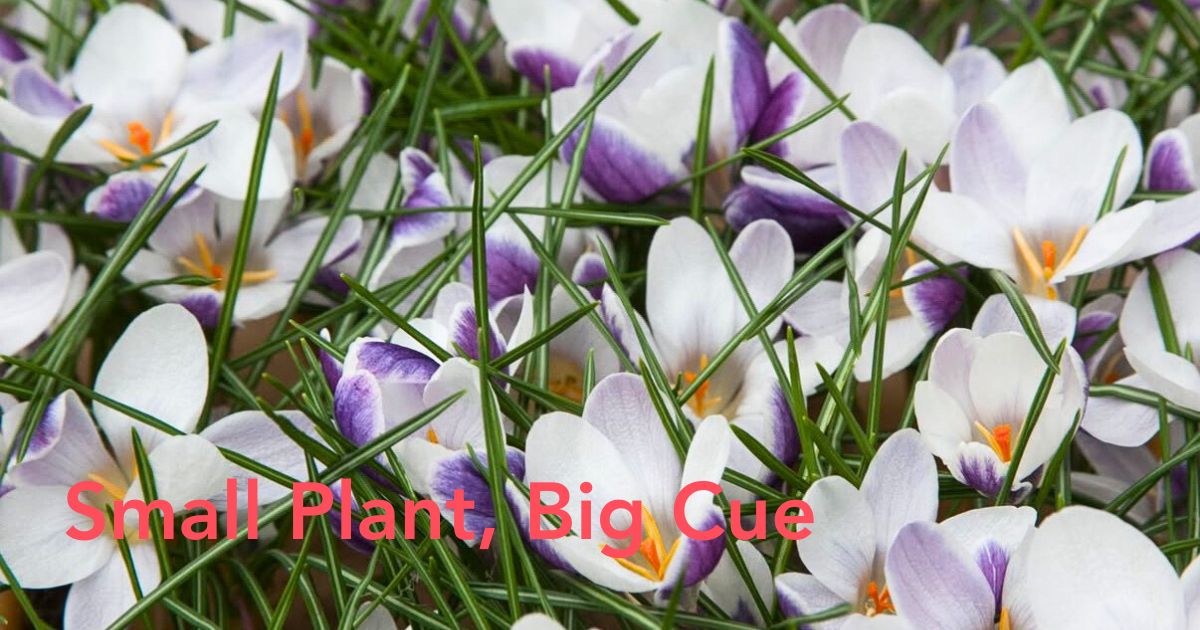
The Crocus plant holds a distinct position in the ornamental calendar. At a time when production cycles are still transitioning and retail spaces are seeking early-season momentum, Crocus flowers enter the market with reliable timing and recognizable form. For growers, exporters, wholesalers, florists, and landscape professionals, this genus represents more than a seasonal accent. It offers structured commercial opportunities across the corm trade, pot production, and landscape supply.
From field production in Europe to retail benches worldwide, Crocus flowering supports early turnover and signals the start of a new sales cycle. Understanding its botanical background, production mechanics, and market positioning allows professionals to approach this crop strategically rather than sentimentally.
What Makes the Crocus Plant So Valuable in Early Season Production?
The value of the Crocus plant begins with timing. Crocus flowering typically occurs in late winter to early spring, depending on species and planting schedules. When most outdoor crops are still dormant, Crocus flowers provide visible activity in gardens, parks, and retail environments. This early presence creates commercial momentum at a critical moment in the horticultural calendar.
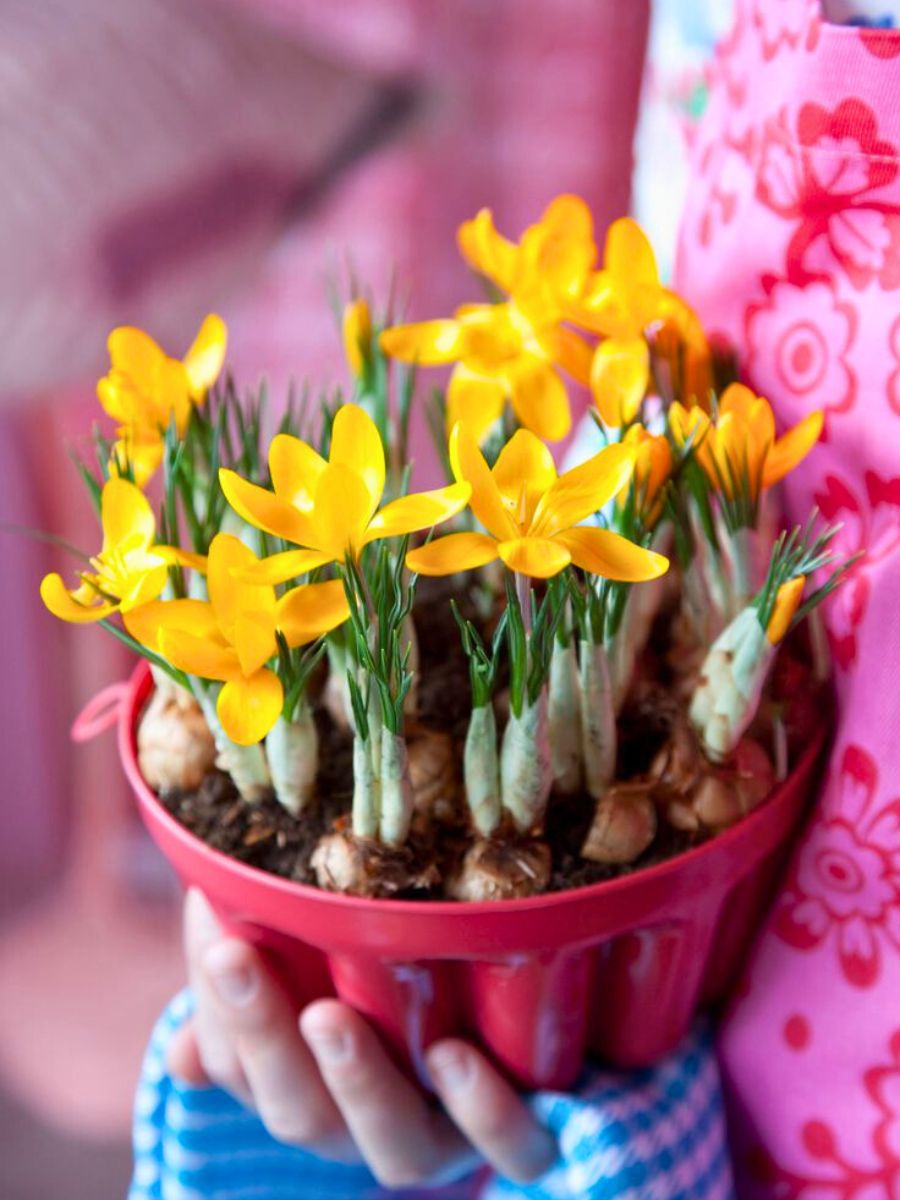
For growers, autumn planting combined with winter chilling ensures predictable flowering. The crop requires a cold period for proper development, making it well-suited to temperate climates. In regions with insufficient winter chill, controlled cold-storage programs enable regulated forcing. This flexibility enables suppliers to align Crocus flowering with specific retail windows.
For wholesalers and garden centres, the Crocus plant supports dual revenue streams. Corms are sold in late summer and autumn, while flowering pots enter the market in late winter. This staggered approach strengthens seasonal cash flow and maintains consumer engagement over multiple months.
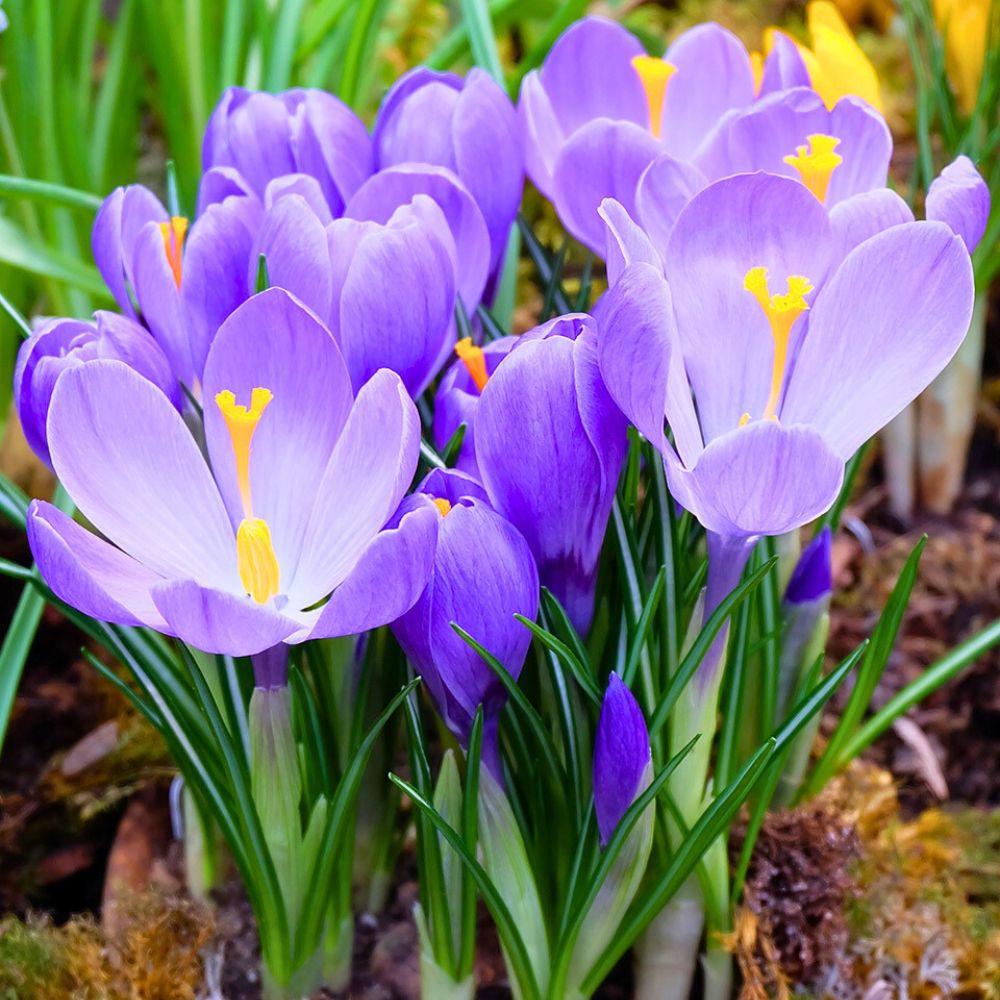
Florists, while not heavily reliant on Crocus flowers as cut stems, increasingly incorporate planted material into retail concepts and event styling. Compact bowls of Crocus flowers offer an accessible, seasonal product that aligns with consumer demand for living plants.
Botanical Structure and Species Overview
The Crocus plant belongs to the Iridaceae family and consists of more than ninety species distributed across Europe, North Africa, and parts of Asia. Unlike true bulbs, Crocuses grow from corms. This structural difference matters for propagation, storage, and trade logistics. Corms are solid and generally durable, which supports efficient grading and export handling. Learn more about corms, bulbs, and tubers here.
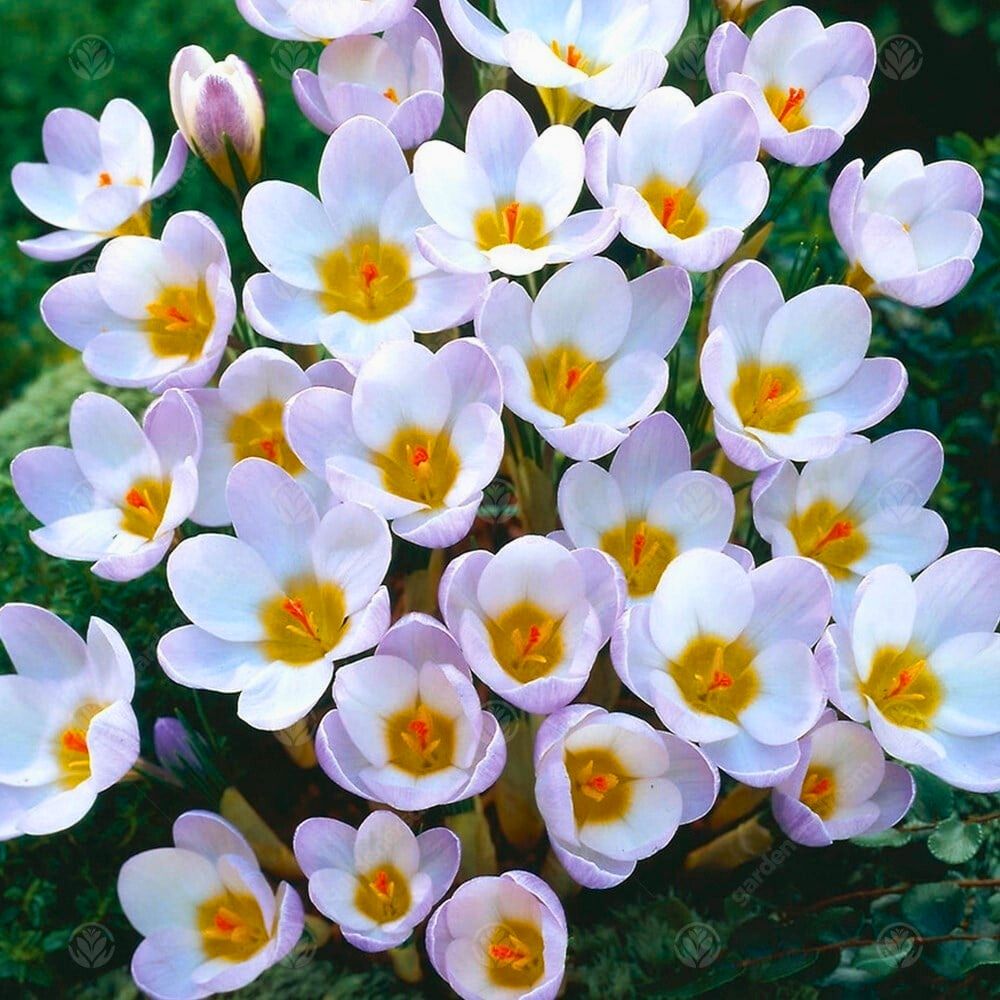
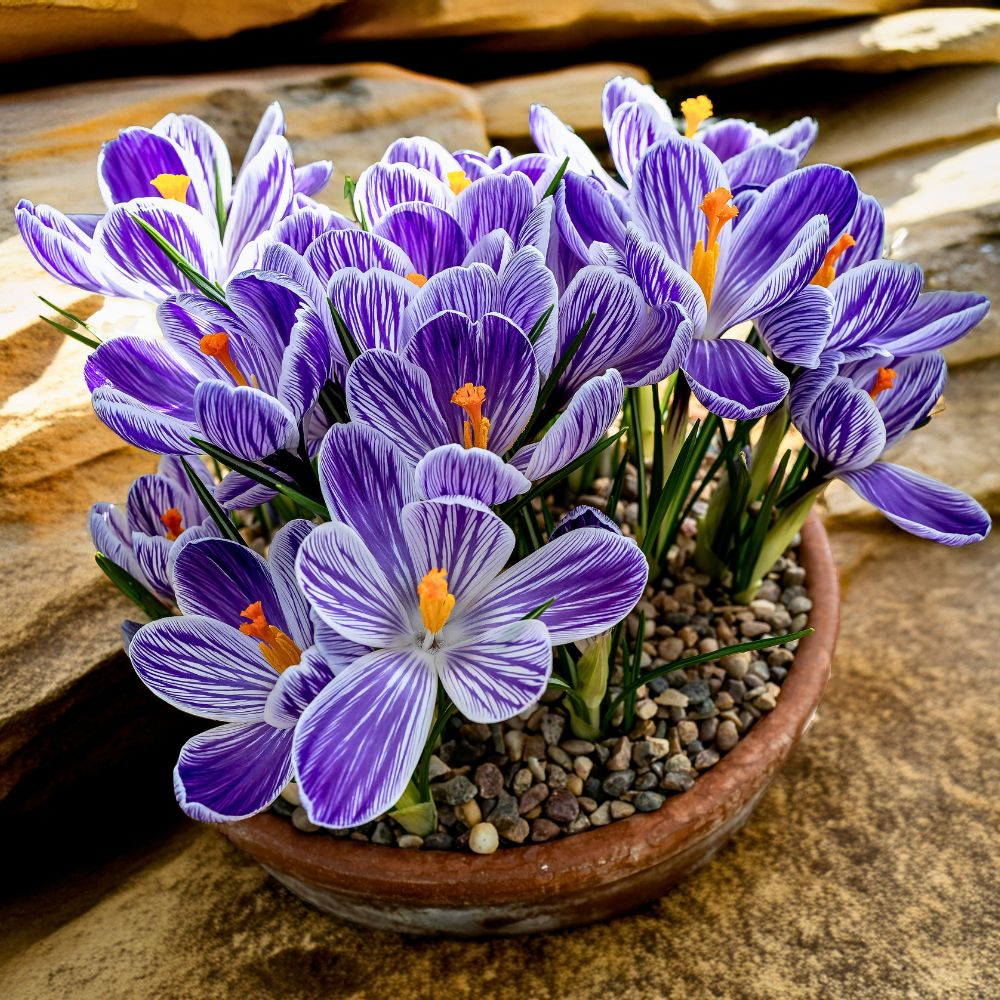
The foliage is narrow with a central silver stripe. Crocus flowers appear directly from the soil on short stems, forming cup-shaped blooms in white, purple, lilac, striped patterns, and yellow. Height remains modest, which defines its primary use in groundcover and pot programs rather than cut flower production.
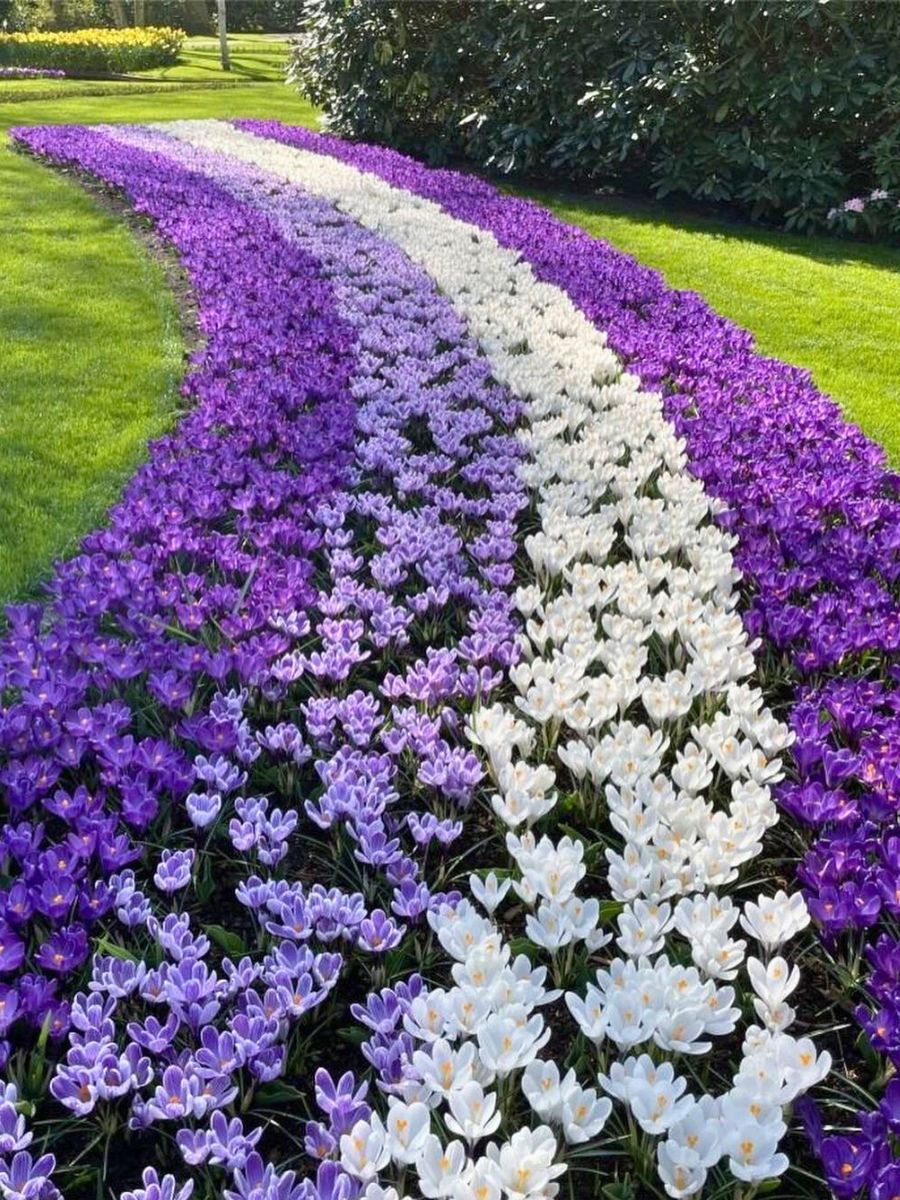
Crocus vernus hybrids dominate commercial programs due to their larger flowers and uniform growth. Crocus Chrysanthus varieties, often called snow Crocus types, flower earlier and suit compact retail trays. Crocus Tommasinianus is valued for its naturalizing ability in landscape settings. Crocus Sativus, while primarily cultivated for saffron, demonstrates the agricultural diversity within the genus.
Crocus Flowering Cycles and Scheduling
Crocus flowering depends on species selection and planting timing. Spring-flowering types are planted in autumn and require cold exposure to initiate bud formation. Without adequate chilling, flower performance can decline.
For professional growers, this makes temperature management central to planning. Field production relies on natural winter conditions, while pot forcing operations may use refrigerated storage to regulate flower timing. This precision allows exporters and wholesalers to target early-season retail demand.

Autumn flowering Crocus plant varieties offer a secondary niche market. While less dominant in the ornamental trade, they extend the relevance of the genus beyond spring.
Short flowering duration requires tight supply chain coordination. Crocus flowers have a strong visual impact but limited longevity once fully open. Efficient logistics between grower, exporter, and retailer are therefore critical to avoid missed sales windows.
Production and Propagation for Commercial Supply
Corm grading is a major determinant of quality. Larger corms produce stronger Crocus flowering and higher stem counts. Professional buyers expect uniformity in size, health, and labeling. For exporters, consistent grading standards support repeat business.
The Crocus plant prefers well-drained soil and moderate fertility. Excess moisture during dormancy increases the risk of rot. Crop rotation and clean planting stock reduce disease pressure. Rodent management may also be necessary in open field production.
In pot production, high-density planting creates an immediate retail impact. However, spacing must still allow adequate airflow and root development. Growers supplying export markets must comply with phytosanitary regulations, ensuring corms meet inspection standards. Corm multiplication occurs naturally through daughter corm development. Efficient multiplication rates contribute directly to profitability, especially for breeders and large-scale producers.
Crocuses Flowers in Landscape and Retail Programs
Crocus flowers are primarily used for mass planting. Grouped plantings create strong early color statements in lawns, borders, and public landscapes. Their ability to naturalise reduces replanting costs and appeals to municipalities and estate managers.

In retail environments, compact pots of Crocus flowering act as early-season traffic drivers. Price accessibility encourages impulse purchasing. For plant traders and wholesalers, this makes forecasting volume and colour mix essential.
Design integration often includes pairing with Muscari, dwarf iris, and early tulips. While florists rarely use Crocus flowers in standard cut arrangements due to stem length, planted compositions remain commercially relevant.
Trade, Export, and Market Positioning
The Netherlands continues to dominate global corm export, setting quality and grading benchmarks for the Crocus plant. Other regions with suitable climates also participate in production, though the European supply remains influential in international trade. Digital commerce has expanded access to Crocus plant corms. Gardeners increasingly purchase directly through online platforms. Clear flowering time information and colour differentiation now influence buying decisions more than ever.
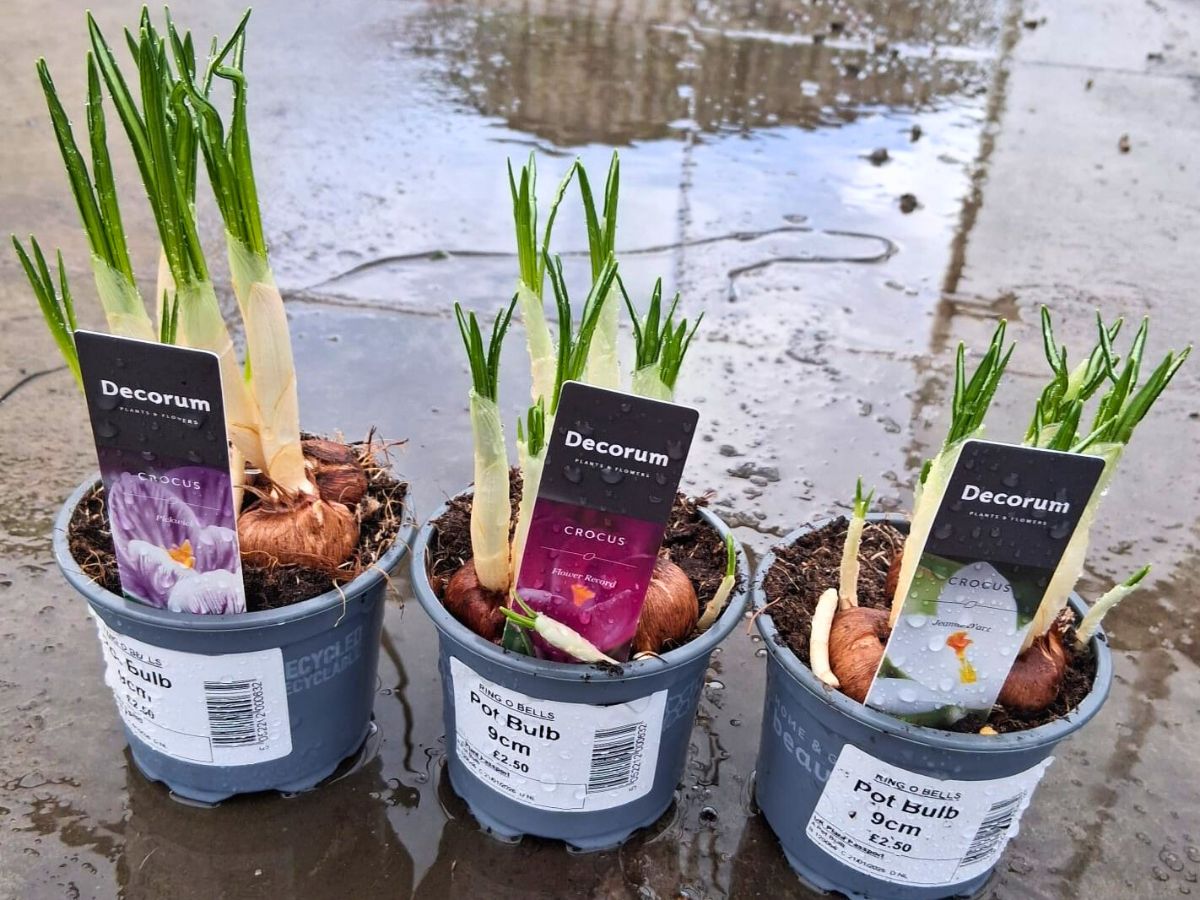
For wholesalers, careful scheduling ensures Crocus flowering aligns with consumer demand. Overstocked material loses value quickly once peak bloom passes. Accurate forecasting and close communication with growers mitigate this risk.
Sustainability and Long-Term Performance
The Crocus plant offers long-term garden value through naturalization. Many species return annually and multiply without heavy intervention. This durability aligns with industry trends favouring resilient planting schemes.
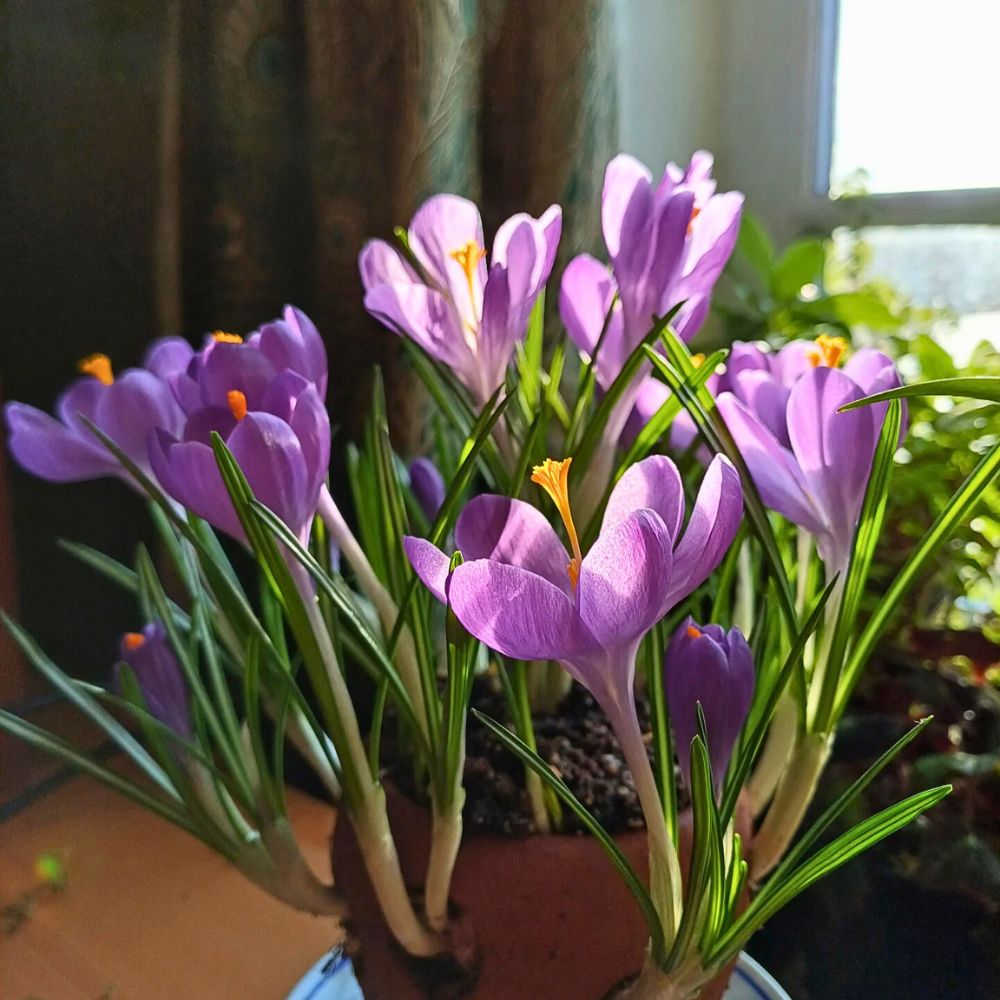
Reduced irrigation needs after establishment support resource efficiency. However, climate variability may influence chilling periods and flowering reliability. Breeders are therefore evaluating adaptability across broader temperature ranges. For landscapers and professional buyers, Crocus flowers represent a cost-effective early-season solution that combines visual impact with low maintenance.
A Small Plant With Strategic Market Impact
The Crocus plant will not replace high-volume cut flower crops, yet its importance within the seasonal calendar remains steady. Crocus flowering anchors late winter retail programs, drives early sales, and maintains relevance across garden, landscape, and corm export markets.
For breeders, growers, exporters, wholesalers, and florists, Crocus flowers provide a structured opportunity when approached with clear scheduling and quality control. In a competitive ornamental market, even compact crops can deliver meaningful commercial value when aligned with the right timing and audience.
Header image by @peter_nyssen